Product successfully added to your shopping cart
Quantity
Total
There are 0 items in your cart. There is 1 item in your cart.
Total products
Total shipping To be determined
Total

2.0L 16v - EA888.3
Manufacturers
2.0L 16v - EA888.3
Warning: Last items in stock!
New product
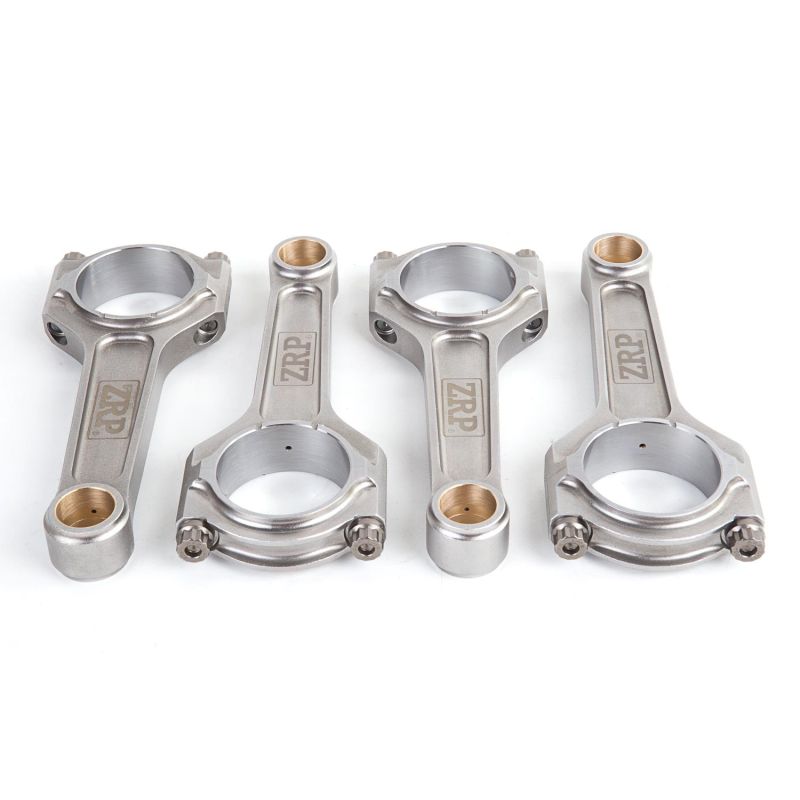
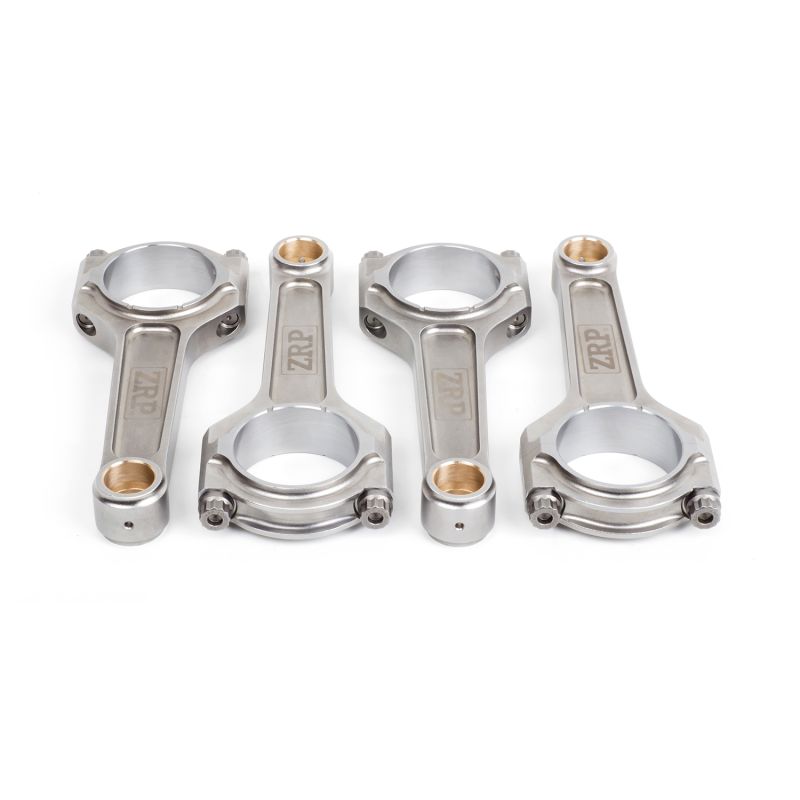
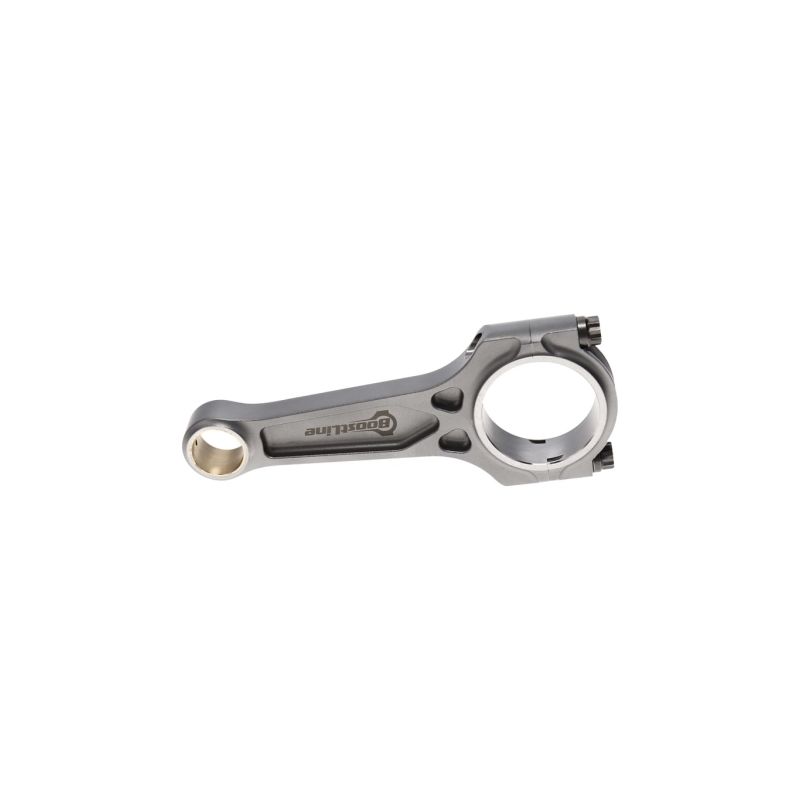
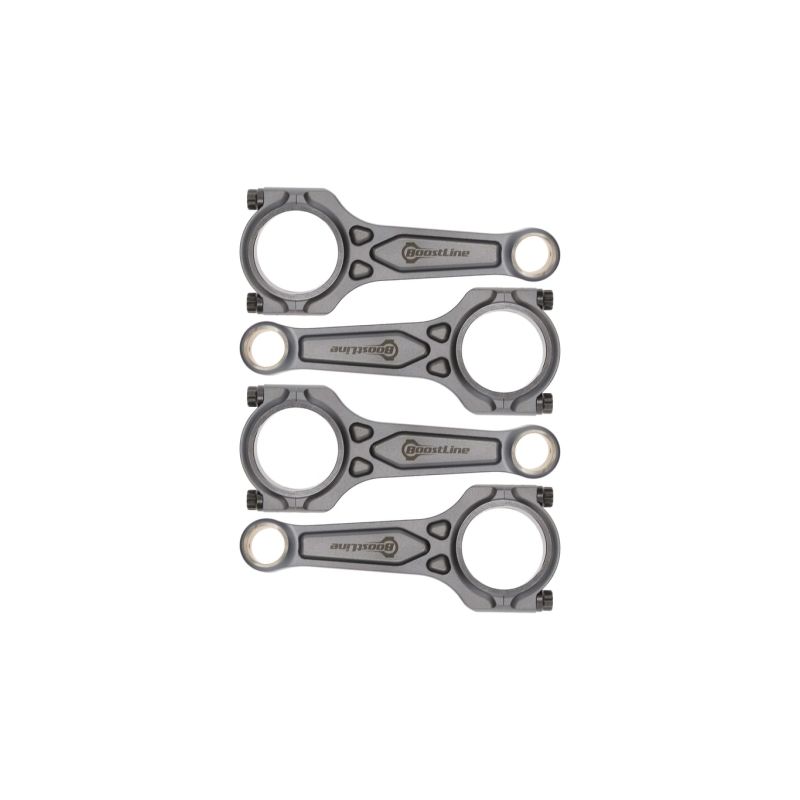
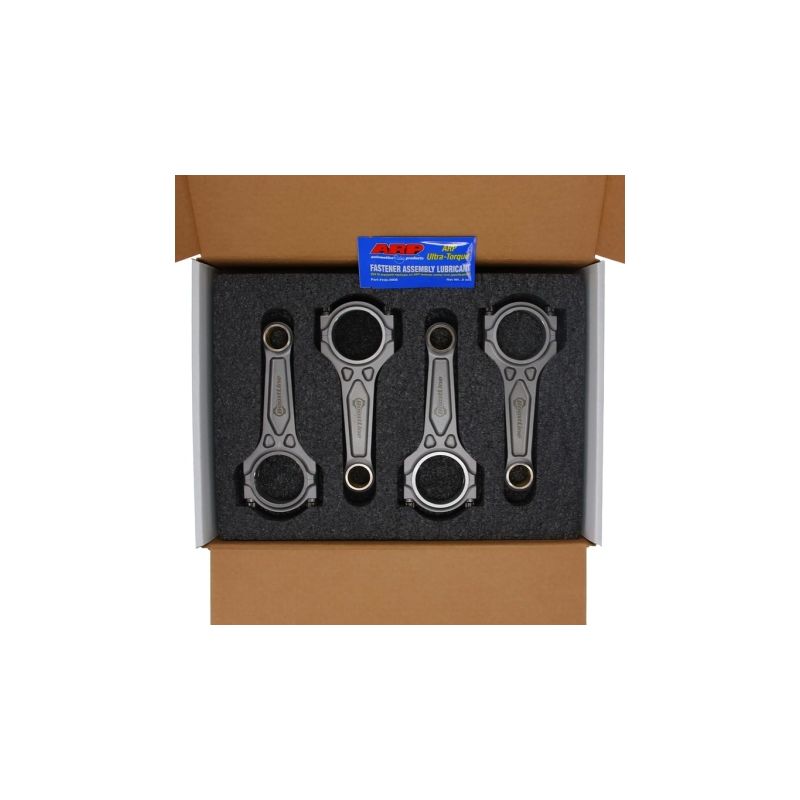
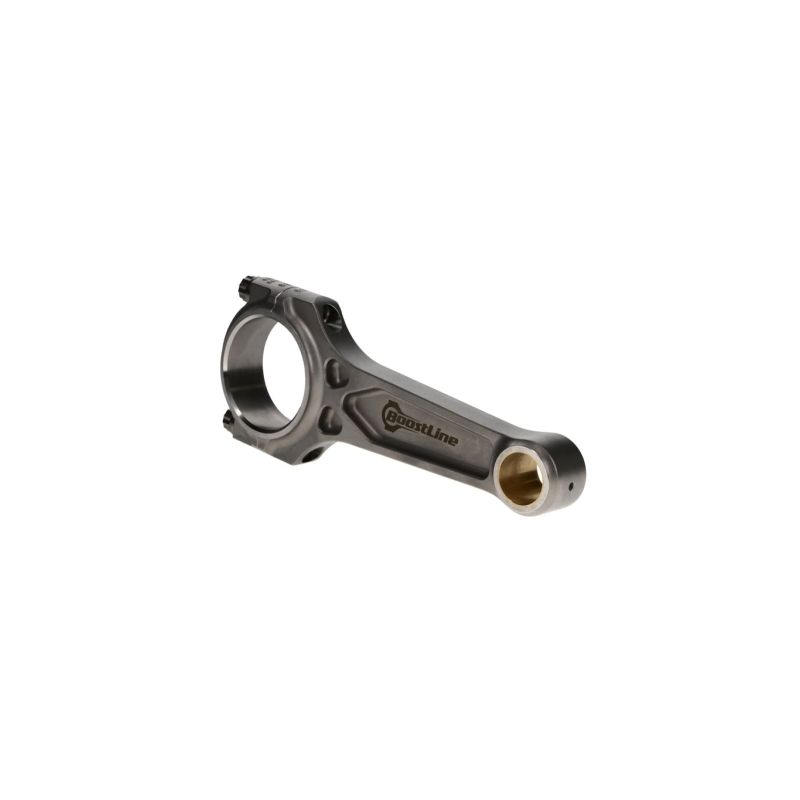
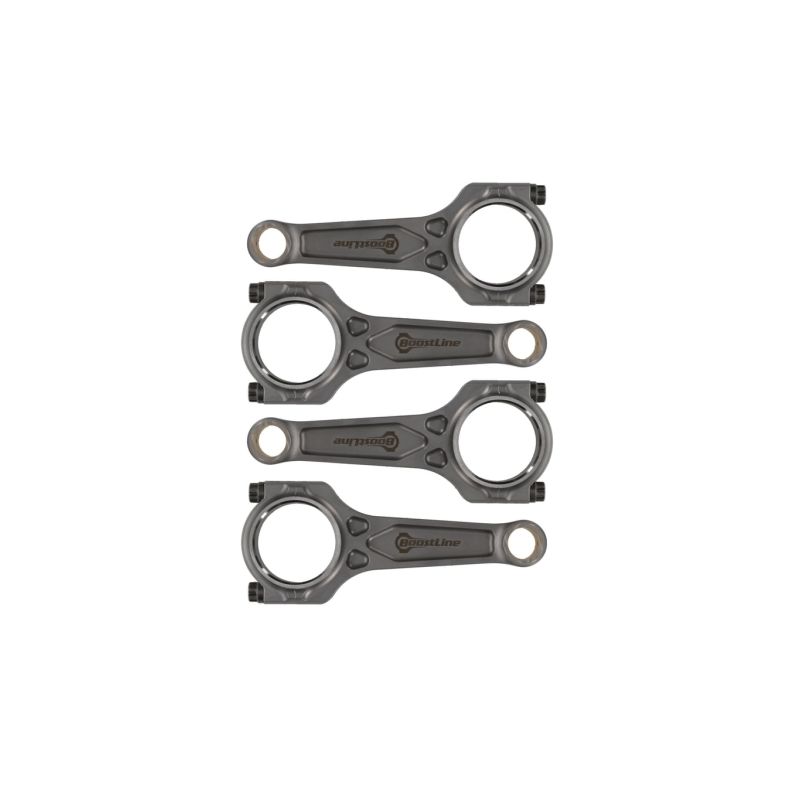
Set of 4 forged 4340 or EN24T steel connecting rods for the Audi/Volkswagen 2.0 TSI EA888 Gen.3/Gen.4.
The third- and fourth-generation 2.0 TSI EA888 (Gen.3 / Gen.4) is an inline four-cylinder petrol engine with direct injection and turbocharging, displacing 1,984 cc (82.5 mm bore, 92.8 mm stroke). Launched in the early 2010s and then widely rolled out across the Volkswagen Group (Audi, Volkswagen, SEAT and Škoda), it spans a very broad power range, from 190 hp in mild tune up to 300 hp on the S variants. This chain-driven family is identified, on the reciprocating side, by its 23 mm piston pin combined with a 144 mm center-to-center length.
The block itself is strong and takes well to tuning. However, as soon as boost pressure, engine speed or torque is raised in earnest, the stock rod quickly reaches its limit: it is the first part to break on a pushed EA888, often taking the rest of the bottom end with it. Moving to forged rods is therefore the decisive reliability step to unlock this engine’s potential for good.
Our forged rods for the 2.0 TSI EA888 Gen.3 / Gen.4 are machined from wrought 4340 steel, the benchmark material for heavily stressed engines. They answer every discipline, from circuit and trackday to drift, rally, drag, time attack and hillclimb, and suit a heavily tuned fast-road 2.0 TSI just as well as a genuine competition engine. From Stage 2 to a high-power Stage 3, then Stage 4 and beyond, they follow the rise in performance without ever compromising mechanical durability. Each kit gathers 4 weight-matched rods and strictly keeps the 23 mm piston pin and 144 mm center-to-center length specific to this family.
Where the factory rod stays sized for very high-volume production cost, the forged 4340 rod releases a markedly wider mechanical margin: around +19% yield strength, +8% tensile strength and +19 to +37% fatigue endurance. That reserve lets the boosted EA888 absorb cylinder-pressure peaks and inertia loads without cracking. Three signatures are offered depending on the goal: the lighter I profile by ZRP, the I profile machined by Wössner (A-Beam) and the reinforced I-3P profile by Boostline.
| Reference | Brand | Profile | Steel | Rod bolts | Pin bore (mm) | Small-end width (mm) | Big-end bore (mm) | Big-end width (mm) | Center-to-center (mm) | Weight (g) |
|---|---|---|---|---|---|---|---|---|---|---|
| VW5669-905 | Boostline | I-3P | Forged 4340 steel | ARP 2000-3/8"-38mm | 23 | 22 | 50.61 | 21.89 | 144 | 610 |
| VW5669-905+ | Boostline | I-3P | Forged 4340 steel | ARP CA625+-3/8"-38mm | 23 | 22 | 50.61 | 21.89 | 144 | 610 |
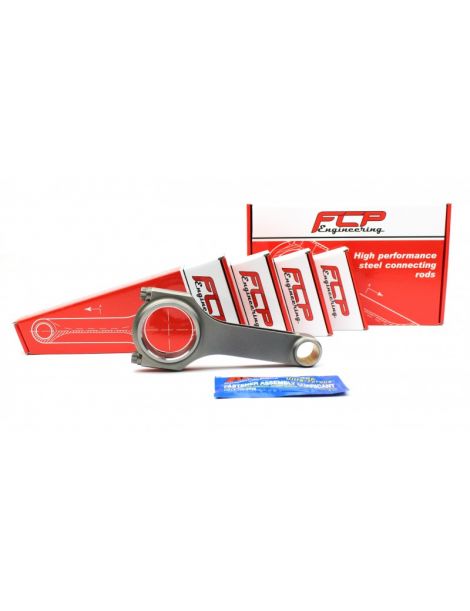
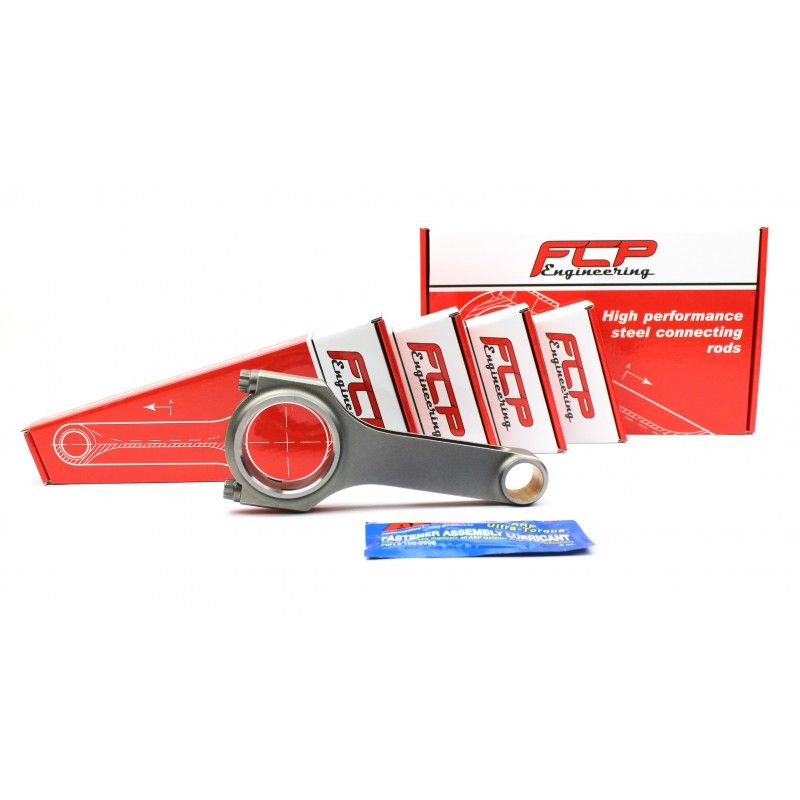
| FCPRHATSI14450623 | FCP Engineering | H | ARP 2000-3/8"-38mm | 23 | 50.6 | 21.85 | 144 | |||
| KCR333A-T | Wössner | I (A-Beam) | Forged 4340 steel | ARP 2000-3/8"-38mm | 23 | 21.50 / 16.00 | 50.6 | 21.9 | 144 | 579.92 |
| R-VW-008-I | ZRP | I | Forged 4340 steel | ARP 2000-3/8"-38mm | 23 | 50.6 | 21.85 | 144 | 500 | |
| R-VW-008-I-L19 | ZRP | I | Forged 4340 steel | ARP L19-3/8"-38mm | 23 | 50.6 | 21.85 | 144 | 500 | |
| R-VW-008-IR | ZRP | IR | Forged 4340 steel | ARP 2000-3/8"-38mm | 23 | 50.6 | 21.85 | 144 | 508 | |
| R-VW-008-IR-L19 | ZRP | IR | Forged 4340 steel | ARP L19-3/8"-38mm | 23 | 50.6 | 21.85 | 144 | 508 | |
| R-VW-008-IE | ZRP | IE | Forged EN24T steel | ARP L19-3/8"-38mm | 23 | 50.6 | 21.9 | 144 | 559 |
The stated torque and stretch relate to the ARP bolts supplied with the kit; refer to the technical sheet provided. Checking with a stretch gauge remains the most reliable and repeatable method to guarantee preload.
| Reference | Brand | Rod bolts | Torque | Recommended stretch |
|---|---|---|---|---|
| VW5669-905 | Boostline | ARP 2000-3/8"-38mm | 75 N·m | 0.130 to 0.140 mm |
| VW5669-905+ | Boostline | ARP CA625+-3/8"-38mm | 115 N·m | 0.170 to 0.180 mm |
| FCPRHATSI14450623 | FCP Engineering | ARP 2000-3/8"-38mm | 61 N·m | 0.140 to 0.152 mm |
| KCR333A-T | Wössner | ARP 2000-3/8"-38mm | 74.6 N·m | 0.1397 to 0.1524 mm |
| R-VW-008-I | ZRP | ARP 2000-3/8"-38mm | 61 N·m | 0.140 to 0.152 mm |
| R-VW-008-IR | ZRP | ARP 2000-3/8"-38mm | 61 N·m | 0.140 to 0.152 mm |
| R-VW-008-IR-L19 | ZRP | ARP L19-3/8"-38mm | 67.8 N·m | 0.152 to 0.165 mm |
| R-VW-008-IE | ZRP | ARP L19-3/8"-38mm | 67.8 N·m | 0.152 to 0.165 mm |
| R-VW-008-I-L19 | ZRP | ARP L19-3/8"-38mm | 67.8 N·m | 0.152 to 0.165 mm |
| 4340 is a low-alloy steel with nickel, chromium and molybdenum. Forging orients the metal grain along the load paths, closes foundry micro-porosity and delivers mechanical strength on another level from a cast or sintered production rod: about +19% yield strength, +8% tensile strength and +19 to +37% fatigue endurance. The aim is a tensile strength of around 930 to 1,080 MPa, exactly what an engine gaining torque, revs and boost demands. This is the material that makes up our entire EA888 Gen.3 / Gen.4 range. ZRP's Extreme (IE) series, for its part, is forged from through-hardened EN24T steel (248-302 HB), CNC-machined, shot-peened and FEA-validated for the most extreme builds. |
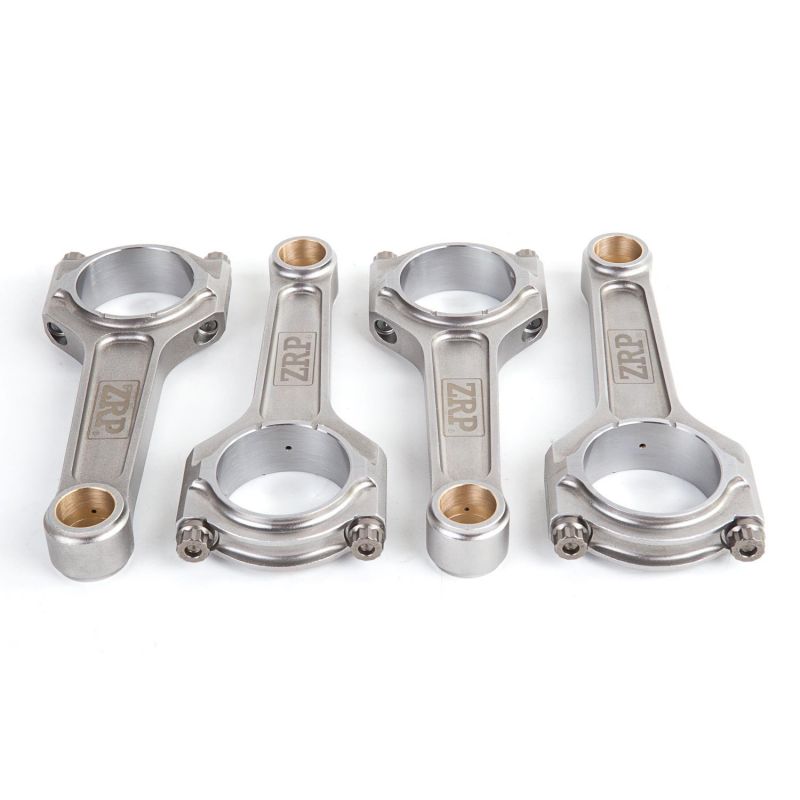
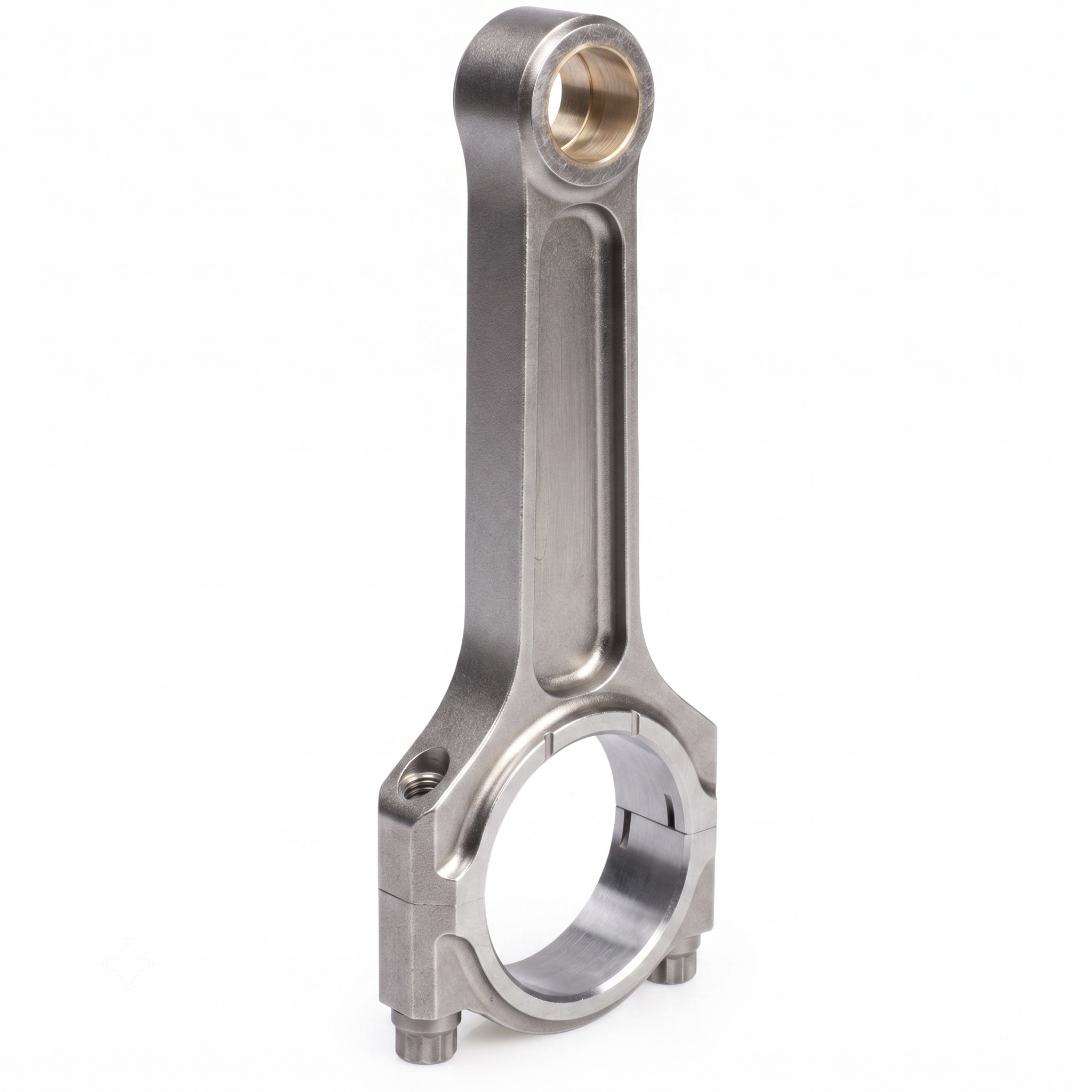 | I profile (ZRP) , the lightest in the range (500 to 508 g depending on the version), it concentrates material in the compression zones to lighten the reciprocating assembly and help the 2.0 TSI pick up revs, with no loss of reliability. It is available with or without oil-feed drilling and can be ordered with ARP 2000 or ARP L19 bolts in 3/8". |
| IR profile (ZRP), the same I-beam rod forged in 4340 steel, but drilled with oiling holes (rifle drilled) that improve lubrication of the pin and small end. An ideal choice for builds pushed up to 600 hp maximum, offered with ARP2000 or ARP L19 hardware. |
| I / A-Beam profile (Wössner) , Wössner calls its optimised I profile the A-Beam: it is indeed an I-beam rod, with reworked webs balancing stiffness and mass (579.92 g). Machined from forged 4340 steel, it targets demanding builds such as the Golf R and is supplied with ARP 2000 bolts in 3/8". |
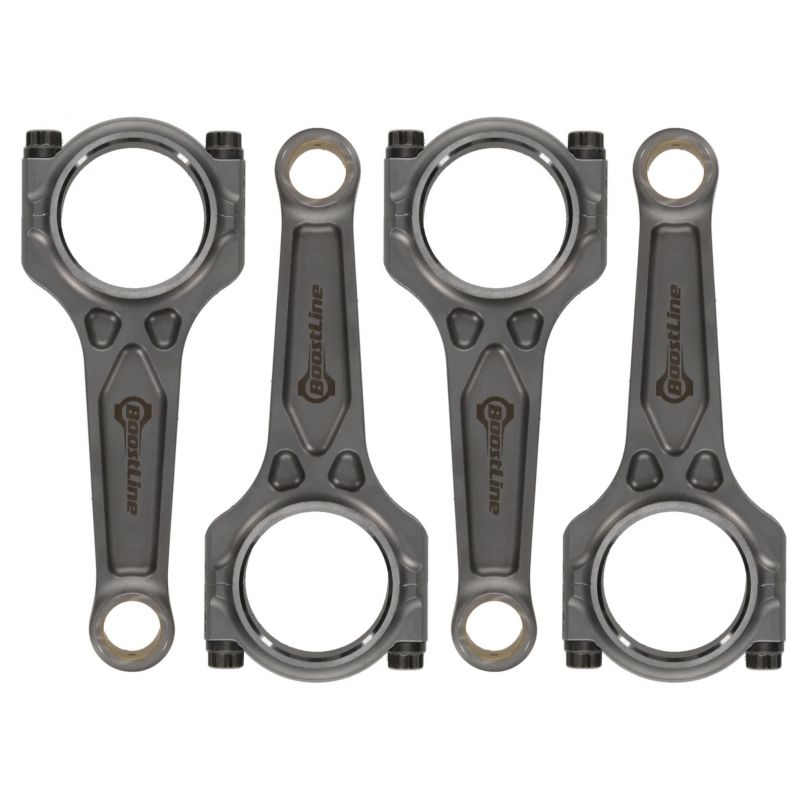
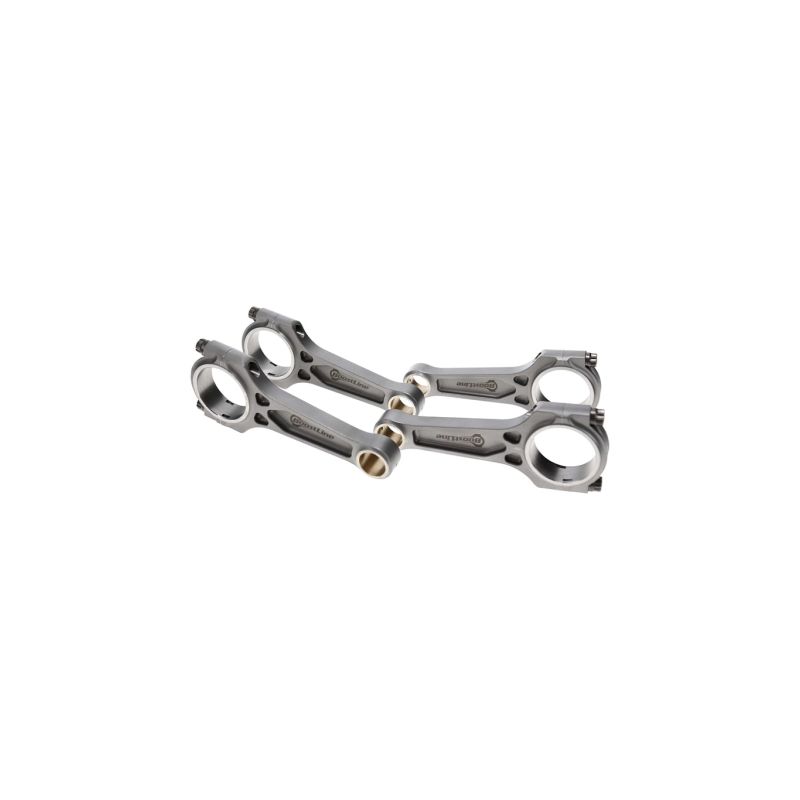
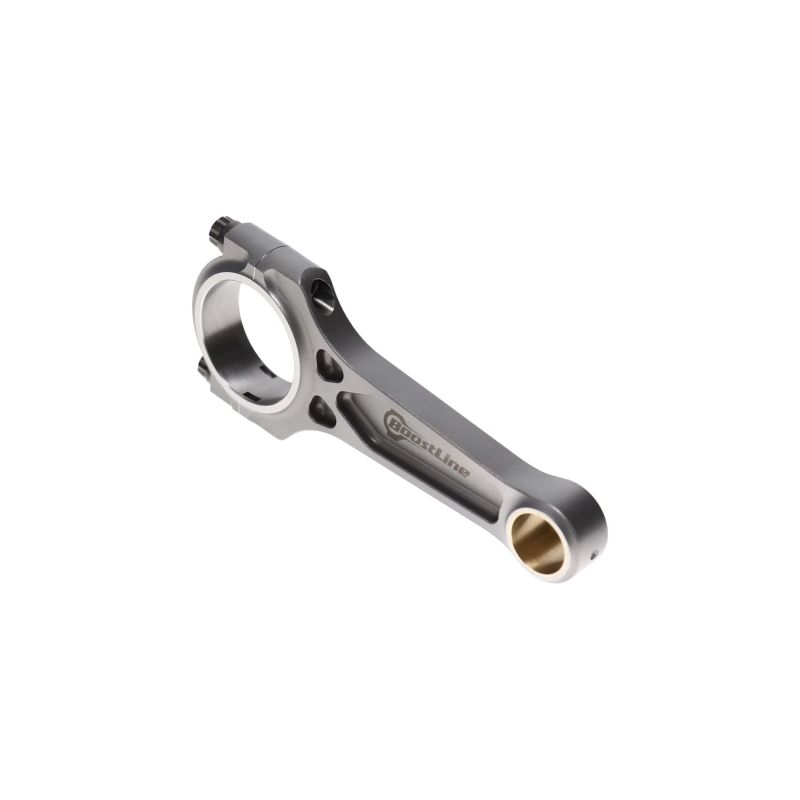
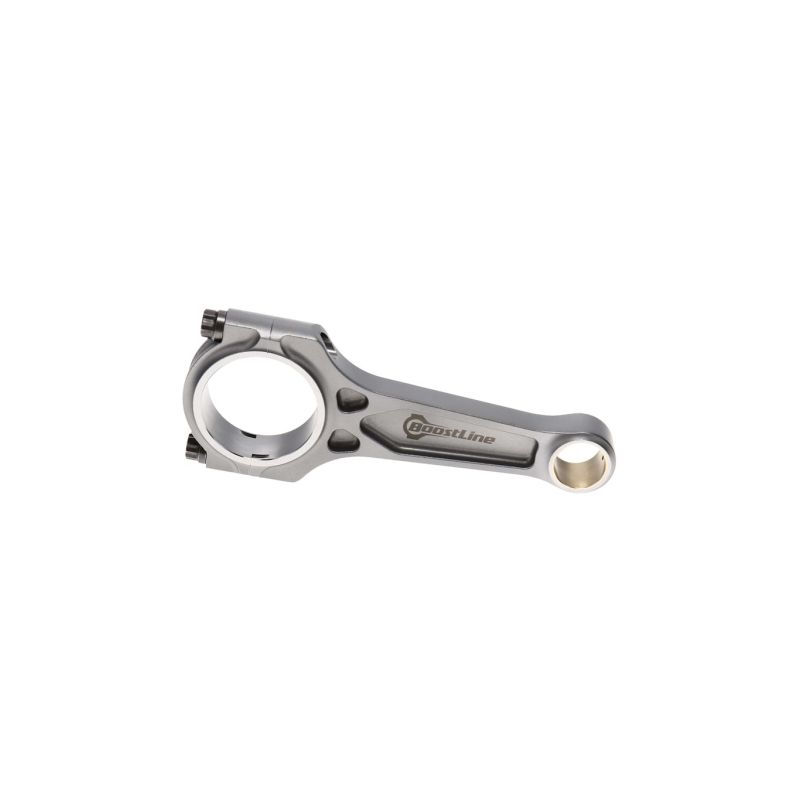
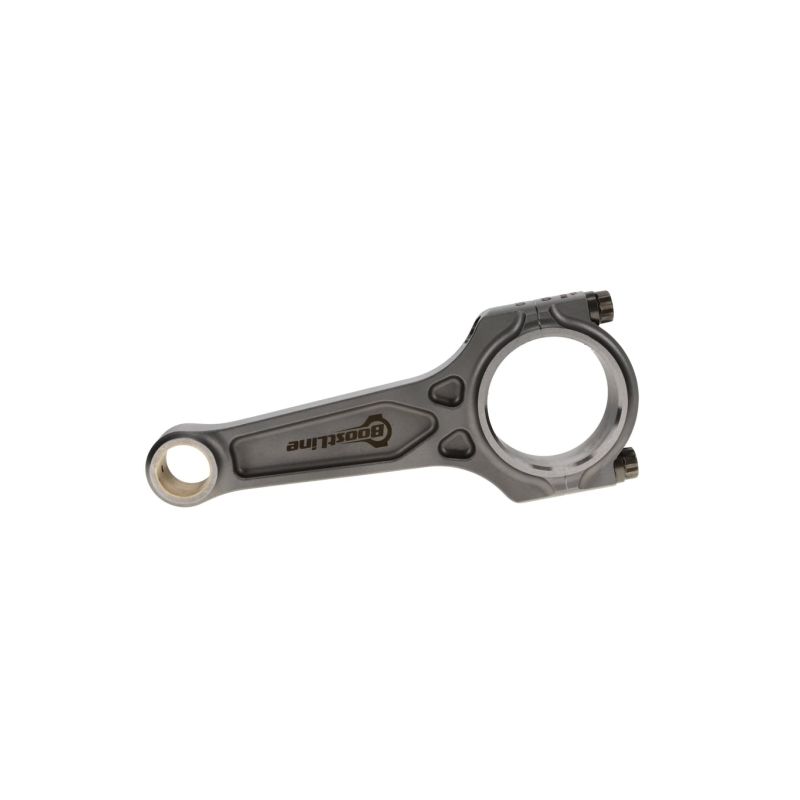
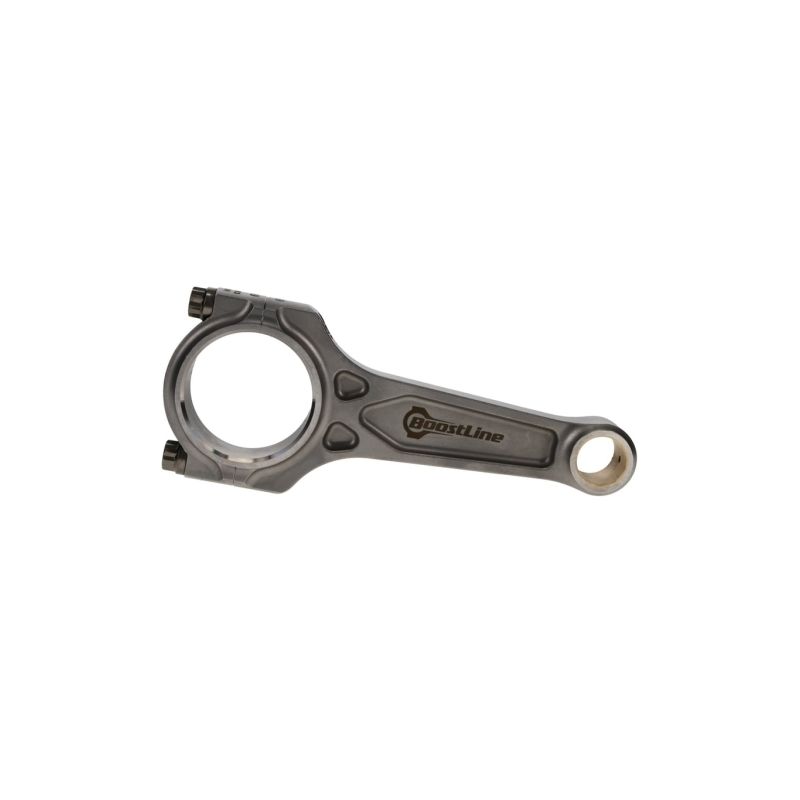
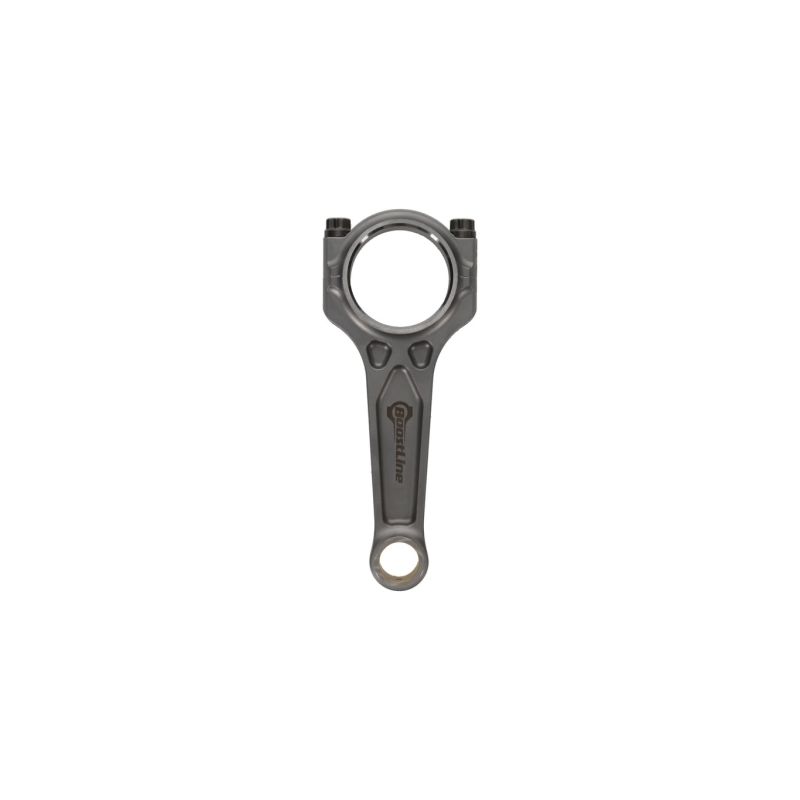
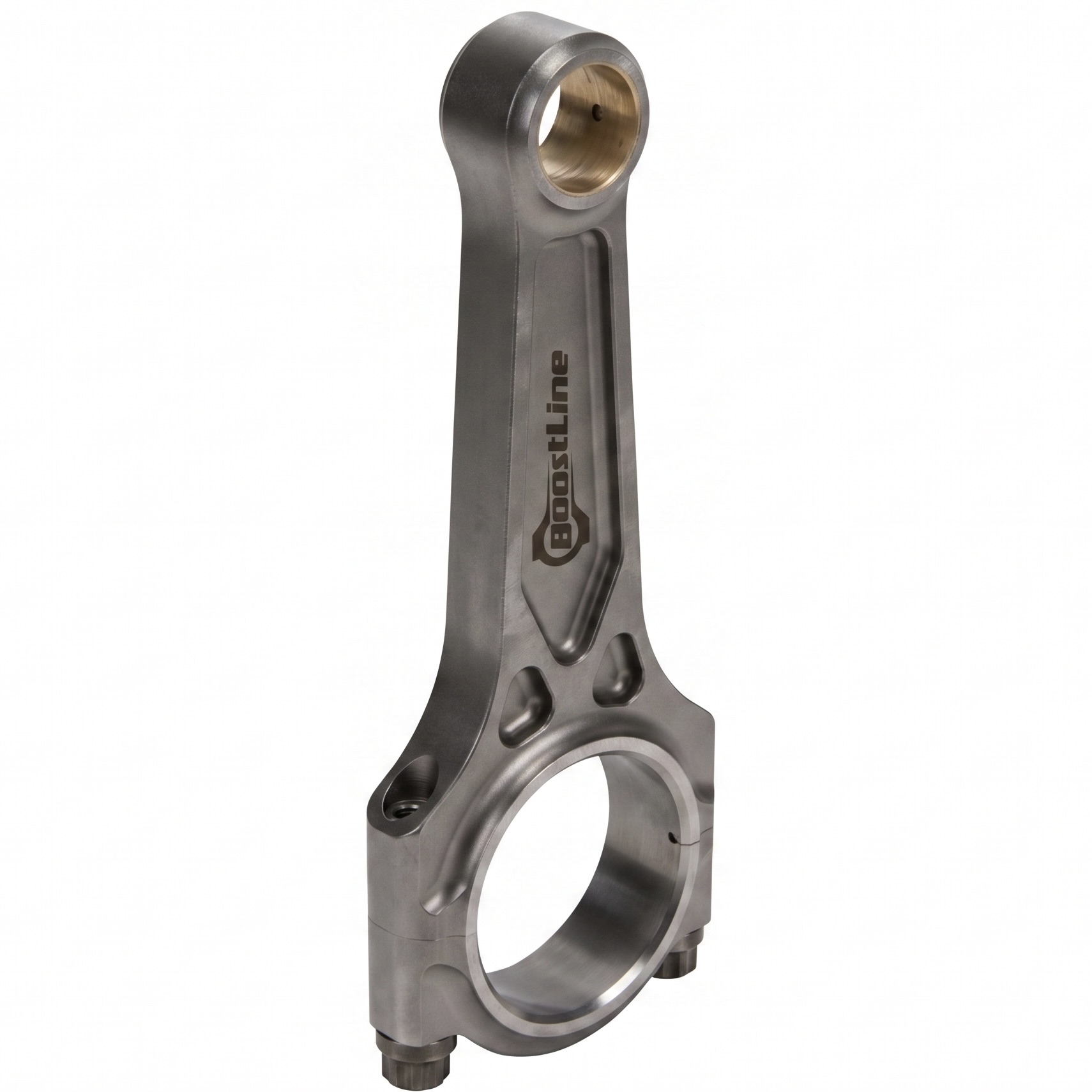 | I-3P profile (Boostline) , an I-beam body with three pockets (3-pocket) that markedly raises bending stiffness while containing mass (610 g). Designed for the most heavily tuned engines, at high torque and power, it targets the most severe drag and circuit builds. It is offered with ARP 2000 or ARP Custom Age 625+ bolts in 3/8". |
| IE profile (ZRP Extreme Series). An I-beam rod forged from EN24T billet steel, even stronger than 4340. Built for the most extreme EA888 builds, it brings a higher safety margin under high load and rpm, supplied with ARP L19 hardware. |
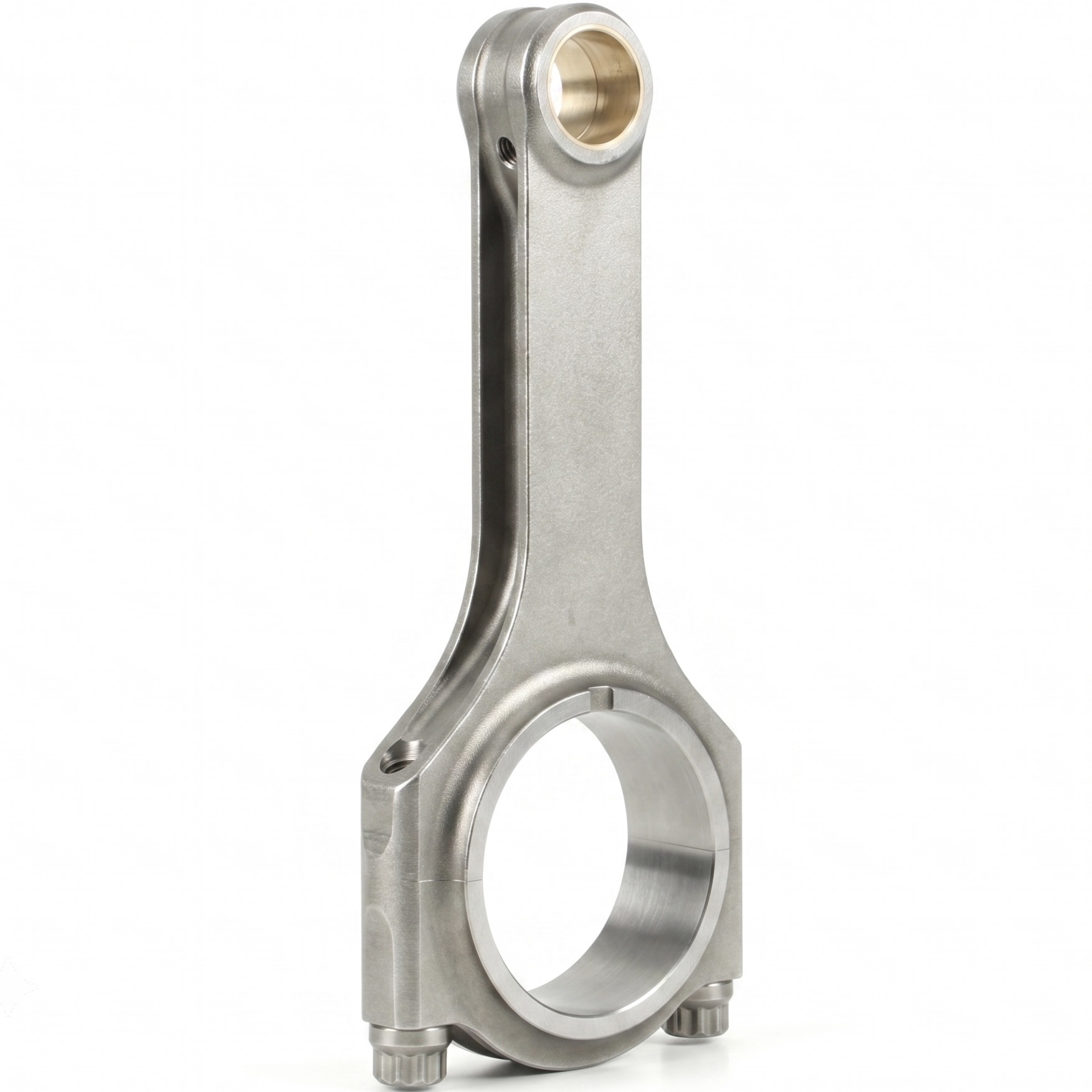 | H profile (FCP Engineering). Its two flat flanks joined by a central web give high bending stiffness; it is the only H beam in this selection, supplied with ARP 2000 bolts. |
Bolts are chosen according to the level of tuning; three ARP grades are offered, all in the 3/8" diameter suited to the EA888 center-to-center:
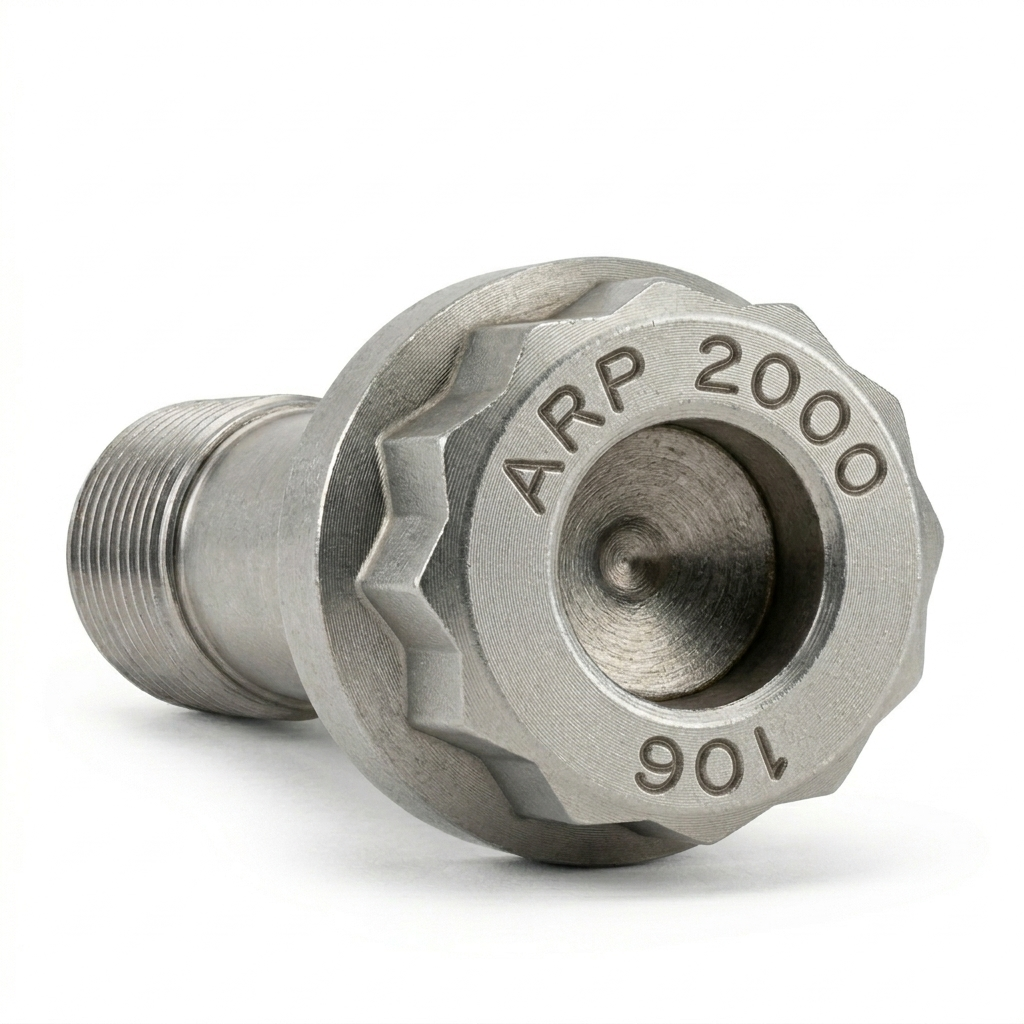 | ARP 2000: the all-round benchmark alloy, with a tensile strength of about 220,000 psi (1,517 MPa). It is the default choice: it covers the vast majority of builds, from simply raised boost to high power, and makes the bottom end reliable for good. It equips the I (ZRP), A-Beam (Wössner) and I-3P (Boostline) profiles. |
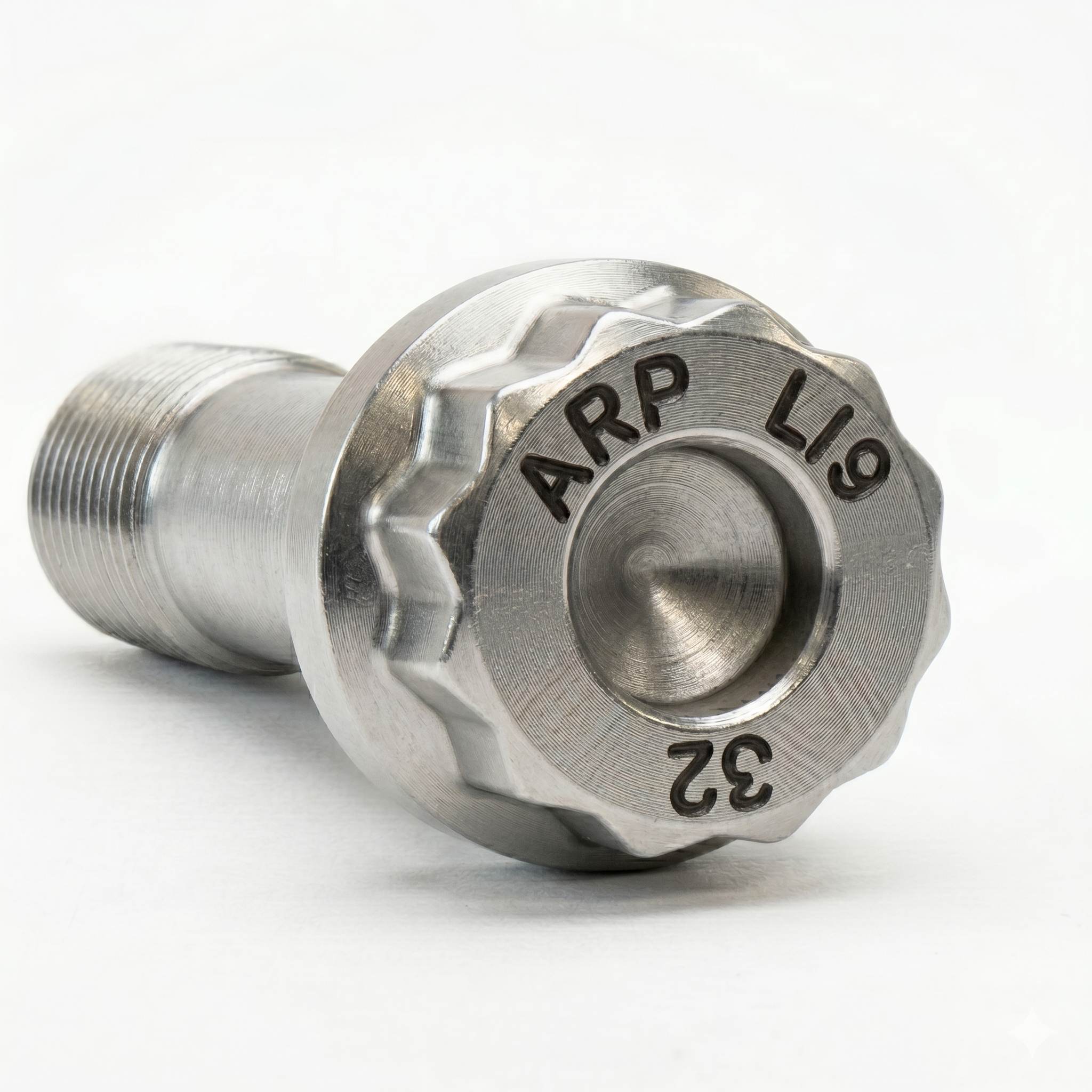 | ARP L19: a higher-strength alloy, around 260,000 psi (1,793 MPa), intended for heavily tuned engines run at high rpm and high cylinder pressure. More sensitive to corrosion and hydrogen, it needs careful storage and is reserved for pushed builds (ZRP I profile). |
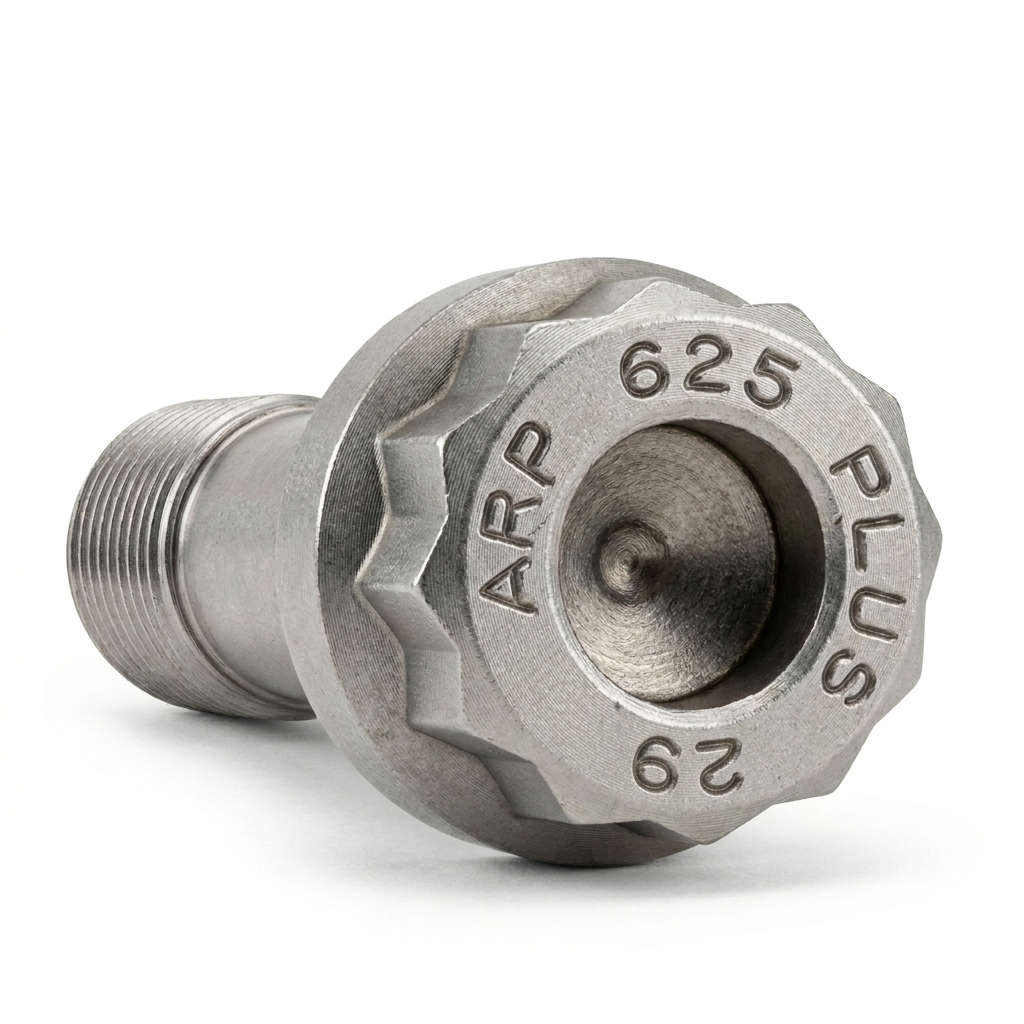 | ARP Custom Age 625+: the premium alloy, from 260,000 to 280,000 psi (1,793 to 1,931 MPa), combining very high strength with immunity to hydrogen embrittlement and no storage constraint. It is the grade for the most extreme builds (Boostline I-3P profile). |
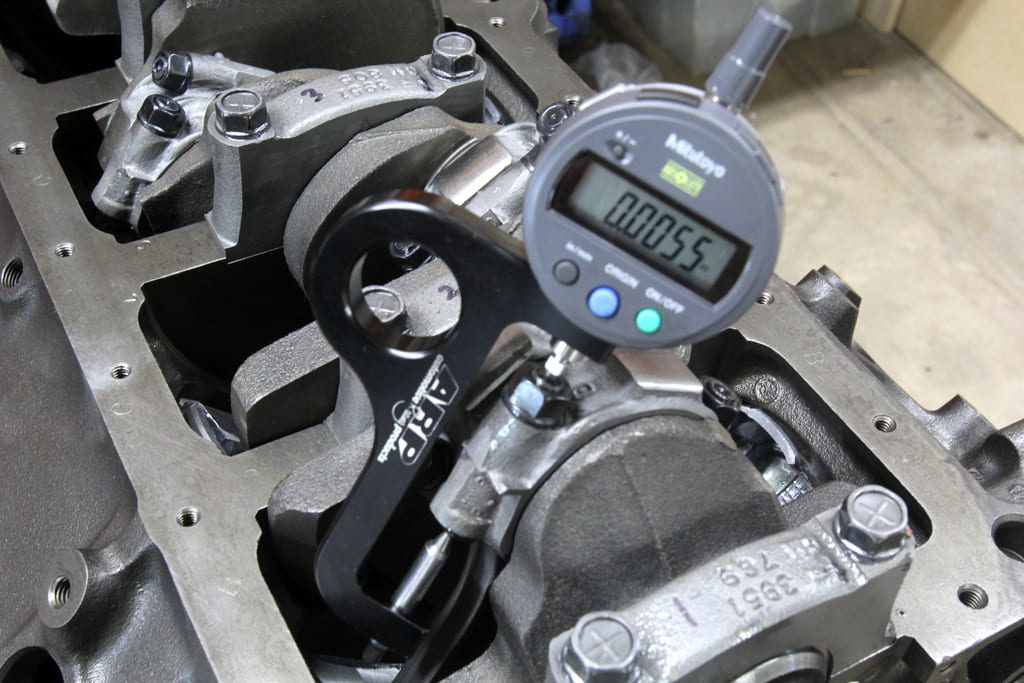
| Beyond torque tightening, measuring rod-bolt stretch is the most reliable check for ensuring optimal preload. It is carried out with the bolt fitted: the dial gauge, placed on the two ends of the bolt, gives the actual stretch, which must match the recommended value for the reference concerned (see the torque & stretch table above). Independent of the friction variations inherent in torque tightening, this method secures the assembly on heavily stressed engines. |
 | Boostline , a forged-rod range from the American Wiseco group. Its three-pocket I-beam body (I-3P) offers increased bending stiffness for high-torque, high-power engines. The rods are weighed and matched, supplied with ARP 2000 or ARP Custom Age 625+ bolts, as a complete set of 4. |
 | FCP Engineering supplies the H-profile rod in this selection, fitted with ARP 2000 bolts. It is the most affordable option of the EA888 Gen.3 / Gen.4 offer shown here. |
 | Wössner , a German manufacturer renowned for its high-precision forged pistons and rods. Its A-Beam rod (optimised I profile) is machined from forged 4340 steel and aimed at heavily tuned 2.0 TSI builds such as the Golf R. It is supplied with ARP 2000 bolts, as a complete set of 4. |
 | ZRP , a specialist in race forged rods founded by Alex Drakos in Athens (Greece). Each rod is machined from forged 4340 steel and weight-matched. For the EA888 Gen.3 / Gen.4, ZRP supplies the I profile, with or without oil-feed drilling, with either ARP 2000 or ARP L19 bolts, as a complete set of 4. |
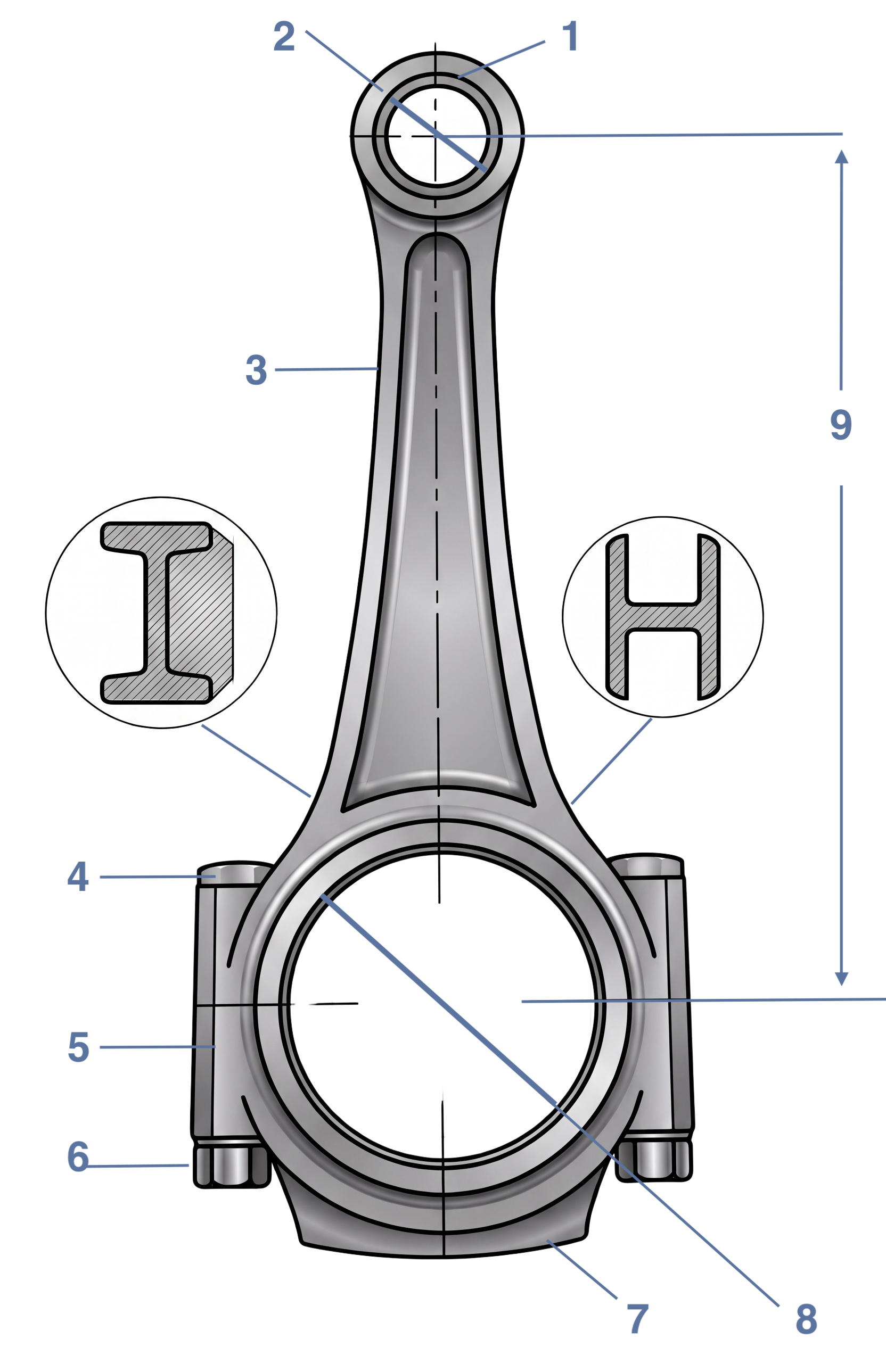 | 1) Small end 2) Small-end diameter 3) Rod beam 4) Rod bolt 5) Big end 6) Rod nut / bolt 7) Rod cap 8) Big-end diameter 9) Center-to-center |
| Make | Model (chassis) | Engine code | Power | Years |
|---|---|---|---|---|
| Audi | A1 (GB) 40 TFSI | CZPC, DKZC | 200–207 hp | 2018– |
| Audi | A3 (8V) 2.0 TFSI | CZPB | 190 hp | 2016– |
| Audi | A3 (8V) 40 TFSI | DKZA | 190 hp | 2018– |
| Audi | A4 (8K) 2.0 TFSI quattro | CAEB | 211 hp | 2008–2015 |
| Audi | S1 (8X) 2.0 TFSI | CWZA | 231 hp | 2014–2018 |
| Audi | S3 (8V) 2.0 TFSI | CJXC | 300 hp | 2012–2016 |
| Audi | TT (8J) 2.0 TFSI | CESA, CETA | 211 hp | 2010–2014 |
| Audi | TT (FV/8S) 2.0 TFSI | CHHC | 230 hp | 2014– |
| Audi | TT (FV/8S) 40 TFSI | DKZB | 197 hp | 2018– |
| Audi | TT (FV/8S) 45 TFSI | DKTB | 245 hp | 2018– |
| Volkswagen | Golf VI 2.0 GTI | CCTA | 200 hp | 2009–2013 |
On a tuned 2.0 TSI EA888 Gen.3 / Gen.4, a stock rod that lets go usually takes the block, crankshaft and pistons with it. Investing in a forged rod set from the outset costs far less than a full rebuild after a failure. You permanently strengthen the bottom end, preserve the value of your build and drive with peace of mind, in intensive use as much as day to day.