Product successfully added to your shopping cart
Quantity
Total
There are 0 items in your cart. There is 1 item in your cart.
Total products
Total shipping To be determined
Total

2.0L 16v - ABF
Manufacturers
2.0L 16v - ABF
Warning: Last items in stock!
New product
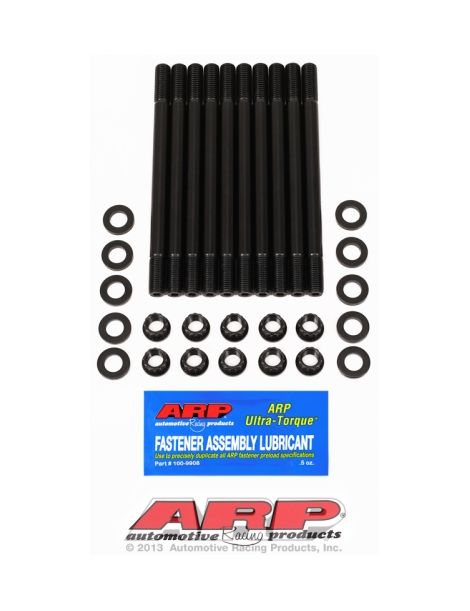
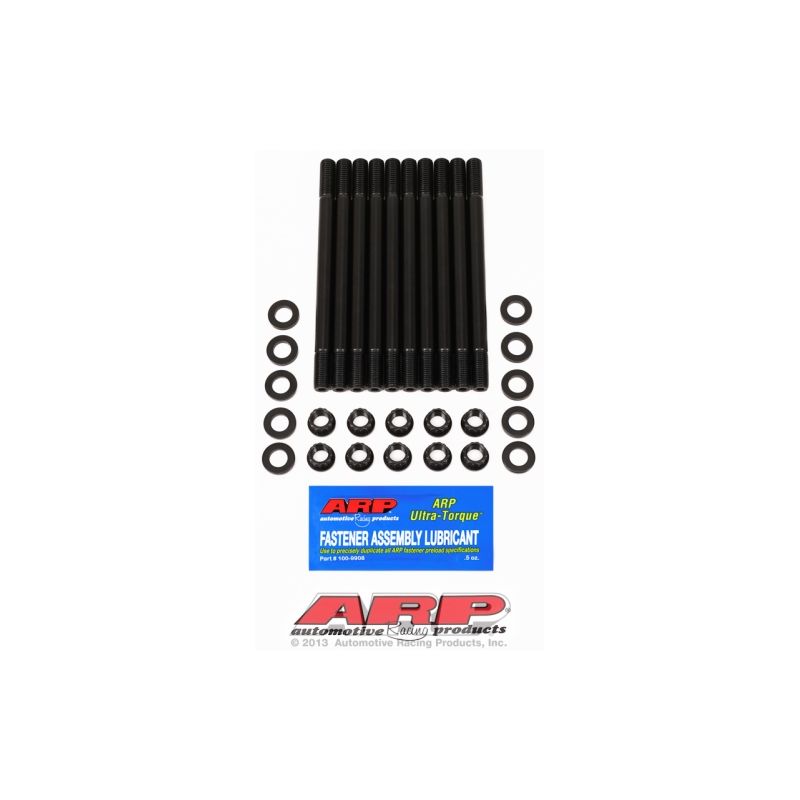
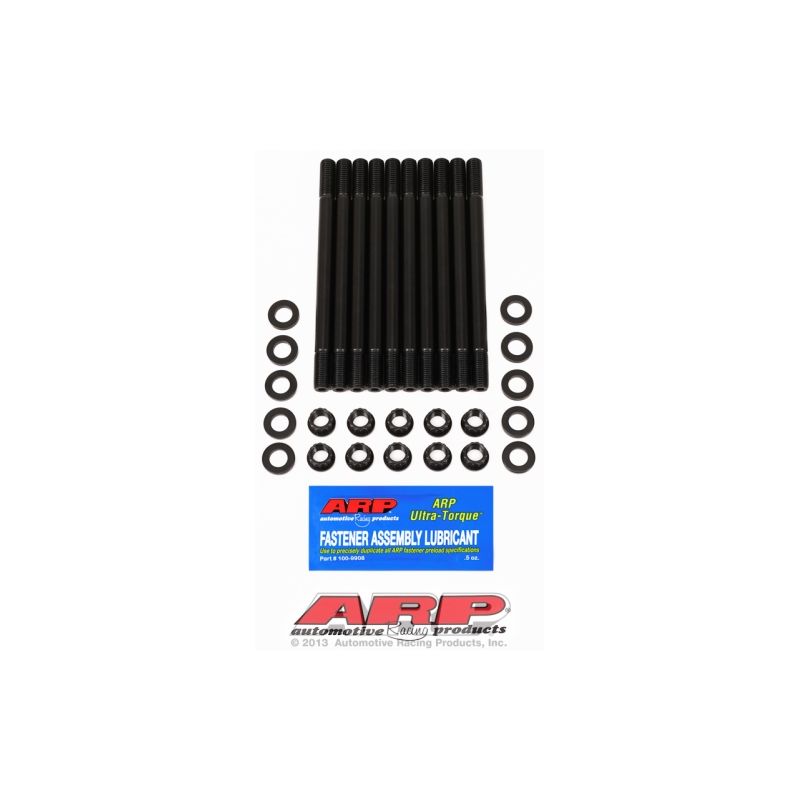
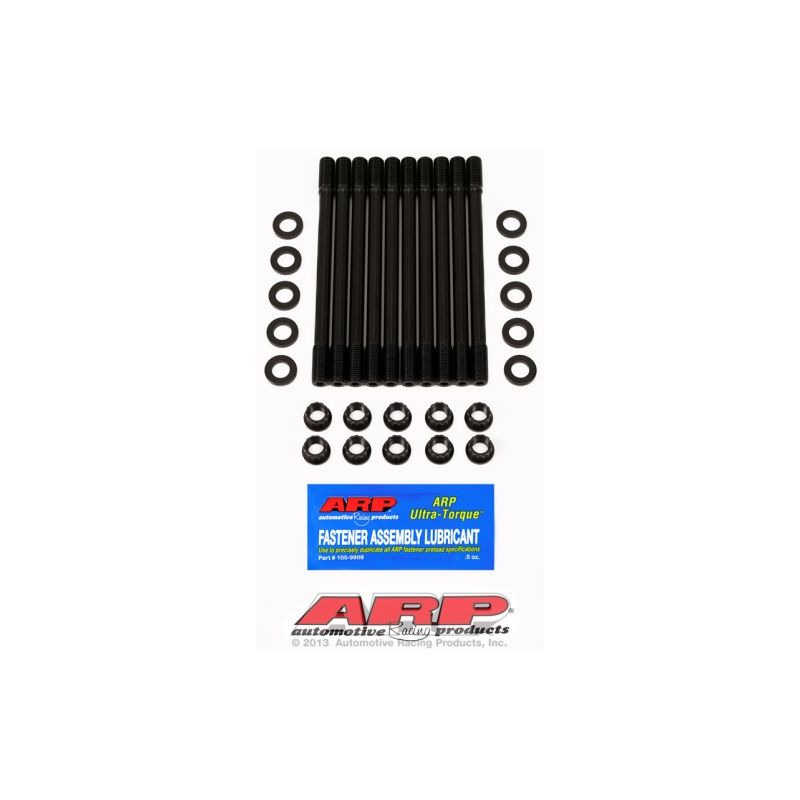
Kit of ARP 8740 cylinder head studs for VAG 1.8 16V KR, 2.0 16V 9A and ABF engines.
Three Volkswagen 16-valve engine codes are covered: the 1.8 16V KR (Golf 2 GTI 16S, Corrado 1.8 and Scirocco 2, 136 to 139 hp), the 2.0 16V 9A of the Corrado 2.0 (136 hp) and the 150 hp 2.0 16V ABF found in the Golf 3 GTI and the SEAT Ibiza 6K.
As standard, the cylinder head of these three engines is secured by head bolts; ARP kits 204-4204 and 204-4702 replace them with 7/16 inch 8740 studs and 12-point nuts.
Every combustion cycle pushes the cylinder head upwards. The head fasteners resist it by keeping a constant clamping pressure on the gasket; if that pressure drops, the seal is no longer guaranteed.
Two ARP part numbers are offered: the 204-4204 and the 204-4702, the latter in the « undercut » version according to the 2026 ARP list. Their instruction sheets are not identical: the 204-4204 sheet requires dry washers and a dry head with tightening in three stages of 25, 50 then 80 ft-lb, while the 204-4702 sheet calls for three equal stages up to 80 ft-lb with lubricated washers. Material of the fasteners: 8740, a chrome-molybdenum steel that ARP specifies at 200,000 psi tensile strength. Factory-fitted fasteners usually fall into classes 10.9 and 12.9, with 150,800 to 176,900 psi minimum tensile strength. In 7/16 in, the 8740 studs hold up to 600 hp on this four-cylinder engine (calculated estimate).
| Part number | Brand | Grade / material | Nuts | Thread |
| ARP-204-4204 | ARP | 8740 | 12-point | 7/16 in |
| ARP-204-4702 | ARP | 8740 - Undercut | 12-point | 7/16 in |
| Part number | Stage 1 | Stage 2 | Stage 3 |
| ARP-204-4204 | 34 Nm | 68 Nm | 108 Nm |
| ARP-204-4702 | 36 Nm | 72 Nm | 108 Nm |
Studs 204-4204: no torque when screwing the studs into the block: hand tight is enough. The instruction sheet says nothing about thread locker; ARP mentions that some engine builders use a blue product on the block end, excluding the nuts and any mixing with its assembly grease, with tightening to be completed before the product sets.
For this kit, the head and the washers must be free of oil, grease and lubricant; only the stud threads and the underside of the nuts receive the Ultra-Torque. The hex end of each stud is used for fitting and removal only.
Studs 204-4702: no torque is applied to the studs as they go into the block: they are screwed in by hand. The instruction sheet leaves the option of thread locker to mount them permanently, provided tightening is done before the product hardens.
Where these studs run through into a water jacket, the sheet asks for ARP sealant on their block-side threads.
Unlike the 204-4204, this sheet calls for the washers to be coated with Ultra-Torque too, on the nut side and on the cylinder head side, before the three-pass tightening.
Final tightening is done in three successive stages, following the manufacturer's tightening sequence; these torque figures only hold with ARP assembly lubricant on the threads and under the nuts.
These values come from ARP instruction sheets 204-4204 and 204-4702; the current official sheet remains the reference if in doubt, with the full procedure and the manufacturer's tightening order. Read the ARP 204-4204 instruction sheet; Read the ARP 204-4702 instruction sheet
The stated tightening torques only make sense with ARP assembly grease, applied to the threads and under the nuts.
| Buy the ARP assembly grease → |
The undercut version is recognisable by its reduced shank between the threads. According to ARP, this profile equalises stretch from one stud to the next and makes the clamping more consistent, while compensating for head gasket compression during installation: engine sealing benefits.
 | ARP (Automotive Racing Products) was born in the early 1970s from the initiative of Gary Holzapfel, an engineer from the aerospace industry, determined to eliminate engine failures caused by weak fasteners in motorsport. The company designs and manufactures thousands of parts in California, in several material grades suited to each use. |
| Criterion | Original head bolts | Reinforced ARP studs |
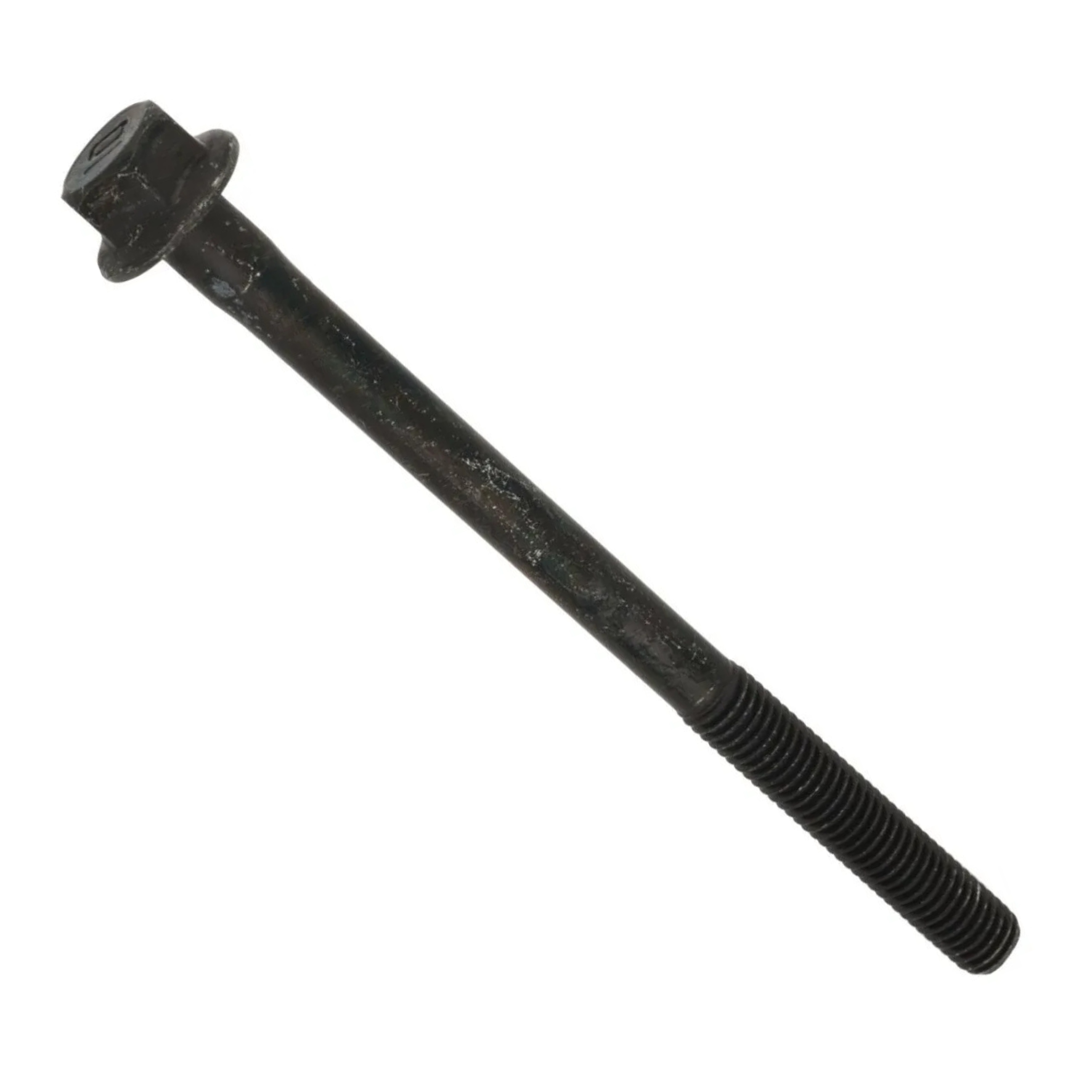 | 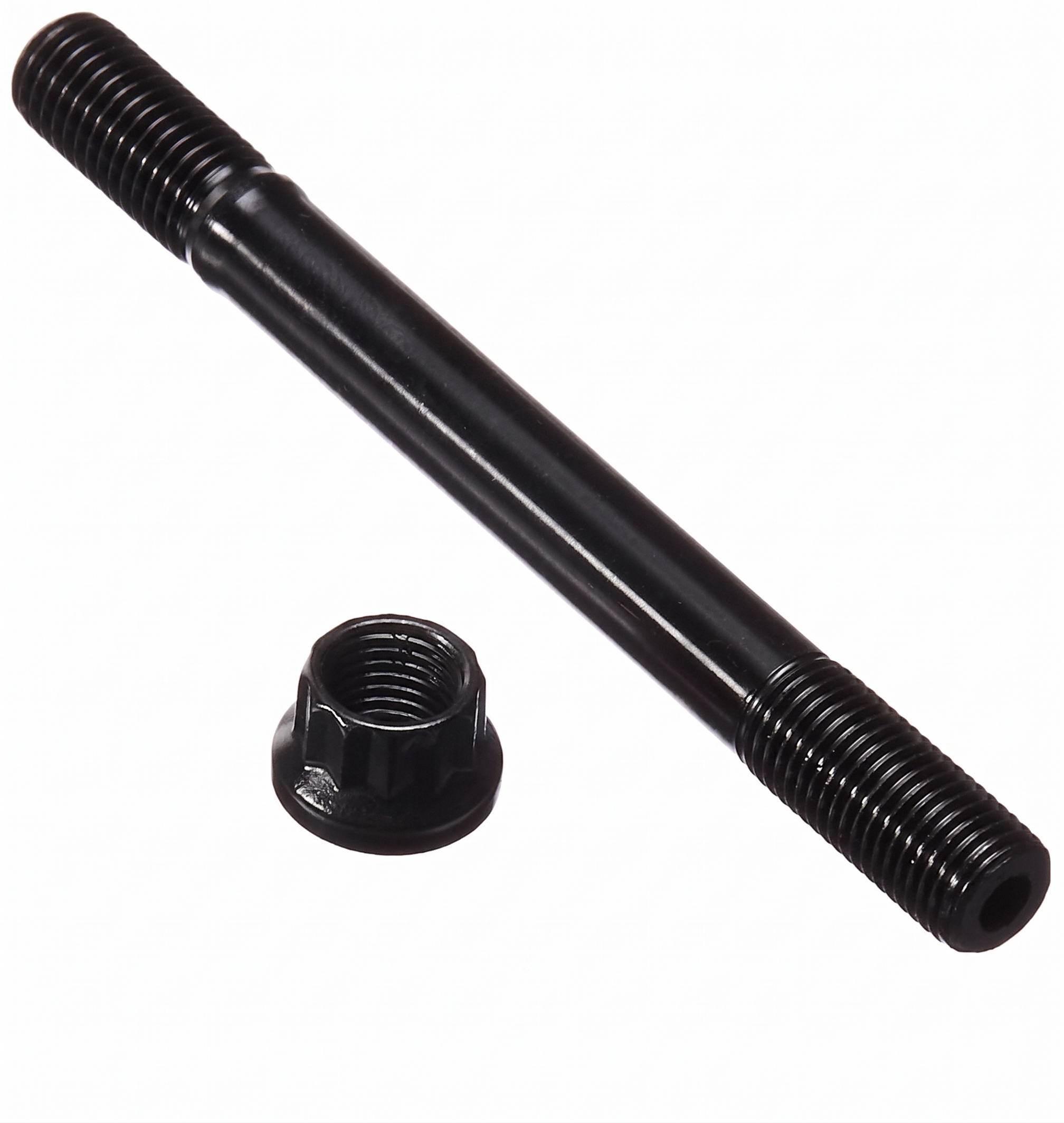 | |
| Block threads | Stressed at every tightening | Preserved (studs fitted hand tight) |
Standard fasteners remain suitable as long as the engine keeps its original combustion pressure. They reach their limits in the following cases:
| Model | Engine code | Power | Years |
| VW Golf 2 GTI 16S | 1.8 16V (KR) | 136-139 hp | 1986-1990 |
| VW Golf 3 GTI | 2.0 16V (ABF) | 150 hp | 1992-1997 |
| VW Corrado | 2.0 16V (9A) | 136 hp | 1991-1995 |
| VW Corrado | 1.8 16V (KR) | 136 hp | 1989-1992 |
| VW Scirocco 2 | 1.8 16V (KR) | 139 hp | 1985-1989 |
| SEAT Ibiza 6K | 2.0 16V (ABF) | 150 hp | 1996-1999 |
Calibrated for the original output, stock fasteners lose ground as soon as combustion pressures rise, and the head gasket is the first to suffer. ARP studs in 8740 hold the head down harder under heavy load: less risk of a blown gasket or a snapped bolt, and of a repair costing far more than the kit.
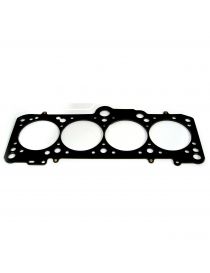
To get the most out of reinforced fasteners, pair them with a head gasket that withstands the same pressure. Here is the gasket we offer for this engine:
| Reinforced head gasket VAG 8V and 16V → |