Product successfully added to your shopping cart
Quantity
Total
There are 0 items in your cart. There is 1 item in your cart.
Total products
Total shipping To be determined
Total

2.0L 16v - LF
Manufacturers
2.0L 16v - LF
Warning: Last items in stock!
New product
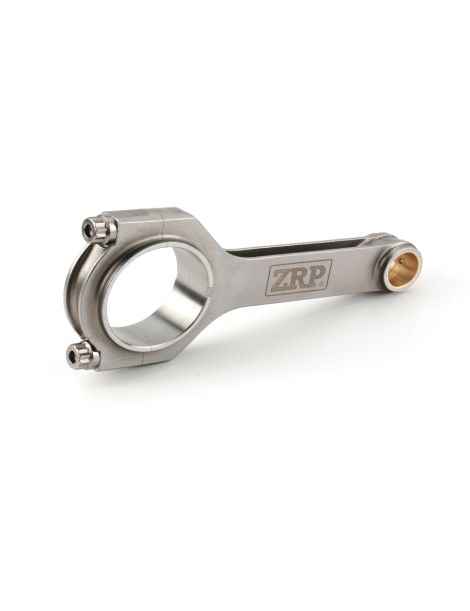
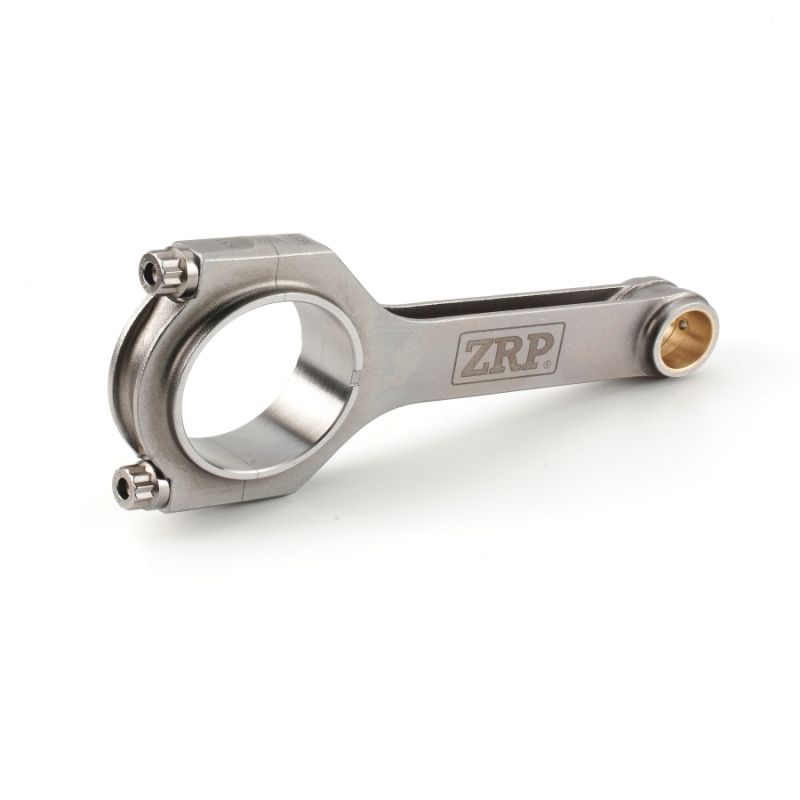
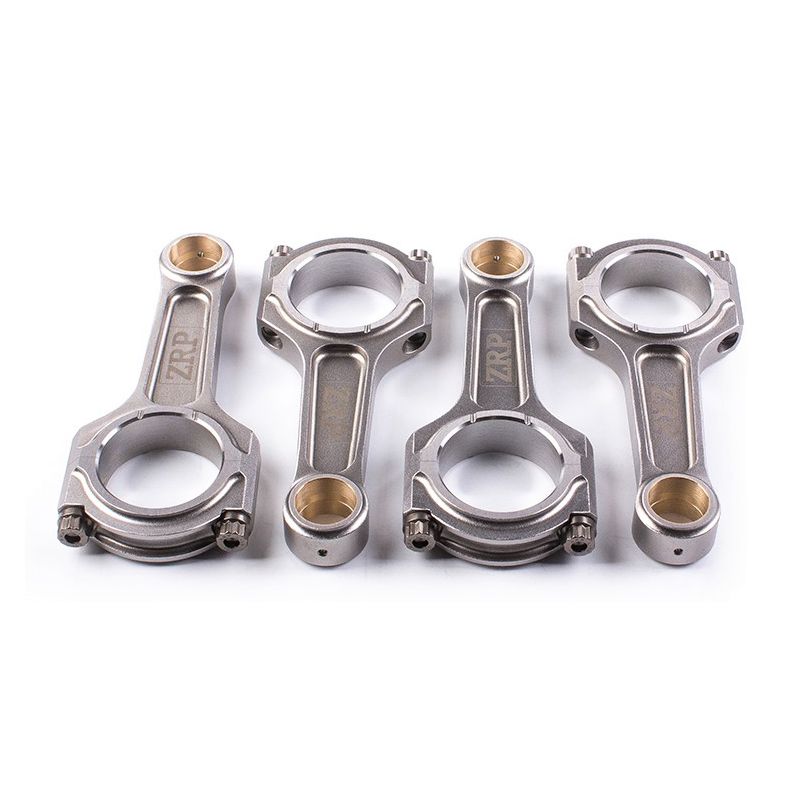
Set of 4 forged 4340 steel connecting rods for the Mazda 2.0 16V LF.
The Mazda LF is the naturally aspirated 2.0-litre engine of the MZR family: an inline four-cylinder unit with double overhead camshafts, 16 valves and variable intake timing (S-VT). With a displacement of 1,999 cc (bore 87.5 mm, stroke 83.1 mm), it powered many models between 2003 and 2018: Mazda3 (BK then BL), Mazda5, Mazda6 (GG/GH) and the MX-5 NC roadster. Depending on version and market it is found under the codes LF-DE, LF-VE and LF-VD, the latter with DISI direct injection.
Reliable in standard form, the bottom end quickly reaches its limits once power rises, especially on the turbo or supercharger conversions widespread on the MX-5 NC and Mazda3. The factory rod, though forged, cannot be replaced on its own (Mazda supplies it together with the piston) and is not sized for the cylinder pressure of a built engine. Replacing the rotating assembly with machined and balanced 4340 forged connecting rods secures the power increase and makes high rpm reliable.
Machined from high-strength 4340 steel, these rods replace mass-produced parts whose design favours production cost over mechanical strength. Forging aligns the metal grain with the shape of the part: the rod gains in static strength and above all in endurance, where a cast or sintered part eventually fails in fatigue. Each rod is individually balanced and inspected, with a 21 mm pin and a 146 mm centre distance identical to standard, for a weight of 456 g in H profile and 515 g in I profile.
Strengthening the bottom end becomes necessary as soon as power or engine speed go beyond standard figures: Stage 2 builds (intake, exhaust, engine management), Stage 3 (reworked head and camshafts, or a turbo conversion) and Stage 4+ for engines running high boost. An LF built this way is found in circuit racing and track days, drift, drag, rally, hillclimb and time attack, always with the same benefit: the rod is no longer the part that limits the project.
| Reference | Brand | Profile | Bolts | Pin diameter OEM 21 mm | Small-end width | Big-end diameter OEM n.p. | Big-end width | Center-to-center OEM 146 mm | Weight per rod |
|---|---|---|---|---|---|---|---|---|---|
| R-MAZ-002H | ZRP | H | ARP 2000-3/8"-38mm | 21 | 50 | 21.8 | 146 | 456 g | |
| R-MAZ-002H-L19 | ZRP | H | ARP L19-3/8"-38mm | 21 | 50 | 21.8 | 146 | 456 g | |
| R-MAZ-002-I | ZRP | I | ARP 2000-3/8"-38mm | 21 | 50 | 21.8 | 146 | 515 g | |
| R-MAZ-002-I-L19 | ZRP | I | ARP L19-3/8"-38mm | 21 | 50 | 21.8 | 146 | 515 g |
| Rod | Bolts | Torque | Recommended stretch |
|---|---|---|---|
| ZRP (R-MAZ-002H) | ARP 2000 | 61 N·m | 0.140 – 0.152 mm |
| ZRP (R-MAZ-002H-L19) | ARP L19 | 67.8 N·m | 0.152 – 0.165 mm |
| ZRP (R-MAZ-002-I) | ARP 2000 | 61 N·m | 0.140 – 0.152 mm |
| ZRP (R-MAZ-002-I-L19) | ARP L19 | 67.8 N·m | 0.152 – 0.165 mm |
Manufacturers recommend the stretch-gauge method as the reference: the instructions supplied with the kit always take precedence. The torque figures correspond to assembly with ARP lubricant.
| 4340 steel is a nickel-chromium-molybdenum alloy steel used in aerospace and motorsport alike. Forged then heat-treated (quench and temper), it offers excellent tensile strength, high fatigue resistance and real ductility. Compared with an original rod (often sintered/powder metal, optimised for series-production cost), a 4340 forged rod shows roughly +19% higher yield strength, +8% higher tensile strength and above all +19% to +37% higher fatigue strength, i.e. a fatigue life under cyclic loading several times longer. This is what makes forged 4340 the reference material as soon as boost and rpm climb. |
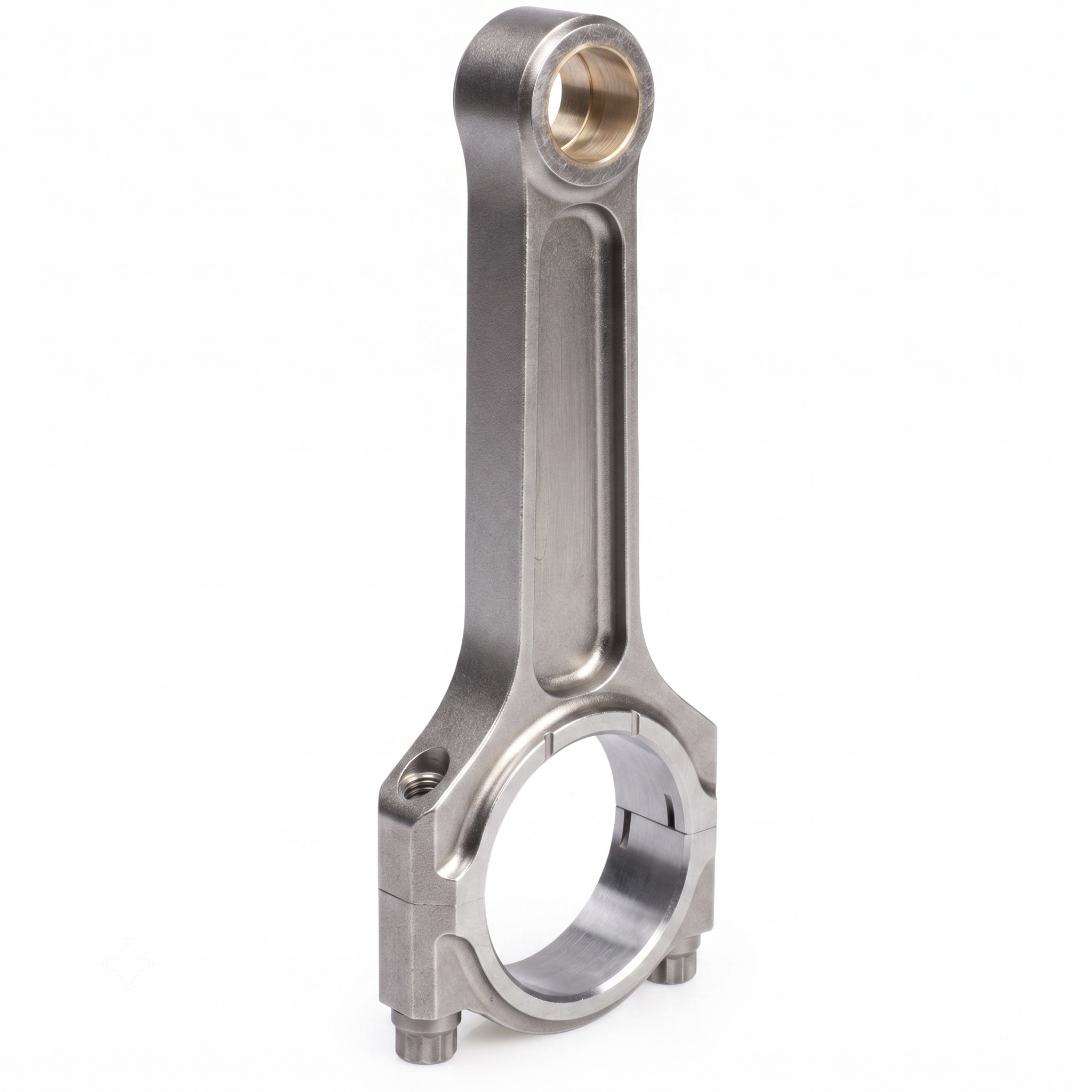 | I-Beam. Its I-shaped section concentrates material along the axis of the beam, where the rod works in compression, and leaves thinner flanks. The result is an excellent compromise between longitudinal stiffness and ease of machining, which makes it the most common design on modern petrol engines, naturally aspirated or moderately boosted. On the LF this version is offered at 515 g per rod and suits builds that stay close to the original architecture, with controlled engine speed. |
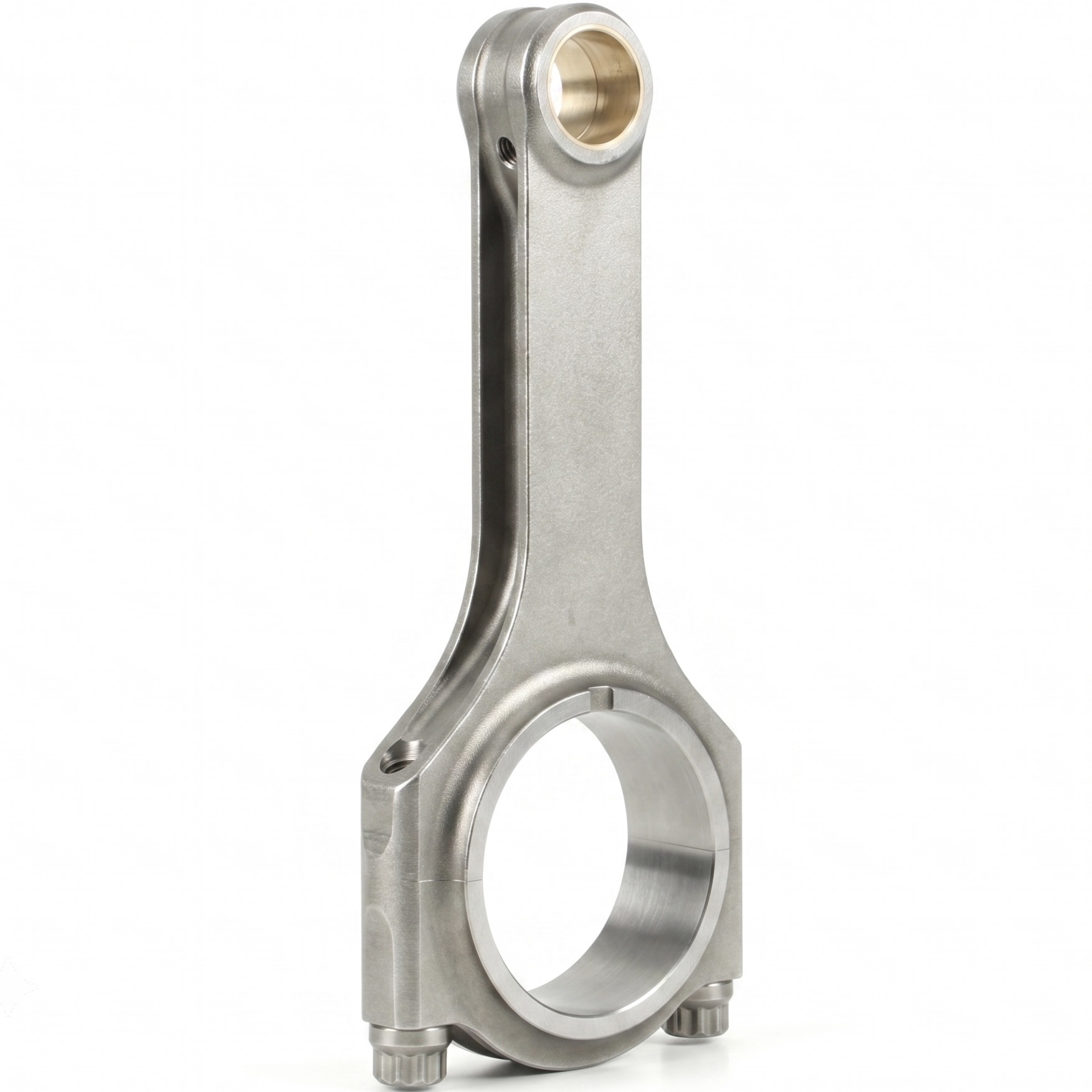 | H-Beam. Its solid flanks, joined by a central web, give it high stiffness and excellent resistance to high cylinder pressures, in bending as well as in buckling. It is the preferred profile for high-torque builds and high boost levels, when the load on the small end and the cap becomes the sizing factor. Here it is the lighter of the two profiles offered, at 456 g per rod, which also makes it relevant for a track-oriented LF. |
The rod bolt is one of the most heavily stressed parts in the engine. The key is to match the ARP grade to the real use of the build, then to strictly follow the assembly torque and stretch.
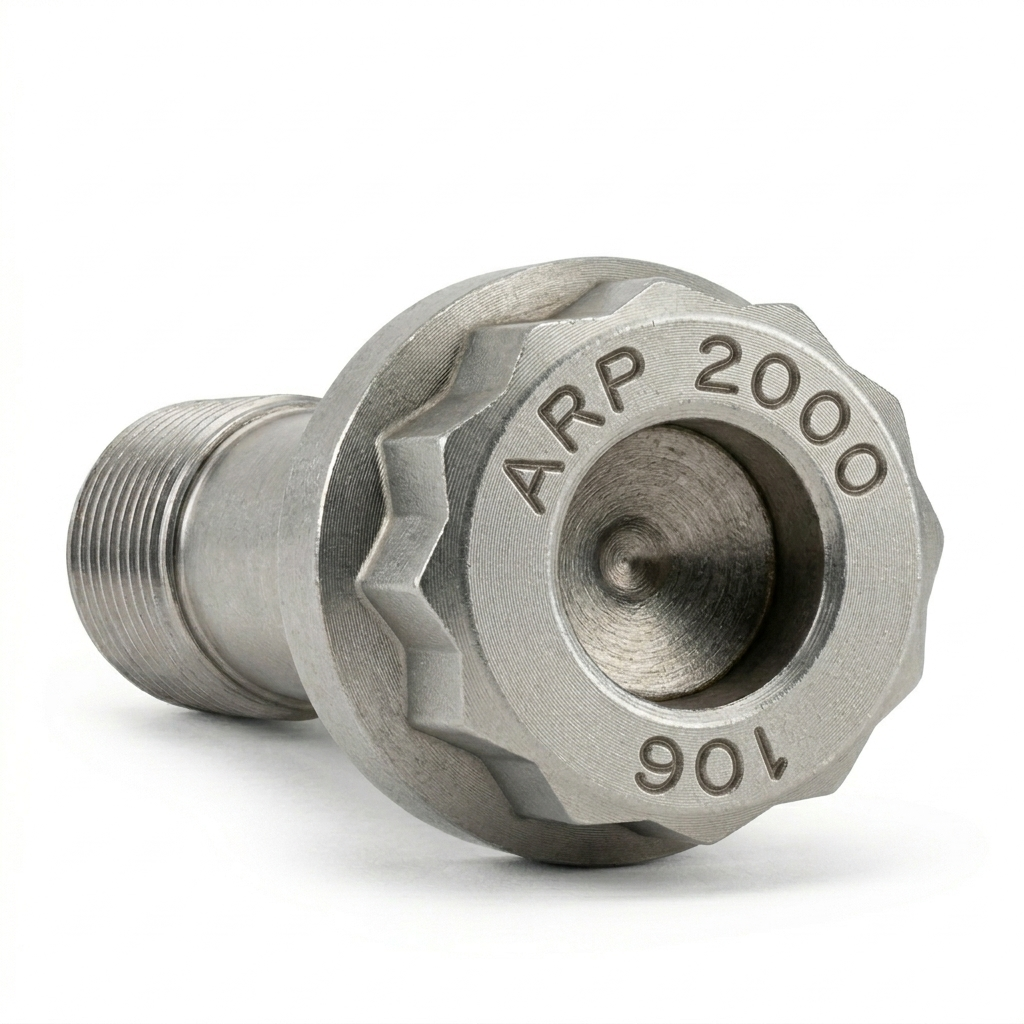 | ARP 2000 ARP's high-performance standard, with a tensile strength of around 220,000 psi. In 3/8" it comfortably covers about 200 hp per cylinder and engine speeds up to 8,500 rpm, which fits the vast majority of prepared LF engines. Strong, versatile and free of any particular storage constraint, it is torqued and then checked by stretch. It is the default choice for circuit racing, track days, drift, rally, drag and hillclimb. |
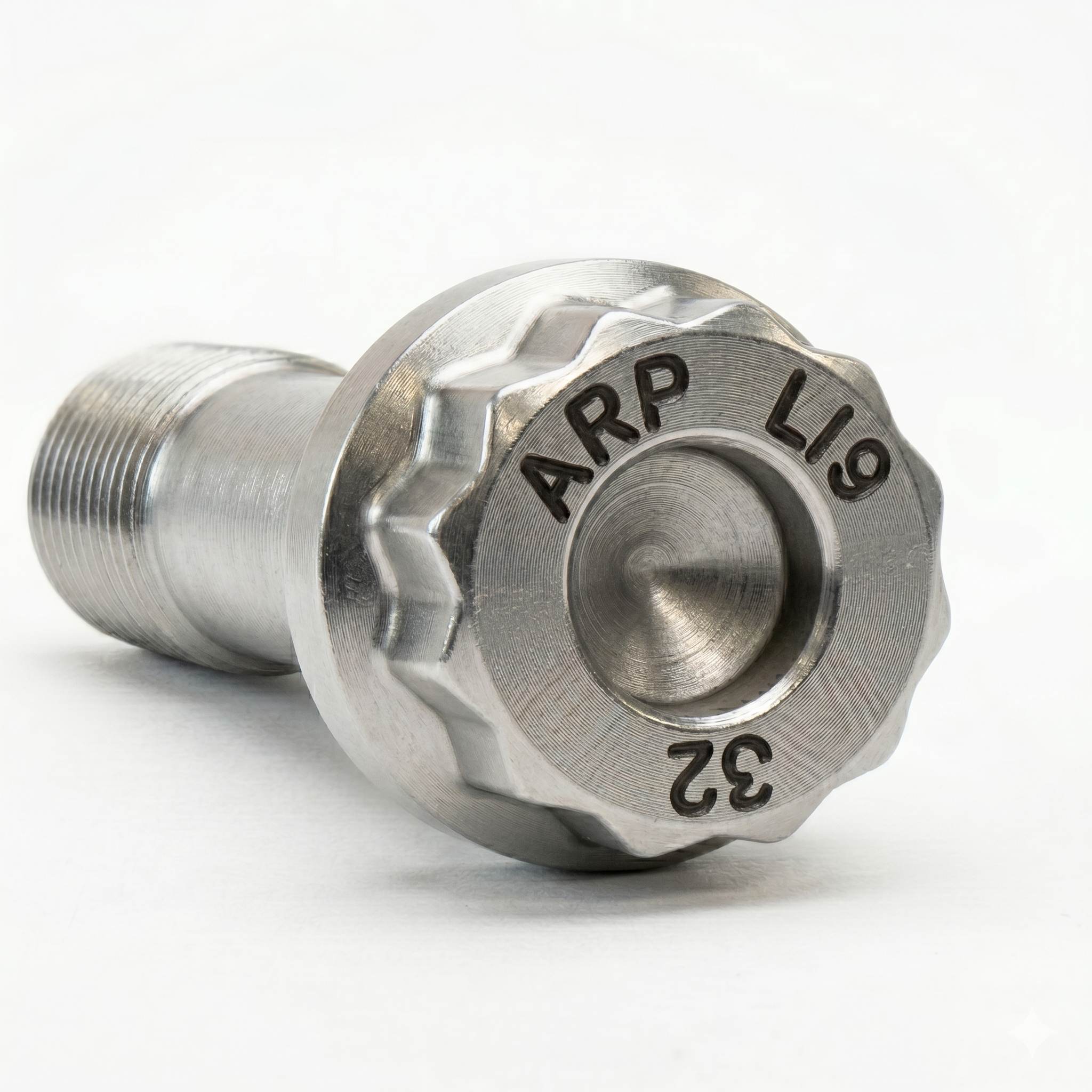 | L19 ARP's premium steel, with a tensile strength of around 260,000 psi. In 3/8" it allows about 250 hp per cylinder and engine speeds up to 10,000 rpm: this is the hardware for the most heavily loaded builds. In return, L19 is sensitive to corrosion and to hydrogen embrittlement: it must be stored and fitted oiled, and never left bare. On a heavily boosted LF, or one built for drag and drift, it is the extra safety margin to choose. |
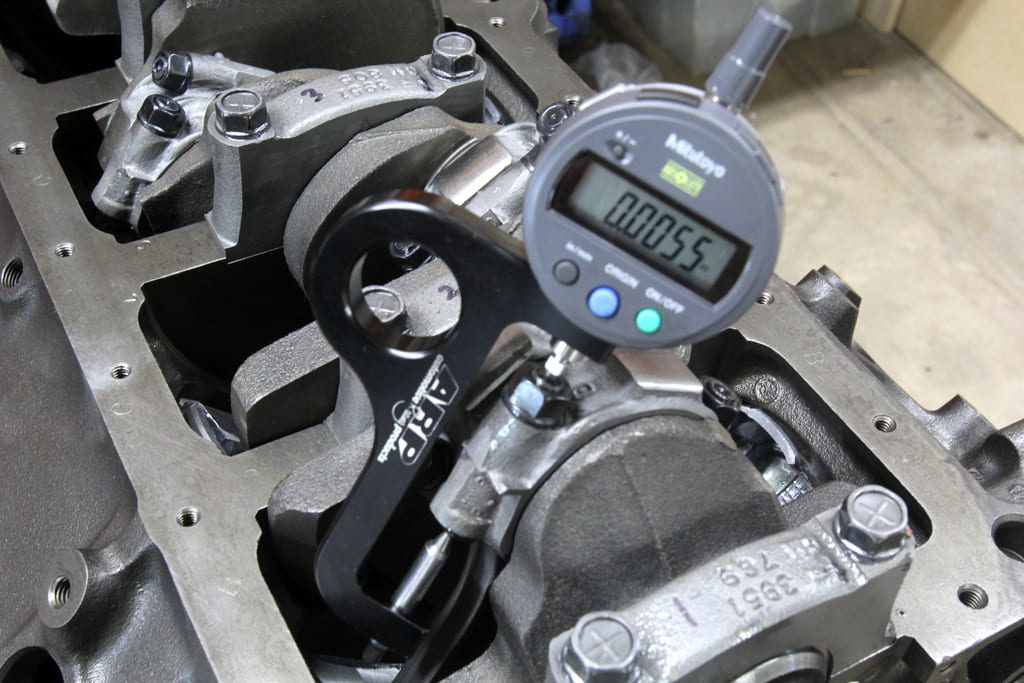
| In addition to torque tightening, measuring bolt stretch with a dial indicator remains the most reliable check of a correct, repeatable preload. With the bolt fitted, the dial indicator is set on the two ends of the bolt and its actual stretch is read, which must match the recommended value (see the torque and stretch table above). Independent of the friction that distorts a torque-only reading, this method secures the bottom end of heavily loaded engines, such as a tuned MZR 2.0 LF. |
 | ZRP. Founded in Athens by Alex Drakos, this Greek brand designs high-performance 4340 forged connecting rods. Each rod is precision-machined and balanced to ±1 g to stay reliable at high rpm. For this engine, ZRP offers them in I-Beam or H-Beam profile, with ARP 2000 or L19 bolts. Designed and inspected in Greece, they are proven in rally, on track and in drift. |
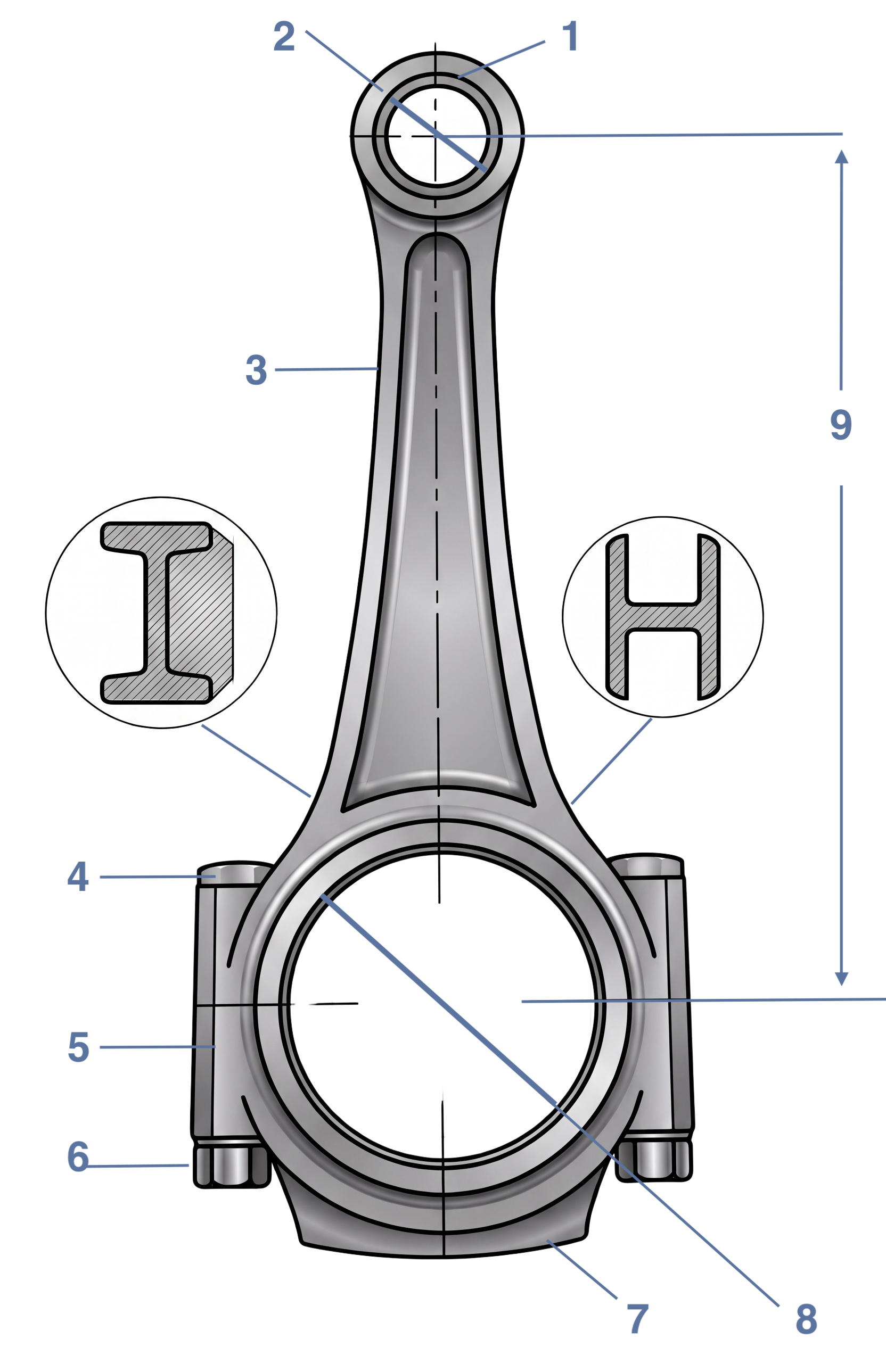 | 1) Small end 2) Small-end diameter 3) Rod beam 4) Rod bolt 5) Big end 6) Rod nut / bolt 7) Rod cap 8) Big-end diameter 9) Center-to-center |
These forged connecting rods are compatible with all vehicles fitted with the Mazda LF (MZR 2.0) engine (3.0L 24V twin-turbo):
| Brand | Model (chassis) | Engine code | Power | Years |
|---|---|---|---|---|
| Mazda | Mazda3 (BK, BL) | LF-DE / LF-VE | 130–147 hp | 2003–2013 |
| Mazda | Mazda5 (CR, CW) | LF-VE / LF-VD | 130–147 hp | 2005–2018 |
| Mazda | Mazda6 (GG, GH) | LF-DE / LF-VE | 130–147 hp | 2002–2012 |
| Mazda | MX-5 (NC) | LF-VE | 158–167 hp | 2005–2015 |
OEM reference :
When a standard bottom end fails, with a broken rod or a destroyed bearing shell, the bill is not limited to the broken part: the block has to be rebored or replaced, the crankshaft reground, the head checked, without counting labour and the time the car spends off the road. Fitting forged rods as a precaution costs a fraction of what an engine failure represents, and removes the most expensive uncertainty of a build.
For a budget equal to, or even lower than, a repair with standard parts, a set of 4340 forged rods brings an incomparable safety margin and opens the way to a later upgrade without opening the bottom end again. The workshop time is the same, so it may as well pay twice: removal and refitting are identical, only the level of the part changes.
For the same budget you therefore win on three fronts: more reliability, more power potential, and the peace of mind of no longer having to watch the rotating assembly. It is the part that secures the whole LF build.