Product successfully added to your shopping cart
Quantity
Total
There are 0 items in your cart. There is 1 item in your cart.
Total products
Total shipping To be determined
Total

2.4 16v - K24
Manufacturers
2.4 16v - K24
Warning: Last items in stock!
New product
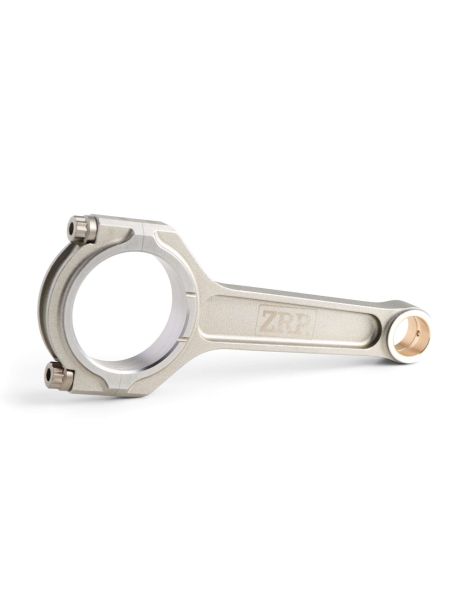
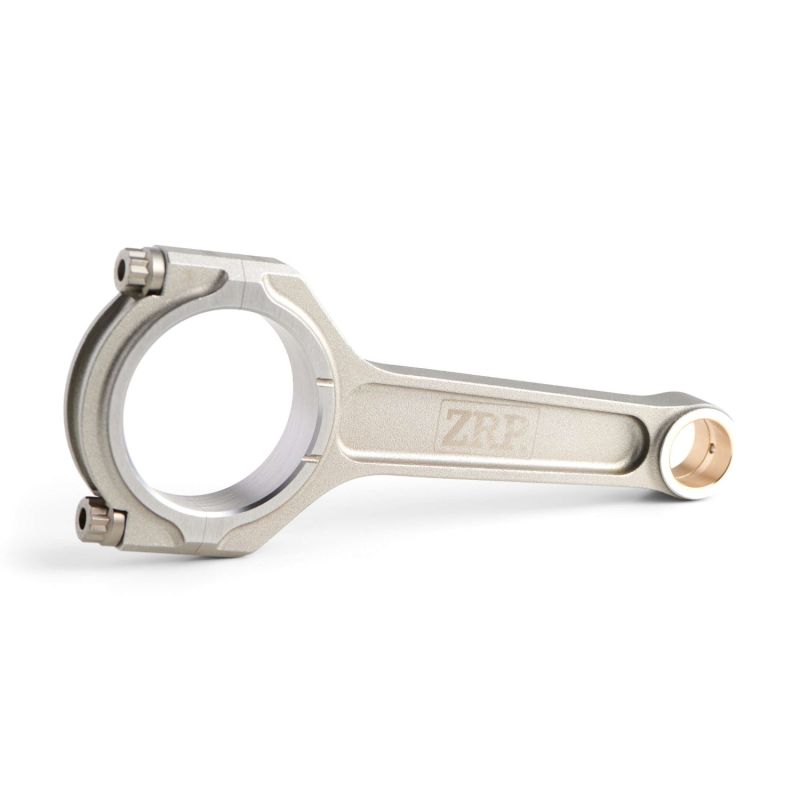
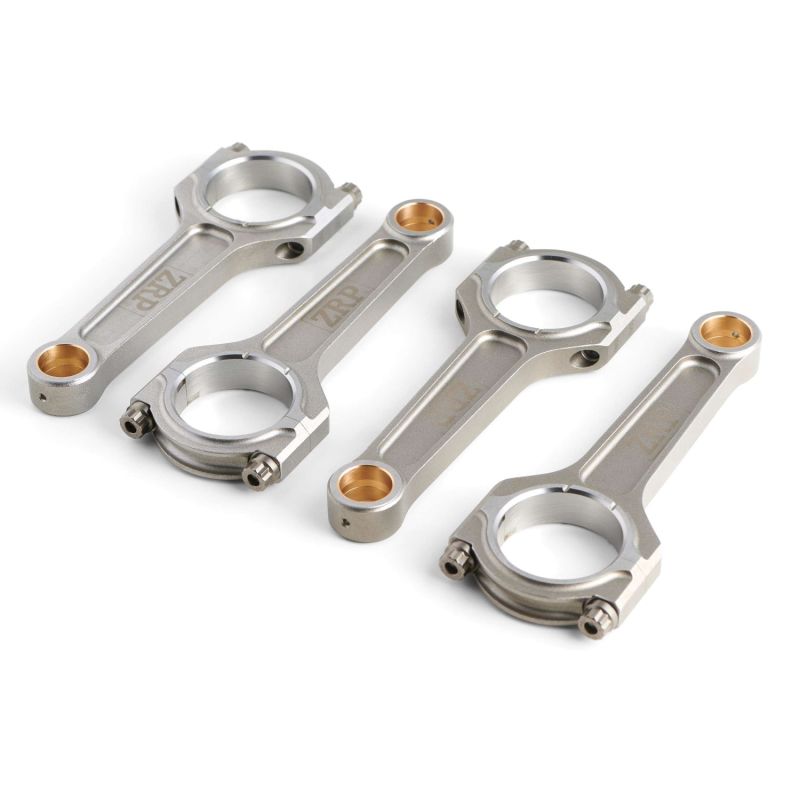
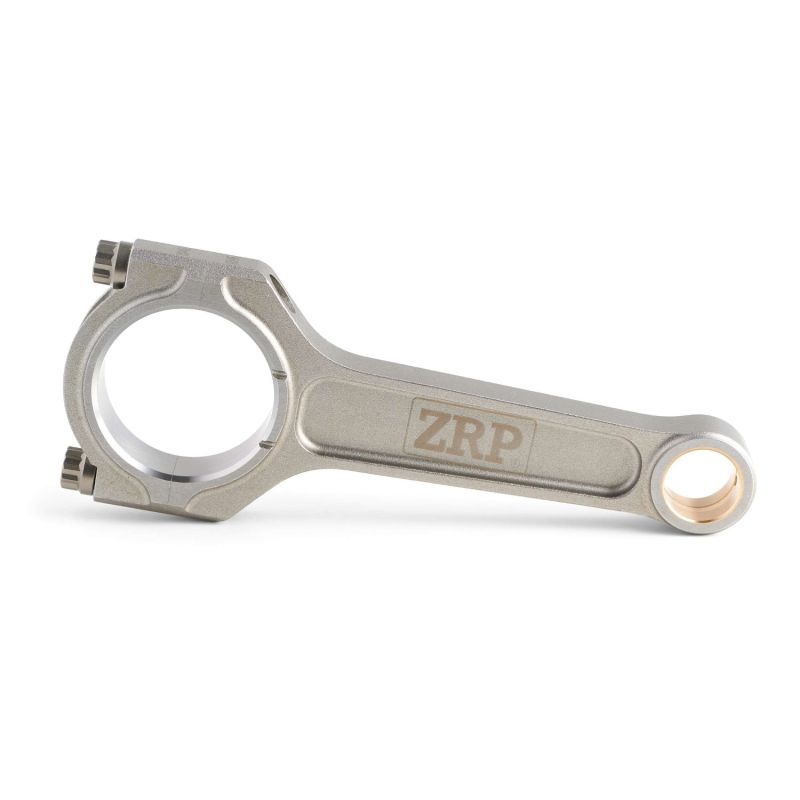
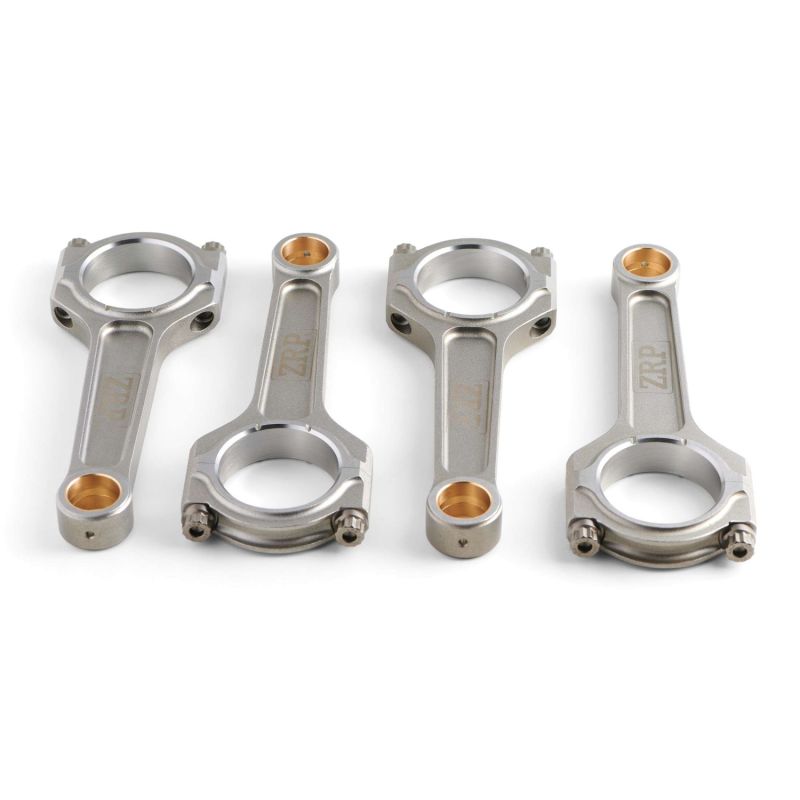
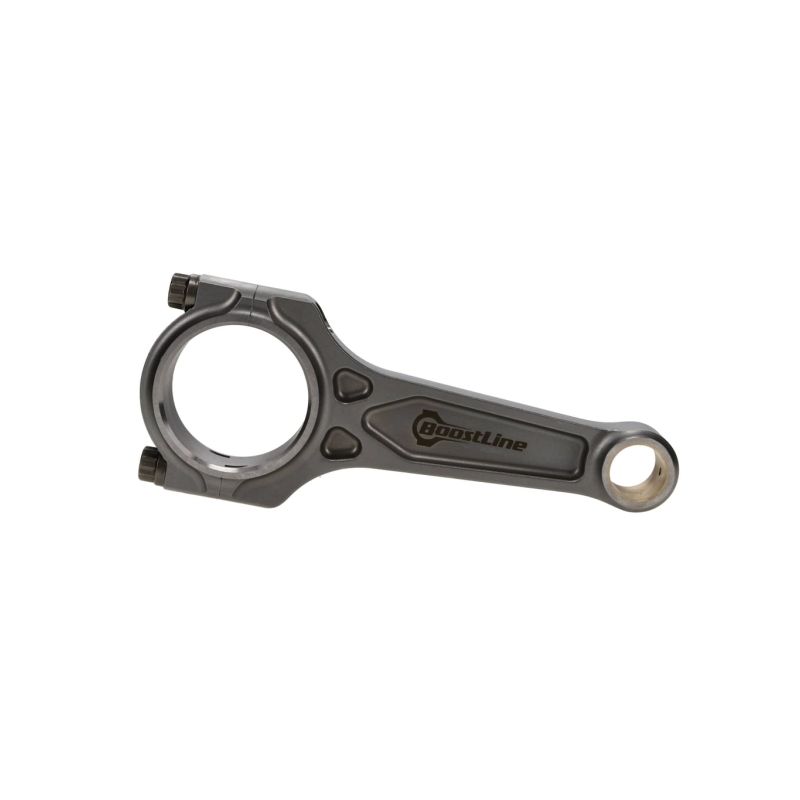
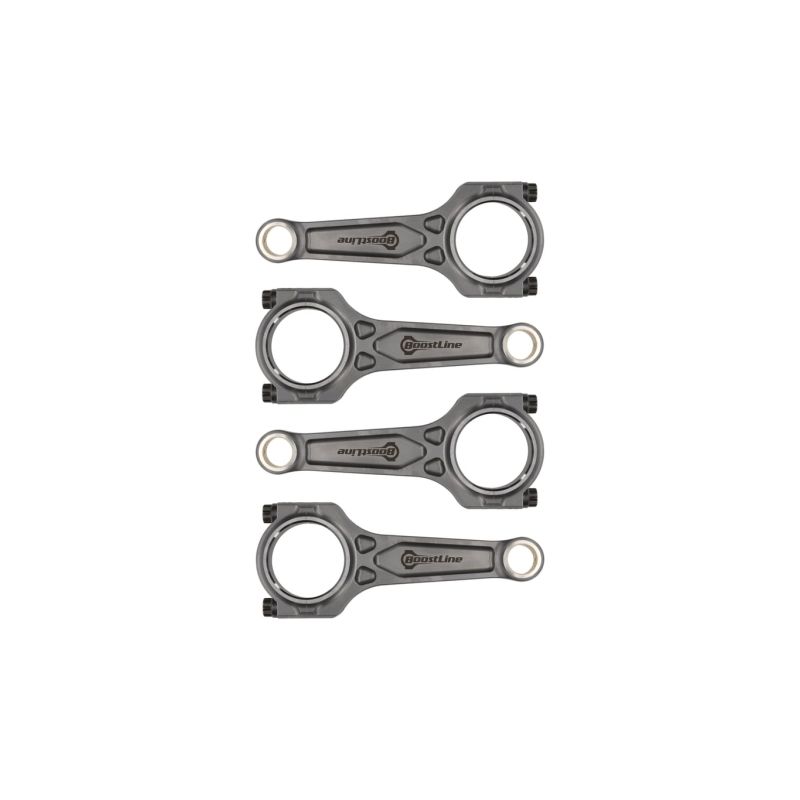
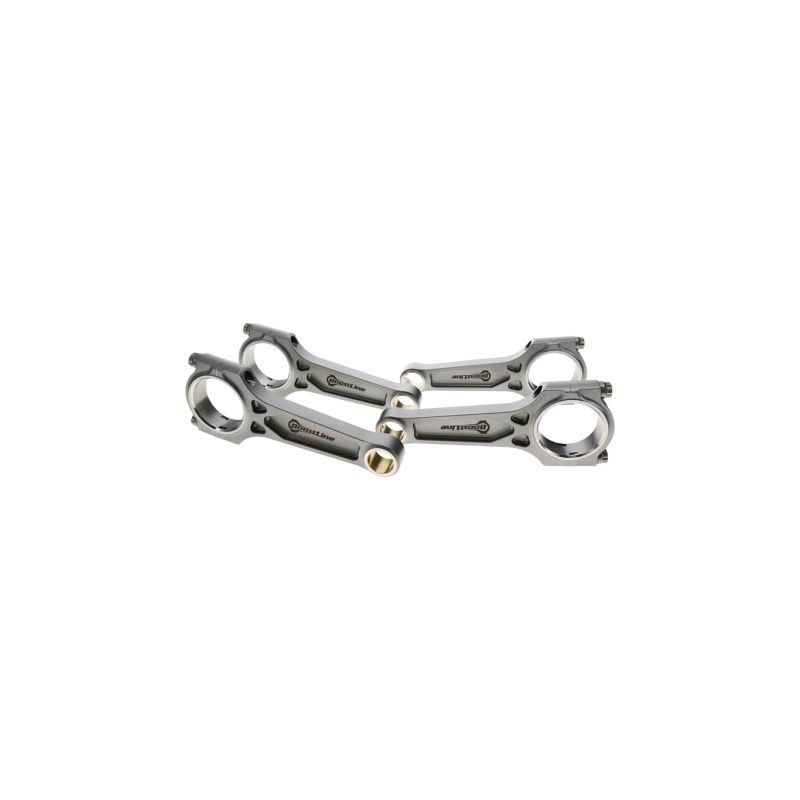
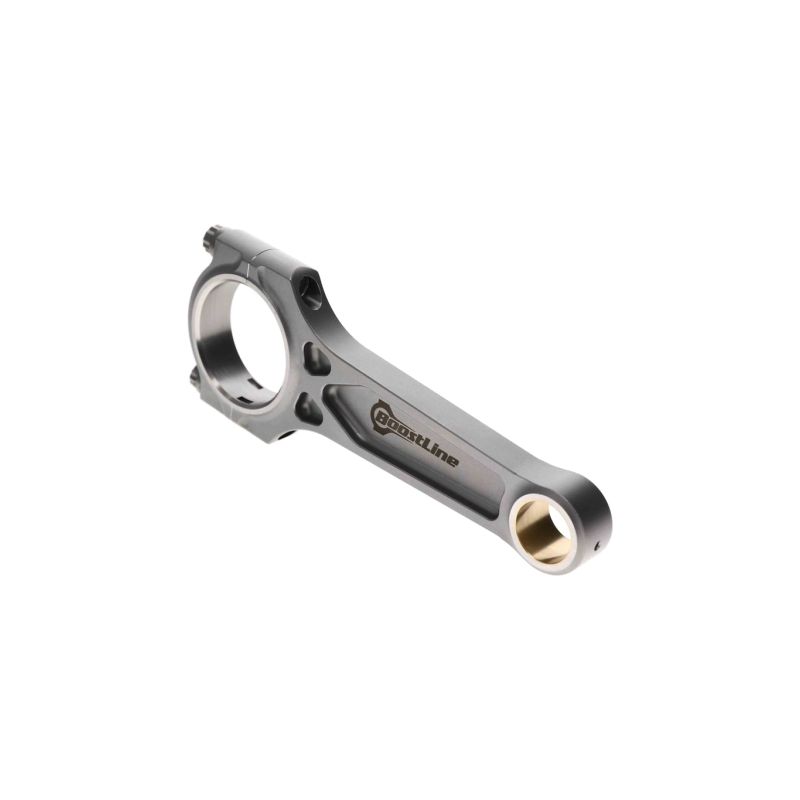
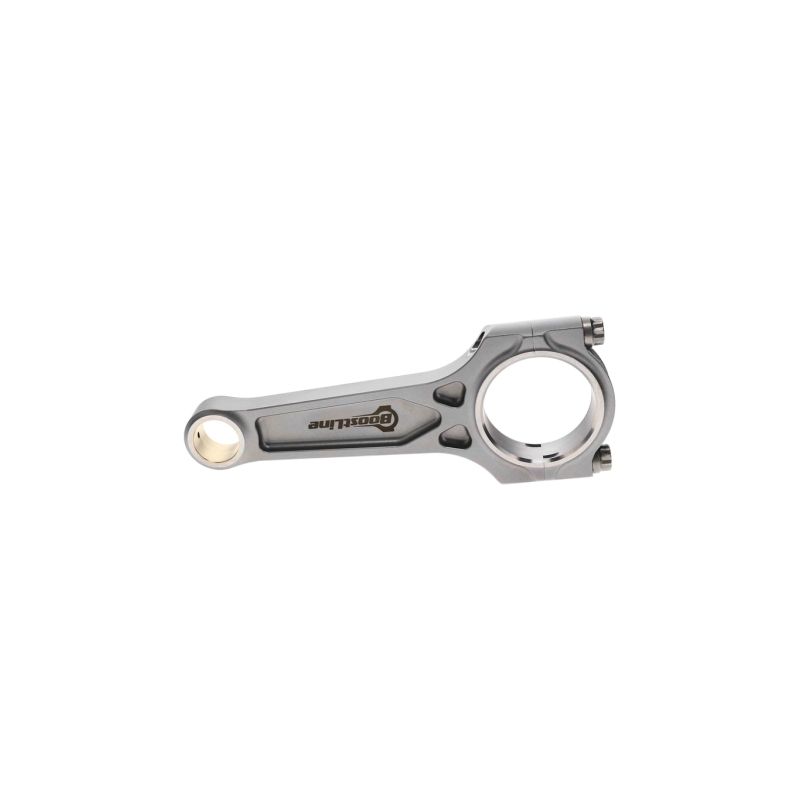
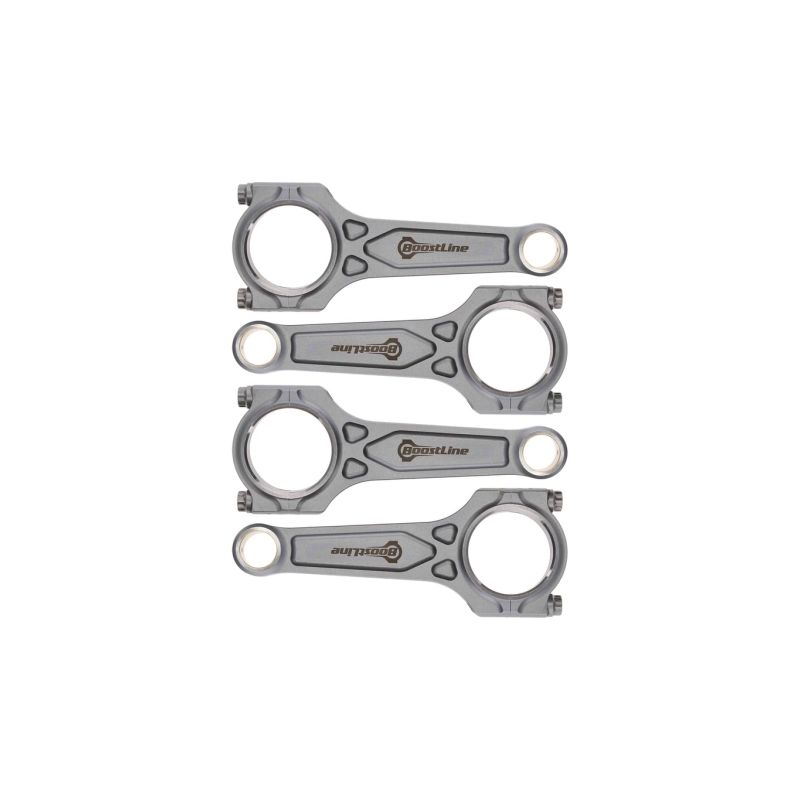
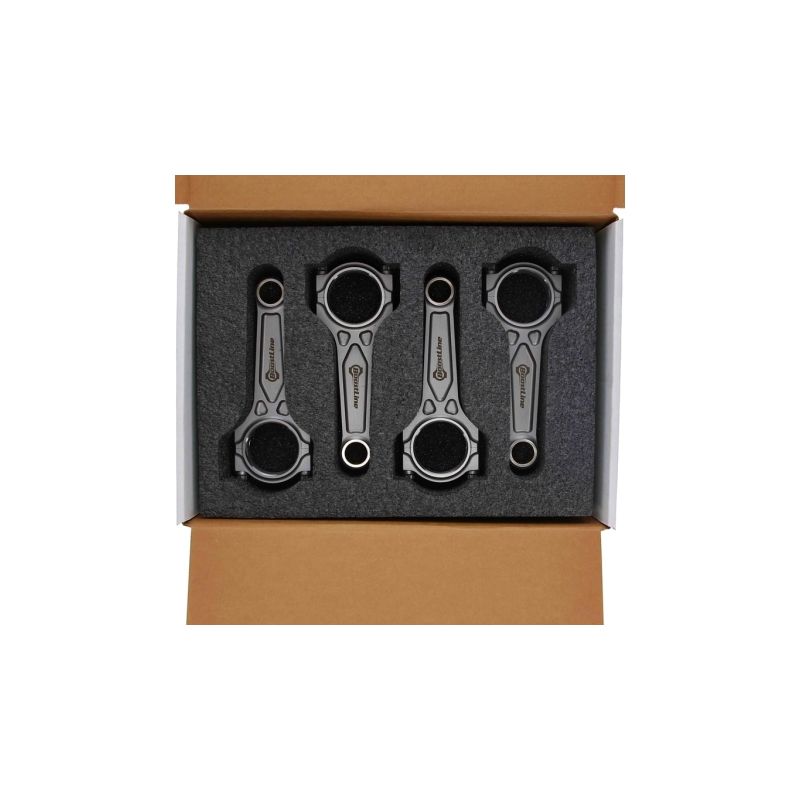
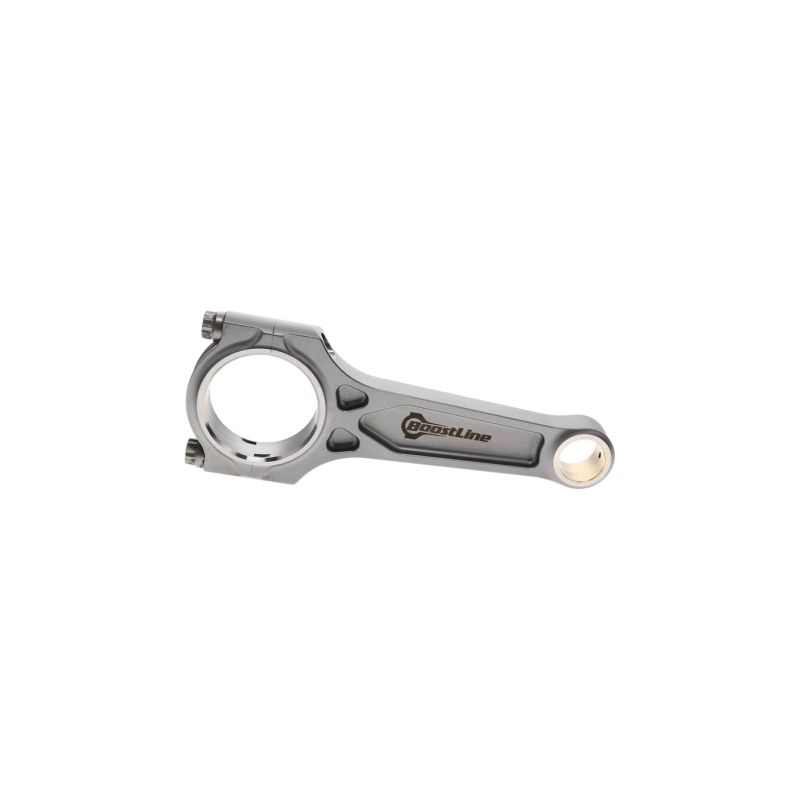
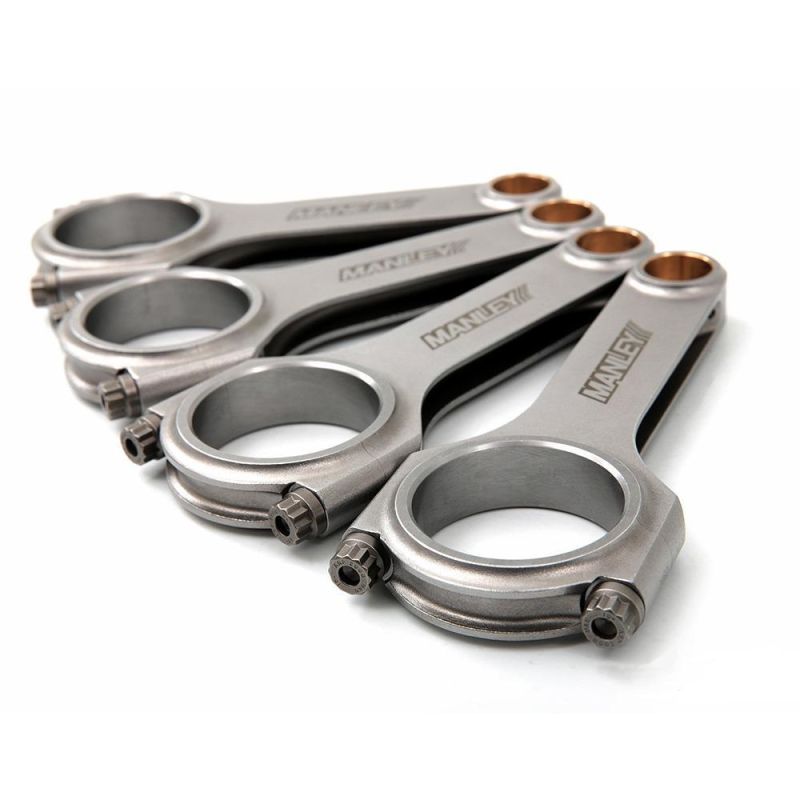
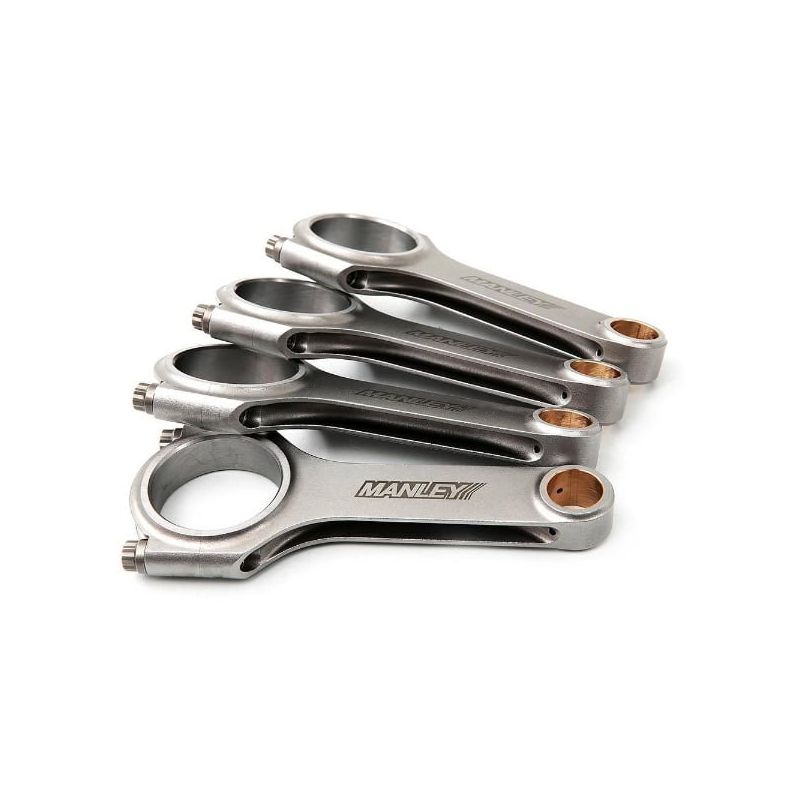
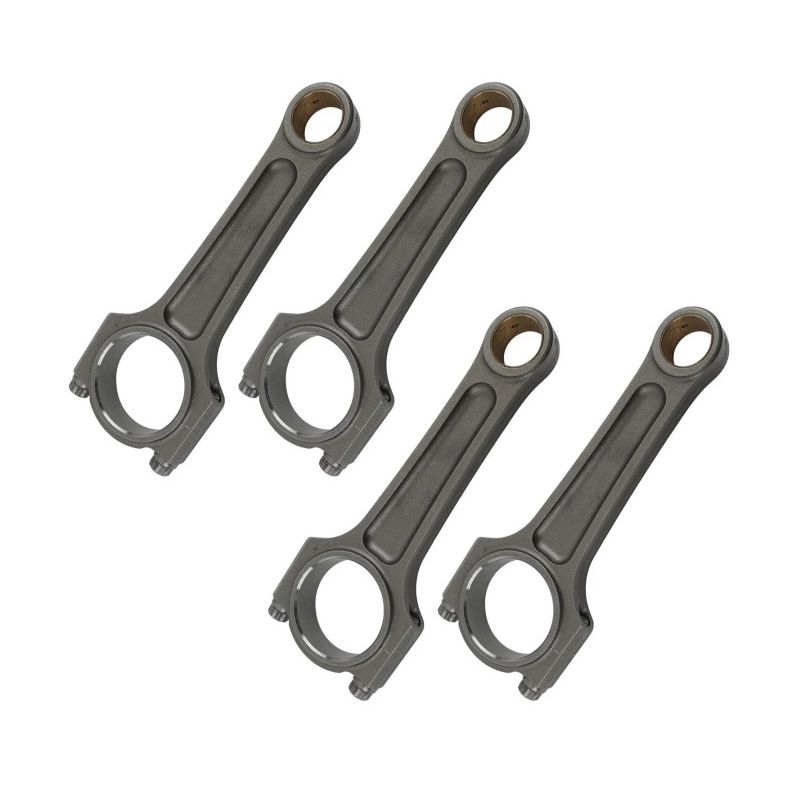
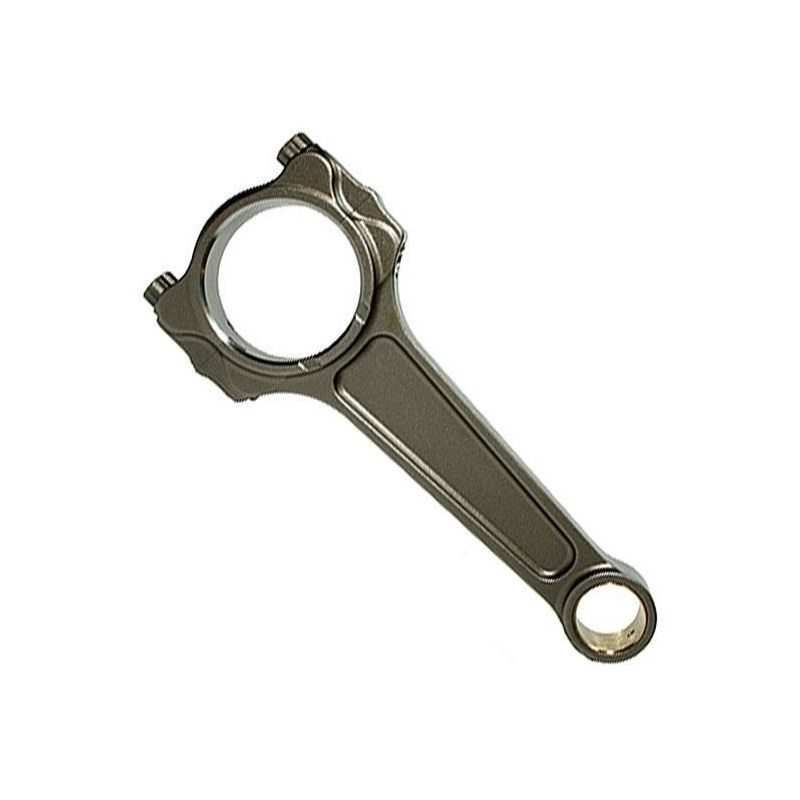
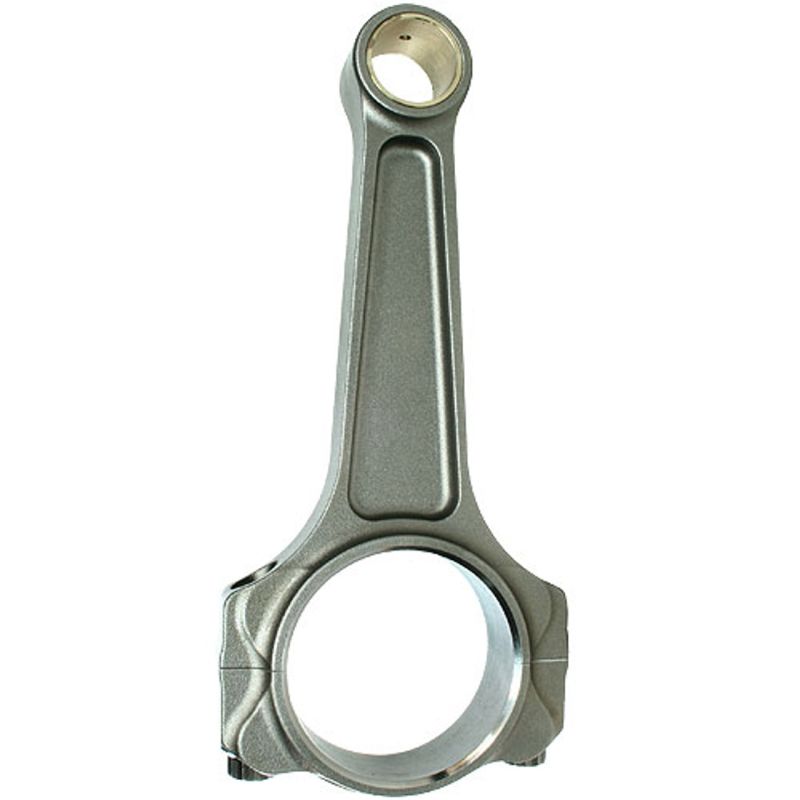
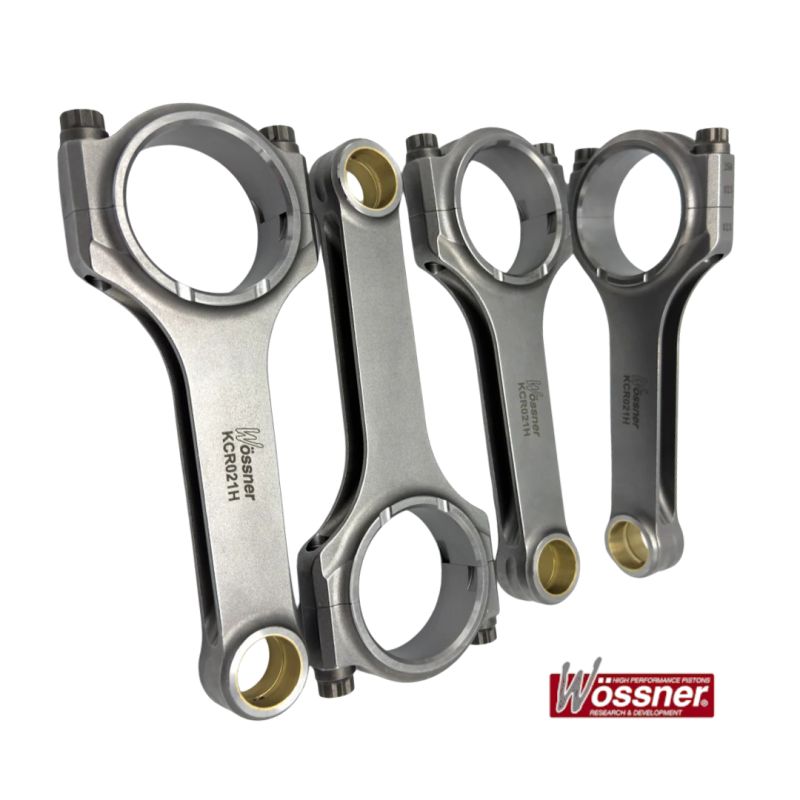
Set of 4 forged connecting rods in 4340 or EN24T steel for the Honda K24 2.4 16V i-VTEC.
The K24 is the largest of the naturally aspirated four-cylinders in Honda's K family: 2.4 L (2354 cc), sixteen valves, twin cam and i-VTEC variable timing. Its long 99 mm stroke gives generous mid-range torque, while its most developed versions (the Acura TSX K24A2, the K24A3) top 200 hp in stock form; it powers the Honda Accord VII, CR-V III, Element and Acura TSX. Its displacement also makes it a favourite base for tuners, whether in a high-revving naturally aspirated build, a stroker setup or, above all, a turbo conversion where it handles serious power. As soon as cylinder pressure and inertia loads rise, the factory sintered rods become the weak link of the rotating assembly and threaten the whole block. Replacing them with weight-matched forged rods is the essential first step towards a reliable K24, whether the target is torque, high rpm or boost.
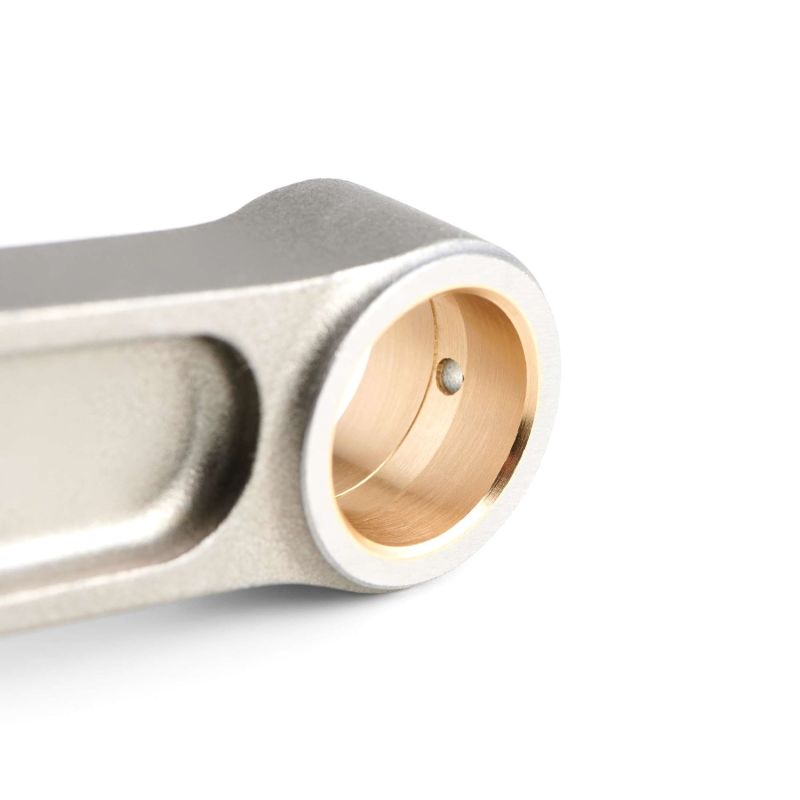
Drop-forged and precision-machined, these rods withstand compression, bending and fatigue loads far beyond those the factory sintered K24 rods tolerate. They meet every demanding use: circuit, time attack, drift, drag, rally and hillclimb. Depending on the build, they suit a compression- and rpm-optimised naturally aspirated K24 as well as a Stage 2, Stage 3 or Stage 4 turbo or supercharger conversion, where the torquey 2.4 works the rods hard. Supplied as a complete set of 4 and weight-matched, they keep the rotating assembly balanced and the engine running smoothly. All retain the K24's 22 mm piston pin, for a 152 mm center-to-center length.
| Reference | Brand | Profile | Steel | Bolts | Pin Ø (mm) | Small-end width (mm) | Big-end Ø (mm) | Big-end width (mm) | Center-to-center (mm) | Weight (g) |
|---|---|---|---|---|---|---|---|---|---|---|
| HN5984-866 | Boostline | I-3P | Forged 4340 steel | ARP 2000-3/8"-41mm | 22 | 19,86 | 51 | 19,86 | 152 | 623 |
| HN5984-866+ | Boostline | I-3P | Forged 4340 steel | ARP CA625+-3/8"-41mm | 22 | 19,86 | 51 | 19,86 | 152 | 622 |
| 14015-4 | Manley | H | Forged 4340 steel | ARP 2000-3/8"-38mm | 22 | 51 | 19,81 | 151,99 | 545 | |
| 14405-4 | Manley | I-HD | Forged 4340 steel | ARP 2000-3/8"-41mm | 22 | 51 | 19,81 | 151,99 | 610 | |
| 14405R6-4 | Manley | I-HD | Forged 4340 steel | ARP CA625+-3/8"-41mm | 22 | 51 | 19,81 | 151,99 | 610 | |
| KCR368A | Wössner | I | Forged 4340 steel | ARP 2000-3/8"-41mm | 22 | 19,8 | 51 | 19,8 | 152 | 602 |
| R-HON-017-IL | ZRP | I | Forged 4340 steel | ARP 2000-3/8"-38mm | 22 | 51 | 19,81 | 152 | 484 | |
| R-HON-017-IL-L19 | ZRP | I | Forged 4340 steel | ARP L19-3/8"-38mm | 22 | 51 | 19,81 | 152 | 484 | |
| R-HON-EN24T-017-I | ZRP | I-HD | Forged EN24T steel | ARP 2000-3/8"-38mm | 22 | 51 | 19,81 | 152 | 534 | |
| R-HON-EN24T-017-I-L19 | ZRP | I-HD | Forged EN24T steel | ARP L19-3/8"-38mm | 22 | 51 | 19,81 | 152 | 534 |
R-HON-017-IL, R-HON-017-IL-L19: Recommended for naturally aspirated engines.
R-HON-EN24T-017-I, R-HON-EN24T-017-I-L19: Recommended for forced induction engines.
On these rods, tightening is controlled by bolt stretch, measured with a gauge, rather than by torque alone. The values below are given as a guide: always follow the bolt manufacturer's instructions.
| Rod | Bolts | Tightening torque | Recommended stretch (mm) |
|---|---|---|---|
| Boostline I-3P (HN5984-866) | ARP 2000 | 81 N·m | 0,142 – 0,152 |
| Boostline I-3P (HN5984-866+) | ARP CA625+ | 88 N·m | 0,152 – 0,163 |
| Manley H (14015-4) | ARP 2000 | 81,3 N·m | 0,147 – 0,157 |
| Manley I-HD (14405-4) | ARP 2000 | 81,3 N·m | 0,147 – 0,157 |
| Manley I-HD (14405R6-4) | ARP CA625+ | 88,1 N·m | 0,165 – 0,190 |
| Wössner I (KCR368A) | ARP 2000 | 74,6 N·m | 0,1397 – 0,1524 |
| ZRP I (R-HON-017-IL) | ARP 2000 | 61 N·m | 0,140 – 0,152 |
| ZRP I (R-HON-017-IL-L19) | ARP L19 | 67,8 N·m | 0,152 – 0,165 |
| ZRP I-HD (R-HON-EN24T-017-I) | ARP 2000 | 61 N·m | 0,140 – 0,152 |
| ZRP I-HD (R-HON-EN24T-017-I-L19) | ARP L19 | 67,8 N·m | 0,152 – 0,165 |
The beam of these rods is forged from 4340, a low-alloy nickel-chromium-molybdenum steel that serves as the benchmark for all high-performance rods. Forged, then quenched and tempered, it shows an uninterrupted grain flow that gives it high tensile strength and outstanding fatigue life, two decisive assets on a K24 worked in torque and rpm. Compared with a factory sintered rod, designed above all for high-volume production cost, a forged 4340 rod offers about +19% yield strength, +8% tensile strength and +19 to +37% fatigue endurance. That strength reserve is precisely what absorbs, without failure, the pressure peaks and inertia loads of a hard or boosted K24. The two ZRP I-HD rods referenced R-HON-EN24T-017 use EN24T steel instead, a British nickel-chromium-molybdenum grade very close to 4340 in composition and heat treatment, chosen by ZRP for its reinforced profiles.
Three profile families cover the range: the H (Manley), versatile; the optimised Wössner I and its reinforced I-HD version (ZRP, Manley); and the Boostline I-3P for the hardest builds. For each reference, the specification table details the center-to-center length, big-end diameter and width and the weight, to guide the choice by torque, rpm and power target.
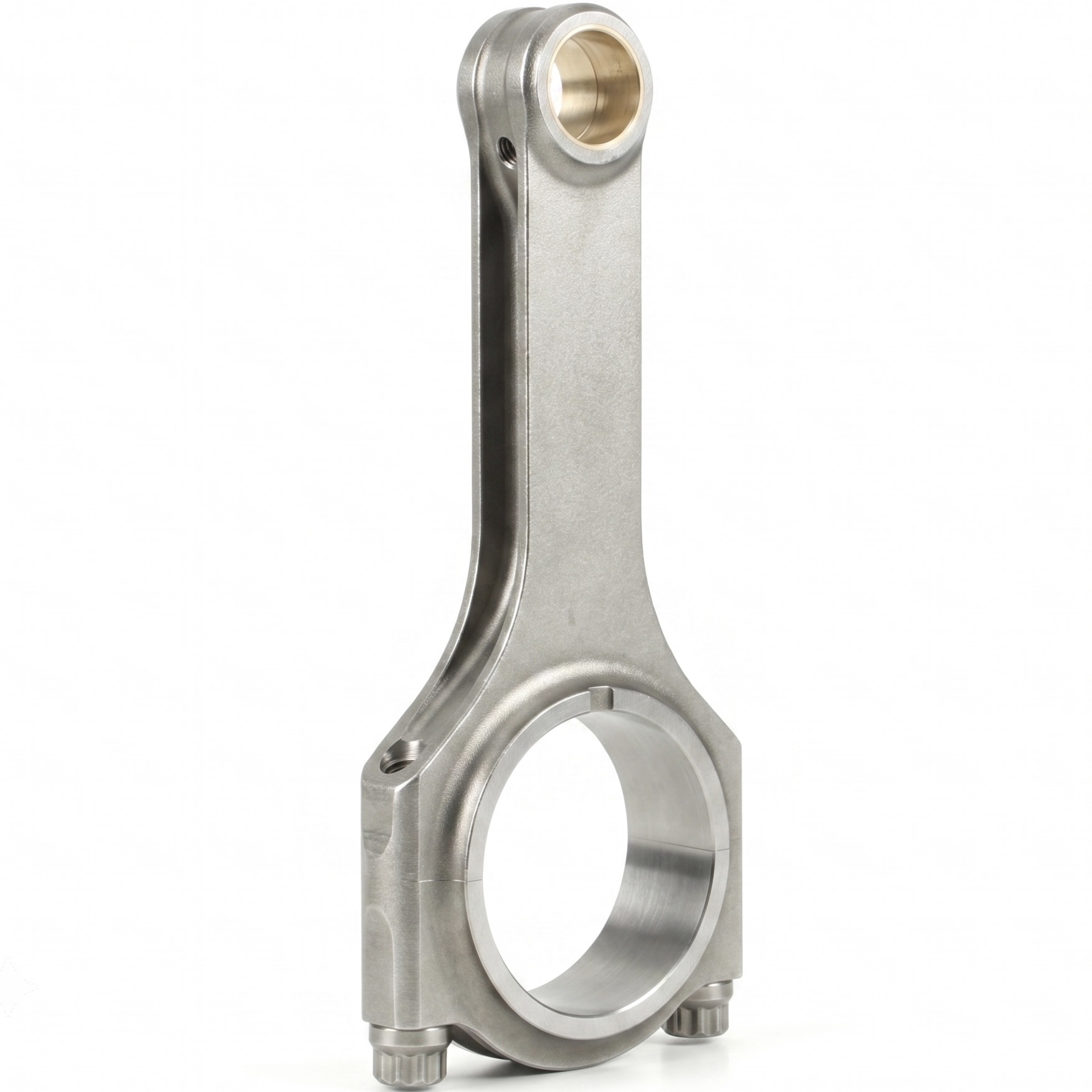 | H profile: H-beam offered by Manley; its two flat flanks give excellent bending stiffness for a controlled mass, a versatile, proven choice on naturally aspirated and lightly boosted K24 builds. |
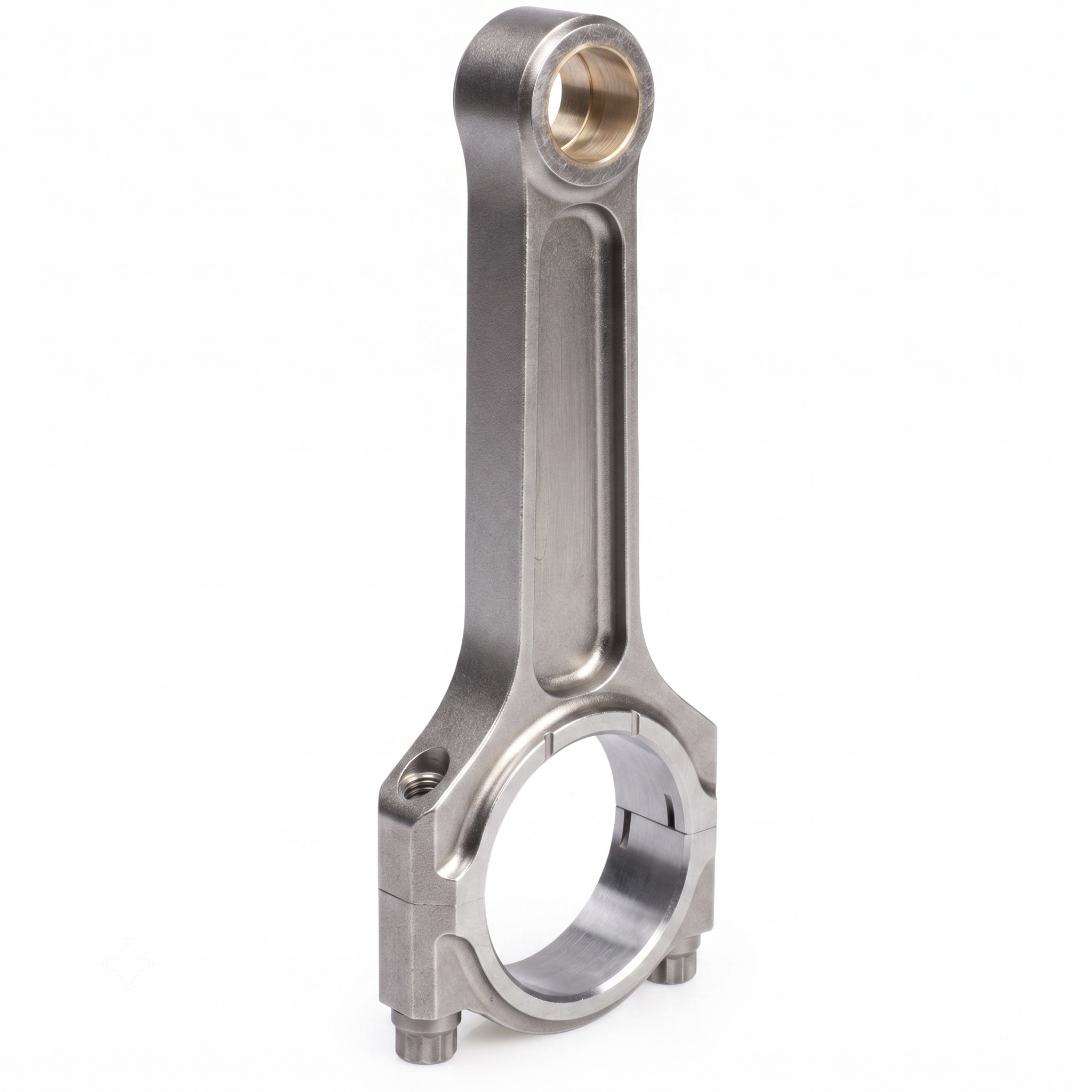 | I and I-HD profiles: I-beam offered by Wössner (A-Beam, optimised and compact) and by ZRP (reference R-HON-017), with a reinforced I-HD (Heavy Duty) version from ZRP and Manley; light and strong, it favours compression strength, ideal for a K24 pushed in rpm or heavily loaded. |
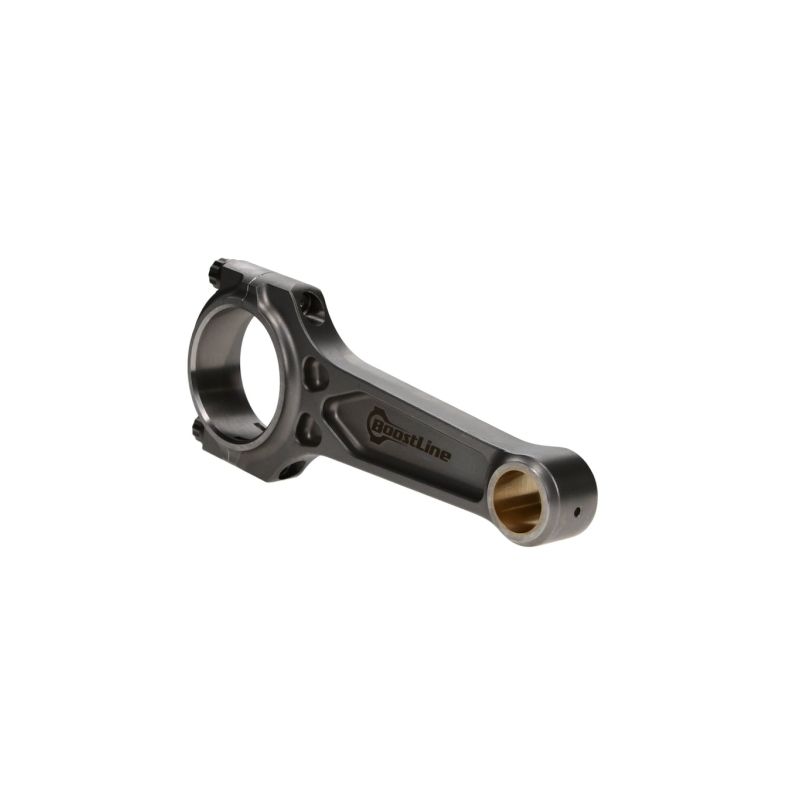
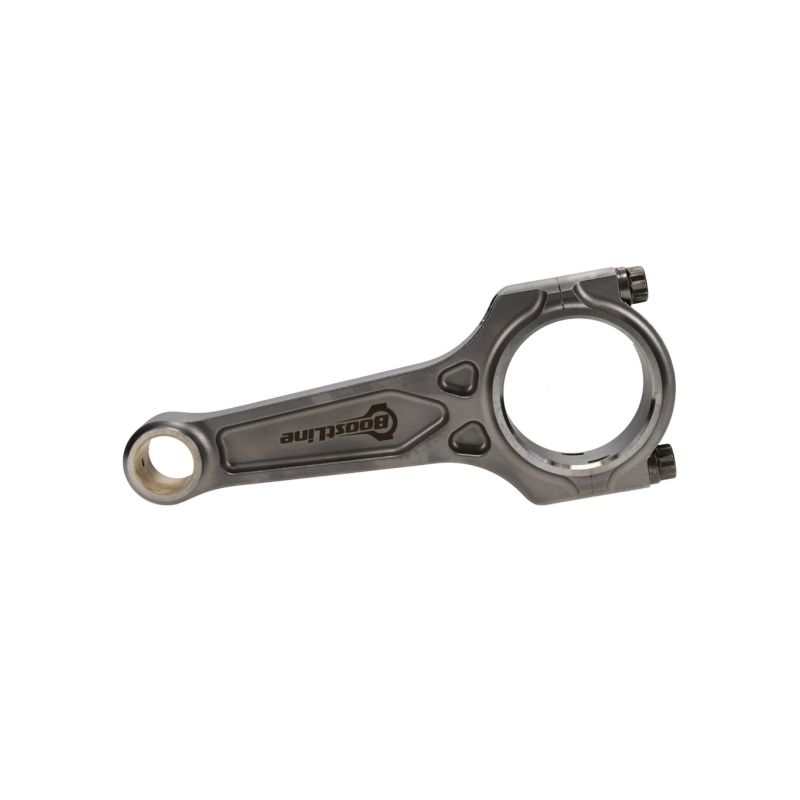
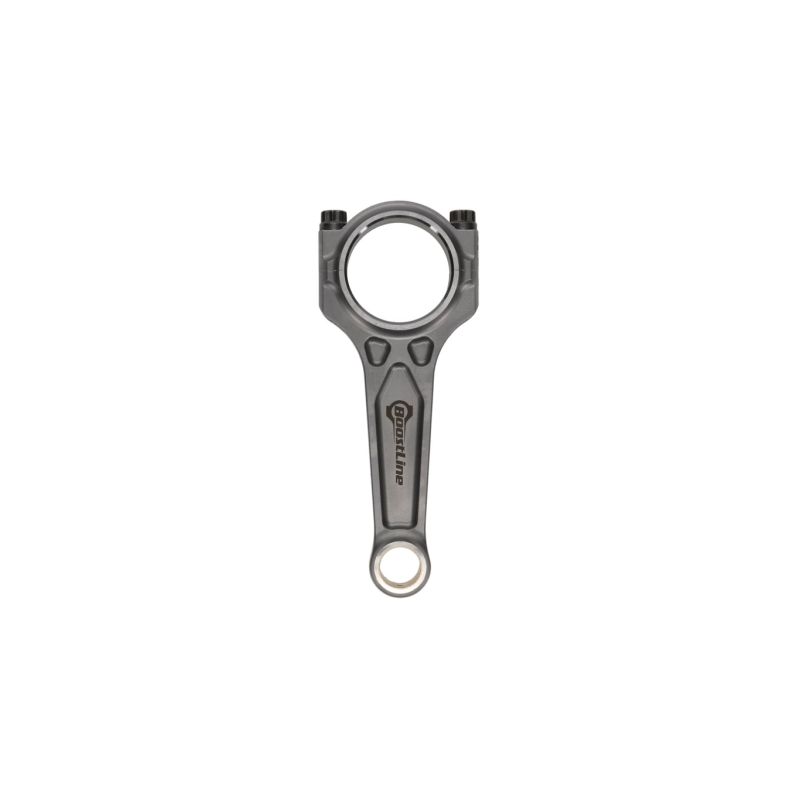
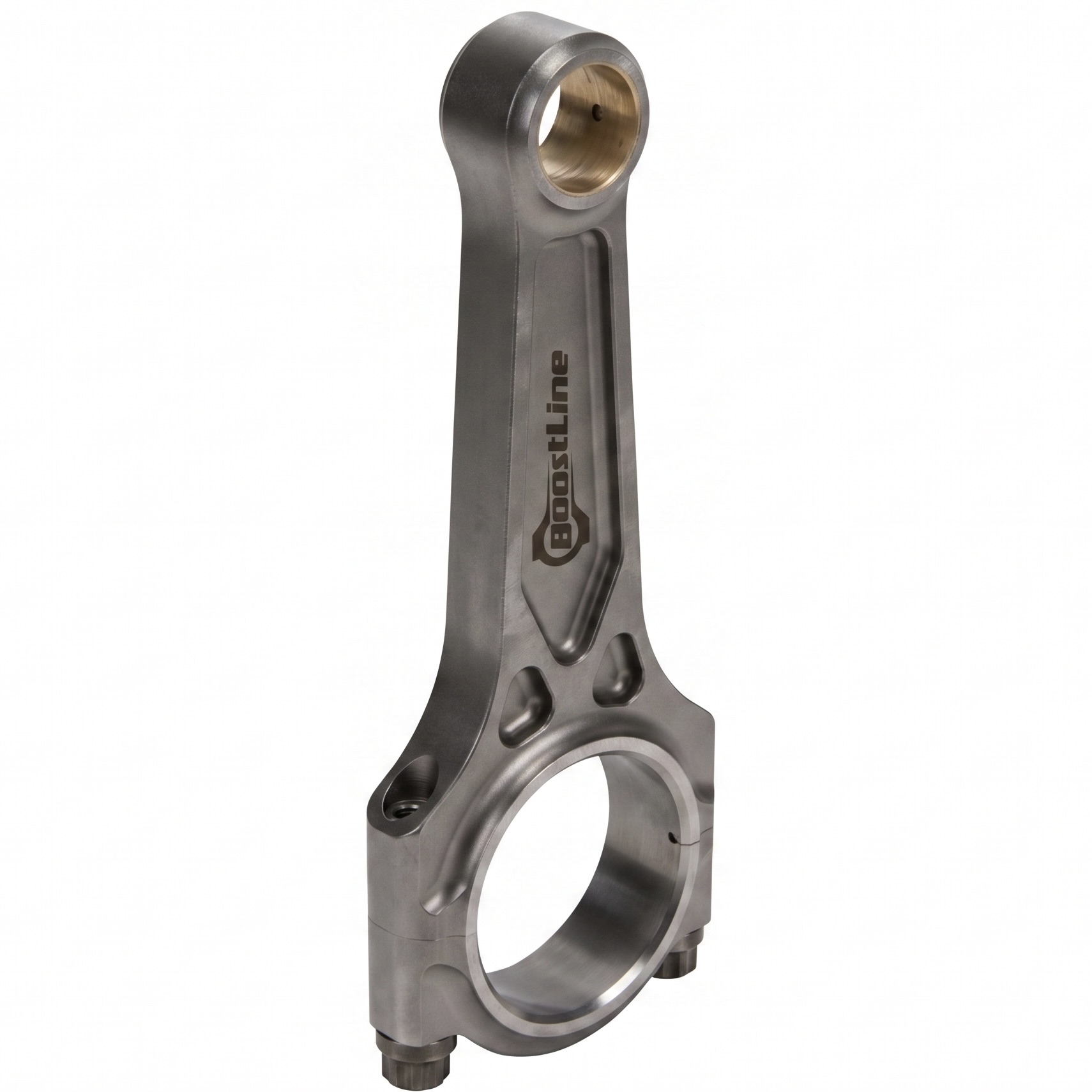 | I-3P profile: three-pocket I-beam by Boostline; its finite-element section delivers a leading stiffness-to-weight ratio and excellent buckling resistance, tailored to the most demanding K24 builds, notably turbo conversions. |
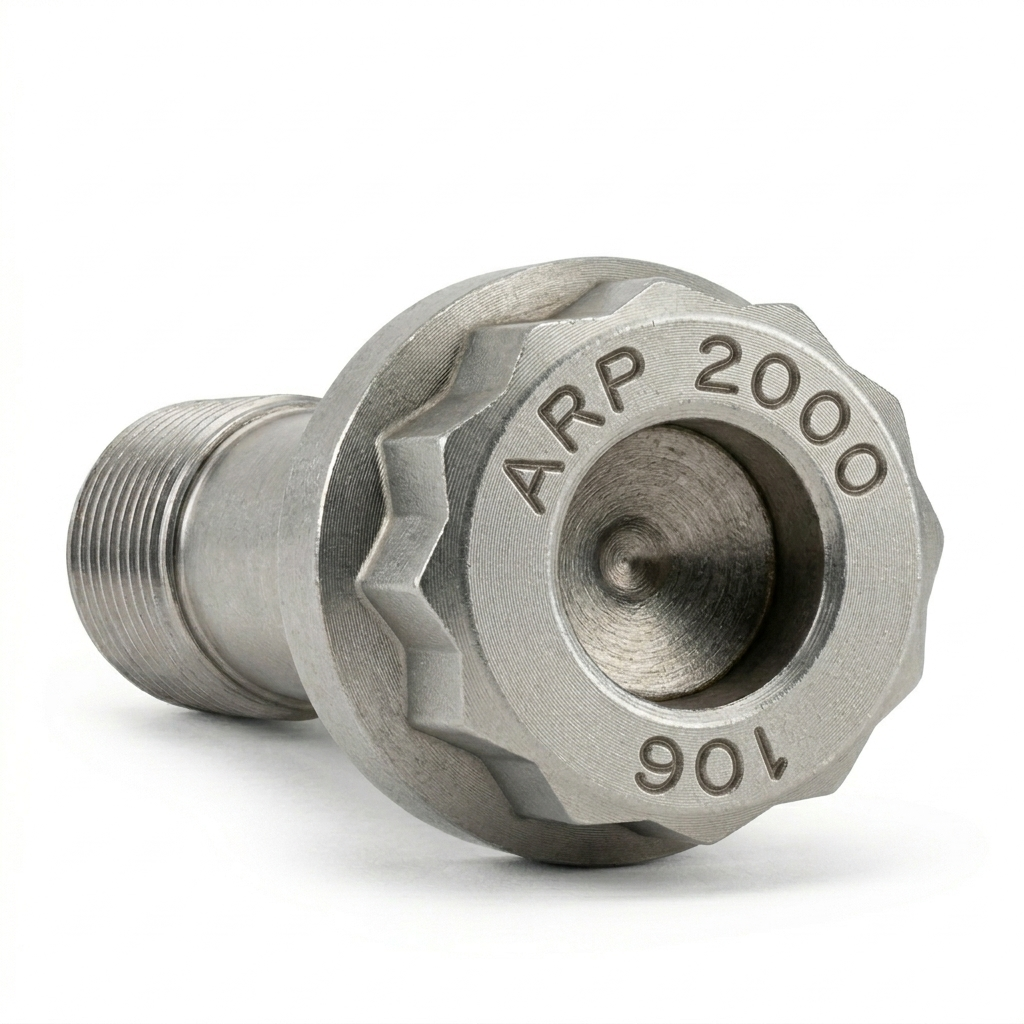 | ARP 2000: the all-round benchmark alloy, with a tensile strength around 220,000 psi (1,517 MPa). Offered here in 3/8" diameter, it covers the vast majority of K24 builds, up to about 200 hp per cylinder, at speeds reaching 8,500 rpm. It is the default choice to make a sporting K24 reliable. |
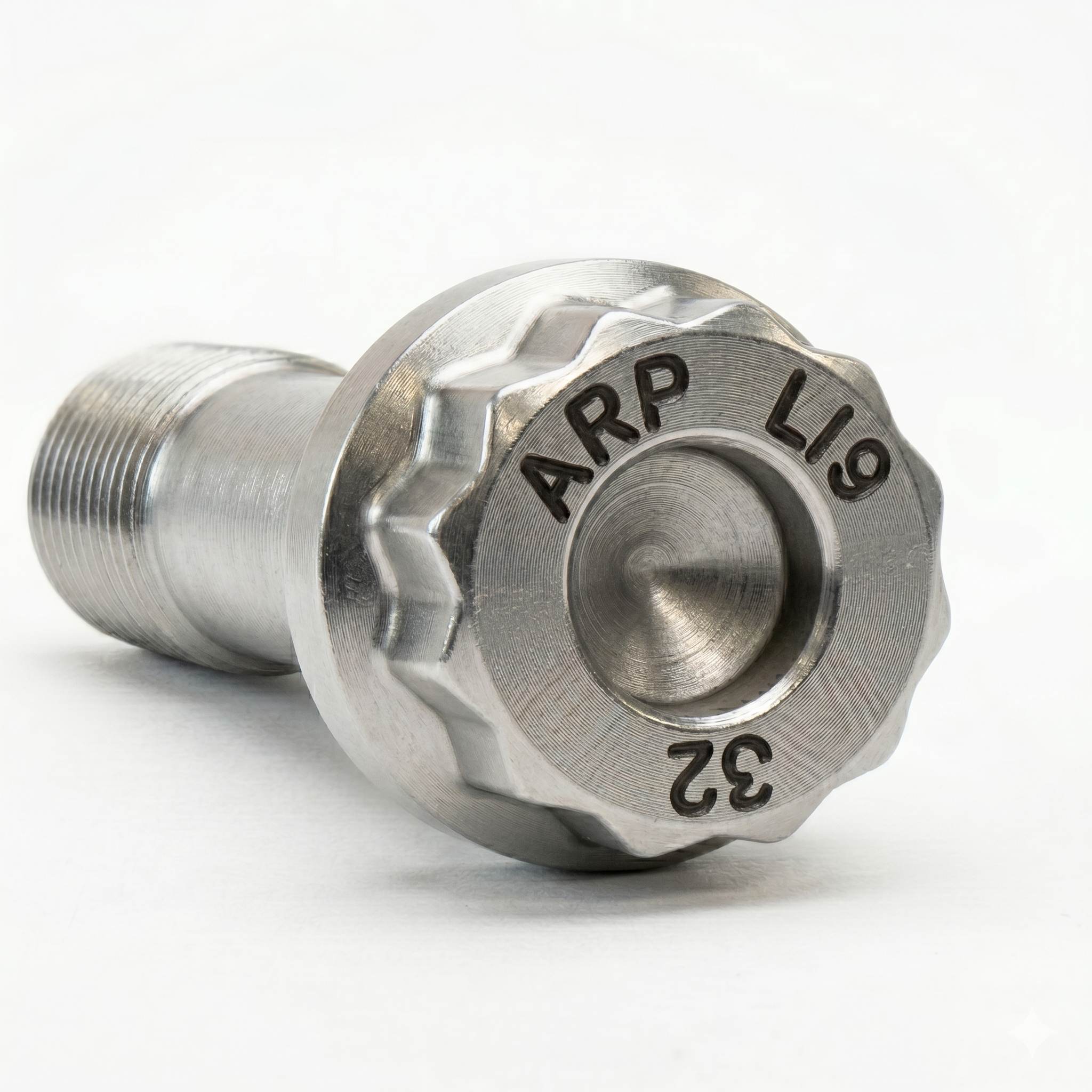 | ARP L19: a very-high-strength steel (approx. 260,000 psi / 1,793 MPa), stiffer, reserved for the most stressed K24s, up to about 250 hp per cylinder and the highest engine speeds. In 3/8" diameter it clearly widens the safety margin on hard builds (corrosion-sensitive, it demands careful storage). |
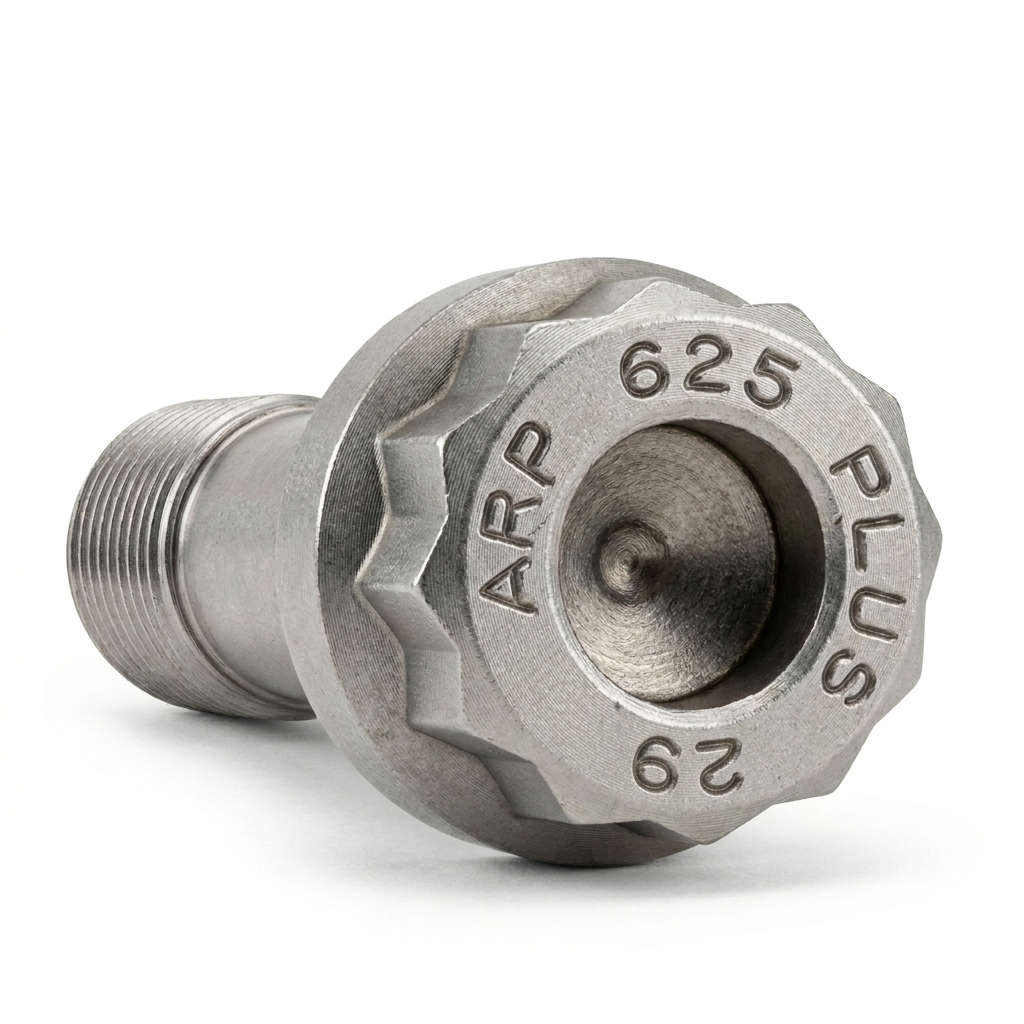 | ARP CA625+: a premium, corrosion-resistant alloy (approx. 260,000 psi / 1,793 MPa), for the most extreme K24s in load and rpm. In 3/8" diameter it provides the range's maximum safety margin, with no storage constraint. |
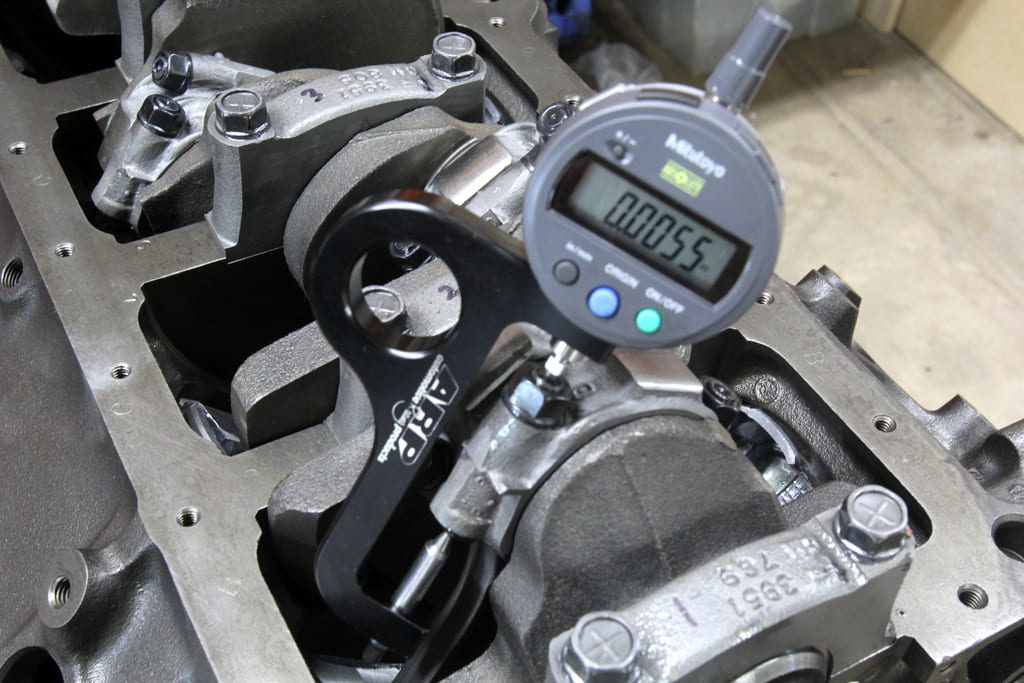
Discover the ARP stretch gauge
 | Boostline designs its three-pocket I-3P profile through structural analysis, for a leading stiffness-to-weight ratio. |
 | Manley, an American benchmark, offers the H and I-HD profiles in 4340 steel. |
 | Wössner, a respected European maker, offers its optimised I-beam (A-Beam), compact and durable. |
 | ZRP offers its I and I-HD profiles. |
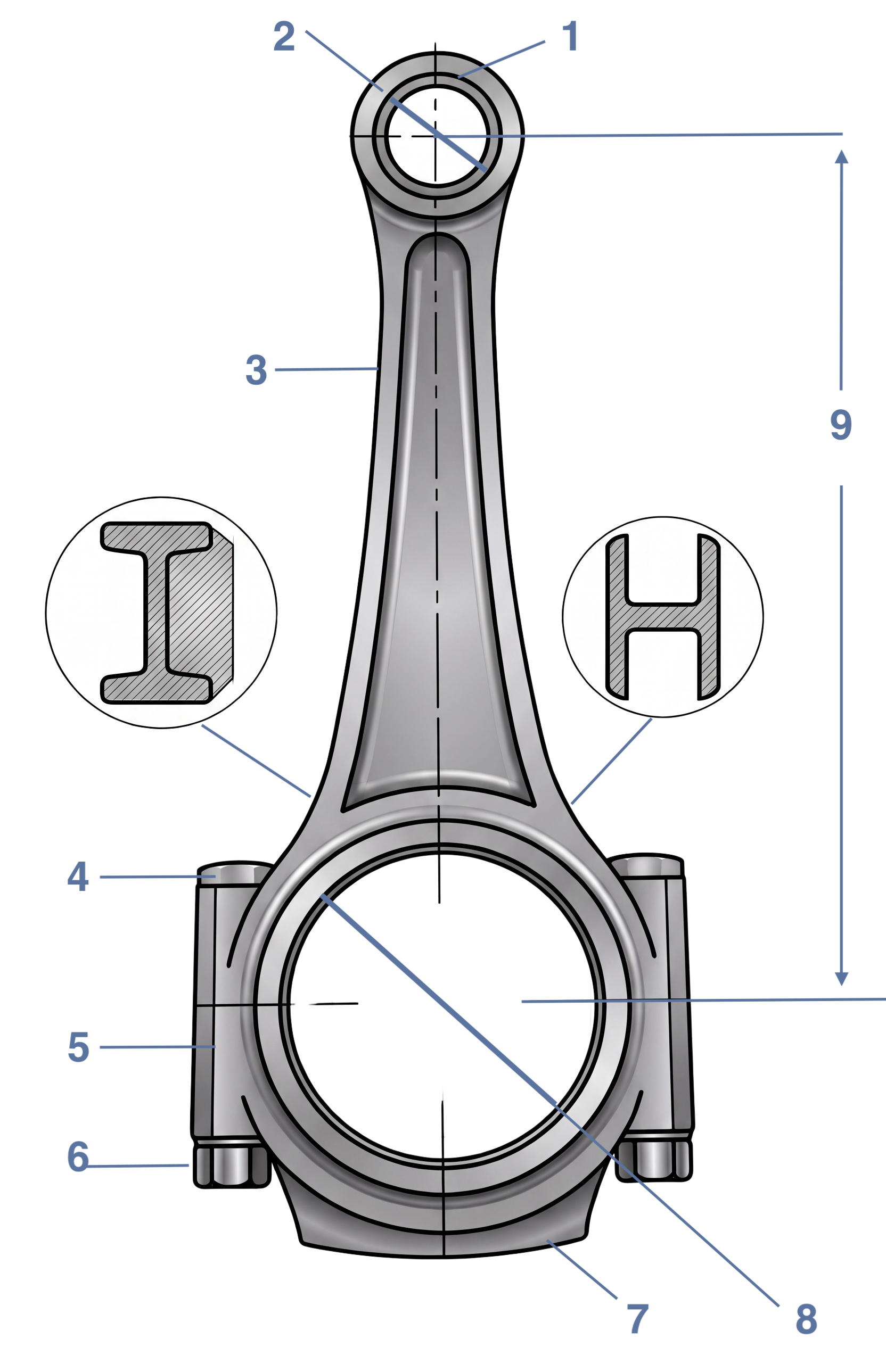 | 1) Small end 2) Small-end diameter 3) Rod beam 4) Rod bolt 5) Big end 6) Rod nut / bolt 7) Rod cap 8) Big-end diameter 9) Center-to-center |
These forged rods fit the Honda and Acura models powered by the 2.4 L 16V i-VTEC K24 (152 mm center-to-center, 22 mm pin), including the Acura TSX and the Honda Element besides the models listed:
| Brand | Model (chassis) | Engine code | Power | Years |
|---|---|---|---|---|
| Honda | Accord VII (CL9) | K24A3 | 140 kW (190 ch) | 2003–2008 |
| Honda | Accord VII (CL / CN) | K24A3 | 105–115 kW (143–156 ch) | 2003–2008 |
| Honda | Accord VII (CL / CN / CM7) | K24A4 | 113–124 kW (154–169 ch) | 2003–2008 |
| Honda | Accord VII (CM2) | K24A1 | 147 kW (200 ch) | 2003–2007 |
| Honda | CR-V III (RE3) | K24Z1 | 125 kW (170 ch) | 2006–2012 |
OEM reference: 13210-PPA-000 (K24A); 13210-RZP-000 (K24Z) (set of 4 rods).
A set of forged rods costs vastly less than a blown engine: on a K24 pushed in torque or boost, a factory rod that lets go takes out the block, the crankshaft and often the head. By fitting weight-matched forged rods from the outset, you make your build reliable for the long term and spare yourself a full rebuild, for a negligible extra cost next to the price of a new engine.