Product successfully added to your shopping cart
Quantity
Total
There are 0 items in your cart. There is 1 item in your cart.
Total products
Total shipping To be determined
Total

3.0L 24v - B58B30
Manufacturers
3.0L 24v - B58B30
Warning: Last items in stock!
New product
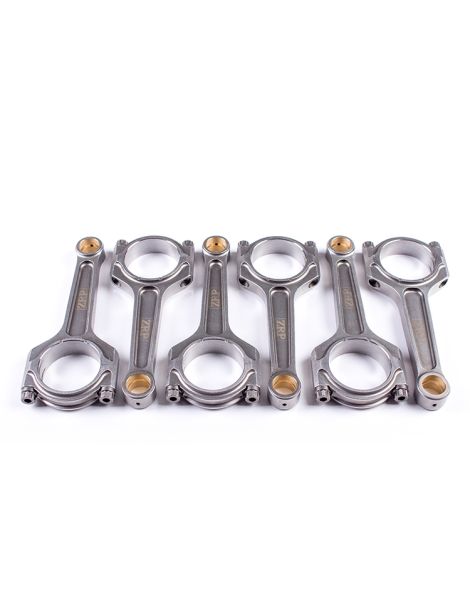
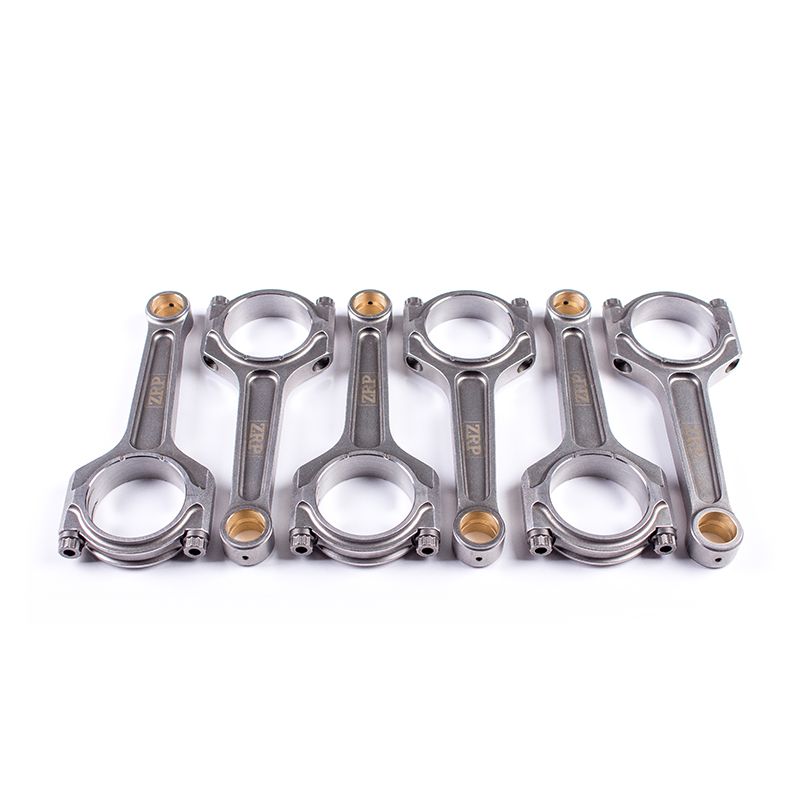
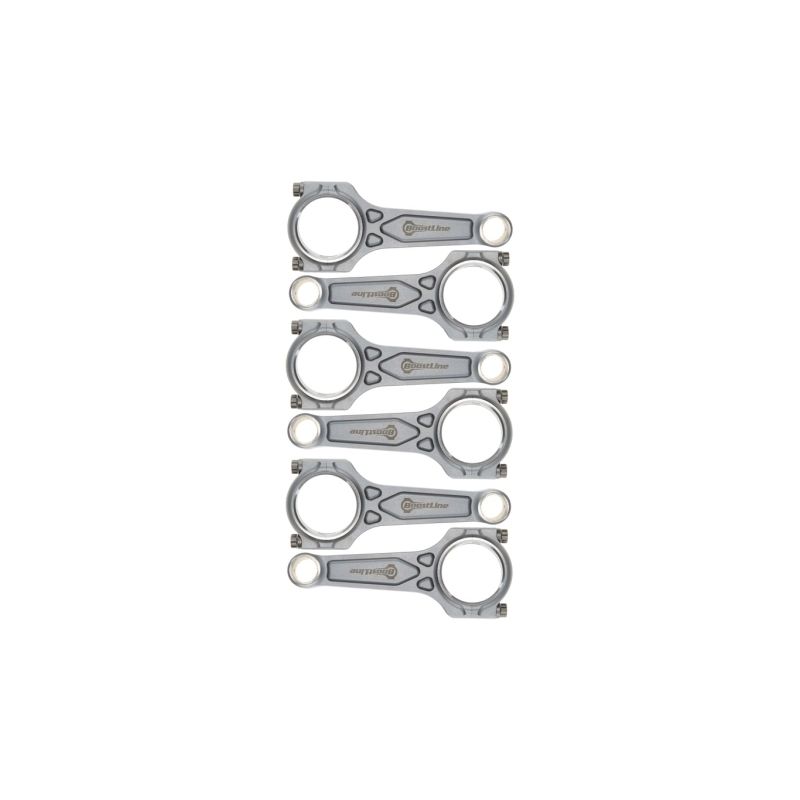
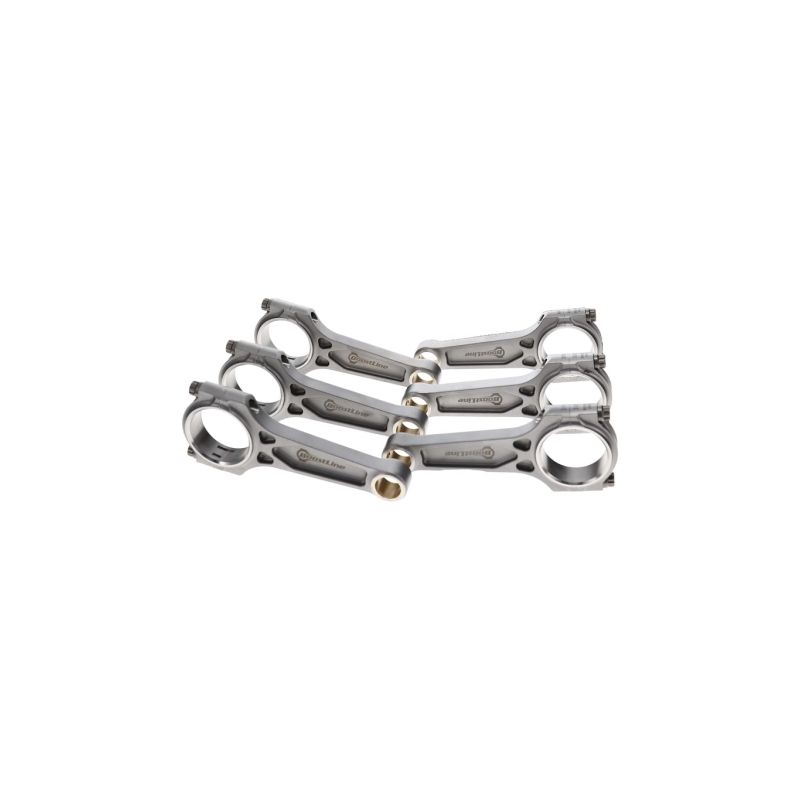
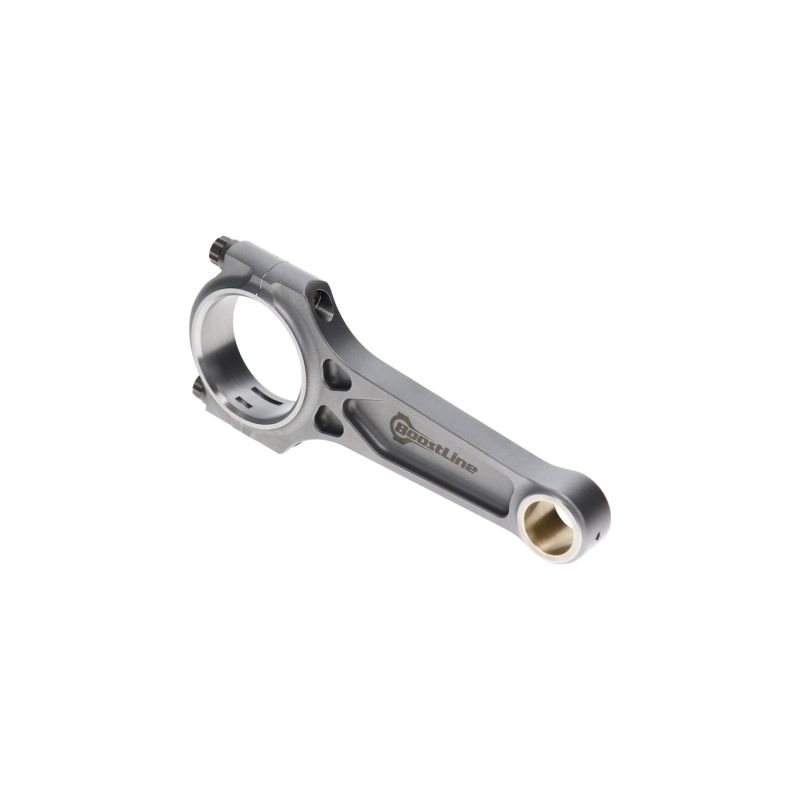
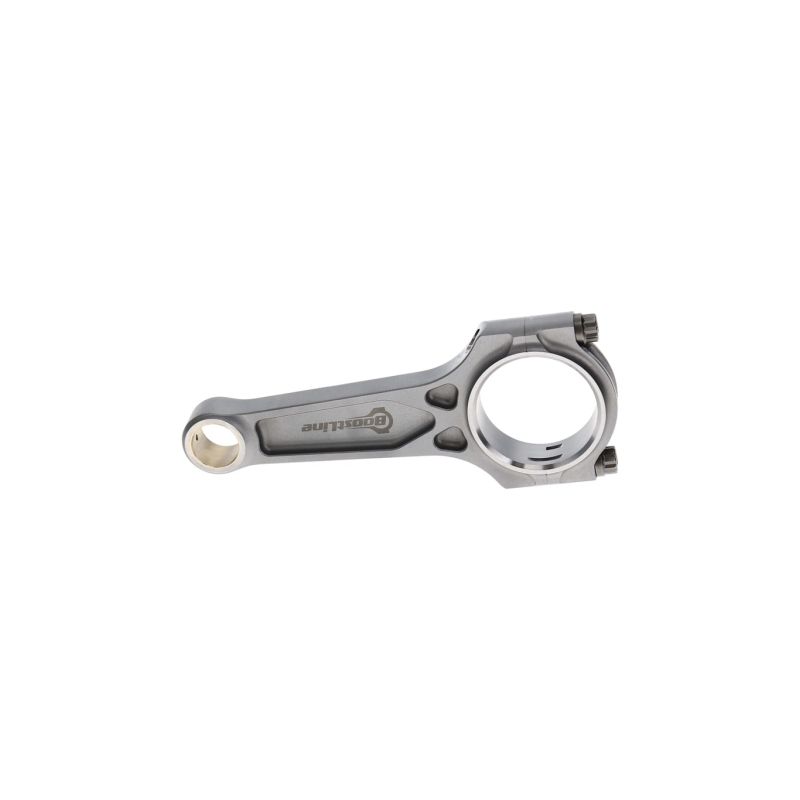
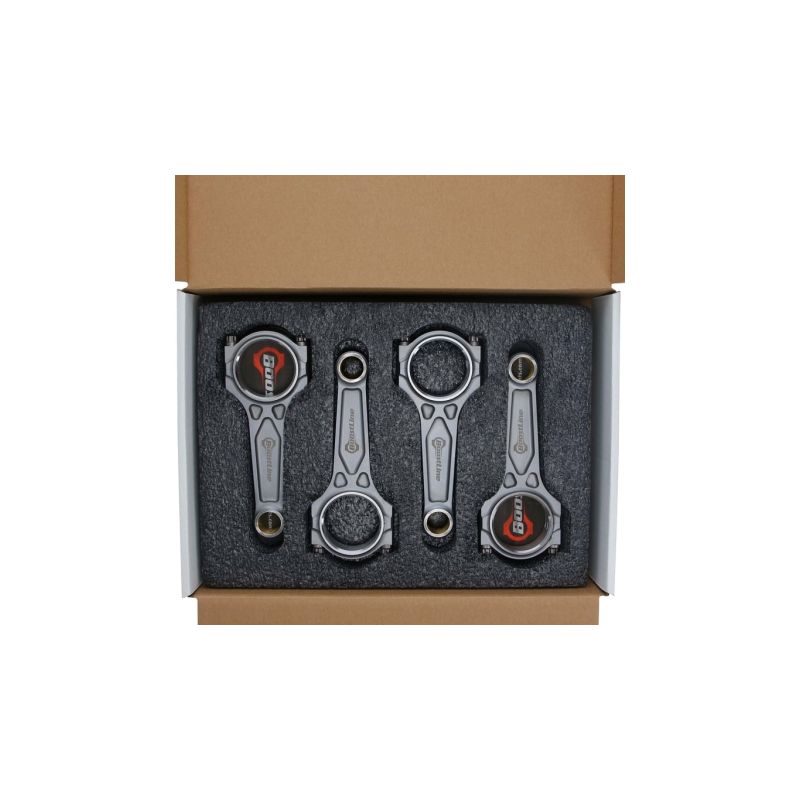
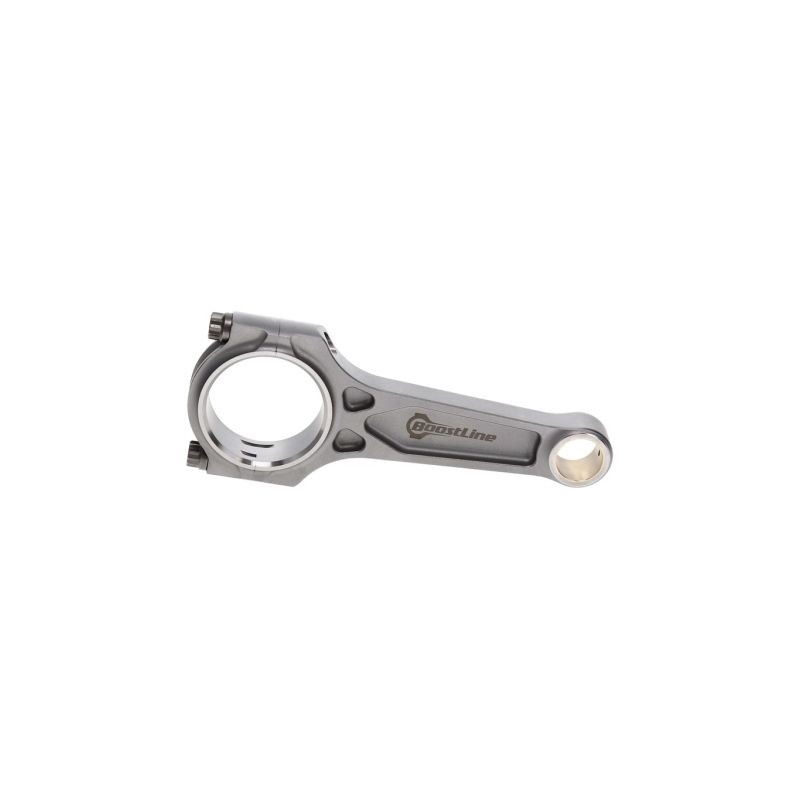
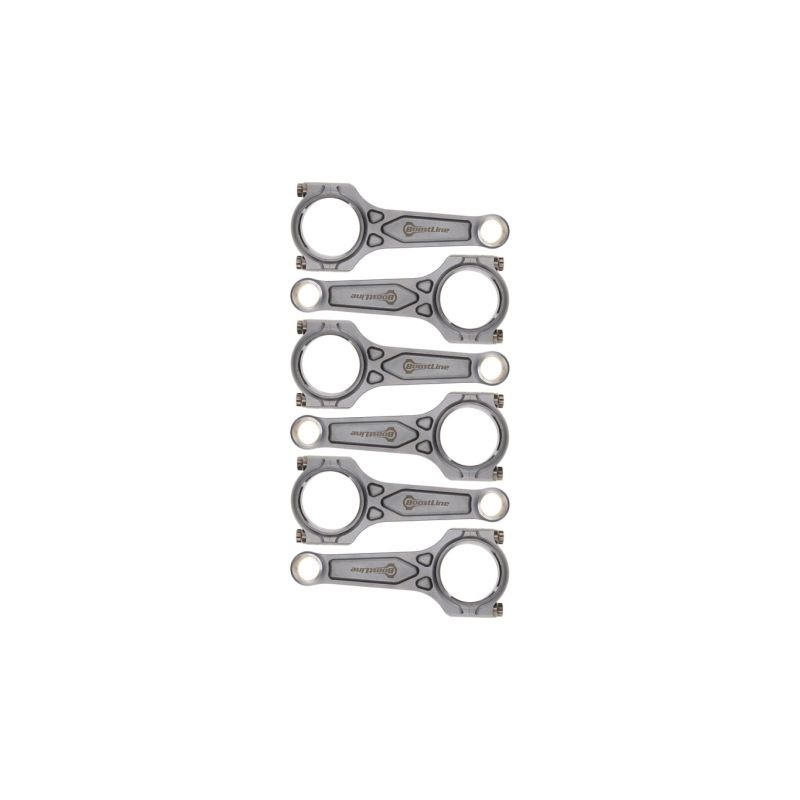
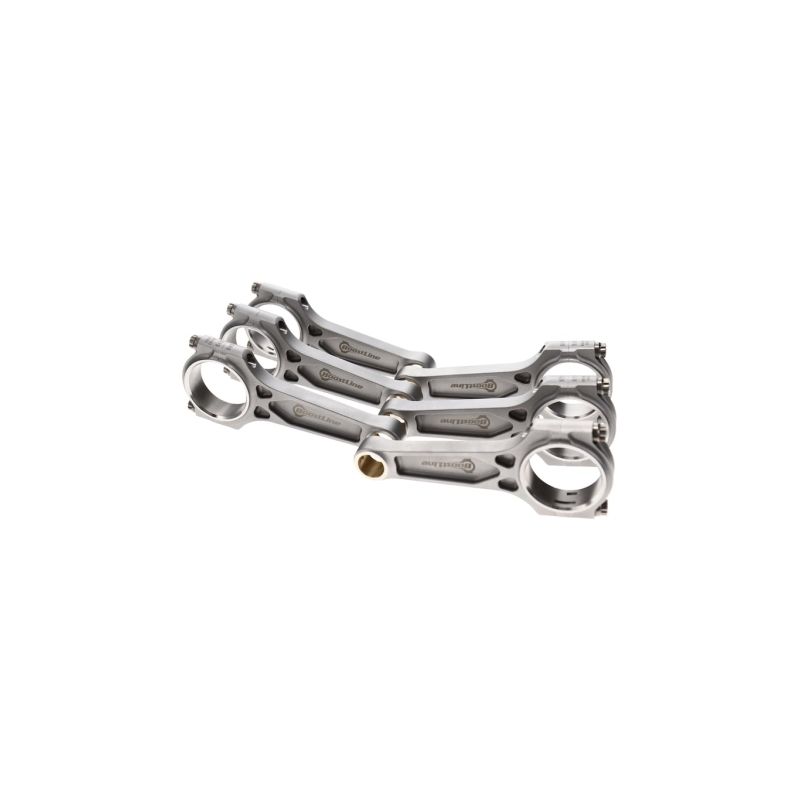
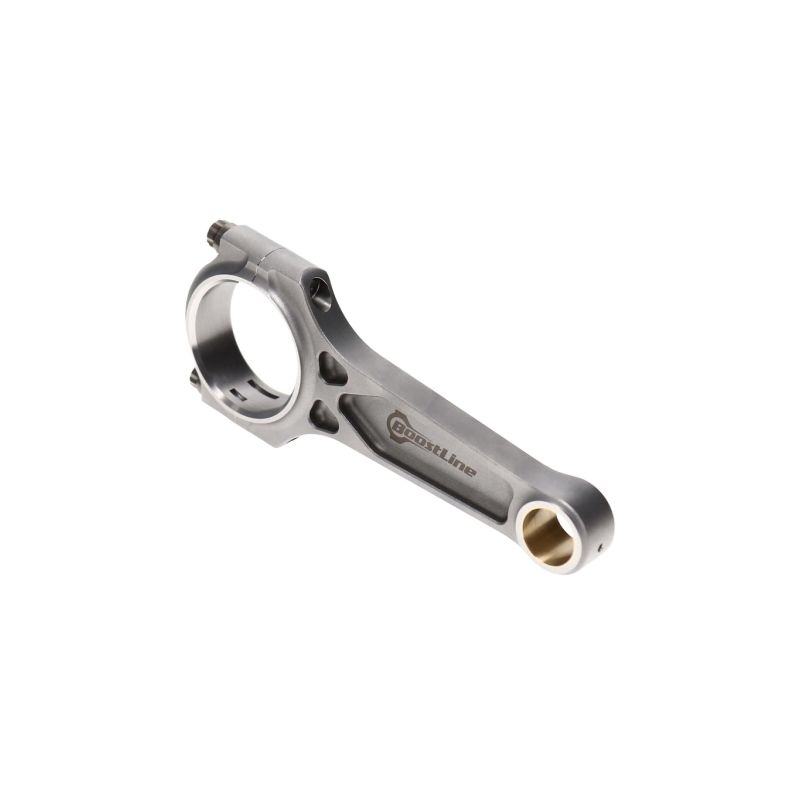
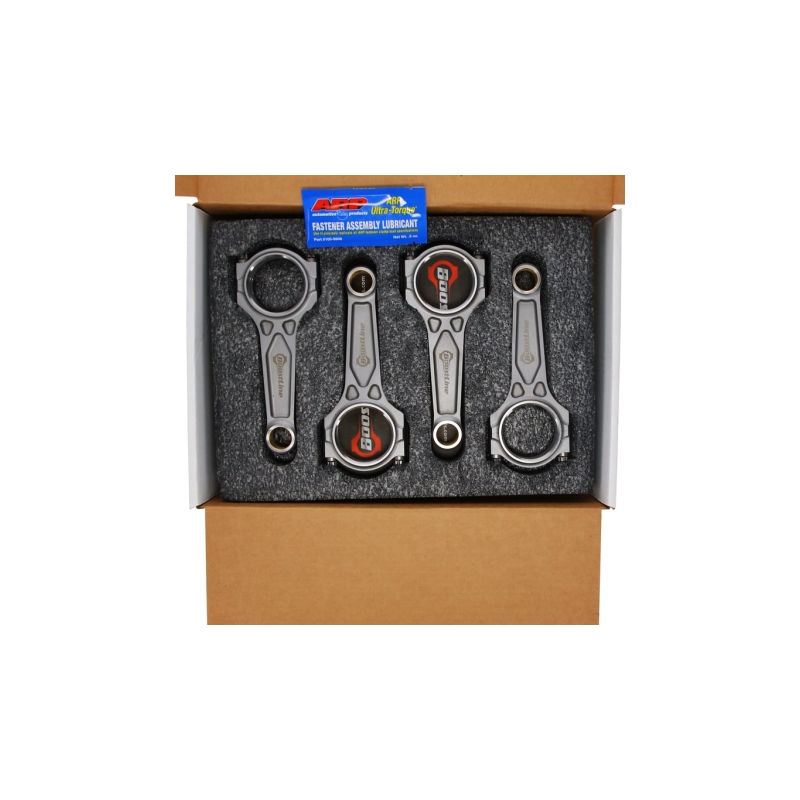
Set of 6 forged connecting rods in 4340 steel for the BMW / Toyota 3.0L 24V Turbo B58B30.
The B58 is BMW's turbocharged 3.0-litre straight-six petrol engine, introduced in 2015 on the 340i (F30) to replace the N55. It tops BMW's modular engine family, which shares a 500 cc unit displacement across the three-cylinder B38, four-cylinder B48 and this six-cylinder B58. Closed-deck aluminium block, twin-scroll turbo with integrated air-to-water intercooler, Double VANOS, Valvetronic, direct injection and a forged crankshaft: the B58 combines flexibility and efficiency, and has repeatedly made Ward's list of the year's best engines. The 2018 update (B58TU) reinforced the timing chain and the fuel system.
It is found across much of the BMW range (1 to 8 Series, X3 to X7, Z4) as well as in the Toyota GR Supra 3.0, the Morgan Plus Six and the Ineos Grenadier. Outputs span from around 286 hp to more than 380 hp depending on the version (340i, M340i, 540i, X3 M40i, Z4 M40i, Supra). Strong and highly popular with tuners, the B58 accepts large increases in boost pressure. To secure the bottom end well beyond the original torque, switching to forged connecting rods and forged pistons is the foundation of a Stage 2 build and beyond.
Machined from high-strength 4340 steel, these reinforced connecting rods lock in bottom-end reliability as soon as power climbs. They become essential when fitting forged pistons, raising the rev limit, increasing boost pressure or gaining displacement.
Sized to absorb the cyclic loads of tuned engines, turbocharged or supercharged, they adapt to every discipline (rally, drift, drag, circuit, hillclimb, time attack) and hold up on Stage 2, Stage 3 and Stage 4+ builds.
| Reference | Brand | Profile | Hardware | Pin Ø OEM 22 mm | Small-end width | Big-end Ø OEM n.p. | Big-end width | Center-to-center OEM 148.17 mm | Weight per rod |
|---|---|---|---|---|---|---|---|---|---|
| BM5834-866 | BOOSTLINE | I-3P | ARP 2000-3/8"-41mm | 22 mm | 21 mm | 53.6 mm | 23.9 mm | 148.17 mm | 574 g |
| BM5834-866+ | BOOSTLINE | I-3P | ARP CA625+-3/8"-41mm | 22 mm | 21 mm | 53.6 mm | 23.9 mm | 148.17 mm | 574 g |
| R-BMW-021-I | ZRP | I | ARP 2000-3/8"-38mm | 22 mm | 53.6 mm | 23.9 mm | 148.17 mm | 494 g | |
| R-BMW-021-I-L19 | ZRP | I | ARP L19-3/8"-38mm | 22 mm | 53.6 mm | 23.9 mm | 148.17 mm | 494 g |
ZRP: Tapered pin end.
| Rod | Hardware | Torque | Recommended stretch |
|---|---|---|---|
| BOOSTLINE (BM5834-866) | ARP 2000 | 81 N·m | 0.142 to 0.152 mm |
| BOOSTLINE (BM5834-866+) | ARP CA625+ | 88 N·m | 0.152 to 0.163 mm |
| ZRP (R-BMW-021-I) | ARP 2000 | 61 N·m | 0.140 to 0.152 mm |
| ZRP (R-BMW-021-I-L19) | ARP L19 | 67.8 N·m | 0.152 to 0.165 mm |
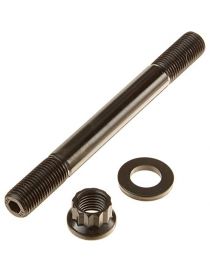
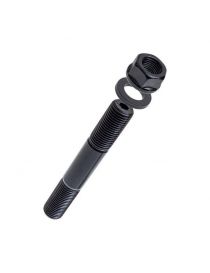
Moving up to a stronger bolt does not mean tightening harder at random. On the B58B30 three grades are offered, ARP 2000, ARP L19 and ARP CA625+, and each has its own yield strength and therefore its own working range: that is why the table above carries one line per grade, and only the line matching the bolt actually installed applies. These figures come from the bolt manufacturer and stand exactly as published, with no transposition and no upward adjustment. Remember, too, that the torque read at the wrench is a consequence, not a cause: it is the tension in the bolt that holds the cap, and only stretch measured with a dial gauge reports it faithfully, bolt by bolt, across the twelve bolts of a six-cylinder. Clean threads, an even film of ARP assembly lubricant, progressive tightening in alternating passes. In case of discrepancy, the kit instruction sheet is the reference.
| 4340 is a low-alloy nickel-chromium-molybdenum steel used in aerospace and motorsport. Forged then heat-treated (quenched and tempered), it shows a yield strength up about 19%, a tensile strength up about 8% and fatigue endurance 19 to 37% higher than the original sintered steel. That margin lets a 4340 rod withstand boost pressures under which sintered steel eventually fails. |
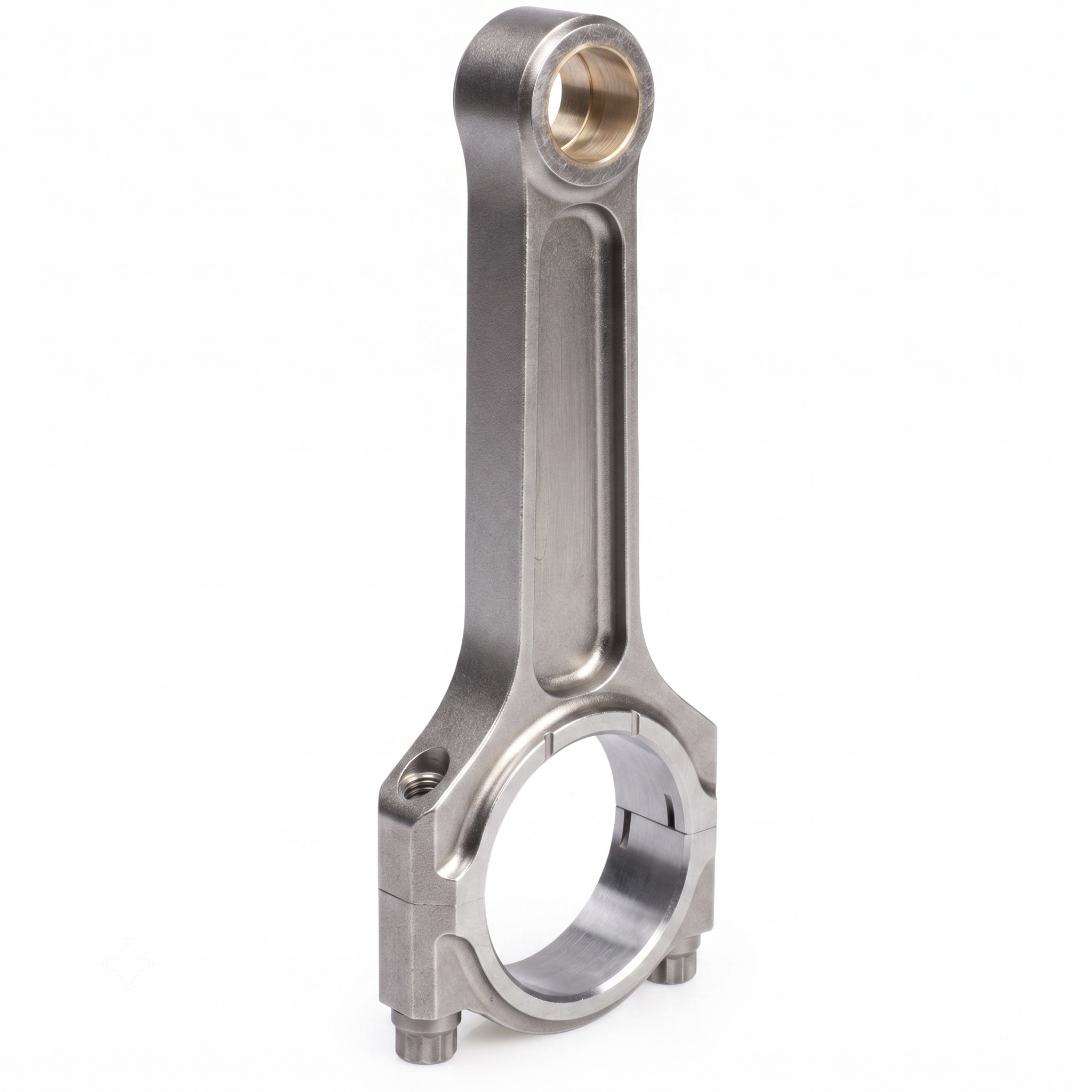 | I-Beam profile. Slimmer central web, contained mass: less inertia and freer revving. It is the favoured profile of modern turbocharged sixes and high-revving engines (rally, drift, time attack). The ZRP rods on this page use it. |
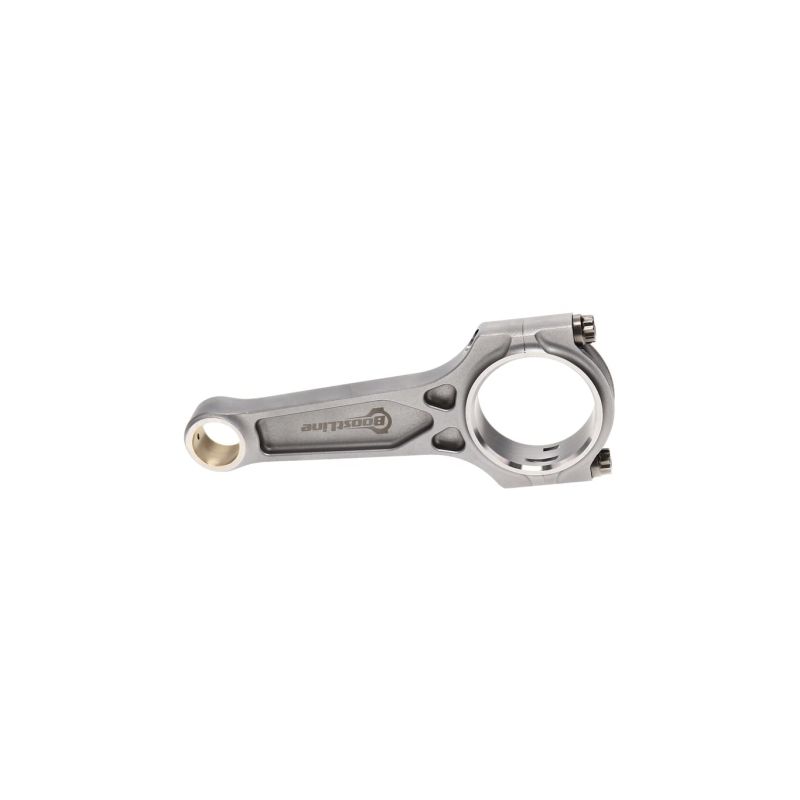
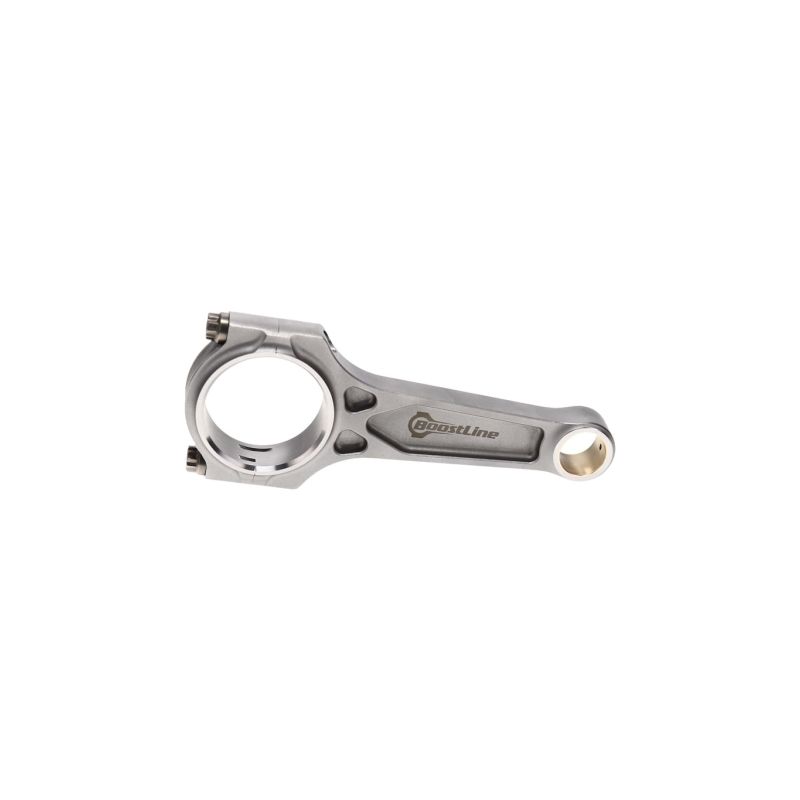
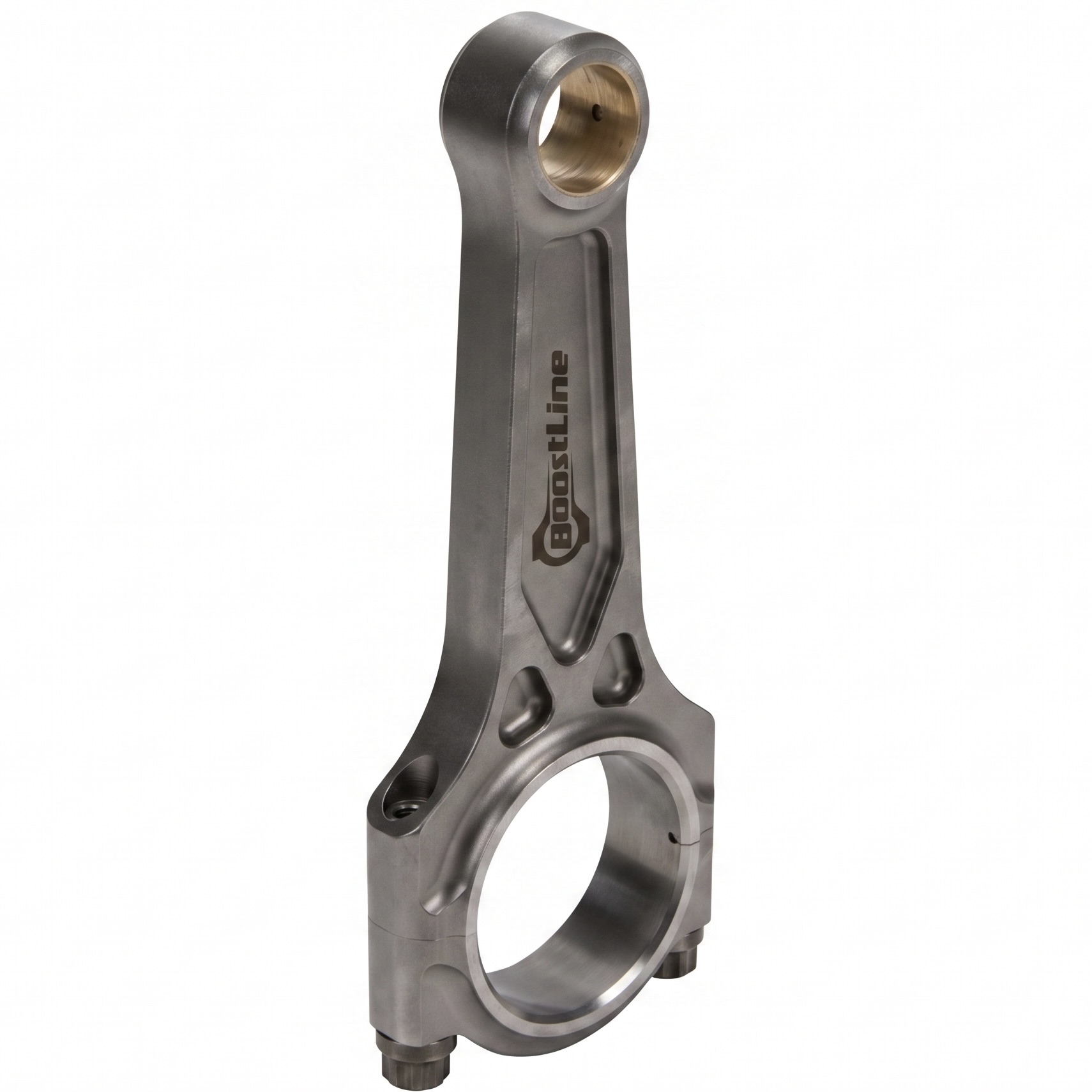 | 3-pocket I-Beam profile (Boostline). Boostline's patented signature, this 3-pocket I-Beam adds triangulated reinforcements under the big end without adding weight. It gains stability under tension and beats an H-Beam rod in bending resistance: the right choice for heavily boosted engines and high cylinder pressures. |
Among the most heavily loaded parts of the engine, the rod bolt is chosen according to the build's real use, before strictly respecting the installation torque and stretch.
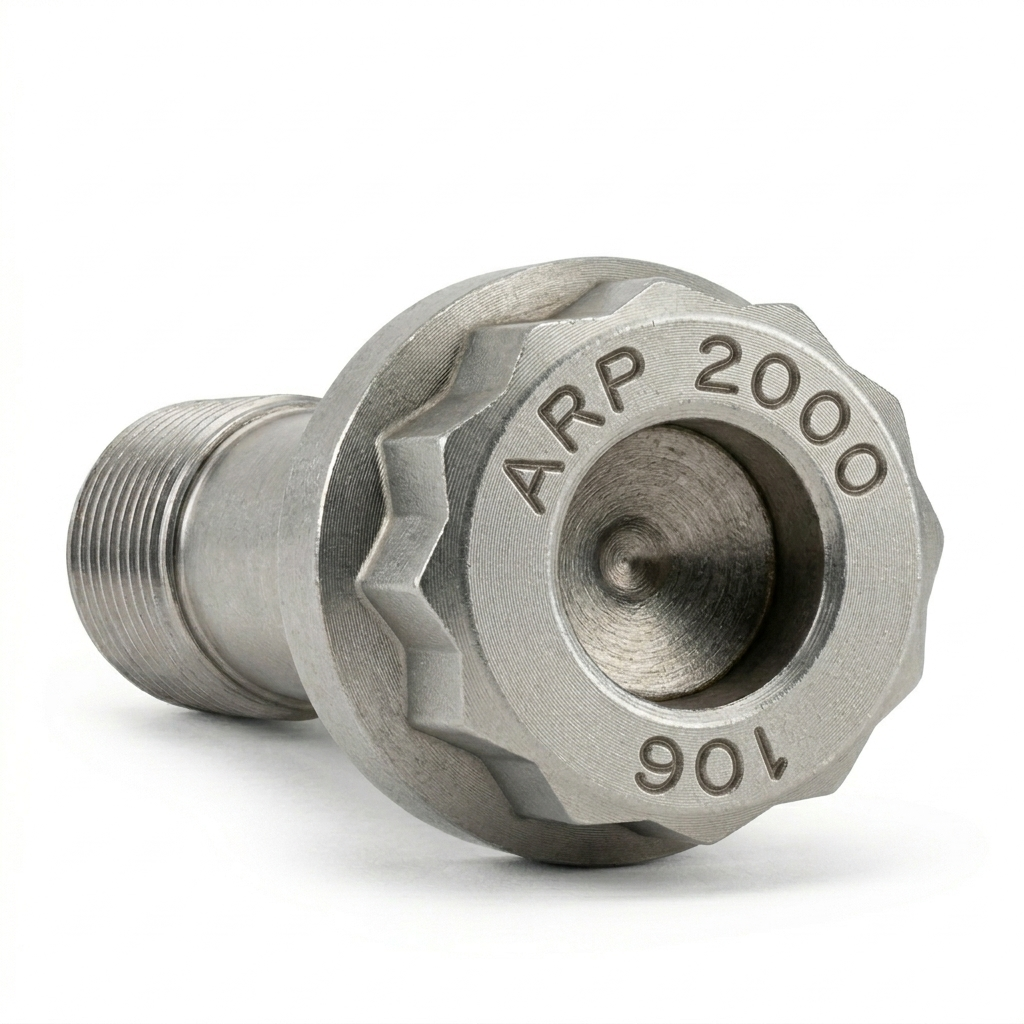 | ARP 2000 (tensile strength close to 1,517 MPa) is the high-performance benchmark. On a six-cylinder with 3/8" bolts, it supports builds up to around 200 hp per cylinder and engine speeds near 8,500 rpm. It is the do-it-all choice for circuit, track-day, drift, rally, drag or hillclimb, reliable and with no storage constraint. |
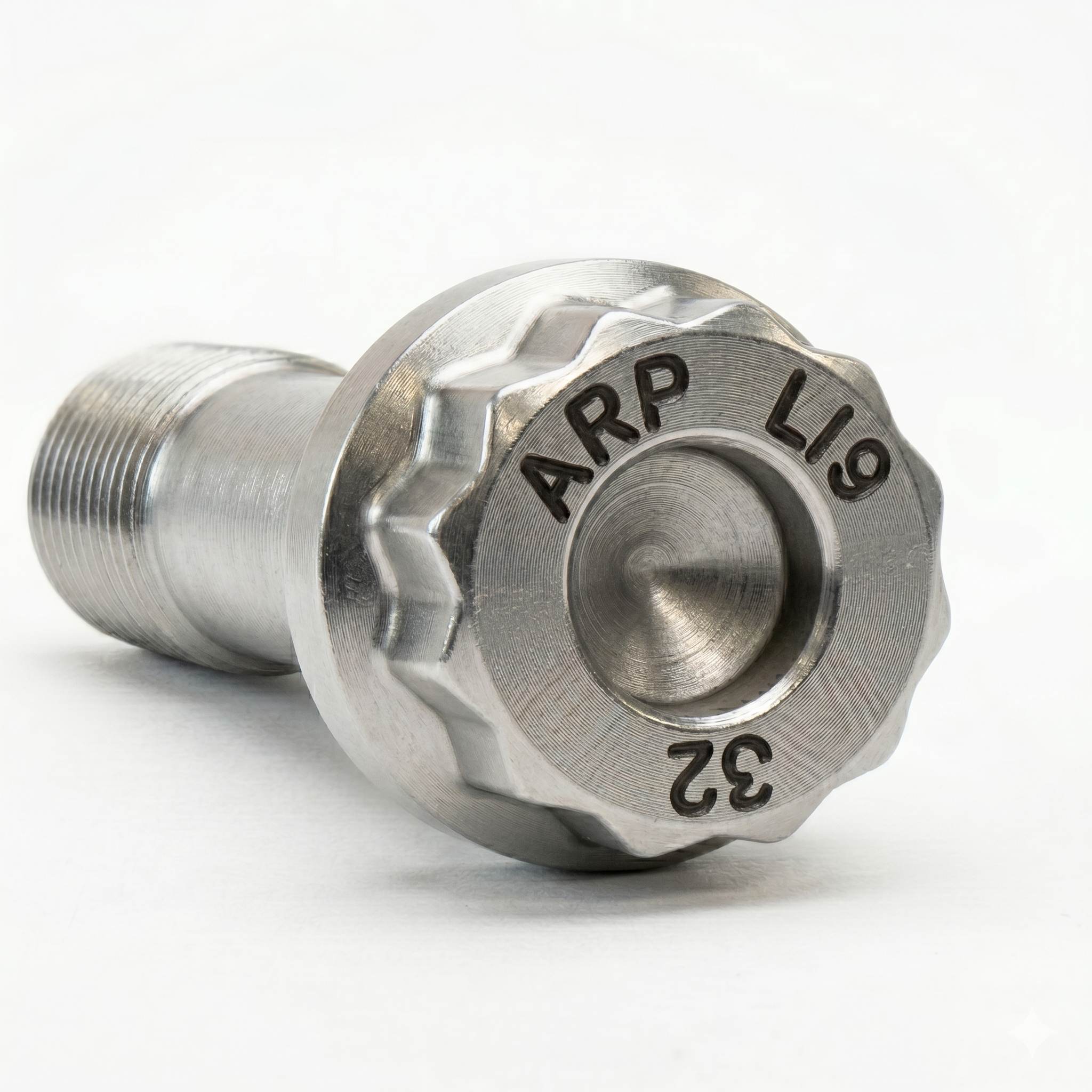 | ARP L19 (tensile strength of approximately 260,000 psi, or ~1,793 MPa) (tensile strength close to 1,793 MPa) is for engines pushed far: high boost, sustained high revs and elevated cylinder pressure. In 3/8", it targets around 250 hp per cylinder and revs up to 10,000 rpm (drag, drift, rally, circuit). Sensitive to corrosion and hydrogen, it is stored and fitted oiled, away from moisture. |
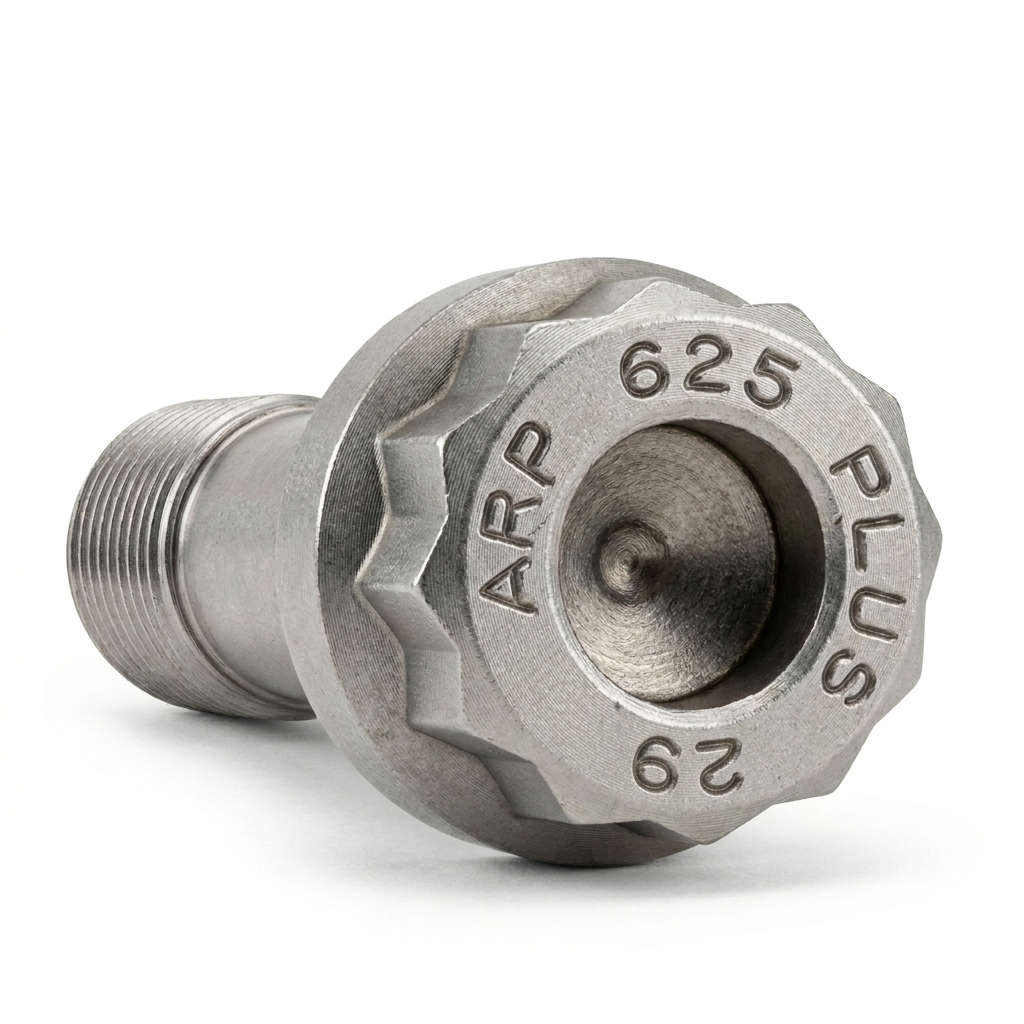 | ARP CA625+ (Custom Age 625+, tensile 1,793 to 1,931 MPa) is the top-tier alloy. Beyond 250 hp per cylinder and 10,000 rpm, it outdoes ARP 2000 on corrosion and oxidation resistance, ignores hydrogen embrittlement and stores with no precaution. |
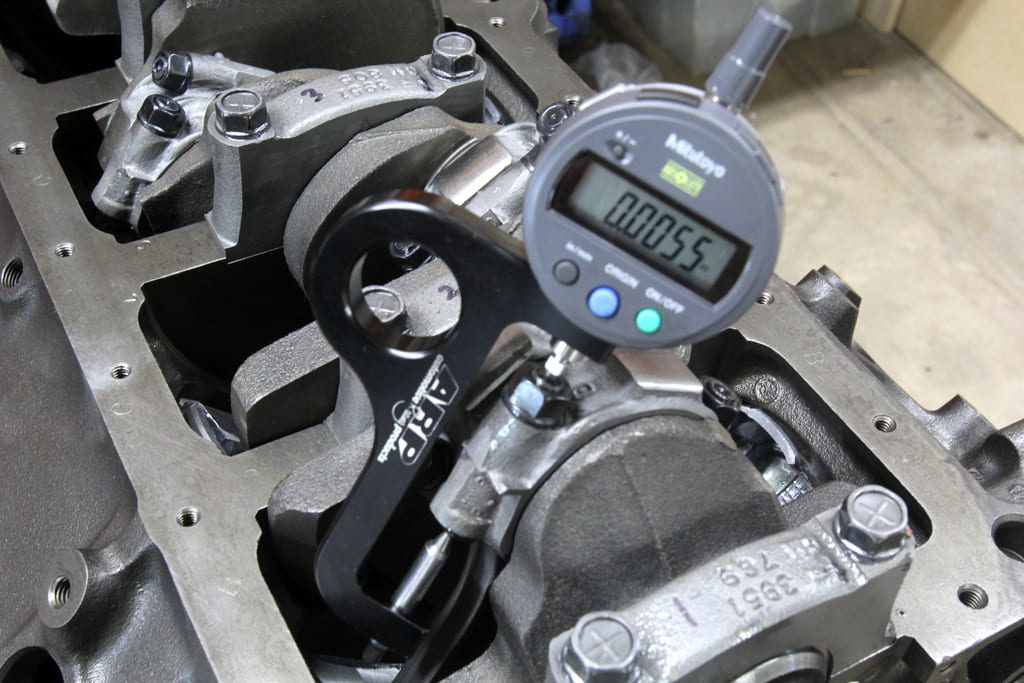 |
| On a rod bolt, it is better to control tightening by stretch, with a dial indicator (stretch gauge), than by torque alone. Note the bolt's free length, then tighten in steps to the recommended stretch in the table above: preload becomes correct, independent of thread friction. It is the manufacturers' reference method for forged connecting rods. |
| Buy the ARP stretch gauge → |
 | BOOSTLINE (Wiseco group) is the forged connecting rod line of America's Wiseco, a reference since 1941. Its patented 3-pocket profile marries the mass of an H-Beam rod with the rigidity of an I-Beam. Forged from 4340 and machined in the United States, supplied with ARP 2000 (ARP CA625+ optional), they target boosted engines. |
 | ZRP is a Greek brand of high-performance forged connecting rods, produced by Drakos Engineering in Athens. 4340 steel forging, precise machining and ±1 g balancing ensure flawless behaviour at high rpm. Offered in I-Beam or H-Beam profile and with ARP 2000, ARP L19 or ARP CA625+ hardware, they race in rally, on circuit and in drift. |
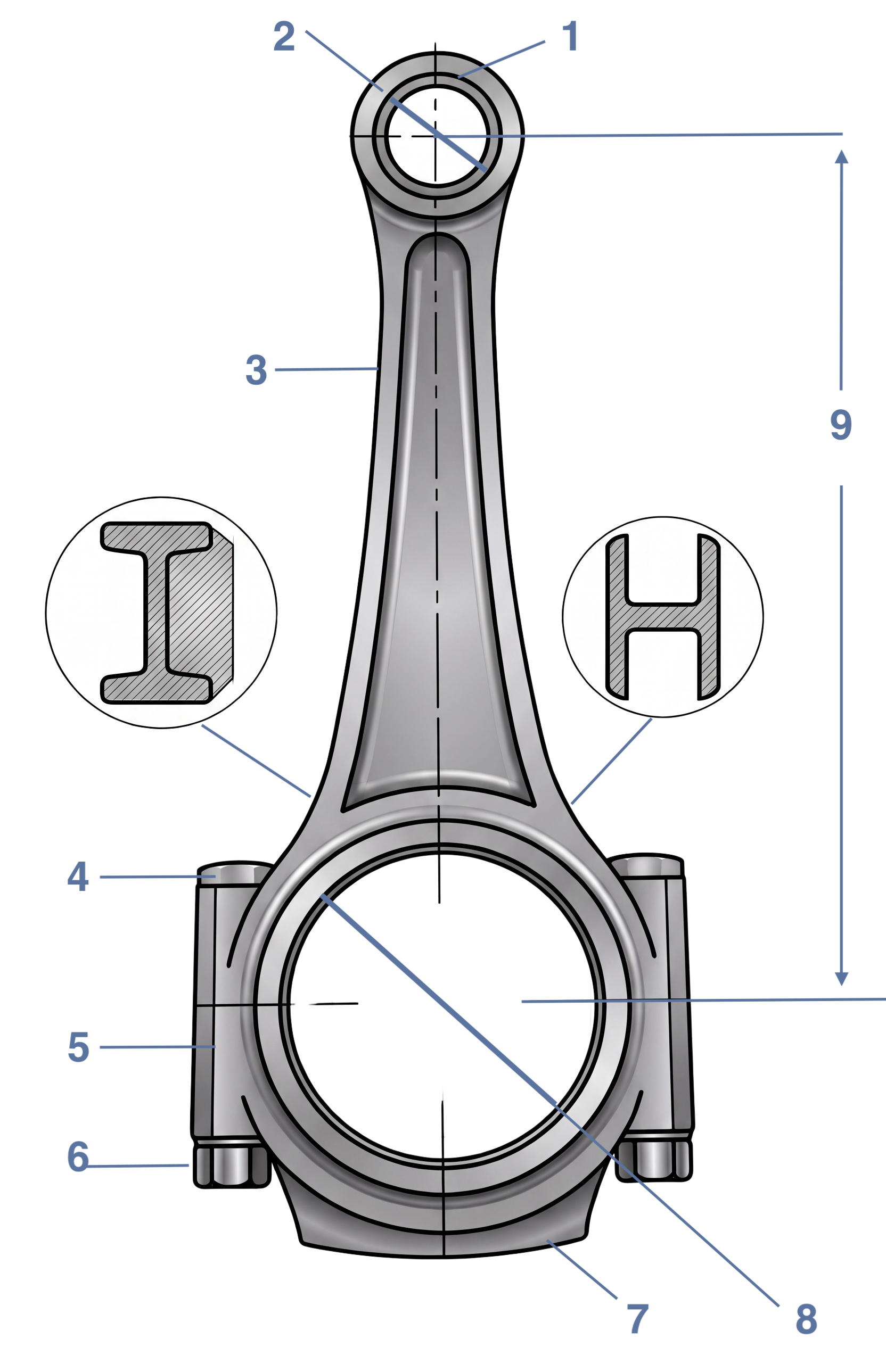 | 1) Small end 2) Small-end diameter 3) Rod beam 4) Rod bolt 5) Big end 6) Rod nut / bolt 7) Rod cap 8) Big-end diameter 9) Center-to-center |
Below are the vehicles fitted with the BMW / Toyota 3.0L 24V Turbo B58B30 engine. Measuring the piston pin diameter and the rod length remains essential before any order.
| Brand | Model | Engine code | Power | Years |
|---|---|---|---|---|
| BMW | 1 Series (F20, F21) M140i | B58B30 | 326 to 340 hp | 2015–2019 |
| BMW | 2 Series (F22, F23, G42) M240i | B58B30 | 340 to 374 hp | since 2015 |
| BMW | 3 Series (F30, F31, F34) 340i | B58B30 | 326 to 360 hp | 2015–2019 |
| BMW | 3 Series (G20, G21) M340i | B58B30 | 374 to 387 hp | since 2019 |
| BMW | 4 Series (F32, F33, F36) 440i | B58B30 | 326 to 360 hp | 2016–2021 |
| BMW | 4 Series (G22, G23, G26) M440i | B58B30 | 374 to 387 hp | since 2020 |
| BMW | 5 Series (G30, G31, F90) 540i | B58B30 | 333 to 360 hp | 2016–2023 |
| BMW | 5 Series (G60, G61) 540i | B58B30 | 340 to 387 hp | since 2023 |
| BMW | 6 Series Gran Turismo (G32) 640i | B58B30 | 340 to 360 hp | since 2017 |
| BMW | 7 Series (G11, G12, G70) 740i | B58B30 | 326 to 394 hp | since 2015 |
| BMW | 8 Series (G14, G15, G16) 840i | B58B30 | 333 to 340 hp | since 2019 |
| BMW | X3 (G01) M40i | B58B30 | 360 hp | 2017–2024 |
| BMW | X4 (G02) M40i | B58B30 | 360 hp | 2018–2024 |
| BMW | X5 (G05) xDrive40i | B58B30 | 333 to 381 hp | since 2018 |
| BMW | X6 (G06) xDrive40i | B58B30 | 340 hp | since 2020 |
| BMW | X7 (G07) xDrive40i | B58B30 | 340 to 381 hp | since 2018 |
| BMW | Z4 (G29) M40i | B58B30 | 340 to 387 hp | since 2019 |
| TOYOTA | GR Supra 3.0 (J29, DB) | B58B30 | 340 to 387 hp | since 2019 |
| MORGAN | Plus Six | B58B30 | 340 hp | 2019–2025 |
| INEOS | Grenadier | B58B30 | 286 hp | since 2022 |
These forged connecting rods share the same geometry across the entire B58 3.0 petrol family. OEM reference: 11 24 8 623 419.
When a standard bottom end gives out (a broken, bent or scored rod), returning to factory configuration means replacing rods and pistons, often damaged together: a steep bill for a mere return to factory state.
For an equivalent, sometimes lower budget, 4340 forged connecting rods paired with forged pistons offer far higher reliability and safety margin, with real headroom for power. It has been European tuners' choice for over fifteen years.
For the same budget: more reliability, more margin, more durability.