Product successfully added to your shopping cart
Quantity
Total
There are 0 items in your cart. There is 1 item in your cart.
Total products
Total shipping To be determined
Total

2.5L 24v - M54B25
Manufacturers
2.5L 24v - M54B25
Warning: Last items in stock!
New product
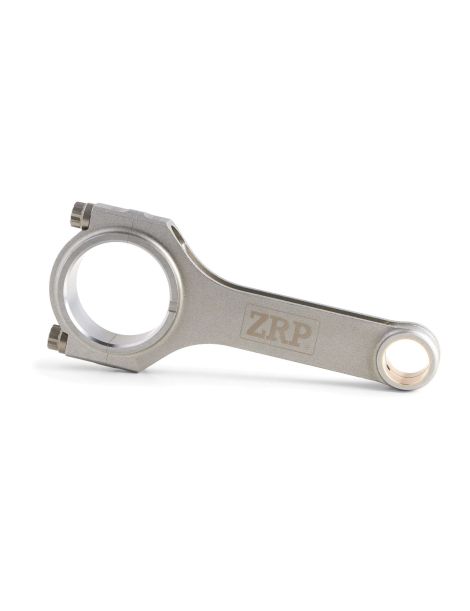
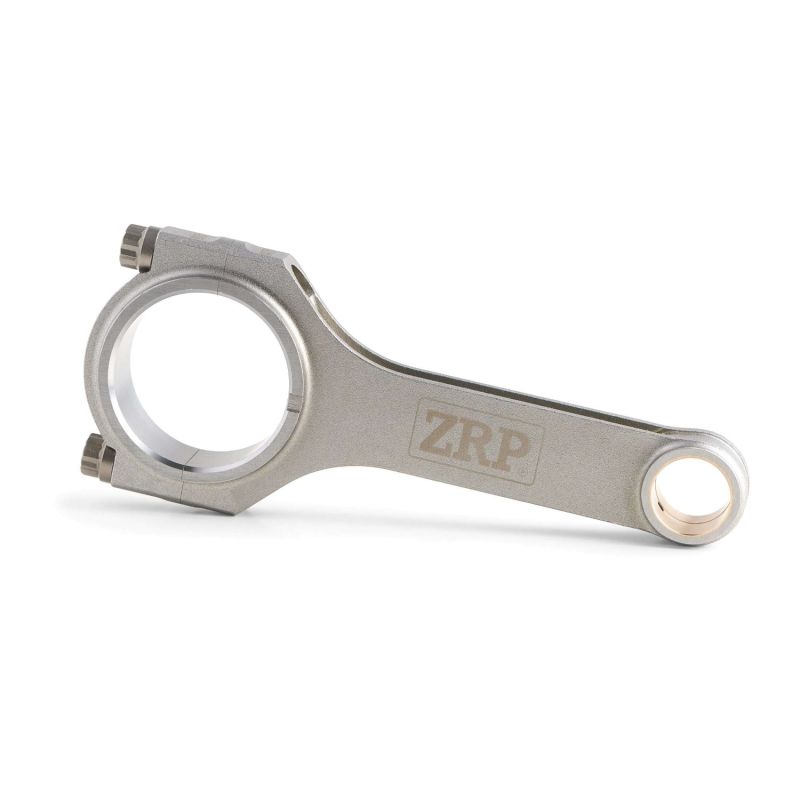
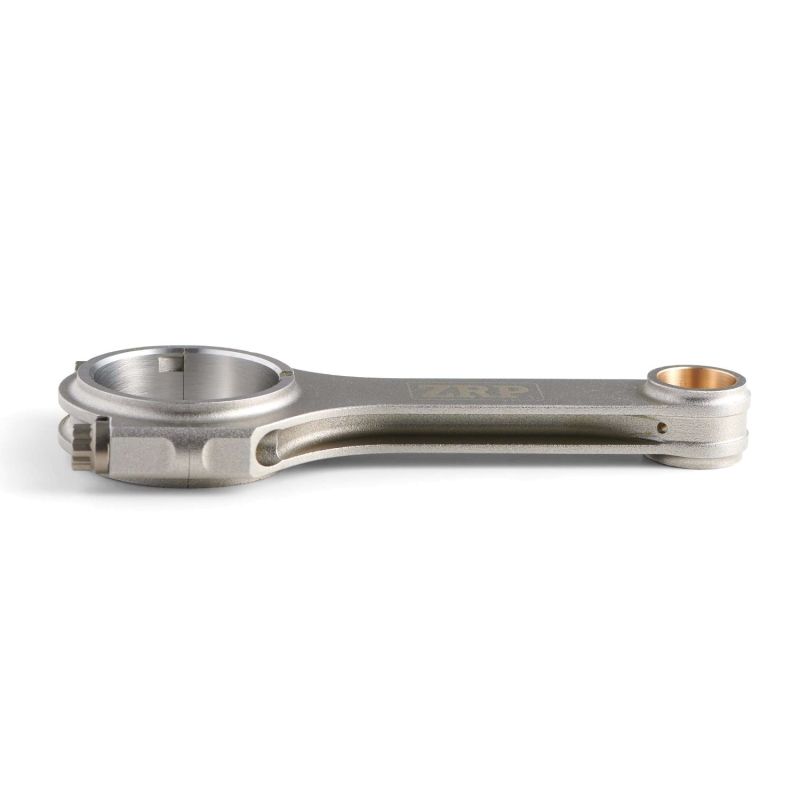
Set of 6 forged 4340 steel connecting rods for BMW 2.5L 24V M54B25.
The M54B25 is a 2.5-litre (2494 cc) inline-six petrol engine built by BMW from 2000 to 2006. A direct evolution of the M52, it combines an aluminium block, double VANOS variable valve timing (on both intake and exhaust) and the DISA variable-length intake manifold. With an 84 mm bore and a 75 mm stroke, this naturally aspirated 24-valve engine delivers 192 hp and is known for its smoothness and the sound typical of BMW straight-sixes.
It powers many models in the range: 3 Series 325i, 325Ci, 325ti and 325xi (E46), 5 Series 525i (E39, E60 and E61), the X3 2.5i (E83) as well as the Z3 and Z4 2.5i. Reputed for its reliability and flexibility, the M54B25 makes an excellent build platform: higher revs, increased displacement or forced induction. As soon as power rises, switching to forged connecting rods secures the bottom end and pushes the limits of the standard block.
Machined from high-strength 4340 steel, these reinforced connecting rods protect the bottom end as soon as loads rise. They become essential when fitting forged pistons, seeking greater reliability, raising the rev limit or gaining power, where the original rod reaches its limits.
Built to withstand the repeated stresses of tuned engines, naturally aspirated and forced-induction alike, they suit every motorsport discipline (rally, drift, drag, track and track days, hillclimb, time attack) and are equally at home in a reliability-focused rebuild or in Stage 2, Stage 3 and beyond builds.
| Reference | Brand | Profile | Bolts | Pin diameter OEM 22 mm | Small-end width | Big-end diameter OEM 48 mm | Big-end width | Center-to-center OEM 140 mm | Weight per rod |
|---|---|---|---|---|---|---|---|---|---|
| R-BMW-003H | ZRP | H | ARP 2000-3/8"-38mm | 22 mm | 48 mm | 21.9 mm | 145 mm | 544 g | |
| R-BMW-003H-L19 | ZRP | H | ARP L19-3/8"-38mm | 22 mm | 48 mm | 21.9 mm | 145 mm | 544 g |
| Rod | Bolts | Tightening torque | Recommended stretch |
|---|---|---|---|
| ZRP (R-BMW-003H) | ARP 2000 | 61 N·m | 0.140 – 0.152 mm |
| ZRP (R-BMW-003H-L19) | ARP L19 | 67.8 N·m | 0.152 – 0.165 mm |
Manufacturers recommend the stretch-gauge method as the reference: the instructions supplied with the kit always take precedence. The quoted torque figures correspond to assembly with ARP lubricant.
| 4340 is a low-alloy nickel-chromium-molybdenum steel used in aerospace and motorsport. Forged then heat-treated by quenching and tempering, it combines high tensile strength, excellent fatigue life and good ductility. Compared with an original sintered-steel rod, it gains around 19% in yield strength, 8% in tensile strength and 19 to 37% in fatigue life: real margin where sintered steel breaks under heavy load. It is the reference material for any high-performance connecting rod. |
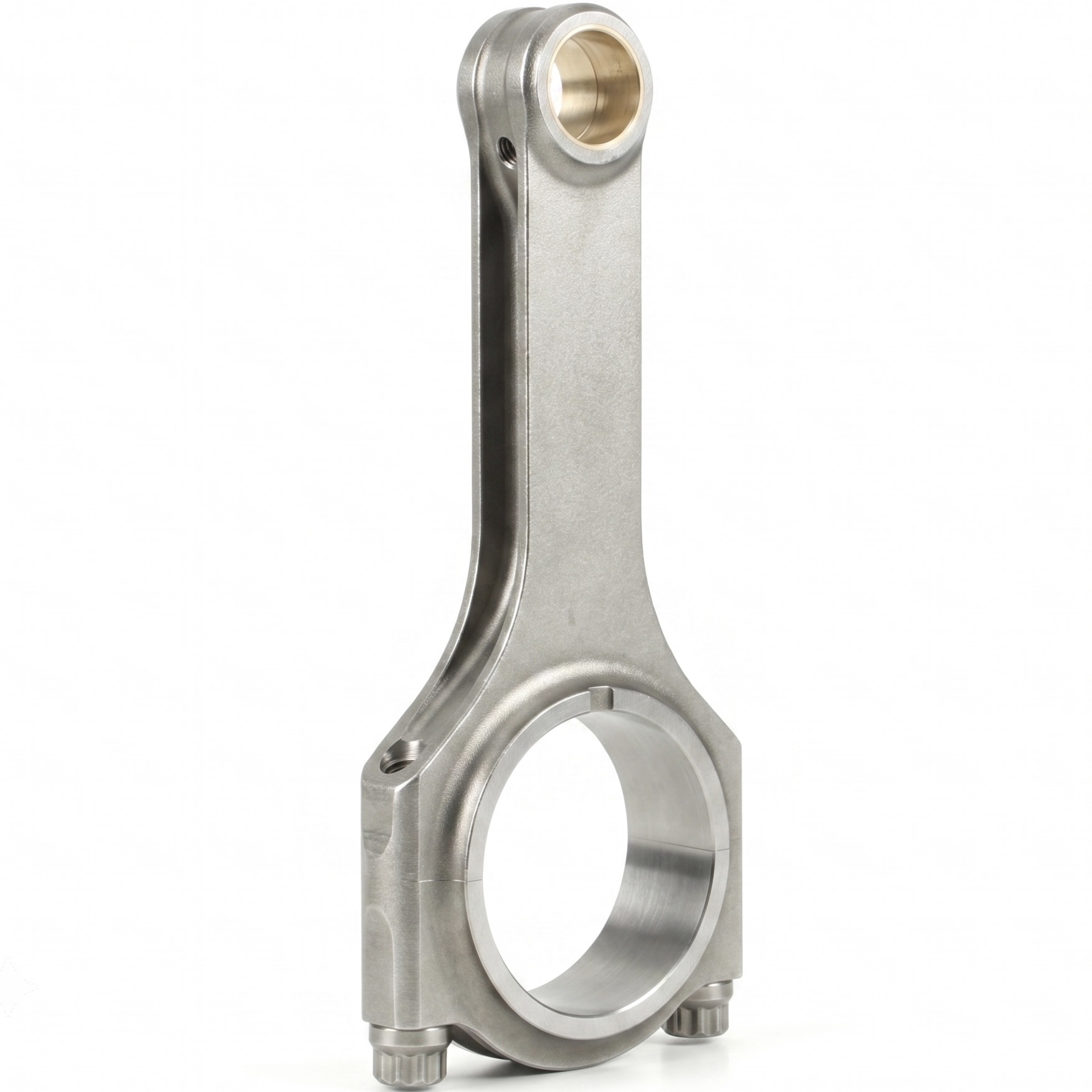 | H-Beam profile. A wider section giving high resistance to lateral bending and compression. A robust, versatile profile, particularly suited to built engines under heavy torque and cylinder-pressure loads, from circuit to drag. |
The rod bolt is one of the most heavily stressed parts of the engine. The right approach is to choose the material according to the real use of the build, then strictly follow the assembly torque and stretch.
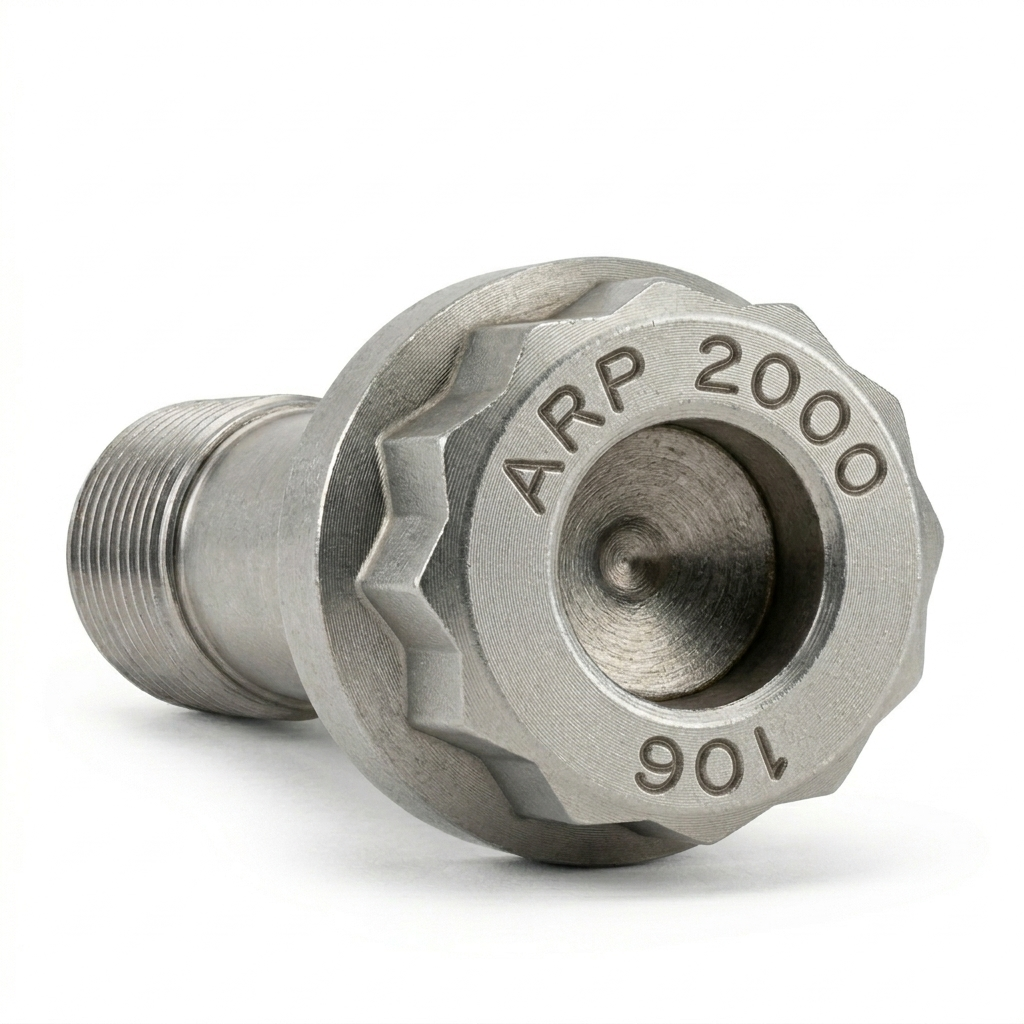 | ARP 2000 (tensile strength about 220,000 psi, ~1,517 MPa) remains the safe high-performance choice. Its rating is assessed per cylinder and per bolt diameter: roughly 200 hp per cylinder in 3/8", with engine speeds allowed up to 8,500 rpm. It works equally well on circuit, trackday, drift, rally, drag and hillclimb, for a blend of strength and reliability that needs no storage precautions. |
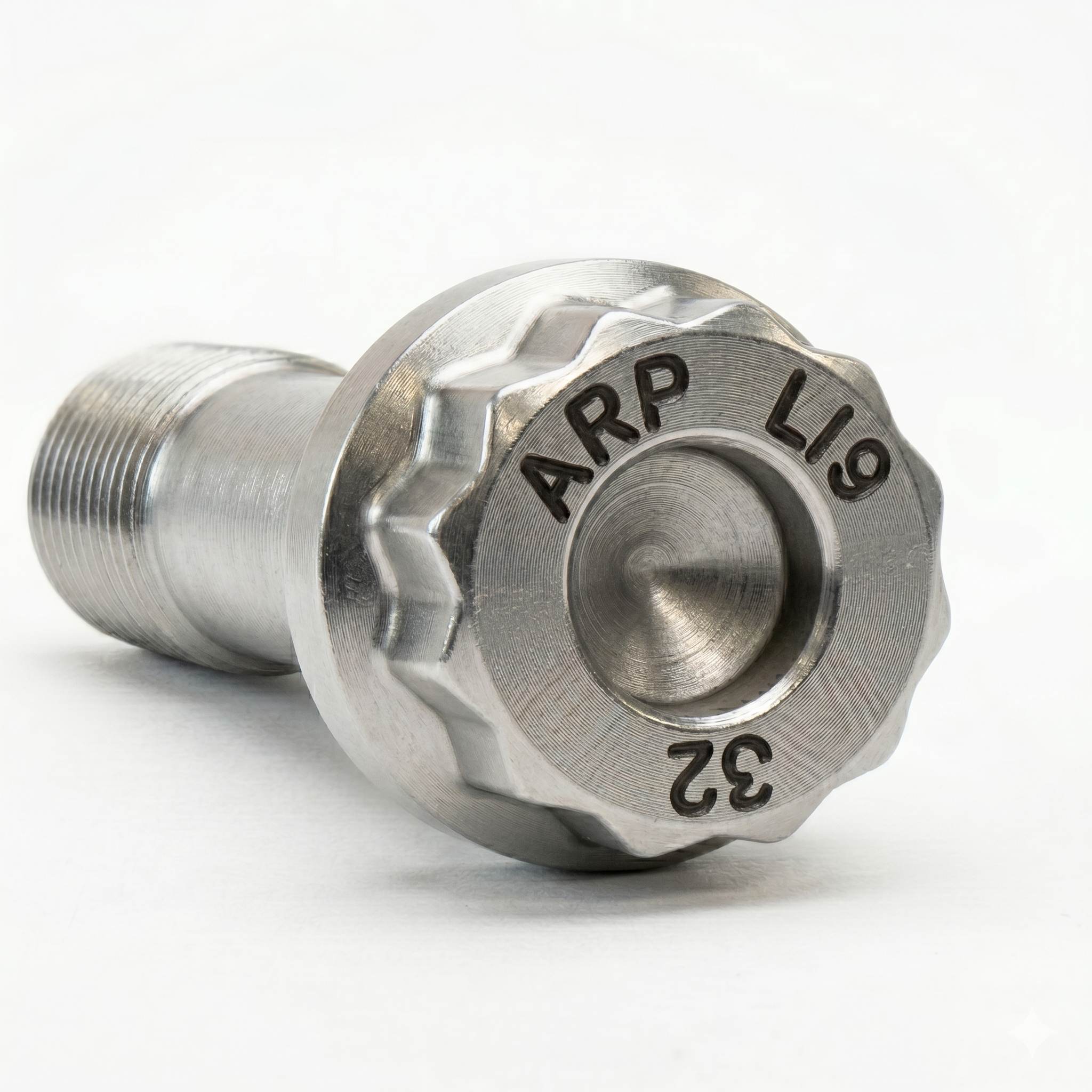 | ARP L19 (tensile strength about 260,000 psi, ~1,793 MPa) takes over on the most heavily stressed engines: strong forced induction, prolonged high engine speeds and elevated cylinder pressure. Thresholds move to roughly 250 hp per cylinder in 3/8", with engine speeds allowed up to 10,000 rpm, for high-power builds in drag, drift, rally and circuit. Sensitive to corrosion and hydrogen embrittlement, it is kept and fitted oiled, away from moisture. |
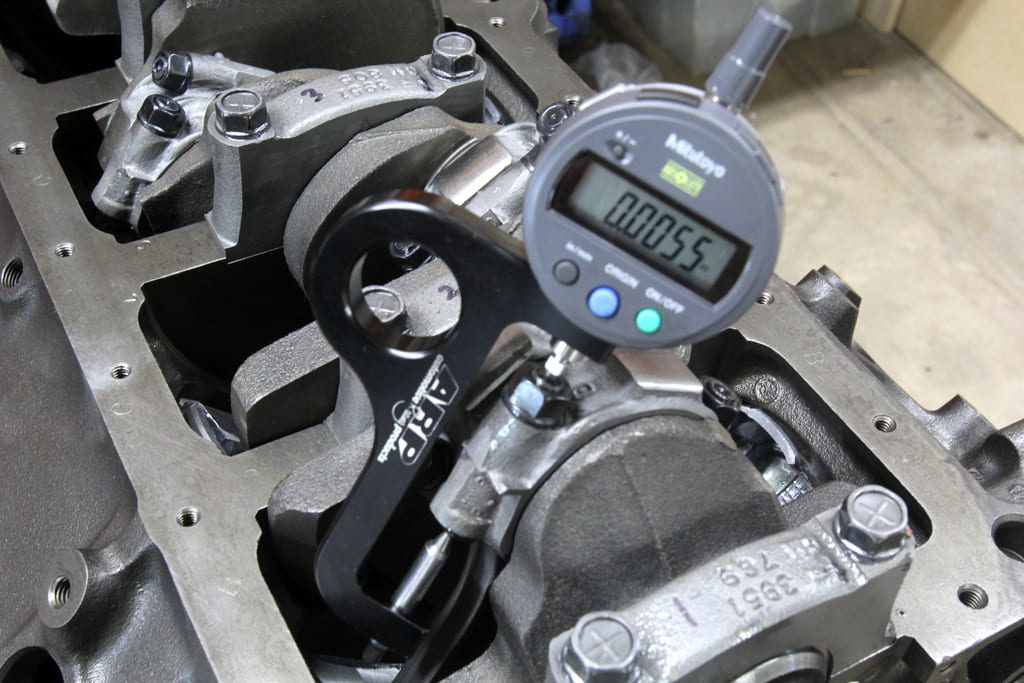
In addition to torque tightening, measuring rod-bolt stretch is the most reliable check for optimal preload. The check is done with the bolt fitted: place the gauge (dial indicator) on the two ends of the bolt and read its actual stretch, which must match the recommended value (see the torque & stretch table above). This method removes the friction variations inherent in torque tightening and secures the assembly on heavily stressed engines. |
 | ZRP : a Greek brand of high-performance forged connecting rods, made by Drakos Engineering in Athens. Each rod is forged from 4340 steel, precision-machined and balanced to stay reliable at high rpm. Available here in I-Beam profile and supplied with ARP 2000 or ARP L19 bolts, they are designed and inspected in Greece and used in rally, on track and in drift. |
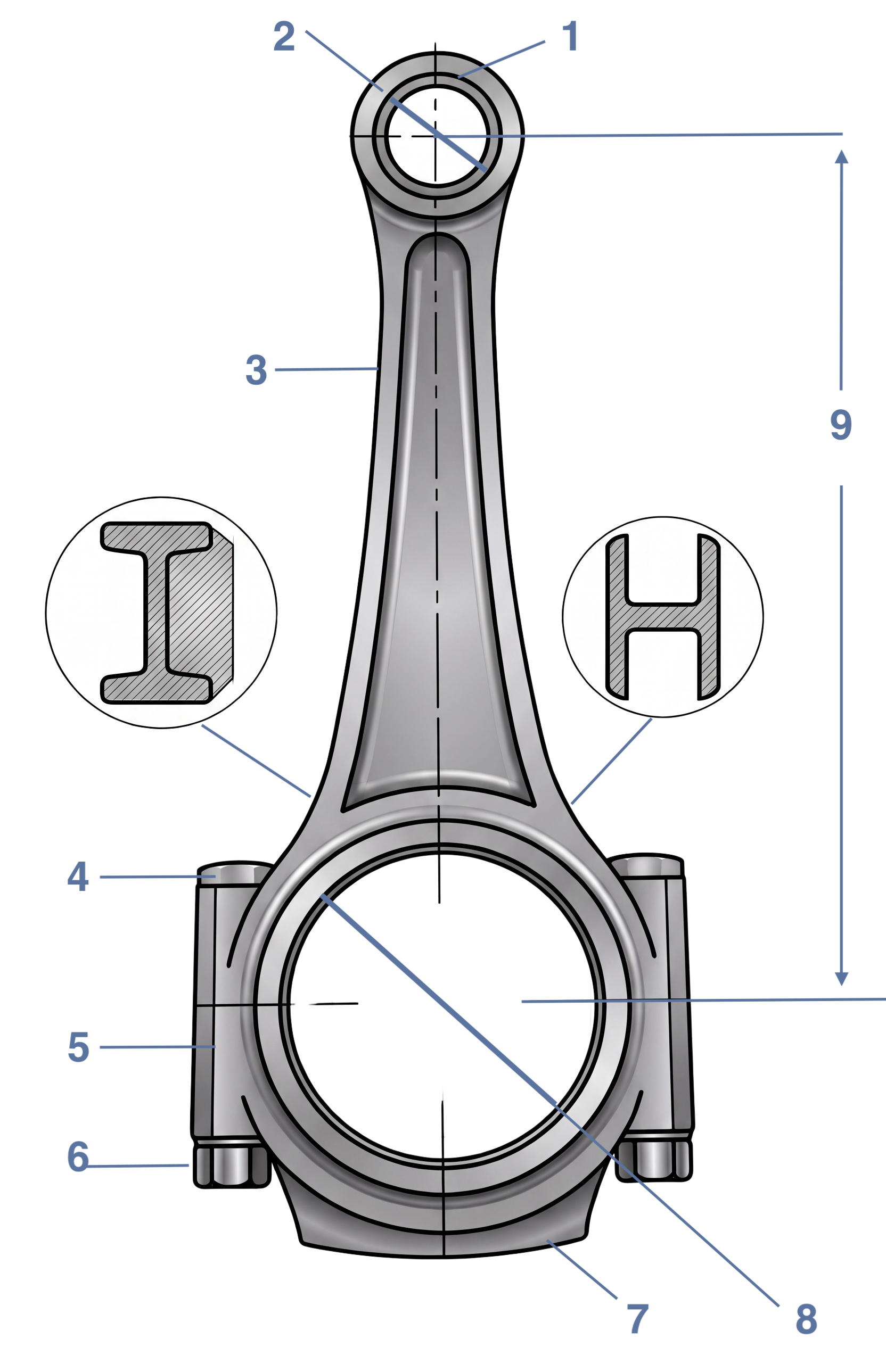 | 1) Small end 2) Small-end diameter 3) Rod beam 4) Rod bolt 5) Big end 6) Rod nut / bolt 7) Rod cap 8) Big-end diameter 9) Center-to-center |
| Brand | Model (chassis) | Engine code | Power | Years |
|---|---|---|---|---|
| BMW | 3 Series 325i / 325xi (E46), Saloon and Touring | M54B25 | 186–192 hp | 2000–2005 |
| BMW | 3 Series 325Ci (E46), Coupé and Convertible | M54B25 | 186–192 hp | 2000–2006 |
| BMW | 3 Series 325ti Compact (E46) | M54B25 | 192 hp | 2001–2004 |
| BMW | 5 Series 525i (E39), Saloon and Touring | M54B25 | 186–192 hp | 2000–2004 |
| BMW | 5 Series 525i (E60/E61), Saloon and Touring | M54B25 | 186–192 hp | 2003–2010 |
| BMW | X3 2.5i (E83) | M54B25 | 186–192 hp | 2004–2006 |
| BMW | Z3 Roadster 2.5i (E36/7) | M54B25 | 192 hp | 2000–2002 |
| BMW | Z4 Roadster 2.5i (E85) | M54B25 | 192 hp | 2002–2005 |
OEM reference: 11 24 1 437 212.
When an original bottom end fails (a broken, bent or scored rod), going back to factory specification often means replacing both the rods and the pistons, frequently damaged together. The bill climbs quickly, just to return to the original state.
For a comparable or even lower budget, switching to 4340 forged connecting rods paired with forged pistons brings far greater reliability and safety margin, with real room to grow. It is the route chosen for more than fifteen years by European engine builders.
For the same budget: more reliability, more potential, more longevity.