Product successfully added to your shopping cart
Quantity
Total
There are 0 items in your cart. There is 1 item in your cart.
Total products
Total shipping To be determined
Total

2.5L 20v - DAZA DNWA
Manufacturers
2.5L 20v - DAZA DNWA
Warning: Last items in stock!
New product
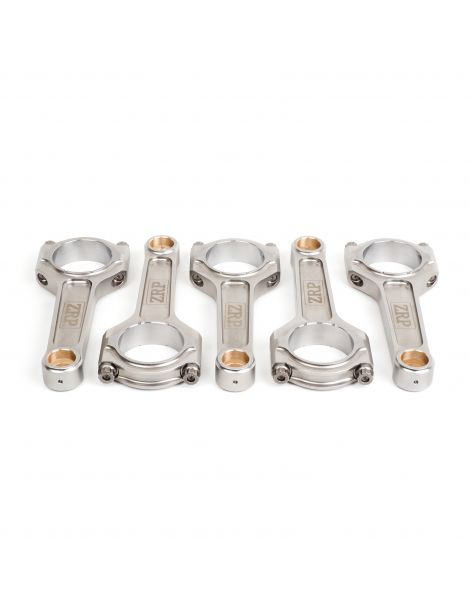
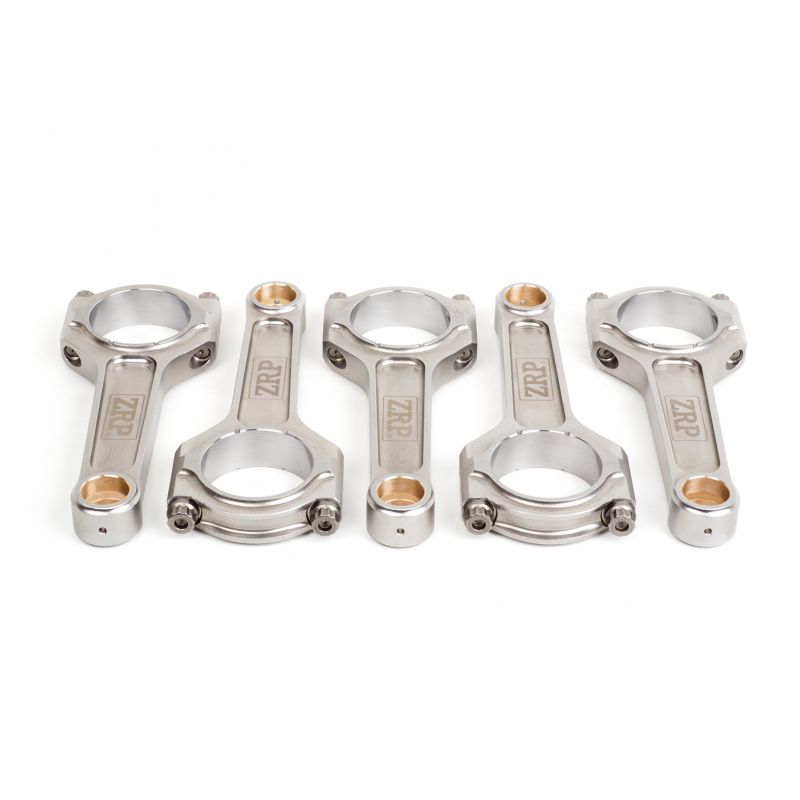
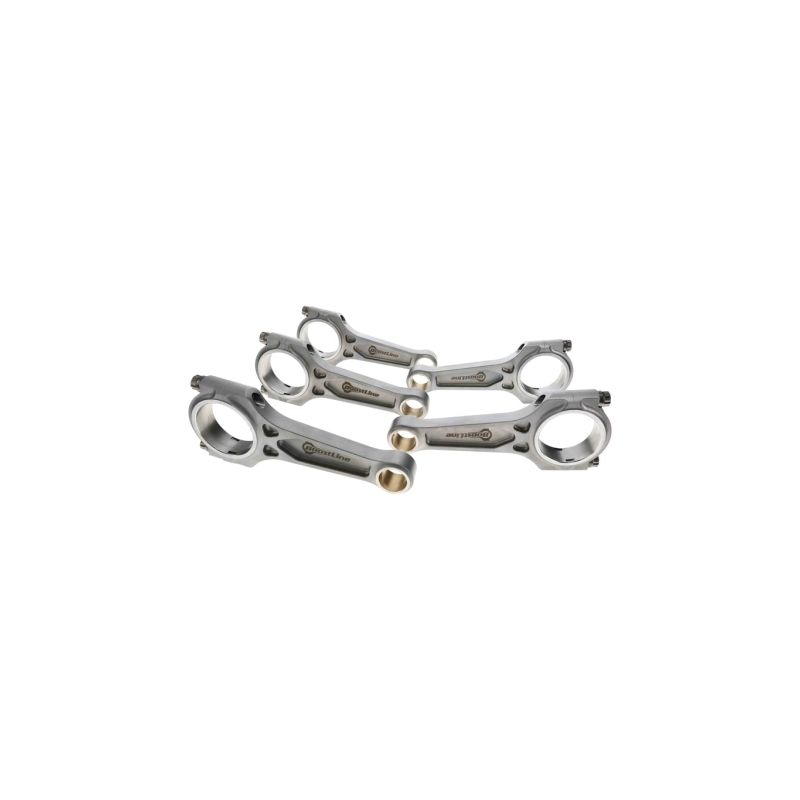
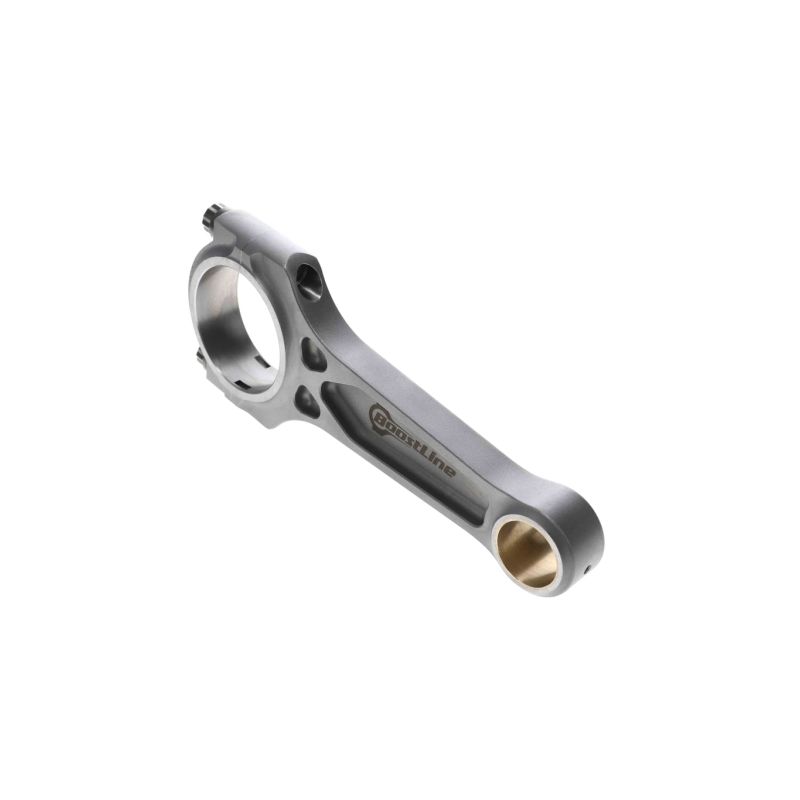
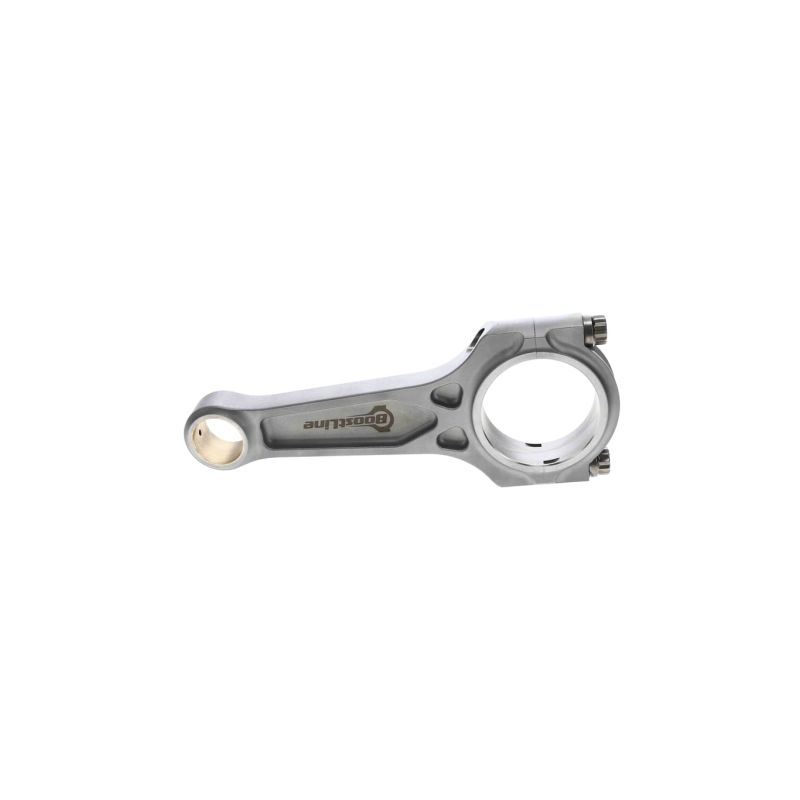
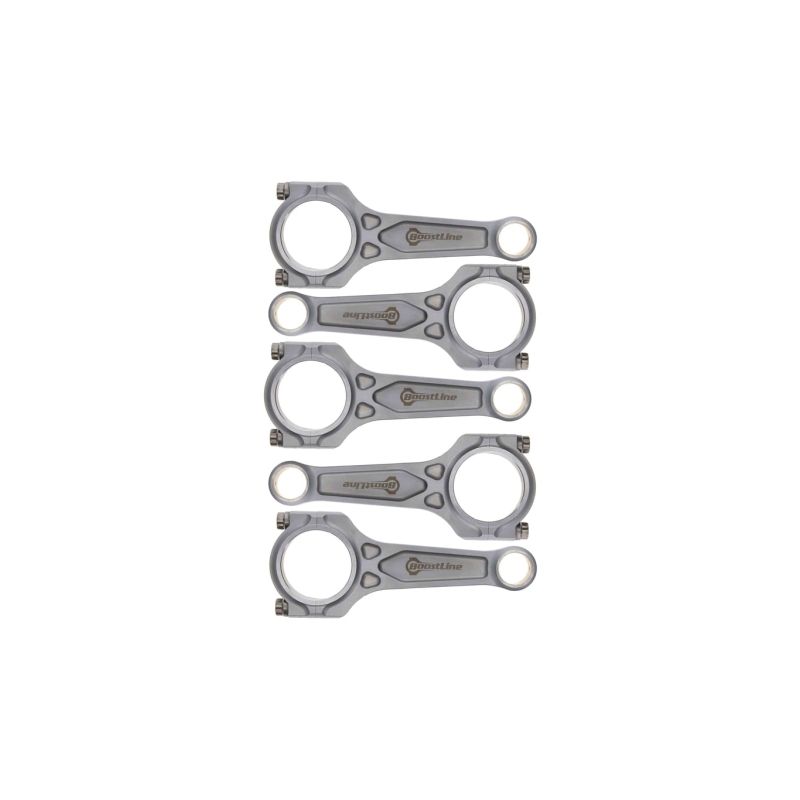
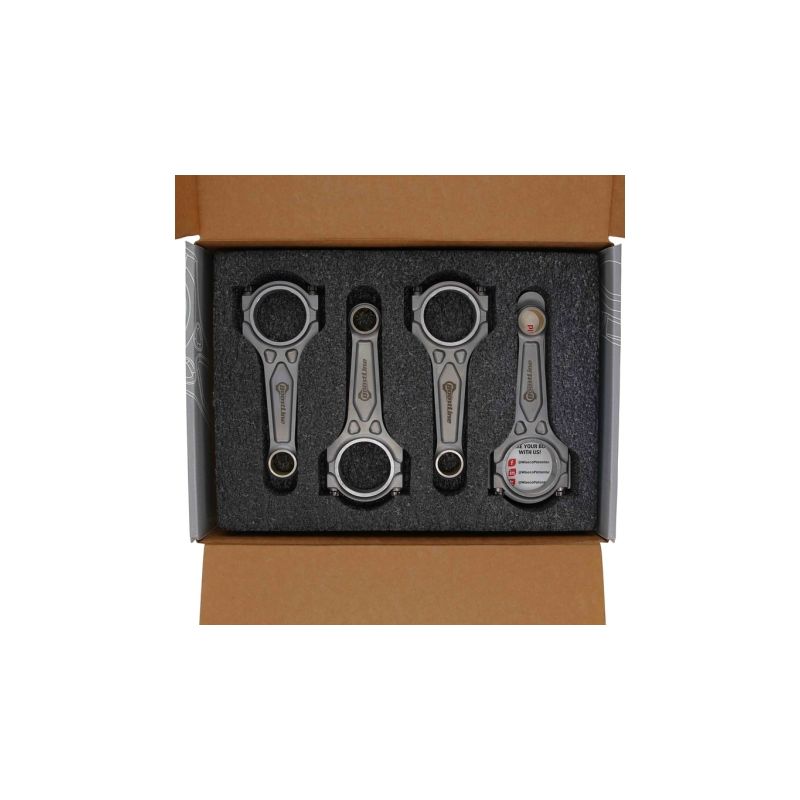
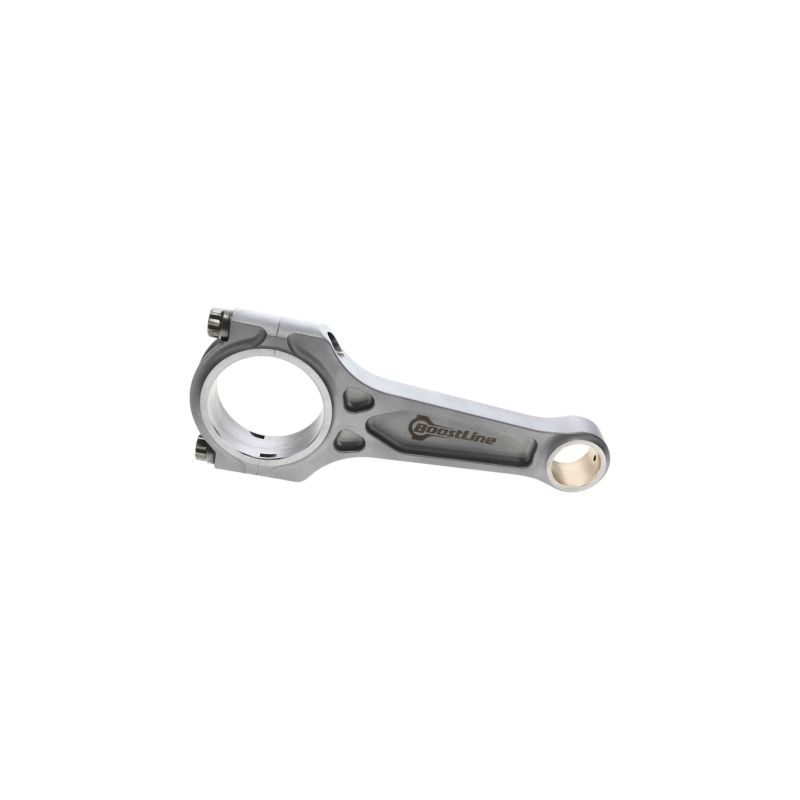
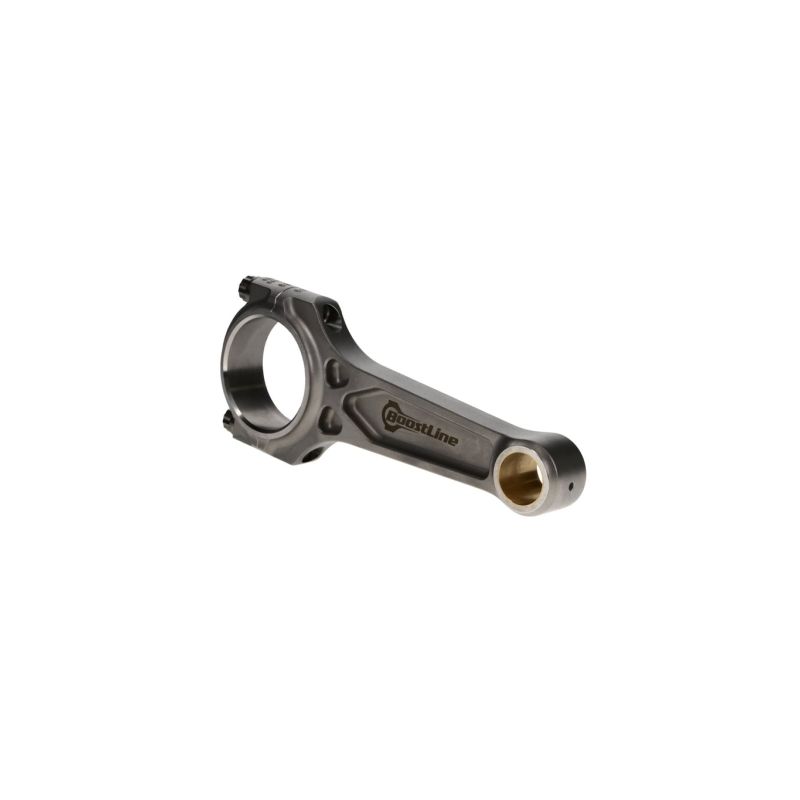
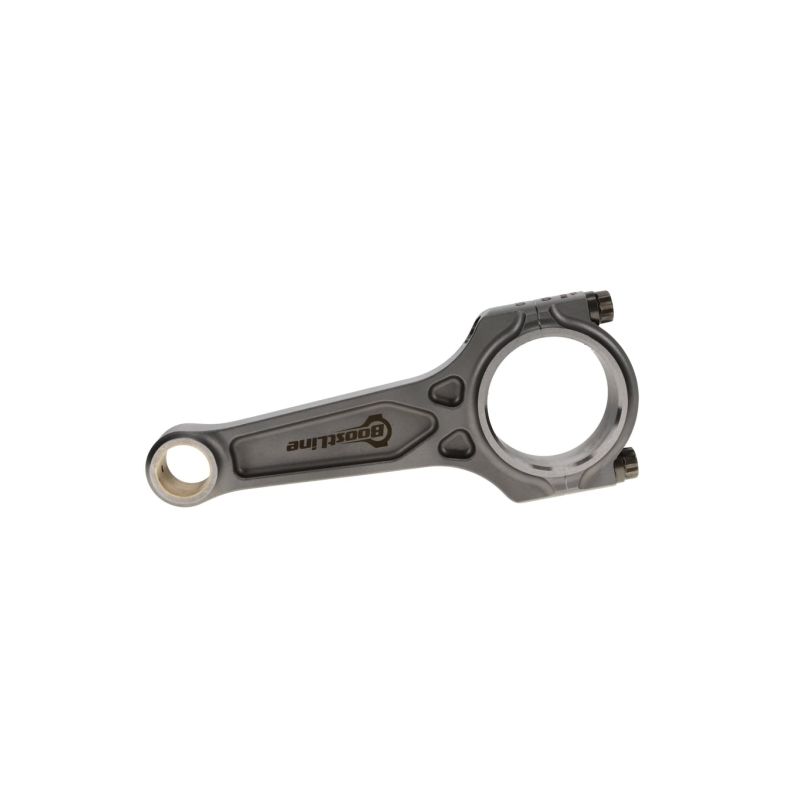
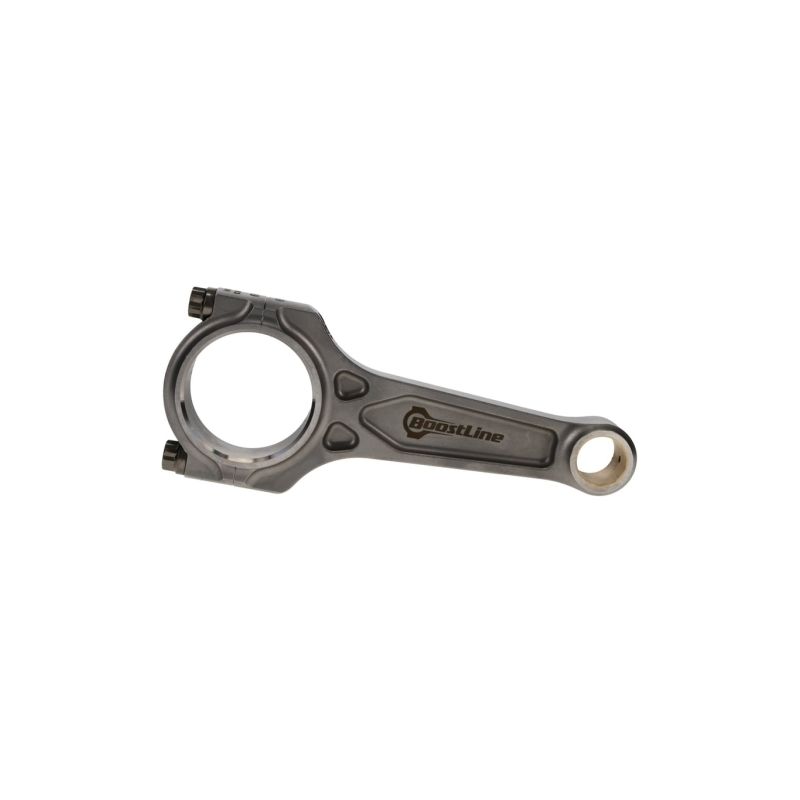
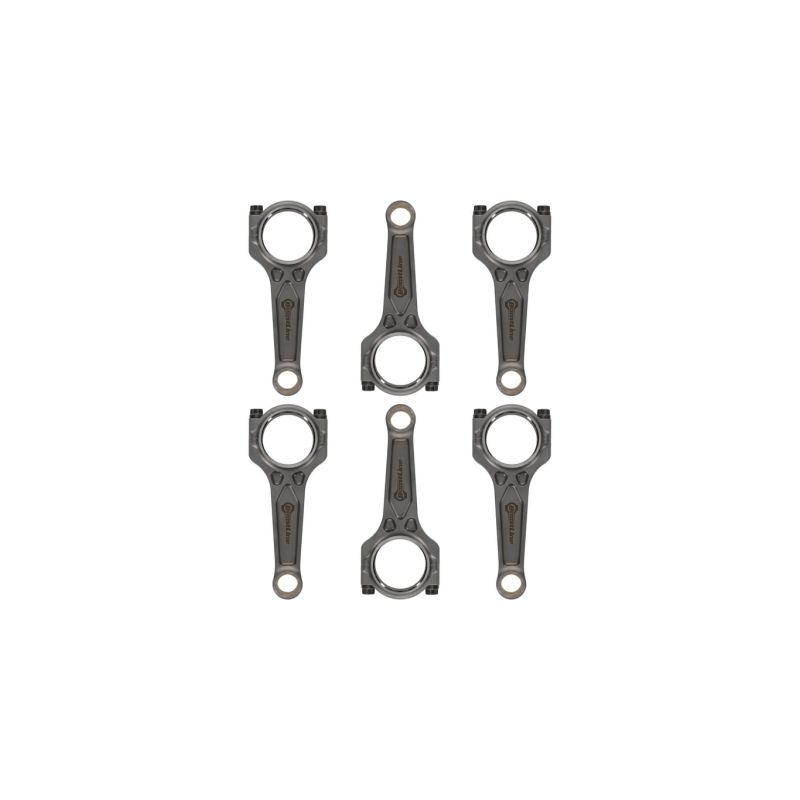
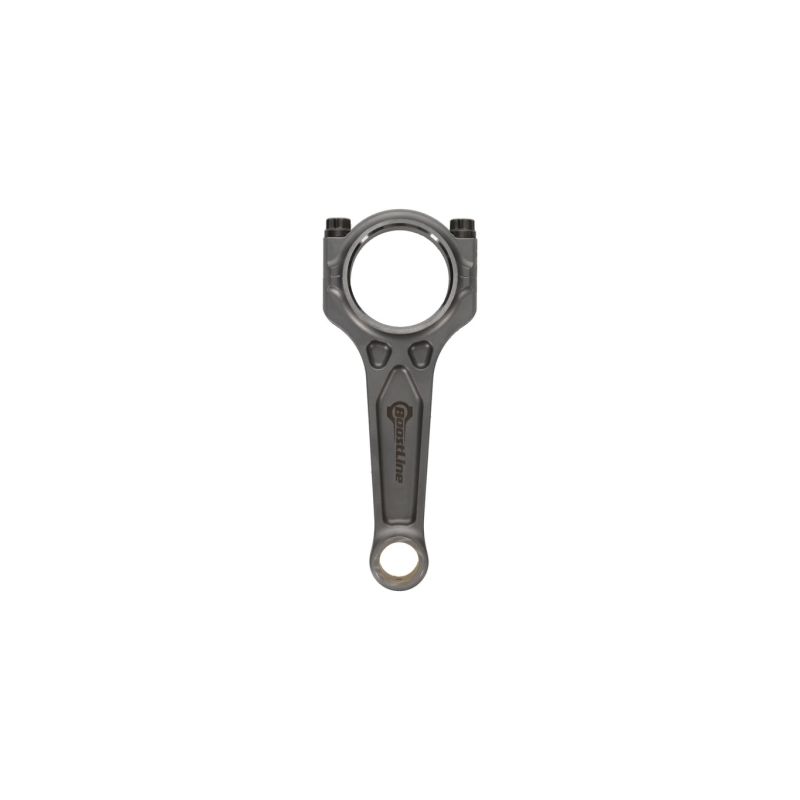
Set of 5 forged 4340-steel connecting rods for the Audi 2.5 TFSI EA855 EVO.
The 2.5 TFSI EVO (engine code EA855 EVO) is the second generation of Audi's famous inline five-cylinder: 2,480 cc, direct injection and turbocharging. Introduced in 2015, it drops the cast-iron block of the first version for an aluminium crankcase with plasma-coated liners, shedding around 26 kg. Its twin-cam, 20-valve head and 1-2-4-5-3 firing order preserve the unmistakable sound of the family that built Audi's rally legend.
Fitted to the RS3 (8V), TT RS (FV) and RS Q3 (F3), it delivers 367 to 400 hp as standard and has repeatedly won International Engine of the Year. That high potential is also its weak point: as soon as boost pressure and rpm climb, the factory rotating assembly becomes the limiting link, which is why forged rods built for competition make sense.
These rods are forged and then machined for the EA855 EVO without oil hole, with a 23 mm pin and a 144 mm centre-to-centre length. Depending on the part number, the material is high-strength 4340 steel or EN24T steel for the ZRP IE version. All of them make the bottom end reliable as soon as power goes beyond factory level: fitting forged pistons, raising the rev range, increasing boost pressure or adding displacement.
Intended for built engines, turbocharged as well as supercharged, they serve every discipline: rally, drift, drag racing, circuit and track use, hillclimb, time attack, and follow Stage 2, Stage 3 and Stage 4+ builds up to a fully rebuilt competition engine, with masses from 500 to 614 g per rod depending on the brand.
| Reference | Brand | Profile | Steel | Bolts | Pin Ø | Small-end width | Big-end Ø | Big-end width | Center-to-center | Weight/rod | Oil hole |
|---|---|---|---|---|---|---|---|---|---|---|---|
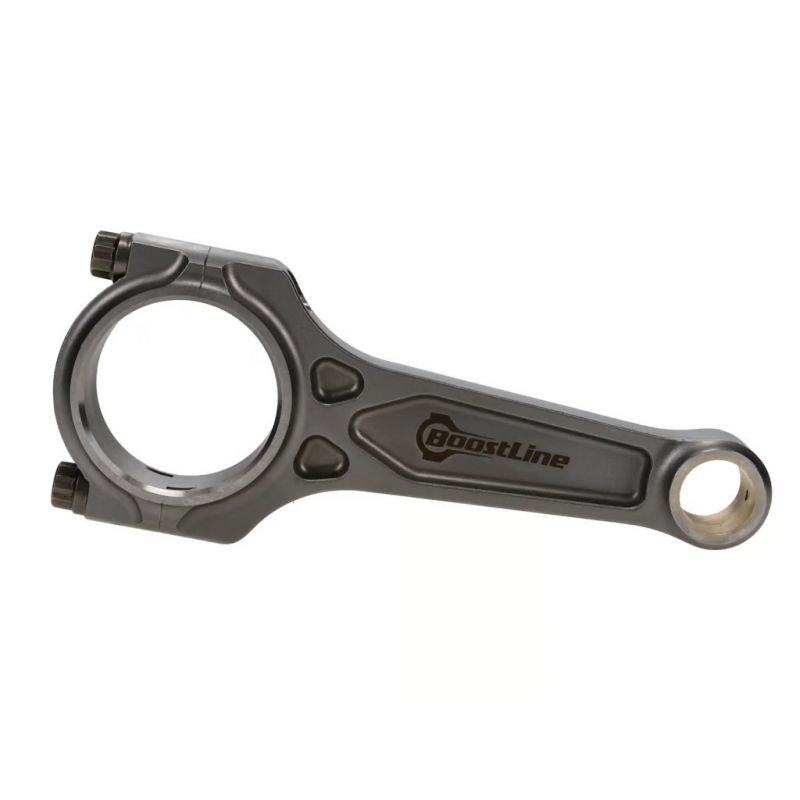
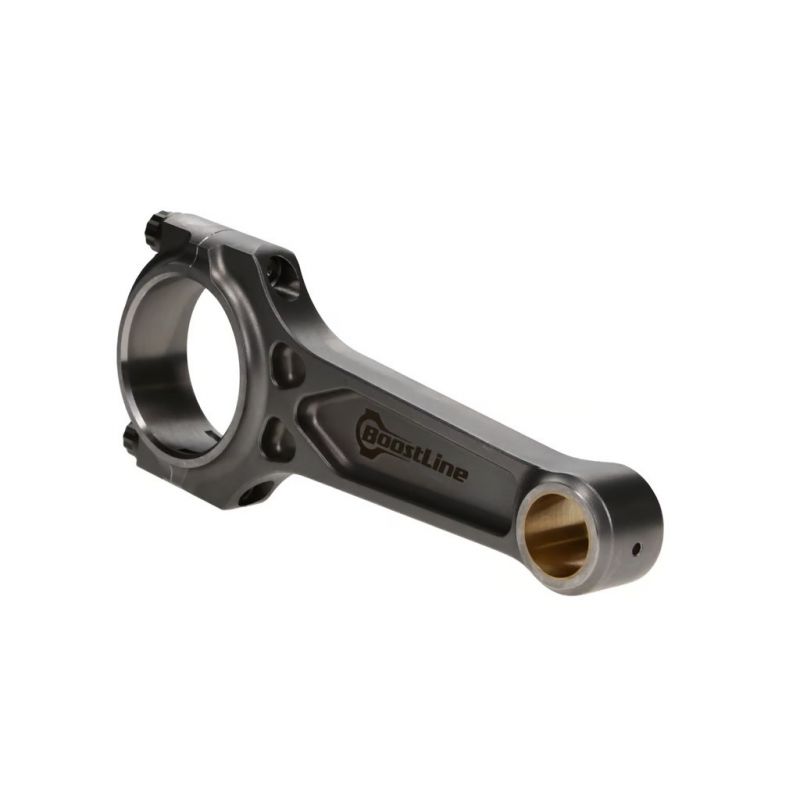
| VW5670-905 | Boostline | I-3P | Forged 4340 steel | ARP 2000-3/8"-38mm | 23 mm | 22 mm | 50,61 mm | 21,89 mm | 144 mm | 614 g | No |
| VW5670-905+ | Boostline | I-3P | Forged 4340 steel | ARP CA625+-3/8"-38mm | 23 mm | 22 mm | 50,61 mm | 21,89 mm | 144 mm | 614 g | No |
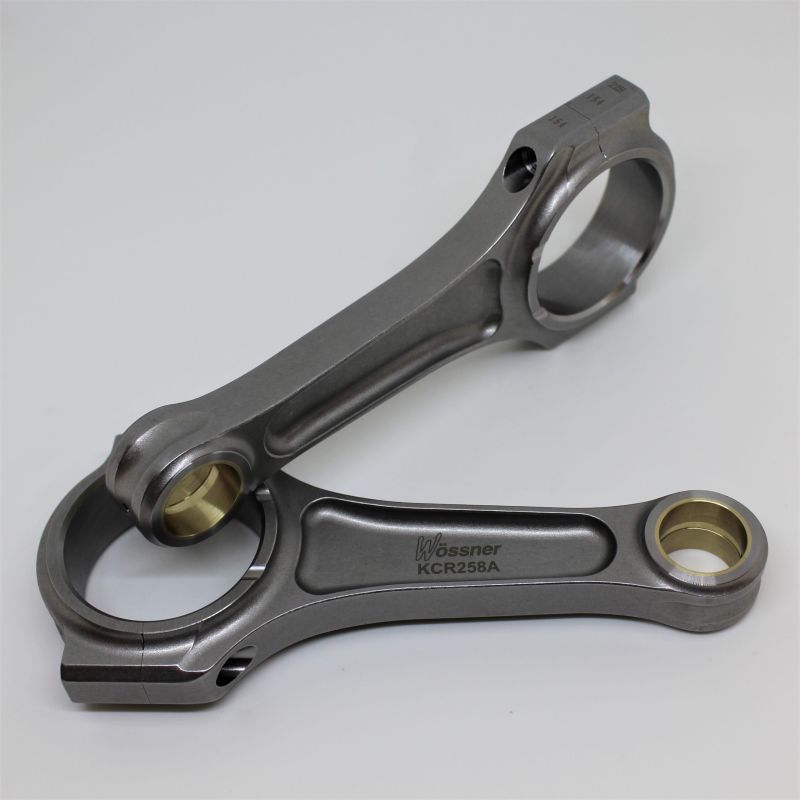
| KCR333A-T-5 | Wössner | I | Forged 4340 steel | ARP 2000-3/8"-38mm | 23 mm | 21,5 / 16,0 mm | 50,6 mm | 21,9 mm | 144 mm | 580 g | No |
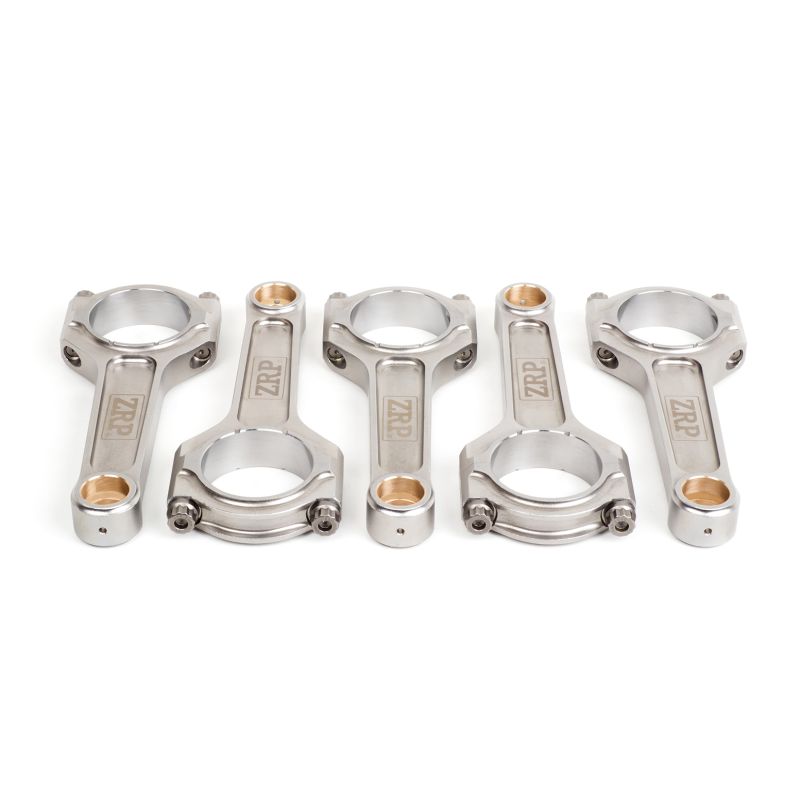
| R-VW-008-I-5 | ZRP | I | Forged 4340 steel | ARP 2000-3/8"-38mm | 23 mm | 50,6 mm | 21,85 mm | 144 mm | 500 g | No | |
| R-VW-008-IE-5 | ZRP | IE | Forged EN24T steel | ARP L19-3/8"-38mm | 23 mm | 50,6 mm | 21,9 mm | 144 mm | 559 g | No | |
| R-VW-008-I-5-L19 | ZRP | I | Forged 4340 steel | ARP L19-3/8"-38mm | 23 mm | 50,6 mm | 21,85 mm | 144 mm | 500 g | No |
ZRP: Straight, non-tapered pin end; rods without oil feed drilling.
The table for this version without an oiling hole has several rows, because the figures depend both on the rod model and on the bolt grade, ARP 2000, ARP CA 625+ or ARP L19 in 3/8" 38 mm. So the shop habit is to identify your row before picking up the wrench, copy it onto the build sheet and work with that single set of figures for all ten bolts in the engine. These torque and stretch values are the ones specified by the bolt manufacturer and must be followed scrupulously; stretch read on the gauge, taken bolt by bolt before and after tightening, remains the reference method.
| Rod | Bolts | Torque | Recommended stretch |
|---|---|---|---|
| Boostline (VW5670-905) | ARP 2000 | 75 N·m | 0,130–0,140 mm |
| Boostline (VW5670-905+) | ARP CA 625+ | 115 N·m | 0,170–0,180 mm |
| Wössner (KCR333A-T-5) | ARP 2000 | 74,6 N·m | 0,1397–0,1524 mm |
| ZRP (R-VW-008-I-5) | ARP 2000 | 61 N·m | 0,140–0,152 mm |
| ZRP (R-VW-008-IE-5) | ARP L19 | 67,8 N·m | 0,152–0,165 mm |
| ZRP (R-VW-008-I-5-L19) | ARP L19 | 67,8 N·m | 0,152–0,165 mm |
| 4340 steel is a low-alloy nickel-chromium-molybdenum steel used in aerospace and motorsport alike. Forged then heat-treated, it combines high mechanical strength, excellent toughness and outstanding fatigue resistance. Compared with an original sintered rod, it handles far greater loads without deforming, making it the reference material for reinforced rods. ZRP's Extreme (IE) series, for its part, is forged from through-hardened EN24T steel (248-302 HB), CNC-machined, shot-peened and FEA-validated for the most extreme builds. |
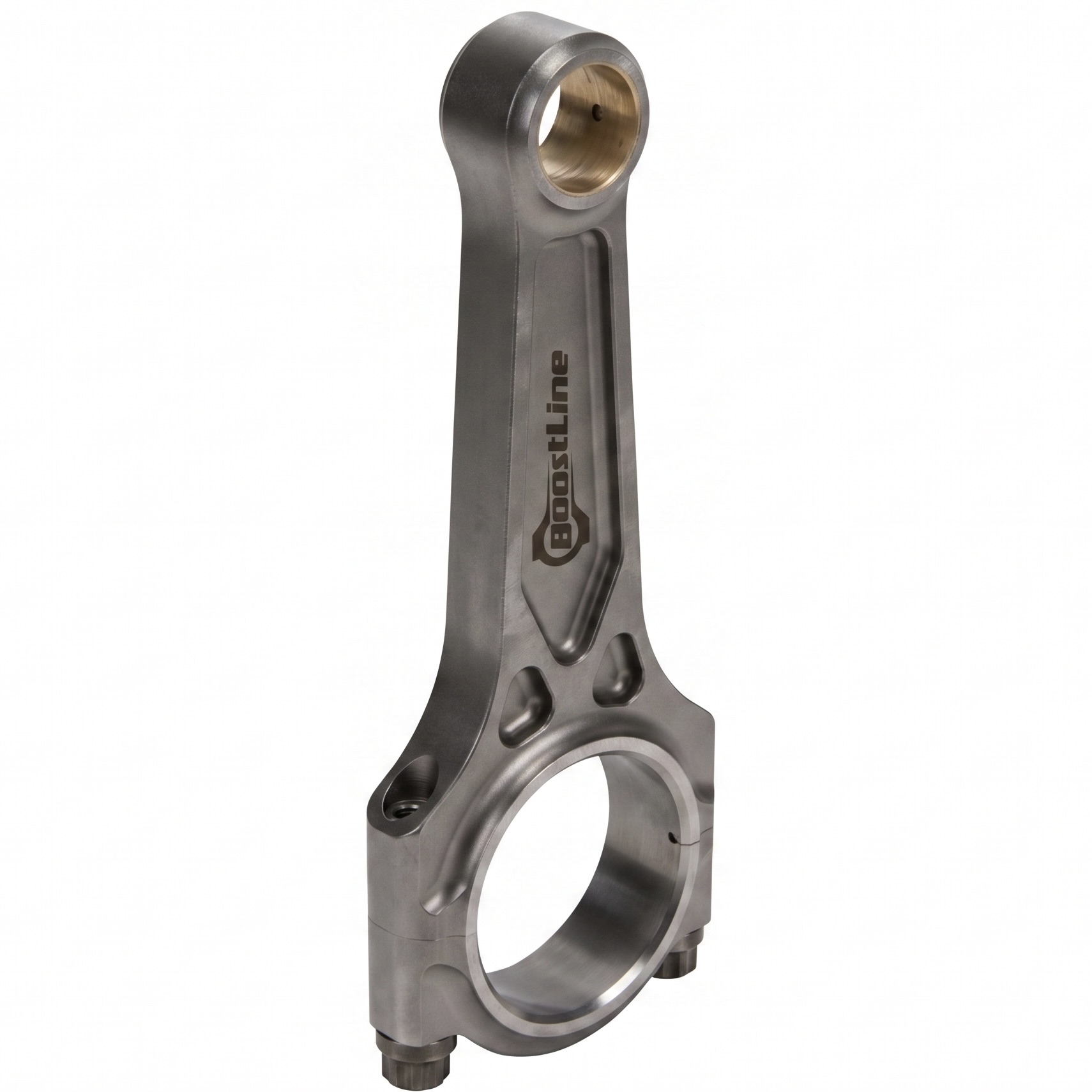 | I-3P profile (3-pocket I-beam, Boostline). A profile patented by Boostline, keeping the lightness of the I-beam while triangulating the reinforcements around the big end: stiffness increases exactly where the load concentrates, without the weight penalty of an H-beam. On a drag or time attack EA855 EVO, it is this mass-to-stiffness compromise that allows repeated full-load runs without drift. |
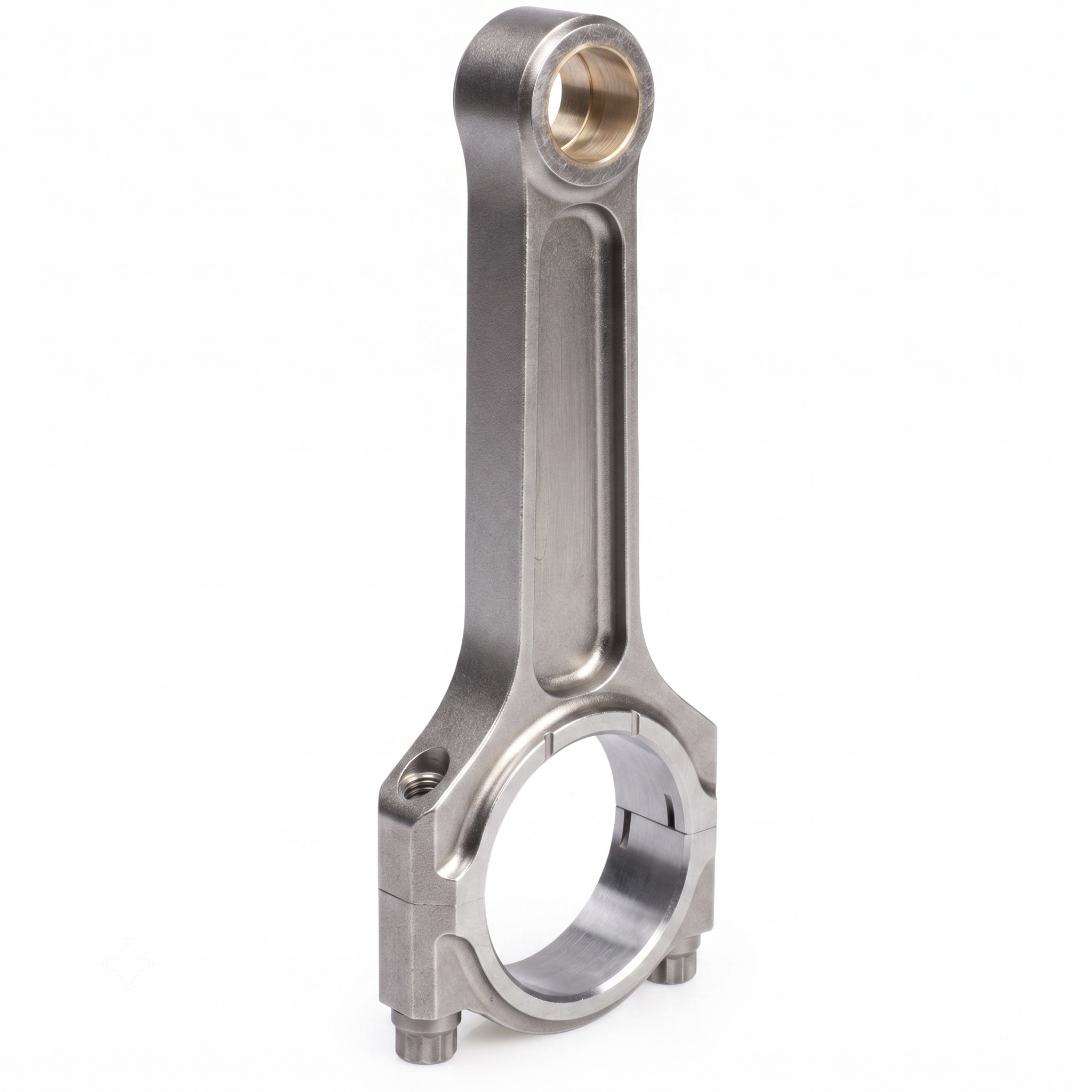 | I-beam profile. Its slimmer central web reduces the mass of the rod: inertia drops, pick-up becomes sharper and the crankshaft sees smaller alternating loads. It is the design chosen by ZRP as well as by Wössner on this 23 mm pin EA855 EVO; ZRP adds an IE variant with a reinforced web, reserved for the most heavily loaded builds. |
| IE profile (ZRP Extreme Series). Rod forged from EN24T steel, through-hardened to 248-302 HB, then finished by CNC machining. The two-piece I-beam forging aims at the best stiffness-to-weight ratio; the centre-to-centre length is held to 0.025 mm and the bores to within 0.005 mm. Every rod is shot-peened, heat treated in several stages, inspected by magnetic particle testing and validated by FEA calculation. The small-end bushes are in AMPCO 18 and the sets are weight-matched to ±1 g. ARP L19 bolts (260,000 psi) are fitted as standard, with ARP Custom Age 625+ available as an option. This version is intended for the most powerful configurations, up to more than 1,500 hp, where cylinder pressure and rpm leave no room for error. |
A note on the oil hole: the rods shown here are solid-body (no oil hole), for maximum strength including beyond 600 hp. The rifle-drilled versions (with oil hole), recommended up to around 600 hp, are covered by a dedicated listing.
On this EA855 EVO the rod bolt sets the working limit of the bottom end: it decides the rpm that can be held and the acceptable cylinder pressure. The choice is made by discipline first, because a rally engine taking up torque low down, a circuit engine staying high for long minutes and a drag engine seeing a few extreme load peaks do not wear the bolts in the same way. Target power per cylinder and maximum rpm complete the reasoning. The grades below are offered in 3/8"-38 mm.
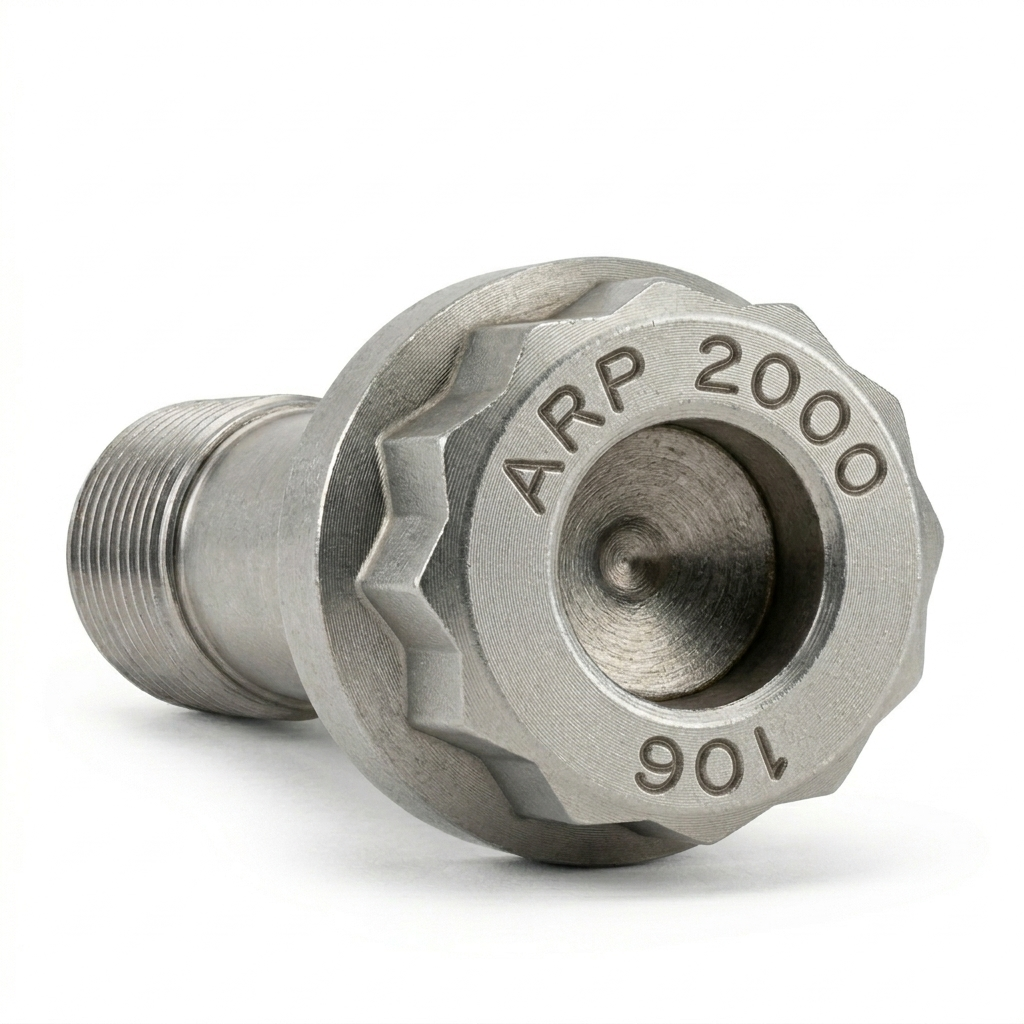 | ARP 2000 (tensile strength around 220,000 psi, i.e. ~1,517 MPa) is the high-performance standard. In 3/8", it covers builds up to about 200 hp per cylinder and rpm up to 8,500: a versatile choice, from the sporty road car to club competition. |
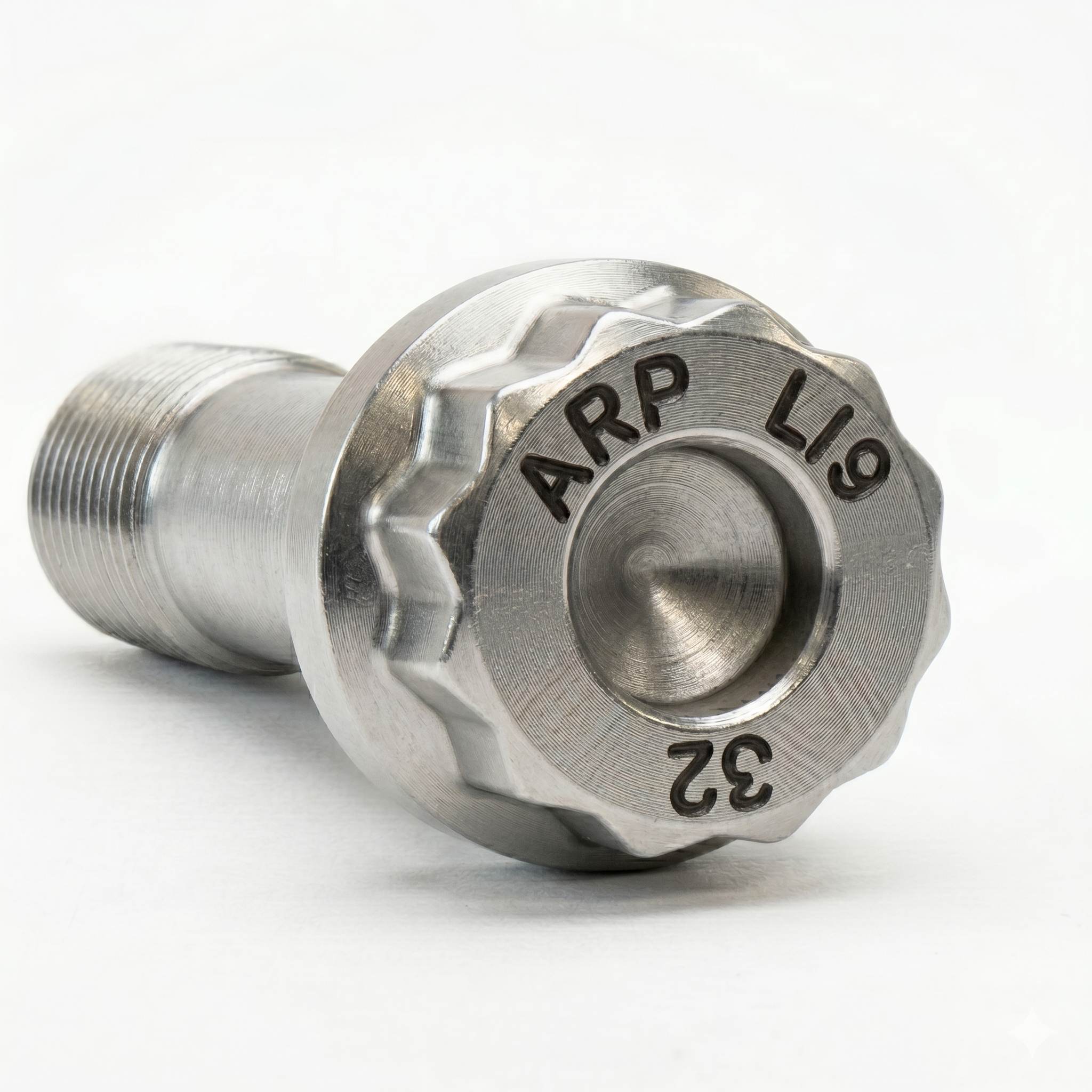 | L19 takes tensile strength to ~260,000 psi (~1,793 MPa) and allows up to 250 hp per cylinder in 3/8" as well as 10,000 rpm. On this EA855 EVO it equips the ZRP rod in I profile as well as the IE Extreme Series version: very high boost pressure, high cylinder pressure, sustained high rpm, in other words the big power levels in drag racing, drift, rally and circuit. The downside is known: the alloy is sensitive to corrosion and to hydrogen embrittlement, the bolts are stored and fitted oiled, away from moisture, and never left bare on a bench. |
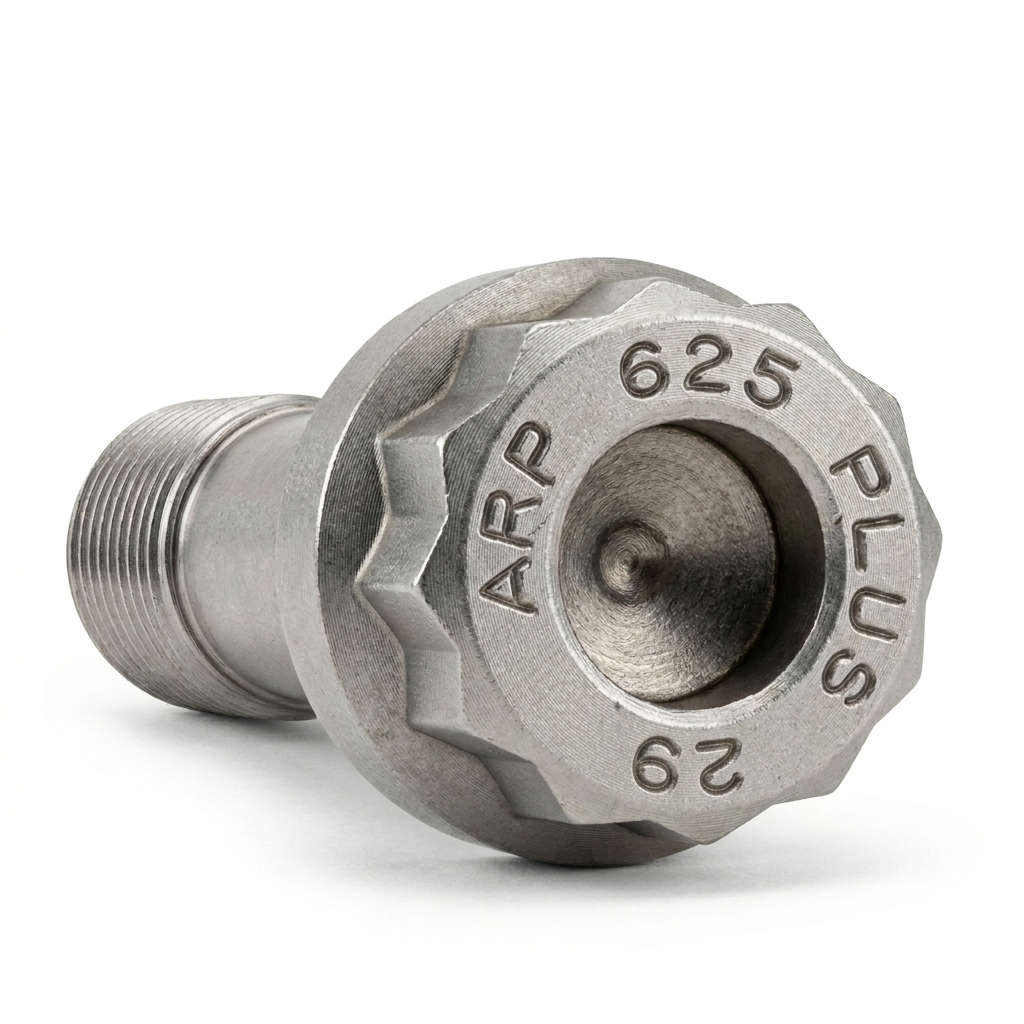 | CA625+ (Custom Age 625+) is ARP’s premium alloy, from 260,000 to 280,000 psi (~1,793 to 1,931 MPa). It is aimed at extreme builds of this five-cylinder, beyond 250 hp per cylinder in 3/8" and beyond 10,000 rpm: drag racing, time attack, engines that never come down from their working rpm. It withstands atmospheric corrosion and oxidation better than ARP 2000 and remains immune to hydrogen embrittlement, which spares it the storage precautions of the L19. On this listing it is offered on the Boostline I-3P and as an option on the ZRP IE. |
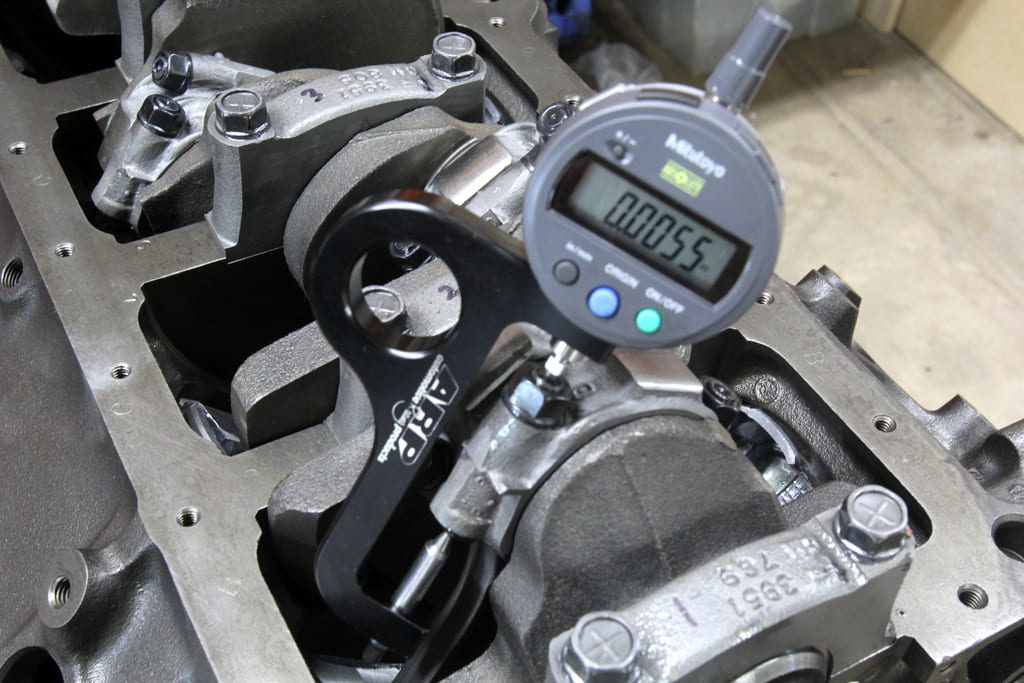
| In addition to torque tightening, measuring bolt stretch (stretch gauge) remains the most reliable way to ensure correct preload. It removes thread-friction variation and secures every assembly. The instructions supplied with the kit always take precedence; the torque figures assume ARP lubricant is used. |
 | BOOSTLINE (Wiseco group), a forged connecting rod range from the American Wiseco group, a benchmark since 1941. Its patented 3-pocket design combines the rigidity of an I-beam with the robustness of an H-beam. Forged from 4340 steel and machined in the USA, they come with ARP 2000 bolts (Custom Age 625+ optional) and are built for boosted engines. |
 | Wössner, a German forge renowned for its high-performance forged pistons and rods. Its rods are forged from 4340 steel, carefully machined and balanced, then supplied with ARP 2000 bolts (3/8"). The optimised I-beam profile seeks the best compromise between lightness and strength on boosted engines. |
 | ZRP is a Greek brand of high-performance forged rods, designed by Alex Drakos in Athens. Each rod is forged from 4340 steel, precision-machined and weight-matched, and supplied with ARP bolts. Recognised build quality, popular with European engine builders. |
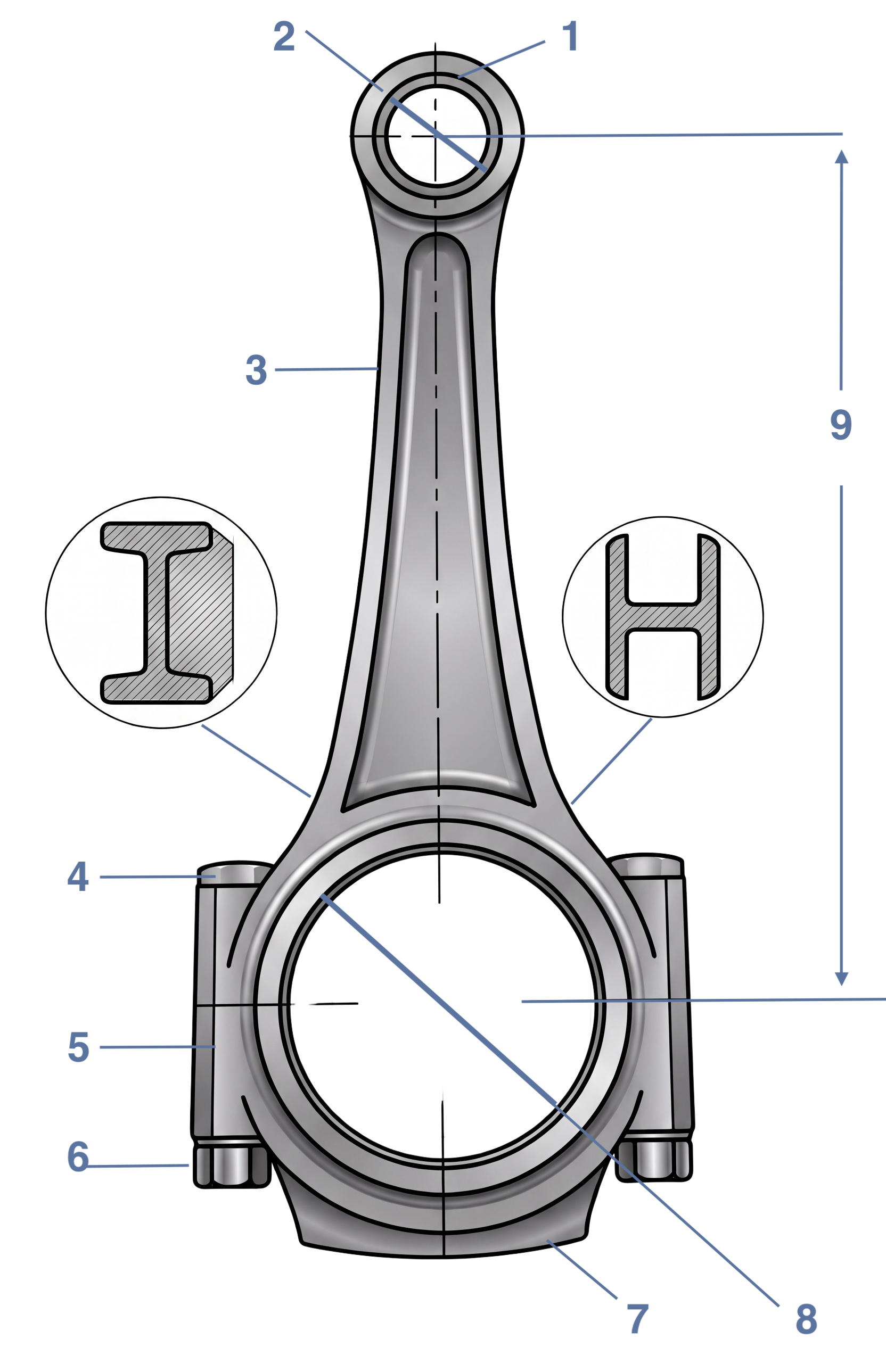 | 1) Small end 2) Small-end diameter 3) Rod beam 4) Rod bolt 5) Big end 6) Rod nut / bolt 7) Rod cap 8) Big-end diameter 9) Center-to-center |
These forged rods fit the EVO versions of the Audi 2.5 TFSI five-cylinder (23 mm piston pin) listed below:
| Make | Model (chassis) | Engine code | Power | Years |
|---|---|---|---|---|
| Audi | RS3 Sportback (8V) | CZGB | 367 hp | 2015–2018 |
| Audi | RS Q3 (8U) Performance | CZGB | 367 hp | 2016–2018 |
| Audi | RS3 (8V facelift) | DAZA | 400 hp | 2017–2020 |
| Audi | TT RS (FV / 8S) | DAZA | 400 hp | 2016–2020 |
| Audi | RS Q3 / RS Q3 Sportback (F3) | DNWA | 400 hp | 2019–2020 |
On a five-cylinder of this power level, a standard rod that breaks does not stop there: the matching piston goes with it, the block has to be checked and sometimes rebored. Buying standard rods and pistons to return to the factory configuration is expensive and changes nothing about the limits of the engine.
For a comparable, often lower budget, forged rods in 4340 steel, or EN24T on the IE version, combined with forged pistons bring reliability and a safety margin of an entirely different level, with the option of increasing power later without opening the engine again. European engine builders have worked this way for more than 15 years on the 2.5 TFSI.
For the same spend: more reliability, more potential, more service life.