Product successfully added to your shopping cart
Quantity
Total
There are 0 items in your cart. There is 1 item in your cart.
Total products
Total shipping To be determined
Total

2.5L 16v - EJ257
Manufacturers
2.5L 16v - EJ257
Warning: Last items in stock!
New product
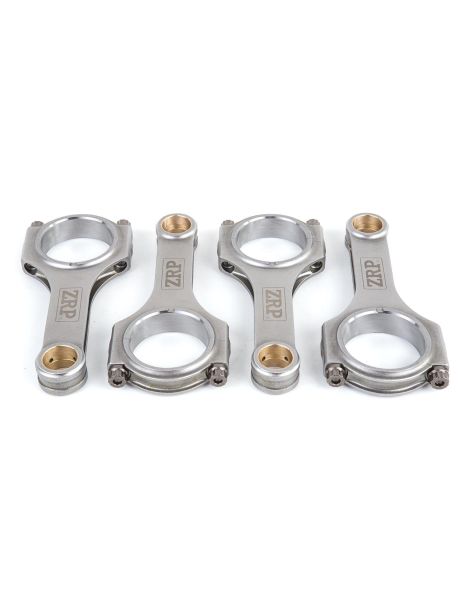
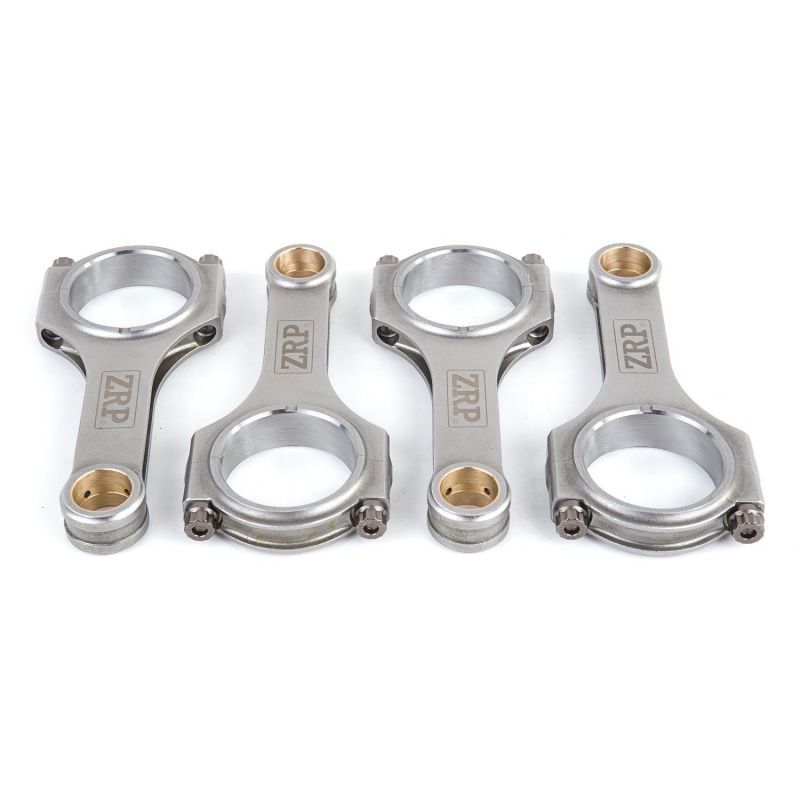
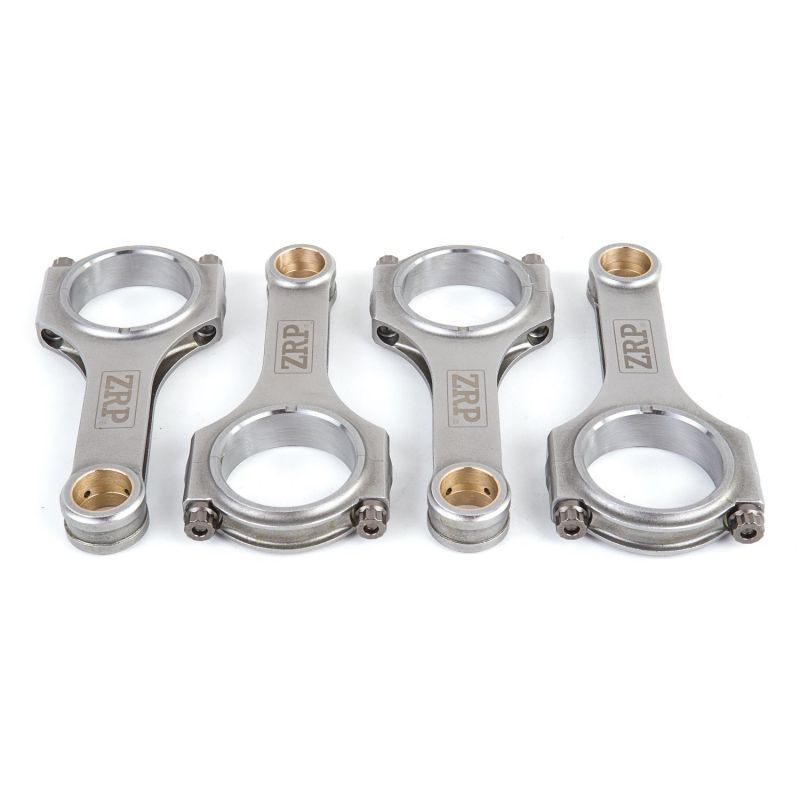
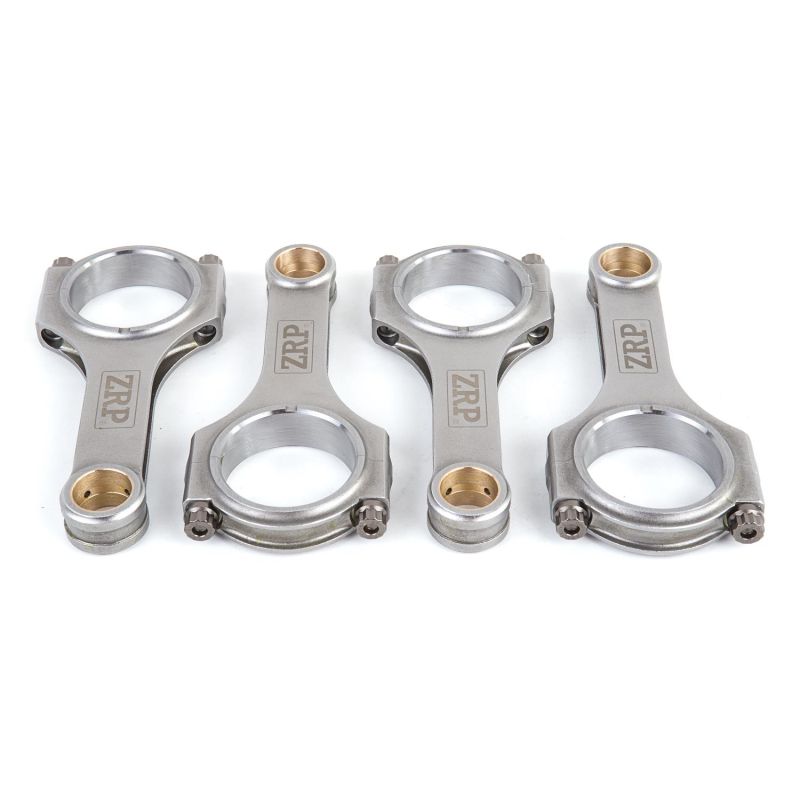
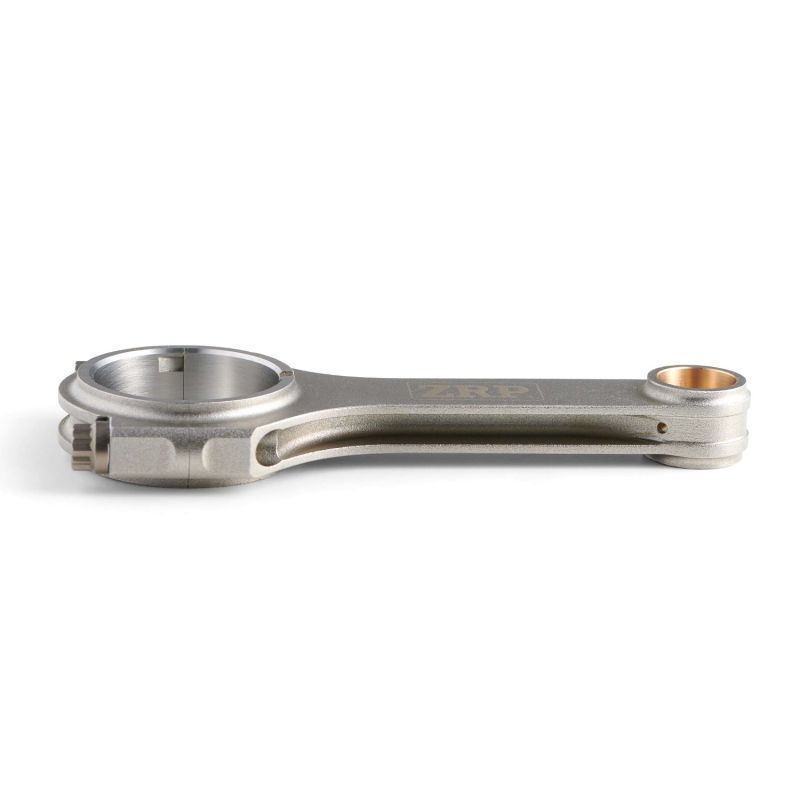
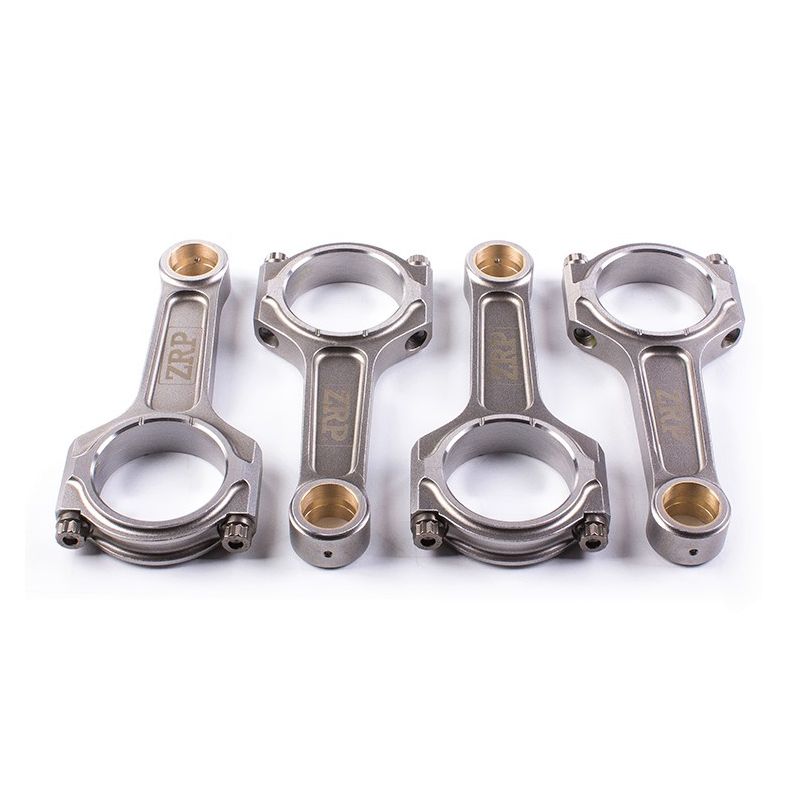
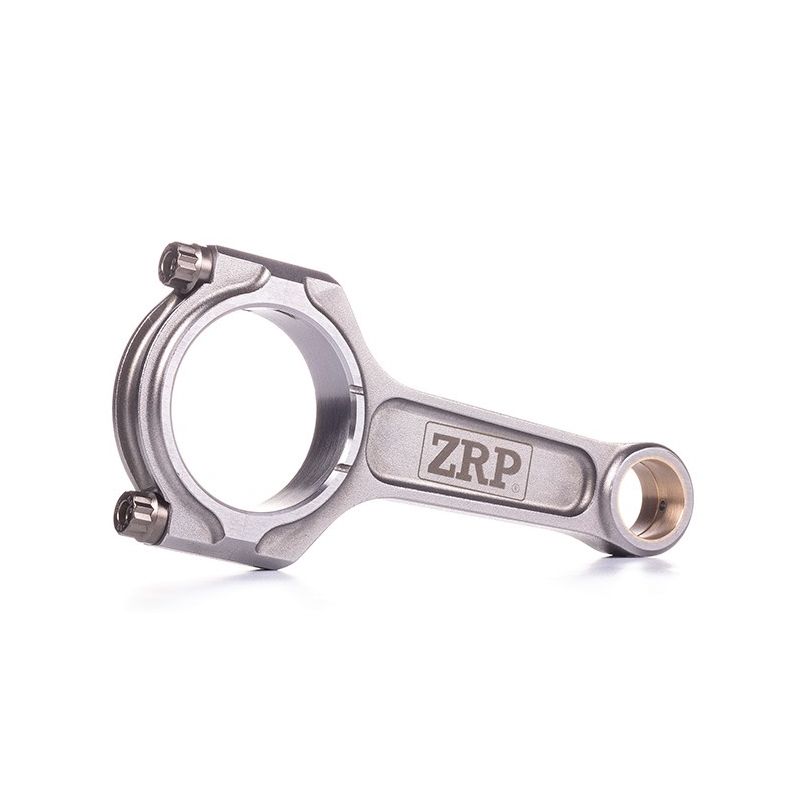
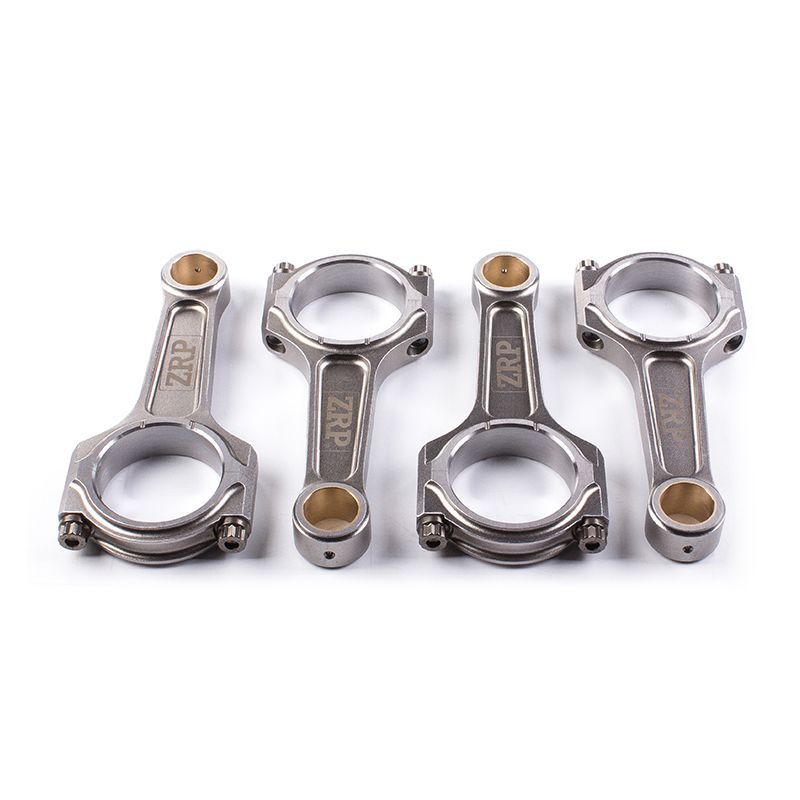
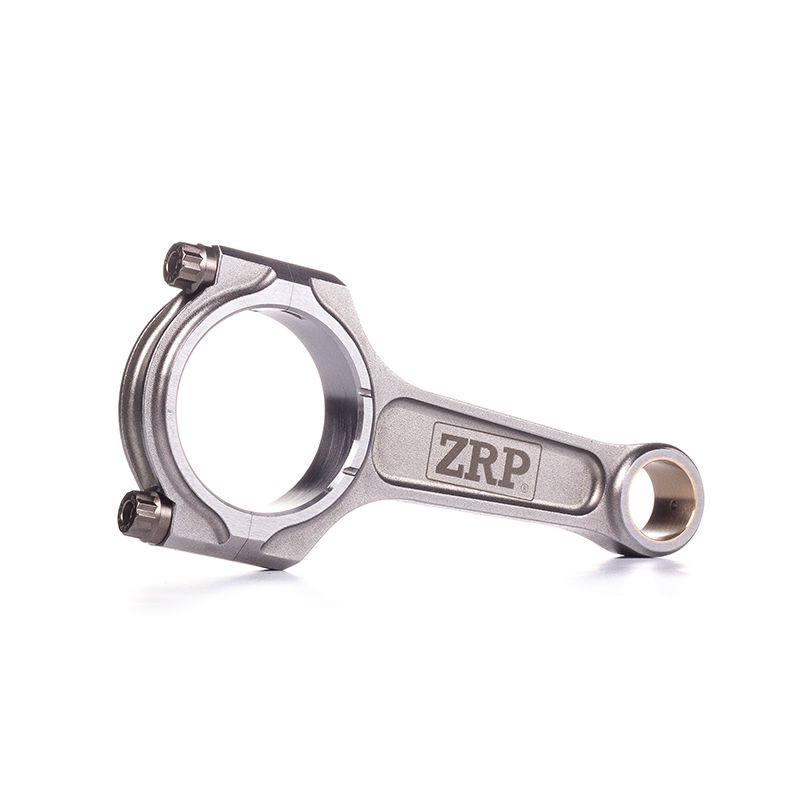
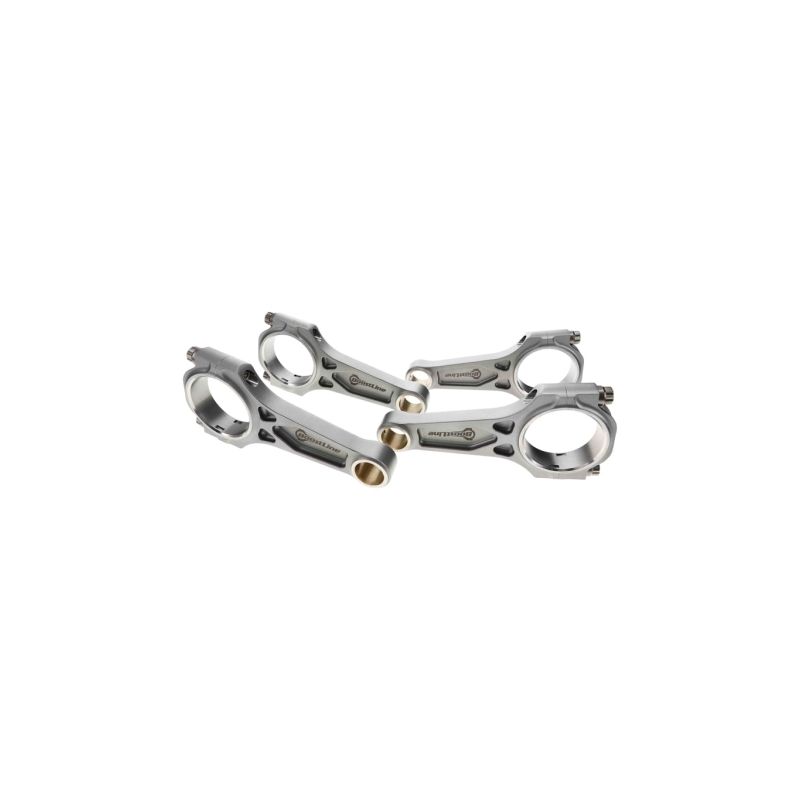
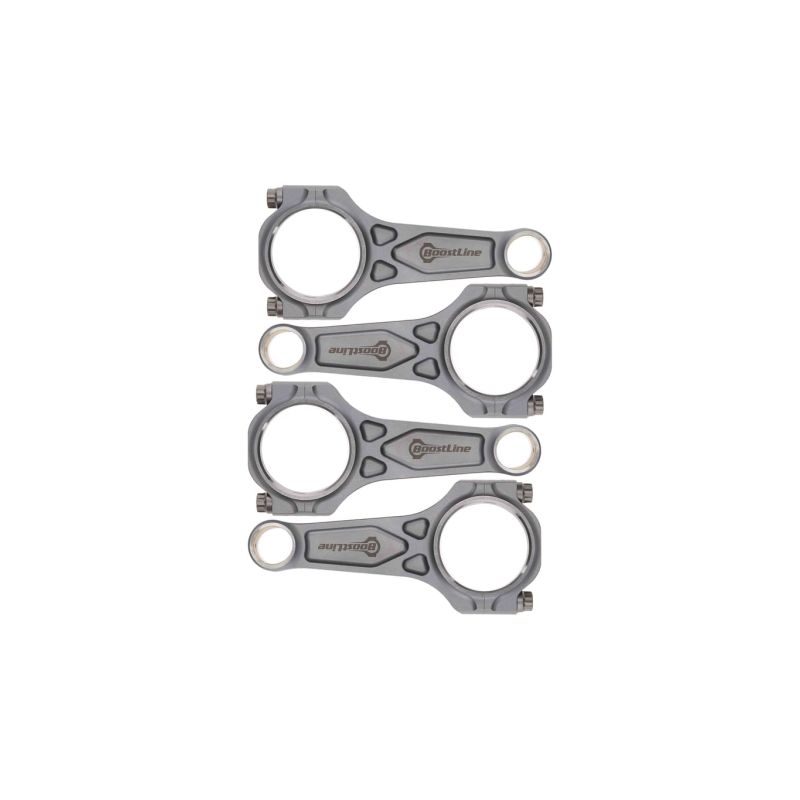
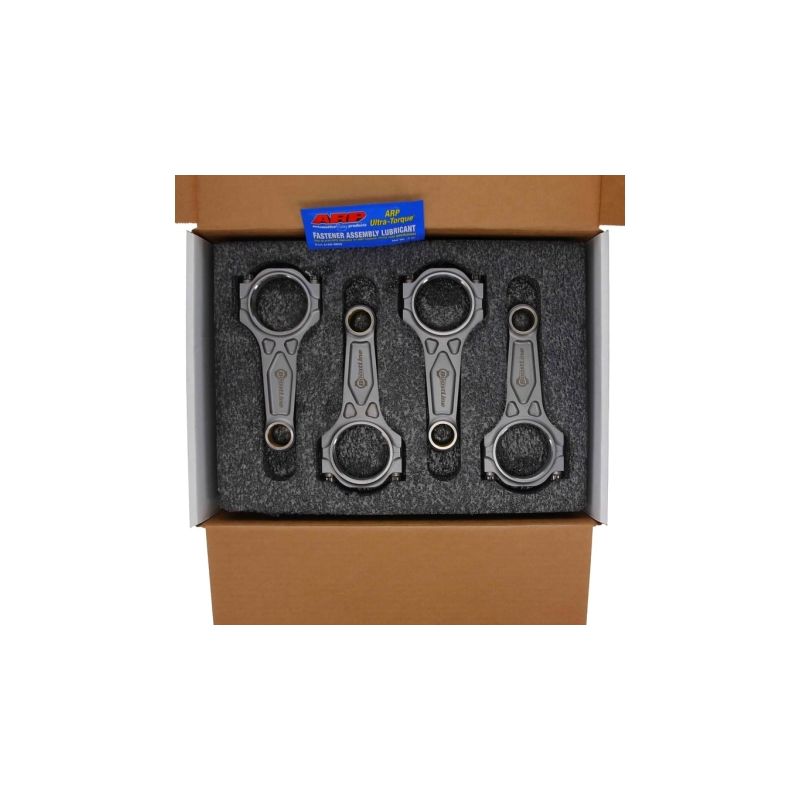
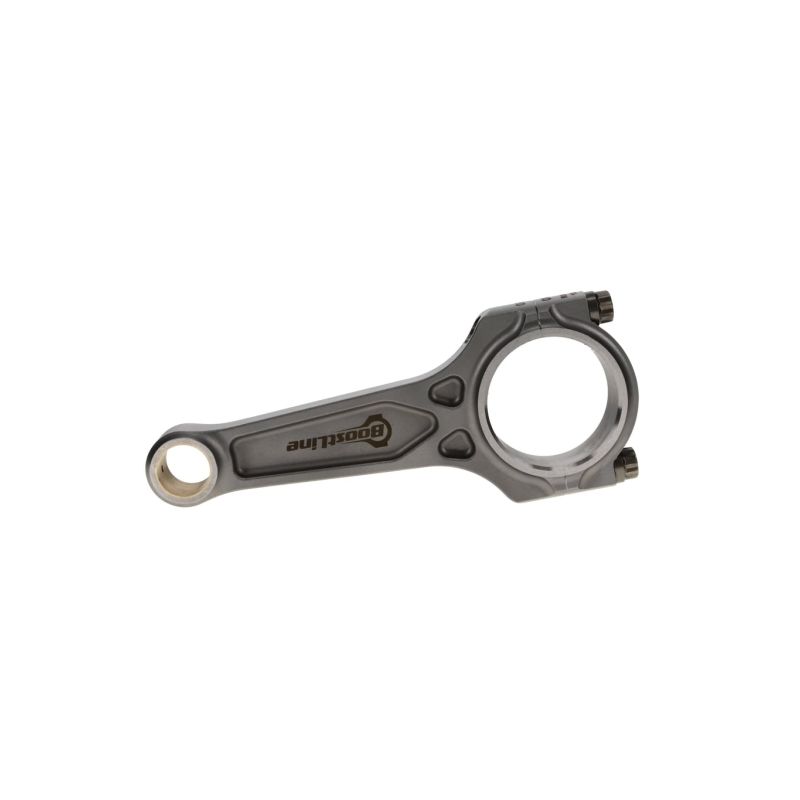
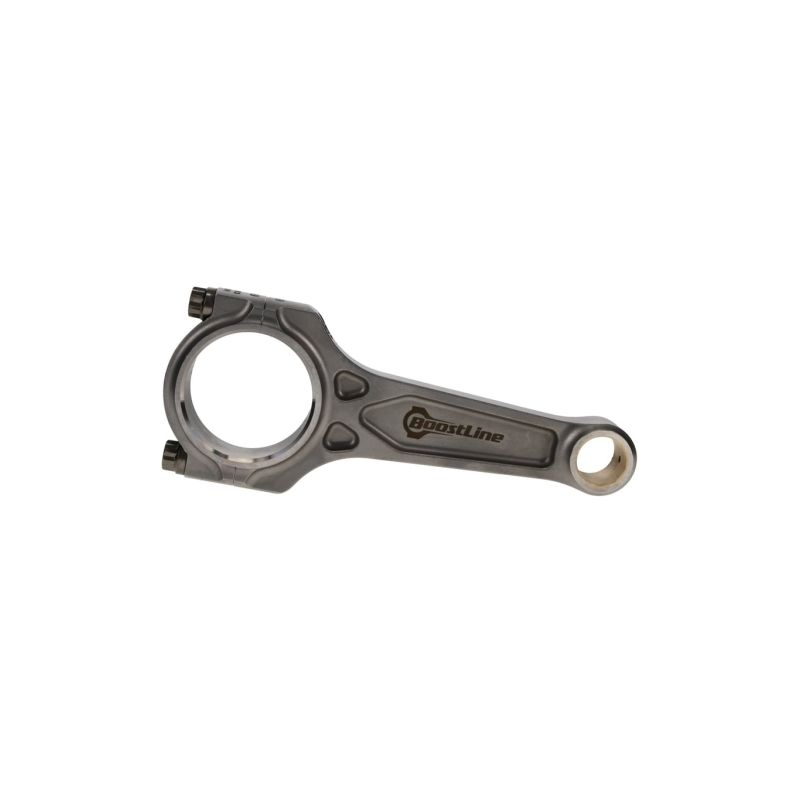
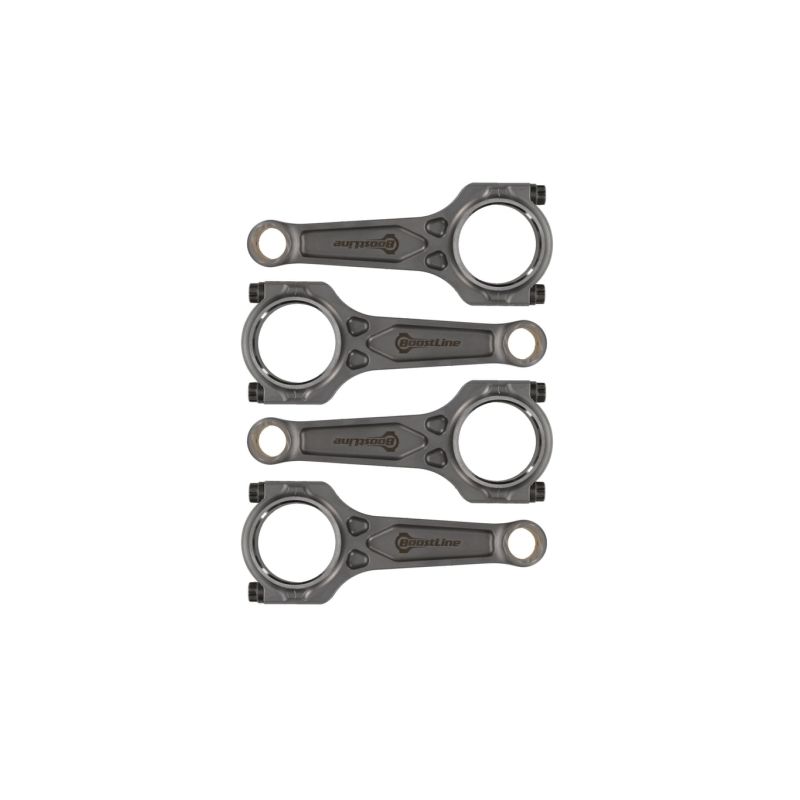
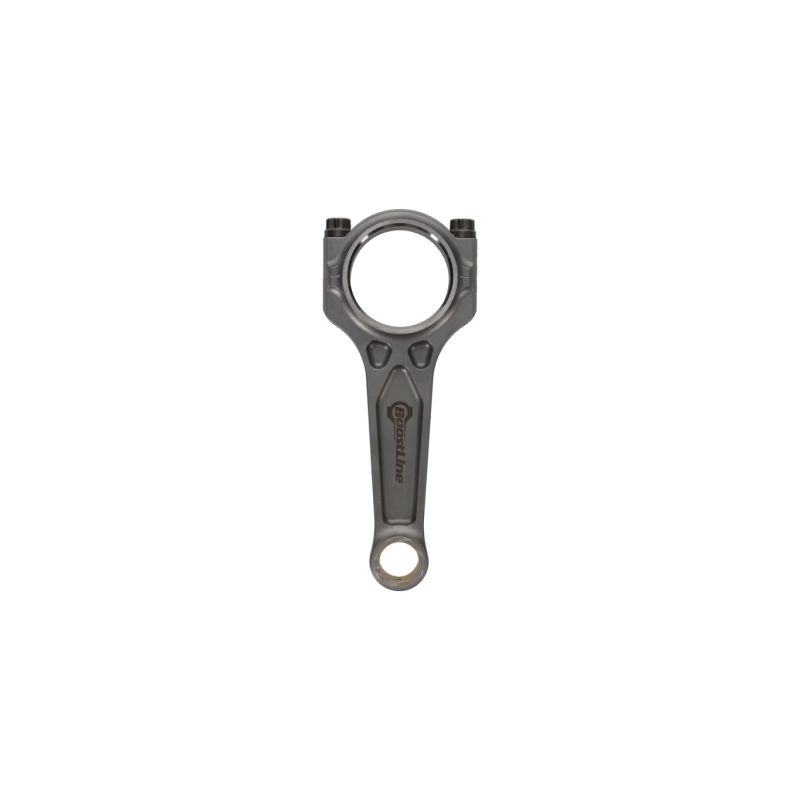
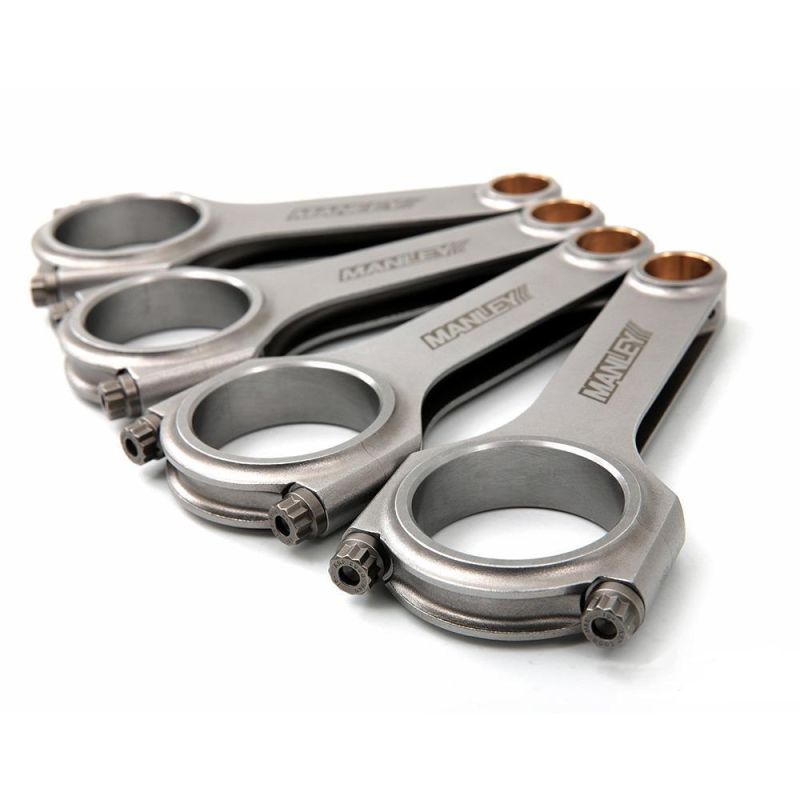
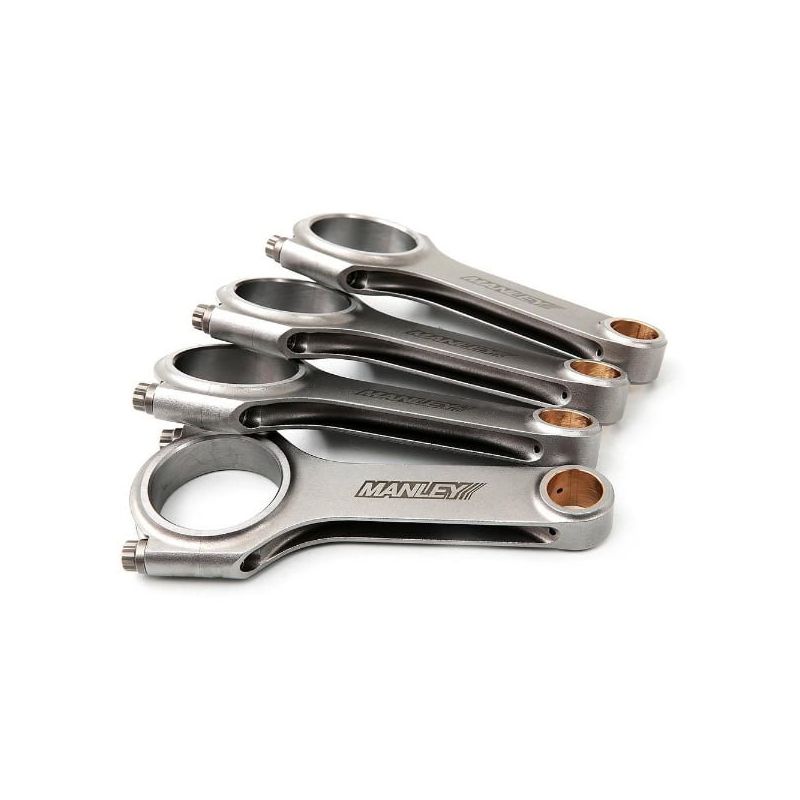
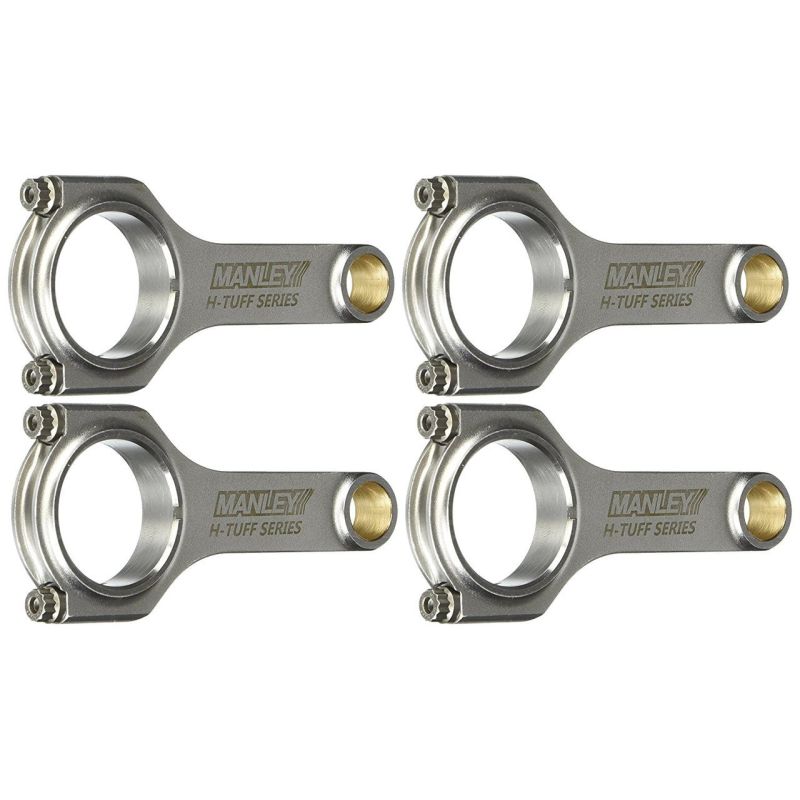
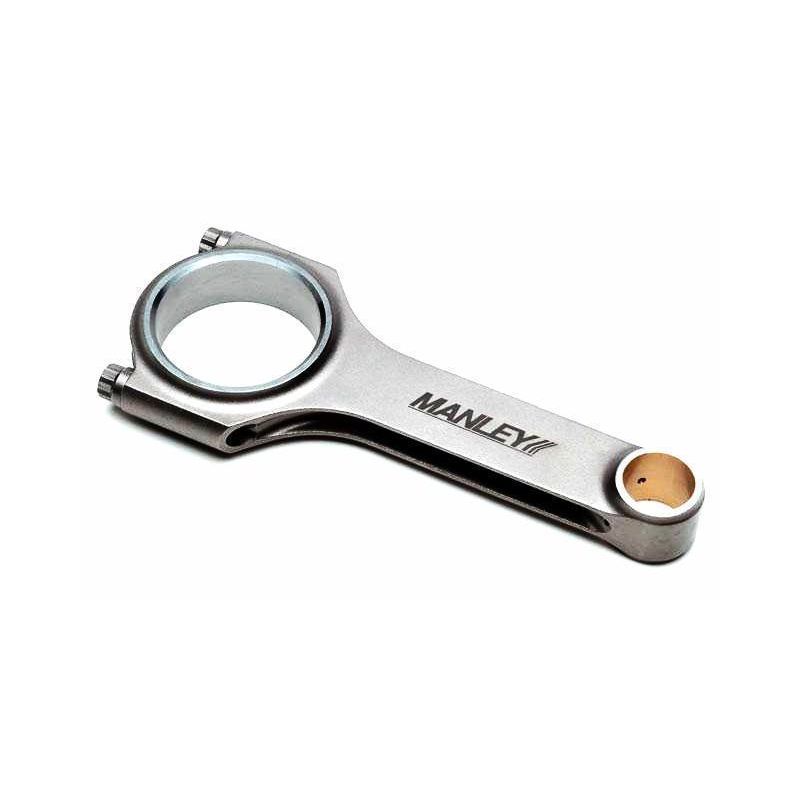
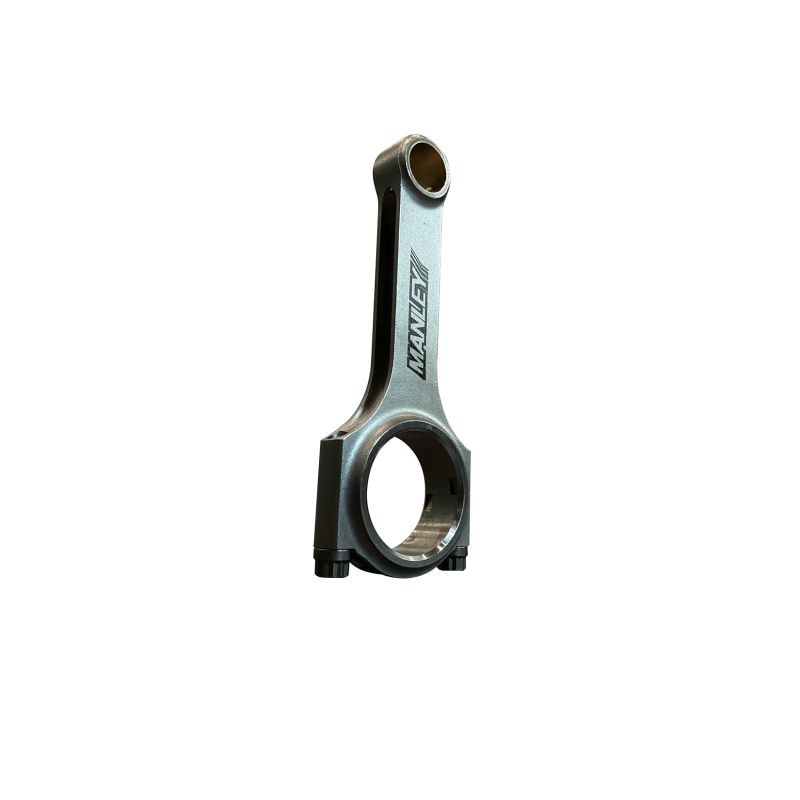
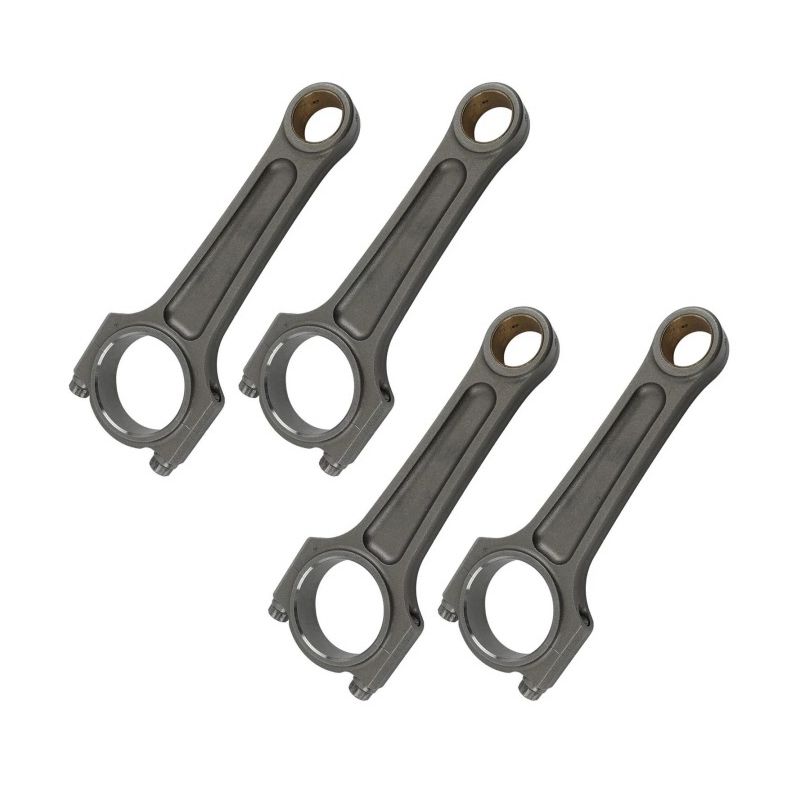
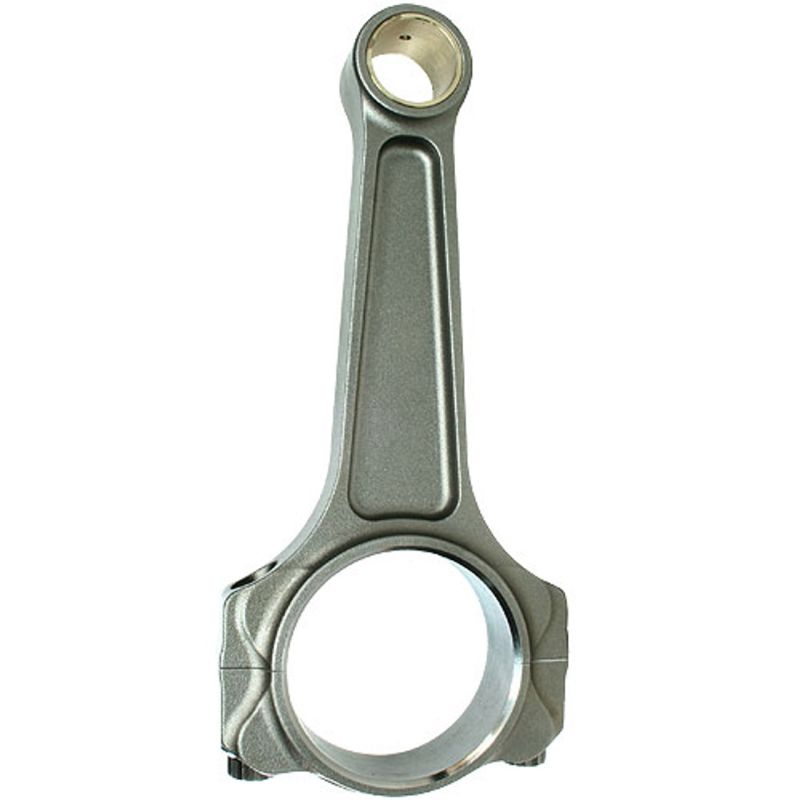
Set of 4 forged 4340 steel rods for Subaru Boxer EJ (130.5 mm centre, 23 mm pin).
The Subaru EJ is a family of horizontally-opposed four-cylinder (boxer) engines introduced in 1989 and built until 2021. Based on an aluminium block and a five-bearing crankshaft, it comes in 2.0 L (EJ20), 2.2 L (EJ22) and 2.5 L (EJ25) displacements, in single-cam (SOHC) as well as double overhead cam (DOHC) 16-valve versions. The turbocharged variants - EJ20G/EJ20K, then the “Phase 2” EJ205/EJ207 and finally the semi-closed-deck EJ255/EJ257 with AVCS variable valve timing - are the ones that built the brand’s sporting reputation.
They power the Impreza GT Turbo and WRX/STi, the Legacy RS/GT and the turbo Forester, from world rallying to street builds. The EJ boxer takes boost readily, but its factory connecting rod becomes the weak link as soon as boost pressure and torque climb: beyond 350–400 hp it bends or breaks. Switching to forged rods then becomes essential to secure the bottom end. That is precisely the role of the rods offered here, with a 130.5 mm centre distance and a 23 mm piston pin.
Machined from high-strength 4340 steel, forged connecting rods reinforce the bottom end as soon as torque and engine speed rise. They become essential when fitting forged pistons, increasing displacement, raising the rev limit or building a high-output engine, where the stock rod quickly reaches its limits. Designed to absorb the severe mechanical loads of built engines - naturally aspirated as well as boosted - they cover every discipline (rally, drift, drag, circuit and track days, hill climb, time attack) and support Stage 2, Stage 3 and Stage 4+ builds, right up to full race engines.
4340 is a low-alloy nickel-chromium-molybdenum steel used in both aerospace and motorsport. Hot-forged and then heat-treated (quenched and tempered), it combines a high yield strength, outstanding fatigue endurance and preserved ductility. Compared with a factory rod - often sintered metal optimised for production cost - a forged 4340 rod gains roughly +19% in yield strength, +8% in tensile strength and, above all, +19 to +37% in fatigue endurance, i.e. a service life under repeated loads several times longer. This is why forged 4340 is the benchmark as soon as engine speed and combustion pressure increase. |
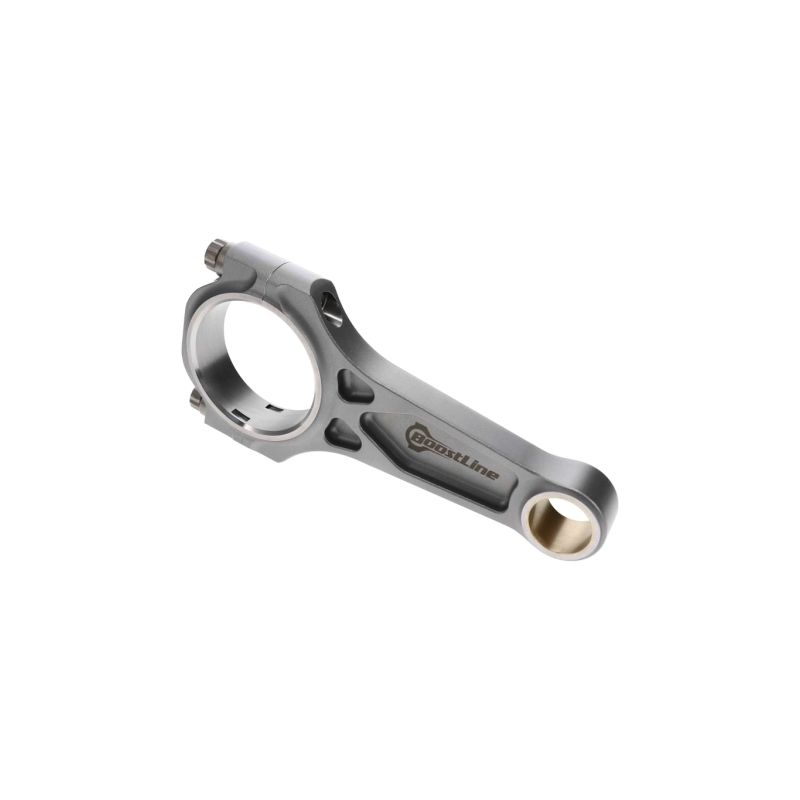
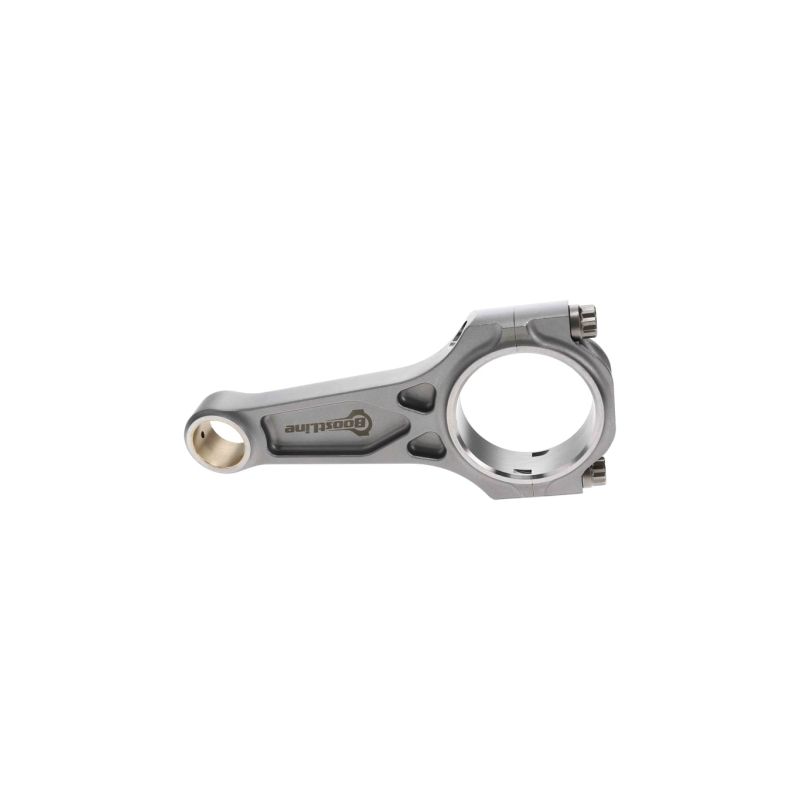
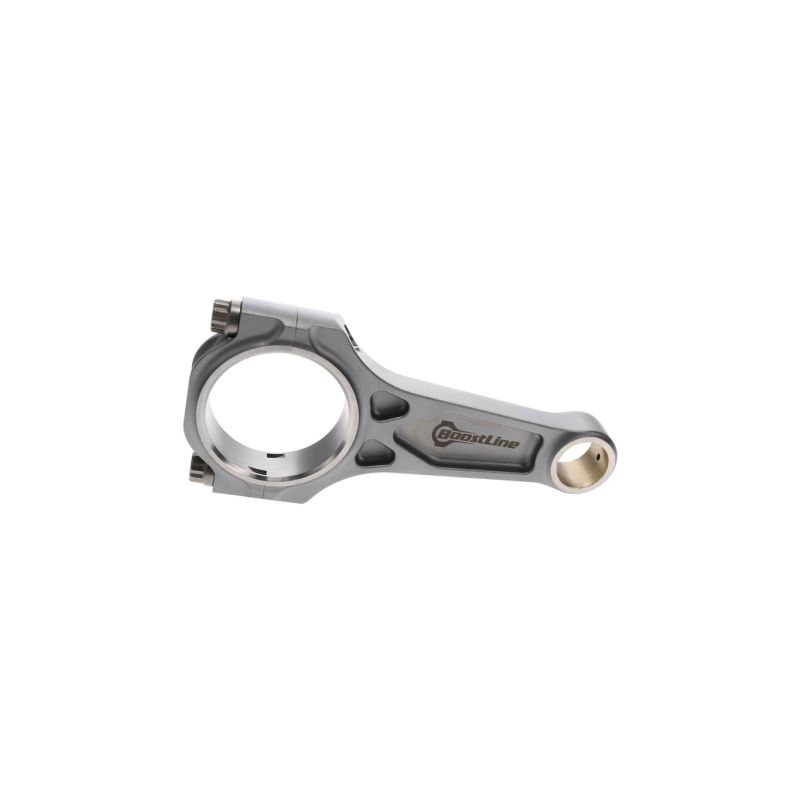
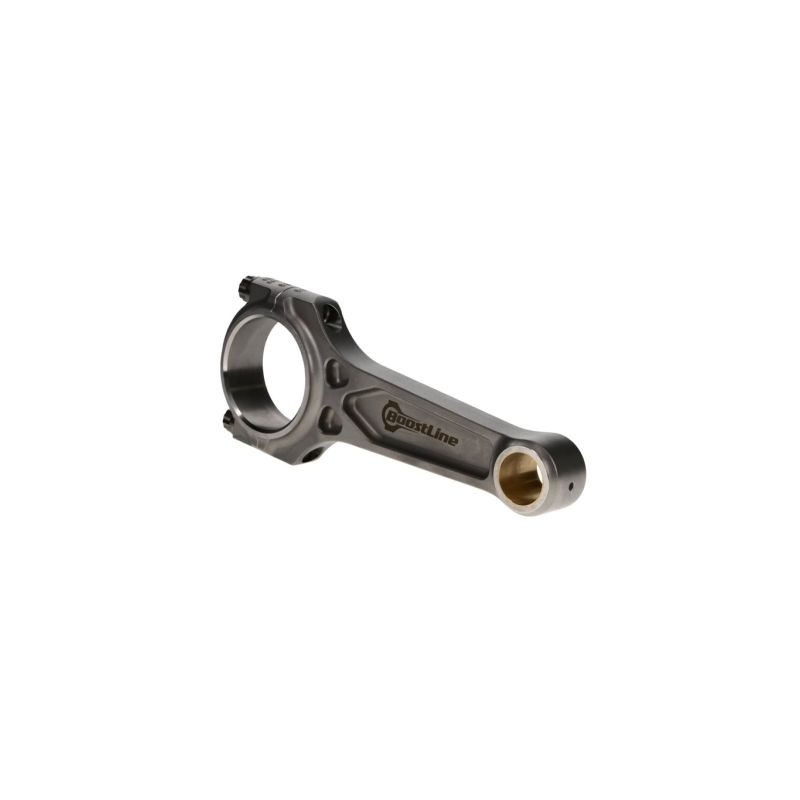
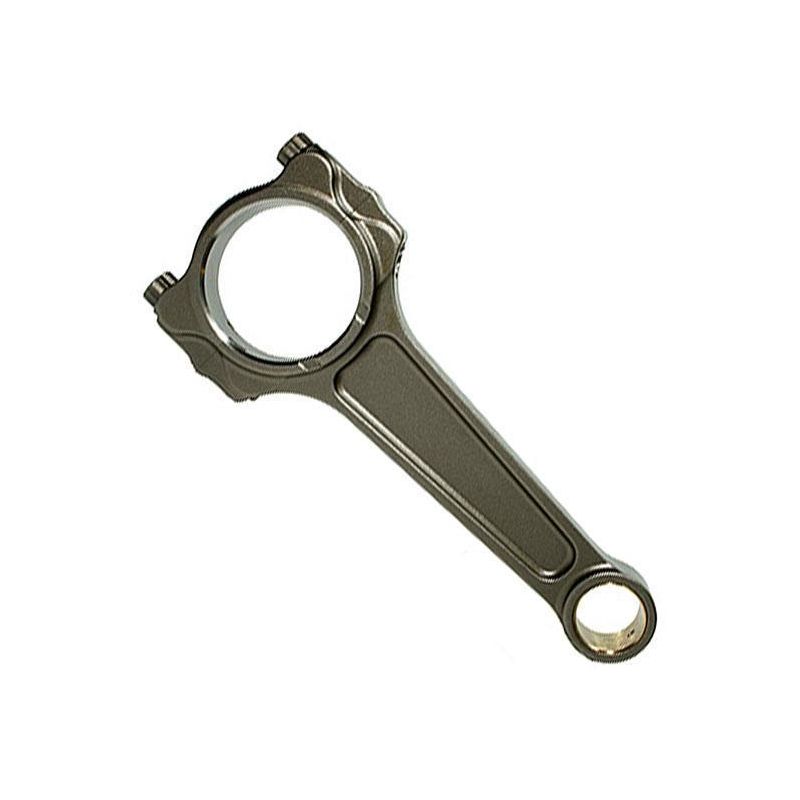
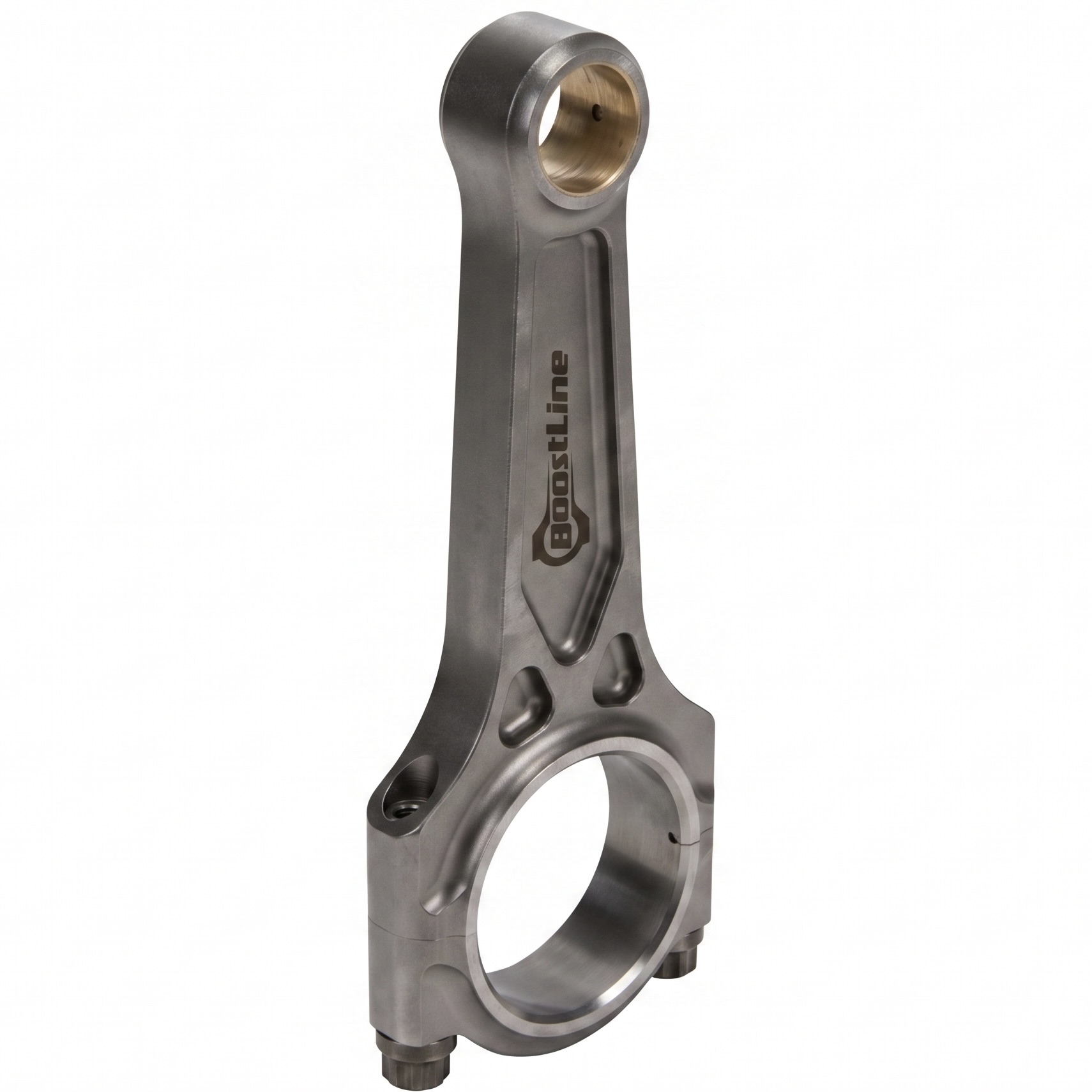 | I-3P profile. A three-pocket I-beam design by Boostline: material is placed exactly where needed to combine high stiffness with excellent buckling resistance while keeping mass in check. Engineered for heavily boosted engines, it absorbs high torque without weighing down the rotating assembly. |
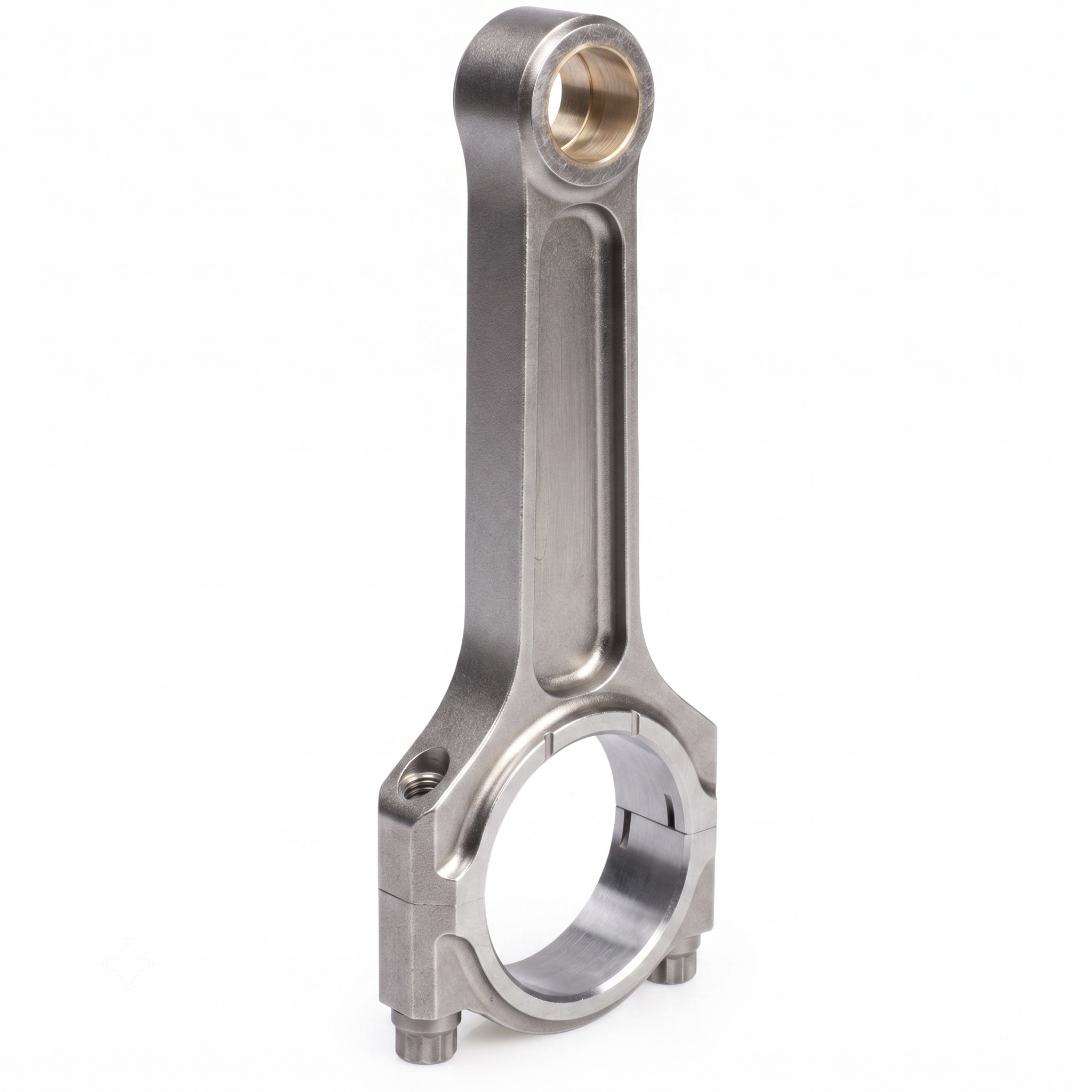
 | H profile. Its H-section favours resistance to compression and bending: it is the go-to profile for high-torque engines and drag use. The H-HD (Heavy Duty) version further thickens the rod body for the most demanding builds. |
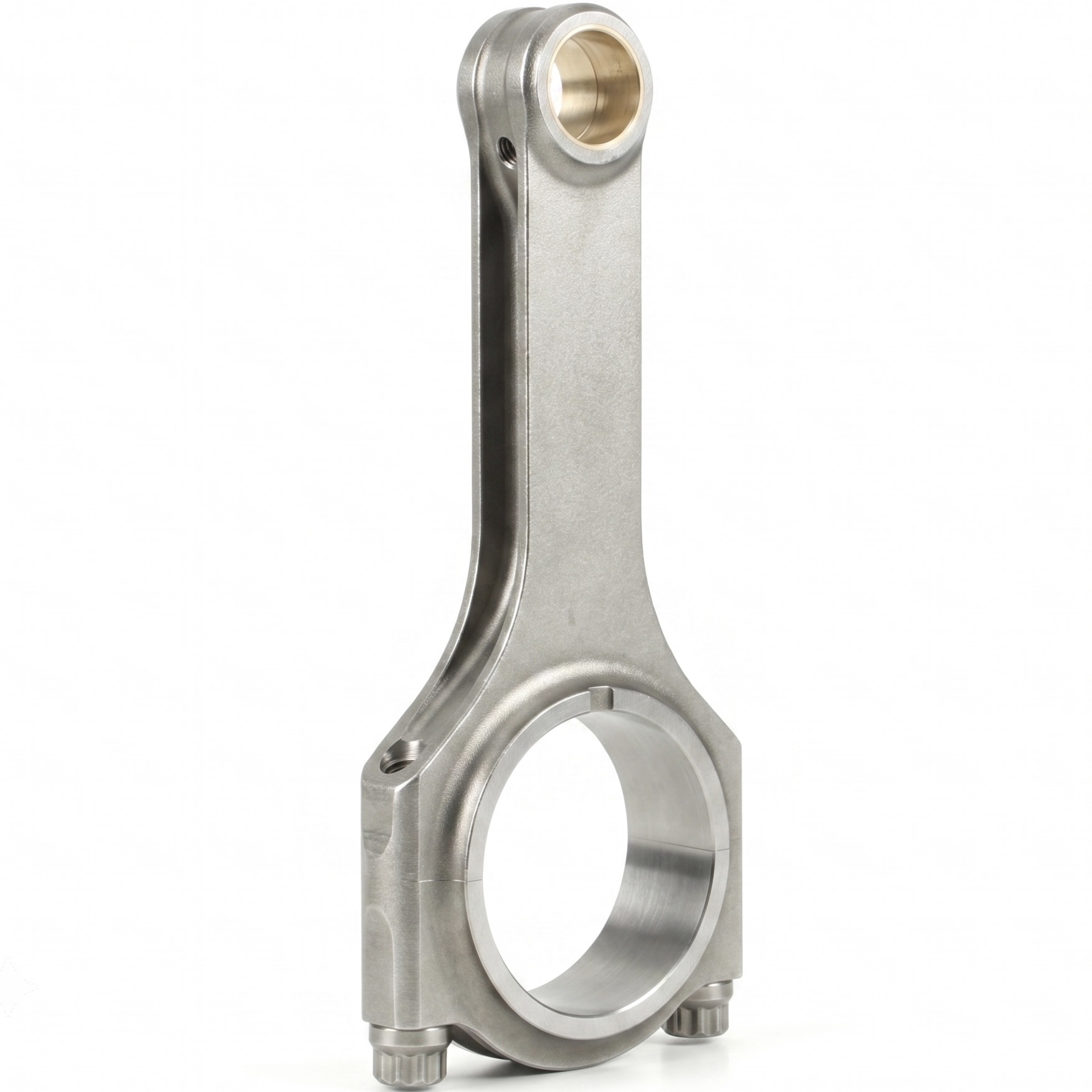
 | I / I-HD profile. Its narrower central I-section lightens the rod (less inertia, sharper rev pick-up). The I-HD version (Heavy Duty, Manley Pro Series Turbo Tuff) is a reinforced variant for high-revving turbo engines; ZRP’s “Pro Series” I profile is machined from 817M40T (EN24T) steel. |
| Reference | Brand | Profile | Bolts | Pin diameter (mm) | Small-end width (mm) | Big-end diameter (mm) | Big-end width (mm) | Centre distance (mm) | Weight (g) |
|---|---|---|---|---|---|---|---|---|---|
| SB5137-905 | Boostline | I-3P | ARP 2000-3/8"-38mm | 23 mm | 21,39 mm | 55,01 mm | 21,39 mm | 130,5 mm | 607 g |
| SB5137-905+ | Boostline | I-3P | ARP CA 625+-3/8"-38mm | 23 mm | 21,39 mm | 55,01 mm | 21,39 mm | 130,5 mm | 610 g |
| 14024-4 | Manley | H | ARP 2000-3/8"-38mm | 23 mm | 54,99 mm | 21,34 mm | 130,48 mm | 555 g | |
| 15024-4 | Manley | H-HD | ARP 2000-3/8"-38mm | 23 mm | 54,99 mm | 21,34 mm | 130,48 mm | 575 g | |
| 15024R6-4 | Manley | H-HD | ARP CA 625+-3/8"-38mm | 23 mm | 54,99 mm | 21,34 mm | 130,48 mm | 575 g | |
| 14416-4 | Manley | I-HD | ARP 2000-3/8"-41mm | 23 mm | 54,99 mm | 21,34 mm | 130,48 mm | 560 g | |
| 14416R6-4 | Manley | I-HD | ARP CA 625+-3/8"-41mm | 23 mm | 54,99 mm | 21,34 mm | 130,48 mm | 560 g | |
| R-SUB-001-H | ZRP | H | ARP 2000-3/8"-38mm | 23 mm | 55 mm | 17 mm | 130,5 mm | 498 g | |
| R-SUB-001-H-L19 | ZRP | H | ARP L19-3/8"-38mm | 23 mm | 55 mm | 17 mm | 130,5 mm | 498 g | |
| R-SUB-001-I | ZRP | I-HD | ARP 2000-3/8"-38mm | 23 mm | 55 mm | 17 mm | 130,5 mm | 555 g | |
| R-SUB-001-I-L19 | ZRP | I-HD | ARP L19-3/8"-38mm | 23 mm | 55 mm | 17 mm | 130,5 mm | 555 g | |
| R-SUB-001-IP | ZRP | I | ARP L19-3/8"-38mm | 23 mm | 55 mm | 17 mm | 130,5 mm | 525 g |
| Connecting rod | Bolts | Torque | Recommended stretch |
|---|---|---|---|
| Boostline I-3P | ARP 2000 | 75 N·m | 0,130–0,140 mm |
| Boostline I-3P | ARP CA 625+ | 115 N·m | 0,170–0,180 mm |
| Manley H | ARP 2000 | 81,3 N·m | 0,147–0,157 mm |
| Manley H-HD | ARP 2000 | 81,3 N·m | 0,147–0,157 mm |
| Manley H-HD | ARP CA 625+ | 88,1 N·m | 0,160–0,170 mm |
| Manley I-HD | ARP 2000 | 81,3 N·m | 0,147–0,157 mm |
| Manley I-HD | ARP CA 625+ | 88,1 N·m | 0,165–0,190 mm |
| ZRP H | ARP 2000 | 61 N·m | 0,140–0,152 mm |
| ZRP H | ARP L19 | 67,8 N·m | 0,152–0,165 mm |
| ZRP I-HD | ARP 2000 | 61 N·m | 0,140–0,152 mm |
| ZRP I-HD | ARP L19 | 67,8 N·m | 0,152–0,165 mm |
| ZRP I | ARP L19 | 67,8 N·m | 0,152–0,165 mm |
 The rod bolt is among the most heavily loaded parts of the engine. The whole point is to match the ARP grade to the real use of the build, then to scrupulously respect the assembly torque and stretch.
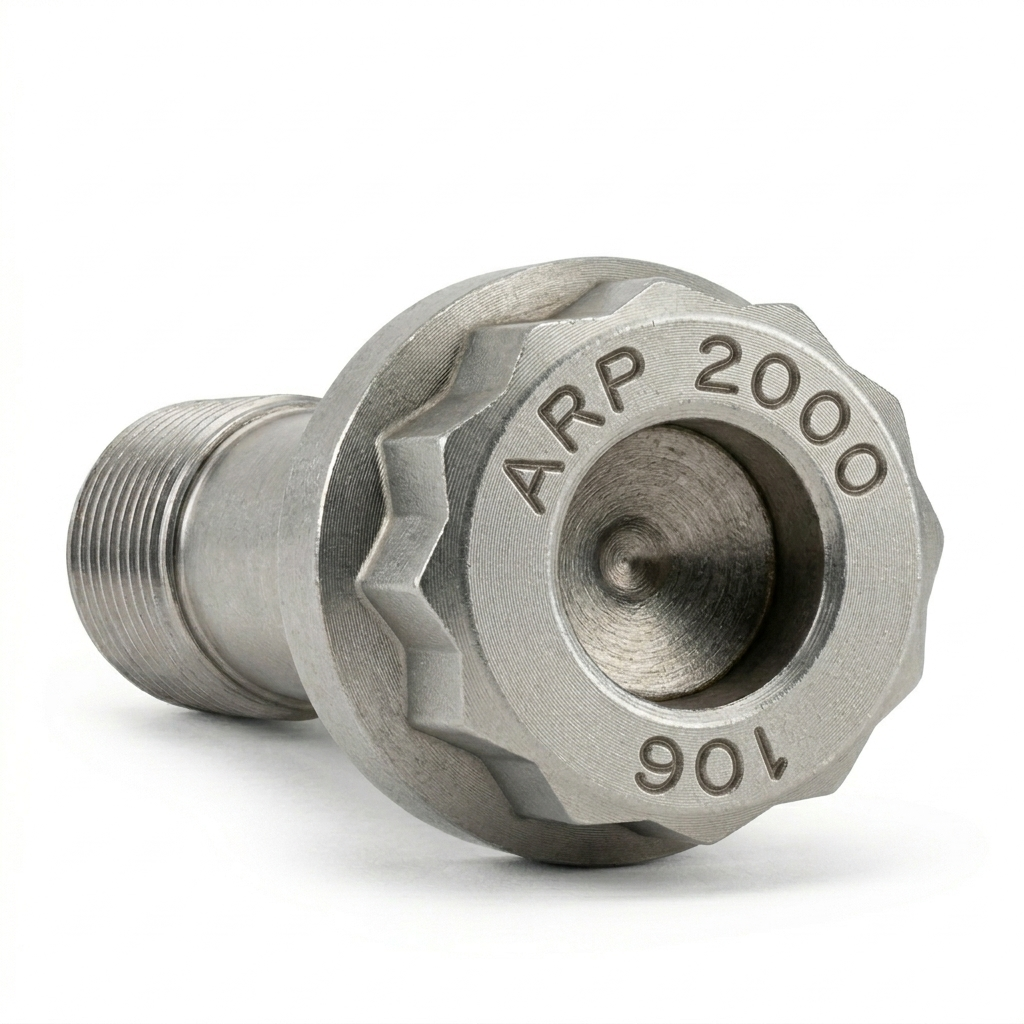 | ARP 2000 (tensile strength ~220,000 psi, i.e. ~1,517 MPa) is the base grade of every rod on this page, in 3/8"-38 mm or 3/8"-41 mm depending on the part. Rated up to 200 hp per cylinder in 3/8" and up to 8,500 rpm, it is the most common grade in circuit racing, trackdays, drift, rally, drag and hillclimb. On an EJ boxer, access to the caps means working rod by rod with method: threads blown out, seats free of burrs, assembly lubricant applied evenly, tightening in passes and preload confirmed through stretch measured with a dial gauge rather than with the torque wrench alone. These bolts need no special storage and can be reused as long as their free length stays unchanged. |
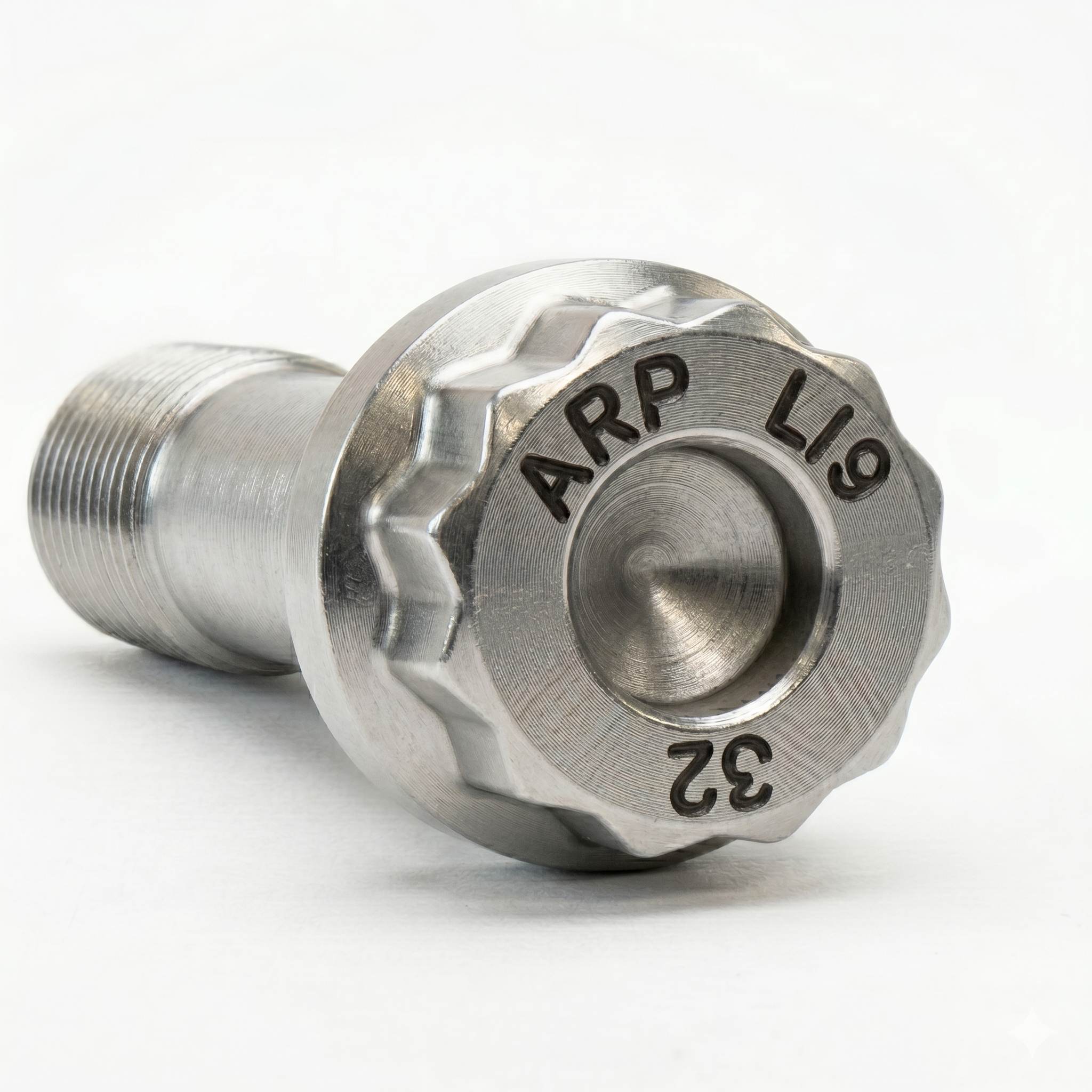 | ARP L19 is a very-high-strength grade (~260,000 psi, i.e. ~1,793 MPa), above ARP 2000, intended for heavily loaded, high-revving engines. Sensitive to hydrogen embrittlement, it requires particular care: the bolts must stay oiled and must not be stored bare in open air. |
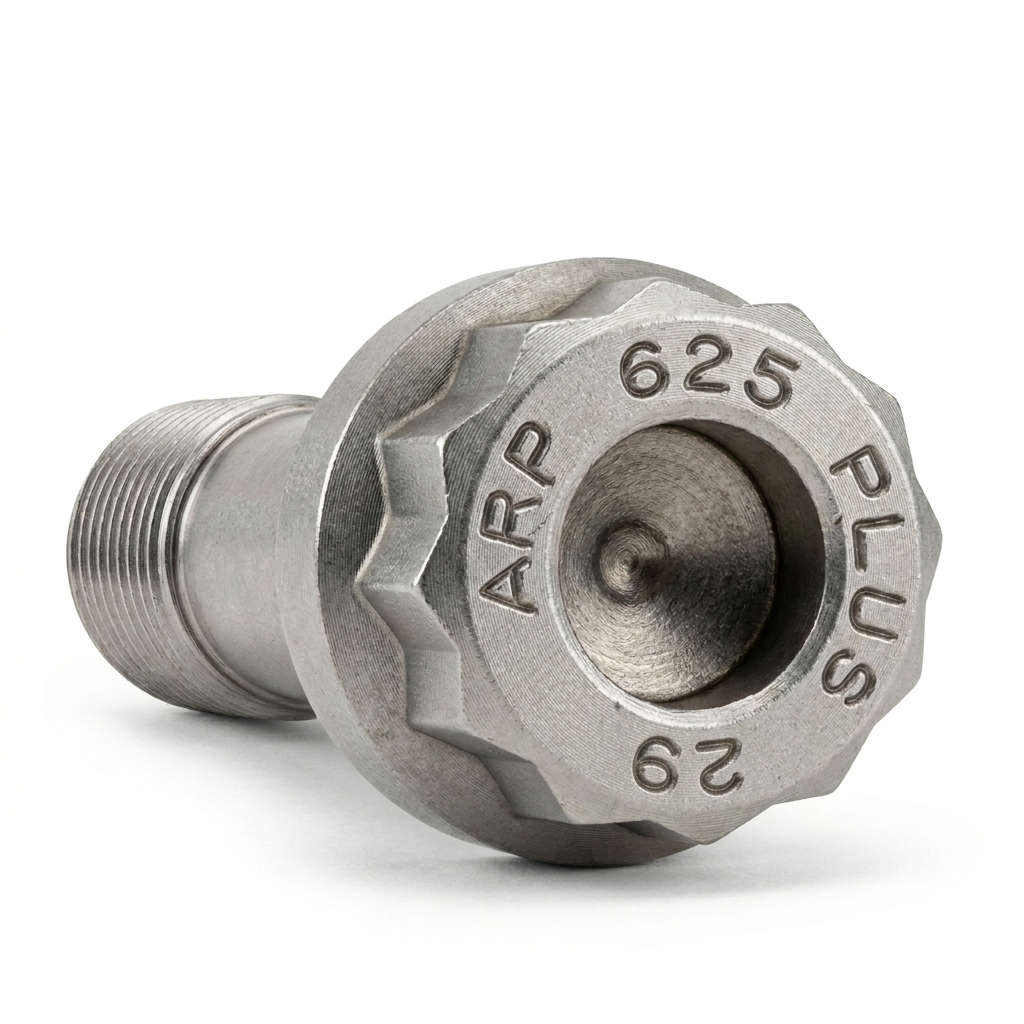 | ARP Custom Age 625+ is the extreme grade: its tensile strength reaches ~260,000 to 280,000 psi (~1,793 to 1,931 MPa). Immune to hydrogen embrittlement, it targets the most heavily stressed engines (big boost, high torque, drag use) where maximum safety margin is sought, with no storage constraint. |
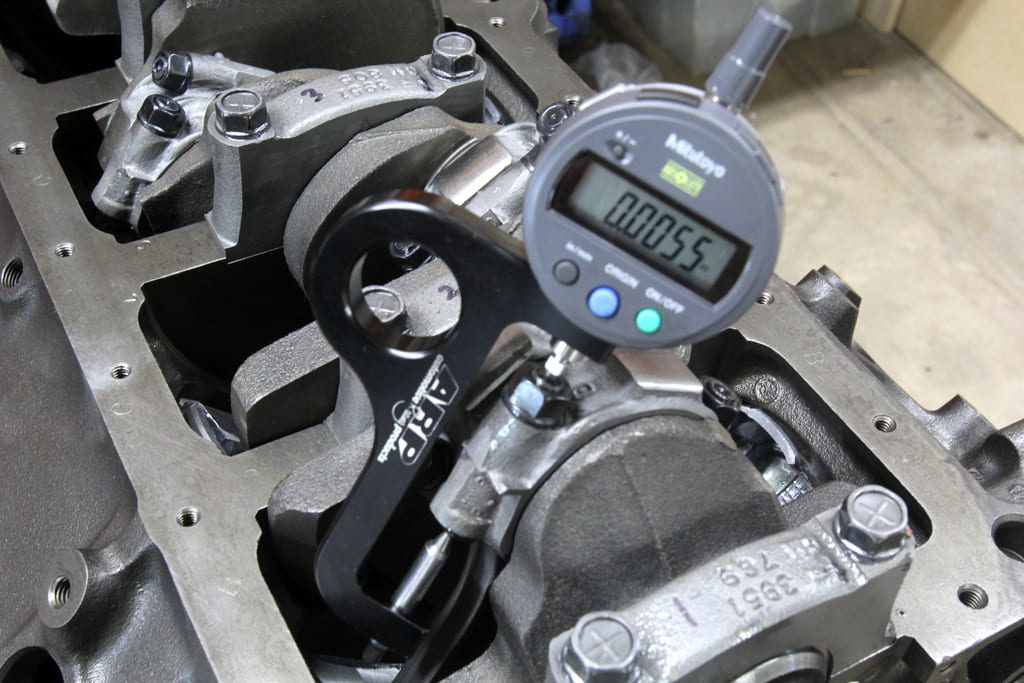
| Beyond tightening to torque, measuring rod-bolt stretch remains the most reliable check for reaching the target preload. The operation is done with the bolt fitted: a dial gauge is placed on the two ends of the bolt and the actual stretch is read, which must match the recommended value (“Recommended stretch” column in the table above). This guarantees even clamping and optimum durability in service. |
 | Boostline is an American brand of high-performance forged connecting rods. Forged from 4340 steel, its rods use the patented I-3P profile (three-pocket I-beam) sized for heavily boosted engines: high stiffness, buckling resistance and a large safety margin without penalising mass. It is offered here with ARP 2000 or ARP Custom Age 625+ bolts. |
 | Manley (Manley Performance) is one of the historic American manufacturers of competition engine parts. Its forged 4340 rods, weighed and matched, are available here in H / H-HD (Heavy Duty) profile and in I-HD profile (Pro Series Turbo Tuff range), with ARP 2000 or ARP Custom Age 625+ bolts. A safe bet for high-torque, high-rpm turbo builds. |
 | ZRP is a Greek brand of high-performance forged connecting rods, designed by Alex Drakos (Athens). Forged from 4340 steel - and from 817M40T (EN24T) steel for the “Pro Series” I-profile variant - its rods are offered in H, I-HD and I profiles, with ARP 2000 or ARP L19 bolts. An excellent strength/price balance, widely proven on built Subaru boxers. |
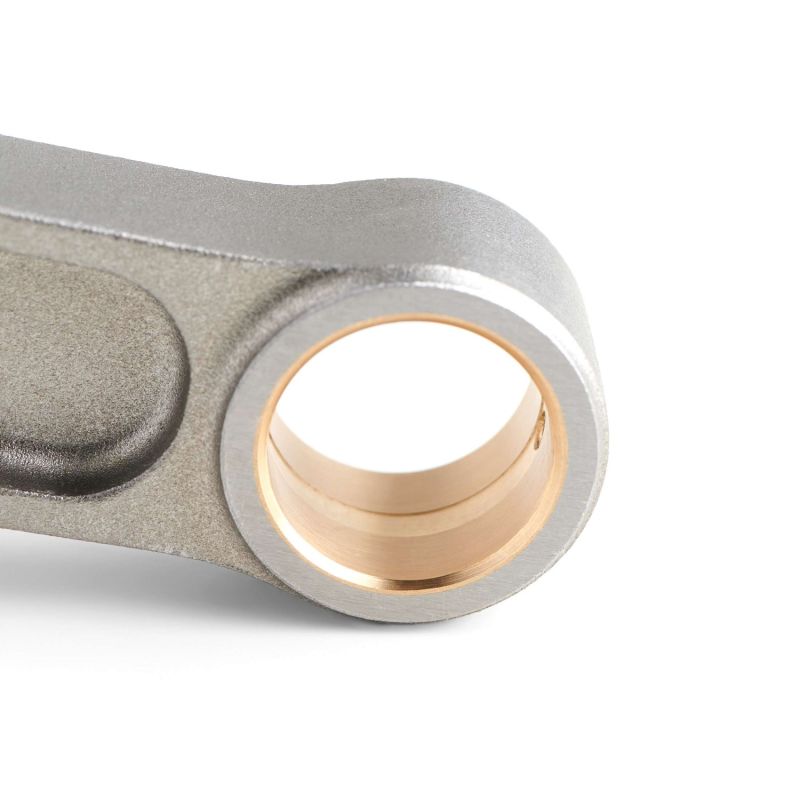
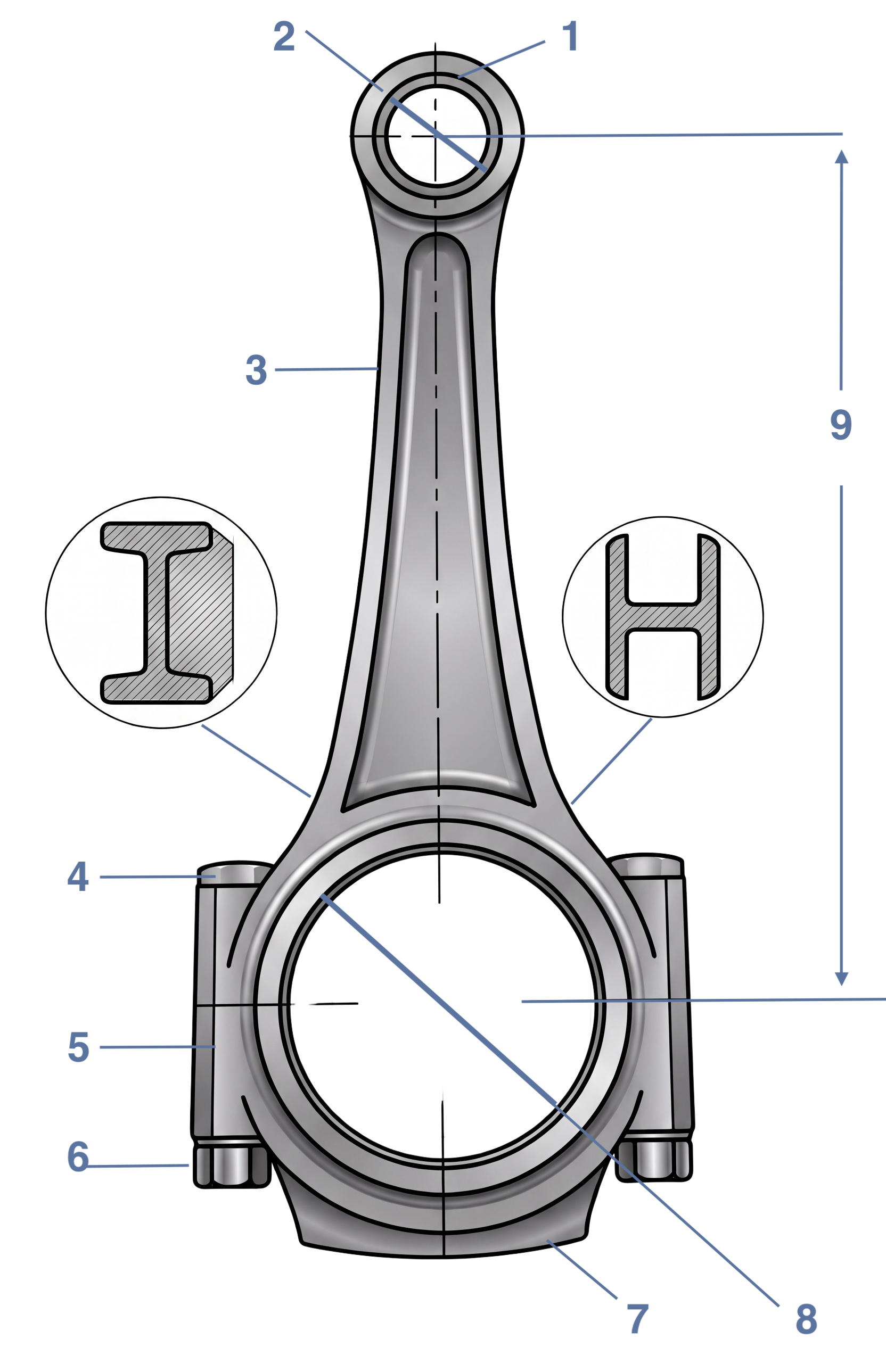 | 1) Small end 2) Small-end diameter 3) Rod beam 4) Rod bolt 5) Big end 6) Rod nut / bolt 7) Rod cap 8) Big-end diameter 9) Center-to-center |
Below is the list of vehicles equipped with the Subaru 2.0 / 2.2 / 2.5L 16V Boxer EJ engine. The piston pin diameter and the centre-to-centre length must be confirmed on your engine before ordering.
| Make | Model (chassis) | Engine code | Power | Years |
|---|---|---|---|---|
| Subaru | Impreza GT Turbo (GC8) | EJ20G / EJ20K | 211–280 ch | 1992–2000 |
| Subaru | Impreza WRX (GD) | EJ205 | 218–265 ch | 2000–2007 |
| Subaru | Impreza WRX STi (GD) | EJ207 | 261–280 ch | 2000–2007 |
| Subaru | Impreza WRX STi (GR/GV) | EJ257 | 300–330 ch | 2007–2014 |
| Subaru | Impreza WRX STi (VA) | EJ257 | 300–310 ch | 2014–2021 |
| Subaru | Forester XT (SF/SG) | EJ205 / EJ255 | 177–230 ch | 1998–2008 |
| Subaru | Legacy RS / GT (BC/BF) | EJ20G / EJ22ET | 200–220 ch | 1989–1994 |
| Subaru | Legacy GT (BL/BP) | EJ20 / EJ255 | 245–265 ch | 2003–2009 |
OEM reference: 12100AA181 (set of 4 rods).
When a stock bottom end fails (a broken, bent or scored rod), simply returning to the factory configuration means replacing the rods and, most often, the pistons damaged in the process: the bill climbs quickly for a standard repair. For a comparable budget, sometimes less, forged 4340 rods combined with forged pistons deliver far greater reliability and safety margin, plus real potential for power increases. It has been the choice of European engine builders for over fifteen years: for the same outlay, more reliability, more potential and more longevity.