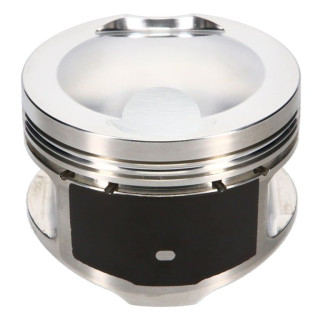
- In stock
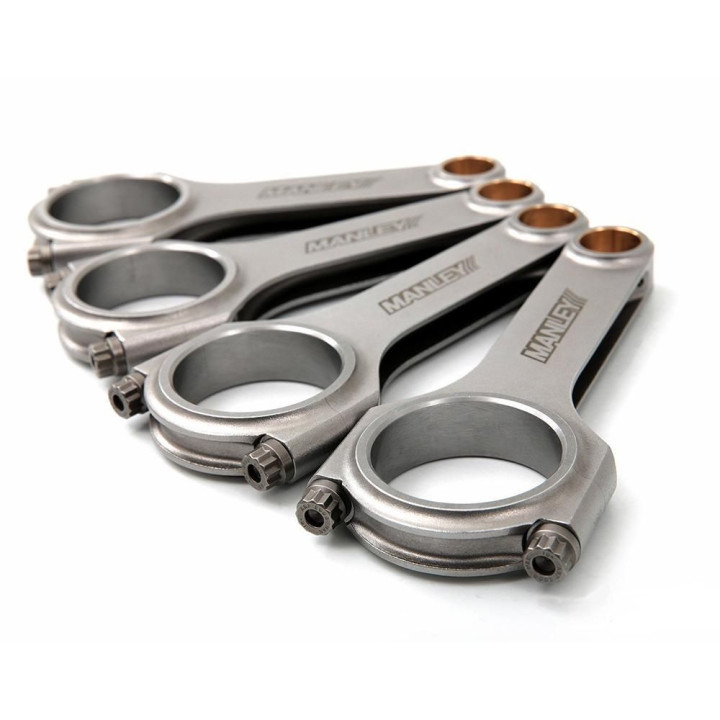
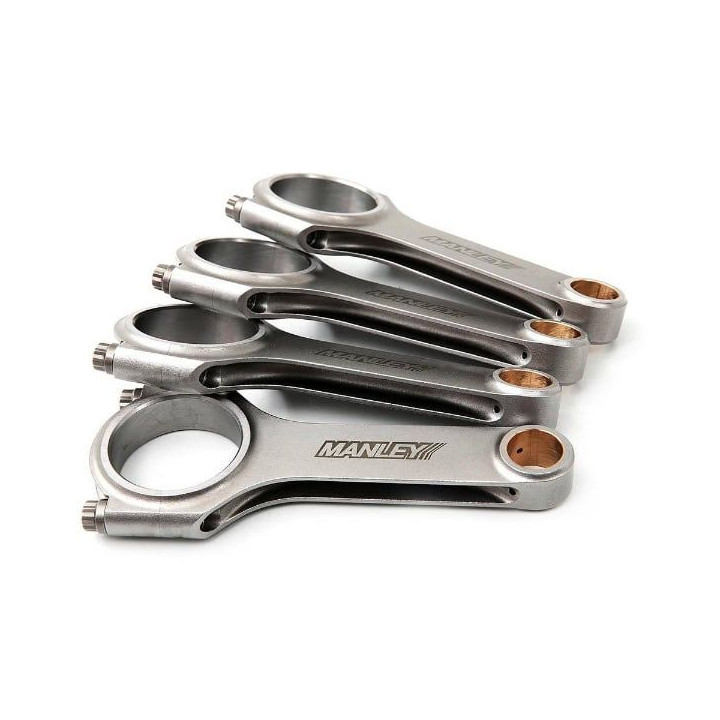


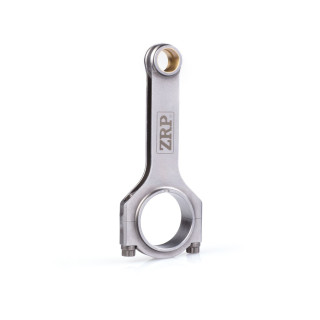
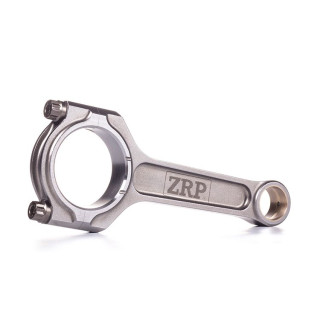
Forged connecting rods Honda - 2.0L 16V i-VTEC - K20 (Civic Type R EP3 / Integra DC5) for forged pistons
Set of 4 forged 4340 steel connecting rods for Honda K20 2.0 16V i-VTEC (Civic Type R EP3, Integra DC5).
Brands: Boostline, Manley, Wössner, ZRP
Compatibility: Honda Civic Type R EP3, Integra Type R DC5, Acura RSX Type-S
Engine codes: K20A, K20A2, K20A3, K20Z1
Bolts included: ARP 2000, L19 or CA 625+
The Honda K20 engine (2.0 16V i-VTEC)
The K20 is the naturally aspirated 2.0 L (1998 cc) four-cylinder of Honda's K family: sixteen valves, twin cam and i-VTEC variable timing acting on valve lift and phasing. In its most potent forms (K20A, K20A2, K20Z1) it spins to around 8,400 rpm and makes 200 to 220 hp without forced induction, which made it the engine of the Honda Civic Type R EP3, Integra Type R DC5 and Acura RSX Type-S. Revved hard, prepared for track use or converted to forced induction (turbo or supercharger), a K20 quickly raises cylinder pressure and inertia loads beyond what the factory sintered rods can absorb. It is then those rods that become the weak link of the rotating assembly, whether the goal is high rpm or load. Replacing them with weight-matched forged rods is the first step towards a reliable, durable K20 under hard use.
The forged connecting rods
Drop-forged and precision-machined, these rods withstand compression, bending and fatigue loads far beyond those the factory sintered K20 rods tolerate. They suit every sporting, high-load use: circuit, time attack, drift, drag, rally and hillclimb. Depending on the build, they support a high-revving, high-compression naturally aspirated K20 as readily as a Stage 2, Stage 3 or Stage 4 turbo or supercharger conversion. Supplied as a complete set of 4, weight-matched, they preserve the balance of the rotating assembly and the resistance to the repeated high-rpm sweeps typical of i-VTEC. All keep the K20's 22 mm piston pin, for a center-to-center length close to 139 mm.
Technical specifications of the K20 forged rods (22 mm pin, 139 mm center-to-center)
| Reference | Brand | Profile | Bolts | Pin Ø (mm) | Small-end width (mm) | Big-end Ø (mm) | Big-end width (mm) | Center-to-center (mm) | Weight (g) |
|---|---|---|---|---|---|---|---|---|---|
| HN5472-866 | Boostline | I-3P | ARP 2000-3/8"-38mm | 22 | 20 | 51 | 19,86 | 139 | 590 |
| HN5472-866+ | Boostline | I-3P | ARP CA625+-3/8"-38mm | 22 | 20 | 51 | 19,86 | 139 | 590 |
| 14014-4 | Manley | H | ARP 2000-3/8"-38mm | 22 | 51 | 19,81 | 138,99 | 525 | |
| 14404-4 | Manley | I-HD | ARP 2000-3/8"-41mm | 22 | 51 | 19,81 | 138,99 | 575 | |
| 14404R6-4 | Manley | I-HD | ARP CA625+-3/8"-41mm | 22 | 51 | 19,81 | 138,99 | 575 | |
| KCR362A | Wössner | I | ARP 2000-3/8"-41mm | 22 | 51 | 19,8 | 139 | 586 | |
| R-HON-010HL | ZRP | H-Lite | ARP 2000-3/8"-38mm | 22 | 51 | 19,83 | 138,9 | 436 | |
| R-HON-010HL-L19 | ZRP | H-Lite | ARP L19-3/8"-38mm | 22 | 51 | 19,83 | 138,9 | 436 | |
| R-HON-010-I | ZRP | I-HD | ARP 2000-3/8"-38mm | 22 | 51 | 19,83 | 138,9 | 506 | |
| R-HON-010-I-L19 | ZRP | I-HD | ARP L19-3/8"-38mm | 22 | 51 | 19,83 | 138,9 | 506 |
R-HON-010-I, R-HON-010-I-L19: Recommended for forced induction engines.
R-HON-010HL, R-HON-010HL-L19: Recommended for naturally aspirated engines.
Tightening torque and stretch
The K20 is reassembled in stages: run the bolts down by hand, tighten to a third then two thirds of the target figure, and only then finish at the value given in the table. Splitting the tightening lets the cap settle and keeps the reading honest. Depending on the variant chosen the hardware is ARP 2000, ARP CA625+ or ARP L19 in 3/8", and each grade has its own figures: they are the ones specified by the bolt manufacturer, to be followed scrupulously and never carried across from one row of the table to another. Stretch read on the dial gauge remains the reference measurement, torque merely confirming it.
| Rod | Bolts | Torque | Recommended stretch |
|---|---|---|---|
| Boostline I-3P (HN5472-866) | ARP 2000 | 75 N·m | 0,130 – 0,140 mm |
| Boostline I-3P (HN5472-866+) | ARP CA625+ | 115 N·m | 0,170 – 0,180 mm |
| Manley H (14014-4) | ARP 2000 | 81,3 N·m | 0,147 – 0,157 mm |
| Manley I-HD (14404-4) | ARP 2000 | 81,3 N·m | 0,147 – 0,157 mm |
| Manley I-HD (14404R6-4) | ARP CA625+ | 88,1 N·m | 0,165 – 0,190 mm |
| Wössner I (KCR362A) | ARP 2000 | 74,6 N·m | 0,1397 – 0,1524 mm |
| ZRP H (R-HON-010HL) | ARP 2000 | 61 N·m | 0,140 – 0,152 mm |
| ZRP H (R-HON-010HL-L19) | ARP L19 | 67,8 N·m | 0,152 – 0,165 mm |
| ZRP I-HD (R-HON-010-I) | ARP 2000 | 61 N·m | 0,140 – 0,152 mm |
| ZRP I-HD (R-HON-010-I-L19) | ARP L19 | 67,8 N·m | 0,152 – 0,165 mm |
Forged rods technical guide
4340 forged steel
These rods are forged from 4340 low-alloy nickel-chromium-molybdenum steel, the benchmark for high-performance rods. Forged, then quenched and tempered, it keeps a continuous grain flow that gives high tensile strength and excellent fatigue life, two decisive qualities on a K20 that revs high and long. Compared with a cost-optimised sintered factory rod, a forged 4340 rod gains about +19% yield strength, +8% tensile strength and +19 to +37% in fatigue endurance. It is this margin that lets a K20 pushed in rpm or boost absorb cylinder-pressure peaks and inertia loads without breakage.
The rod profile
The range comes in three profile families: the H (ZRP, Manley), versatile; the optimised Wössner I and its reinforced I-HD version (ZRP, Manley); and the Boostline I-3P for the most demanding builds. The specification table gives, for each reference, the center-to-center length, big-end diameter, big-end width and weight, to choose by power and rpm target.
 |
H profile: two wide, flat flanks joined by a central web form its “H” section and give the rod a massive, uniform body from end to end. On prepared naturally aspirated engines that rev very high, such as the K20, it is the preferred profile, as it brings great robustness to the bottom end. |
|
H-Lite profile: a lightened version of the H profile, it keeps the two flat flanks and central web of the “H” section while reducing mass to ease the rotating assembly. ZRP designed it to help the engine rev up with proven reliability at high rpm, and recommends it for naturally aspirated engines. |
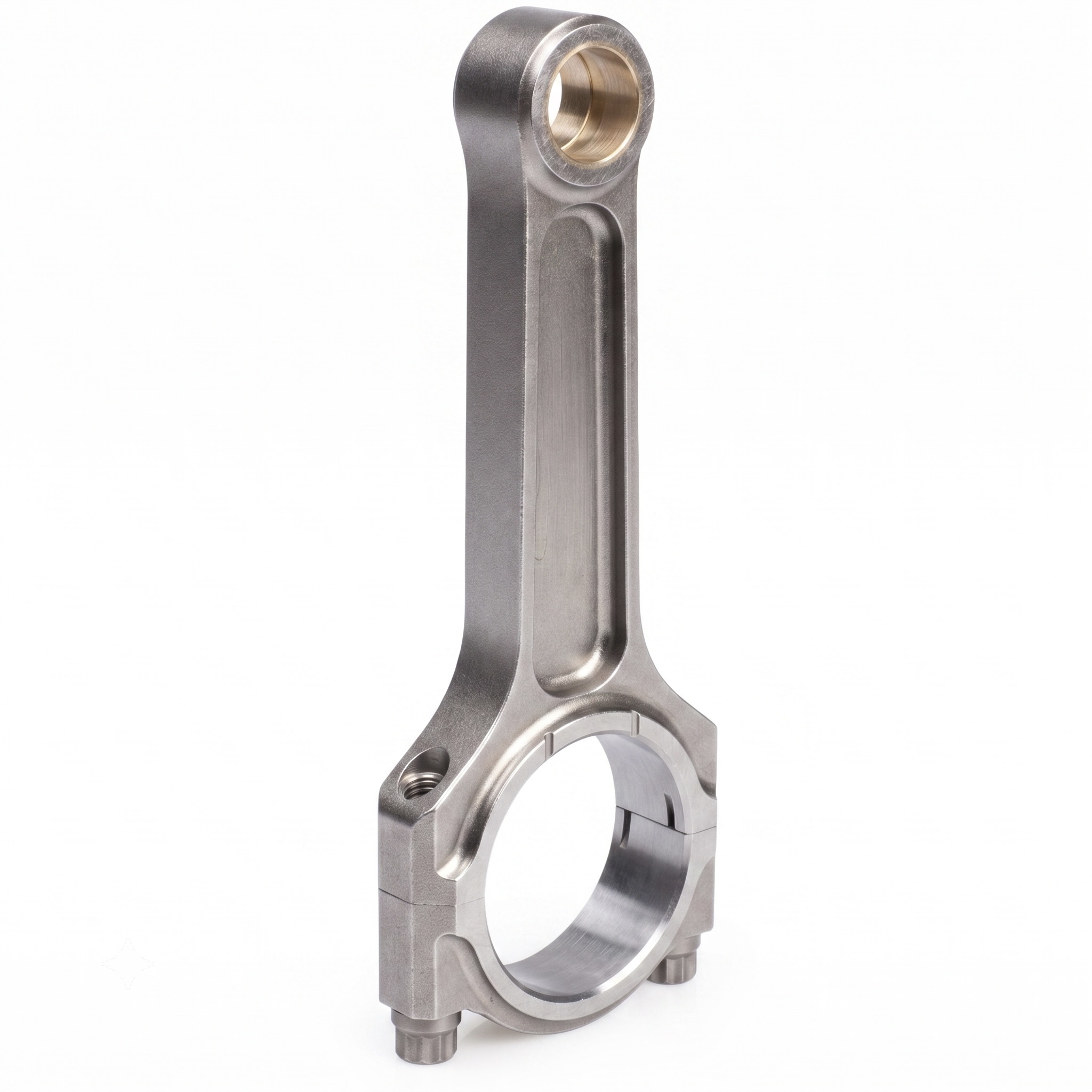 |
I and I-HD profiles: its slimmed central web, held between two flanges that form the “I”, keeps the rod very stiff for a controlled mass; at Wössner this profile is called the A-Beam. The manufacturer designs it for high performance and long durability, and it suits builds that look above all for a strong bottom end. Its I-HD (Heavy Duty) version, with a thicker, reinforced beam, is aimed at extreme loads, with turbo, supercharger or nitrous oxide. |
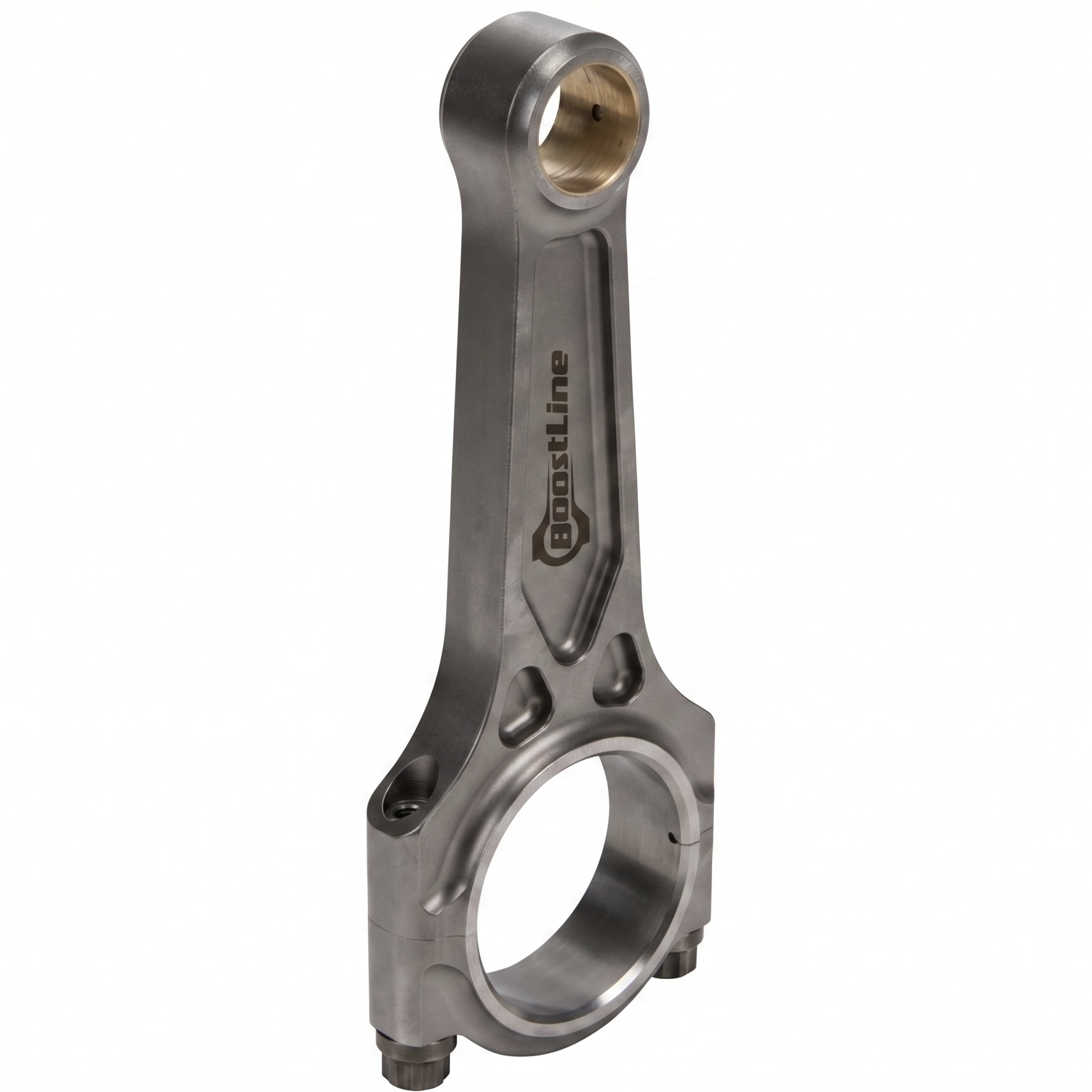 |
I-3P profile: a patented three-pocket section devised by Boostline to combine the qualities of H and I sections, with maximum strength and reduced rotating mass. The manufacturer intends it for forced-induction engines, up to high boost pressures, whether turbocharged, supercharged or running nitrous oxide. |
How to choose your rod bolts? 
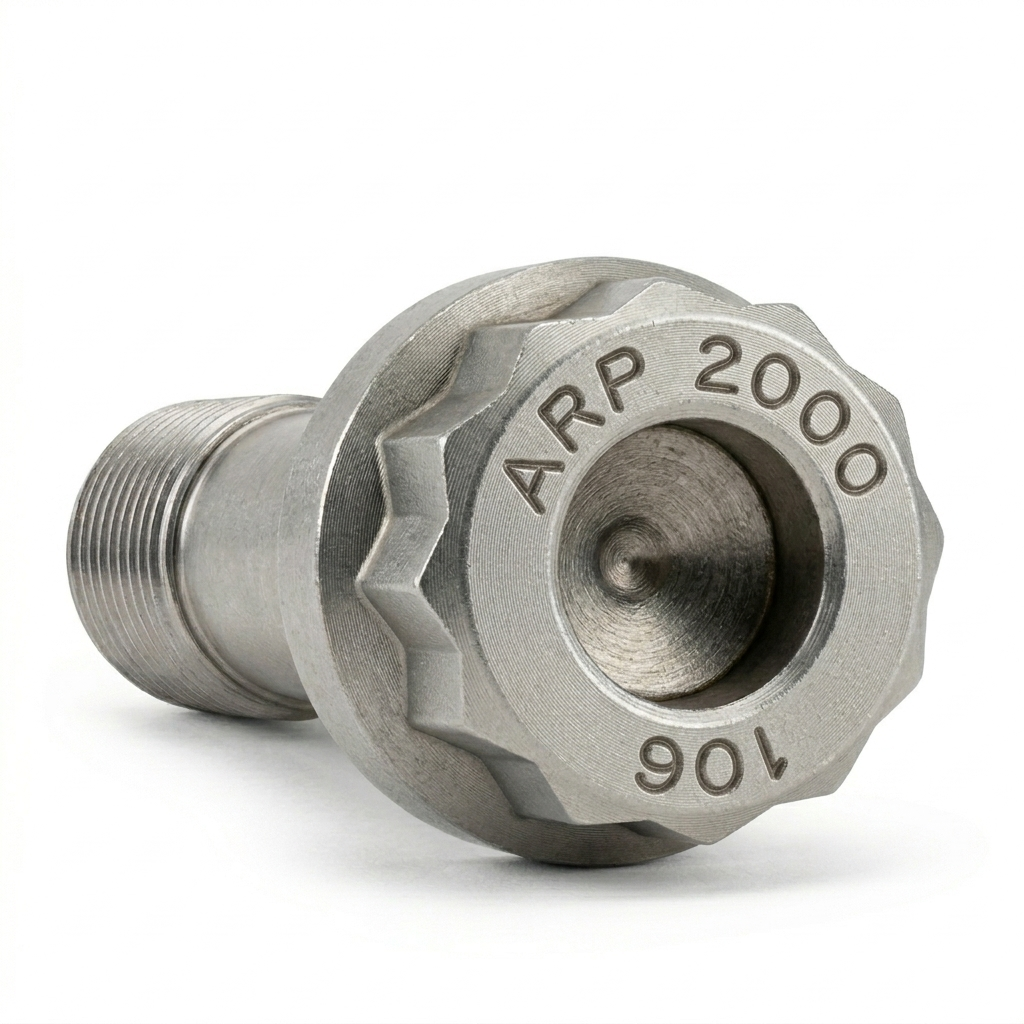 |
ARP 2000: the all-round benchmark alloy, with a tensile strength of about 220,000 psi (1,517 MPa). Offered here in 3/8" diameter, it covers the vast majority of K20 builds, up to about 200 hp per cylinder, at speeds reaching 8,500 rpm. It is the default choice for a reliable high-revving sporting K20. |
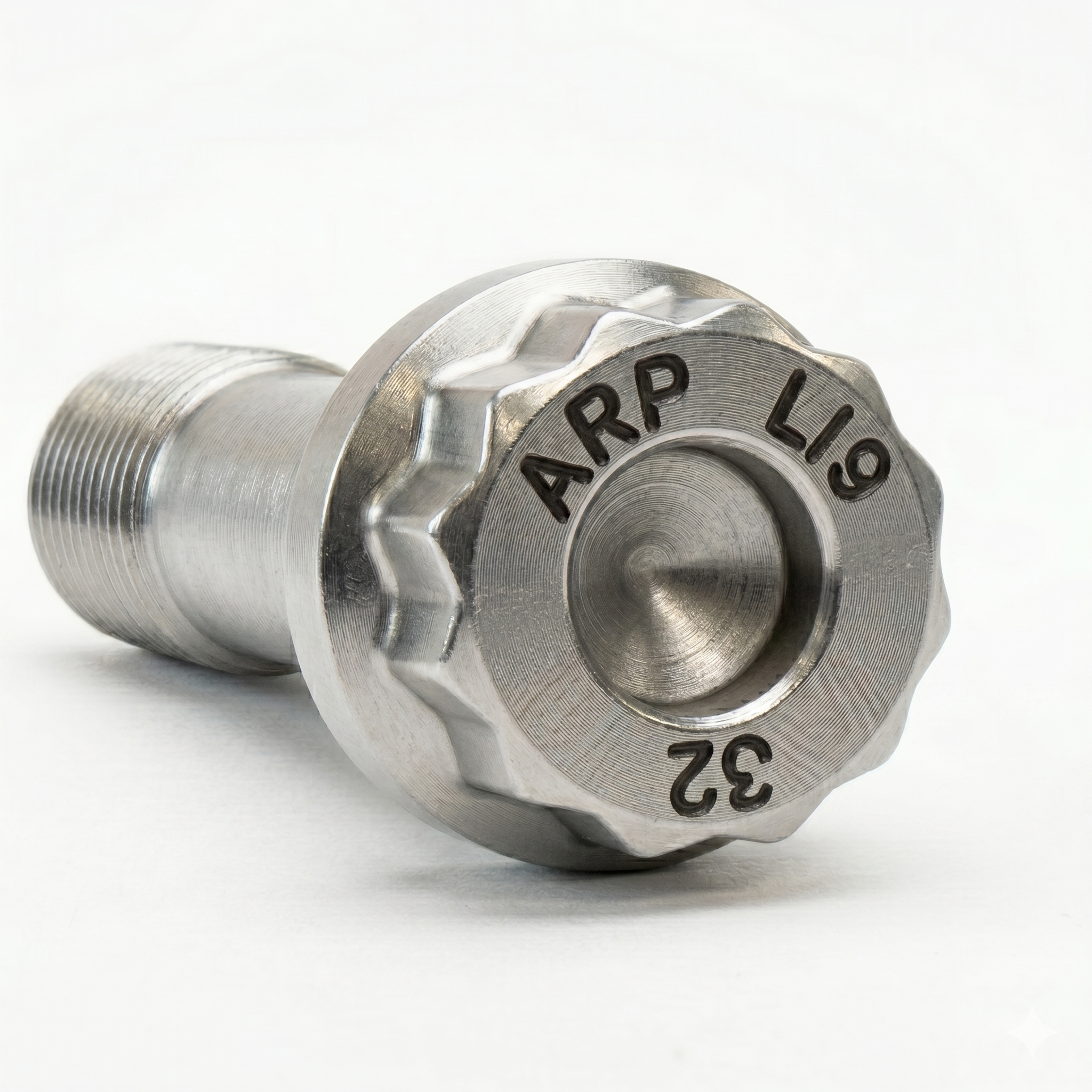 |
ARP L19: a very-high-strength steel (approx. 260,000 psi / 1,793 MPa), stiffer, reserved for heavily stressed K20s, up to about 250 hp per cylinder and up to 10,000 rpm. In 3/8" diameter it markedly increases the safety margin on hard builds (note: corrosion-sensitive, it requires careful storage). |
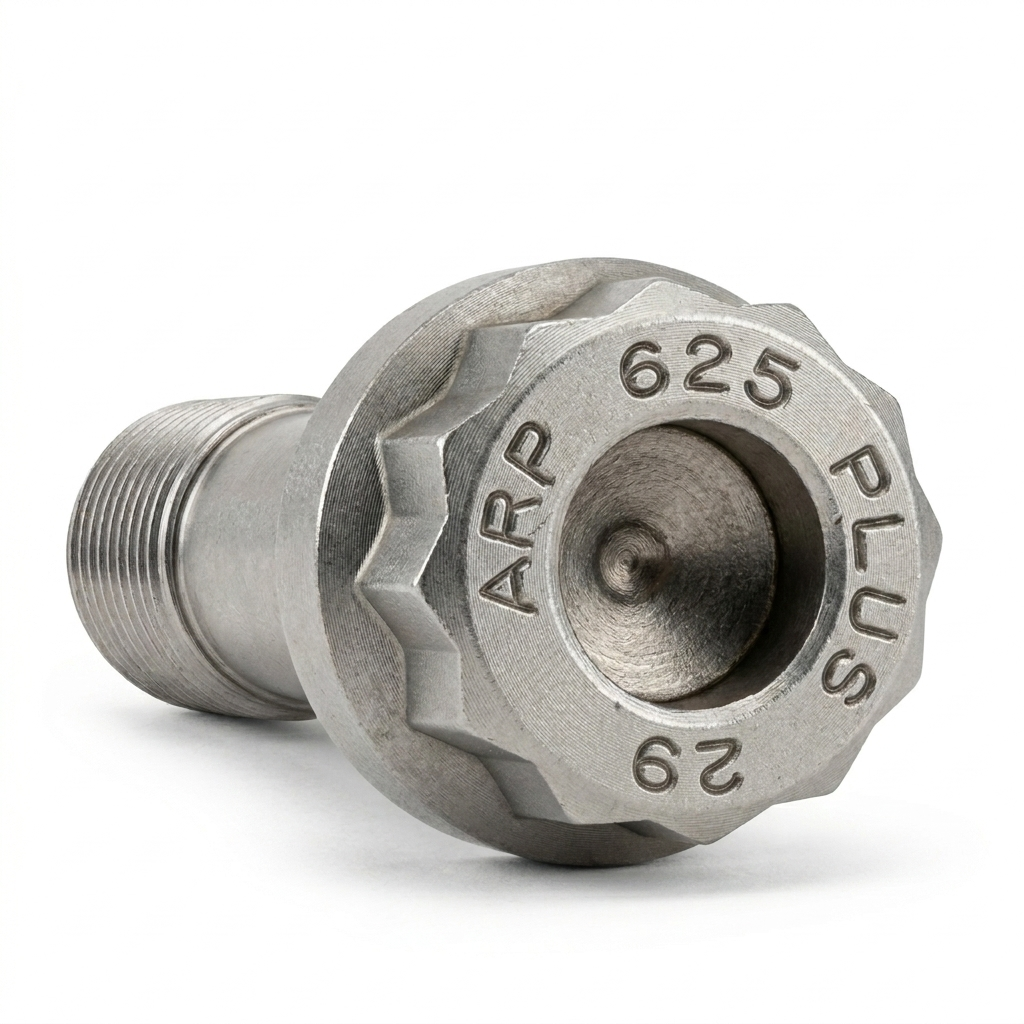 |
ARP CA625+: a premium, corrosion-resistant alloy (approx. 260,000 psi / 1,793 MPa), reserved for the most extreme K20s, beyond about 250 hp per cylinder and beyond 10,000 rpm. In 3/8" diameter it offers the range's maximum safety margin, with no storage constraint. |
Measuring bolt stretch
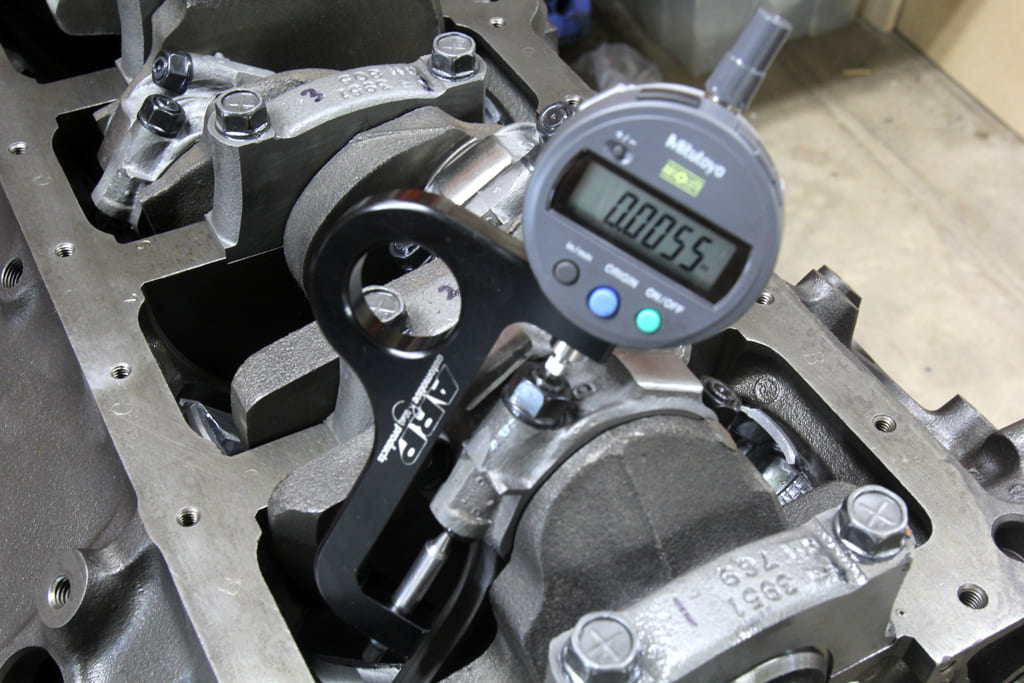
Discover the ARP stretch gauge
The brands offered
 |
Boostline is the connecting-rod range of the Wiseco group, active in forged pistons since 1941. Its patented I-3P profile adds three pockets to the body so an I-beam’s rigidity comes closer to an H-beam’s sheer strength. Forged in 4340 steel and machined in the United States, it is offered with ARP 2000 bolts or, for the most heavily loaded builds, ARP Custom Age 625+. |
 |
Manley is an American name in competition connecting rods, at work since 1966. Its bodies are forged from vacuum-degassed aerospace 4340 steel, shot-peened to delay fatigue and checked one at a time. For this K20 the catalogue lists the H profile with ARP 2000 bolts and the I-HD profile, available with ARP 2000 as well as ARP Custom Age 625+. |
 |
Wössner is a German maker of pistons and forged connecting rods, recognised for how consistently it holds its dimensions. Its K20 rod uses an I profile in forged steel, machined from solid, weighed and matched set by set, and fitted with ARP 2000 hardware. It is the European option in this selection, valued when even masses and a documented part are what matters. |
 |
ZRP is Alex Drakos’ brand, based in Athens, where design, production and inspection all take place. On this K20 two bodies are available, the H-Lite profile and the I-HD profile, forged in 4340 steel then fully machined and matched to ±1 g across the set of four. Either can be ordered with ARP 2000 or ARP L19 bolts. The know-how comes from rallying, circuit racing and drift. |
Glossary
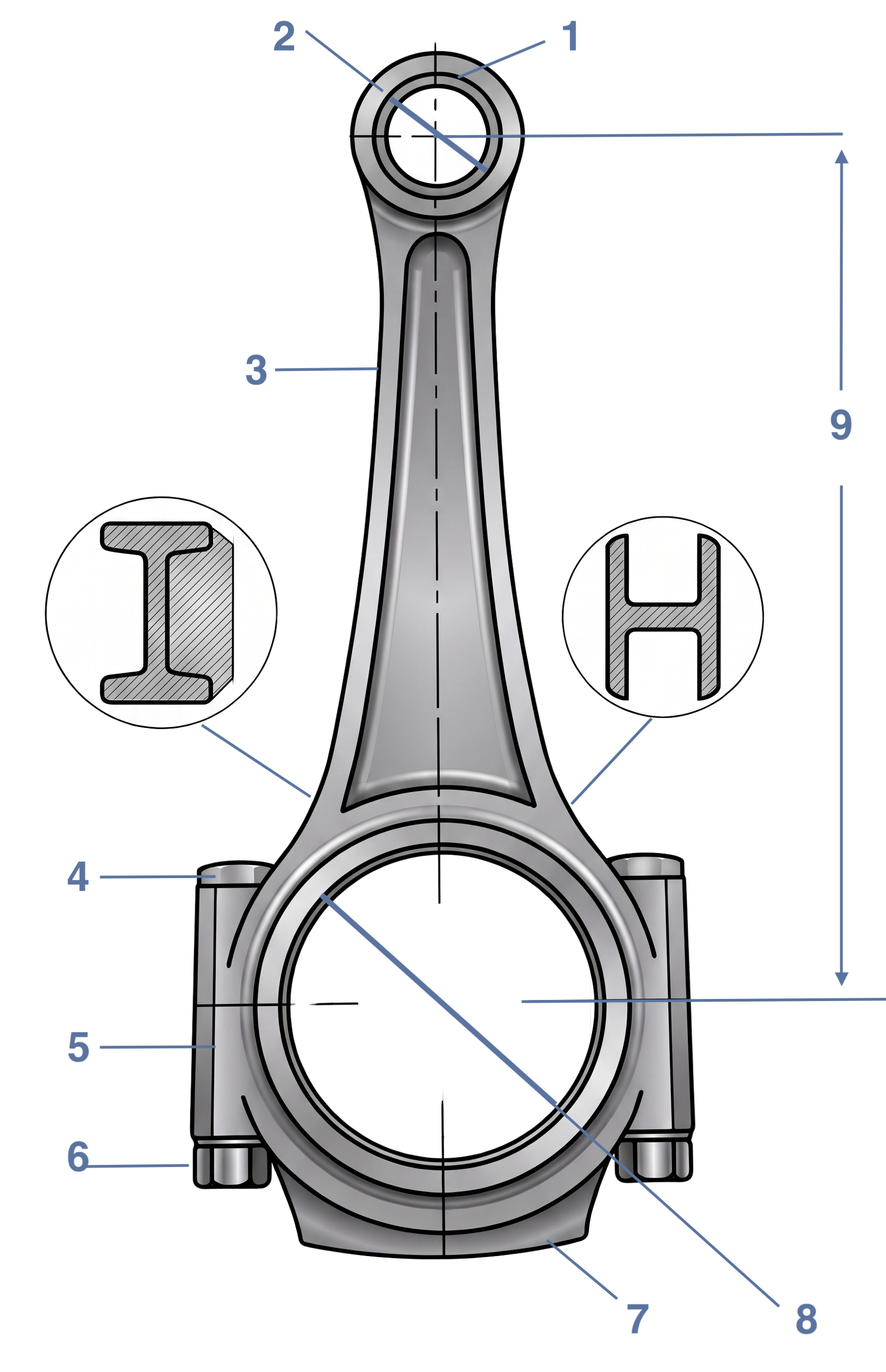 |
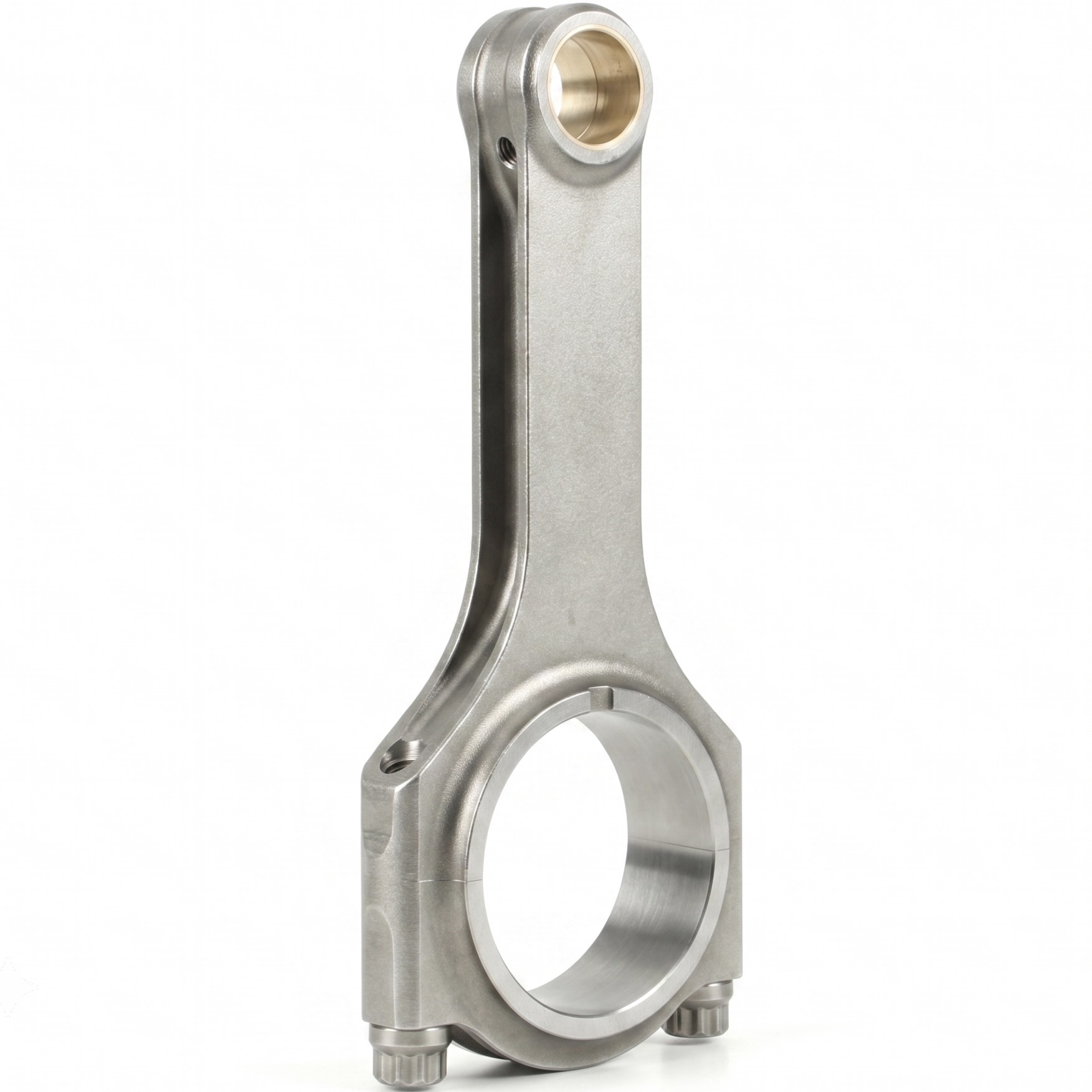
1) Small end 2) Small-end diameter 3) Rod beam 4) Rod bolt 5) Big end 6) Rod nut / bolt 7) Rod cap 8) Big-end diameter 9) Center-to-center |
Vehicle compatibility
These forged rods fit the Honda and Acura models powered by the 2.0 L 16V i-VTEC K20 engine (139 mm center-to-center, 22 mm pin), the naturally aspirated Type R line:
| Brand | Model (chassis) | Engine code | Power | Years |
|---|---|---|---|---|
| Honda | Civic Type R (EP3) | K20A2 | 147 kW (200 ch) | 2001–2005 |
| Honda | Integra Type R (DC5) | K20A | 162 kW (220 ch) | 2001–2006 |
| Honda | Integra Type S (DC5) | K20A | 149 kW (200 ch) | 2001–2006 |
| Acura | RSX Type-S (DC5) | K20A2 / K20Z1 | 147–154 kW (200–210 ch) | 2002–2006 |
| Honda | Civic 2.0 Sport (EP3) | K20A3 | 118 kW (160 ch) | 2001–2005 |
OEM reference: 13210-PRB-A00 (set of 4 rods).
Why is it the most economical solution?
A set of forged rods costs vastly less than a blown engine: on a K20 pushed in rpm or boost, a factory rod that lets go takes out the block, the crankshaft and often the head. By fitting weight-matched forged rods from the outset, you make your build reliable for the long term and spare yourself a full rebuild, for a negligible extra cost next to the price of a new engine.
-
Brand
-
Reference14014-4
-
In stock1 Item
16 other products in the same category
Viewed products