Product successfully added to your shopping cart
Quantity
Total
There are 0 items in your cart. There is 1 item in your cart.
Total products
Total shipping To be determined
Total

2.0L 16v - SR20DE/DET
Manufacturers
2.0L 16v - SR20DE/DET
Warning: Last items in stock!
New product
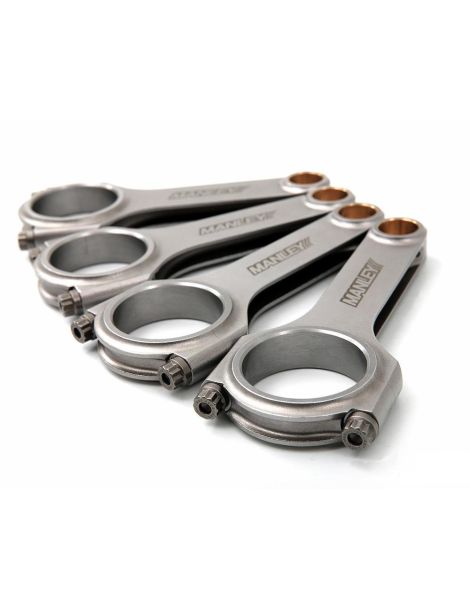
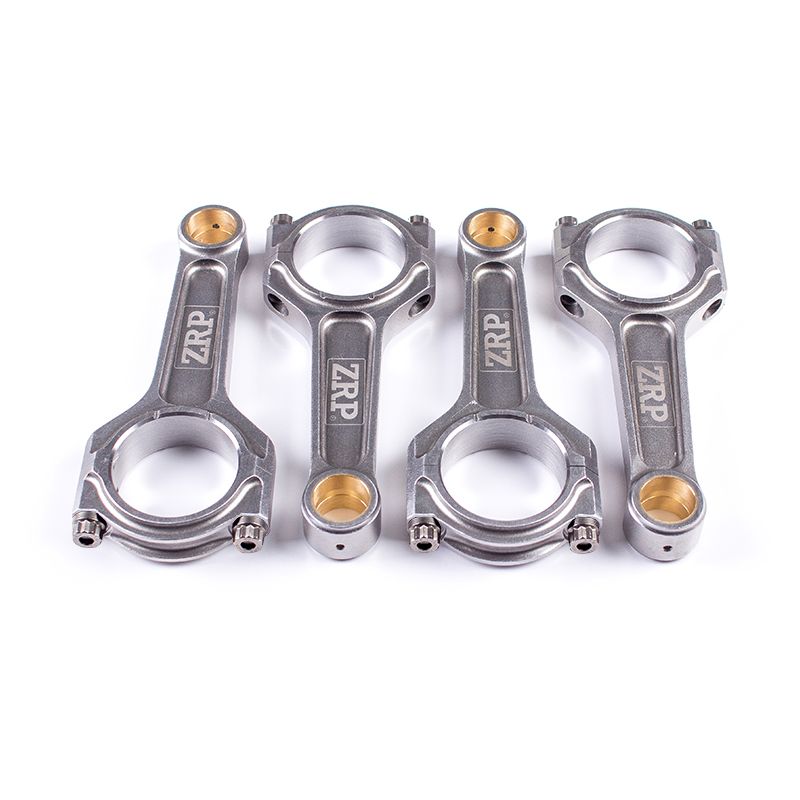
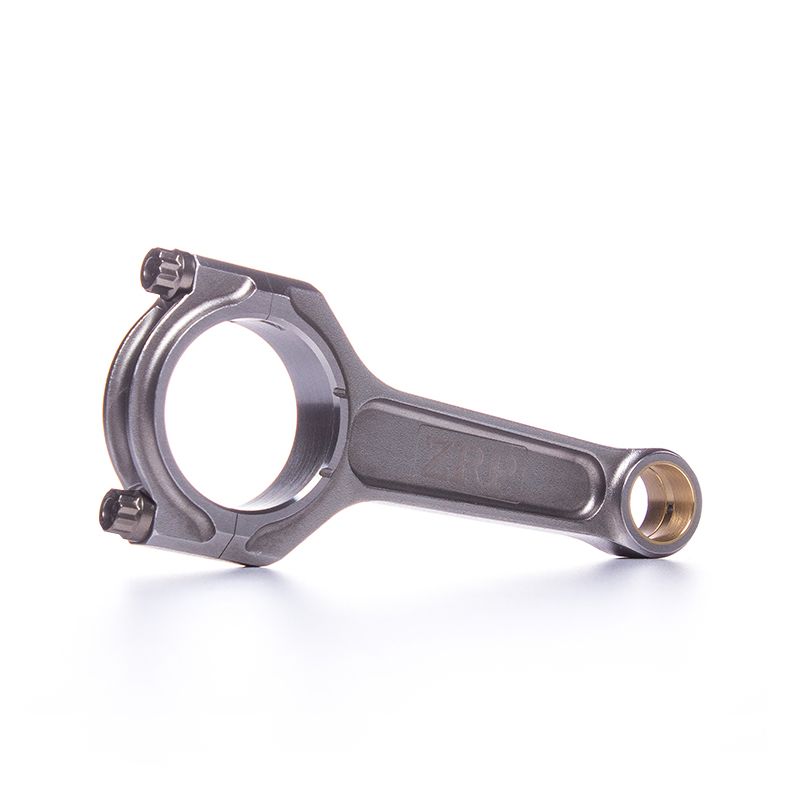
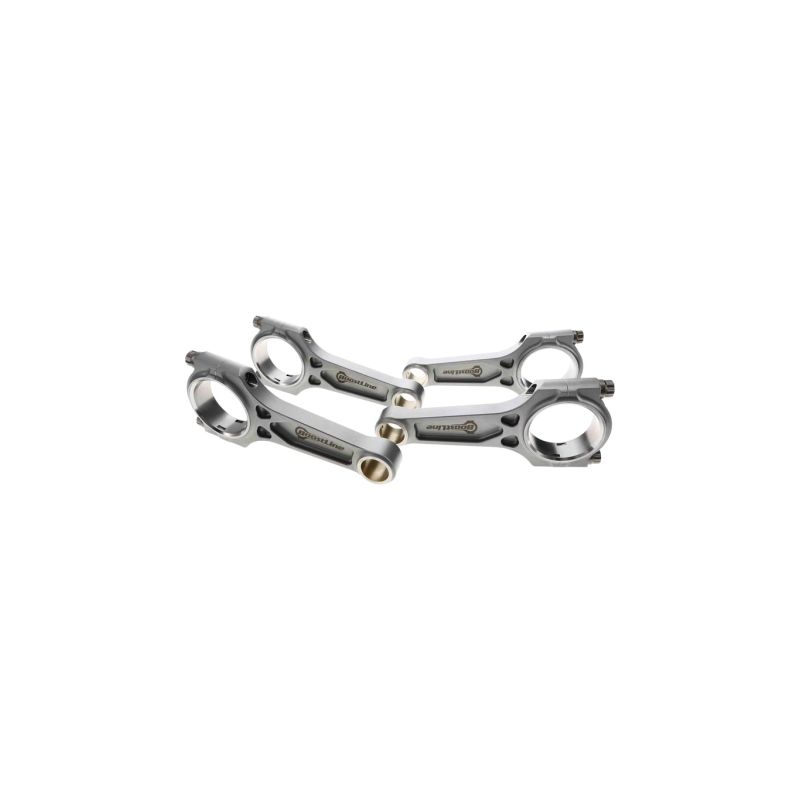
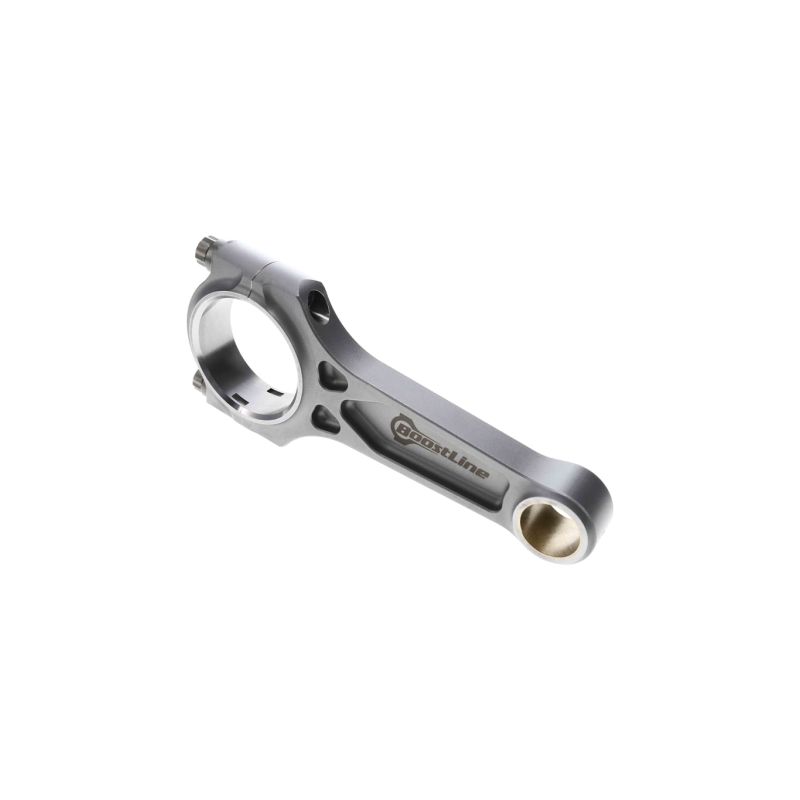
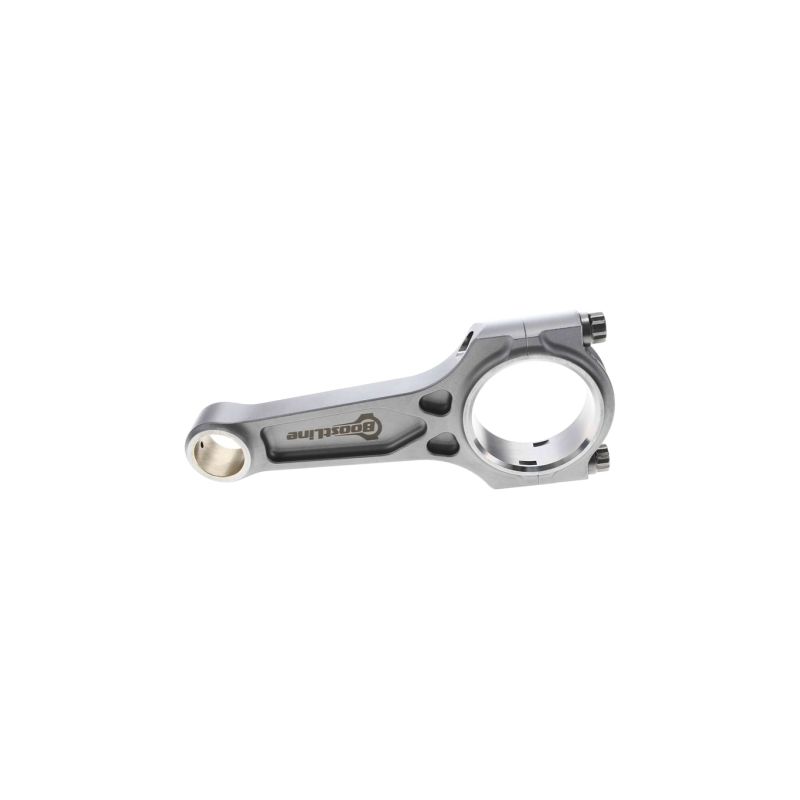
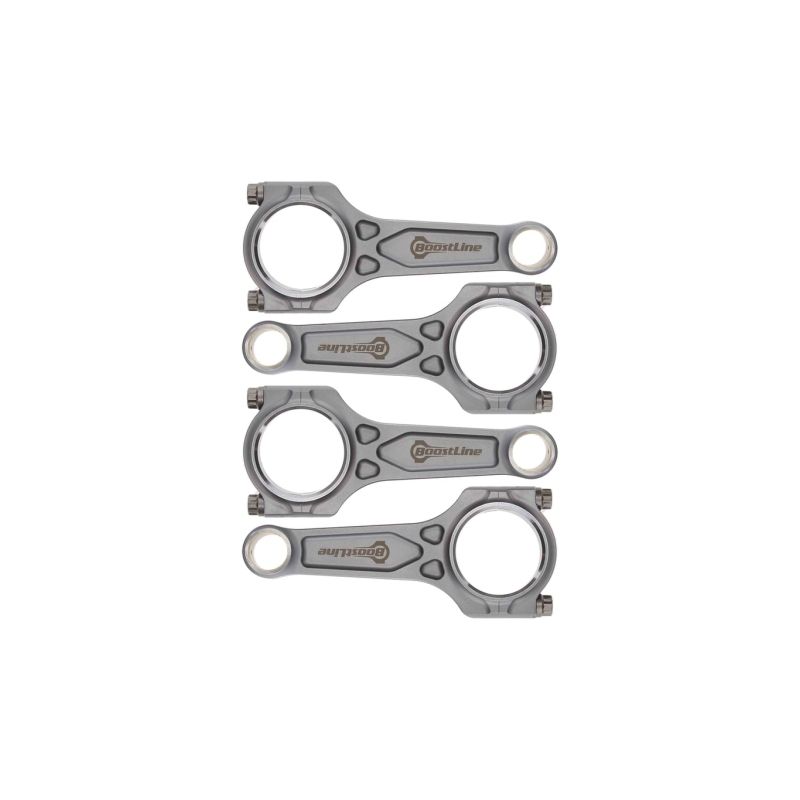
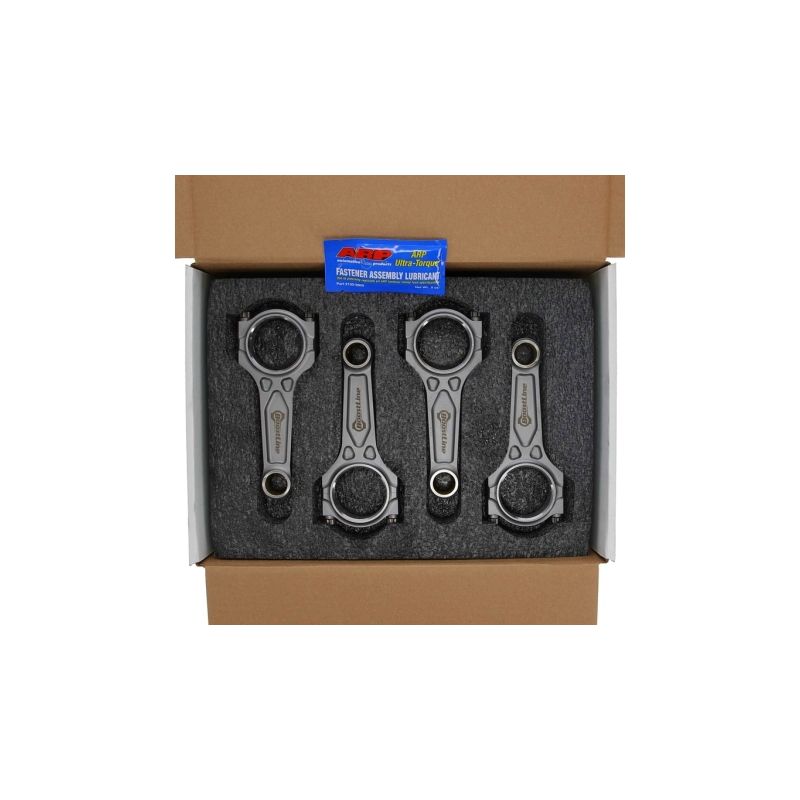
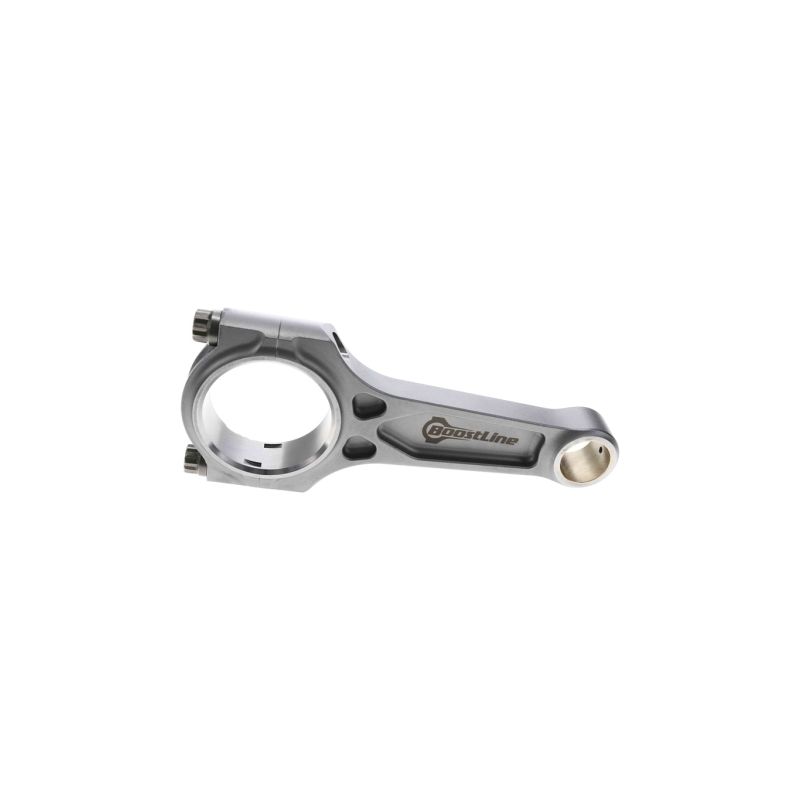
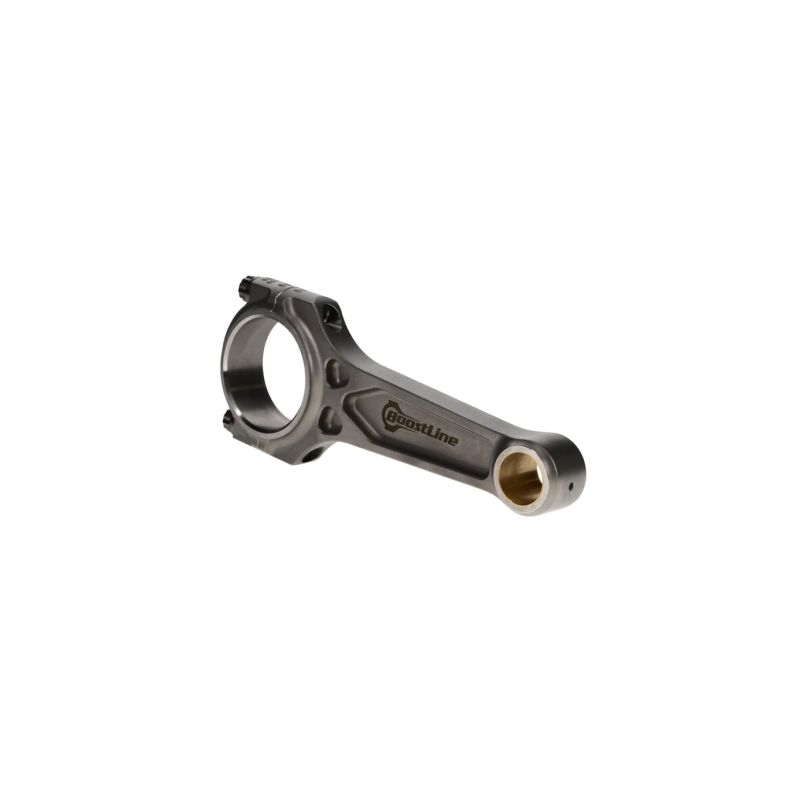
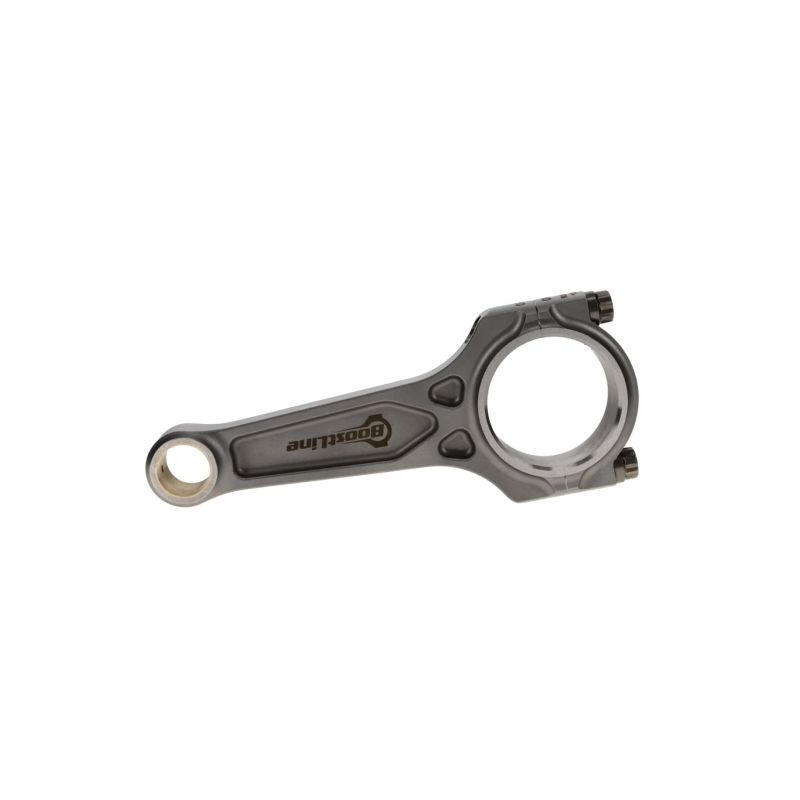
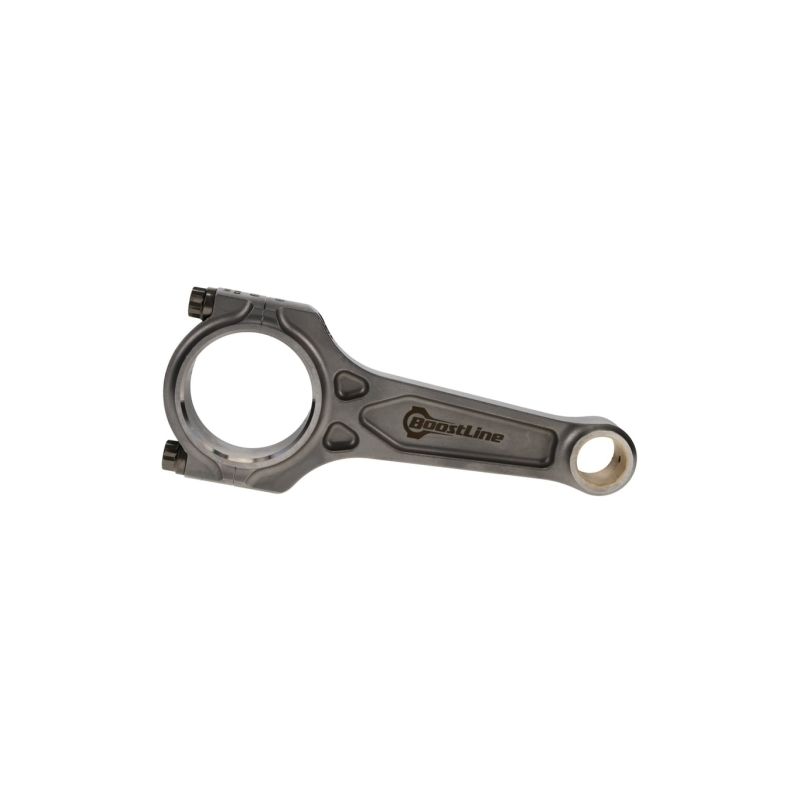
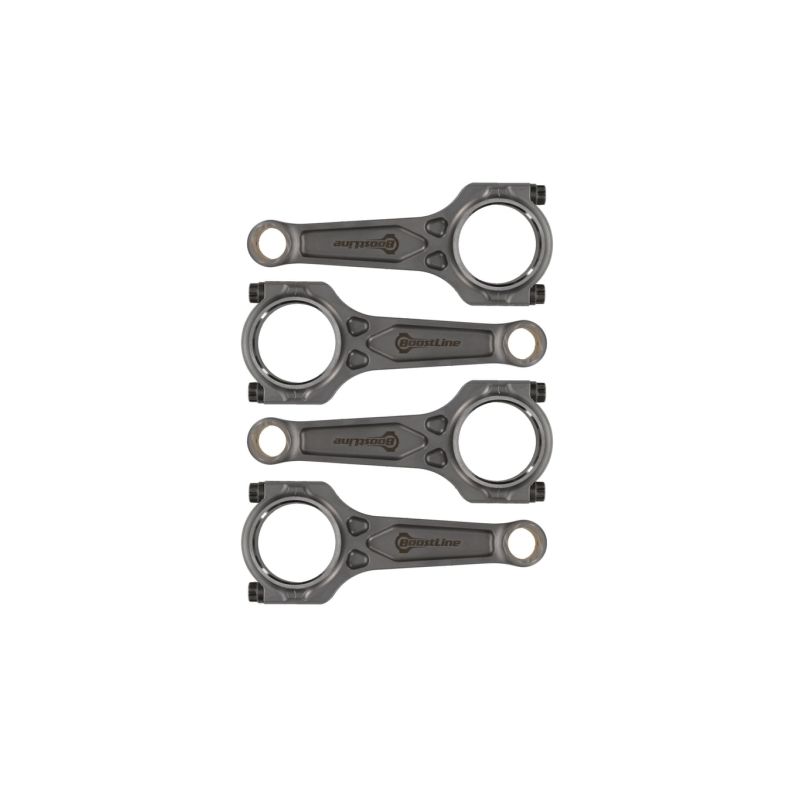
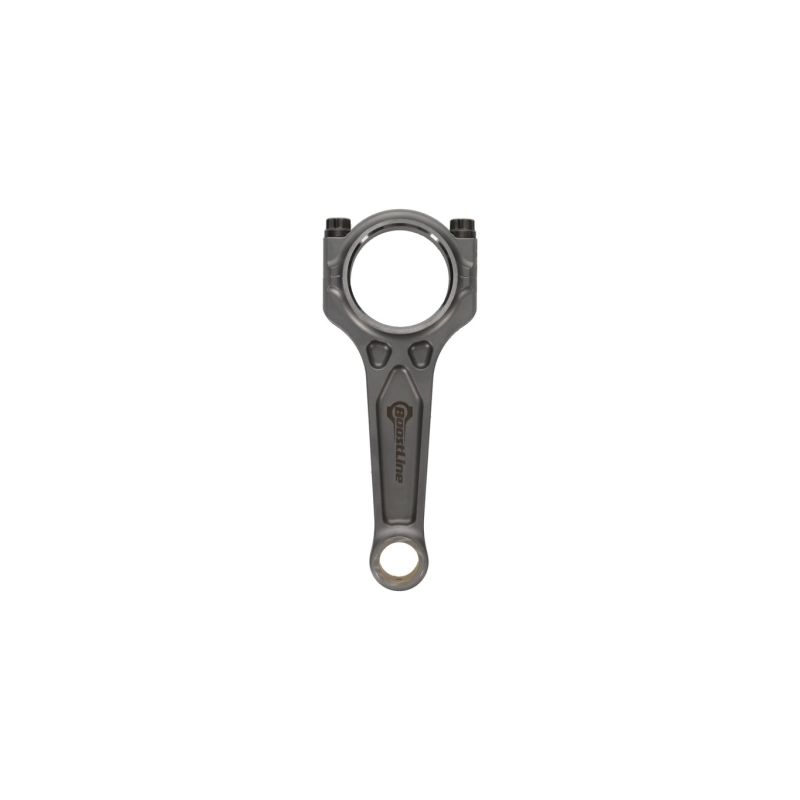
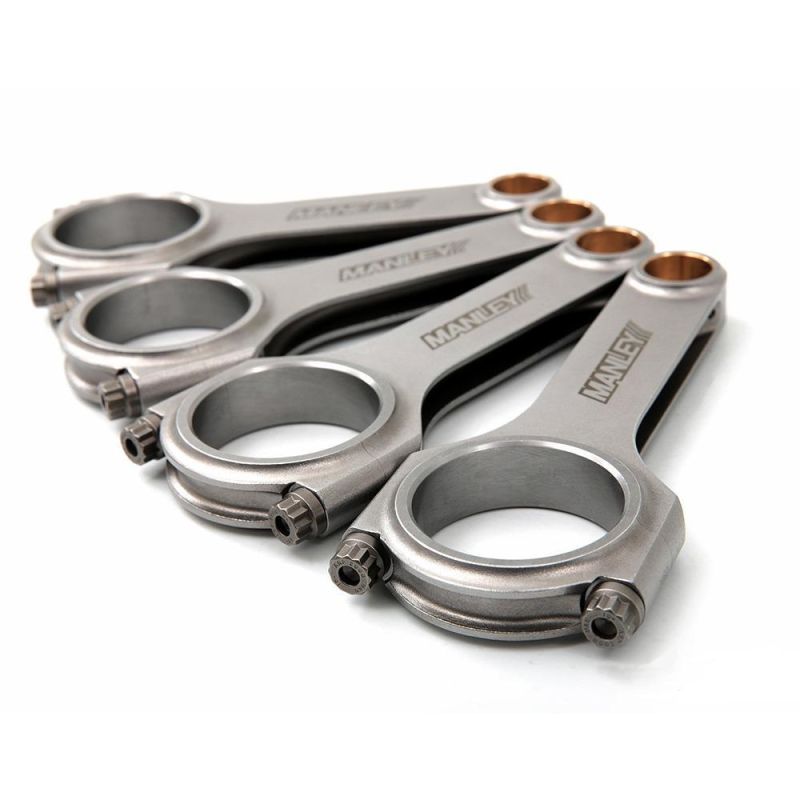
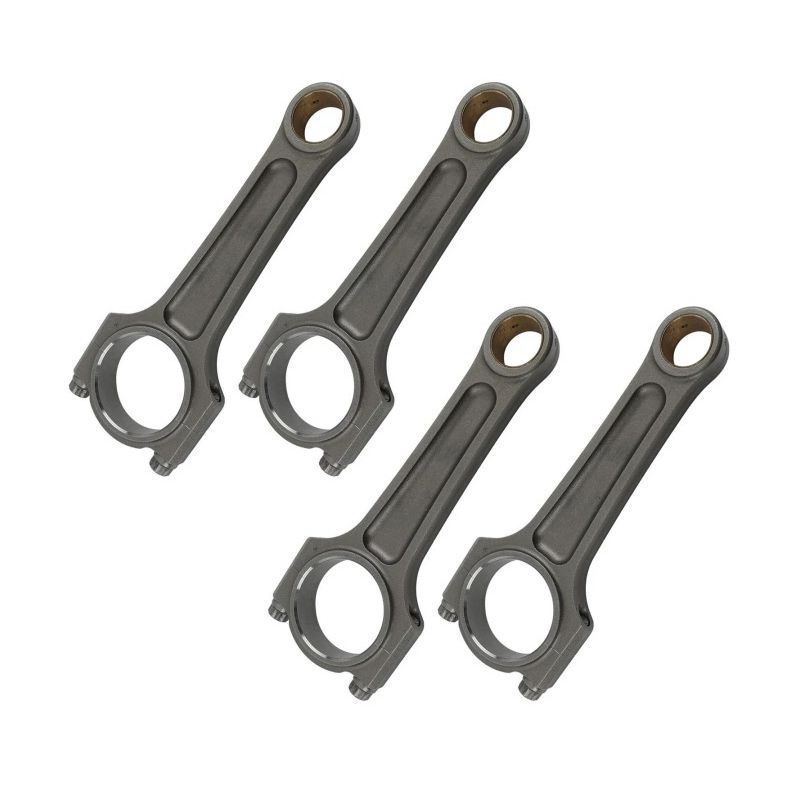
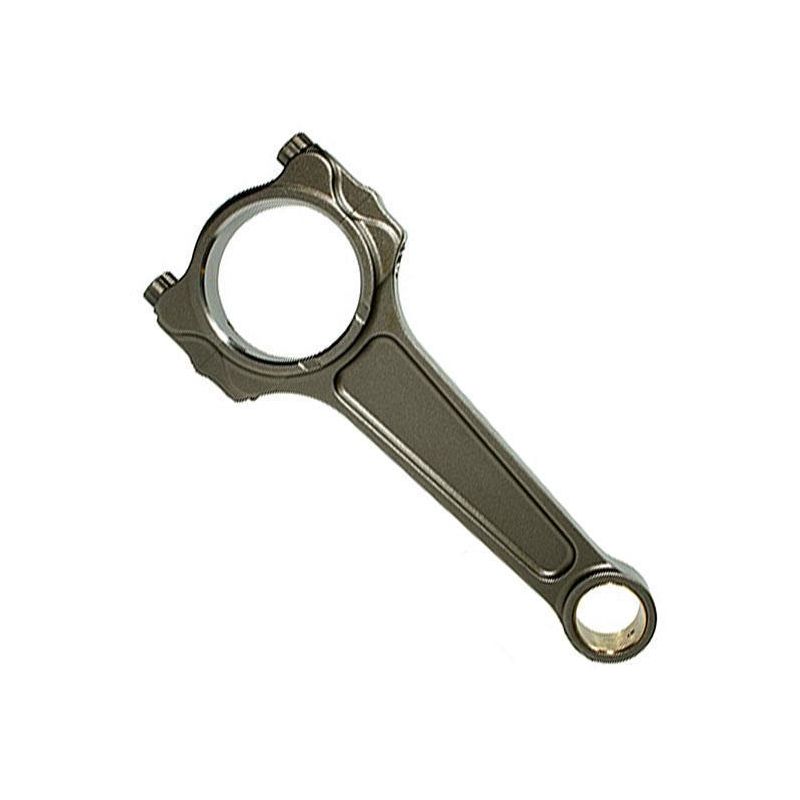
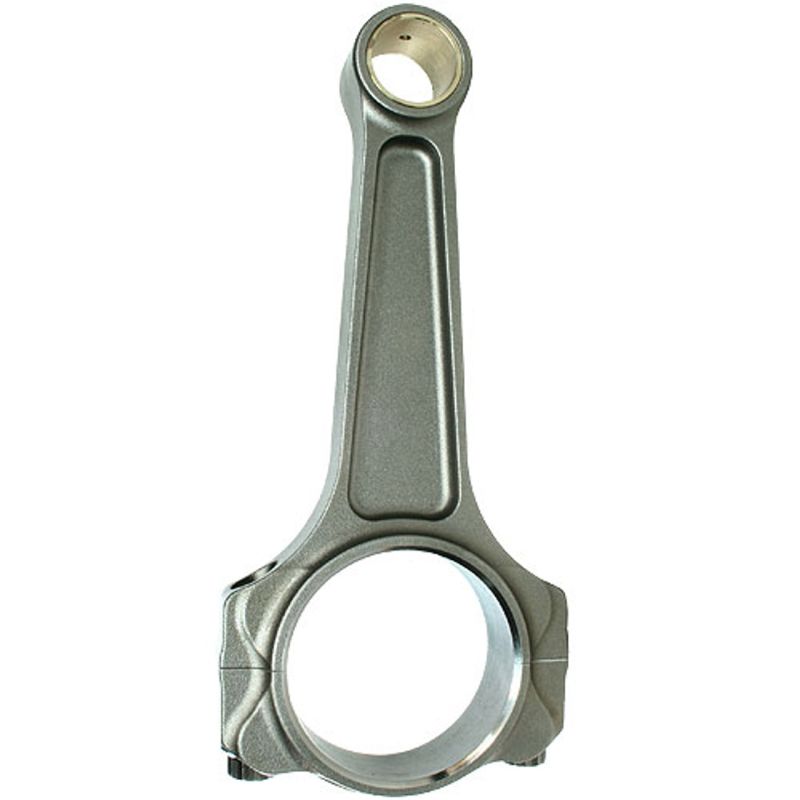
Set of 4 forged 4340 steel connecting rods for the Nissan SR20DET, built for tuning and motorsport.
The Nissan SR20DET is a turbocharged 2.0-litre, 16-valve inline-four that became a true icon of the 1990s Japanese performance scene. With a displacement of 1,998 cc (86 mm bore and stroke), a twin-cam cylinder head and electronic fuel injection, it delivers between 205 and 250 hp depending on the version, with an outstanding margin for tuning.
It powers the Nissan Silvia, 180SX and 200SX (S13, S14 and S15), the Pulsar GTI-R and the Bluebird, while its naturally aspirated SR20DE versions equip models such as the Primera, Almera, Sentra and 100NX. A favourite in drifting and motorsport, it offers an exceptionally strong foundation; but as soon as boost pressure and engine speed rise, the factory sintered-steel rods become the first weak link to address.
Forged from high-strength 4340 steel and then heat-treated, these rods are a clear upgrade over the SR20's factory rods. Their forged, porosity-free grain absorbs the alternating loads generated by high rpm and forced induction without deforming, exactly where the original rod reaches its limit from the very first power increases.
Offered in H, I and I-3P profiles and with several bolt grades (ARP 2000, ARP L19 and ARP Custom Age 625+), they suit every level of build: from Stage 1/2 on the factory turbo to competition setups exceeding 400 hp, and are equally at home in drifting, circuit racing, time attack, rally, drag and hillclimb. Each set of 4 rods ships complete with its high-performance bolts.
| Reference | Brand | Profile | Bolts | Pin diameter OEM 22 mm | Small-end width | Big-end diameter | Big-end width | Center-to-center OEM 136,25 mm | Weight per rod |
|---|---|---|---|---|---|---|---|---|---|
| NI5364-866 | Boostline | I-3P | ARP 2000-3/8"-38mm | 22 | 22,7 | 51 | 22,7 | 136,25 | 616 g |
| NI5364-866+ | Boostline | I-3P | ARP CA625+-3/8"-38mm | 22 | 22,7 | 51 | 22,7 | 136,25 | 619 g |
| 14023-4 | Manley | H | ARP 2000-3/8"-38mm | 22 | 51 | 22,9 | 136,27 | 505 g | |
| 14408-4 | Manley | I-HD | ARP 2000-3/8"-38mm | 22 | 51 | 22,9 | 136,27 | 600 g | |
| R-NIS-002-I | ZRP | I-HD | ARP 2000-3/8"-38mm | 22 | 51 | 22,8 | 136,3 | 553 g | |
| R-NIS-002-I-L19 | ZRP | I-HD | ARP L19-3/8"-38mm | 22 | 51 | 22,8 | 136,3 | 553 g |
| Rod | Bolts | Torque | Recommended stretch |
|---|---|---|---|
| Boostline (NI5364-866) | ARP 2000-3/8"-38mm | 75 N·m | 0,130 – 0,140 mm |
| Boostline (NI5364-866+) | ARP CA625+-3/8"-38mm | 115 N·m | 0,170 – 0,180 mm |
| Manley (14023-4) | ARP 2000-3/8"-38mm | 81,3 N·m | 0,147 – 0,157 mm |
| Manley (14408-4) | ARP 2000-3/8"-38mm | 81,3 N·m | 0,147 – 0,157 mm |
| ZRP (R-NIS-002-I) | ARP 2000-3/8"-38mm | 61 N·m | 0,140 – 0,152 mm |
| ZRP (R-NIS-002-I-L19) | ARP L19-3/8"-38mm | 67,8 N·m | 0,152 – 0,165 mm |
Manufacturers recommend the stretch-gauge method, more accurate than torque alone: it measures the actual elongation of the bolt and ensures even preload across all four rods. The values above are indicative; always follow the instructions supplied with the kit and lubricate the bolts as specified by the manufacturer.
| 4340 is a nickel-chromium-molybdenum alloy steel used in aerospace and motorsport for its remarkable strength-to-toughness ratio. Unlike factory sintered-steel rods (cast then bonded), a forged 4340 rod is shaped under press: its oriented, porosity-free internal structure gives it far greater fatigue and impact resistance. The result is a rod able to withstand high torque and rpm without stretching or breaking, an essential condition as soon as power exceeds factory figures. |
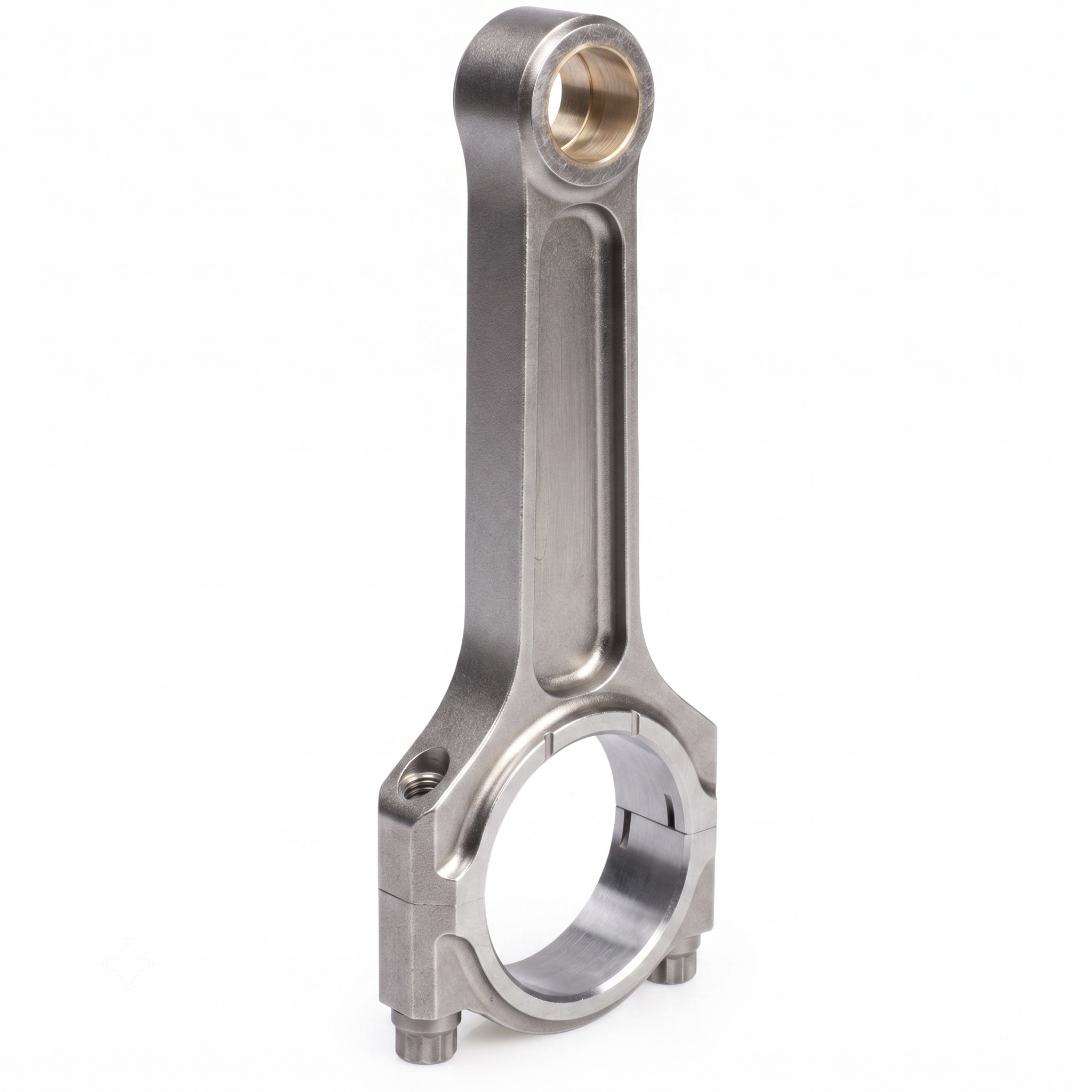 | I profile (and I-HD). With its thinner central section, the I-beam rod is lighter and reduces moving mass, helping the engine rev. The reinforced I-HD (Heavy Duty) variant keeps that lightness while handling high power: an excellent all-round compromise, from sporty road builds to track use. |
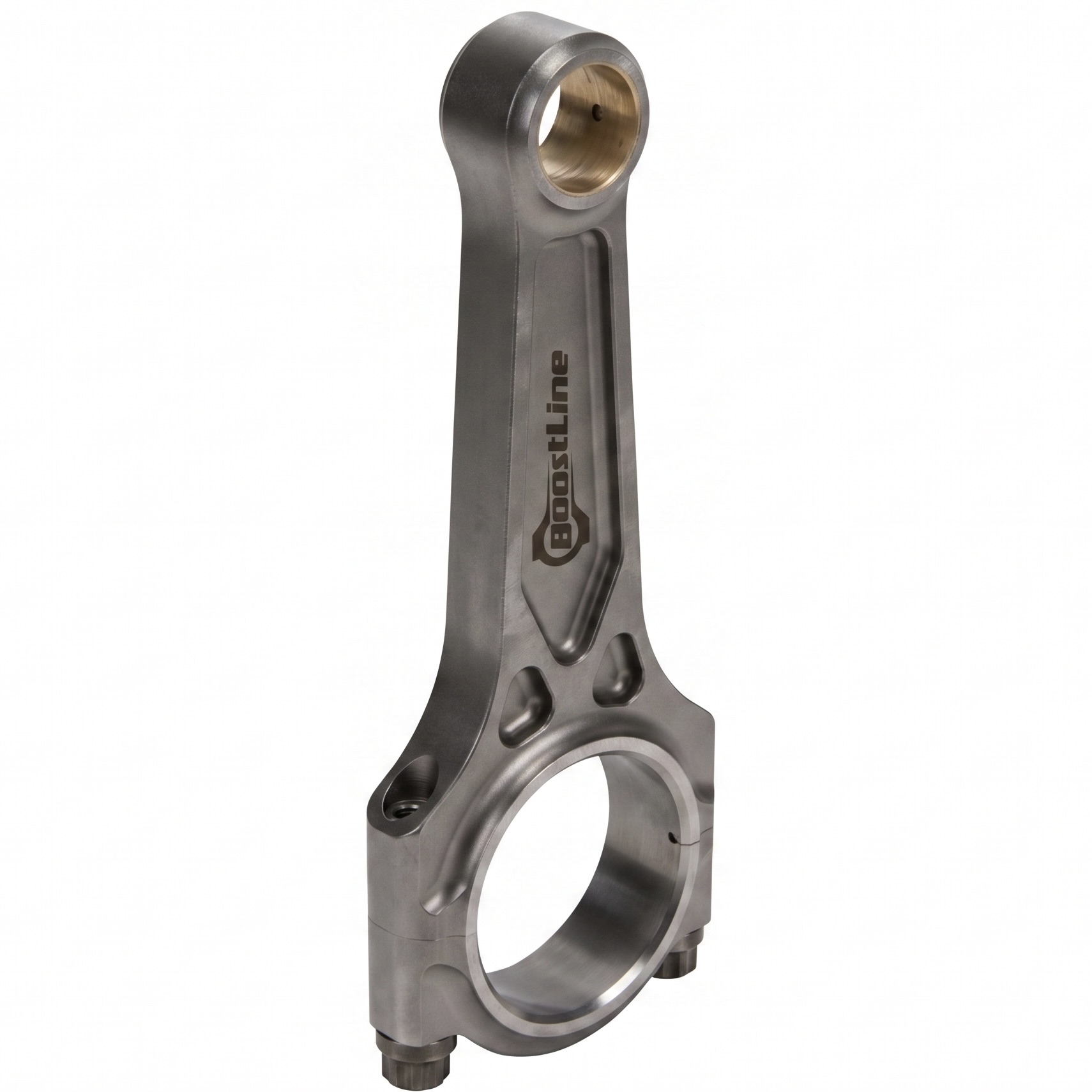 | I-3P profile. Optimised through advanced calculation and machining, this I-beam profile offers increased rigidity for a contained weight. It targets serious builds that want both mechanical strength and responsiveness, on high-boost configurations. |
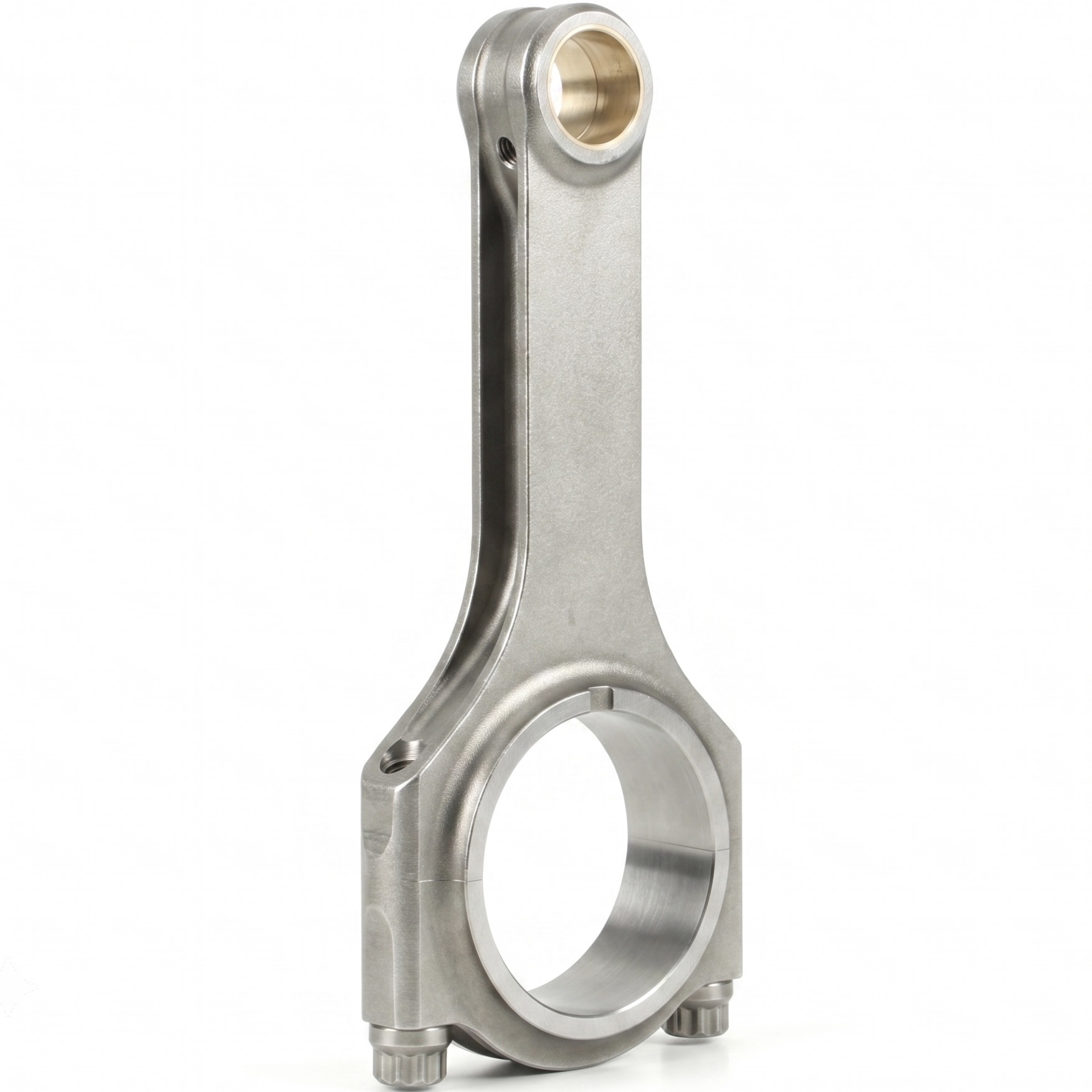 | H profile. Its H-section provides great rigidity and excellent bending resistance under very high loads. Slightly heavier, the H-beam rod is the reference for heavily built engines and high power, where strength takes priority over saving grams. |
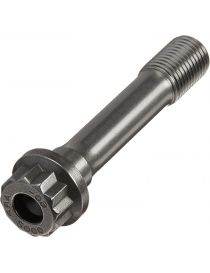
The rod bolt is one of the most heavily stressed parts of the engine: it holds the rod cap against the inertial forces that grow with rpm. A premium bolt guarantees stable preload and reliable clamping over time. All our SR20 rods come with ARP bolts, available in three grades according to the targeted power level.
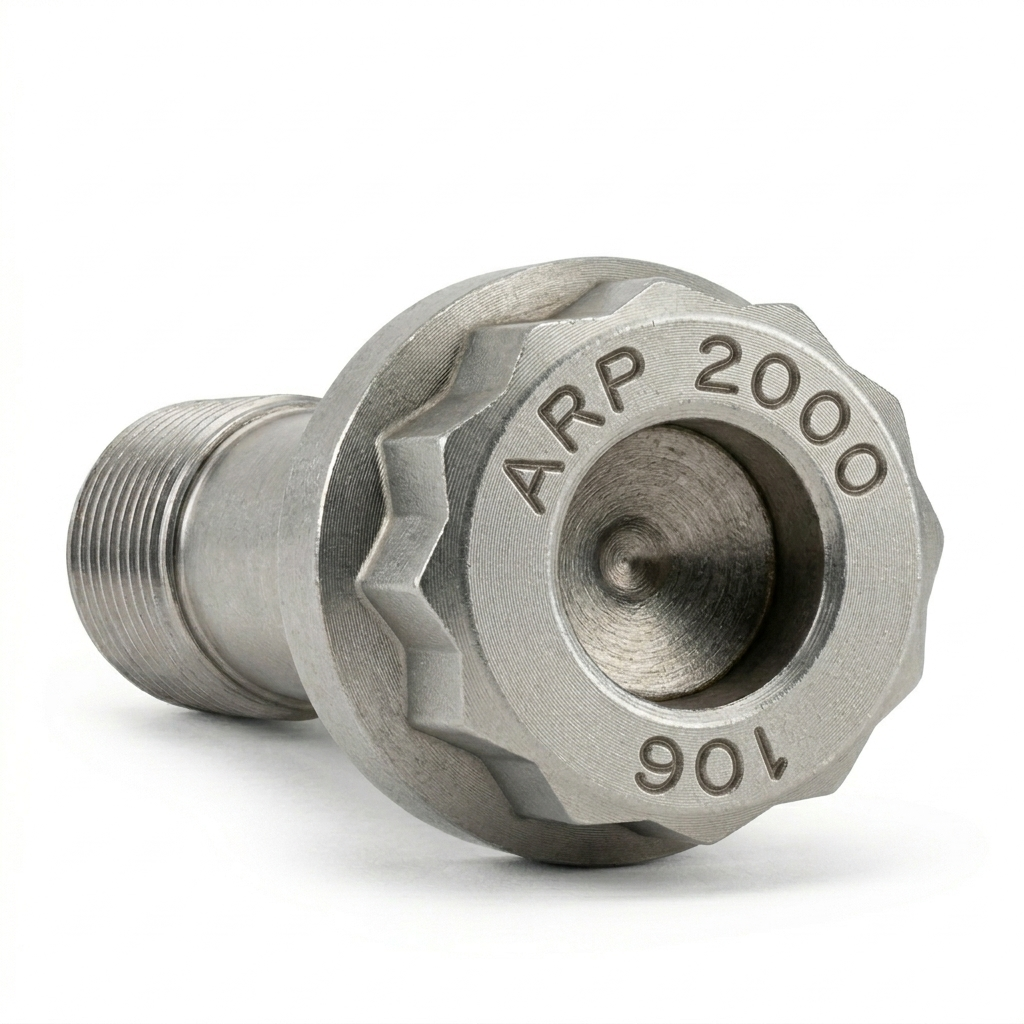 | ARP 2000. Tensile strength of around 220,000 psi (~1,517 MPa). It is the tuning standard: generally up to 200 hp per cylinder in 3/8". Ideal for the vast majority of SR20DET turbo builds, from Stage 1 to serious setups spinning up to 8,500 rpm. |
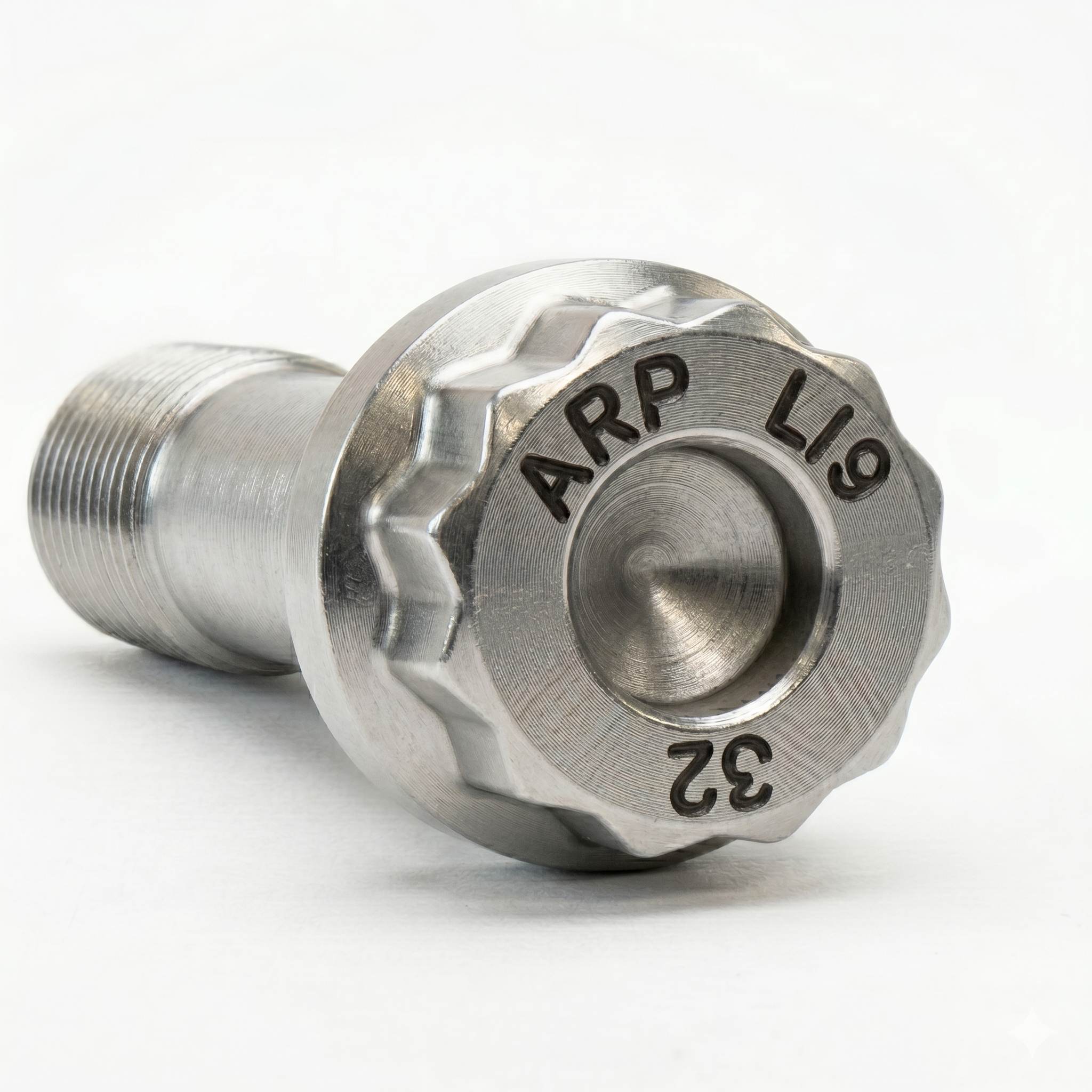 | ARP L19 (tensile strength of approximately 260,000 psi, or ~1,793 MPa). Stronger than ARP 2000, it targets engines under very high load and high rpm. Note: L19 steel is sensitive to corrosion and hydrogen; it requires careful lubrication and storage, which reserves it for demanding competition use. |
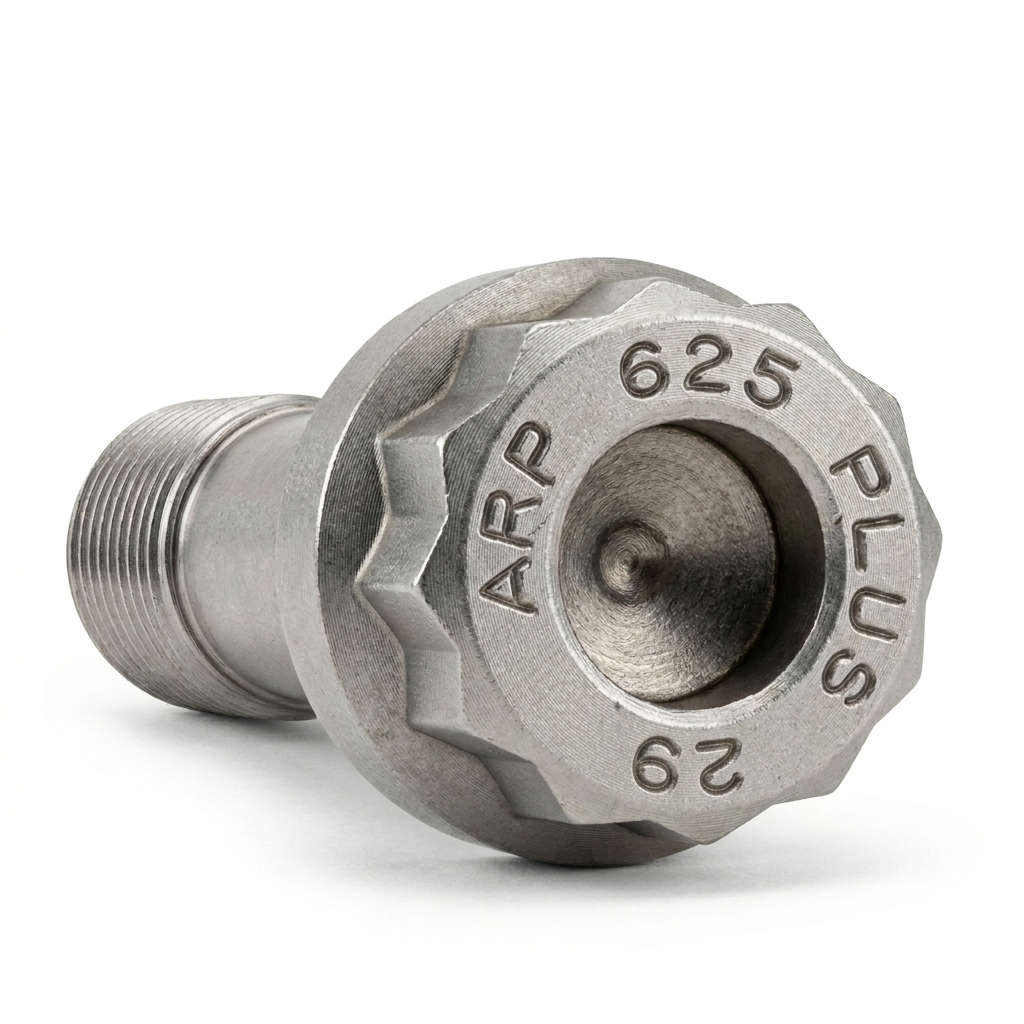 | ARP Custom Age 625+. The top of the ARP range, with extreme strength and fatigue life, without the storage constraint of L19. It is the choice for the most extreme competition engines, when reliability allows no compromise. |
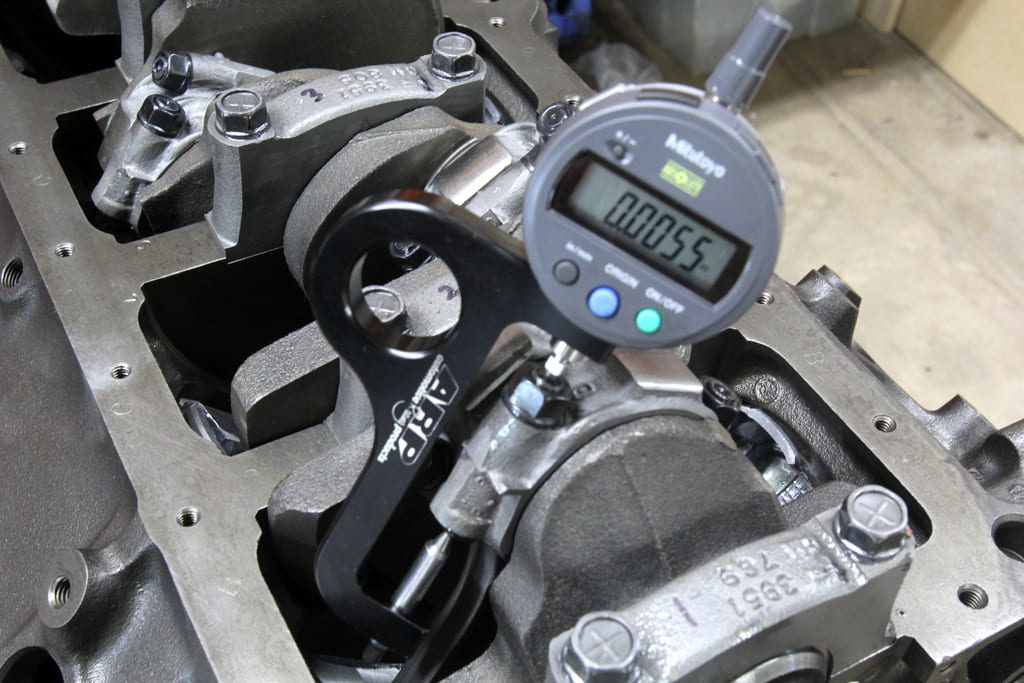
| In addition to torque tightening, measuring bolt stretch (using a stretch gauge) is the most accurate method to reach the exact preload recommended by the manufacturer. You measure the bolt length at rest, then under load, until the recommended stretch is reached. This method eliminates the variations caused by thread friction and ensures perfectly even clamping across all rods, a guarantee of reliability on heavily stressed engines. |
 | Boostline. A range developed by the Wiseco group, recognised for its optimised-profile (I-3P) rods of great rigidity. Designed for heavily built turbo engines, they prioritise mechanical strength at high power. |
 | Manley Performance. A leading American manufacturer in motorsport. Its forged rods (H and I-HD Turbo Tuff profiles) are renowned for their robustness and consistency, on engines stressed at the highest level. |
 | ZRP. Greek brand of high-performance forged rods designed by Alex Drakos (Athens). Machined from 4340 steel, they offer a quality/strength ratio highly valued in tuning and motorsport, with an excellent level of finish. |
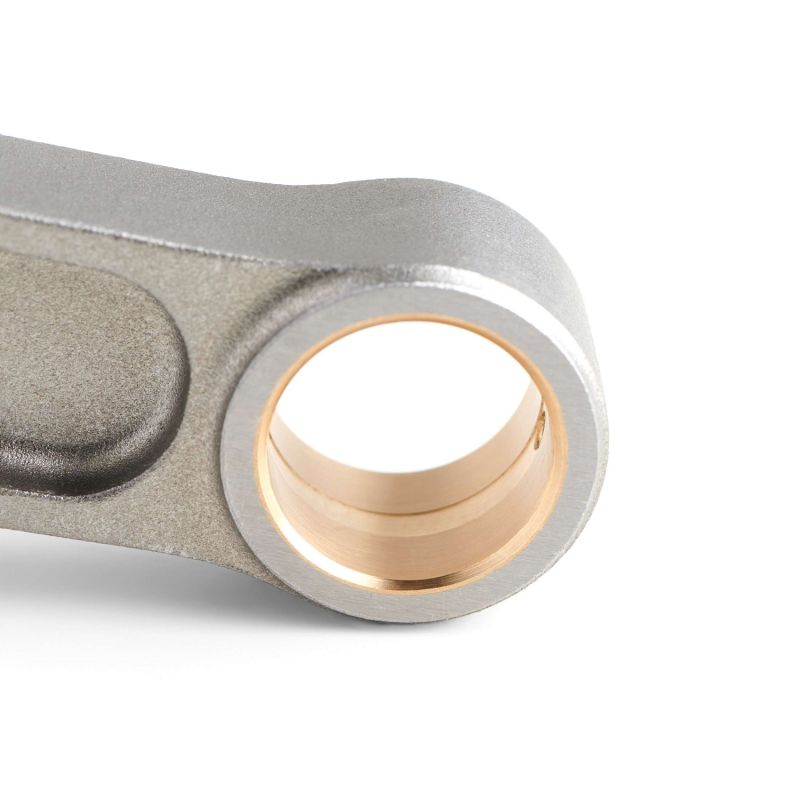
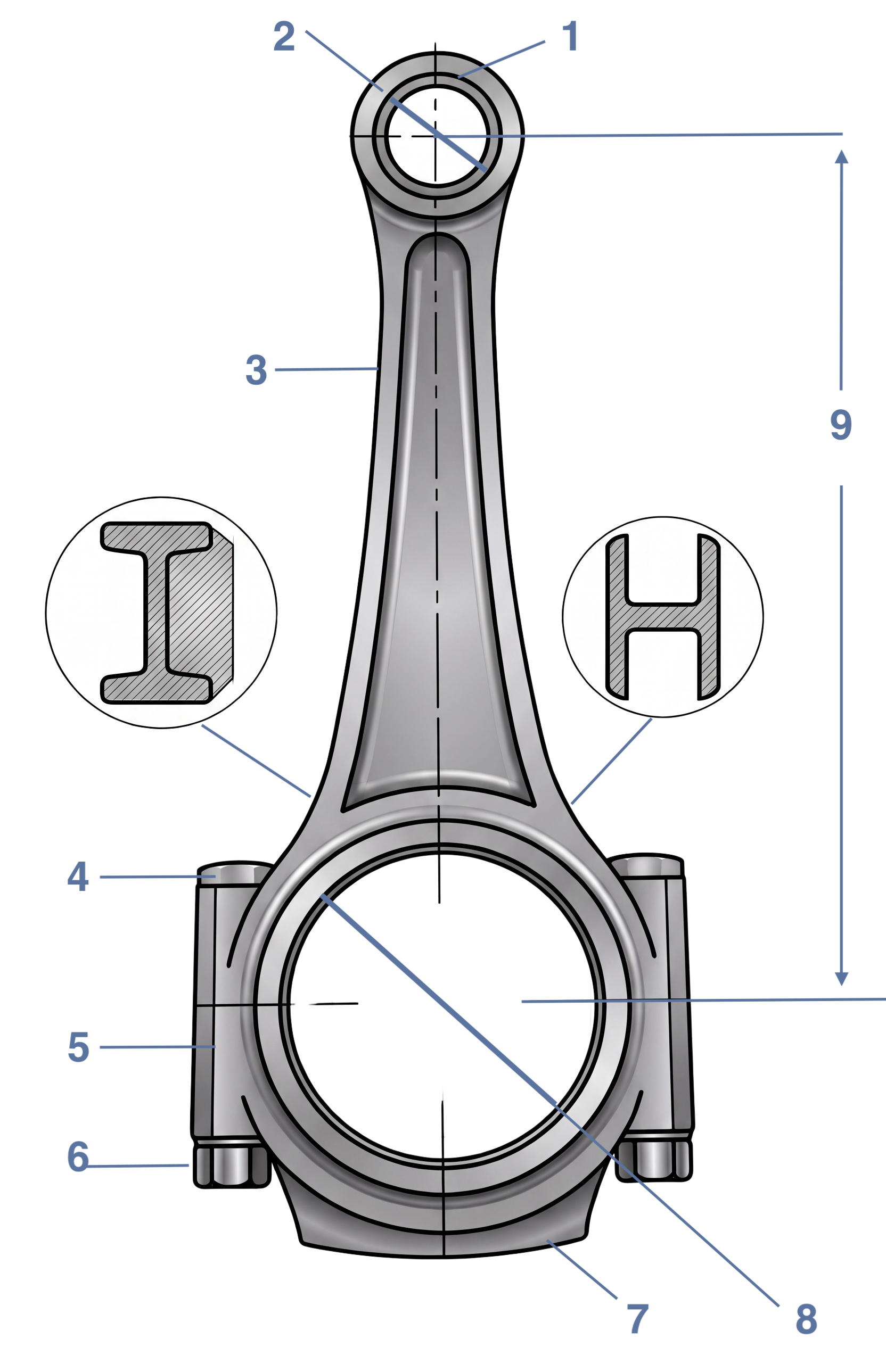 | 1) Small end 2) Small-end diameter 3) Rod beam 4) Rod bolt 5) Big end 6) Rod nut / bolt 7) Rod cap 8) Big-end diameter 9) Center-to-center |
These forged rods are compatible with all vehicles fitted with the Nissan SR20 engine (turbo SR20DET and naturally aspirated SR20DE), provided the original dimensions are respected. Check the engine code and the piston pin diameter (22 mm) before ordering.
| Brand | Model (chassis) | Engine code | Power | Years |
|---|---|---|---|---|
| Nissan | Silvia / 180SX (S13) | SR20DET | 205 ch | 1991–1994 |
| Nissan | Silvia / 200SX (S14) | SR20DET | 220 ch | 1994–1999 |
| Nissan | Silvia (S15) | SR20DET | 250 ch | 1999–2002 |
| Nissan | Pulsar GTI-R (N14) | SR20DET | 230 ch | 1990–1994 |
| Nissan | Primera (P10 / P11) | SR20DE | 150 ch | 1990–2002 |
| Nissan | Almera (N15) | SR20DE | 143 ch | 1995–2000 |
| Nissan | 100NX (B13) | SR20DE | 143 ch | 1990–1995 |
| Nissan | Sentra / 200SX SE-R (B13 / B14) | SR20DE | 140 ch | 1990–1999 |
| Infiniti | G20 (P10 / P11) | SR20DE | 140 ch | 1990–2002 |
OEM reference: 12100-8H600 (set of 4 rods).
When a factory bottom end gives out (broken or bent rod, scored bearing), the bill rises quickly. Taking advantage of the open engine to fit forged rods avoids stripping everything down again later and secures the rotating assembly for good.
For a budget equal to, or even lower than, a like-for-like replacement, forged 4340 rods bring a considerable strength margin: the block then handles boost increases and higher rpm without worry, something the factory rods cannot allow.
For a comparable budget: more reliability, more tuning potential and more longevity. It is the assurance of an engine ready for performance, with no nasty surprise at the first power gain.