Product successfully added to your shopping cart
Quantity
Total
There are 0 items in your cart. There is 1 item in your cart.
Total products
Total shipping To be determined
Total

2.0 16v - F20C
Manufacturers
2.0 16v - F20C
Warning: Last items in stock!
New product
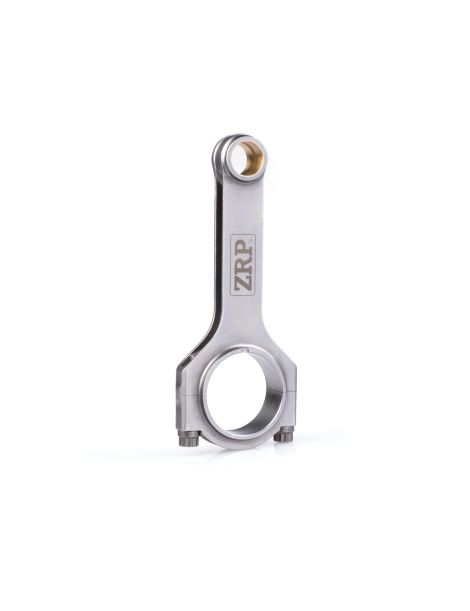
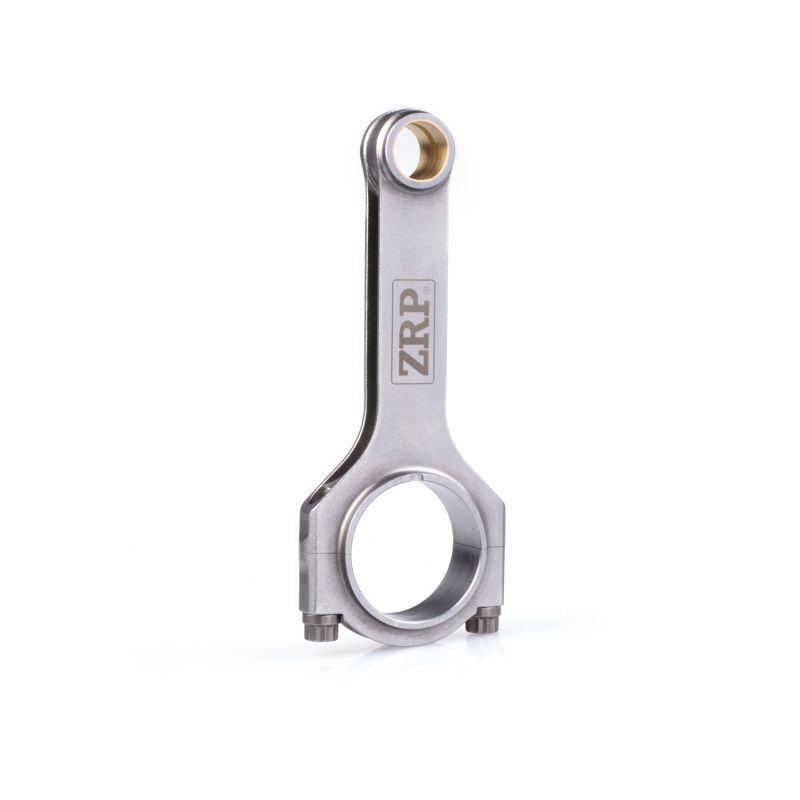
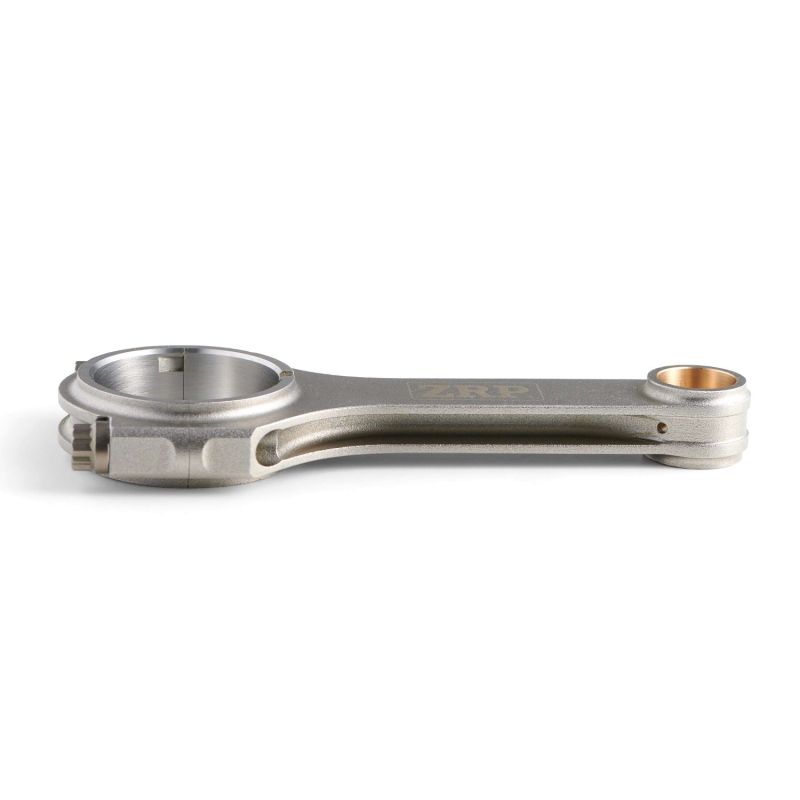
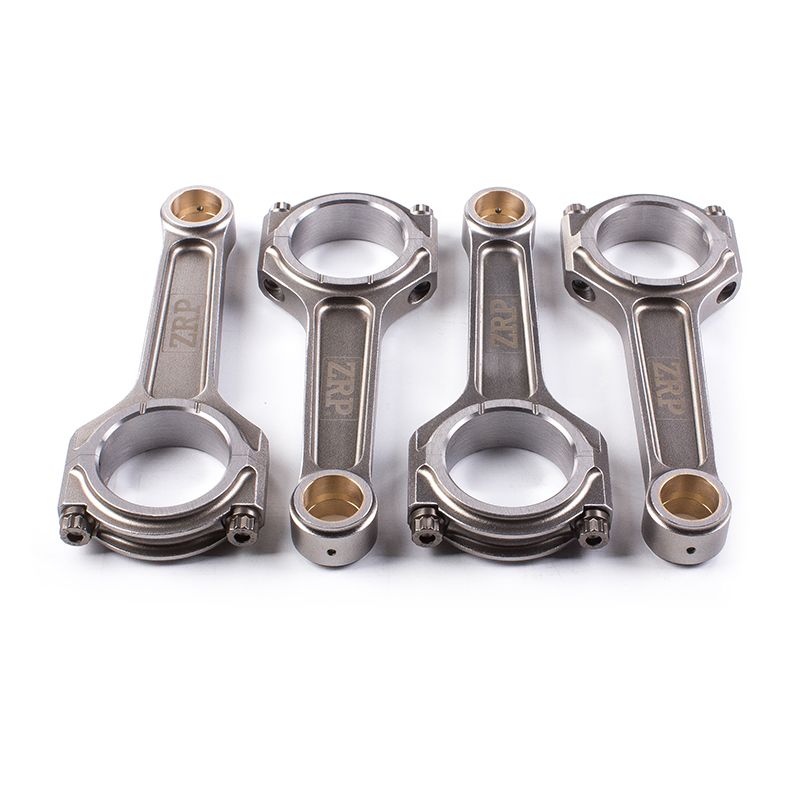
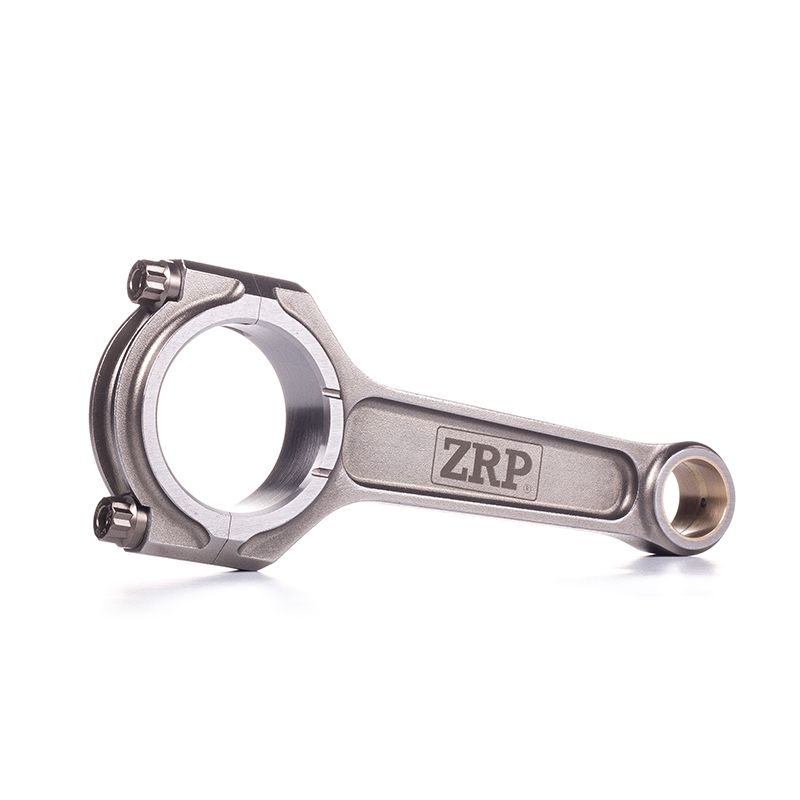
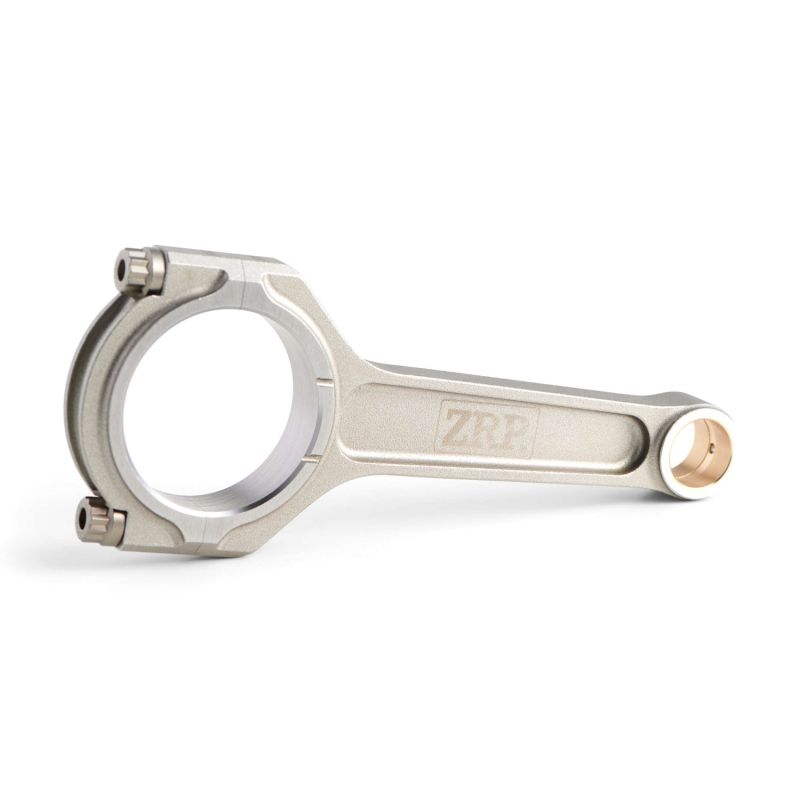
Set of 4 forged connecting rods in 4340 steel for the Honda 2.0L 16V VTEC F20C.
The F20C is the naturally aspirated 2.0-litre four-cylinder of the first-generation Honda S2000 (AP1), built from 1999 to 2009. Its DOHC sixteen-valve VTEC head, an 87 mm bore and a short 84 mm stroke for 1,997 cc say everything about the brief: this engine was designed to spin. The red line sits between 8,800 and 9,000 rpm and output ranges from 240 to 250 hp depending on the market, 240 hp for the European F20C and up to 250 hp for the Japanese F20C3. Relative to its capacity, that is one of the highest specific outputs ever reached by a mass-produced naturally aspirated engine.
That performance rests on a carefully built foundation: aluminium block with integrated liners, steel crankshaft, 153 mm rod centre distance and 23 mm piston pin. It also has a downside: at 9,000 rpm the rod reverses its load nine thousand times a minute, and inertia forces grow with the square of engine speed. As soon as the limiter is raised, heavier forged pistons are fitted or boost is added, the standard rod becomes the component that decides how long the engine lasts. That is why an S2000 built for circuit use, time attack or a turbo conversion almost always starts with a set of forged rods.
Machined from high-strength 4340 steel, these ZRP forged rods replace the F20C factory rods as soon as tuning exceeds stock territory. Where the OEM rod reaches its limits under turbo compression or aggressive naturally aspirated builds, closed-die forging delivers far superior fatigue and bending resistance. They suit every sporting use of the S2000: circuit and track days, drift, hillclimb, time attack, as well as turbo or supercharger conversions. Depending on the chosen bolts, they support Stage 1 to Stage 3 builds without reservation and secure the rotating assembly well beyond the original power level, while preserving factory balance thanks to tightly controlled dimensions.
| Reference | Brand | Profile | Bolts | Pin diameter OEM 23 mm | Small-end width | Big-end diameter | Big-end width | Center-to-center OEM 153 mm | Weight |
|---|---|---|---|---|---|---|---|---|---|
| R-HON-006HL | ZRP | H-Lite | ARP 2000-3/8"-38mm | 23 mm | 51 mm | 23,85 mm | 153 mm | 503 g | |
| R-HON-006HL-L19 | ZRP | H-Lite | ARP L19-3/8"-38mm | 23 mm | 51 mm | 23,85 mm | 153 mm | 503 g | |
| R-HON-006-I | ZRP | I-HD | ARP 2000-3/8"-38mm | 23 mm | 51 mm | 23,85 mm | 153 mm | 625 g | |
| R-HON-006-I-L19 | ZRP | I-HD | ARP L19-3/8"-38mm | 23 mm | 51 mm | 23,85 mm | 153 mm | 625 g | |
| R-HON-006-IL | ZRP | I-Lite | ARP 2000-3/8"-38mm | 23 mm | 51 mm | 23,85 mm | 153 mm | 564 g | |
| R-HON-006-IL-L19 | ZRP | I-Lite | ARP L19-3/8"-38mm | 23 mm | 51 mm | 23,85 mm | 153 mm | 564 g |
R-HON-006-I, R-HON-006-I-L19: Straight, non-tapered pin end; recommended for forced induction engines.
R-HON-006-IL, R-HON-006-IL-L19: Straight, non-tapered pin end; recommended for naturally aspirated engines.
R-HON-006HL, R-HON-006HL-L19: Tapered pin end.
OEM reference: 13050-PCX-000 (set of 4 rods).
| Rod | Bolts | Torque | Recommended stretch |
|---|---|---|---|
| ZRP (R-HON-006HL) | ARP 2000 (3/8") | 61 N·m | 0,140–0,152 mm |
| ZRP (R-HON-006HL-L19) | ARP L19 (3/8") | 67,8 N·m | 0,152–0,165 mm |
| ZRP (R-HON-006-I) | ARP 2000 (3/8") | 61 N·m | 0,140–0,152 mm |
| ZRP (R-HON-006-IL) | ARP 2000 (3/8") | 61 N·m | 0,140–0,152 mm |
| ZRP (R-HON-006-I-L19) | ARP L19 (3/8") | 67,8 N·m | 0,152–0,165 mm |
| ZRP (R-HON-006-IL-L19) | ARP L19 (3/8") | 67,8 N·m | 0,152–0,165 mm |
| 4340 is a low-alloy nickel-chromium-molybdenum steel prized for its outstanding balance of strength and toughness. Once forged and heat-treated, it reaches a tensile strength of around 1,000 to 1,200 MPa, far above the sintered (powder-metal) steels used in OEM rods, which top out near 600 to 700 MPa and cope poorly with the alternating loads of a performance build. Forging aligns the metal grain flow with the stress paths: the part resists fatigue, high rpm and occasional detonation better. It is the reference material for a reliable reinforced rotating assembly. |
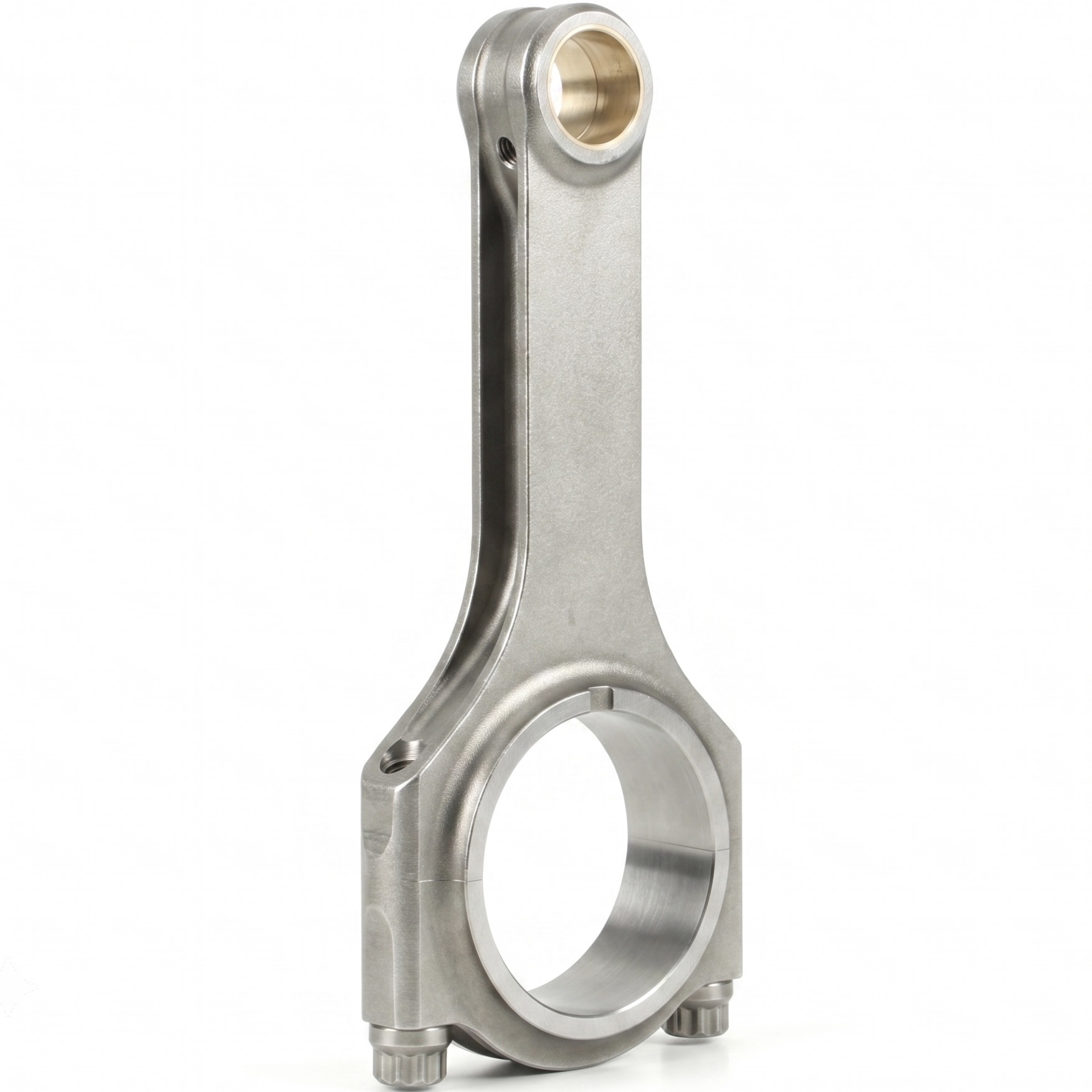 | H-Lite profile: a lightened version of the H-beam, designed for high-revving naturally aspirated engines like the F20C. The H section combines strong bending stiffness with controlled mass, reduces reciprocating loads and helps the engine spin up. It is the profile of choice for a track or time-attack S2000. |
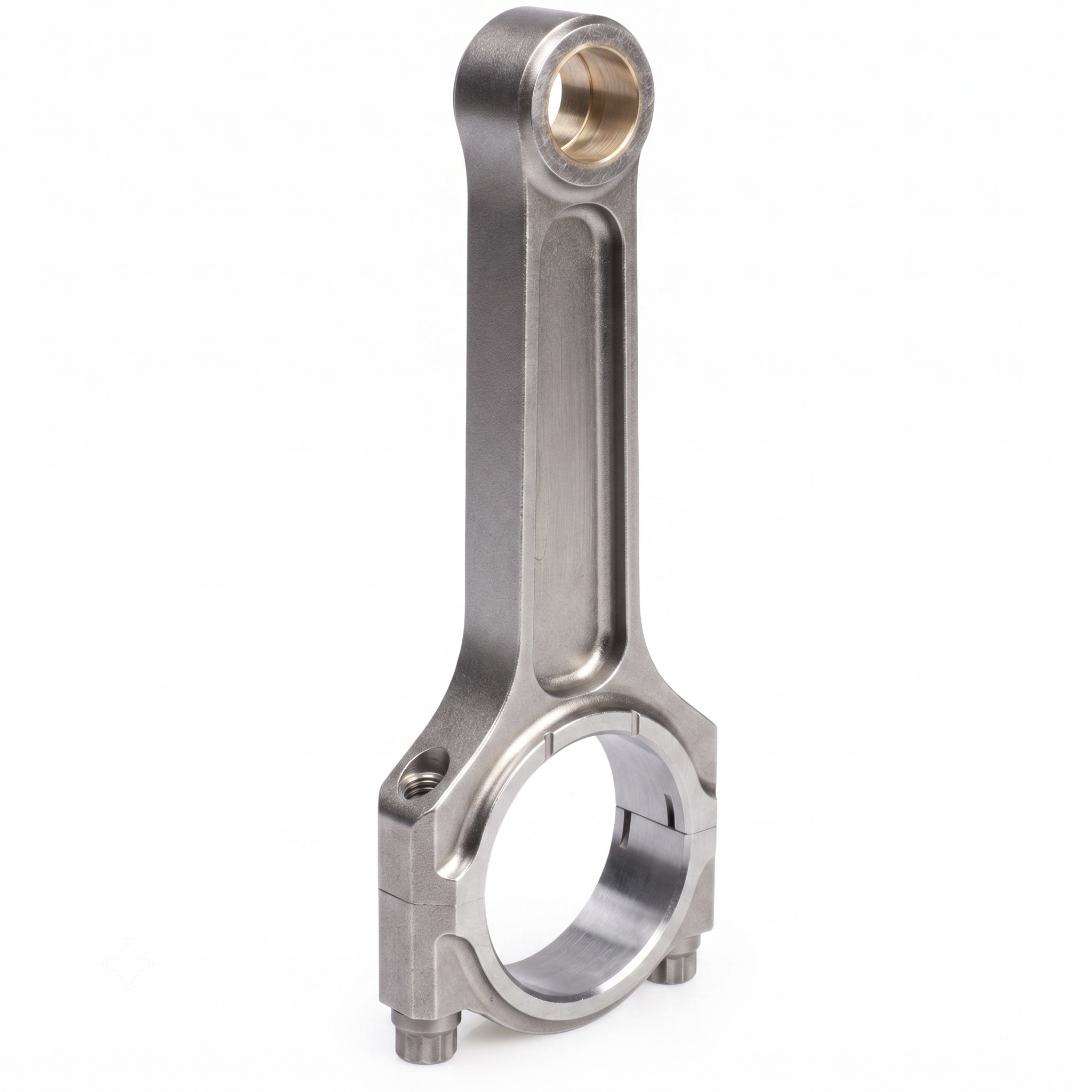 | I-HD profile (I-beam Heavy Duty): a reinforced I-section built to take the high loads of an aggressive build. Heavier than the H profile, it offers maximum compressive strength and suits hard-working F20C engines, especially when a turbo or supercharger raises in-cylinder pressure. |
| I-Lite profile: a lightened version of the I-beam section that keeps the strength of the beam while cutting reciprocating mass (564 g against 625 g for the I-HD). It is the compromise to favour on a prepared naturally aspirated F20C intended to rev high: less mass to accelerate and to stop, therefore lower loads on the crank journal and bearings at 9,000 rpm, without giving up compressive safety margin. It accepts either ARP 2000 or ARP L19 hardware. |
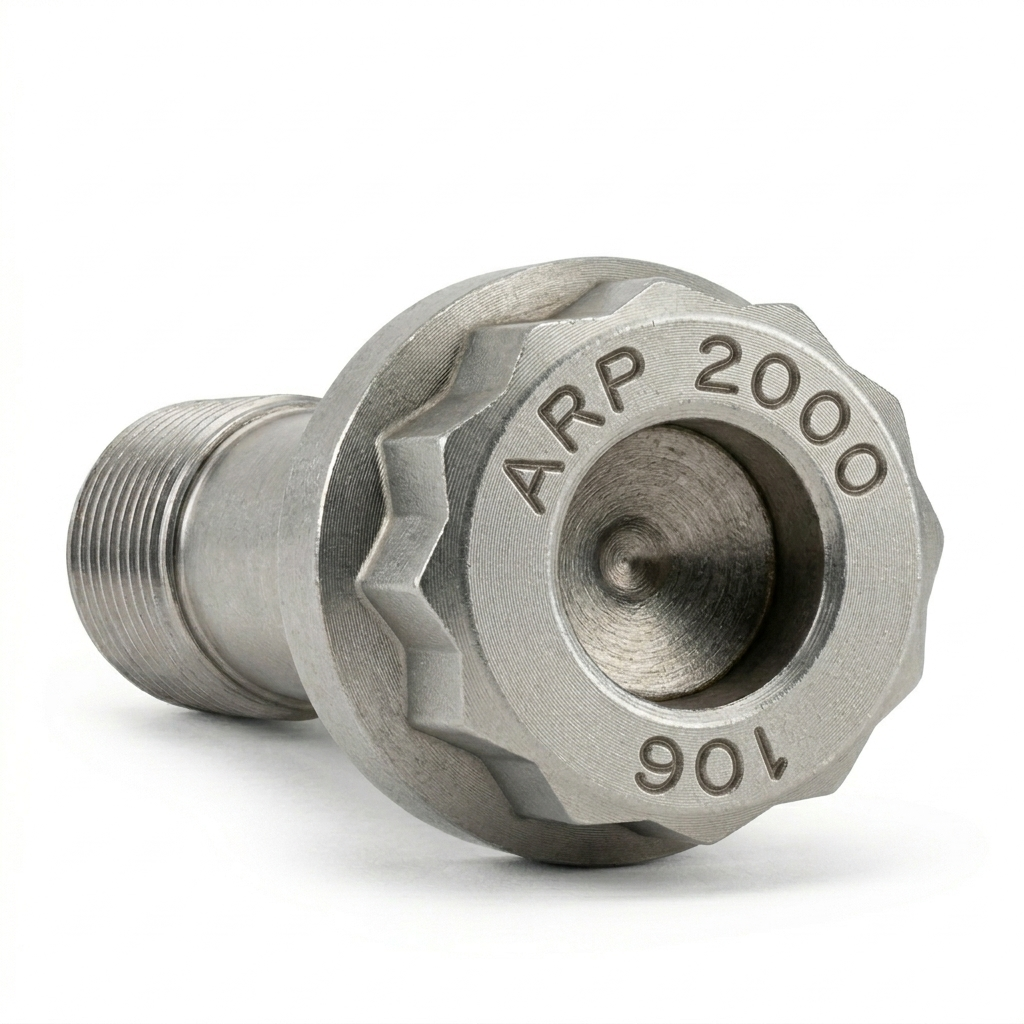 | ARP 2000 is a wrought, through-hardened steel with tensile strength around 220,000 psi, i.e. ~1,517 MPa; its threads are rolled after heat treatment, which work-hardens the thread root and gives excellent cyclic fatigue endurance. The grade is rated up to 200 hp per cylinder in 3/8" and up to 8,500 rpm: it is the most common choice in circuit racing, trackdays, drift, rally, drag and hillclimb. Here it is fitted to all three ZRP profiles in 3/8"-38 mm and requires no particular storage conditions. |
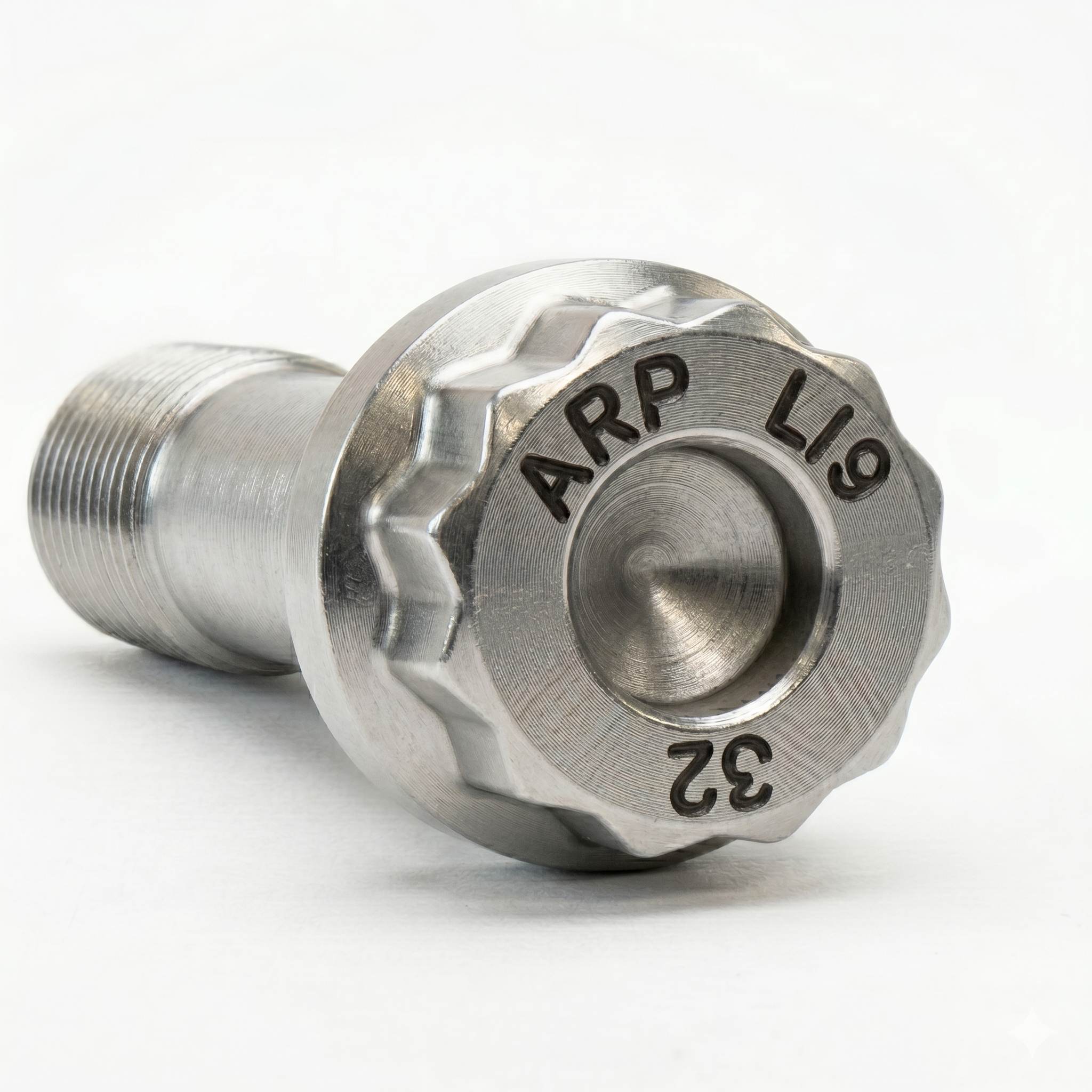 | L19 comes from a richer alloy and a more severe quench and temper cycle: tensile strength rises to about 260,000 psi, i.e. ~1,793 MPa, for 250 hp per cylinder in 3/8" and up to 10,000 rpm. It addresses very high boost pressure, sustained high engine speeds and high cylinder pressure, hence big-power builds in drag, drift, rally and circuit, which makes sense on a high-revving F20C. The downside of that metallurgy: L19 dislikes corrosion and hydrogen embrittlement; it must be stored and fitted oiled, away from moisture. |
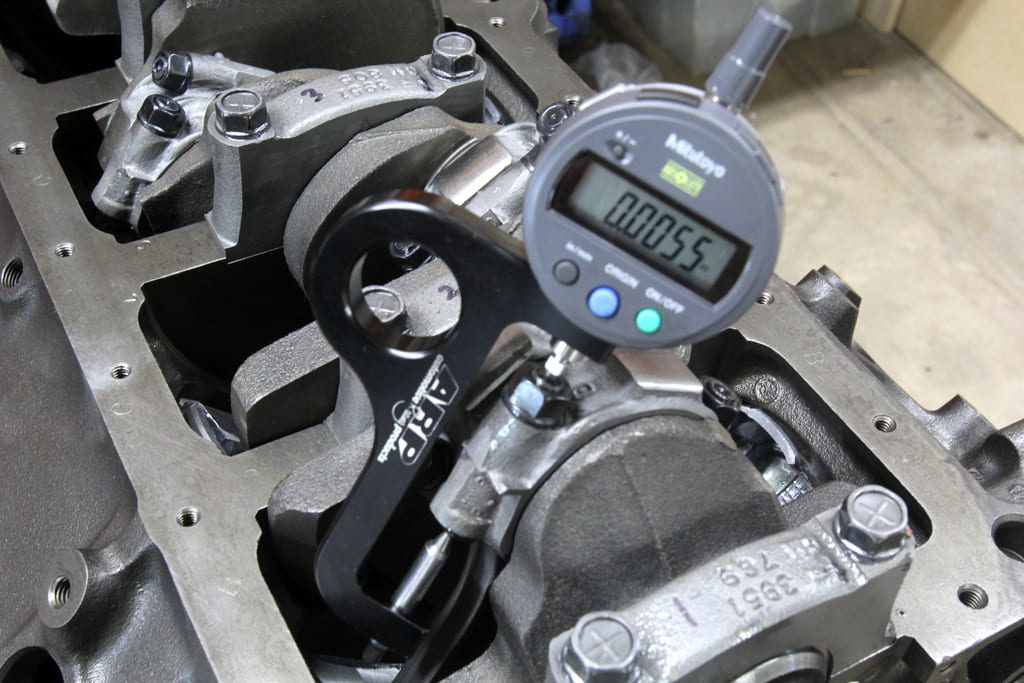
| On premium ARP bolts, torque tightening can be replaced or checked by measuring bolt stretch, a far more accurate method because it directly monitors the real tension in the bolt, independent of friction. The stretch gauge sits between the two ends of the bolt; you tighten until the recommended stretch is reached (see the table above). This is the method ARP recommends for a competition assembly. |
 | ZRP: forged rods designed by Alex Drakos (Athens), known for forging quality and finish. The ZRP range covers the main tuning engines with controlled dimensions and rigorous quality control, in H and I profiles depending on use. For the F20C, the H-Lite profile chosen here favours light weight and high-rpm strength. |
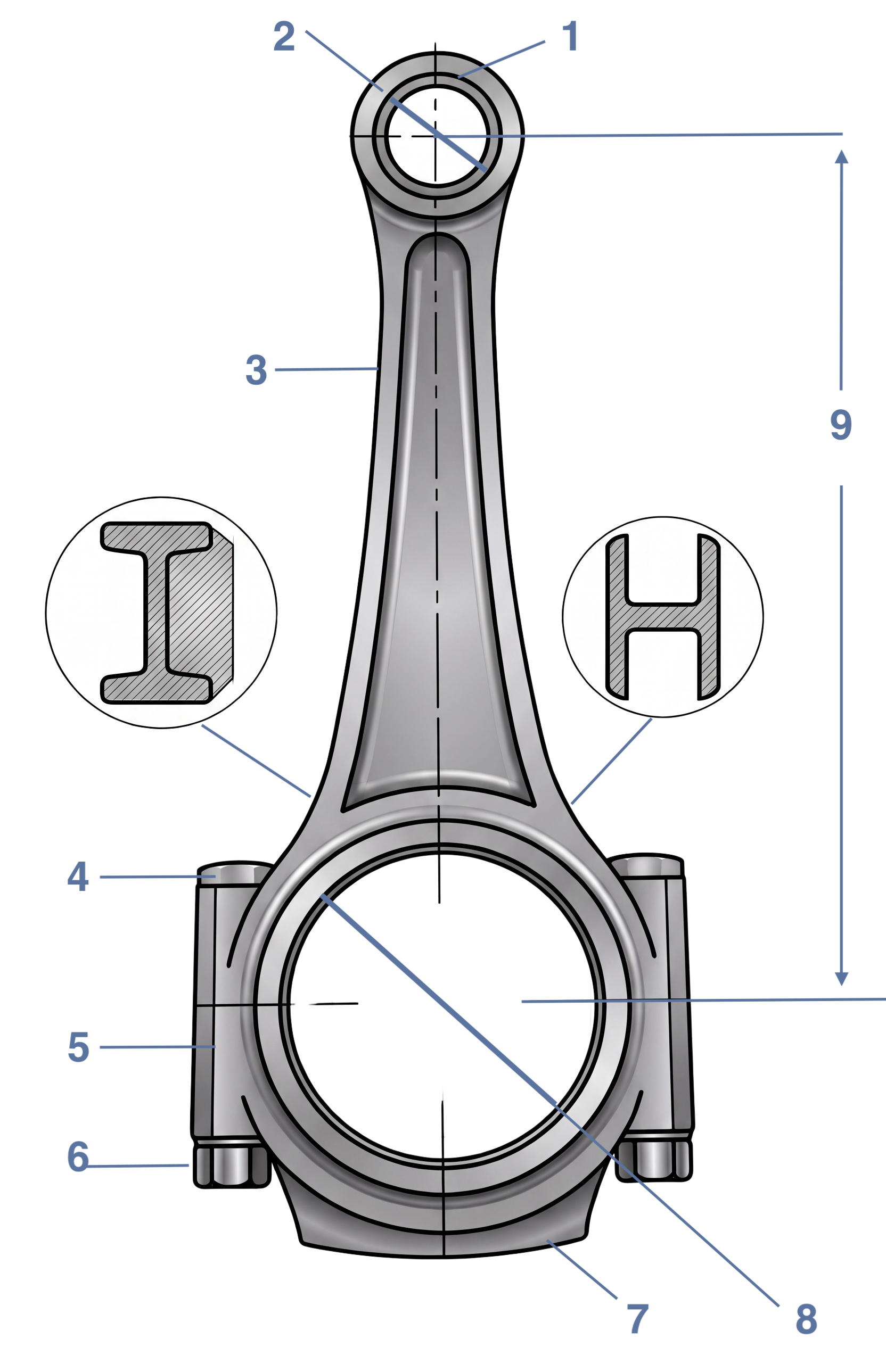 | 1) Small end 2) Small-end diameter 3) Rod beam 4) Rod bolt 5) Big end 6) Rod nut / bolt 7) Rod cap 8) Big-end diameter 9) Center-to-center |
These forged rods are dedicated to the 2.0-litre sixteen-valve Honda F20C in its original geometry: 23 mm pin, 51 mm big end and 153 mm centre-to-centre. Read the exact engine code stamped on your block before ordering, as several Honda four-cylinders share the same displacement.
| Make | Model (chassis) | Engine code | Power | Years |
|---|---|---|---|---|
| Honda | S2000 (AP1) | F20C | 240–250 ch | 1999–2009 |
When a standard rod lets go at high rpm or under heavy load, the damage spreads to the block, the crankshaft and the cylinder head, and both the rods AND the pistons, almost always marked in the incident, have to be replaced: the bill for a simple return to standard becomes very high. For an equivalent or even lower budget, a set of 4340 forged rods combined with forged pistons brings reliability and a safety margin that cannot be compared, together with real room to raise power; this is the route European engine builders have taken for more than fifteen years. On a high-revving F20C the 4340 rod keeps its reserve where the production rod has left its operating range, and it extends the life of the whole rotating assembly, on track as on the open road. For the same budget: more reliability, more potential, more longevity.