Product successfully added to your shopping cart
Quantity
Total
There are 0 items in your cart. There is 1 item in your cart.
Total products
Total shipping To be determined
Total

2.0L 16v - 4G63 7-bolt
Manufacturers
2.0L 16v - 4G63 7-bolt
Warning: Last items in stock!
New product
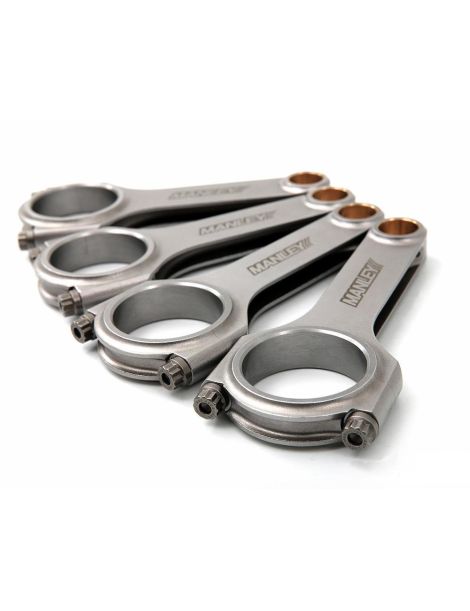
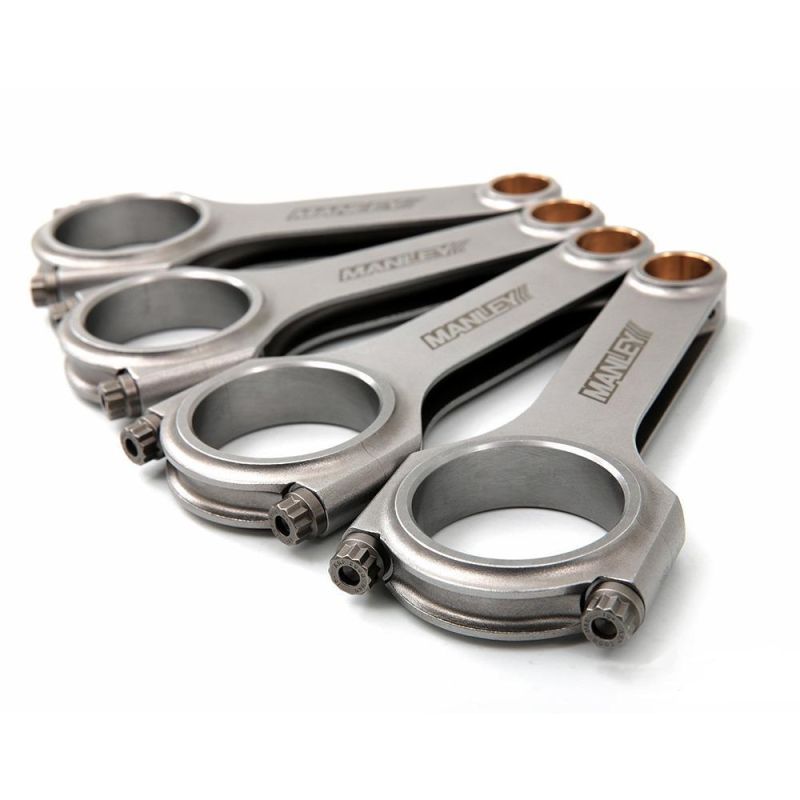
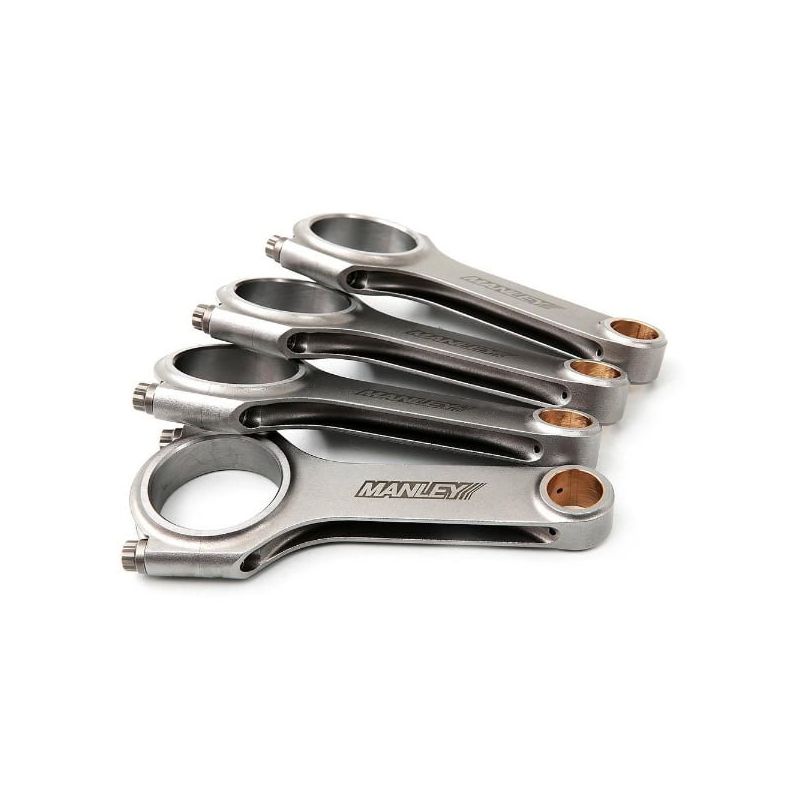
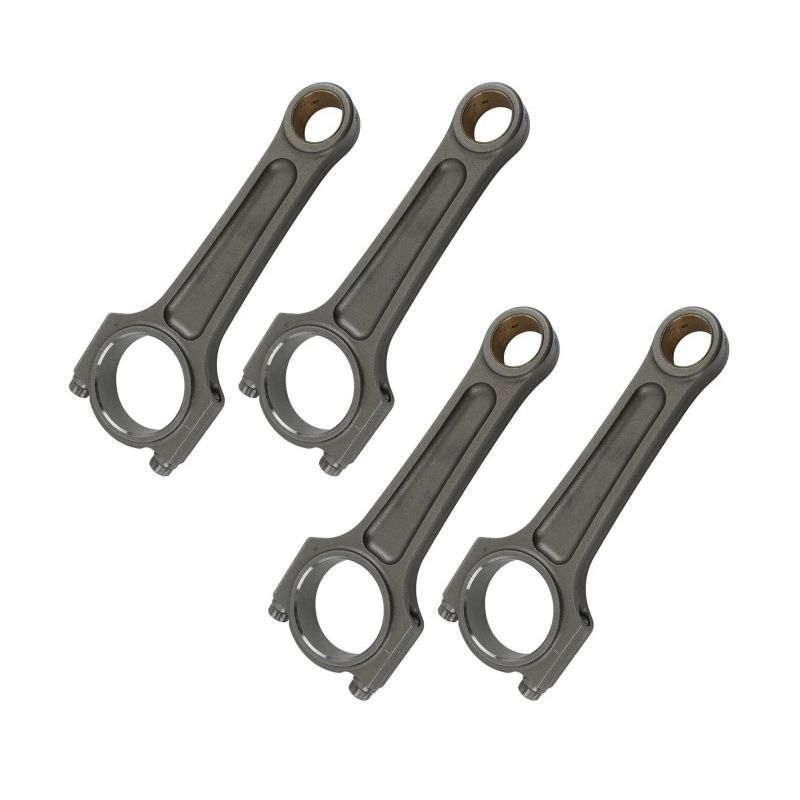
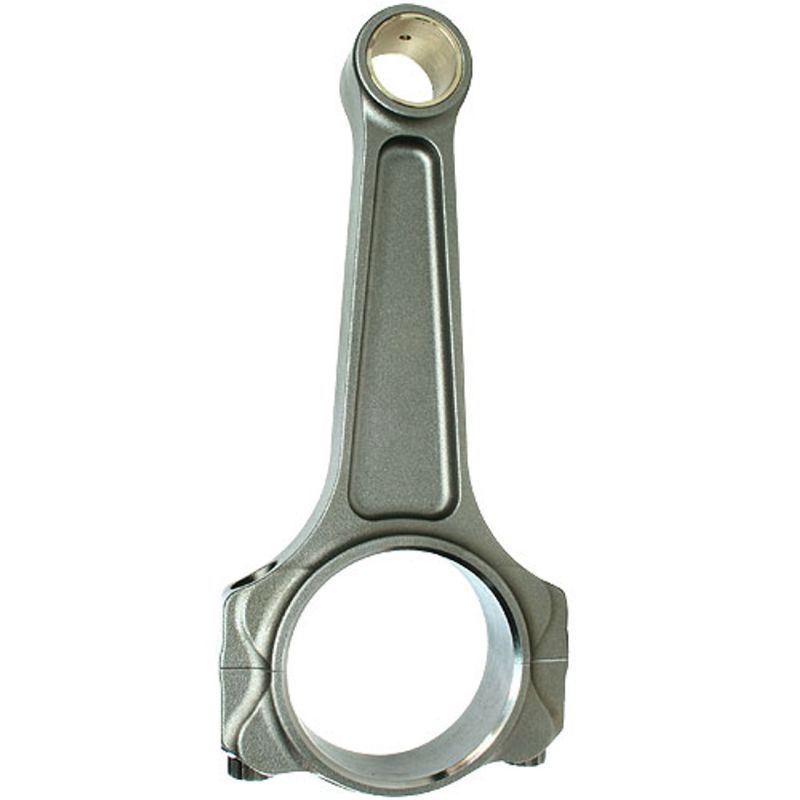
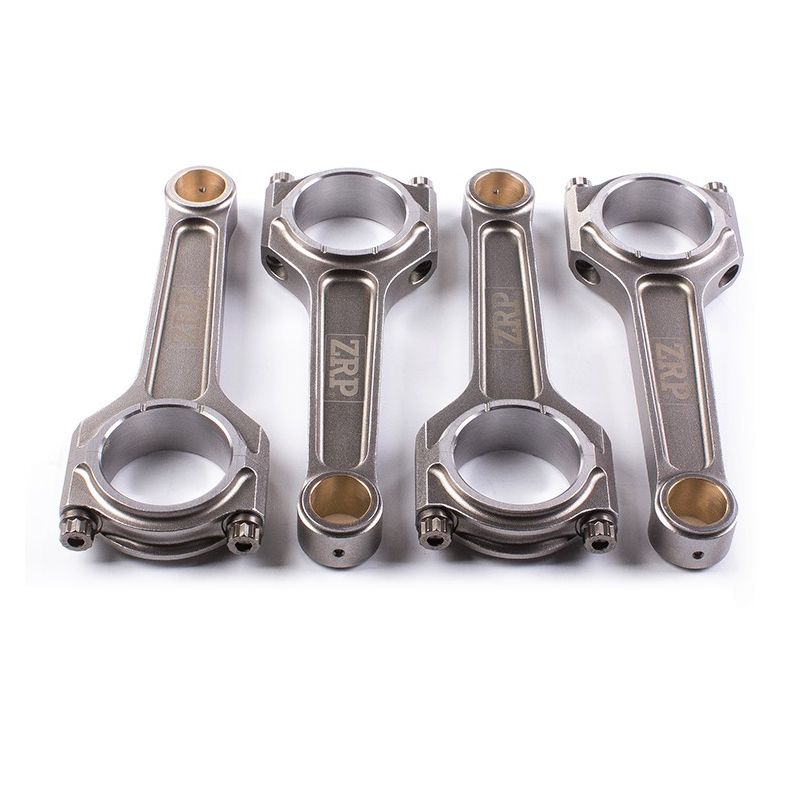
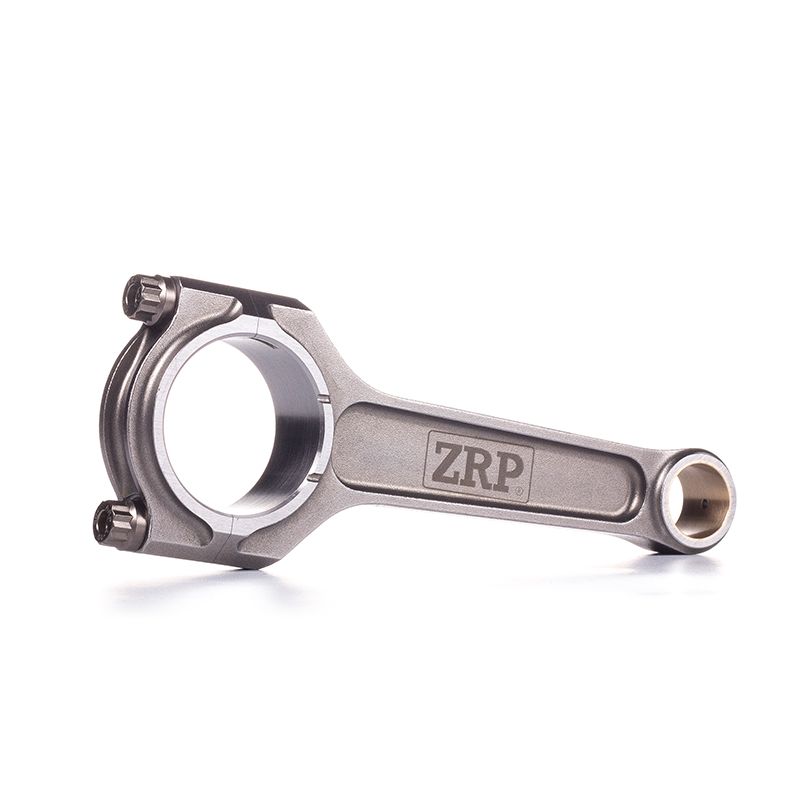
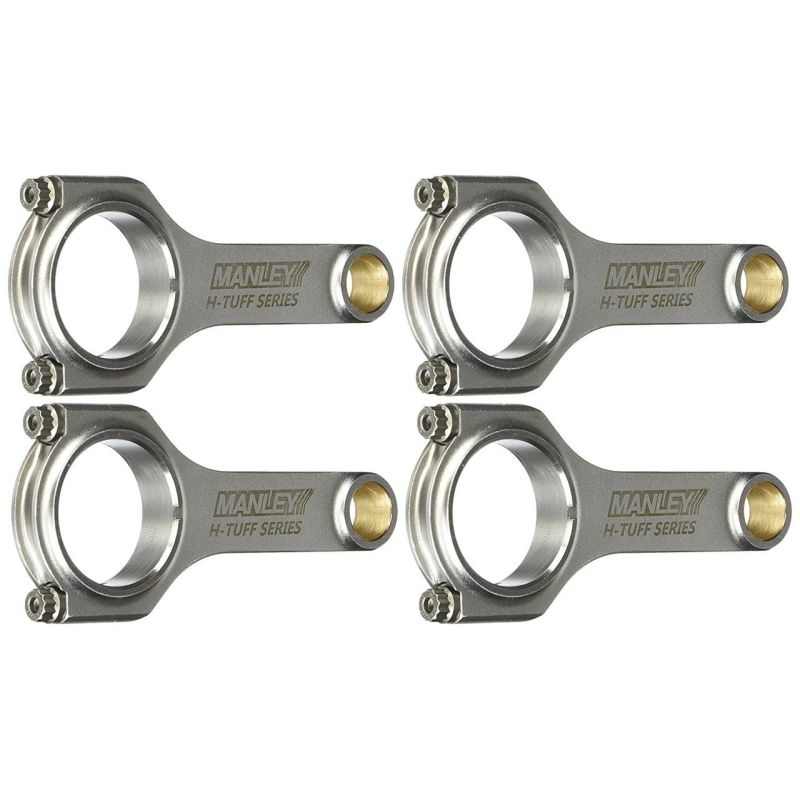
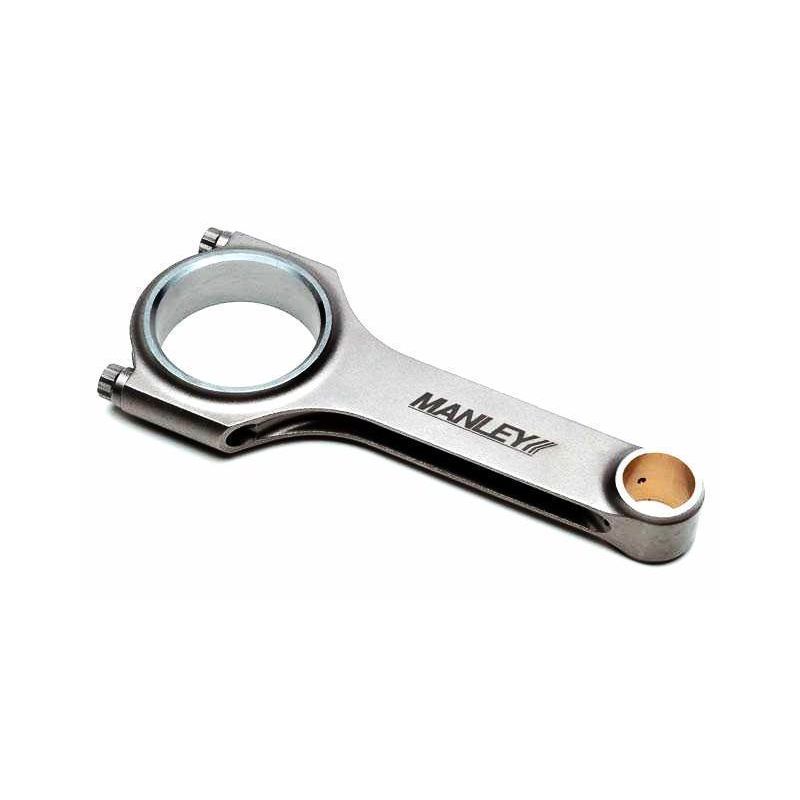
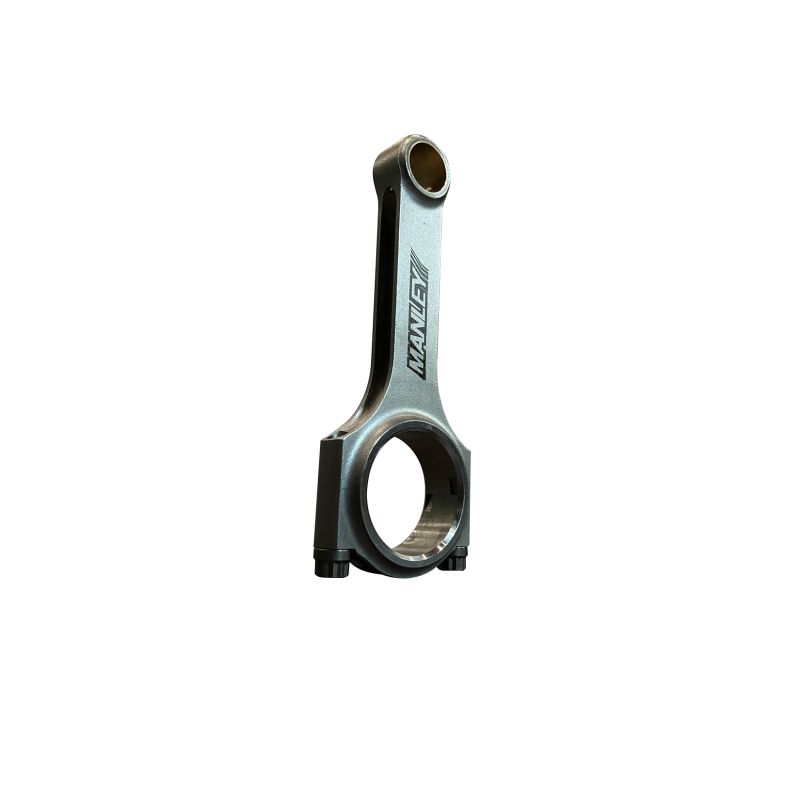
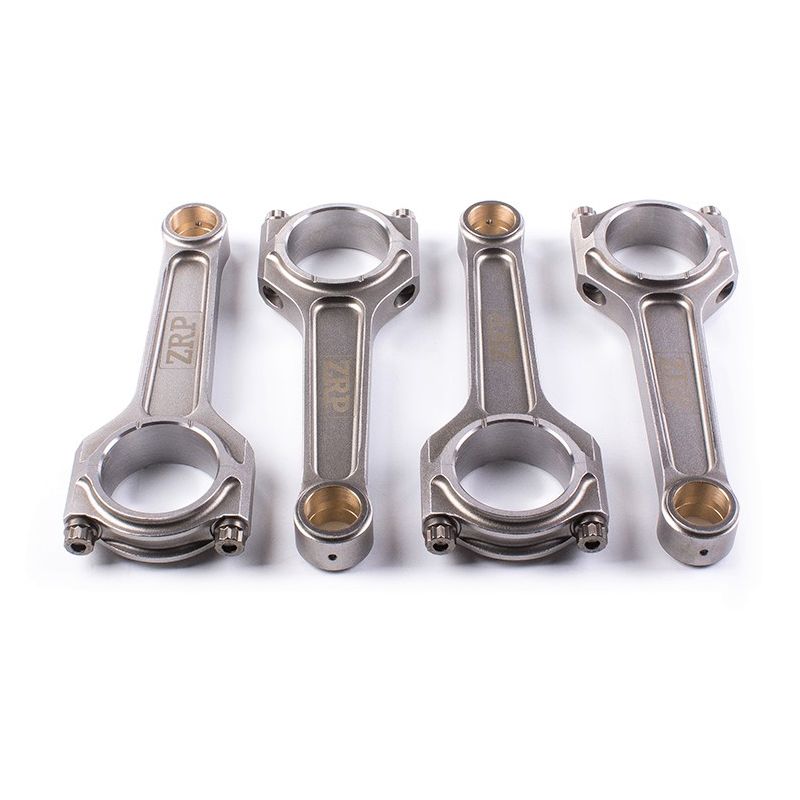
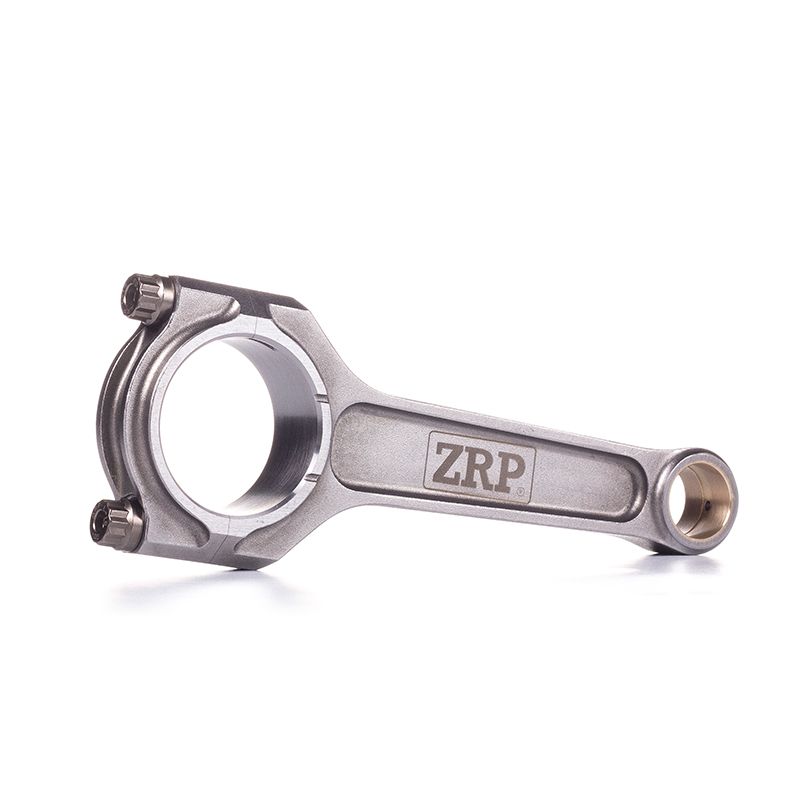
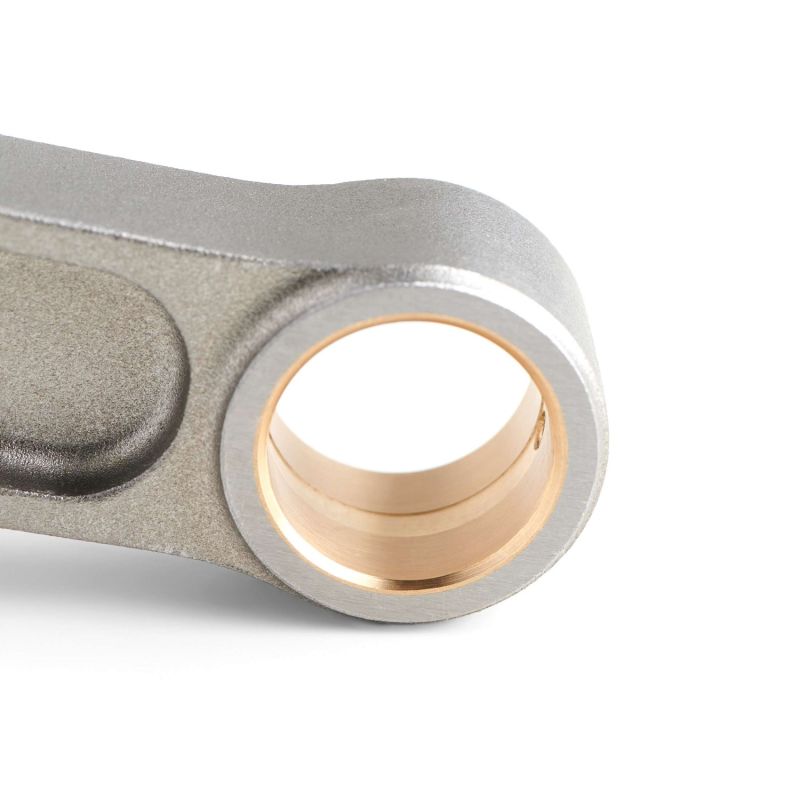
Set of 4 forged connecting rods in 4340 steel for the Mitsubishi 2.0L 16V 4G63 7-bolt.
The 4G63 is the 2.0-litre turbocharged four-cylinder that built Mitsubishi's motorsport legend. Part of the 4G6 family, this cast-iron block with an aluminium head (16 valves, DOHC) displaces 1,997 cm³ with an 85 mm bore and an 88 mm stroke. From 1996 Mitsubishi switched to a flywheel secured by 7 bolts (hence the "7-bolt" name), stiffer than the earlier 6-bolt design.
This 7-bolt version powers the Lancer Evolution IV to IX as well as the second-generation Eclipse and Talon. Famously near-indestructible, the 4G63T easily withstands power figures well beyond stock once the rotating assembly is upgraded. The rods shown here are long rods with a 156 mm centre distance (versus 150 mm stock), favoured on stroker builds or to optimise the rod/stroke ratio of an aggressive build.
Machined from high-strength forged alloy steel, these rods replace the factory parts whose limit shows as soon as boost and rpm climb. Forging aligns the metal grain with the loads, delivering fatigue and bending resistance far beyond a mass-produced rod.
Each set ships with its ARP high-performance hardware (ARP 2000, L19 or CA625+ depending on the variant), factory-fitted. The range covers H and I profiles, in 4340 steel and, for the ZRP "IP" version, in 817M40T steel, to suit circuit builds as well as the most demanding big-turbo and rally setups.
| Reference | Brand | Profile | Hardware | Pin Ø OEM 22 mm | Small-end width | Big-end Ø OEM n.p. | Big-end width | Centres OEM 150 mm | Steel | Weight per rod |
|---|---|---|---|---|---|---|---|---|---|---|
| 14020-4 | Manley | H | ARP 2000-3/8"-38mm | 22 | 48 | 26,4 | 156 | 4340 | 545 | |
| 15020-4 | Manley | H-HD | ARP 2000-3/8"-38mm | 22 | 48 | 26,4 | 156 | 4340 | 635 | |
| 15020R6-4 | Manley | H-HD | ARP CA625+-3/8"-38mm | 22 | 48 | 26,4 | 156 | 4340 | 635 | |
| 14421-4 | Manley | I-HD | ARP 2000-3/8"-41mm | 22 | 48 | 26,4 | 156 | 4340 | 645 | |
| 14421R6-4 | Manley | I-HD | ARP CA625+-3/8"-41mm | 22 | 48 | 26,4 | 156 | 4340 | 645 | |
| R-MIT-007-I | ZRP | I-HD | ARP 2000-3/8"-38mm | 22 | 48 | 26,4 | 156 | 4340 | 612 | |
| R-MIT-007-I-L19 | ZRP | I-HD | ARP L19-3/8"-38mm | 22 | 48 | 26,4 | 156 | 4340 | 612 | |
| R-MIT-007-IP | ZRP | I | ARP L19-3/8"-38mm | 22 | 48 | 26,4 | 156 | 817M40T | 633 |
OEM reference: (set of 4 rods).
| Rod | Hardware | Torque | Recommended stretch |
|---|---|---|---|
| Manley (14020-4) | ARP 2000 | 81,3 N·m | 0,147–0,157 mm |
| Manley (15020-4) | ARP 2000 | 81,3 N·m | 0,147–0,157 mm |
| Manley (15020R6-4) | ARP CA625+ | 88,1 N·m | 0,160–0,170 mm |
| Manley (14421-4) | ARP 2000 | 81,3 N·m | 0,147–0,157 mm |
| Manley (14421R6-4) | ARP CA625+ | 88,1 N·m | 0,165–0,190 mm |
| ZRP (R-MIT-007-I) | ARP 2000 | 61,0 N·m | 0,140–0,152 mm |
| ZRP (R-MIT-007-I-L19) | ARP L19 | 67,8 N·m | 0,152–0,165 mm |
| ZRP (R-MIT-007-IP) | ARP L19 | 67,8 N·m | 0,152–0,165 mm |
Manufacturers recommend the stretch method rather than a torque figure: the actual bolt elongation is measured with a dedicated gauge, ensuring an even preload. The values above are indicative and must always be confirmed against the hardware maker's documentation.
| 4340 belongs to the family of nickel-chromium-molybdenum alloy steels, approved for aerospace as well as for motorsport. Hot forging aligns the grain flow of the metal with the loads the rod actually sees; quenching followed by tempering then sets a rare balance between hardness, fatigue life and the ability to deform rather than snap. Against a production rod, usually sintered and drawn up around industrial cost, the gap is measurable: around 19% more yield strength, 8% more tensile strength and 19 to 37% more endurance, which multiplies service life under alternating loads. On a 4G63 running higher boost pressure, that reserve makes all the difference. |
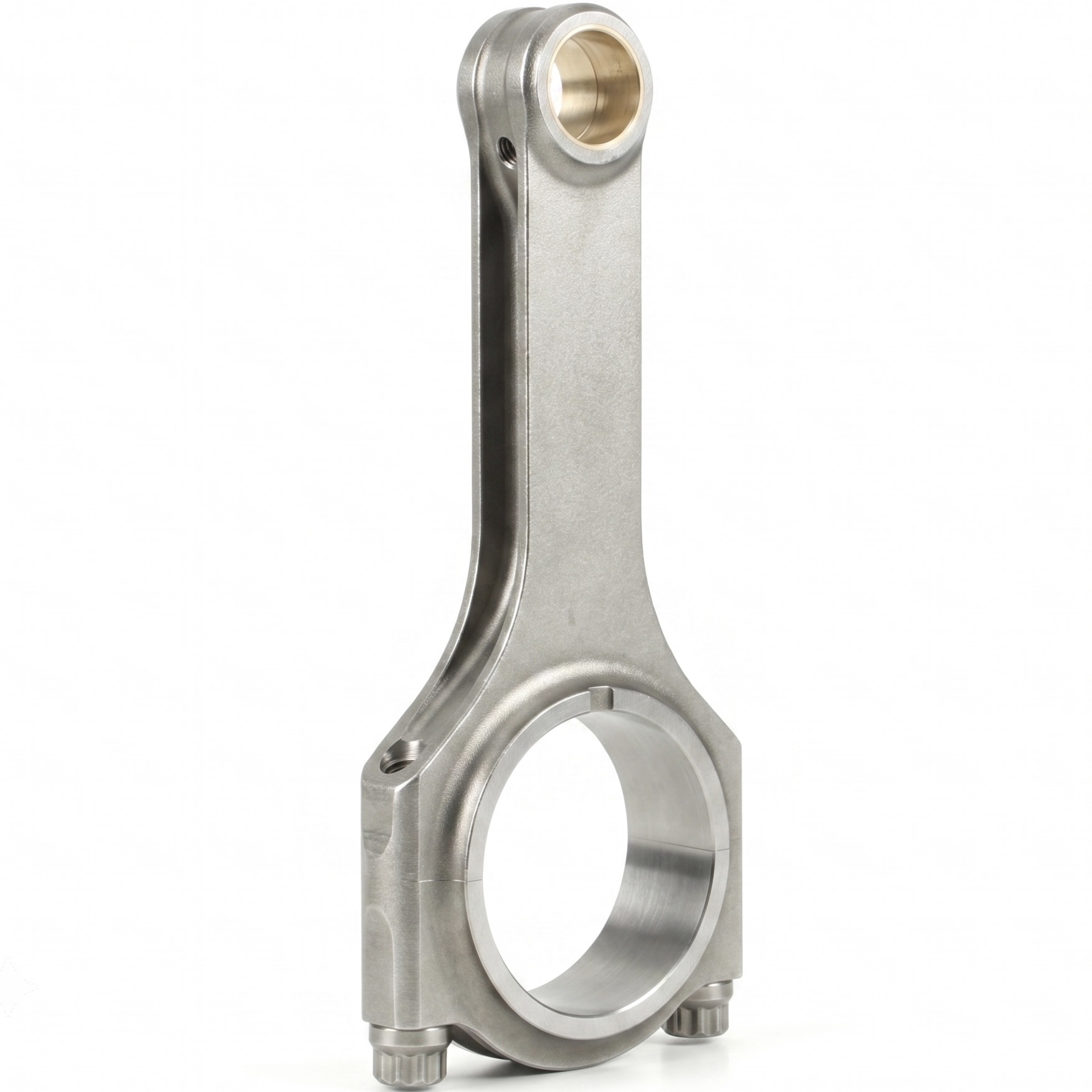 | H profile (H / H-HD). The H-section body, with two solid flanges joined by a central web, is remarkably resistant to bending and compression: it is the profile to choose when torque is high and cylinder pressure heavy, typically a 4G63 built for drag racing or rallying. Slightly heavier than an I profile, it puts robustness first; the H-HD variant adds material in the most heavily loaded areas. |
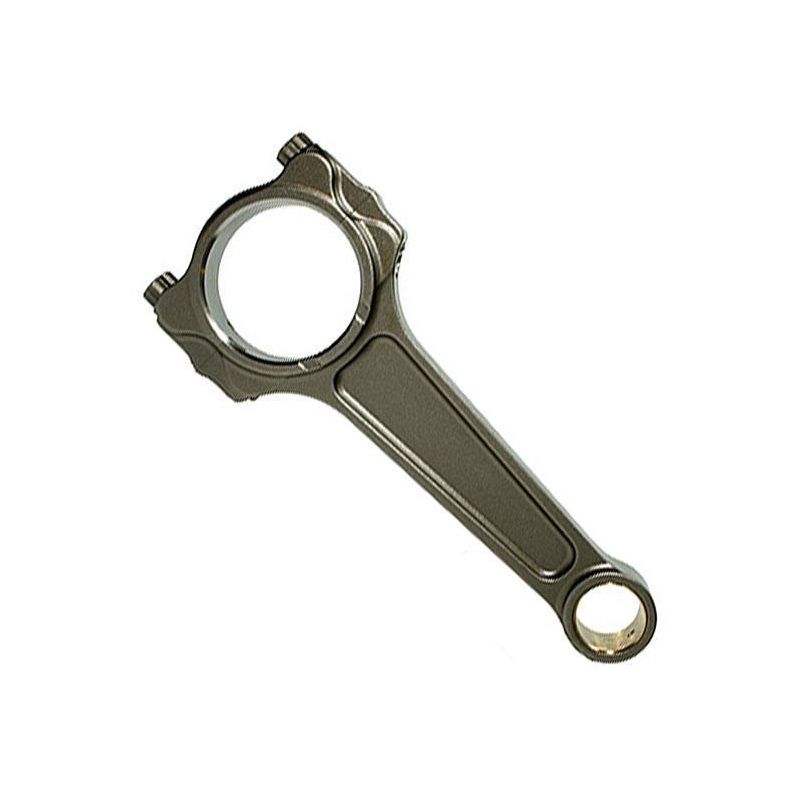
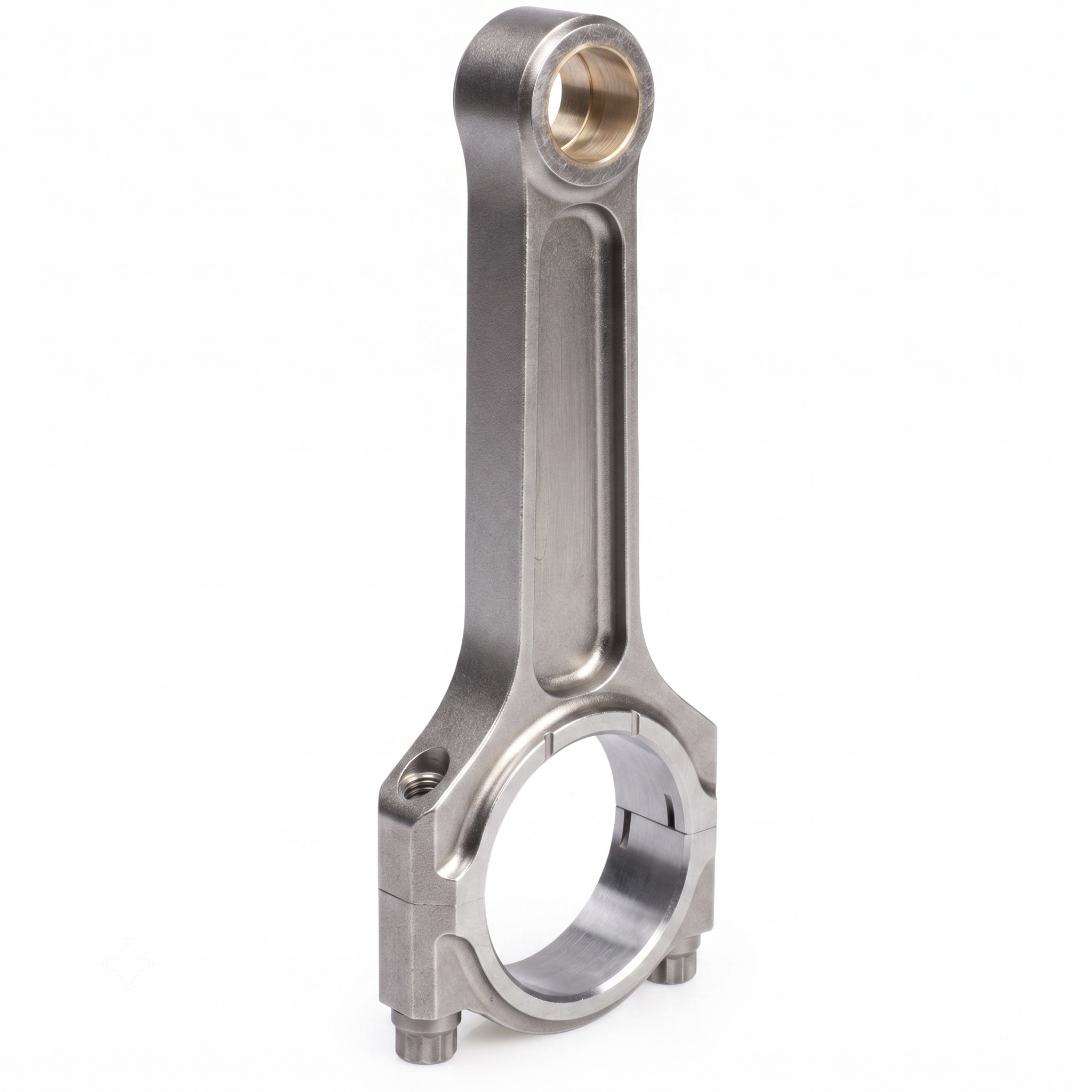 | I profile (I / I-HD). The I-section body concentrates material where the load passes and removes the rest: the rod is lighter, the inertia of the rotating assembly drops and the engine picks up revs more sharply. It is the choice of modern turbo engines and of builds looking for response; the I-HD version strengthens the big end and the body to take higher loads. |
The rod bolt is one of the most heavily loaded parts of the engine. Every variant here uses ARP hardware in 3/8" diameter, a guarantee of reliability at high rpm. The grade choice depends on target power and budget.
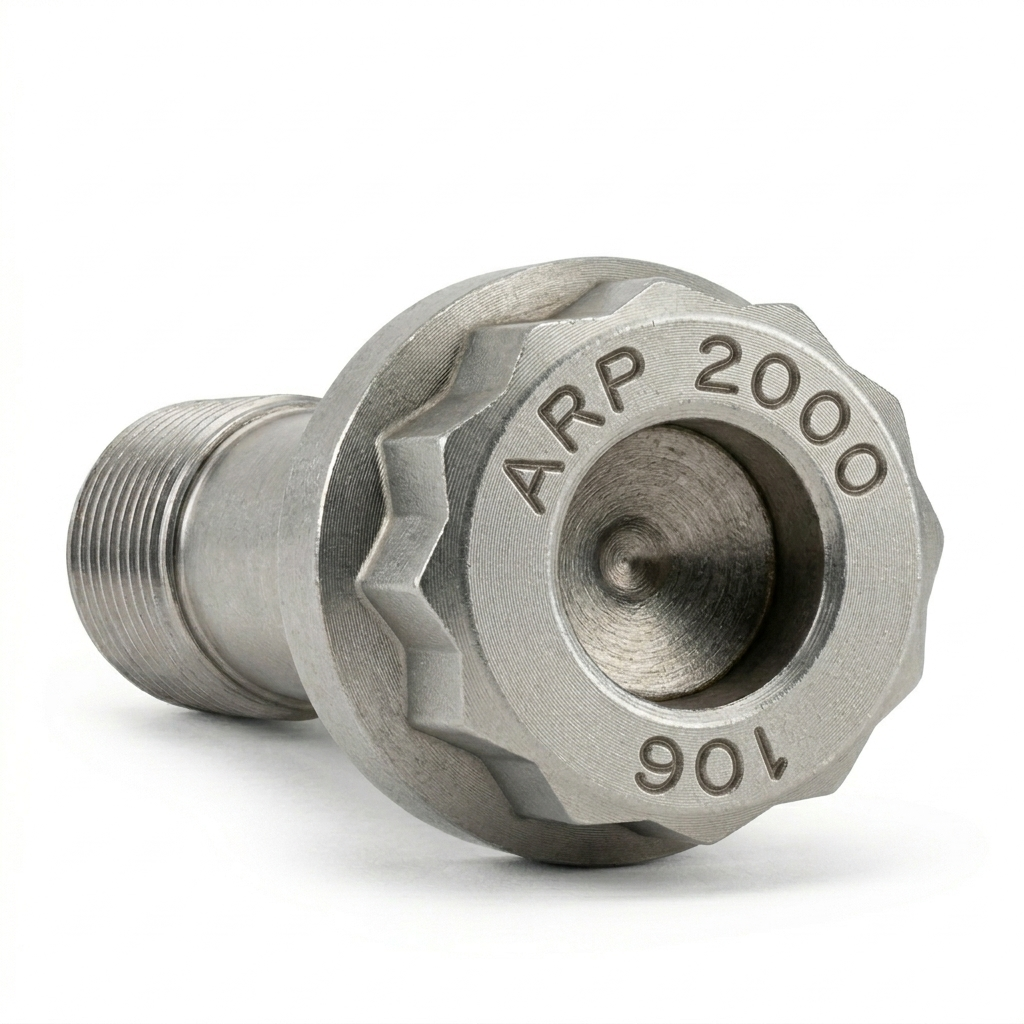 | ARP 2000. Tensile strength around 220,000 psi (≈ 1,517 MPa). In 3/8", it secures about 200 hp per cylinder and rpm up to 8,500. The most common grade, recognised for its strength and versatility. |
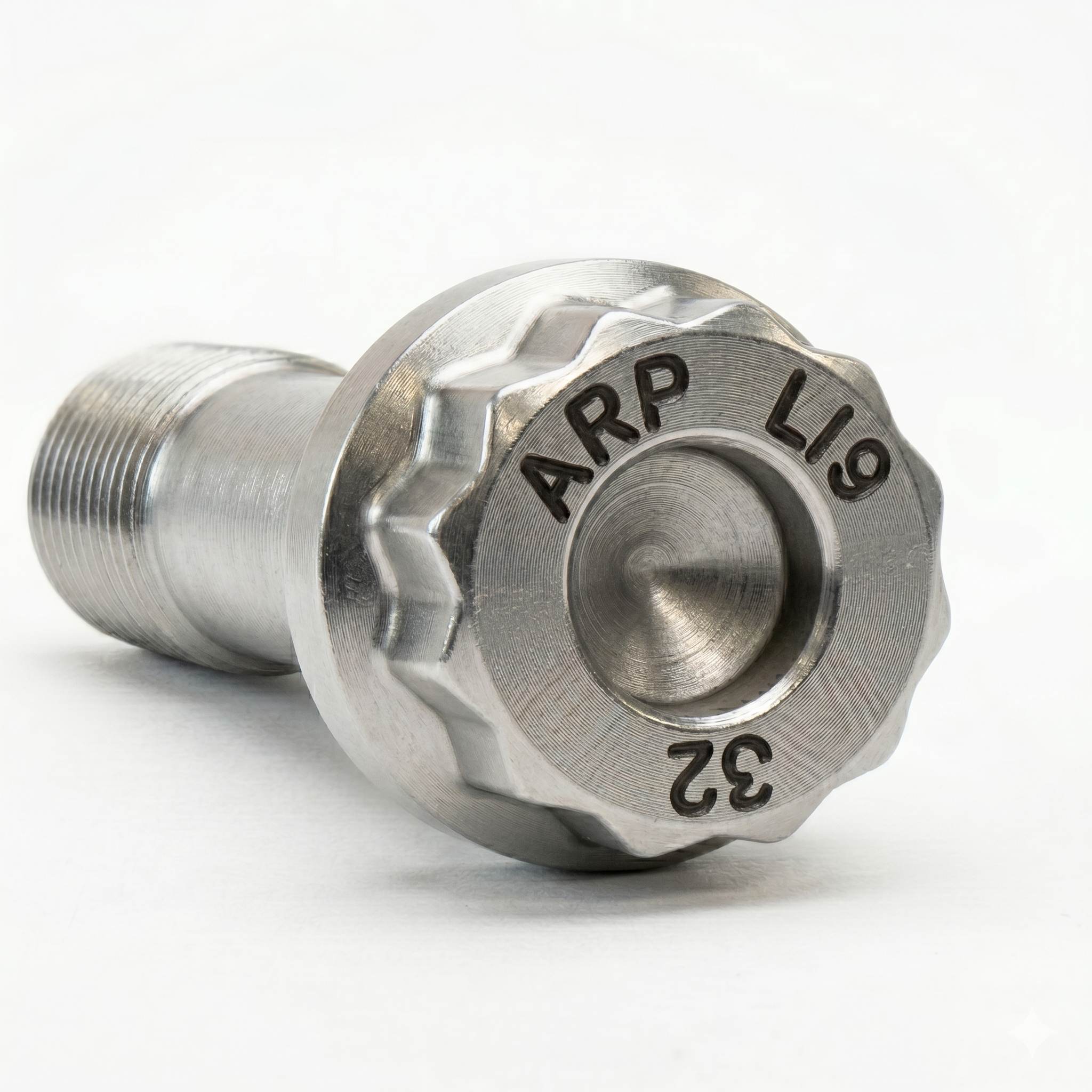 | ARP L19. Very high strength grade (≈ 260,000 psi) for hard-driven engines: in 3/8", it allows about 250 hp per cylinder and rpm up to 10,000. Corrosion-sensitive, it requires oiled storage. |
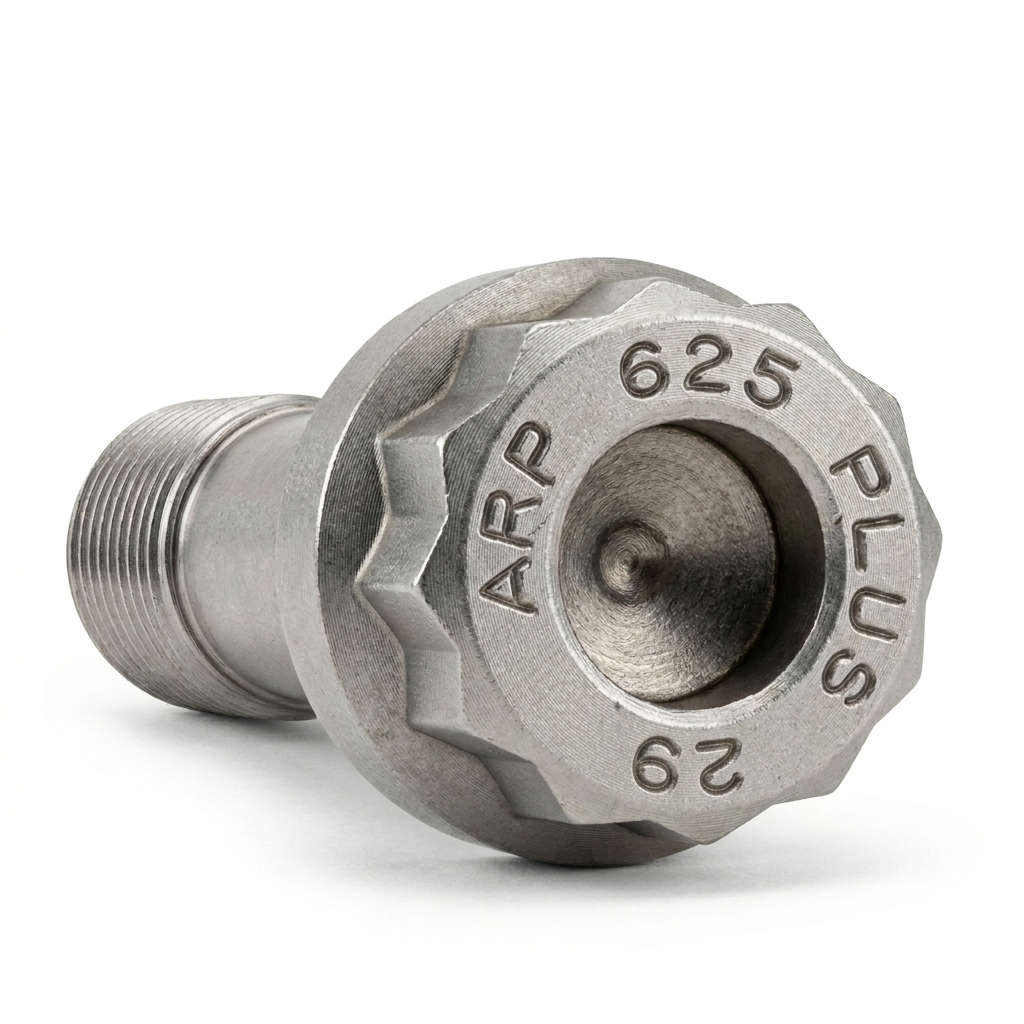 | ARP CA625+. Premium alloy steel designed for extreme environments (endurance, big-turbo). In 3/8", it is reserved for builds beyond 250 hp per cylinder and rpm beyond 10,000. Superior strength and fatigue life, with no particular storage constraint. |
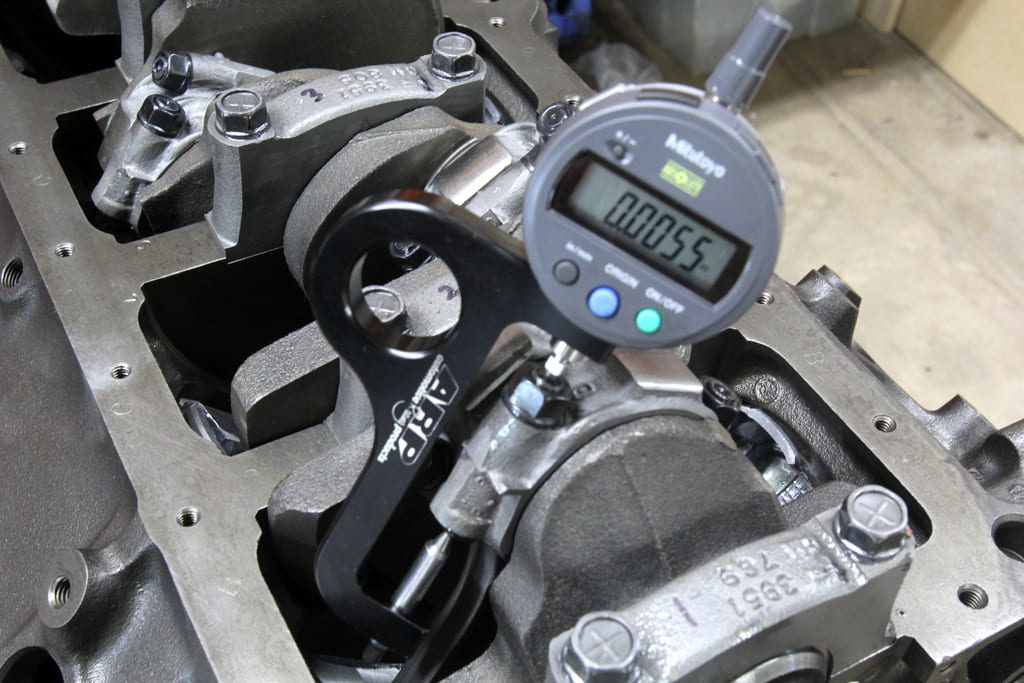
| Stretch method. Rather than relying on torque alone, bolt elongation is measured with a stretch gauge: the only method that guarantees an exact, repeatable preload, essential to rod integrity at high rpm. |
Discover the ARP stretch gauge
This page brings together two benchmark manufacturers, selected for their forging quality and motorsport reputation.
 | Manley Performance. American manufacturer of competition engine parts since 1966. Its rods are machined from vacuum-degassed aerospace-grade 4340 steel, shot-peened to improve fatigue life and then inspected individually before shipping. The Turbo Tuff range, widely used on tuned 4G63 engines in the United States, is fitted with ARP 2000 or ARP L19 bolts depending on the target power. |
 | ZRP. Forged connecting rods designed by Alex Drakos in Athens, Greece, purely for competition use. Every part is forged from 4340 steel, machined and then weight-matched to ±1 g so the engine stays balanced at high rpm. On the 7-bolt 4G63, ZRP covers the H and I profiles with ARP 2000, ARP L19 or Custom Age 625+ bolts depending on the level of tune. |
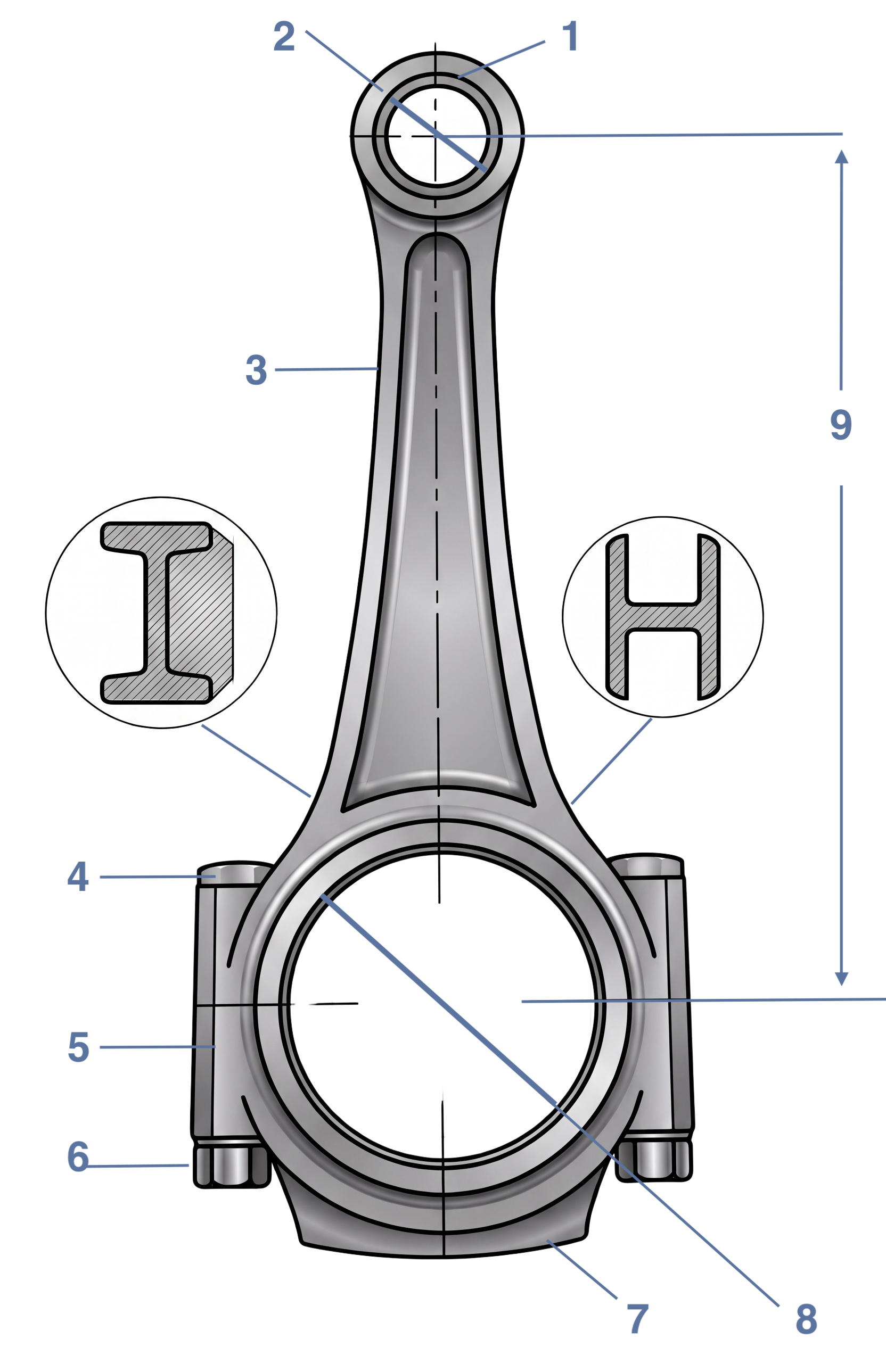 | 1) Small end 2) Small-end diameter 3) Rod beam 4) Rod bolt 5) Big end 6) Rod nut / bolt 7) Rod cap 8) Big-end diameter 9) Center-to-center |
Below are the vehicles fitted with the Mitsubishi 2.0L 16V 4G63 7-bolt engine. Measuring the piston pin diameter and the rod length remains essential before any order. Variant concerned: 156 mm rod length, 22 mm pin.
| Brand | Model (chassis) | Engine code | Power | Years |
|---|---|---|---|---|
| Mitsubishi | Lancer Evolution IV–VI (CN9A/CP9A) | 4G63T | 280 hp | 1996–2001 |
| Mitsubishi | Lancer Evolution VII–IX (CT9A) | 4G63T | 280 hp | 2001–2007 |
| Mitsubishi | Eclipse GST / GSX 2G (D30) | 4G63T | 210 hp | 1995–1999 |
| Eagle | Talon TSi 2G | 4G63T | 210 hp | 1995–1998 |
On a 4G63 that has thrown a rod, putting it back to standard is never an isolated job: the matching piston is destroyed, the crankshaft marked, sometimes the block needs boring. Added together, those original parts cost as much as a proper build, only to recover exactly the limits that caused the failure.
The same budget spent on forged 4340 rods and forged pistons changes the picture completely: the safety margin grows, the rotating assembly copes with pressures and revs the standard engine never saw, and power can be raised later without opening the bottom end again.
For comparable spending: more reliability, more durability, more potential.