Product successfully added to your shopping cart
Quantity
Total
There are 0 items in your cart. There is 1 item in your cart.
Total products
Total shipping To be determined
Total

2.5L 20v - DAZA DNWA
Manufacturers
2.5L 20v - DAZA DNWA
Warning: Last items in stock!
New product
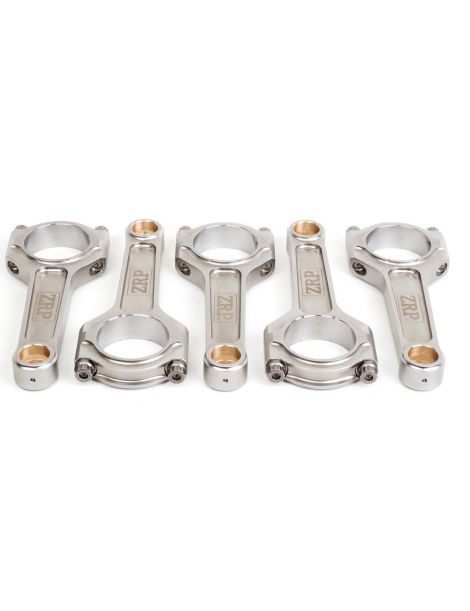
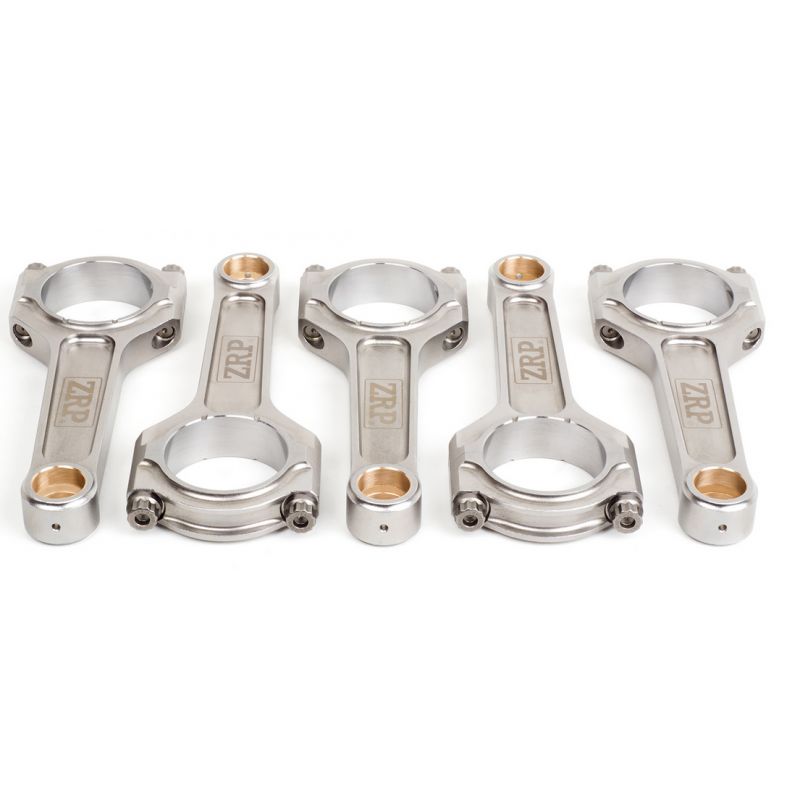
Set of 5 forged 4340-steel rods for the Audi 2.5 TFSI EA855 EVO.
The 2.5 TFSI EVO (engine code EA855 EVO) is the second generation of Audi's famous inline five-cylinder: 2,480 cc, direct injection and turbocharging. Introduced in 2015, it drops the cast-iron block of the first version for an aluminium crankcase with plasma-coated liners, shedding around 26 kg. Its twin-cam, 20-valve head and 1-2-4-5-3 firing order preserve the unmistakable sound of the family that built Audi's rally legend.
Fitted to the RS3 (8V), TT RS (FV) and RS Q3 (F3), it delivers 367 to 400 hp as standard and has repeatedly won International Engine of the Year. That high potential is also its weak point: as soon as boost pressure and rpm climb, the factory rotating assembly becomes the limiting link, which is why forged rods built for competition make sense.
Machined from high-strength 4340 steel, these reinforced forged rods secure the bottom end of the 2.5 TFSI EVO from the very first build. They become essential when fitting forged pistons, raising boost, increasing rpm or adding displacement, all cases where the stock rod reaches its limits.
Designed to absorb the loads of built engines, they cover every discipline (rally, drift, drag, track and circuit, hillclimb, time attack) and support Stage 2, Stage 3 and Stage 4+ builds, right up to a full competition engine.
| Reference | Brand | Profile | Bolts | Pin Ø | Small-end width | Big-end Ø | Big-end width | Center-to-center | Weight/rod | Oil hole |
|---|---|---|---|---|---|---|---|---|---|---|
| R-VW-008-I-5 | ZRP | I | ARP 2000-3/8"-38mm | 23 mm | 50,6 mm | 21,85 mm | 144 mm | 500 g | No | |
| R-VW-008-I-5-L19 | ZRP | I | ARP L19-3/8"-38mm | 23 mm | 50,6 mm | 21,85 mm | 144 mm | 500 g | No | |
| R-VW-008-IE-5 | ZRP | IE | ARP L19-3/8"-38mm | 23 mm | 50,6 mm | 21,85 mm | 144 mm | No | ||
| VW5670-905 | Boostline | I-3P | ARP 2000-3/8"-38mm | 23 mm | 22 mm | 50,6 mm | 21,9 mm | 144 mm | 614 g | No |
| VW5670-905+ | Boostline | I-3P | ARP CA625+-3/8"-38mm | 23 mm | 22 mm | 50,6 mm | 21,9 mm | 144 mm | 614 g | No |
| KCR333A-T-5 | Wössner | I | ARP 2000-3/8"-38mm | 23 mm | 21,5 / 16,0 mm | 50,6 mm | 21,9 mm | 144 mm | 580 g | No |
Manufacturers recommend the stretch-gauge method as the reference: the instructions supplied with the kit always take precedence. The torque figures below assume assembly with ARP lubricant.
| Rod | Bolts | Tightening torque | Recommended stretch |
|---|---|---|---|
| ZRP (R-VW-008-I-5) | ARP 2000 | 61 N·m | 0,140–0,152 mm |
| ZRP (R-VW-008-I-5-L19) | ARP L19 | 67,8 N·m | 0,152–0,165 mm |
| ZRP (R-VW-008-IE-5) | ARP L19 | 67,8 N·m | 0,152–0,165 mm |
| Boostline (VW5670-905) | ARP 2000 | 75 N·m | 0,130–0,140 mm |
| Boostline (VW5670-905+) | ARP CA 625+ | 115 N·m | 0,170–0,180 mm |
| Wössner (KCR333A-T-5) | ARP 2000 | 74,6 N·m | 0,1397–0,1524 mm |
| 4340 steel is a low-alloy nickel-chromium-molybdenum steel used in aerospace and motorsport alike. Forged then heat-treated, it combines high mechanical strength, excellent toughness and outstanding fatigue resistance. Compared with an original sintered rod, it handles far greater loads without deforming, making it the reference material for reinforced rods. |
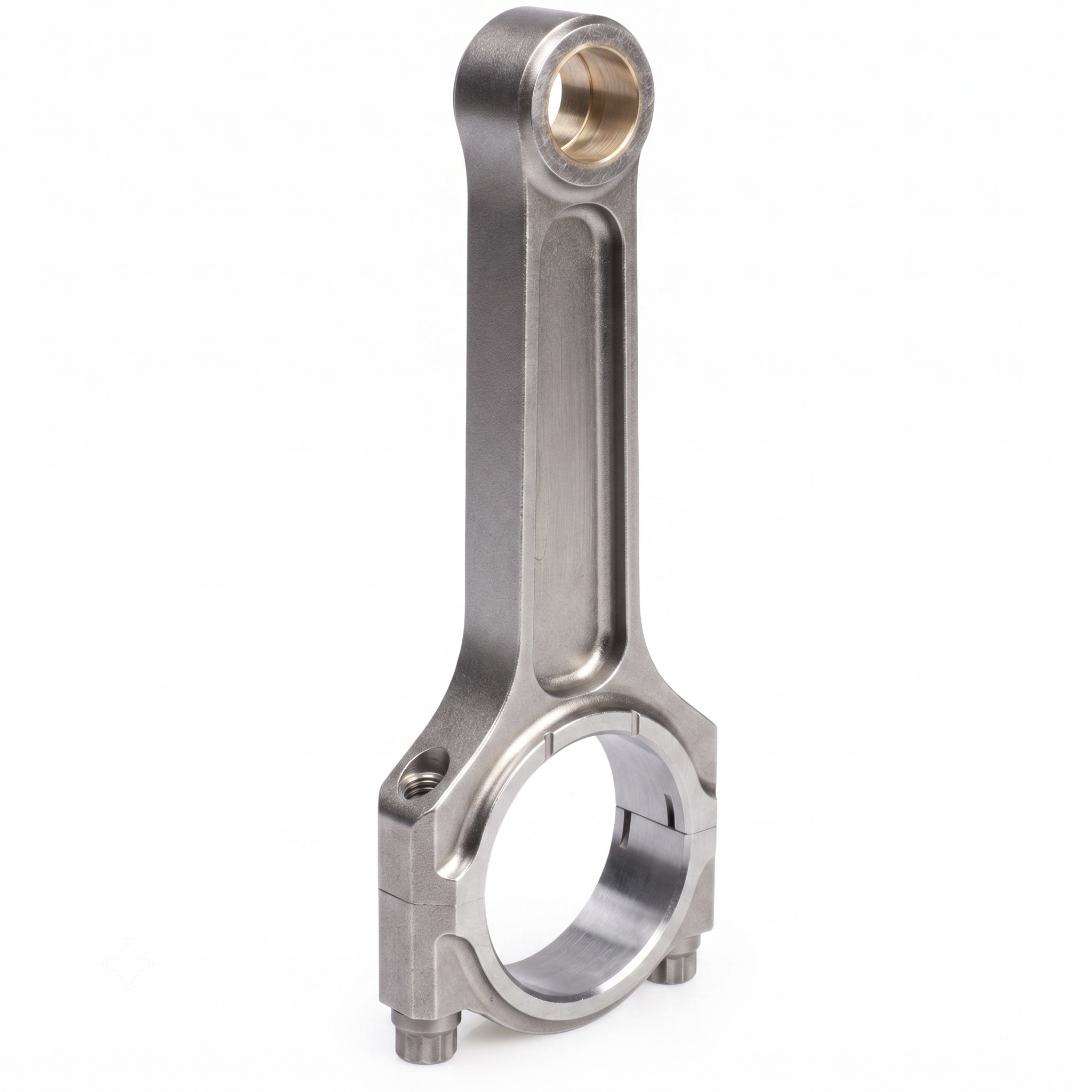 | I-beam profile. Its slimmer central section makes the rod lighter: less inertia, quicker rev pick-up and reduced strain on the crankshaft. It is the profile chosen by ZRP and Wössner for this engine; ZRP also offers a reinforced IE variant for the most heavily loaded builds. |
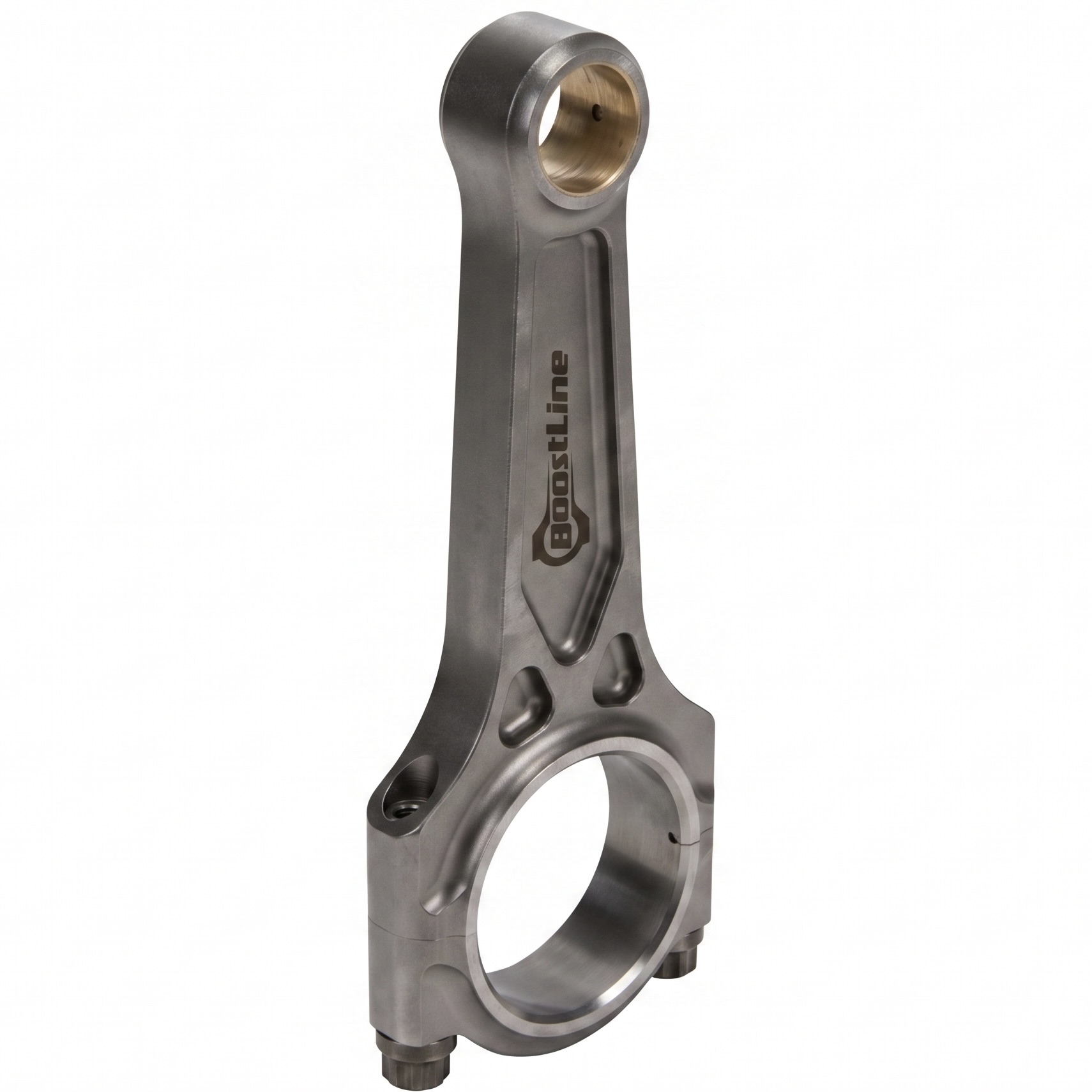 | I-3P profile (Boostline). This three-plane I-beam optimises load distribution and rigidity while staying light. It targets very highly built engines where the maximum fatigue-safety margin is required. |
A note on the oil hole: the rods shown here are solid-body (no oil hole), for maximum strength including beyond 600 hp. The rifle-drilled versions (with oil hole), recommended up to around 600 hp, are covered by a dedicated listing.
The rod bolt is one of the most heavily stressed parts of the engine. The key is to match the ARP grade to the real use of the build, then carefully follow the tightening torque and stretch. All bolts offered here are 3/8" (38 mm) diameter.
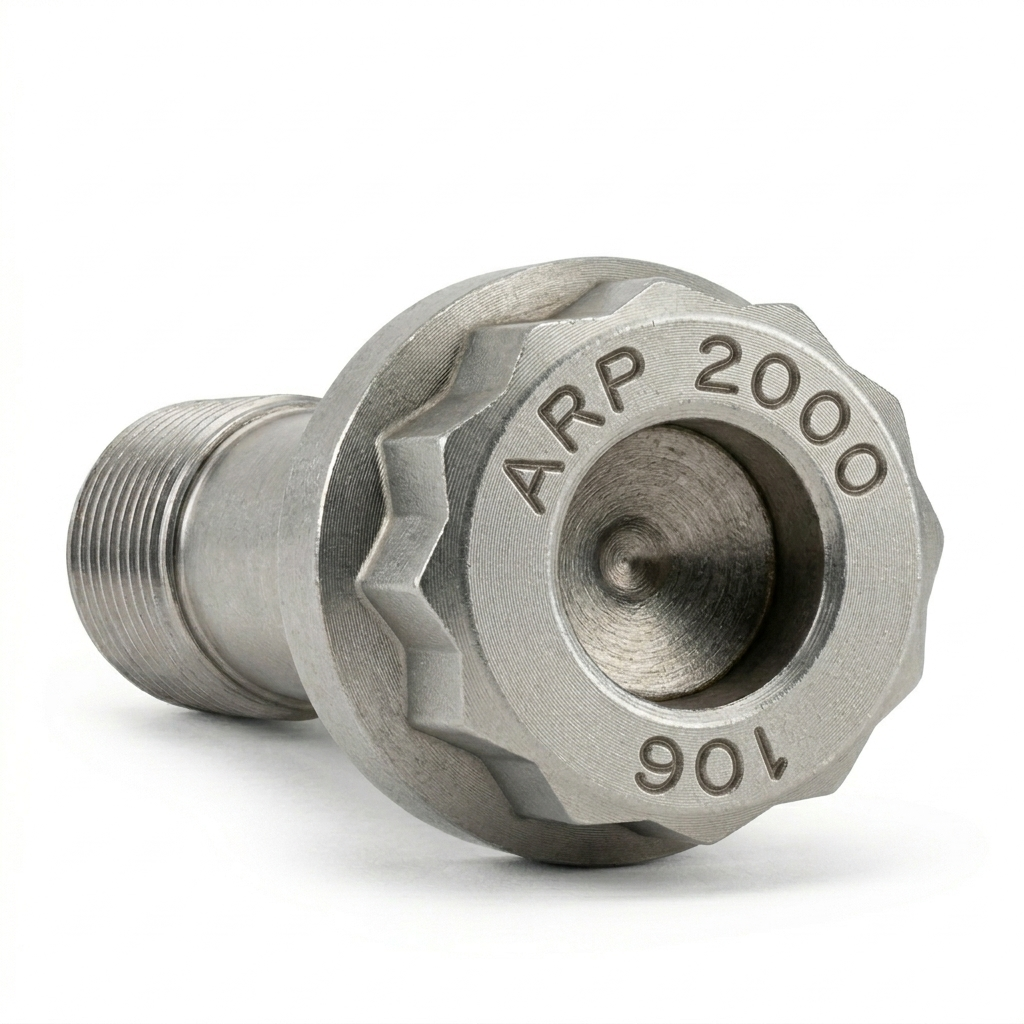 | ARP 2000 (tensile strength around 220,000 psi, i.e. ~1,517 MPa) is the high-performance standard. In 3/8", it covers builds up to about 200 hp per cylinder and rpm up to 8,500: a versatile choice, from the sporty road car to club competition. |
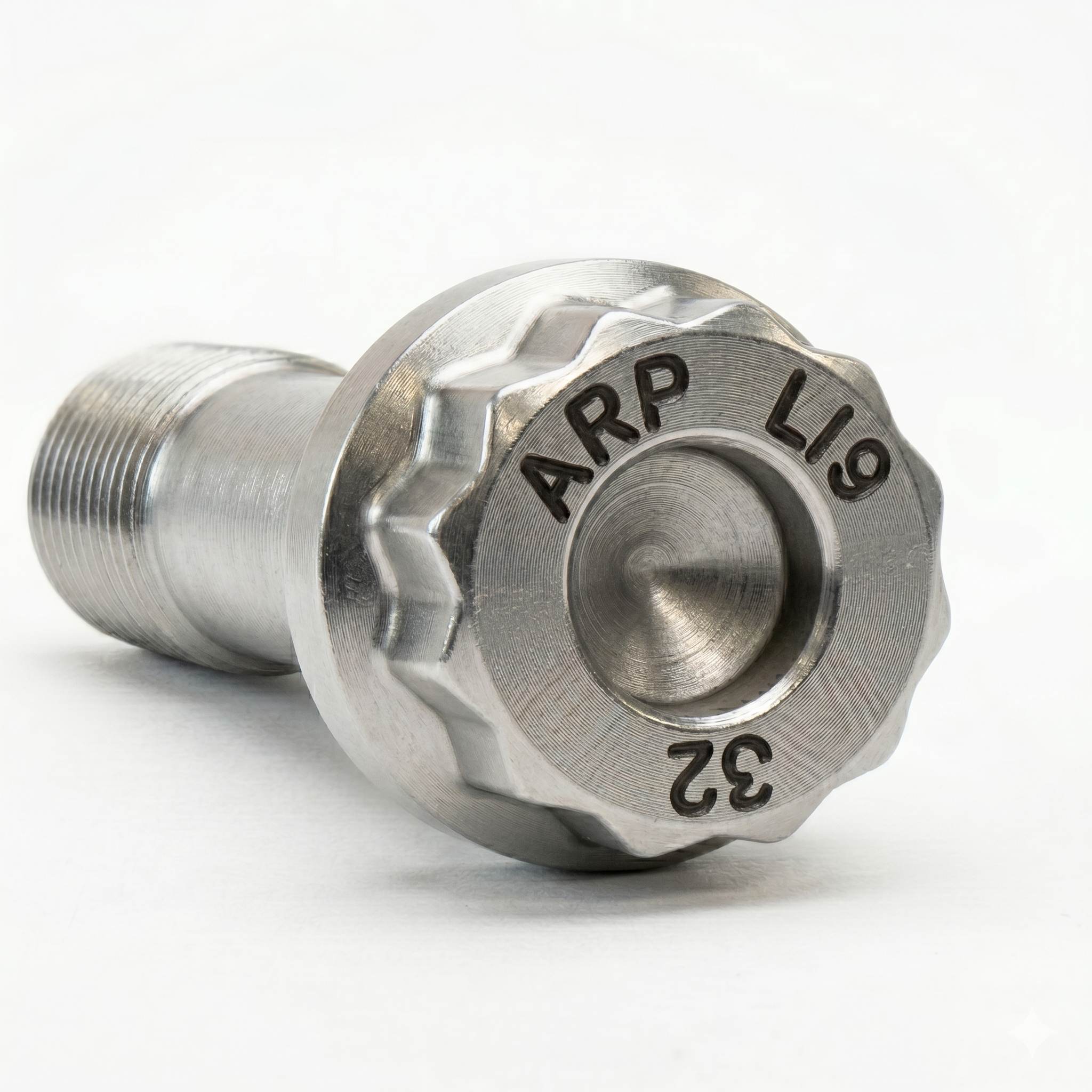 | ARP L19 is a higher-strength steel reserved for heavily stressed engines. In 3/8", it allows up to about 250 hp per cylinder and a more aggressive rev range. More corrosion-sensitive, it requires dry storage and careful assembly. |
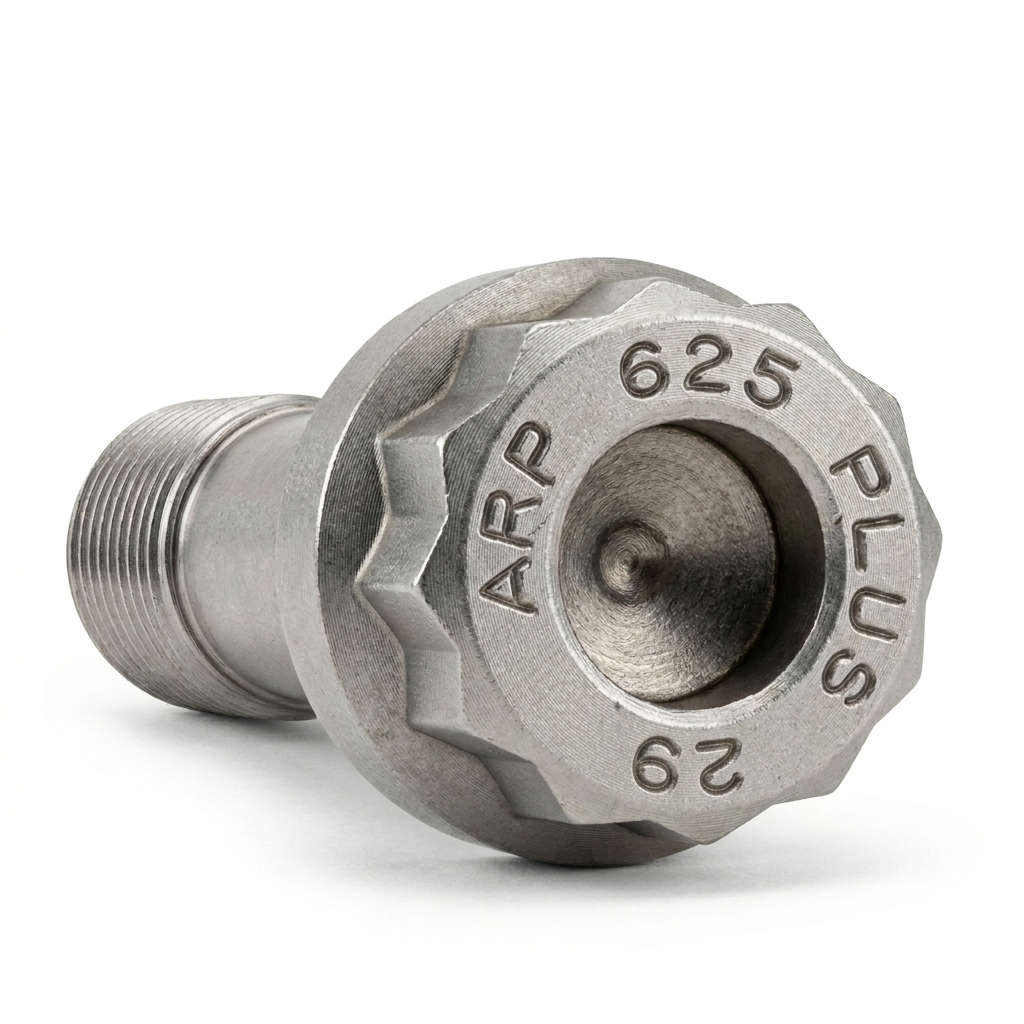 | ARP CA625+ is the highest-performing steel in the ARP range, designed for extreme competition engines. It offers the maximum safety margin on the most heavily loaded blocks, at high boost and very high rpm. |
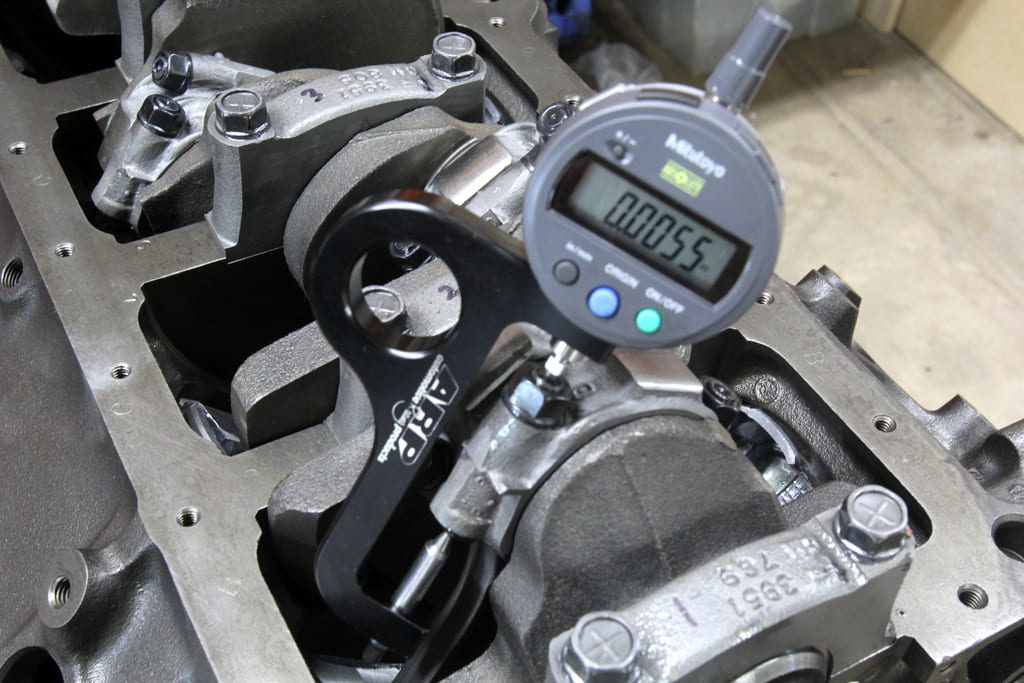
| In addition to torque tightening, measuring bolt stretch (stretch gauge) remains the most reliable way to ensure correct preload. It removes thread-friction variation and secures every assembly. The instructions supplied with the kit always take precedence; the torque figures assume ARP lubricant is used. |
 | ZRP is a Greek brand of high-performance forged rods, designed by Alex Drakos in Athens. Each rod is forged from 4340 steel, precision-machined and weight-matched, and supplied with ARP bolts. Excellent value, popular with European engine builders. |
 | Boostline develops forged rods with an I-3P profile, designed for heavily loaded boosted engines. Forged from 4340 steel and supplied with ARP bolts, they offer superior rigidity and fatigue resistance for the most demanding builds. |
 | Wössner, a German forge renowned for its high-performance forged pistons and rods. Its rods are forged from 4340 steel, carefully machined and balanced, then supplied with ARP 2000 bolts (3/8"). The optimised I-beam profile seeks the best compromise between lightness and strength on boosted engines. |
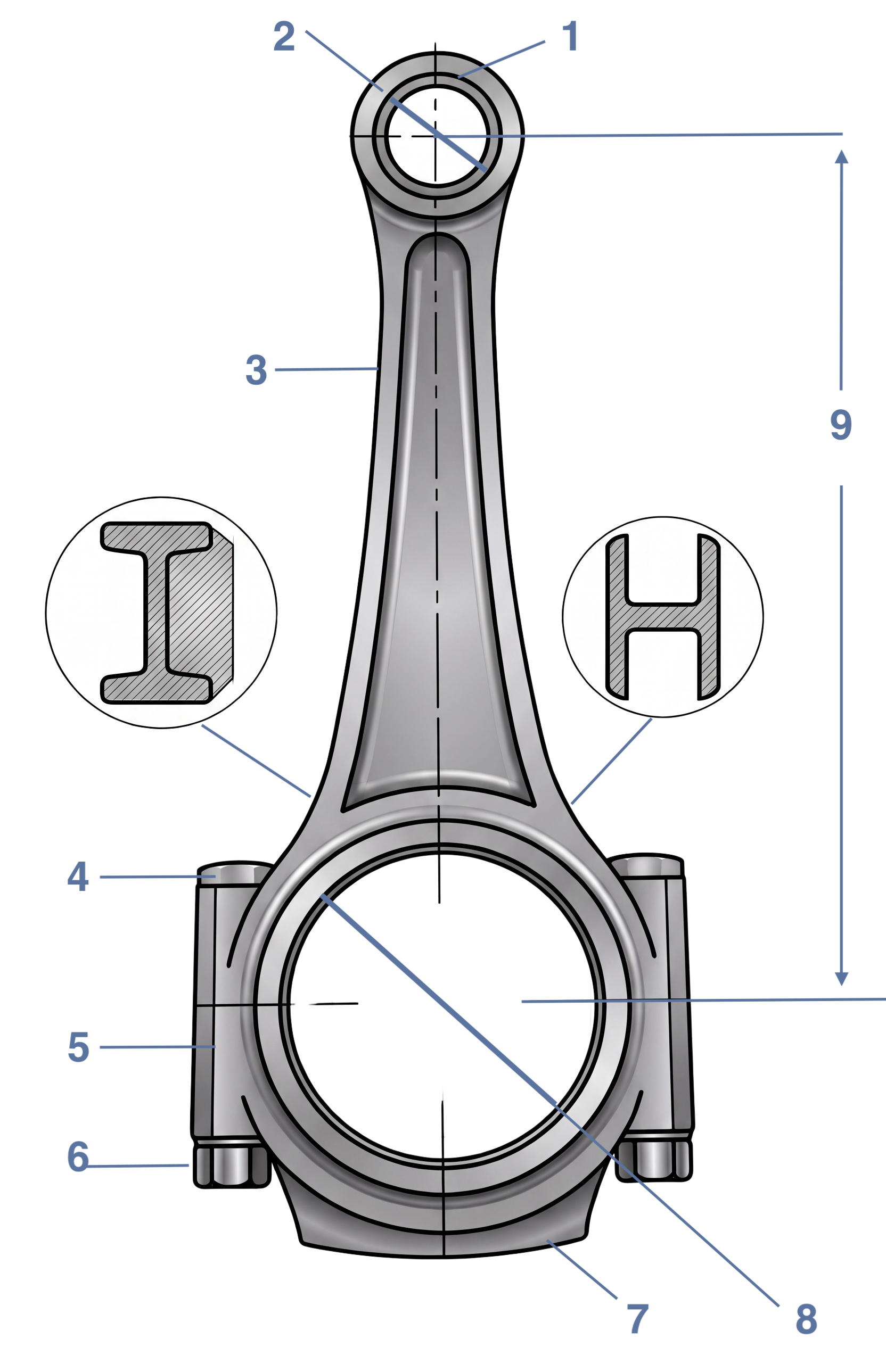 | 1) Small end 2) Small-end diameter 3) Rod beam 4) Rod bolt 5) Big end 6) Rod nut / bolt 7) Rod cap 8) Big-end diameter 9) Center-to-center |
These forged rods fit the EVO versions of the Audi 2.5 TFSI five-cylinder (23 mm piston pin) listed below:
| Make | Model (chassis) | Engine code | Power | Years |
|---|---|---|---|---|
| Audi | RS3 Sportback (8V) | CZGB | 367 hp | 2015–2018 |
| Audi | RS Q3 (8U) Performance | CZGB | 367 hp | 2016–2018 |
| Audi | RS3 (8V facelift) | DAZA | 400 hp | 2017–2020 |
| Audi | TT RS (FV / 8S) | DAZA | 400 hp | 2016–2020 |
| Audi | RS Q3 / RS Q3 Sportback (F3) | DNWA | 400 hp | 2019–2020 |
When a stock bottom end fails (broken, bent or scored rod), returning to the factory configuration means replacing rods and pistons, often damaged together. The bill climbs fast for a simple repair.
For a comparable or lower budget, pairing 4340 forged rods with forged pistons brings far greater reliability and safety margin, while opening real potential for power increases. It has been the choice of European tuners for over fifteen years.
Same budget: more reliability, more potential, more longevity.