Product successfully added to your shopping cart
Quantity
Total
There are 0 items in your cart. There is 1 item in your cart.
Total products
Total shipping To be determined
Total

3.7L 24v - VQ37VHR
Manufacturers
3.7L 24v - VQ37VHR
Warning: Last items in stock!
New product
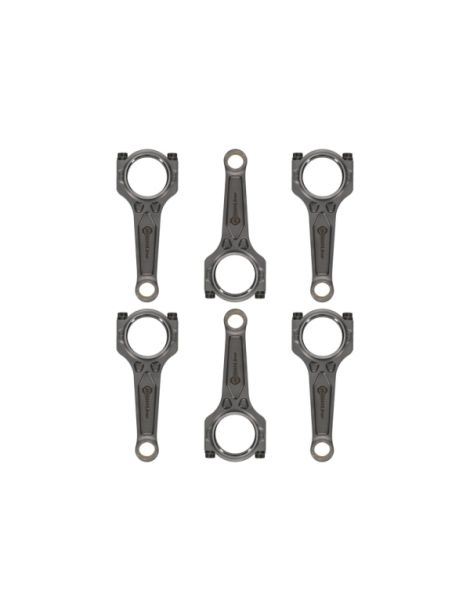
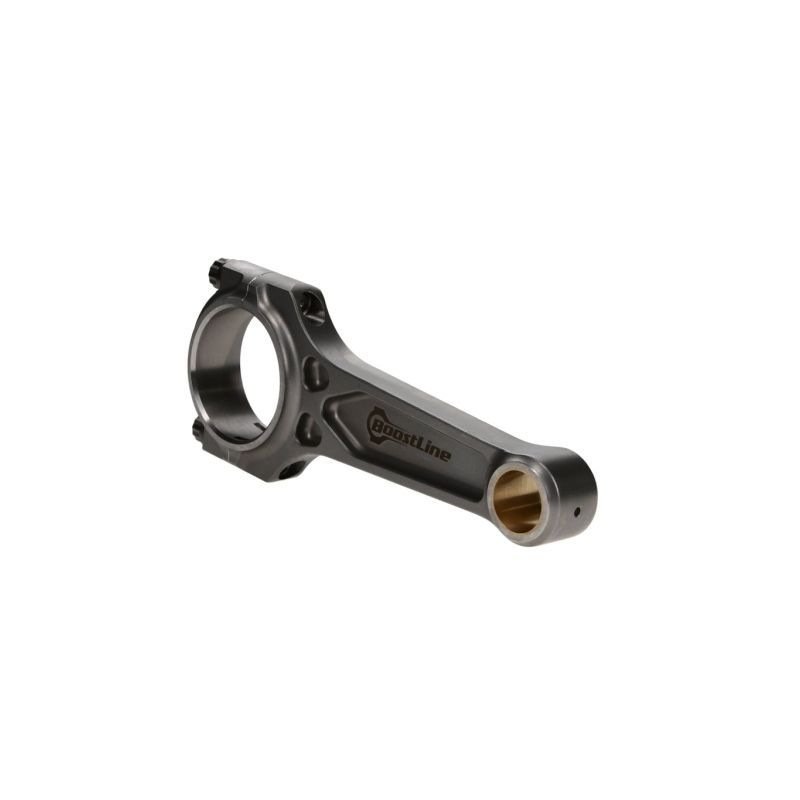
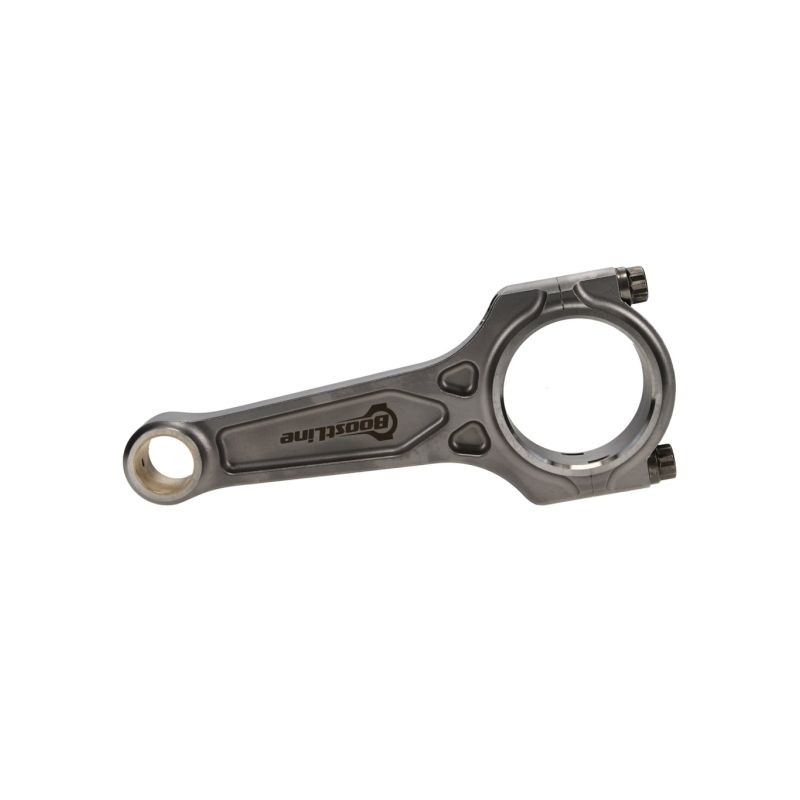
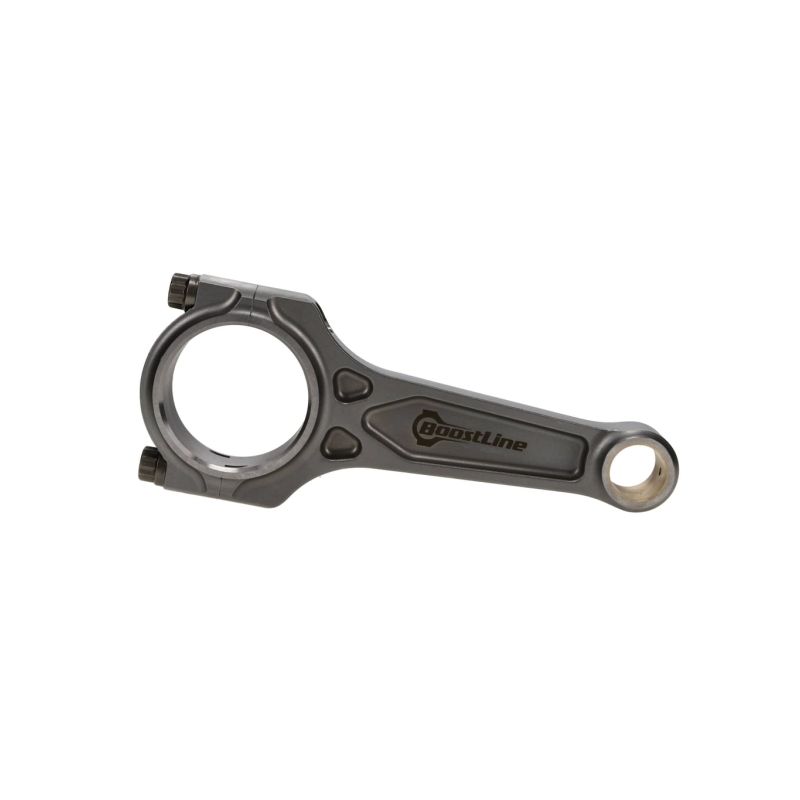
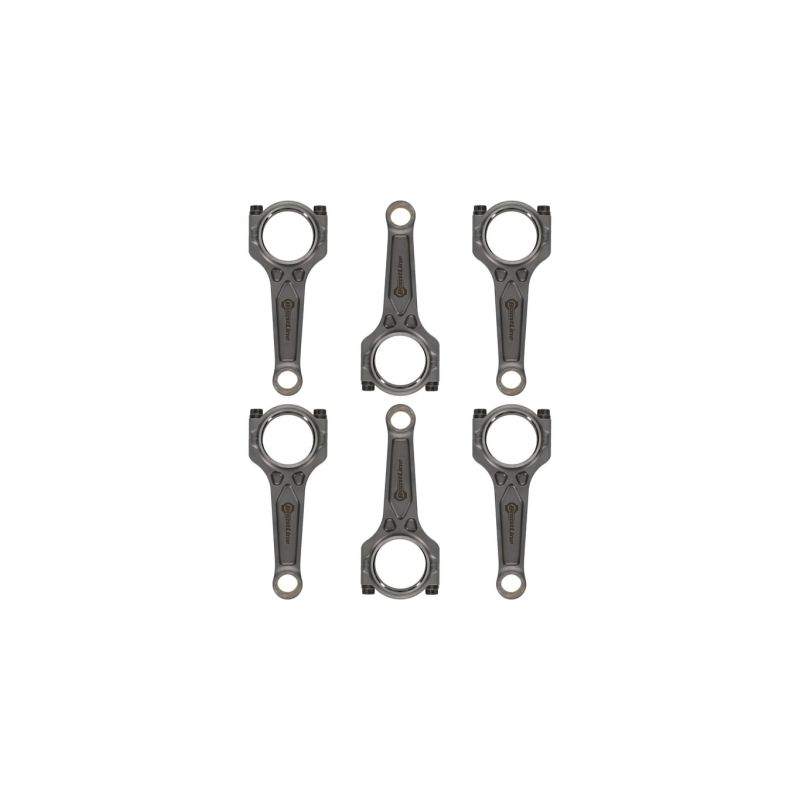
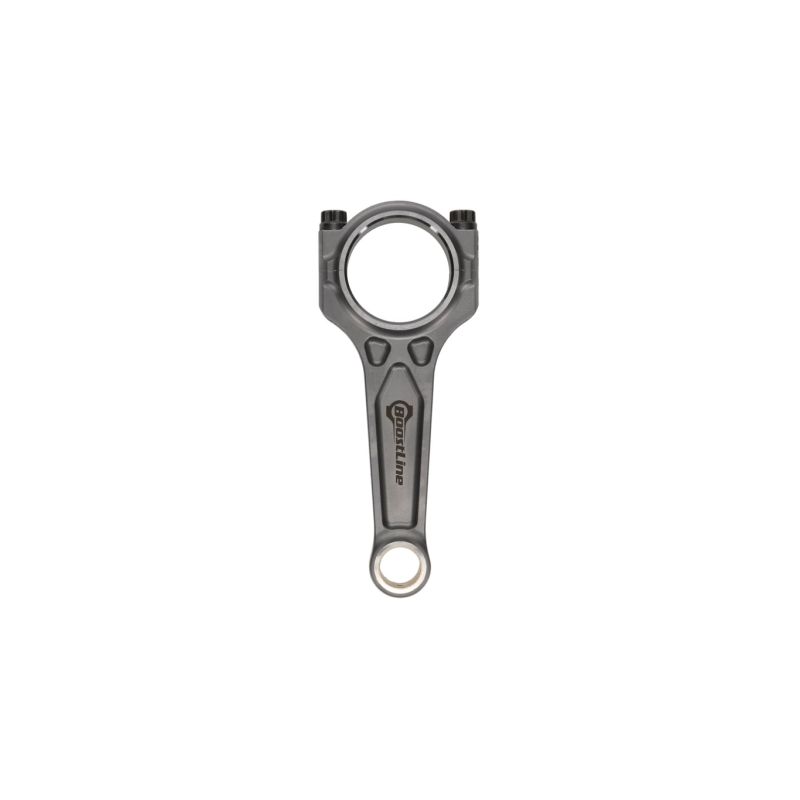
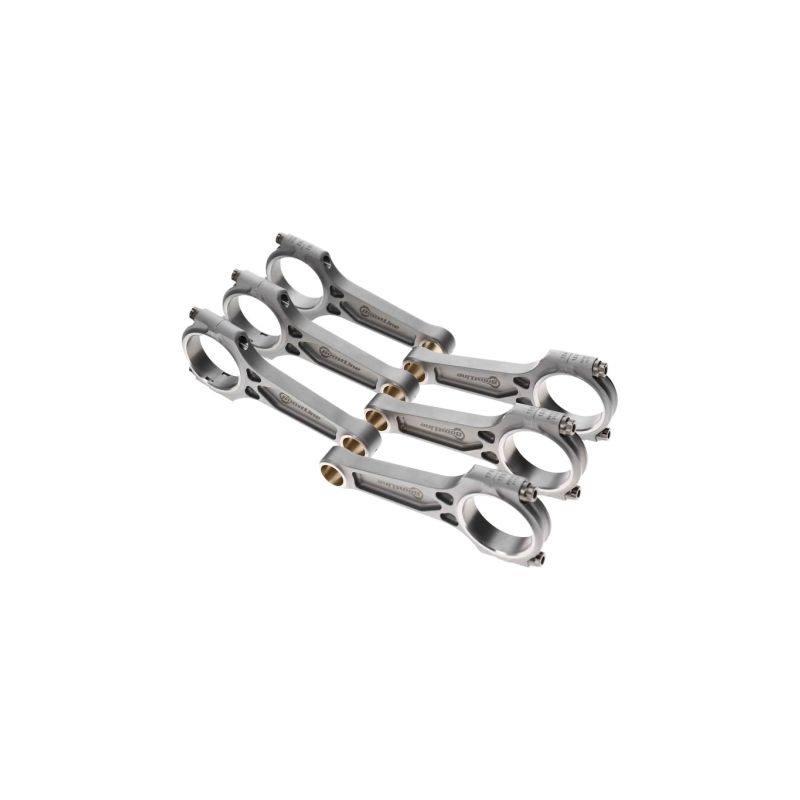
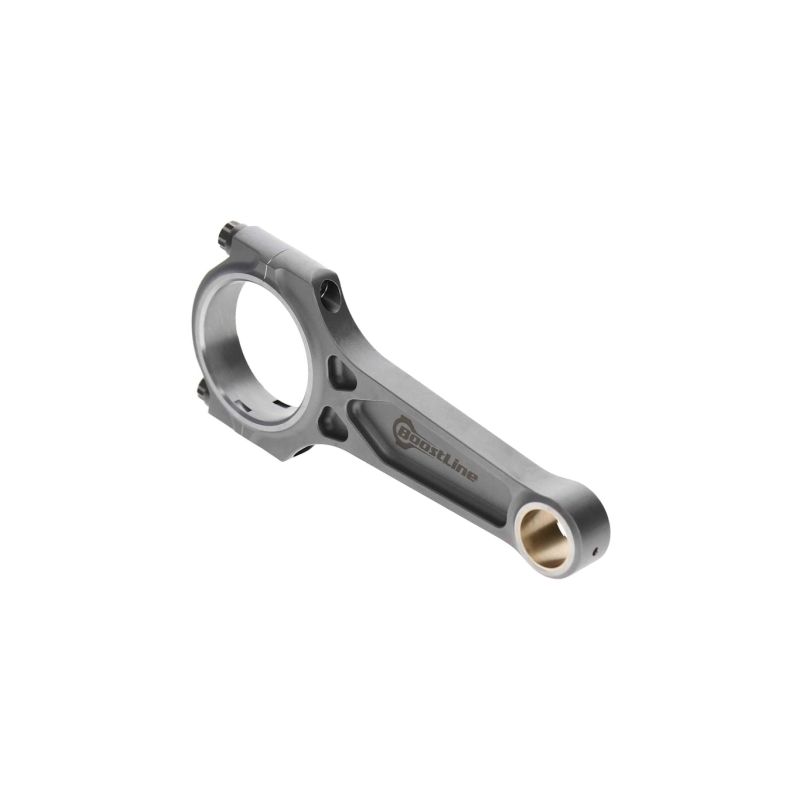
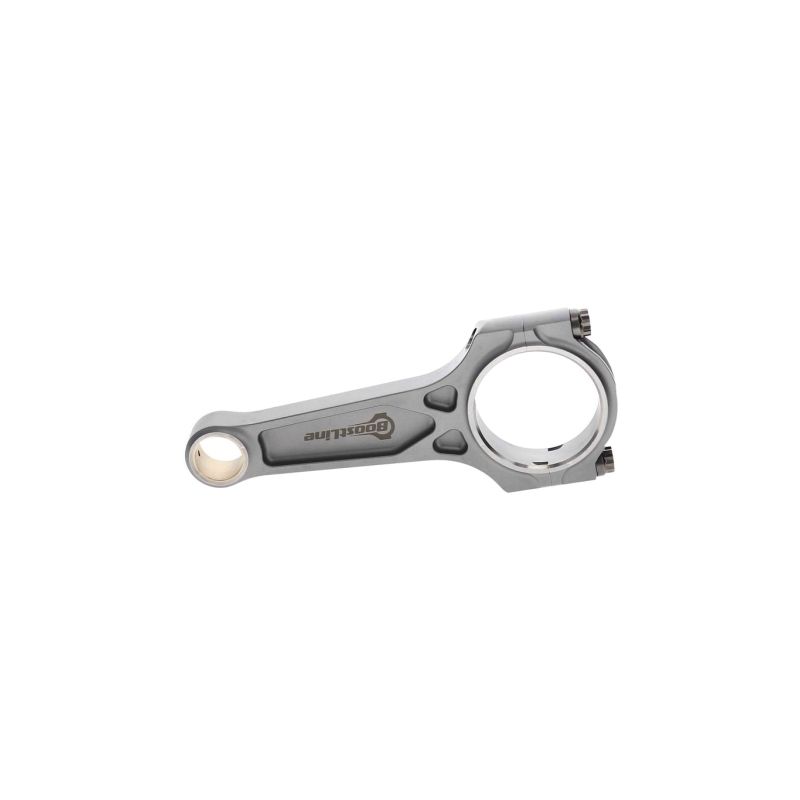
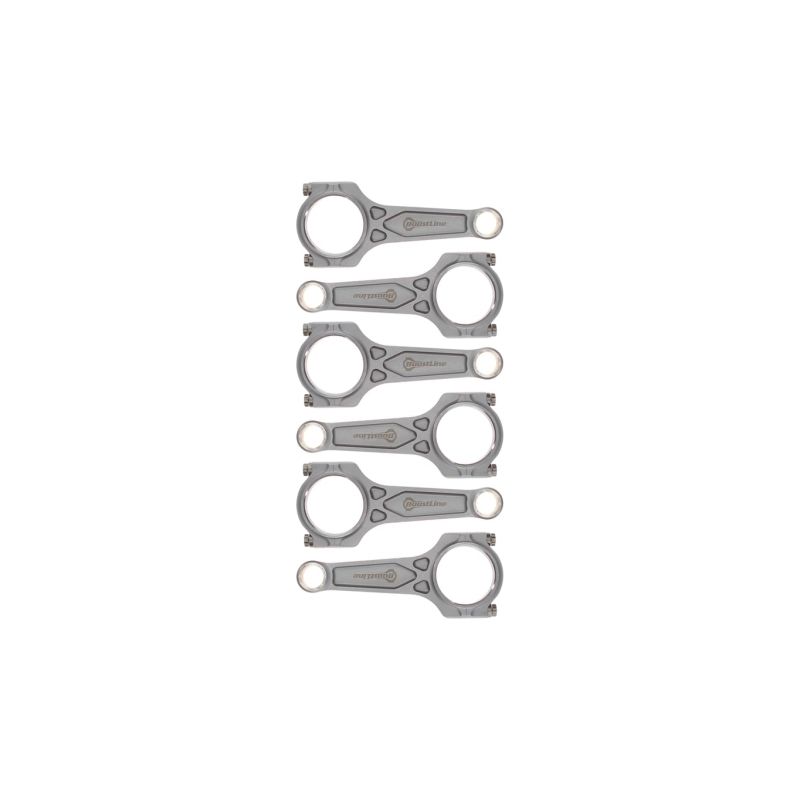
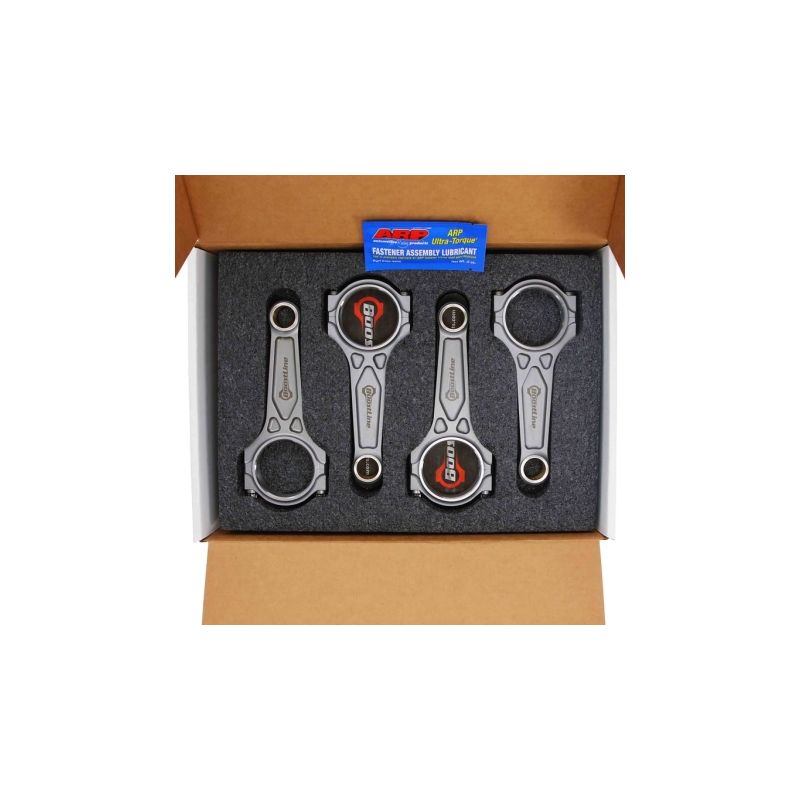
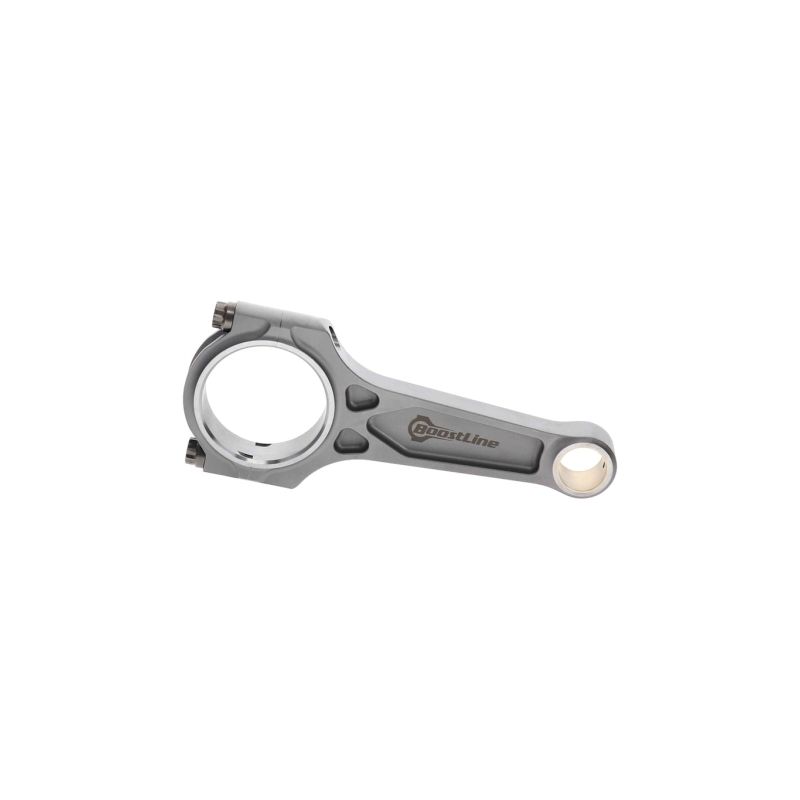
Set of 6 forged 4340 steel connecting rods for the Nissan VQ37VHR (370Z, G37, Q60).
The VQ37VHR is Nissan's naturally aspirated 3.7-litre V6, derived from the VQ family and introduced in 2007. With a 95.5 mm bore, an 86 mm stroke and a 3,696 cc displacement, it produces between 320 and 348 hp depending on the version, spinning up to 7,500 rpm. It powers the Nissan 370Z (Z34) as well as the Infiniti G37 and Q60.
Its key innovation is the VVEL system (Variable Valve Event and Lift), which continuously controls intake valve lift and duration to combine instant low-end response with strong top-end filling. Aluminium block, forged steel crankshaft and connecting rods: the architecture is built to rev, making it a favourite base for tuning.
As soon as power climbs, freed intake and exhaust, an aggressive map and above all forced induction (supercharger or turbo), the factory rotating assembly reaches its limits. Replacing the original rods with high-strength forged connecting rods then secures the bottom end against the increased torque and rpm loads.
Engineered for motorsport and tuning, these 4340 forged steel rods replace the VQ37VHR's original rods to withstand power and rpm levels well beyond the factory design. They suit circuit racing and time attack as much as drift, drag, rally and hillclimb, wherever bottom-end reliability drives performance.
The replacement threshold typically starts at Stage 2 (intake, exhaust, mapping) and becomes essential as soon as Stage 3 or 4 adds forced induction. Combined with forged pistons, they let you confidently target 450 to 600 hp and beyond depending on the build, without compromising the rotating assembly.
Two bolt grades are offered: ARP 2000 for performance builds and ARP Custom Age 625+ for the most extreme, heavily boosted, high-rpm configurations.
| Reference | Brand | Profile | Bolts | Pin diameter OEM 22 mm | Small-end width | Big-end diameter | Big-end width | Center-to-center OEM 149,5 mm | Weight |
|---|---|---|---|---|---|---|---|---|---|
| NI5886-866 | Boostline | I-3P | ARP 2000-3/8"-38mm | 22 mm | 20,73 mm | 57,01 mm | 20,73 mm | 149,5 mm | 643 g |
| NI5886-866+ | Boostline | I-3P | ARP CA625+-3/8"-38mm | 22 mm | 20,73 mm | 57,01 mm | 20,73 mm | 149,5 mm | 643 g |
OEM reference: 12100-EY00C (set of 6 rods).
| Rod | Bolts | Tightening torque | Recommended stretch |
|---|---|---|---|
| Boostline (NI5886-866) | ARP 2000-3/8"-38mm | 75 N·m | 0,130 à 0,140 mm |
| Boostline (NI5886-866+) | ARP CA625+-3/8"-38mm | 115 N·m | 0,170 à 0,180 mm |
These rods are forged from 4340 chrome-molybdenum steel, the global benchmark for heavily loaded mechanical parts. Forging aligns the metal grain flow with the loads, whereas an original sintered rod (powder metallurgy) has a homogeneous structure that is far less resistant to fatigue and impact. Heat-treated (quenched then tempered), 4340 steel offers an excellent balance of yield strength, toughness and fatigue resistance. In practice the rotating assembly absorbs repeated torque peaks and high rpm without deformation or crack initiation, where an original rod would bend or break, ensuring far longer service life under hard use. |
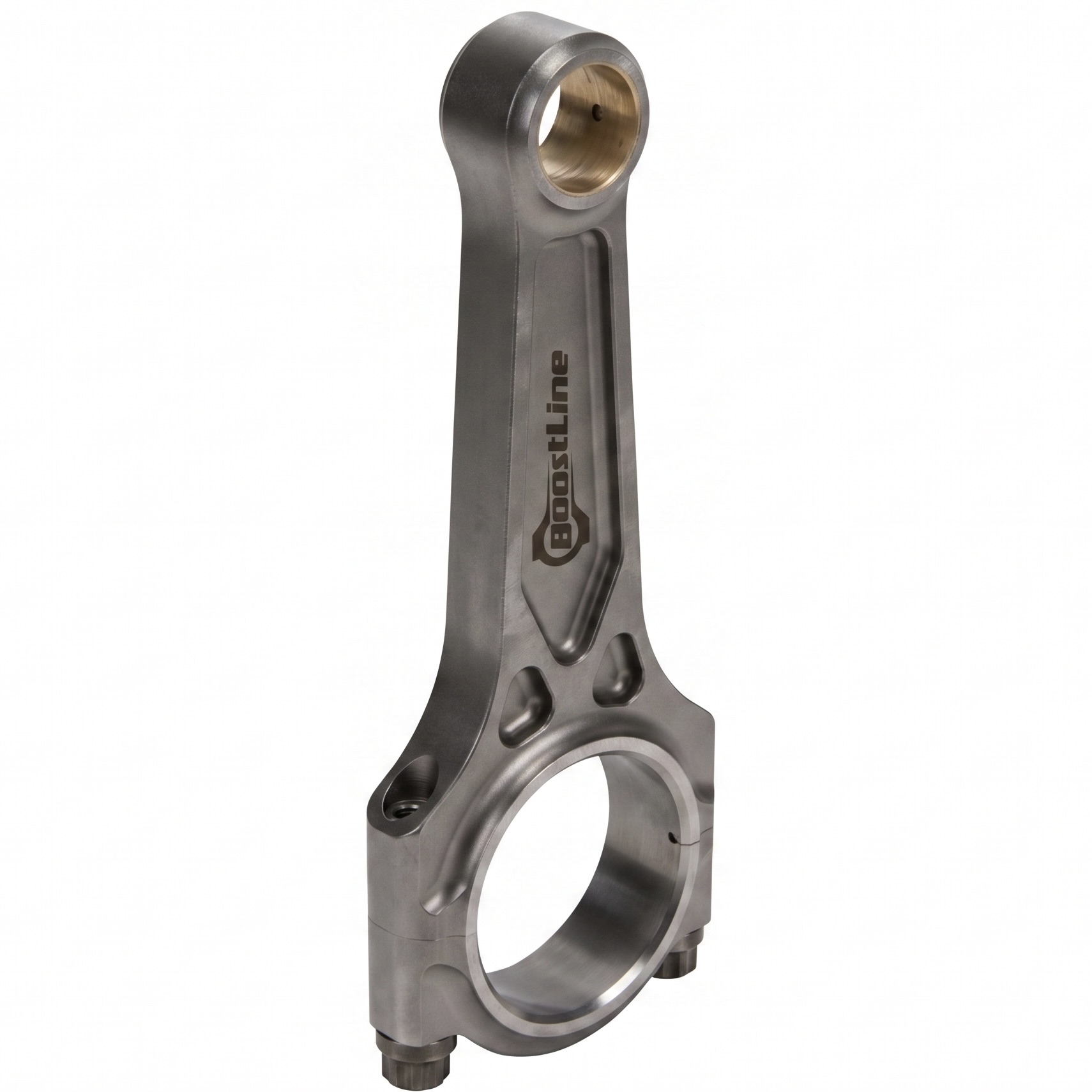 | The I-3P profile (I-beam body with three machined pockets) is the Boostline signature. It optimises the stiffness-to-weight ratio: material is concentrated where bending and compression stresses peak, and removed elsewhere. The result is a rod lighter than a classic H-beam at equivalent strength, reducing rotating-assembly inertia and helping the engine rev, a decisive asset on a naturally aspirated V6 that loves high rpm. |
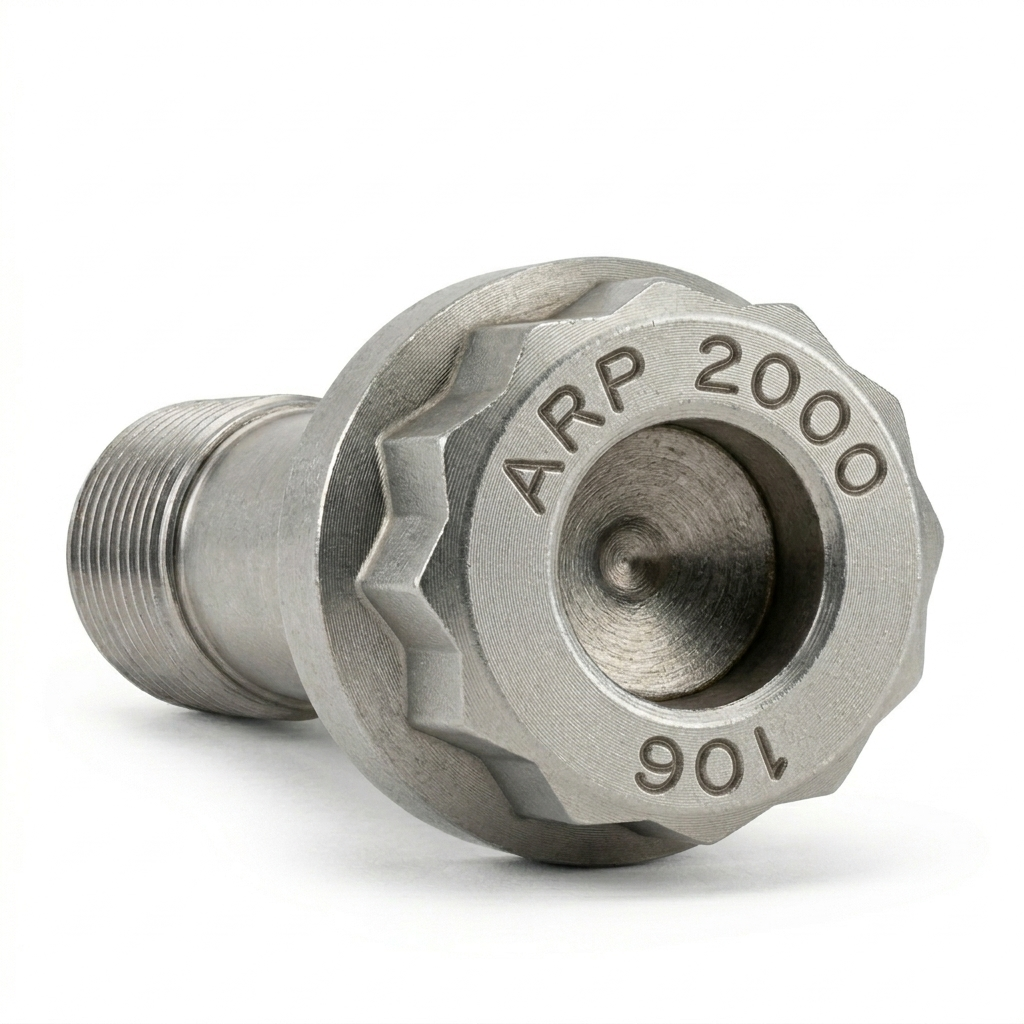 | ARP 2000 bolts deliver a tensile strength of around 220,000 psi (~1,517 MPa). They suit performance builds: as a guideline, 200 hp per cylinder in 3/8". Robust, reliable and versatile, they handle high rpm (up to 8,500 rpm) with no particular storage constraints and cover circuit, trackday, drift, rally, drag and hillclimb. |
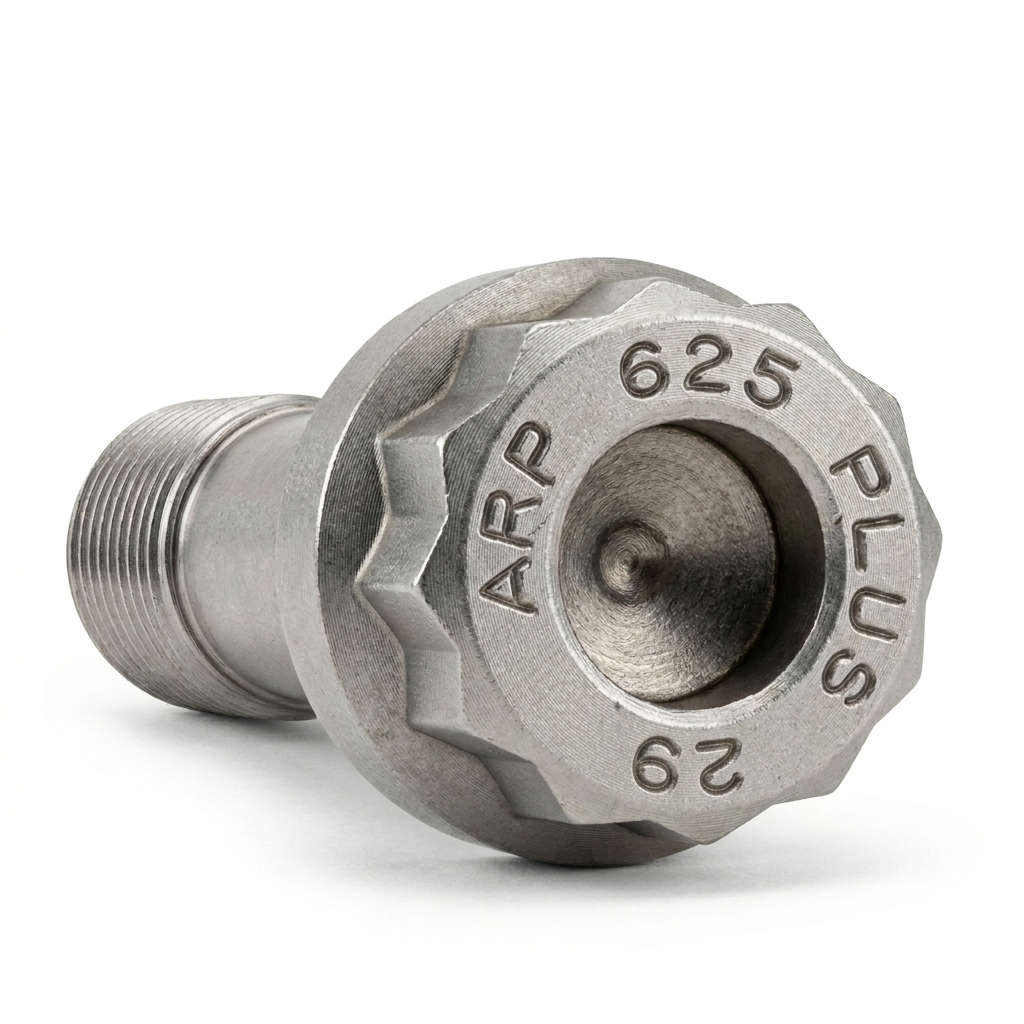 | ARP Custom Age 625+ bolts are the top tier, with a tensile strength of 260,000 to 280,000 psi (~1,793 to 1,931 MPa). Designed for extreme, heavily boosted, very high-rpm builds, they offer the highest load thresholds, beyond 250 hp per cylinder and beyond 10,000 rpm. Immune to hydrogen embrittlement, they have no storage constraints. |
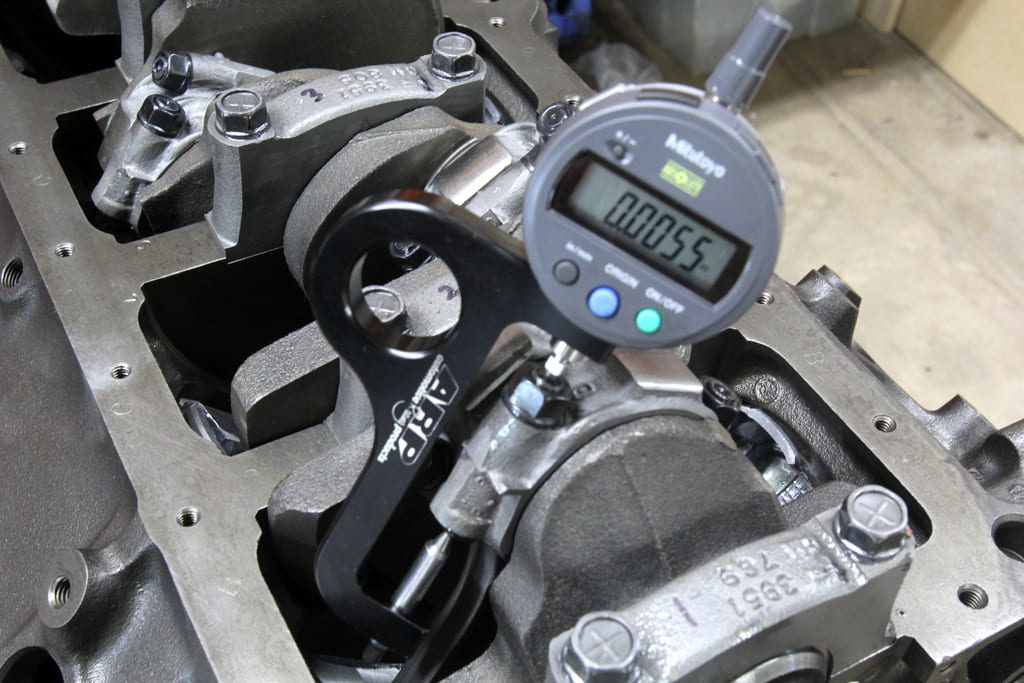
| For the most demanding builds, rod-bolt tightening can be controlled by stretch rather than torque, a far more precise method. You measure the bolt length at rest and under tension: the difference (the stretch) must match the recommended value. This eliminates the influence of under-head and thread friction, which distort torque tightening, and guarantees uniform preload across all bolts. |
 | Boostline is a high-performance forged connecting rod range known for its patented I-3P profile. Every set is precision-machined, weighed and matched to ensure optimal balancing of the rotating assembly. Designed for heavily built engines, circuit, drift, drag, rally, Boostline rods combine lightness, stiffness and high-rpm reliability. |
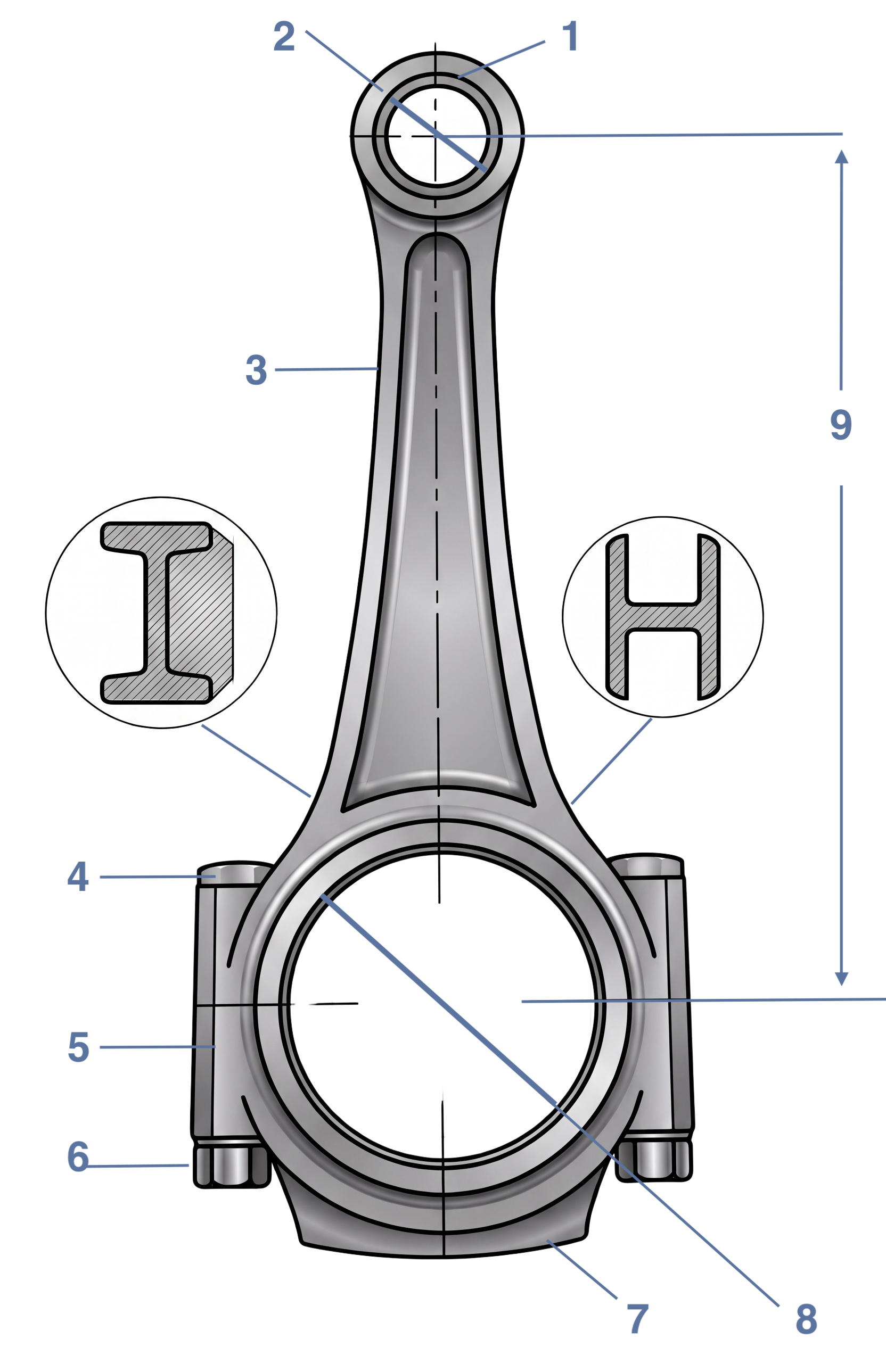 | 1) Small end 2) Small-end diameter 3) Rod beam 4) Rod bolt 5) Big end 6) Rod nut / bolt 7) Rod cap 8) Big-end diameter 9) Center-to-center |
Below is the list of vehicles equipped with the Nissan 3.7L 24V VQ37VHR engine. The piston pin diameter and the centre-to-centre length must be confirmed on your engine before ordering.
| Make | Model (chassis) | Engine code | Power | Years |
|---|---|---|---|---|
| Nissan | 370Z (Z34) | VQ37VHR | 328–344 ch | 2009–2020 |
| Infiniti | G37 (V36) | VQ37VHR | 320–348 ch | 2008–2013 |
| Infiniti | Q60 (V36) | VQ37VHR | 330–348 ch | 2013–2016 |
Fitting forged rods protects the entire VQ37VHR block: a rotating assembly that fails under load almost always destroys the crankshaft, liners and crankcase. The cost of forged rods is nothing compared with a full rebuild, let alone the downtime.
It is also the prerequisite for sustainably unlocking the engine's potential: once the bottom end is secured, the build can evolve with confidence, from a naturally aspirated Stage 2 to the most ambitious boosted configurations.