Product successfully added to your shopping cart
Quantity
Total
There are 0 items in your cart. There is 1 item in your cart.
Total products
Total shipping To be determined
Total

3.5L 24v - EcoBoost Gen1
Manufacturers
3.5L 24v - EcoBoost Gen1
Warning: Last items in stock!
New product
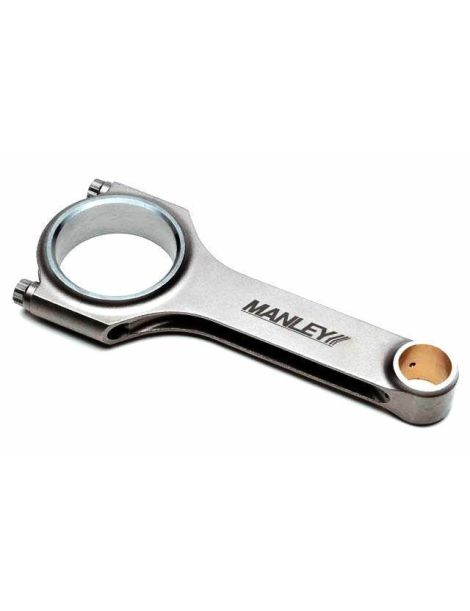
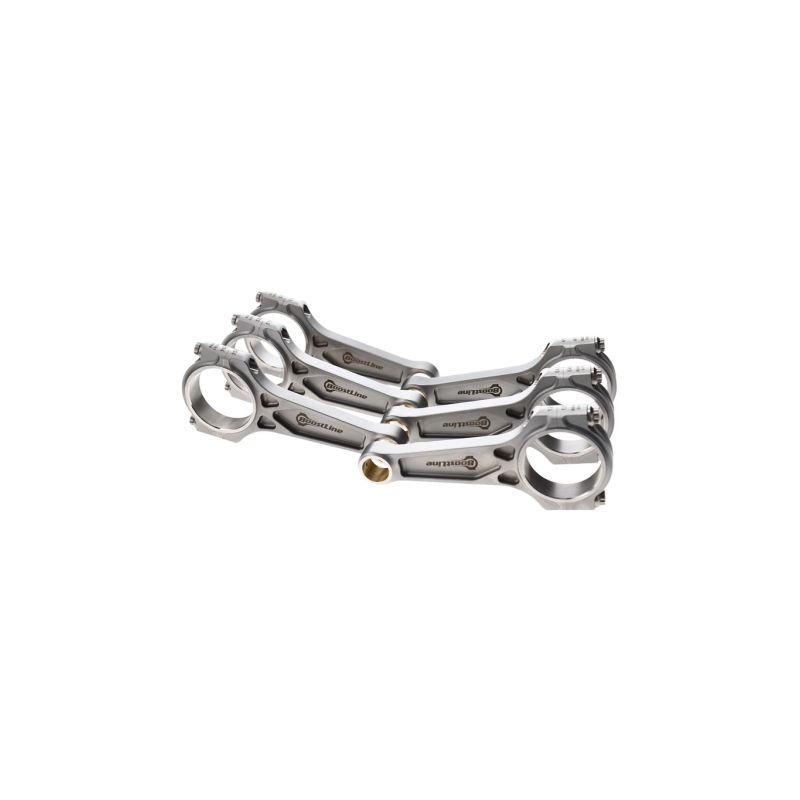
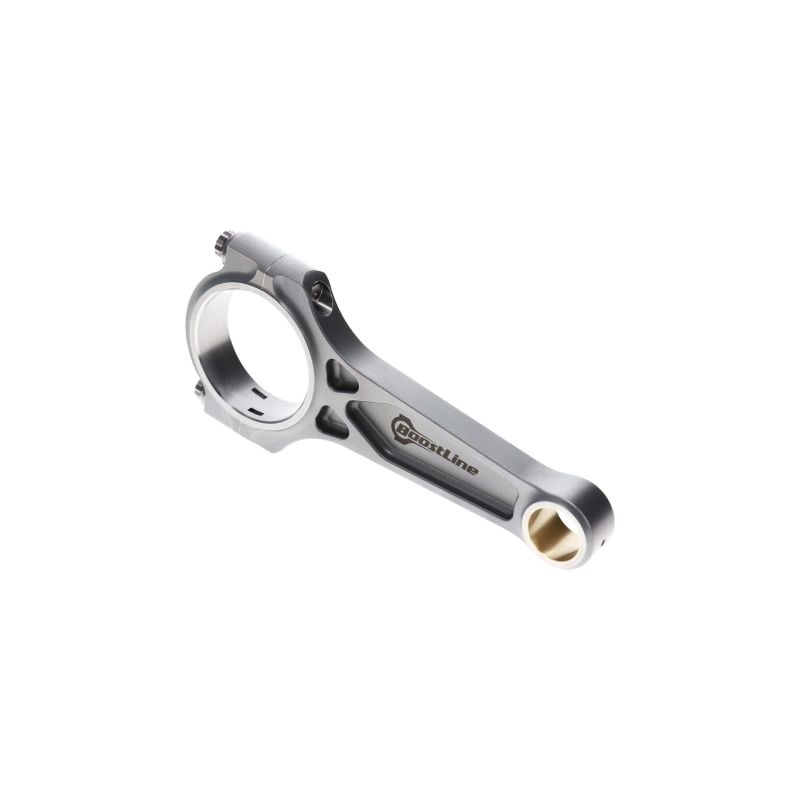
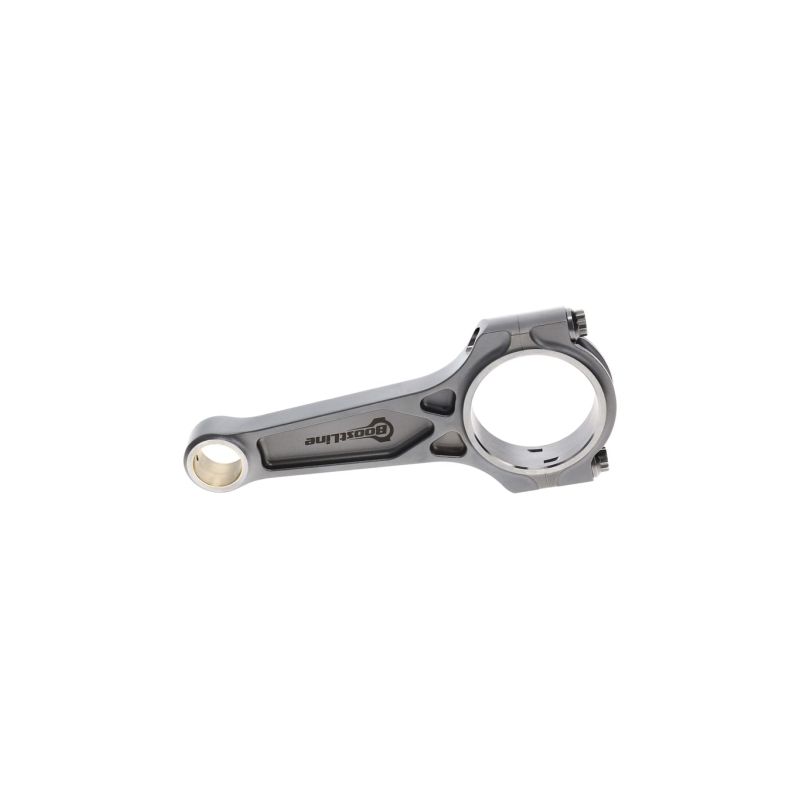
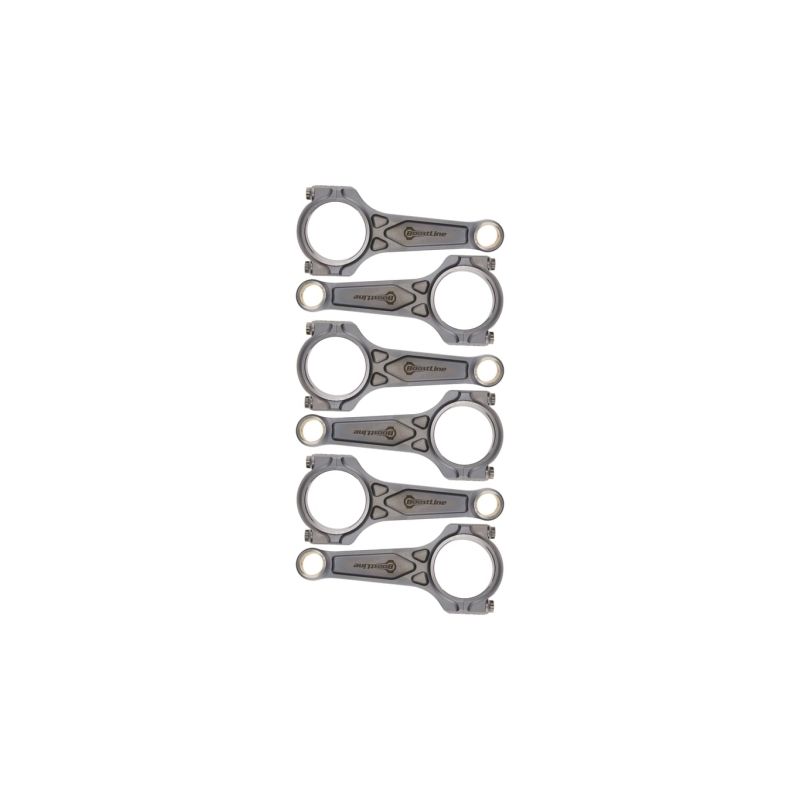
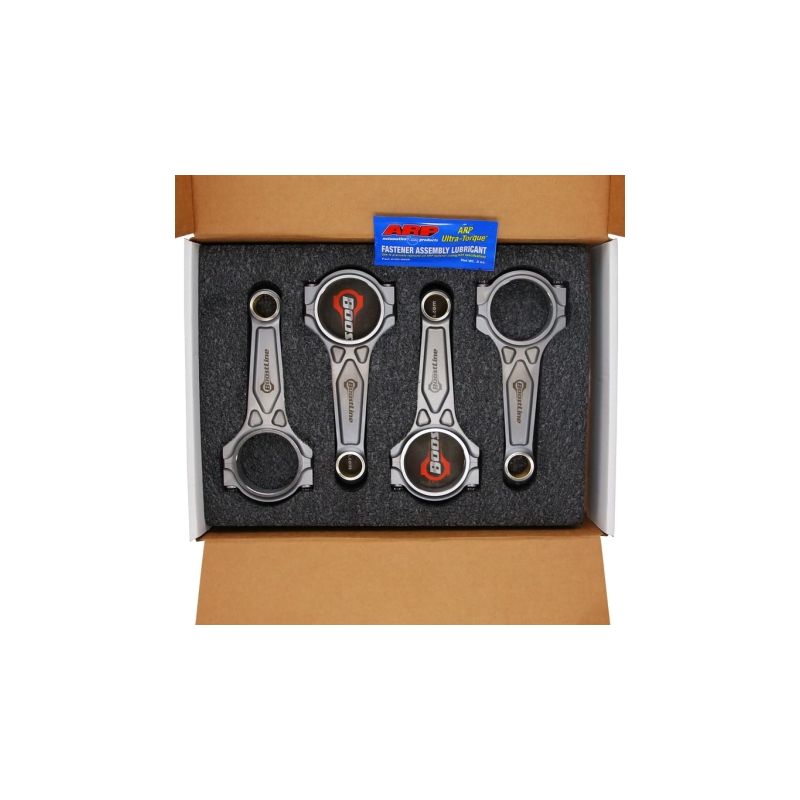
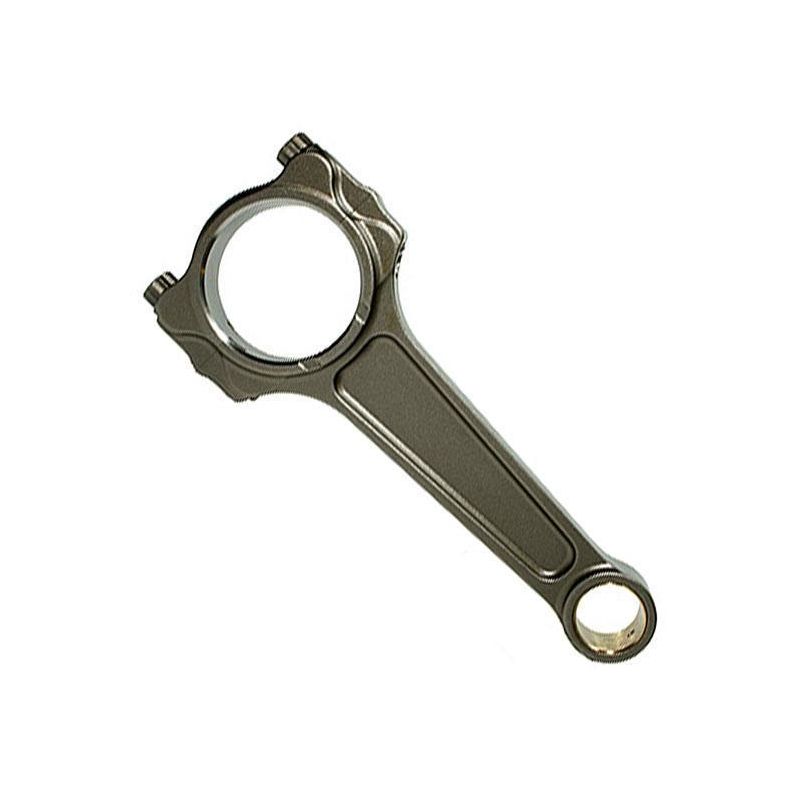
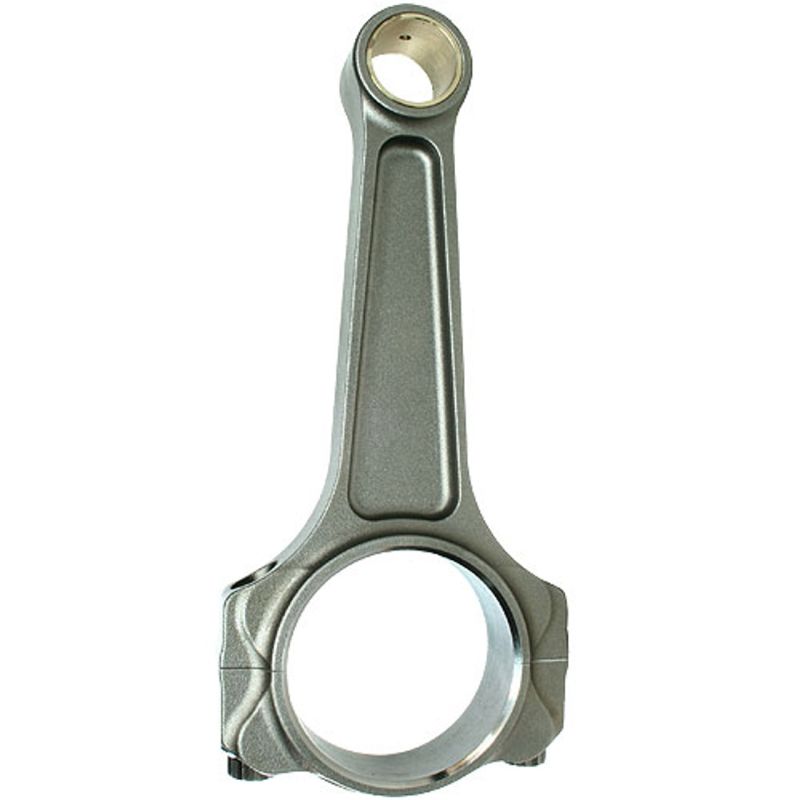
Set of 6 forged 4340 steel connecting rods for the Ford 3.5 EcoBoost and 3.7 Cyclone V6.
Ford's Cyclone V6 covers two engines built on the same 60° aluminium block: the naturally aspirated 3.7 Ti-VCT (3,726 cc) and the twin-turbo 3.5 EcoBoost (3,496 cc). Introduced in 2007 on the Duratec 35/37 base, this family powers a wide Ford and Lincoln range, from the F-150 pickup to the Mustang, with variable valve timing (Ti-VCT) and, on the EcoBoost, direct injection and two turbochargers.
On the 3.5 EcoBoost, forced induction raises factory output from 355 to 375 hp depending on the version (up to 450 hp on the Raptor and Ford GT), with strong torque from low rpm. As soon as boost pressure is increased, this potential heavily loads the rotating assembly: forged connecting rods then take over from the fracture-split factory rod, which is not designed to withstand high cylinder pressures.
Machined from high-strength 4340 steel, these reinforced forged rods secure the bottom end of the 3.5 EcoBoost / 3.7 Cyclone V6 when torque and boost pressure rise. They replace the fracture-split factory rod, whose cost-driven design quickly reaches its limits in a performance build.
Available in I-Beam, I-3P and H-Beam profiles depending on the brand, they cover every discipline: drag, circuit, rally-raid, drift, hillclimb and sporty road use. Combined with 7/16" ARP bolts, they allow power targets well above stock while keeping lasting reliability.
| Reference | Brand | Profile | Bolts | Pin Ø | Small-end width | Big-end Ø | Big-end width | Center-to-center | Weight/rod |
|---|---|---|---|---|---|---|---|---|---|
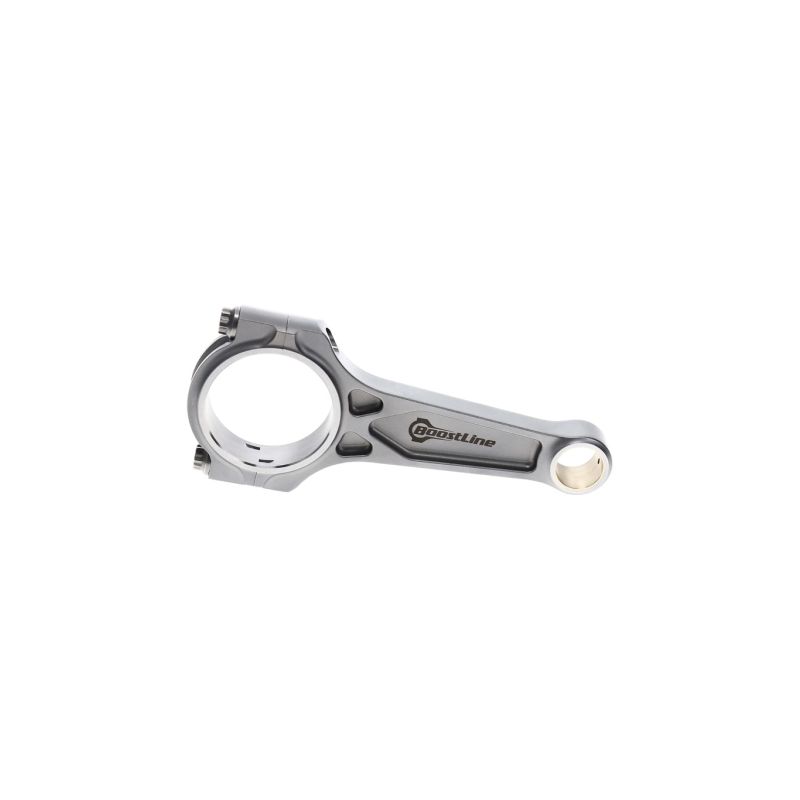
| FD6012-905 | Boostline | I-3P | ARP 2000 7/16"-41mm | 23 mm | 22 mm | 59,88 mm | 21,67 mm | 152,75 mm | 690 g |
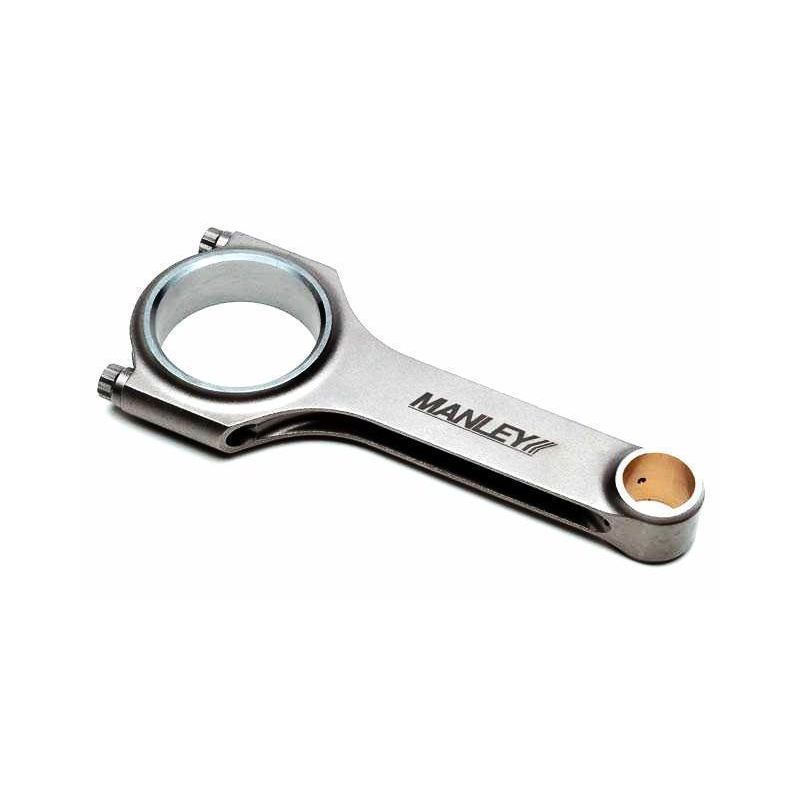
| 14082-6 | Manley | H | ARP 8740 7/16"-41mm | 23 mm | 21,72 mm | 59,87 mm | 21,72 mm | 152,68 mm | 690 g |
| 14082R-6 | Manley | H | ARP 2000 7/16"-41mm | 23 mm | 21,72 mm | 59,87 mm | 21,72 mm | 152,68 mm | 690 g |
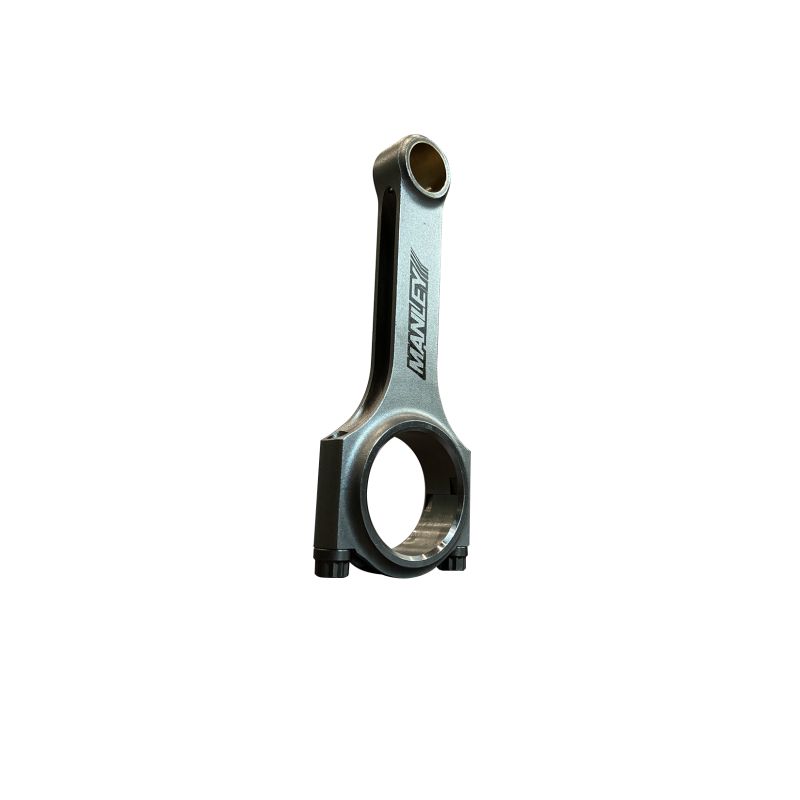
| 14523-6 | Manley | I | ARP 2000 7/16"-37mm | 23 mm | 21,72 mm | 59,87 mm | 21,72 mm | 152,68 mm | 620 g |
| 14523R6-6 | Manley | I | ARP CA 625+ 7/16"-37mm | 23 mm | 21,72 mm | 59,87 mm | 21,72 mm | 152,68 mm | 620 g |
Manufacturers recommend the stretch-gauge method as the reference: the instructions supplied with the kit always take precedence. The torque figures below assume assembly with ARP lubricant.
| Rod | Bolts | Tightening torque | Recommended stretch |
|---|---|---|---|
| Boostline FD6012-905 | ARP 2000 | 115 N·m | 0,150 - 0,160 mm |
| Manley 14082-6 | ARP 8740 | 108,5 N·m | 0,132 - 0,142 mm |
| Manley 14082R-6 | ARP 2000 | 128,8 N·m | 0,152 - 0,165 mm |
| Manley 14523-6 | ARP 2000 | 108,5 N·m | 0,127 - 0,152 mm |
| Manley 14523R6-6 | ARP CA 625+ | 142,4 N·m | 0,152 - 0,165 mm |
OEM reference:
| 4340 steel is a low-alloy nickel-chromium-molybdenum steel used in aerospace and motorsport alike. Forged then heat-treated, it combines high mechanical strength, excellent toughness and outstanding fatigue resistance. Compared with an original sintered rod, it handles far greater loads without deforming, making it the reference material for reinforced rods. |
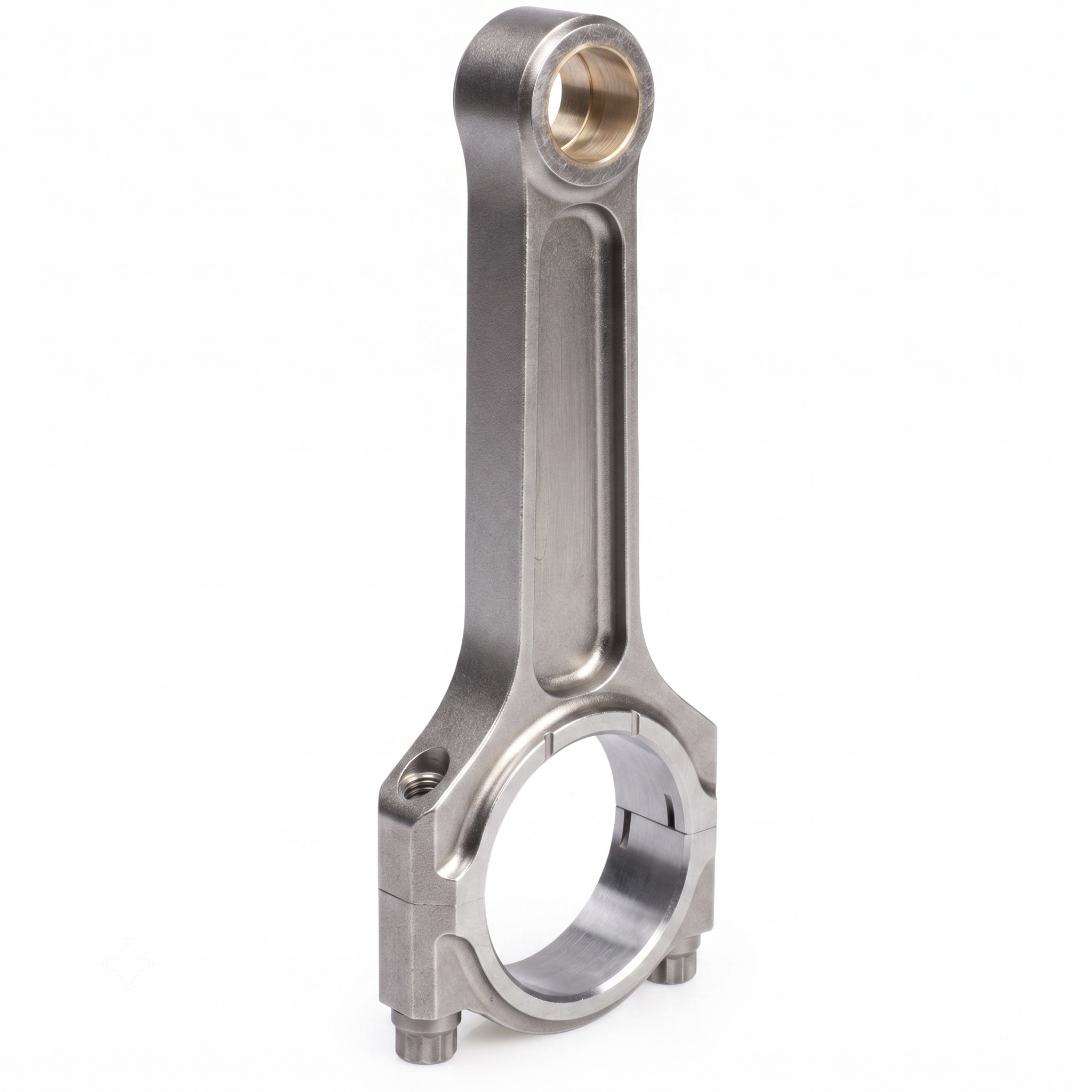 | I profile (I-Beam, Manley). Its narrower central beam brings the moving mass down to 620 g per rod here, some 70 g less than the other two profiles, which eases inertia loads and allows higher engine speeds. On this page it is the profile supplied with 7/16"-37 mm bolts, in ARP 2000 or in ARP CA 625+ for the hardest-worked 3.5 EcoBoost builds. |
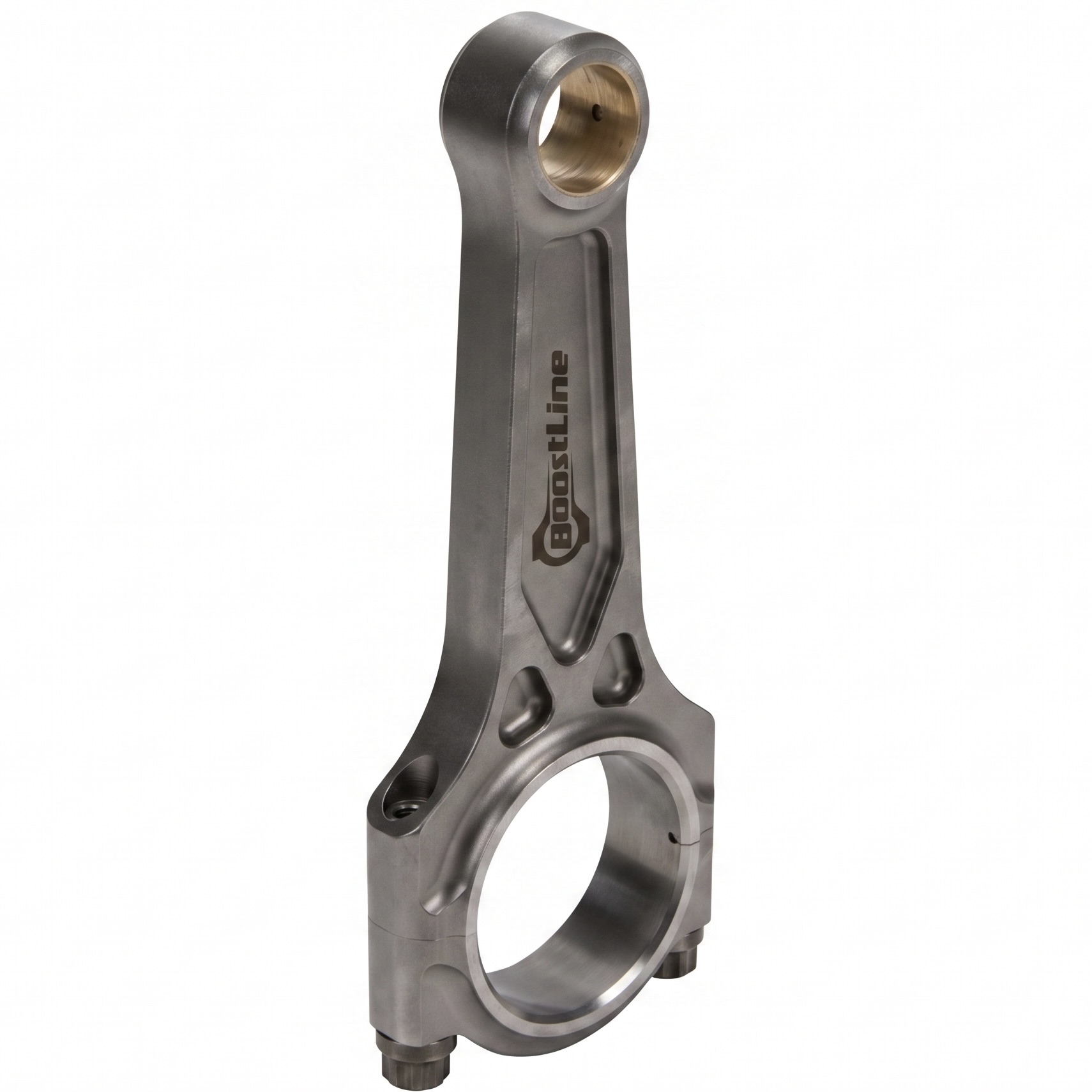 | I-3P profile (Boostline). This three-pocket I-beam combines a contained mass, 690 g, with high rigidity and a 22 mm wide small end: it is the geometry designed for modern turbocharged V6 engines and their high boost pressure, here with ARP 2000 bolts in 7/16"-41 mm. |
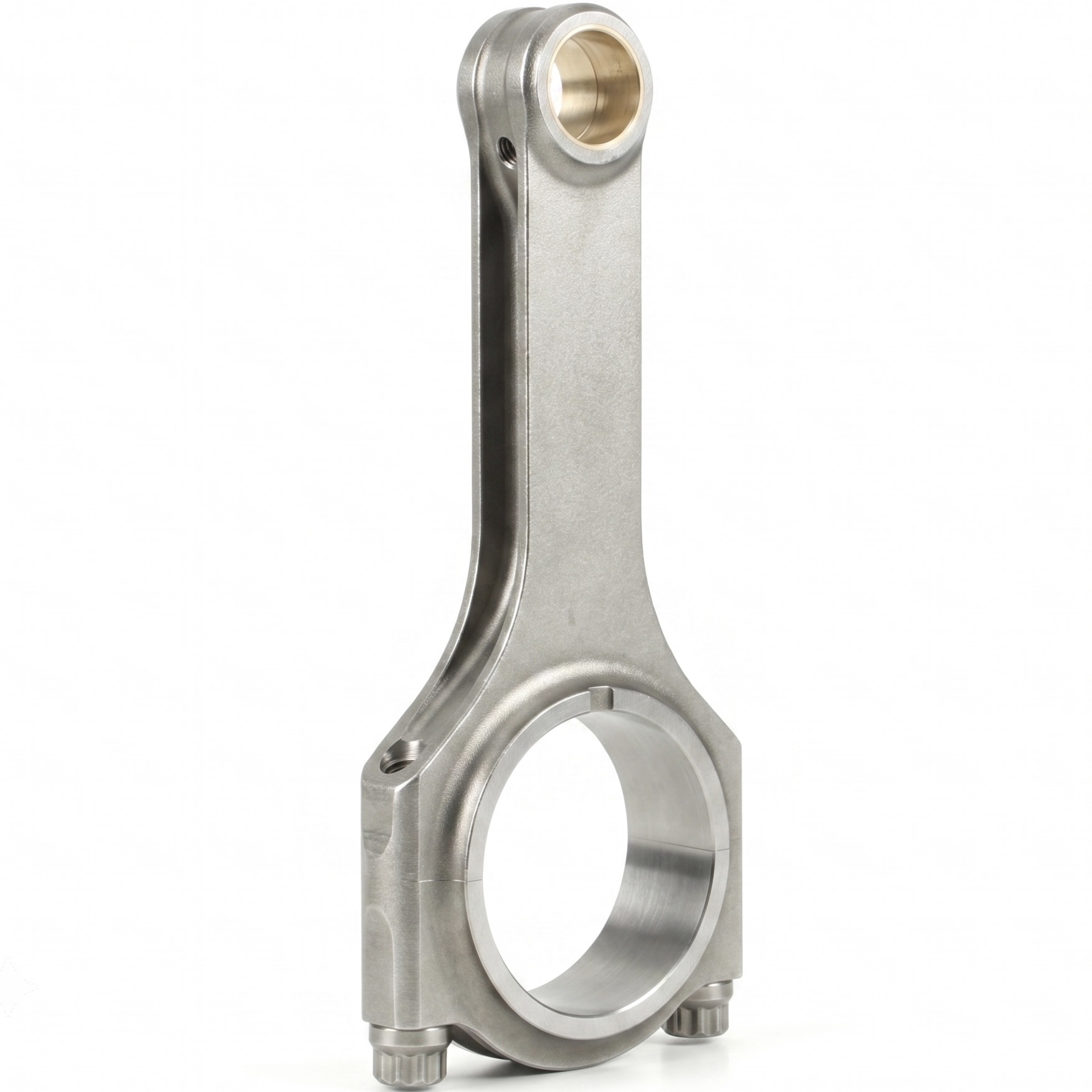 | H profile (H-Beam, Manley). Its two massive flanks give maximum rigidity in compression, which makes it the choice for high-torque engines and repeated drag launches; at 690 g with 7/16"-41 mm bolts, available in ARP 8740 or in ARP 2000, it favours strength over lightness. |
What the absence of an oil hole changes: the rods gathered on this page all have a solid body, with no through drilling in the beam. The section stays intact over the whole height of the body, which gives maximum strength and allows you to go past 600 hp without reservation. Rods drilled with an oil hole (rifle drilled), which we recommend up to around 600 hp, are also available and are grouped on a dedicated page, with their own part numbers and their own hardware.
The rod bolts clamp the rod cap and absorb inertia loads at high rpm. Here they use the larger 7/16" diameter instead of the usual 3/8", increasing the clamping area and joint strength. Three ARP grades are offered depending on the build level:
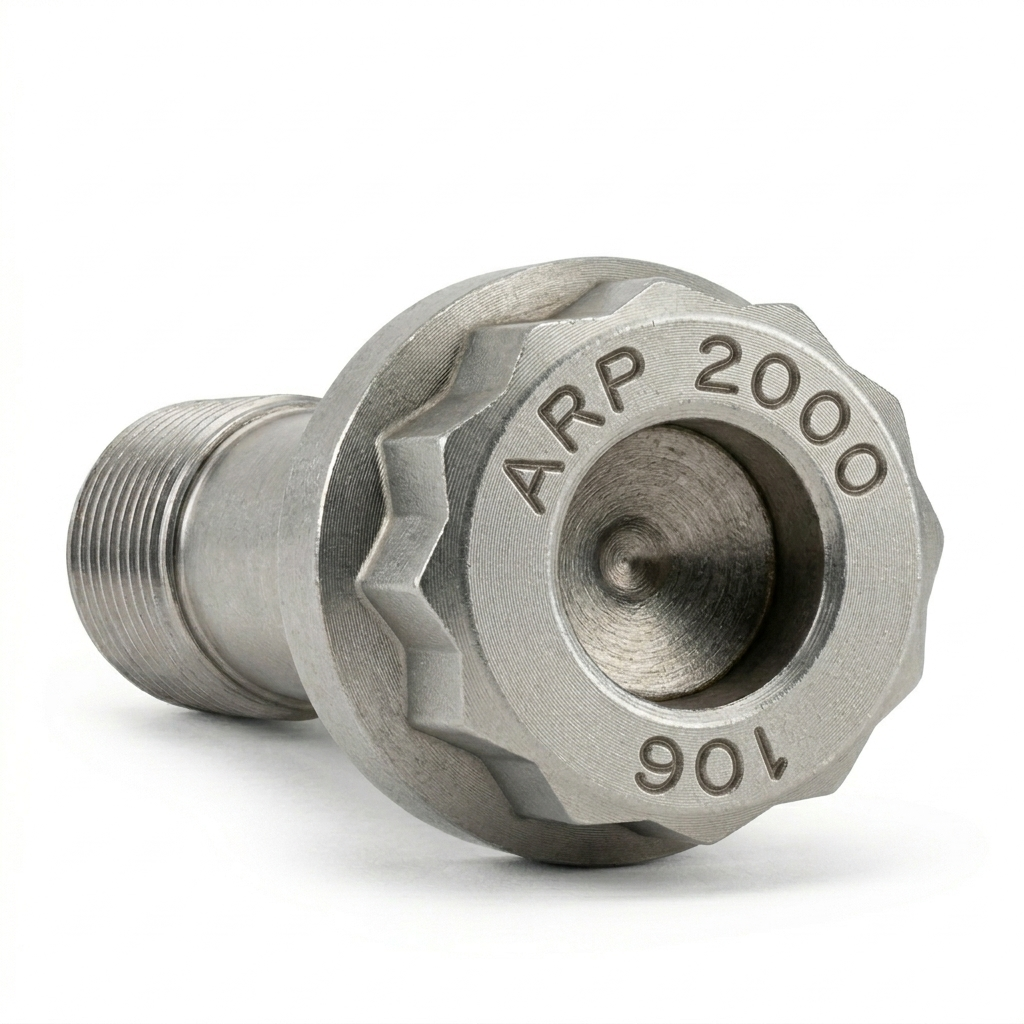 | ARP 2000: reinforced alloy, tensile strength around 1,517 MPa (~220,000 psi). The best strength/price compromise for most boosted 3.5 EcoBoost and 3.7 builds. |
| ARP 8740: heat-treated chromoly steel, strength around 1,380 MPa (~200,000 psi). Factory fitment on Manley H-Beam rods, suited to moderate high-torque builds. |
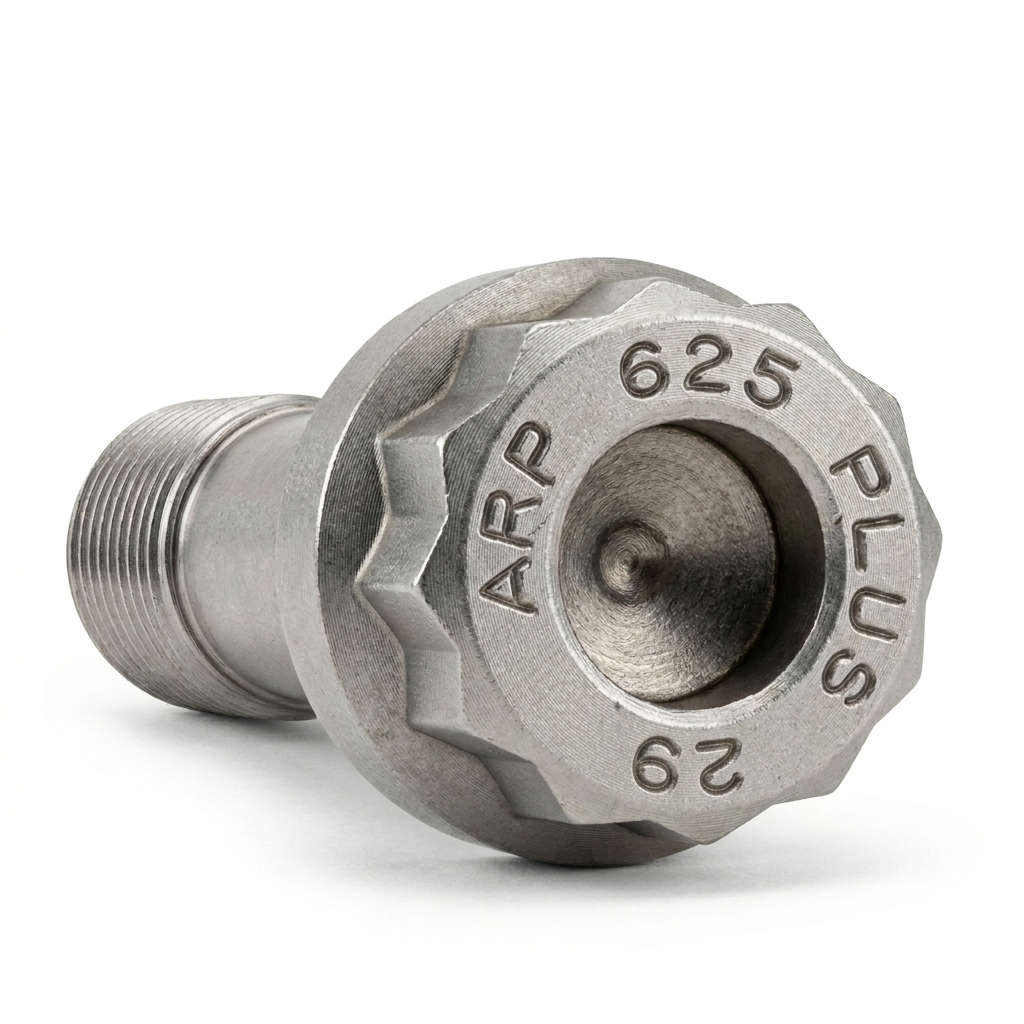 | ARP Custom Age 625+: aerospace superalloy, strength around 1,793 MPa (~260,000 psi). Reserved for extreme builds and the highest sustained rpm. |
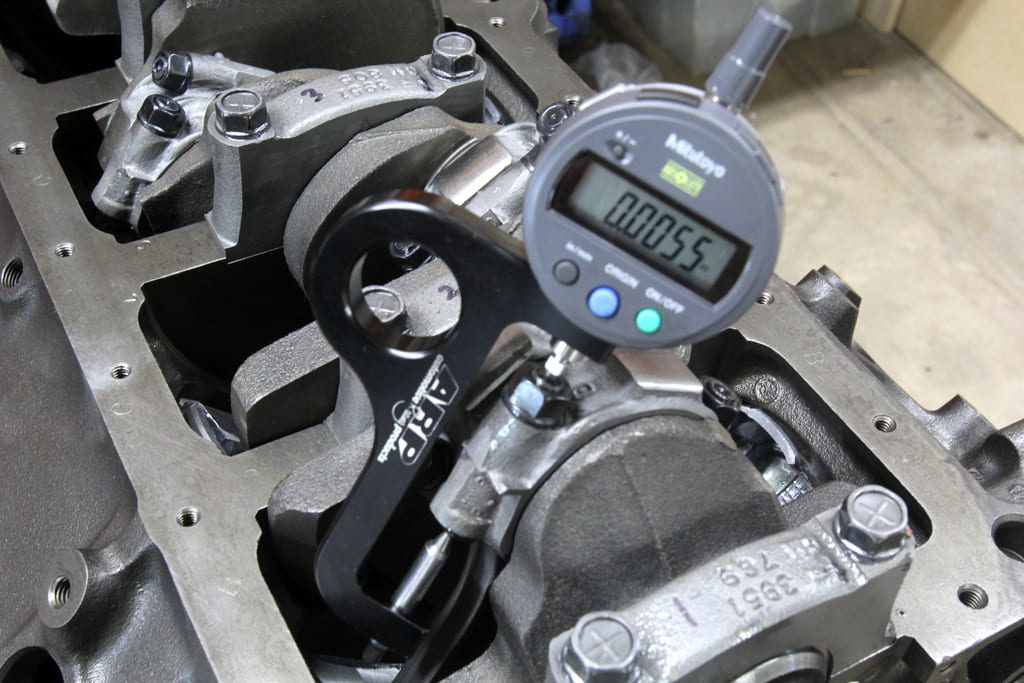
| In addition to torque tightening, measuring bolt stretch (stretch gauge) remains the most reliable way to ensure correct preload. It removes thread-friction variation and secures every assembly. The instructions supplied with the kit always take precedence; the torque figures assume ARP lubricant is used. |
 | Boostline: patented three-pocket I-3P profile combining lightness and rigidity, designed for modern turbo engines. |
 | Manley Performance: a leading American manufacturer, H-Beam and I-Beam profiles in 4340 steel, renowned in drag and endurance for their strength. |
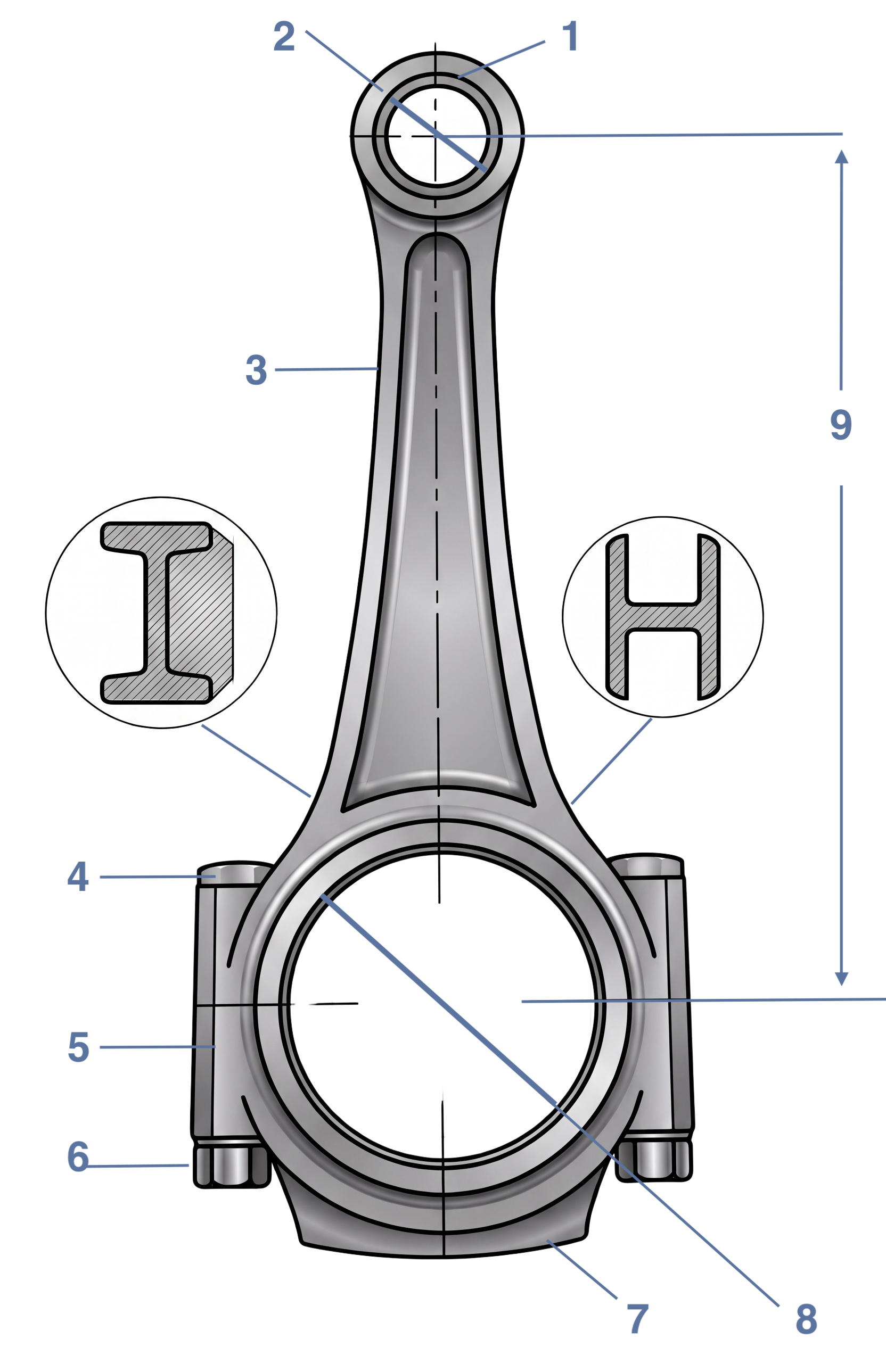 | 1) Small end 2) Small-end diameter 3) Rod beam 4) Rod bolt 5) Big end 6) Rod nut / bolt 7) Rod cap 8) Big-end diameter 9) Center-to-center |
These forged rods fit the 3.5 EcoBoost (turbo) and 3.7 Ti-VCT (naturally aspirated) V6 of the Cyclone family. Main Ford and Lincoln applications:
| Make | Model (chassis) | Engine code | Power | Years |
|---|---|---|---|---|
| Ford | F-150 (12e-13e gen.) | 3.5 EcoBoost | 365 ch | 2011-2016 |
| Ford | Taurus SHO | 3.5 EcoBoost | 365 ch | 2010-2019 |
| Ford | Flex | 3.5 EcoBoost | 355 ch | 2013-2019 |
| Ford | Explorer Sport | 3.5 EcoBoost | 365 ch | 2013-2019 |
| Lincoln | MKS | 3.5 EcoBoost | 355 ch | 2010-2016 |
| Lincoln | MKT | 3.5 EcoBoost | 355 ch | 2010-2019 |
| Ford | Mustang (S197 / S550) | 3.7 Ti-VCT | 305 ch | 2011-2017 |
| Ford | F-150 | 3.7 Ti-VCT | 302 ch | 2011-2014 |
| Ford | Edge Sport | 3.7 Ti-VCT | 305 ch | 2011-2014 |
| Lincoln | MKX | 3.7 Ti-VCT | 305 ch | 2011-2015 |
Rebuilding a 3.5 EcoBoost or 3.7 V6 after a bent rod costs far more than a set of forged rods fitted preventively. The fracture-split factory rod is not designed for high cylinder pressures: in a build it becomes the engine's weak link.
A set of six 4340 forged rods protects the crankshaft, pistons and block from the very first power increases. It is a one-time investment that avoids a costly engine failure and downtime.
Supplied with their 7/16" ARP bolts, these rods fit during a standard rebuild and offer a lasting safety margin, on the road, on track or in competition.