Product successfully added to your shopping cart
Quantity
Total
There are 0 items in your cart. There is 1 item in your cart.
Total products
Total shipping To be determined
Total

3.0L 24v - 2JZ-GTE
Manufacturers
3.0L 24v - 2JZ-GTE
Warning: Last items in stock!
New product
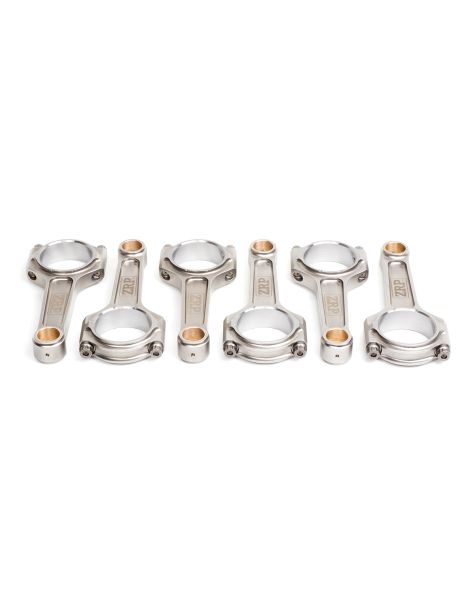
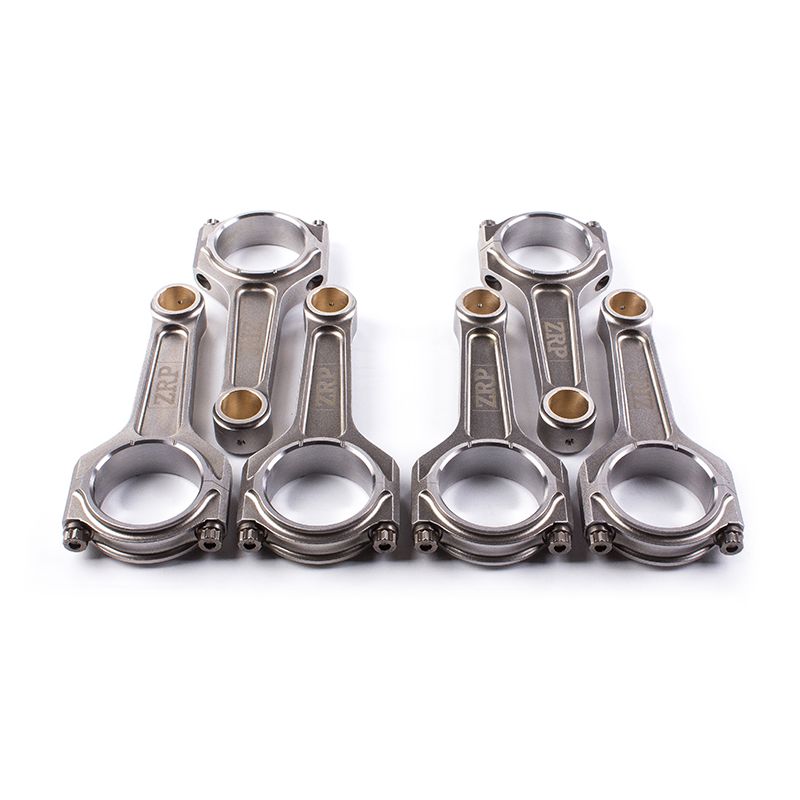
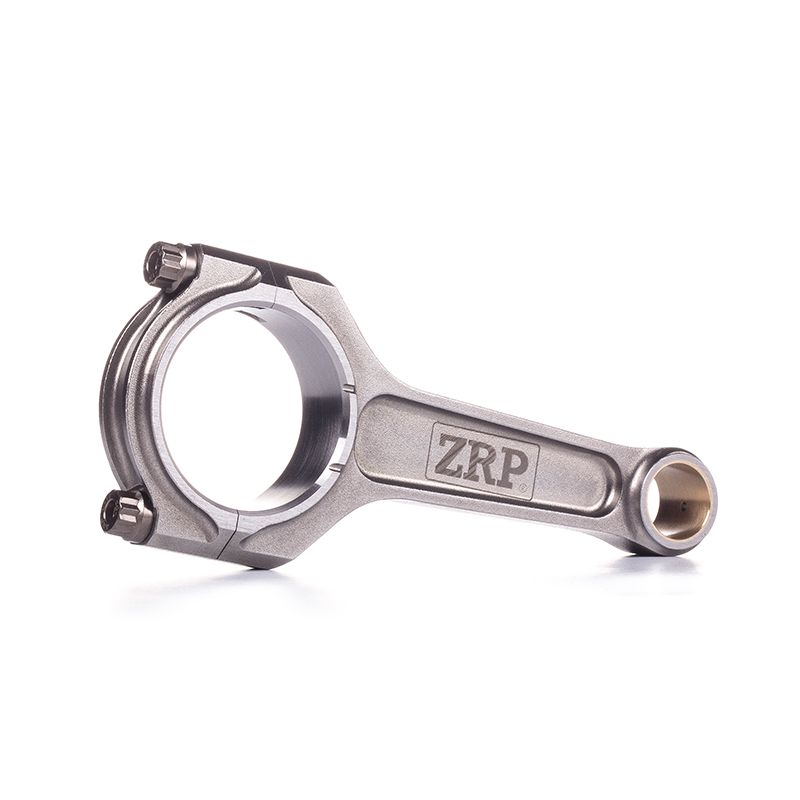
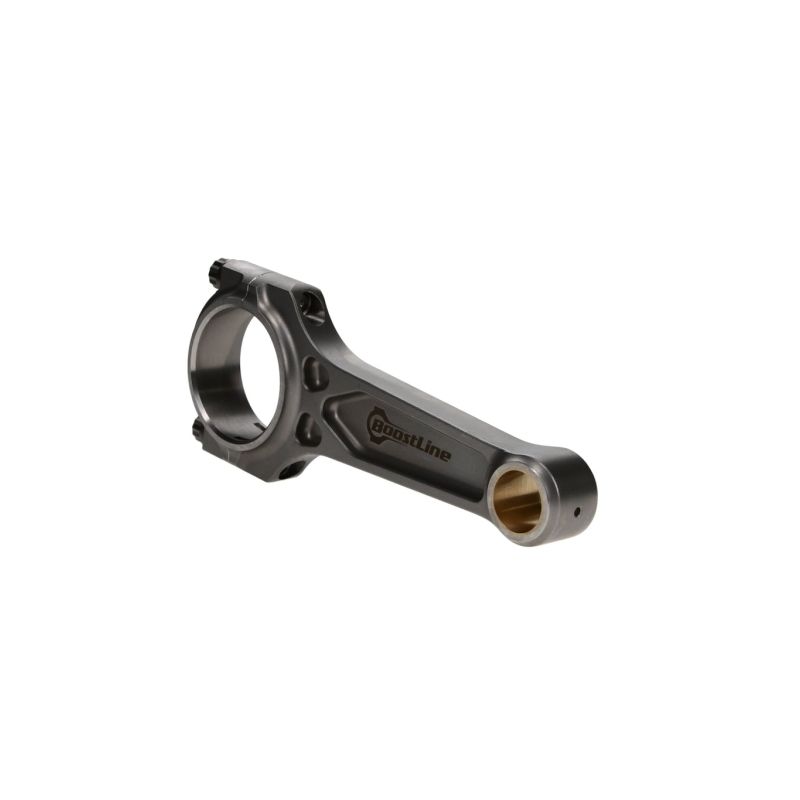
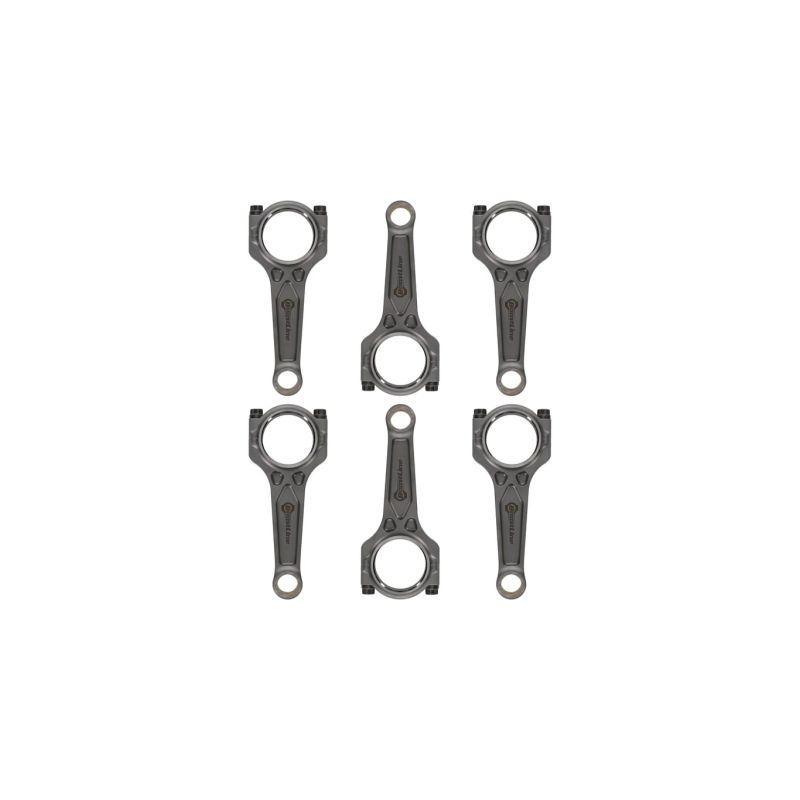
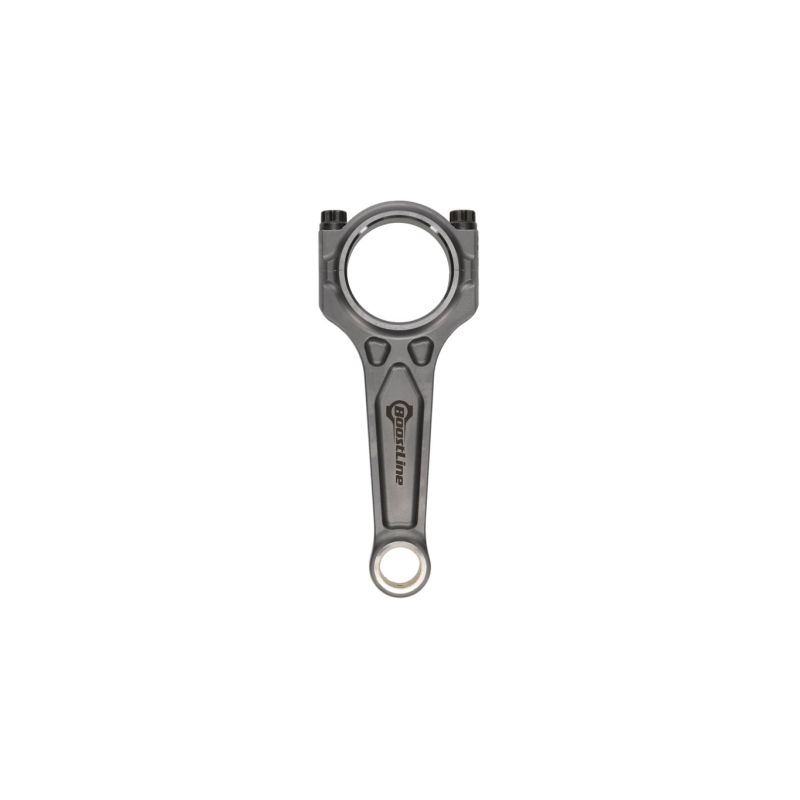
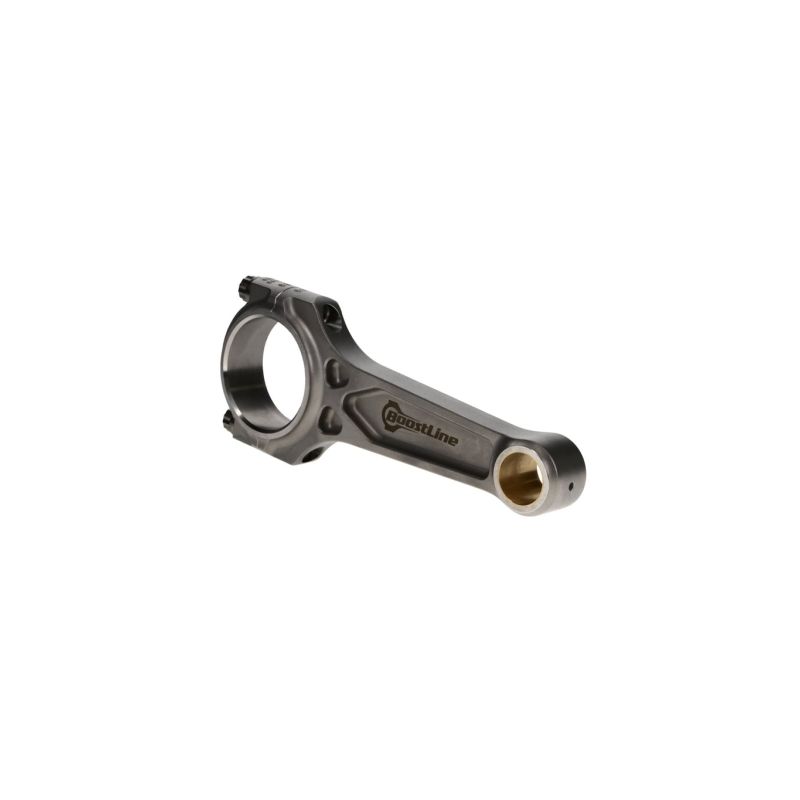
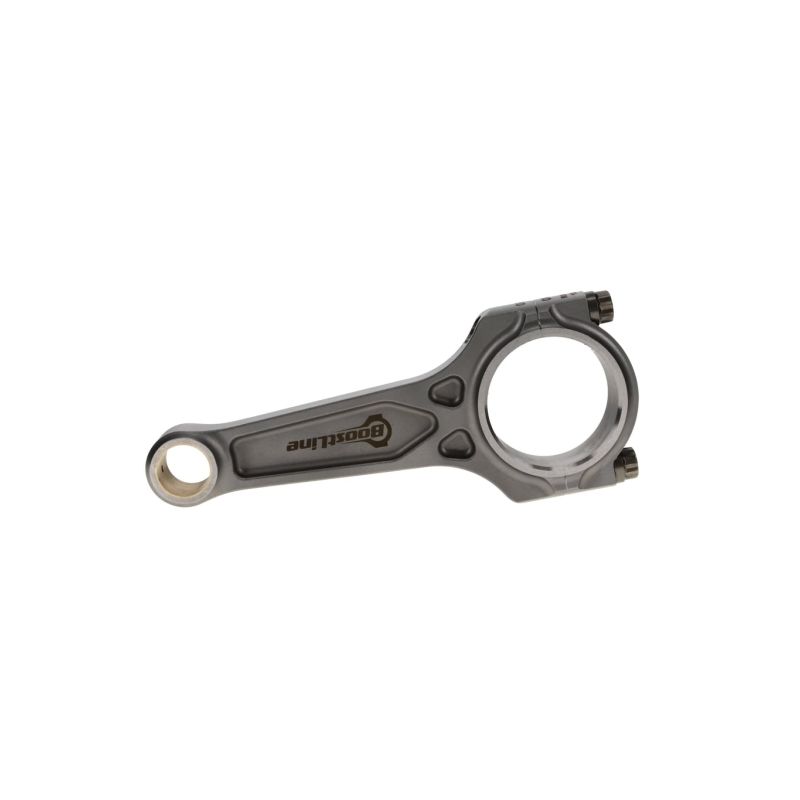
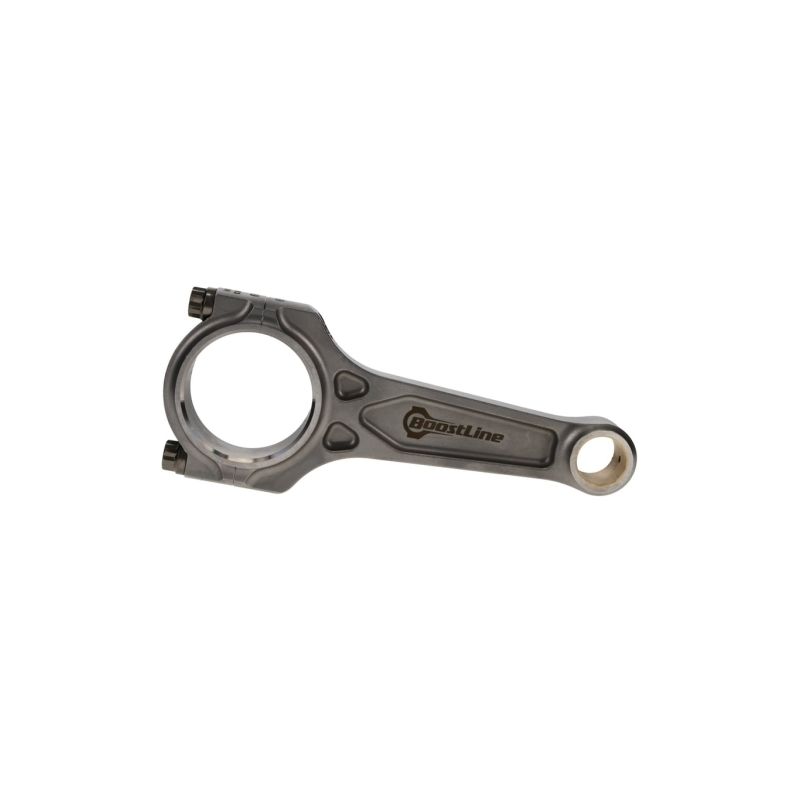
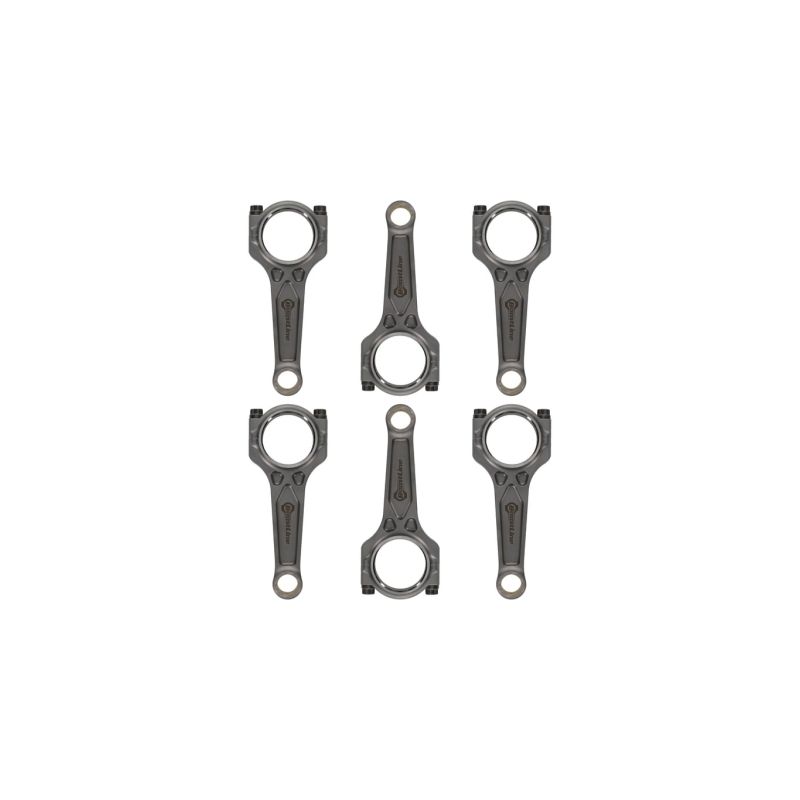
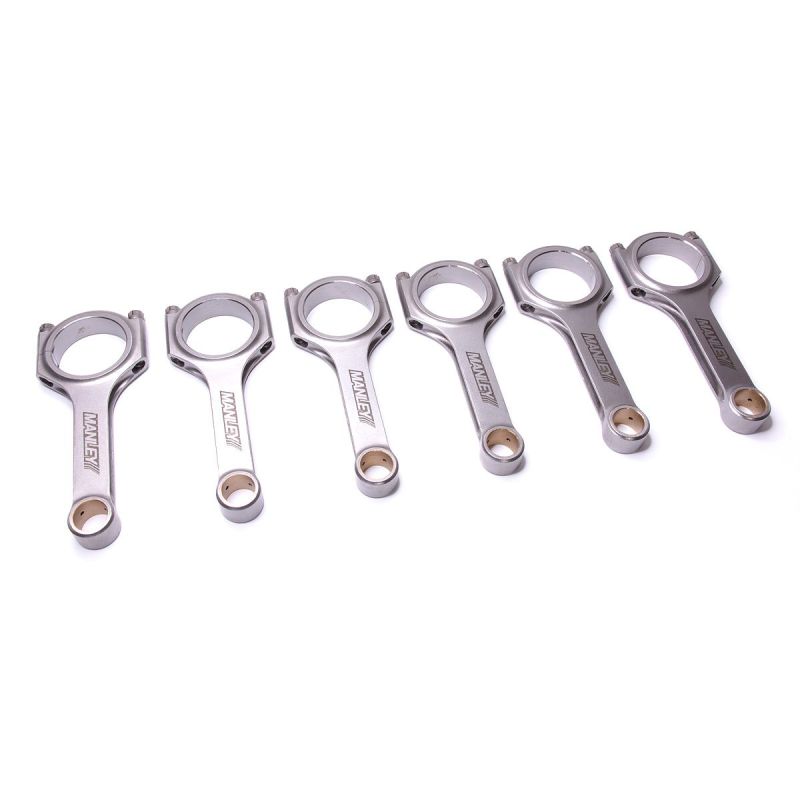
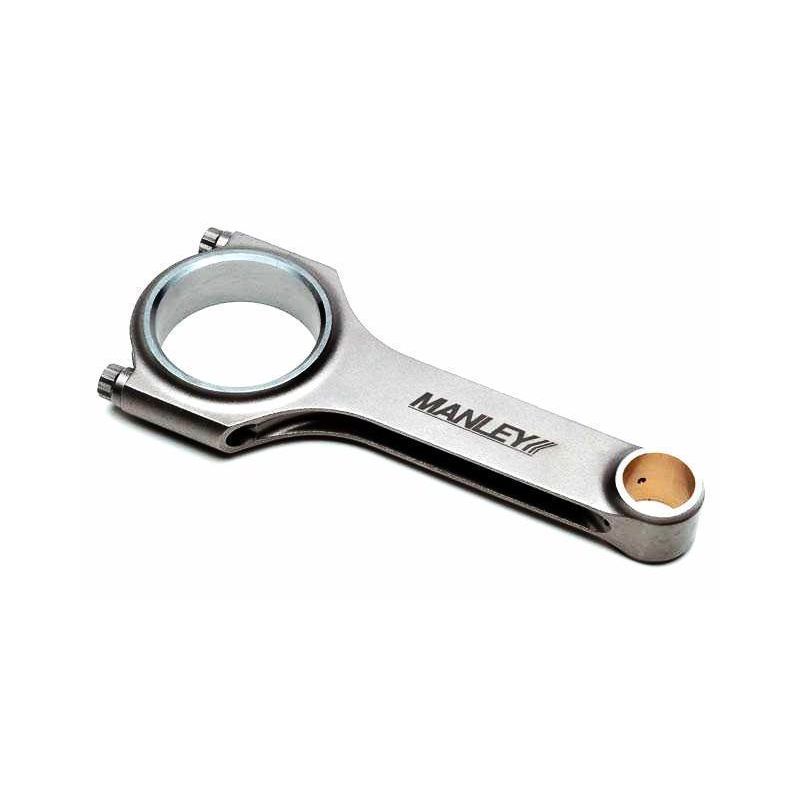
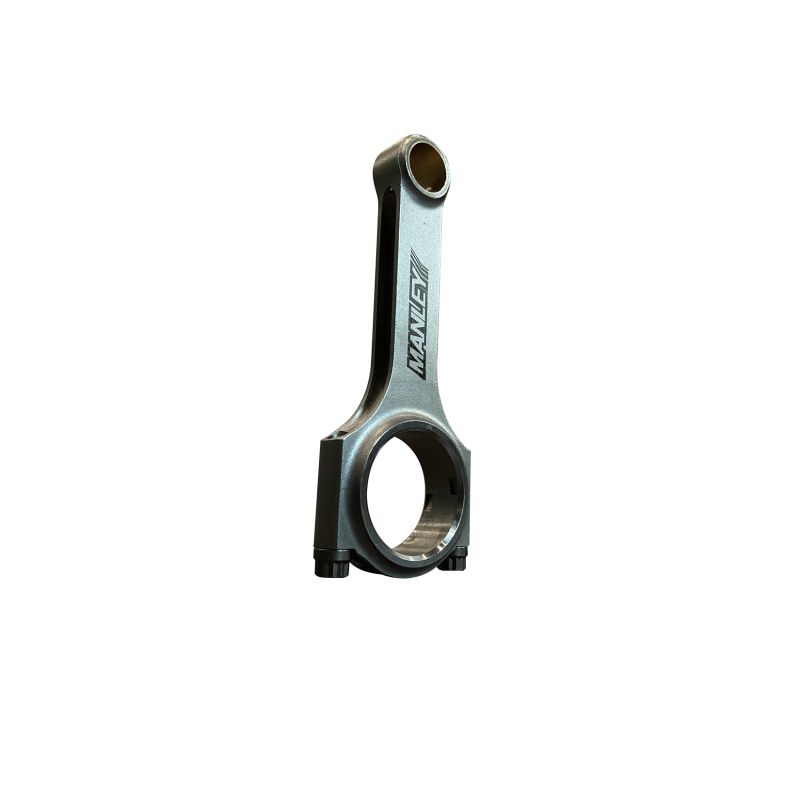
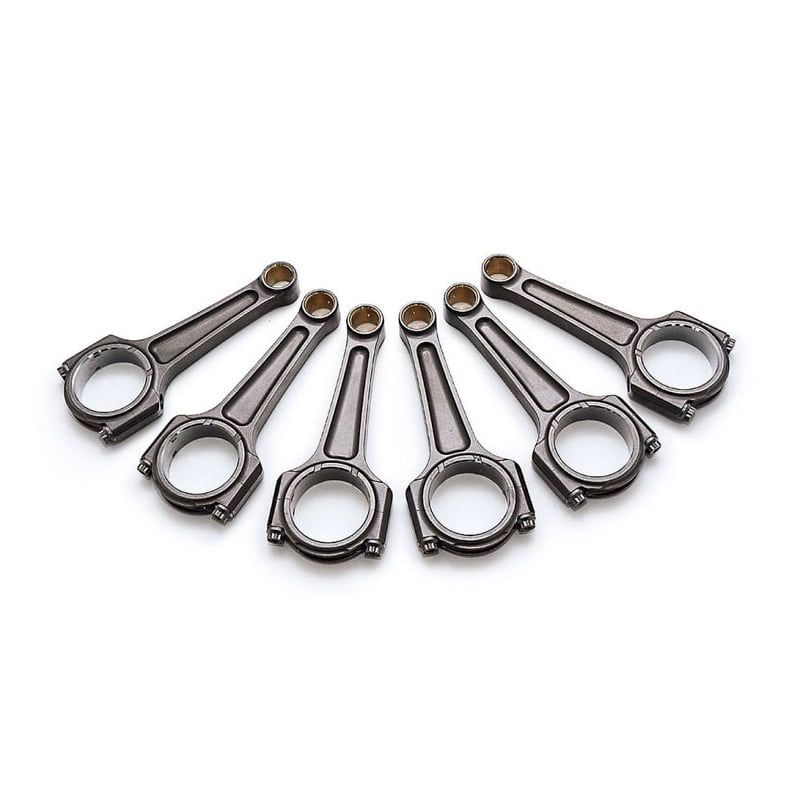
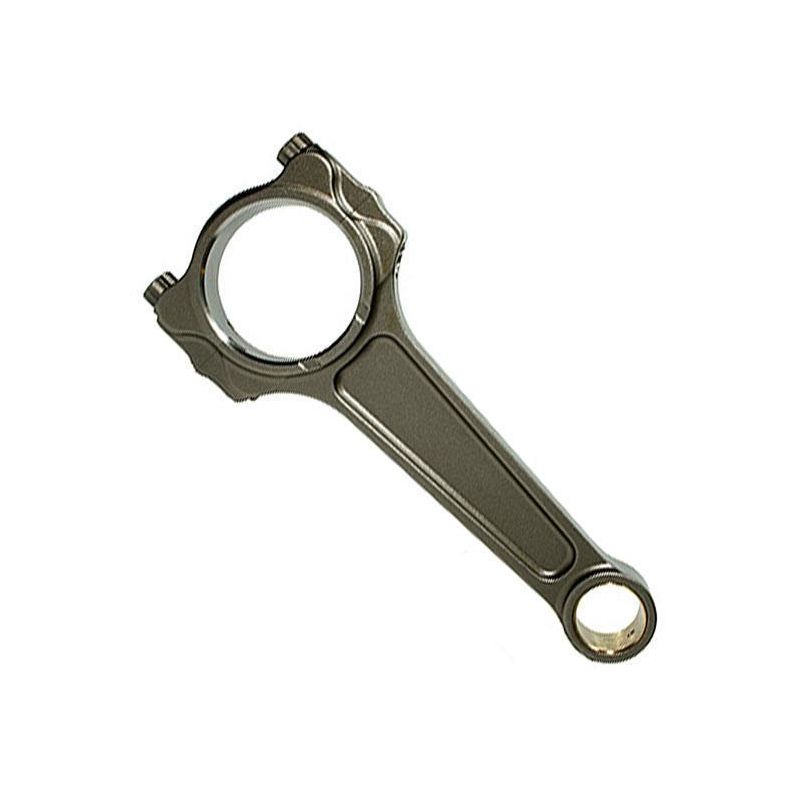
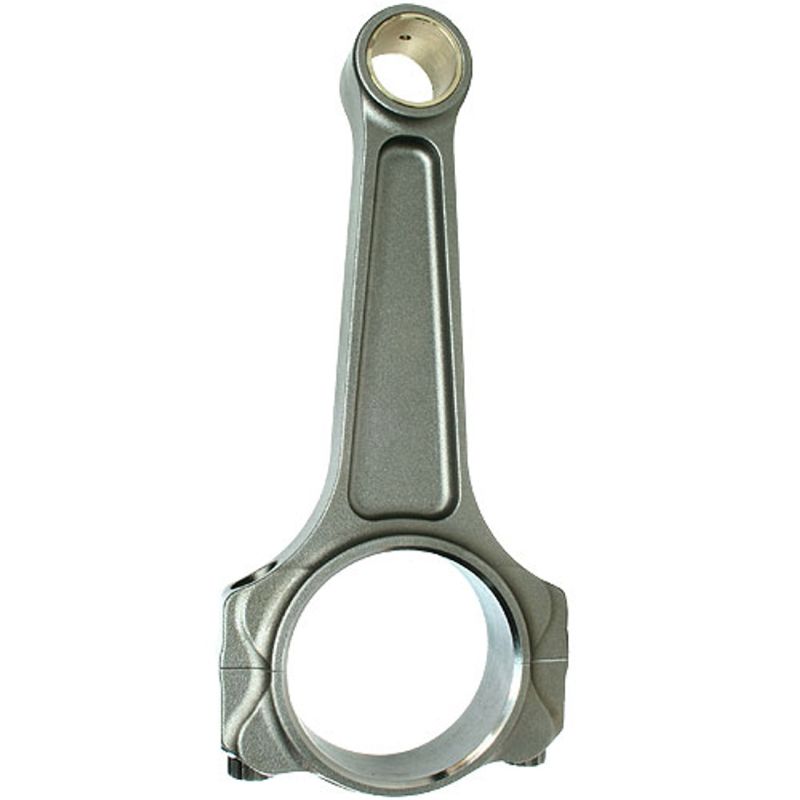
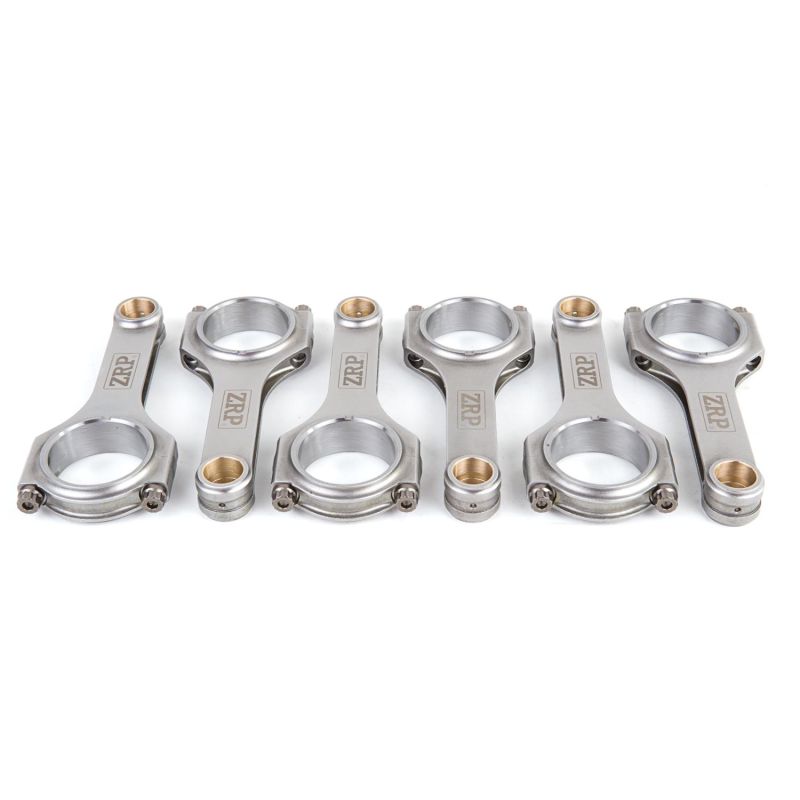
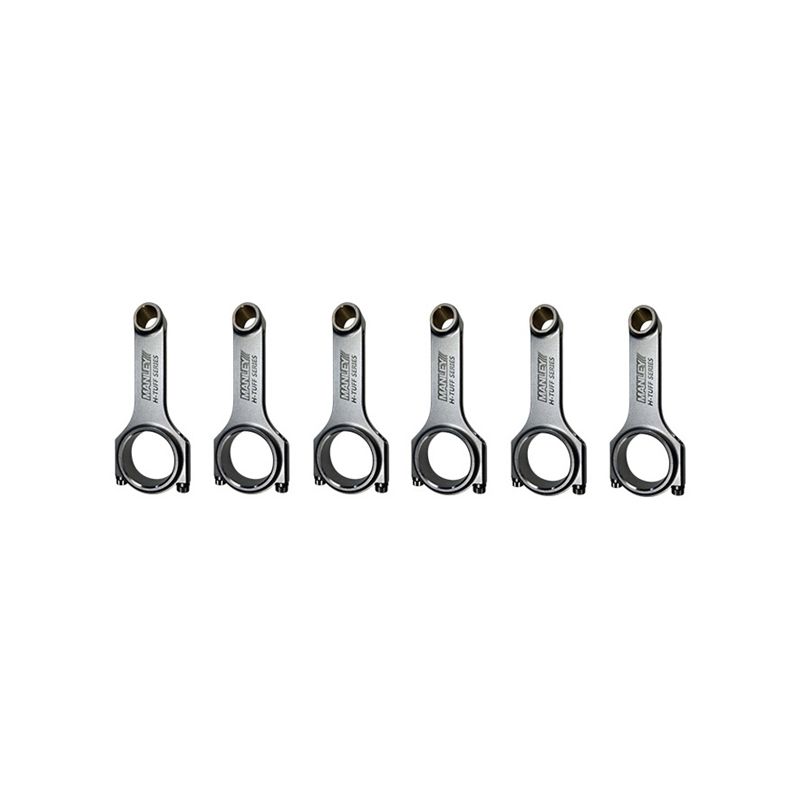
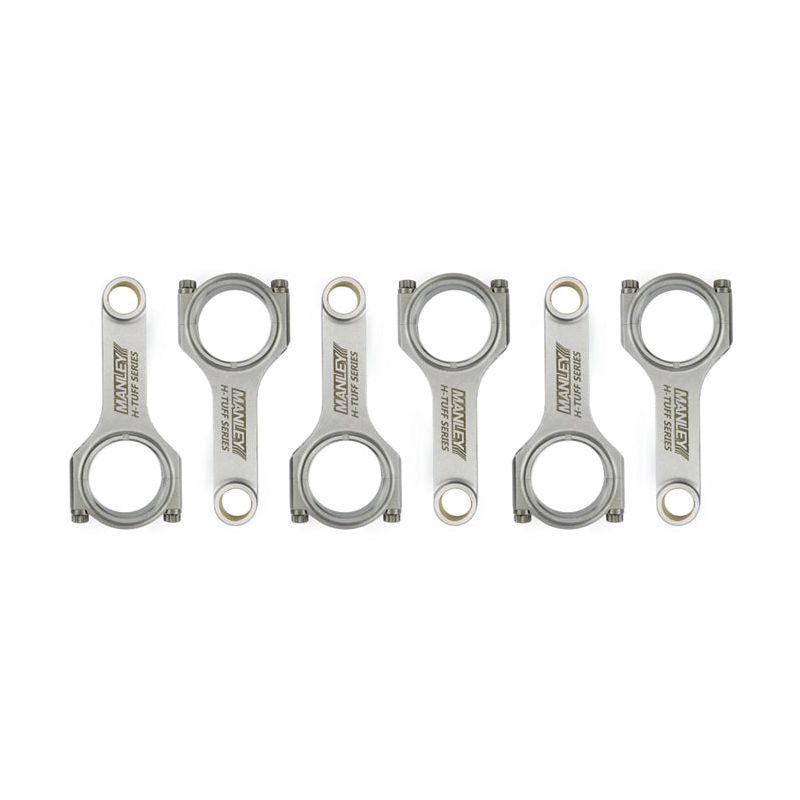
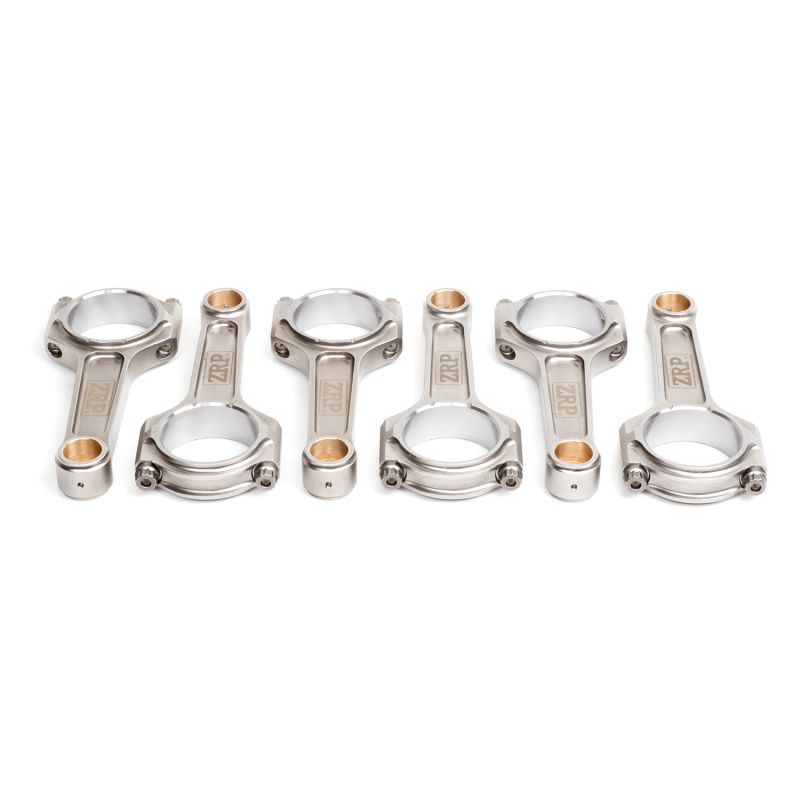
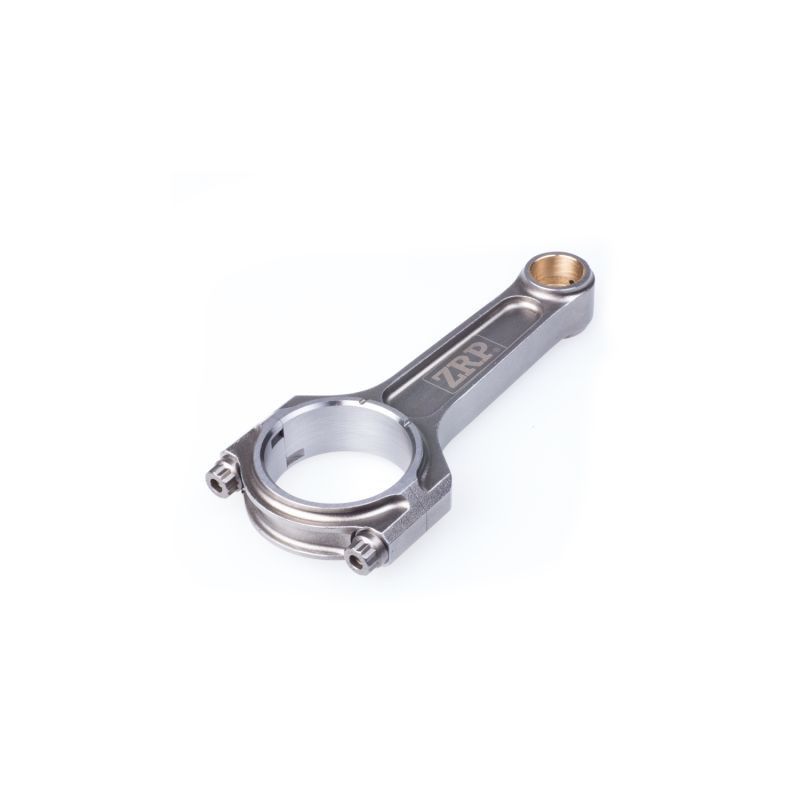
Set of 6 forged connecting rods in 4340 steel for the Toyota 2JZ-GE / 2JZ-GTE 3.0L 24V.
Brands : Boostline, Manley, Wössner, ZRP
Compatibility : Toyota Supra Mk4 (JZA80)
Engine codes : 2JZ-GE, 2JZ-GTE
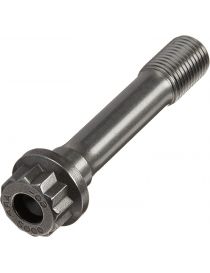
Bolts included : ARP 2000, L19, CA625+
The Toyota 2JZ is a 3.0 L (2997 cc) inline six-cylinder engine with double overhead camshafts and 24 valves, built from 1991 to 2007. Its bore and stroke are perfectly square at 86 x 86 mm, a geometry that favours both high-rpm operation and strong low-end torque. It comes in two main families: the naturally aspirated 2JZ-GE and the twin-turbo 2JZ-GTE, the latter having built the worldwide reputation of the Toyota Supra Mk4 (A80).
The strength of the 2JZ-GTE stems first from its internal architecture. The closed-deck cast-iron block offers exceptional cylinder-bore rigidity, while the forged crankshaft and wide bearings absorb very high power levels. The DACT 24-valve cylinder head, fitted with VVT-i variable valve timing on the most recent versions, ensures efficient breathing. On the 2JZ-GTE, two turbochargers operate sequentially to combine low-rpm response with high-rpm flow.
This design explains why the 2JZ bottom end is regarded as one of the strongest ever produced, and why it remains the preferred base for high-power builds around the world. The most heavily loaded link, however, is still the connecting rod: as soon as boost pressure or engine speed rises significantly, the factory rods become the limiting factor.
Why switch to forged connecting rods on a 2JZ? Because the rod transmits every combustion impulse to the crankshaft and endures tensile, compressive and buckling loads that grow very quickly with power and engine speed. A forged alloy-steel rod offers far greater fatigue strength and tolerance to overload than a stock part, which markedly raises the failure threshold of the bottom end.
The naturally aspirated 2JZ-GE benefits from forged rods when raising the rev limit, lightening the rotating assembly or preparing a turbo conversion. On the twin-turbo 2JZ-GTE they become almost essential as soon as boost pressure increases. They cover every motorsport use: rally, drift, drag, circuit, hill climb and time attack, where loads are both violent and repeated.
In practice, rod choice is matched to the build level. At Stage 2, the goal is to secure power already above stock without excessive rpm. At Stage 3, the aim is high power with significant boost and frequent trips to the top of the rev range. At Stage 4 and beyond, we are dealing with race or high-flow engines running extreme rpm: this is where the combination of rod profile, hardware and material becomes decisive.
| Reference | Brand | Profile | Steel | Bolts | Pin diameter OEM 22 mm | Small-end width | Big-end diameter | Big-end width | Center-to-center OEM 142 mm | Weight per rod |
|---|---|---|---|---|---|---|---|---|---|---|
| TY5591-866 | Boostline | I-3P | 4340 | ARP 2000-3/8"-41mm | 22 | 25,4 | 55,03 | 25,88 | 142 | 663 g |
| TY5591-866+ | Boostline | I-3P | 4340 | ARP CA625+-3/8"-41mm | 22 | 25,4 | 55,03 | 25,88 | 142 | 667 g |
| 14027-6 | Manley | H | 4340 | ARP 2000-3/8"-38mm | 22 | 55,04 | 25,78 | 142 | 605 g | |
| 15027-6 | Manley | H-HD | 4340 | ARP 2000-3/8"-38mm | 22 | 55,04 | 25,78 | 142 | 645 g | |
| 15027R6-6 | Manley | H-HD | 4340 | ARP CA625+-3/8"-38mm | 22 | 55,04 | 25,78 | 142 | 645 g | |
| 14402-6 | Manley | I-HD | 4340 | ARP 2000-3/8"-41mm | 22 | 55,04 | 25,78 | 142 | 645 g | |
| 14402R6-6 | Manley | I-HD | 4340 | ARP CA625+-3/8"-41mm | 22 | 55,04 | 25,78 | 142 | 645 g | |
| KCR367A | Wössner | I | 4340 | ARP 2000-3/8"-38mm | 22 | 25,9 | 55 | 25,9 | 142 | 690 g |
| R-TOY-006-H | ZRP | H | 4340 | ARP 2000-3/8"-38mm | 22 | 55 | 26 | 142 | 598 g | |
| R-TOY-006-H-L19 | ZRP | H | 4340 | ARP L19-3/8"-38mm | 22 | 55 | 26 | 142 | 598 g | |
| R-TOY-006-I | ZRP | I-HD | 4340 | ARP 2000-3/8"-38mm | 22 | 55 | 26 | 142 | 626 g | |
| R-TOY-006-I-L19 | ZRP | I-HD | 4340 | ARP L19-3/8"-38mm | 22 | 55 | 26 | 142 | 626 g | |
| R-TOY-006-IP | ZRP | I | 817M40T | ARP L19-3/8"-38mm | 22 | 55 | 26 | 142 | 630 g |
| Rod | Bolts | Torque | Recommended stretch |
|---|---|---|---|
| Boostline (TY5591-866) | ARP 2000 | 81 N·m | 0.142–0.152 mm |
| Boostline (TY5591-866+) | ARP CA 625+ | 88 N·m | 0.152–0.163 mm |
| Manley (14027-6) | ARP 2000 | 81.3 N·m | 0.147–0.157 mm |
| Manley (14402-6) | ARP 2000 | 81.3 N·m | 0.147–0.157 mm |
| Manley (14402R6-6) | ARP CA 625+ | 88.1 N·m | 0.165–0.190 mm |
| Manley (15027-6) | ARP 2000 | 81.3 N·m | 0.147–0.157 mm |
| Manley (15027R6-6) | ARP CA 625+ | 88.1 N·m | 0.160–0.170 mm |
| Wössner (KCR367A) | ARP 2000 | 74.6 N·m | 0.1397–0.1524 mm |
| ZRP (R-TOY-006-H) | ARP 2000 | 61 N·m | 0.140–0.152 mm |
| ZRP (R-TOY-006-H-L19) | ARP L19 | 67.8 N·m | 0.152–0.165 mm |
| ZRP (R-TOY-006-I) | ARP 2000 | 61 N·m | 0.140–0.152 mm |
| ZRP (R-TOY-006-I-L19) | ARP L19 | 67.8 N·m | 0.152–0.165 mm |
| ZRP (R-TOY-006-IP) | ARP L19 | 67.8 N·m | 0.152–0.165 mm |
The 2JZ forgives a great deal, but never a badly tensioned rod bolt. Left too loose, the bolt lets the cap lose solid contact with the rod: it shifts by a few microns, the bore is no longer round, the shell is pinched on one side and hammered on the other, then starts to spin; such a failure always ends with the crankshaft. Over-tightened, the bolt passes its elastic limit, keeps a permanent elongation and loses its useful tension: the same roundness defect appears, made worse by a distorted bearing bore and an oval big end. Between those two mistakes there is only the specified range, and it belongs to each rod and fastener combination: on this listing, Boostline, Manley, Wössner and ZRP do not use the same ARP grade nor the same bolt length, and the table below gives the fastener manufacturer's values for each of them. Stretch checking with a dial gauge remains the reference method for validating the tension obtained, with ARP assembly lubricant and the kit instructions as the documents that prevail.
The vast majority of the connecting rods offered for the 2JZ are made from forged 4340 steel, a nickel-chromium-molybdenum alloy recognised as the benchmark for high-performance rods. Forging aligns the grain flow of the metal along the load paths, providing an excellent balance of tensile strength, toughness and fatigue endurance. After forging, the rods are machined, heat-treated and inspected to guarantee precise geometry and controlled mass. One reference stands apart: the R-TOY-006-IP rod is produced from forged 817M40T steel, a 4340-type alloy processed to a British standard, chosen for its high mechanical properties and consistency. In both cases, these are aerospace- and competition-grade forged steels, a world away from the cast or sintered rods of mass production. |
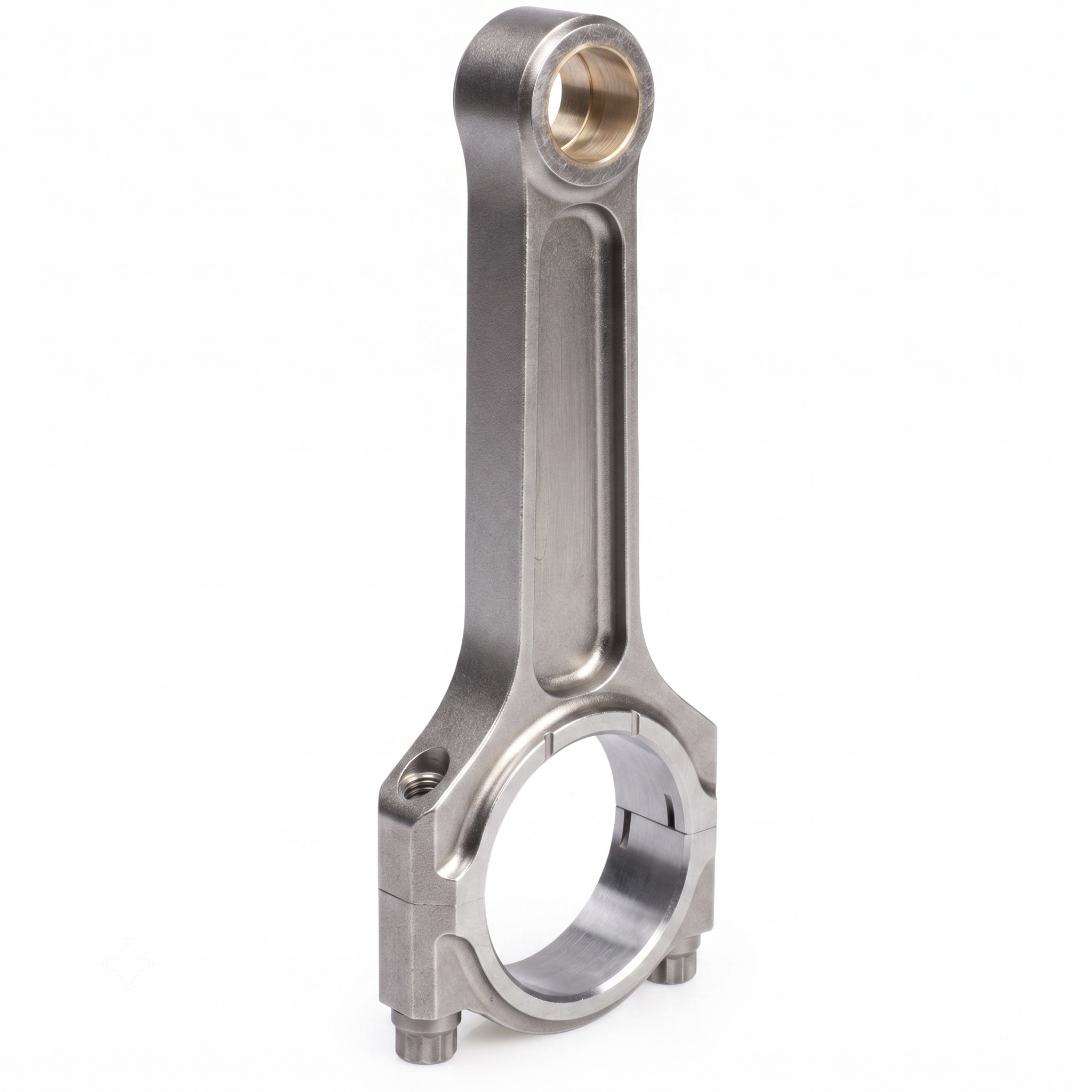 | The I profile (I-Beam) takes the shape of an I in cross-section, with a central web bordered by two flanges. Naturally light, it reduces the moving mass and suits engines that favour high rpm. In its heavy-duty version it keeps this lightness while gaining strength, making it a balanced compromise between reduced inertia and solidity for a sporty 2JZ, from a prepared naturally aspirated engine to a moderate twin-turbo build. |
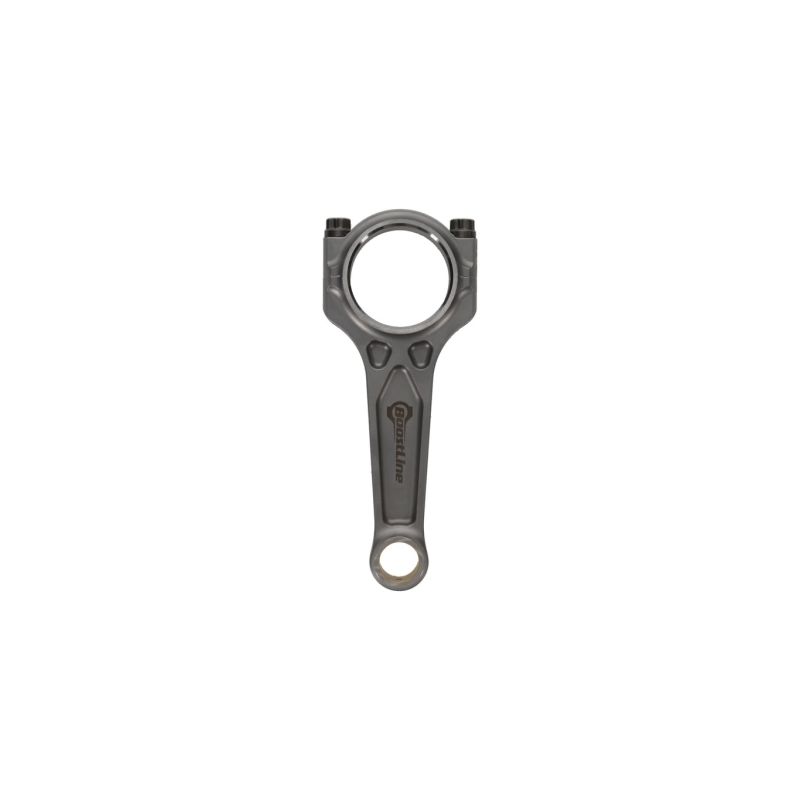
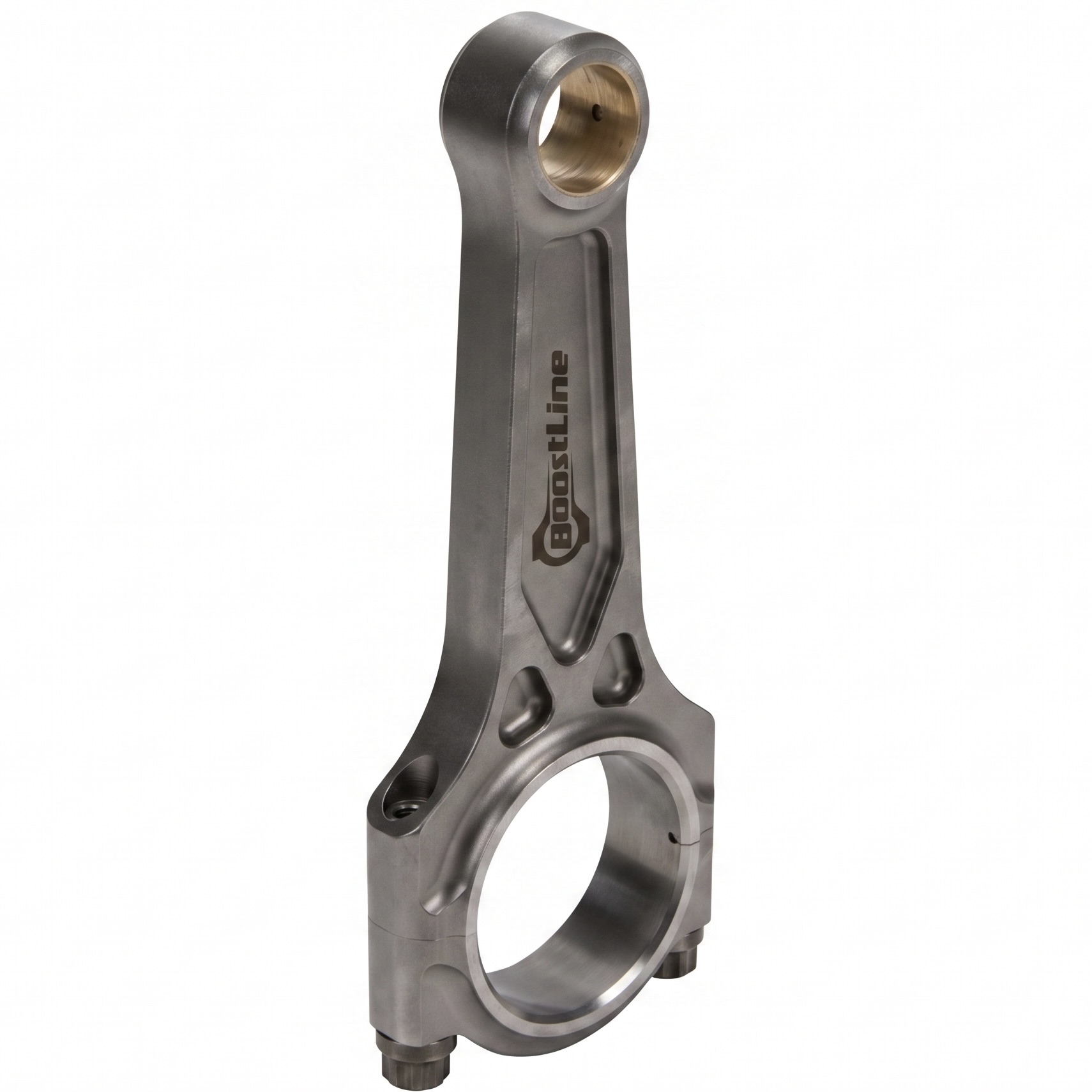 | The I-3P profile is an evolution of the I profile with three bearing surfaces, designed to combine the lightness of the I-Beam with reinforced rigidity. The material distribution optimises buckling resistance and body stability under heavy loads while keeping weight in check. This profile targets ambitious 2JZ builds seeking both a light rotating assembly and a large safety margin at high boost and high rpm. |
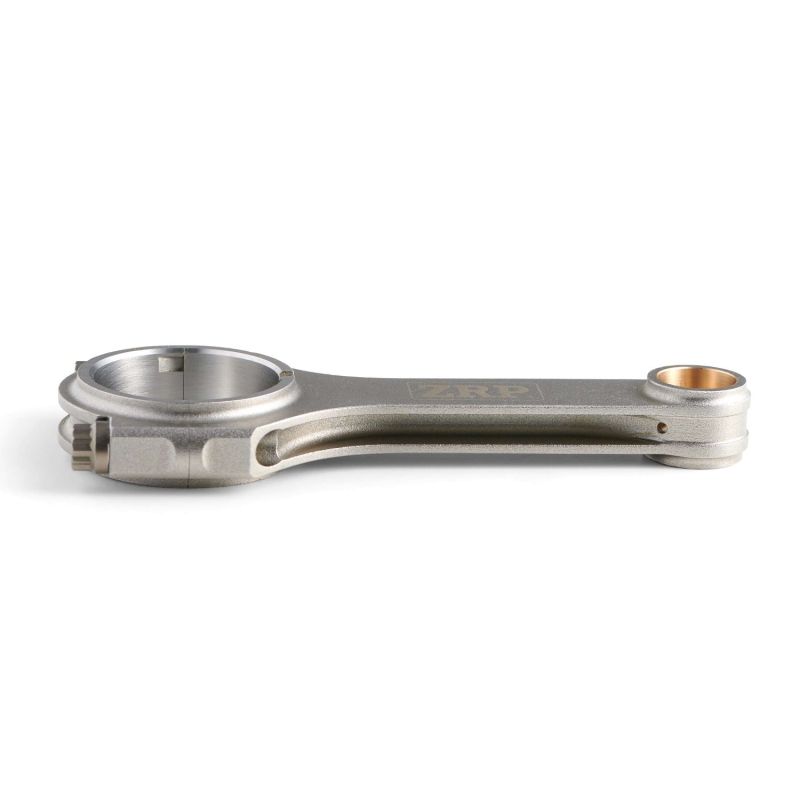
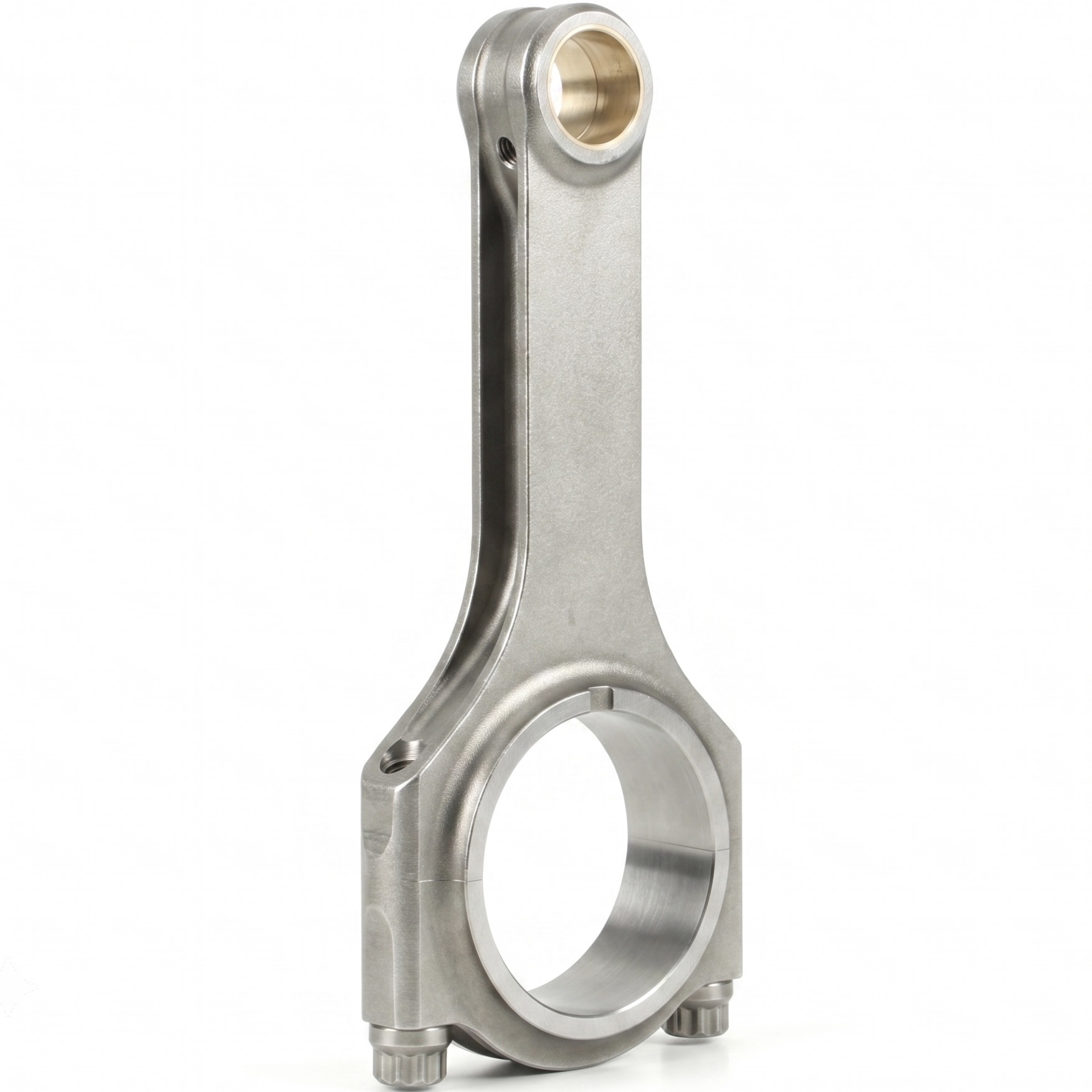 | The H profile (H-Beam) has a body relieved on both faces, revealing two parallel flanges joined by a central web, like the letter H seen in cross-section. This geometry offers excellent rigidity for a contained weight and handles compressive loads very well, which makes it particularly suited to heavily boosted engines such as the 2JZ-GTE. It is a versatile profile, valued for its robustness on high-boost builds. |
On a 2JZ six-cylinder, twelve bolts hold the caps and their preload has to stay identical from one cylinder to the next: that is the condition for a bottom end that takes pressure and sustained engine speeds without any bearing clearance appearing. This page offers three ARP grades and two bolt widths, 3/8"-38 mm and 3/8"-41 mm depending on the rod, so check the exact part number before ordering tooling. Assembly always follows the same discipline: threads and seats cleaned and blown out, assembly lubricant on the thread and under the head, tightening in rising passes, preload validated through stretch measured with a dial gauge and free length noted for all twelve bolts. The grade is then chosen according to power per cylinder, maximum engine speed and the margin to be kept for repeated use; the table below sets out the field of each one.
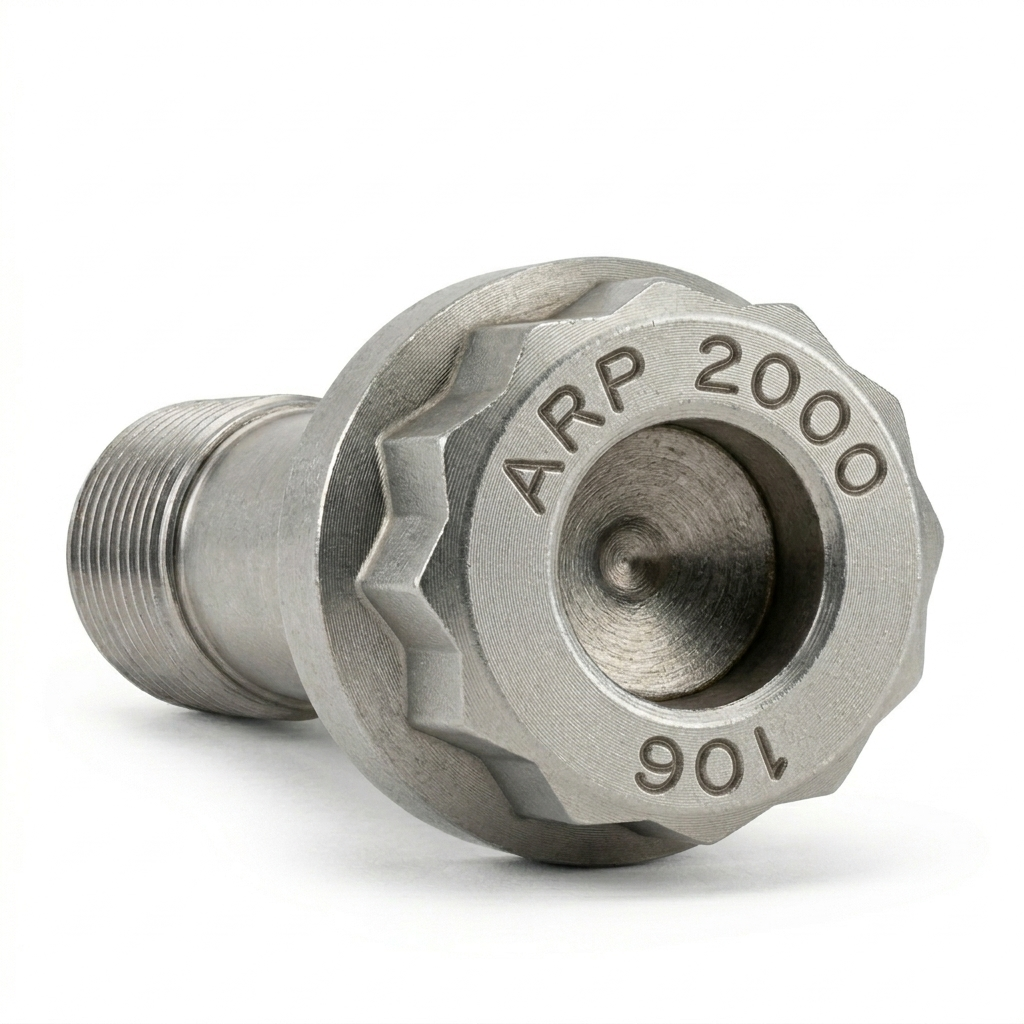 | ARP2000 hardware is the proven standard for high-performance rods. It offers a tensile strength of about 220,000 psi (roughly 1517 MPa) and suits the vast majority of 2JZ builds, up to an order of about 200 hp per cylinder and engine speeds reaching around 8500 rpm. On this listing the bolts are offered in 3/8 inch diameter, in 38 mm and 41 mm lengths depending on the rods. |
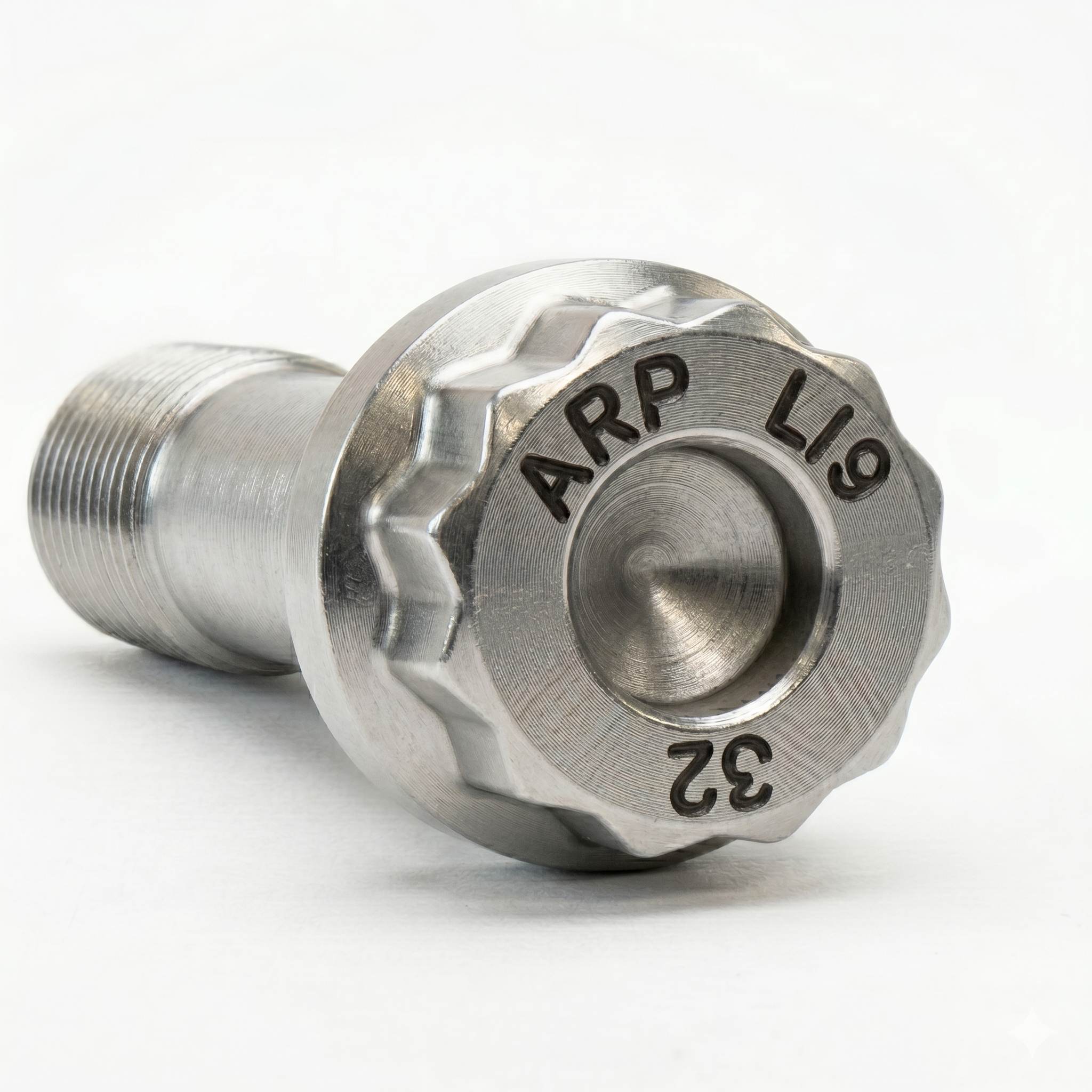 | ARP L19 (tensile strength of approximately 260,000 psi, or ~1,793 MPa) hardware is a step above. This higher-performance alloy steel allows greater stresses and suits highly tuned engines, as a guide up to about 250 hp per cylinder and rpm up to 10,000. It is recommended when boost pressure and engine speed rise significantly. ARP L19 is more sensitive to corrosion and requires particular care during assembly and storage, in exchange for its superior strength. |
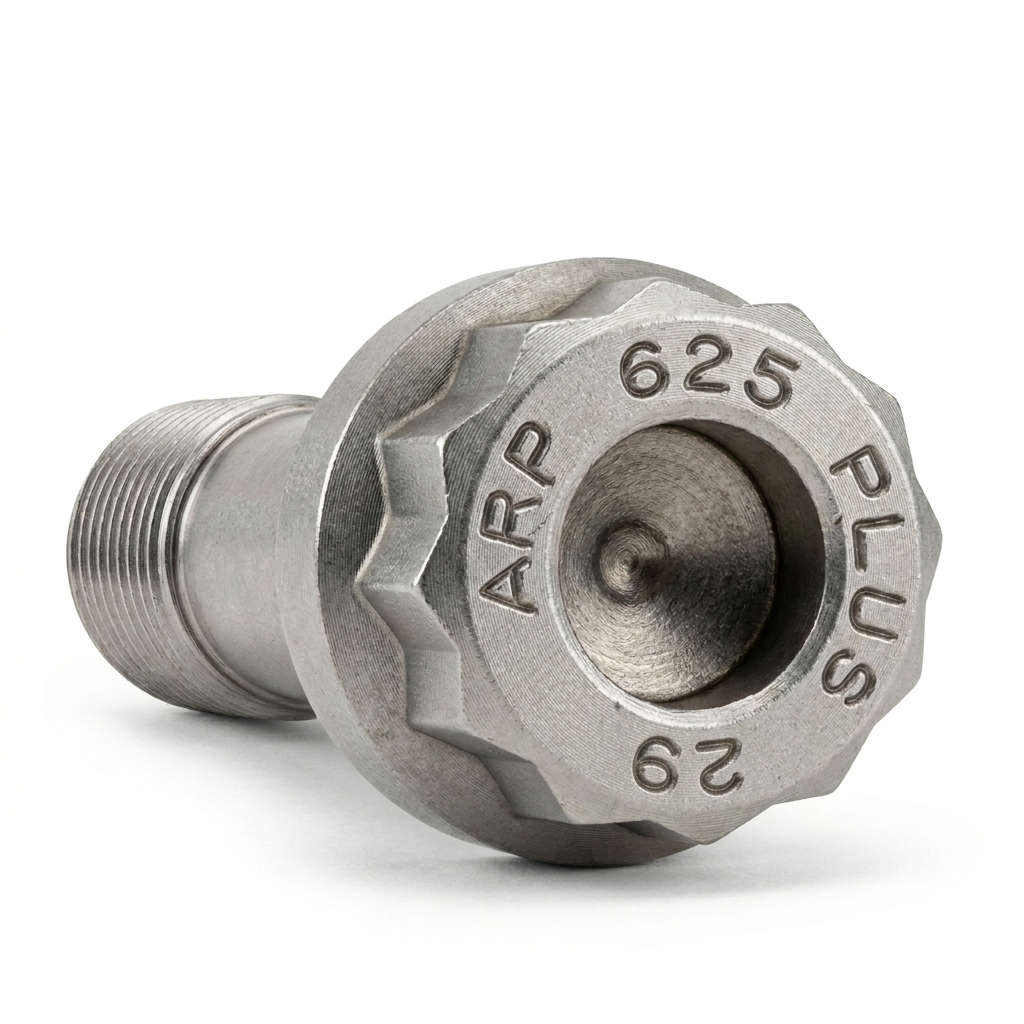 | ARP CA625+ hardware is the strongest grade in the range, reserved for extreme use. It is intended for very high-power engines exceeding the previous thresholds (beyond 250 hp per cylinder) and for the highest engine speeds, beyond 10,000 rpm in extreme use. It maintains preload and rod-cap sealing under the harshest competition conditions, where the slightest loss of clamp load would be fatal. |
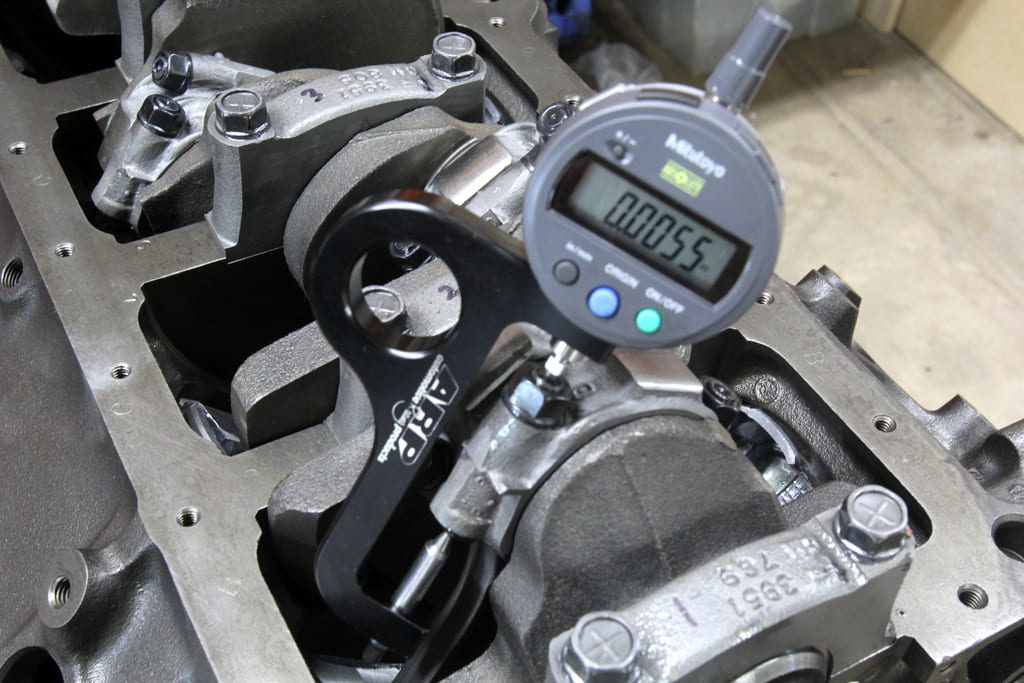
On high-performance rods, the tightening of the cap bolts is ideally controlled by measuring bolt stretch rather than by torque alone. By measuring the elongation of the bolt between the free and tightened states with a stretch gauge, you eliminate the variations of friction under the head and in the thread, which distort the relationship between torque and actual preload. This is the method recommended by hardware manufacturers to obtain a uniform preload across all six rods and to avoid any loosening under load. Each rod-and-hardware pairing has a target stretch range: you must reach that value, measured along the bolt axis, rather than relying on the torque wrench alone. The quoted torque remains a useful starting value when stretch measurement is not possible. |
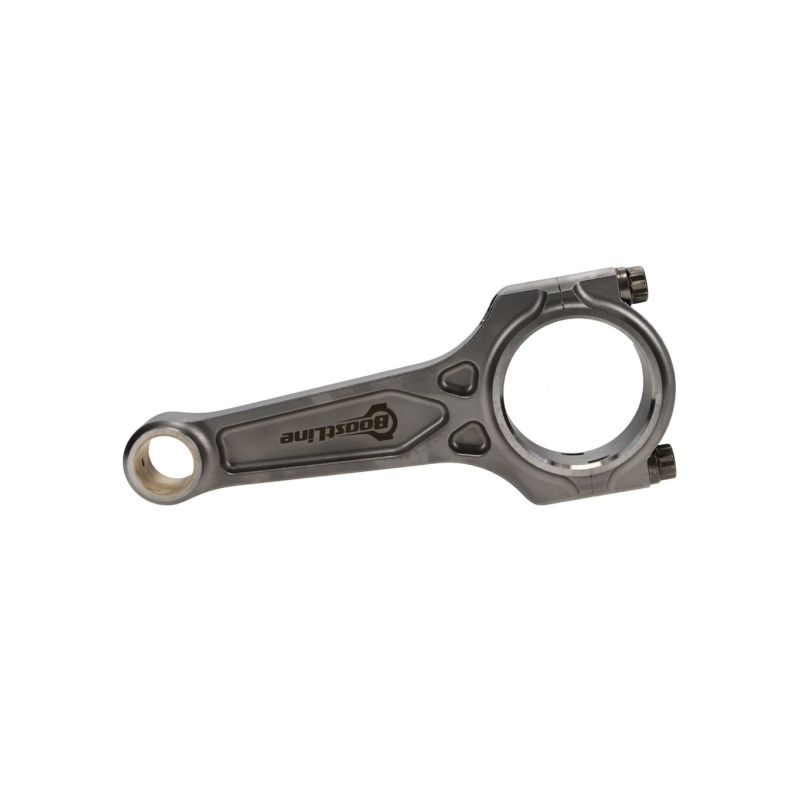
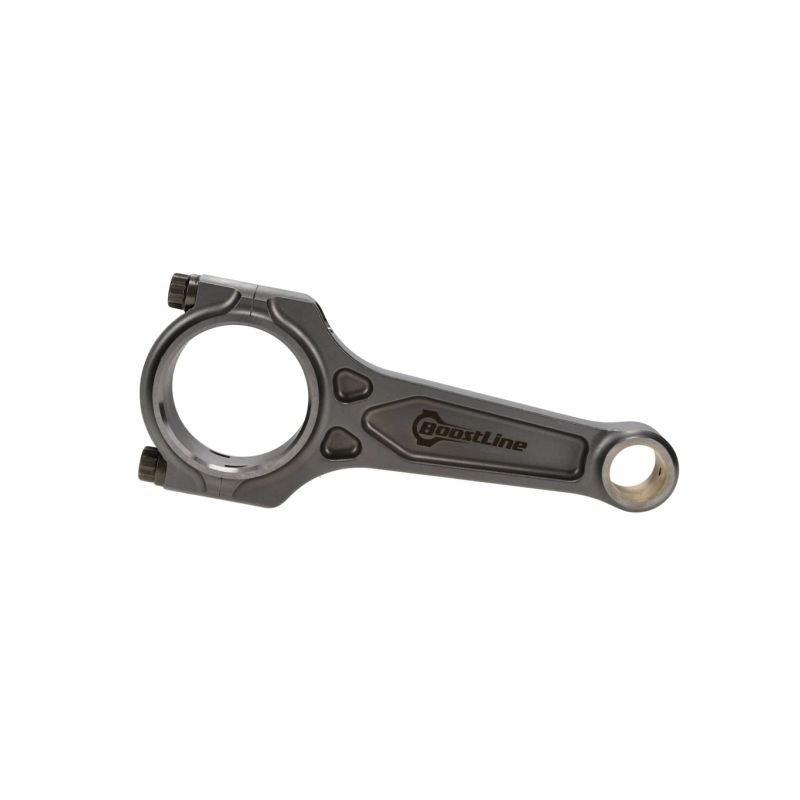
 | Boostline is Wiseco’s forged connecting-rod line, the American piston specialist in business since 1941. For the 2JZ it offers its I-3P: an I-beam body whose three machined pockets bring stiffness up to the level expected of an H-beam, without added weight. Forged in 4340 steel and machined in the United States, it is ordered with ARP 2000 or ARP Custom Age 625+ bolts for heavily boosted engines. |
 | Manley is an independent American manufacturer, in the forged connecting-rod market since 1966. Its material is a vacuum-degassed aerospace 4340 steel, shot-peened and then inspected piece by piece. The 2JZ is unusually well served: H, H-HD and I-HD profiles, with ARP 2000 bolts on the standard versions and ARP Custom Age 625+ on the reinforced variants. |
 | Wössner manufactures high-performance forged parts in Germany, pistons as well as connecting rods. For the 2JZ its offer comes down to a single I-profile rod in forged steel, held to the tightest tolerances, weighed and matched across the set of six, supplied with ARP 2000 hardware. It suits a meticulous build where machining finesse and consistent masses count more than escalation. |
 | ZRP is the Greek manufacturer led by Alex Drakos in Athens, where everything is drawn, produced and inspected. On the 2JZ the range is broad: an H profile and an I-HD profile in forged 4340 steel, with ARP 2000 or ARP L19 bolts, plus an I-profile variant in 817M40T steel. Every set of six is weighed and matched to ±1 g. The brand draws its experience from rallying, circuit racing and drift. |
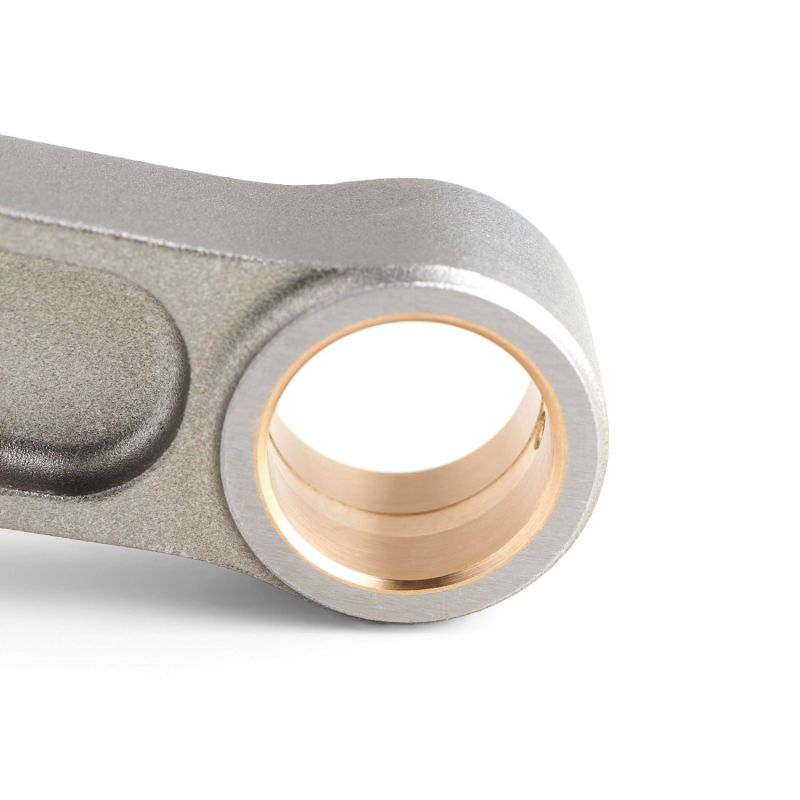
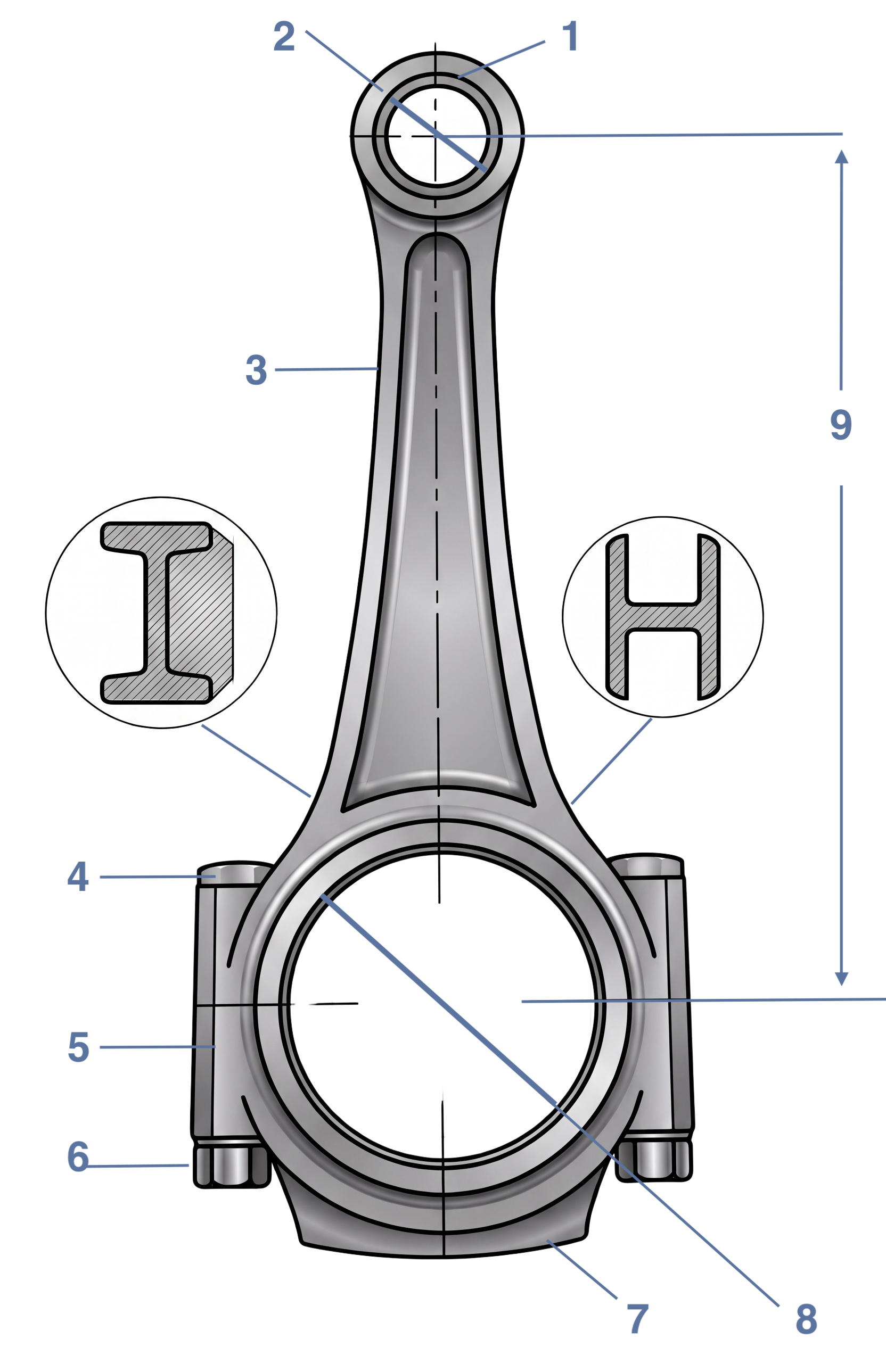 | 1) Small end 2) Small-end diameter 3) Rod beam 4) Rod bolt 5) Big end 6) Rod nut / bolt 7) Rod cap 8) Big-end diameter 9) Center-to-center |
Below are the vehicles fitted with the Toyota 3.0L 24V 2JZ-GE / 2JZ-GTE engine. Measuring the piston pin diameter and the rod length remains essential before any order. Variant concerned: Supra Mk4.
| Brand | Model (chassis) | Engine code | Power | Years |
|---|---|---|---|---|
| Toyota | Supra Mk4 (JZA80) 3.0L | 2JZ-GTE | 1993 - 1998 | |
| Toyota | Supra Mk4 (JZA80) 3.0L | 2JZ-GE | 1993 - 1998 |
These forged connecting rods are compatible with all vehicles fitted with the Toyota 2JZ-GE / 2JZ-GTE engine (3.0L 24V twin-turbo):
OEM reference: 13201-46040 (set of 6 rods).
Replacing the factory rods with forged rods during a build costs a fraction of the price of a new engine or a full rebuild after failure. On a tuned 2JZ, the failure of a stock rod most often destroys the block, crankshaft and cylinder head: the bill then far exceeds the price of a set of forged rods.
Investing in a set of six forged rods means buying a lasting safety margin. These rods withstand power and engine speeds well above stock, survive future engine upgrades and avoid the prolonged downtime of a competition vehicle. Over the lifetime of a build, it is by far the most cost-effective way to make the bottom end reliable.