Product successfully added to your shopping cart
Quantity
Total
There are 0 items in your cart. There is 1 item in your cart.
Total products
Total shipping To be determined
Total

5.2L 40v - V10 FSI
Manufacturers
5.2L 40v - V10 FSI
Warning: Last items in stock!
New product
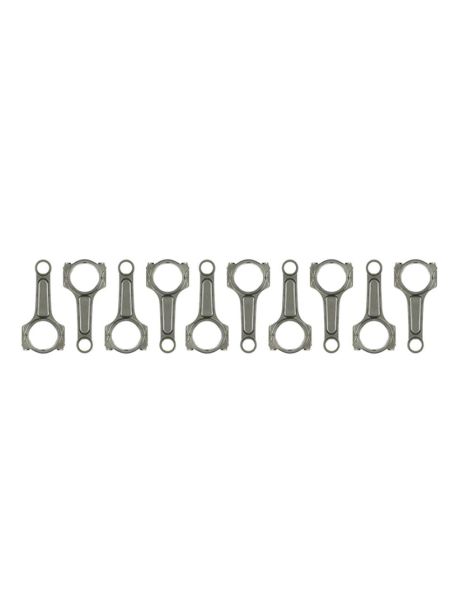
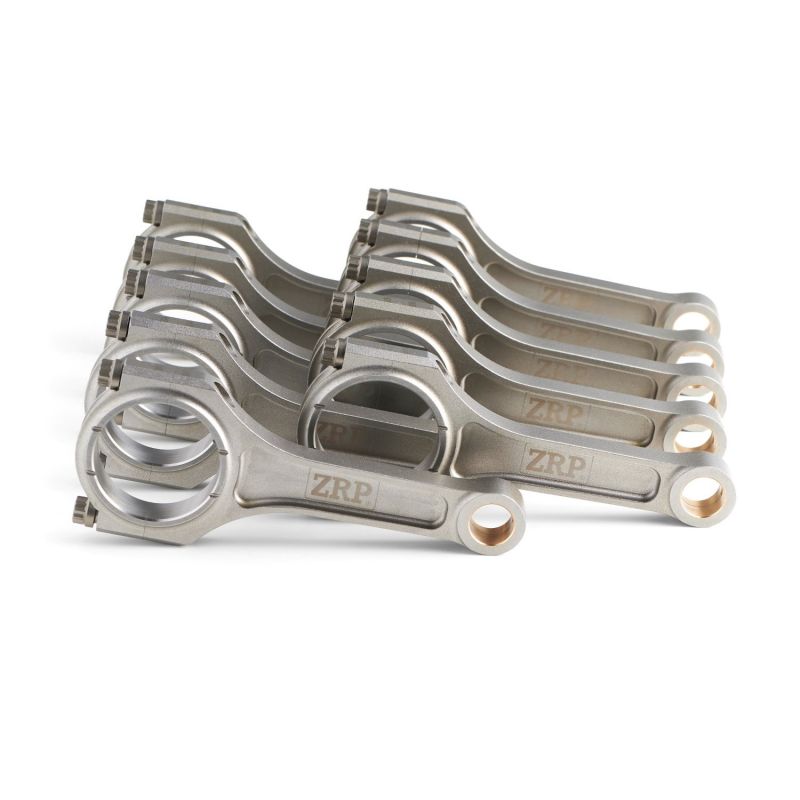
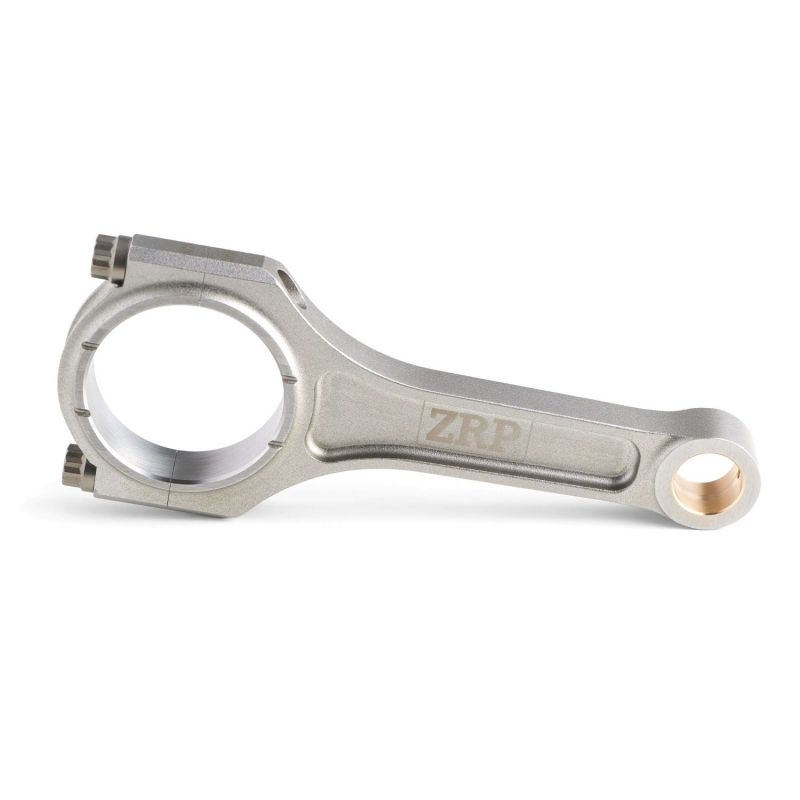
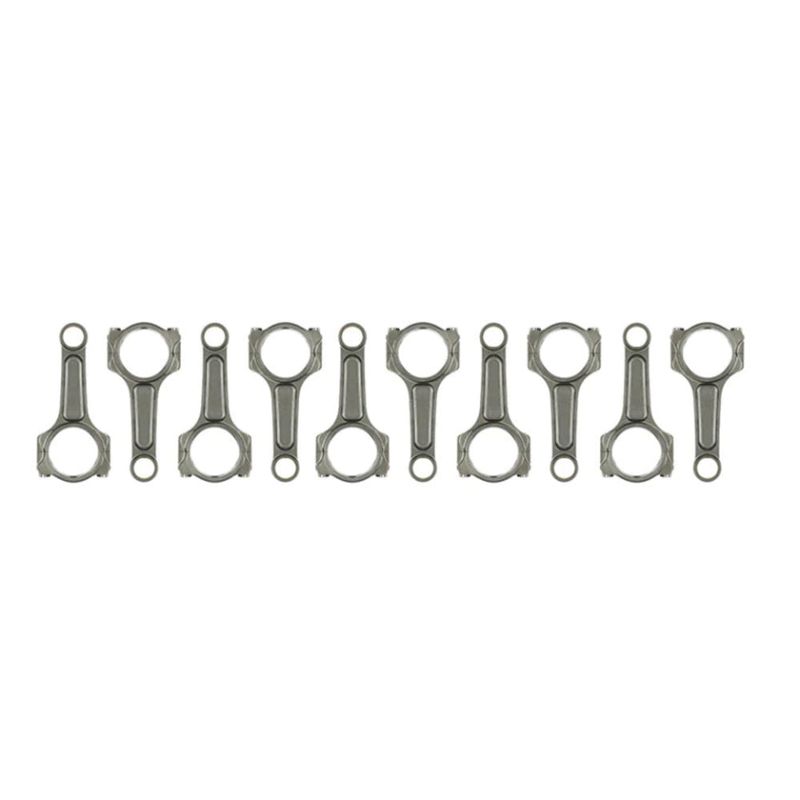
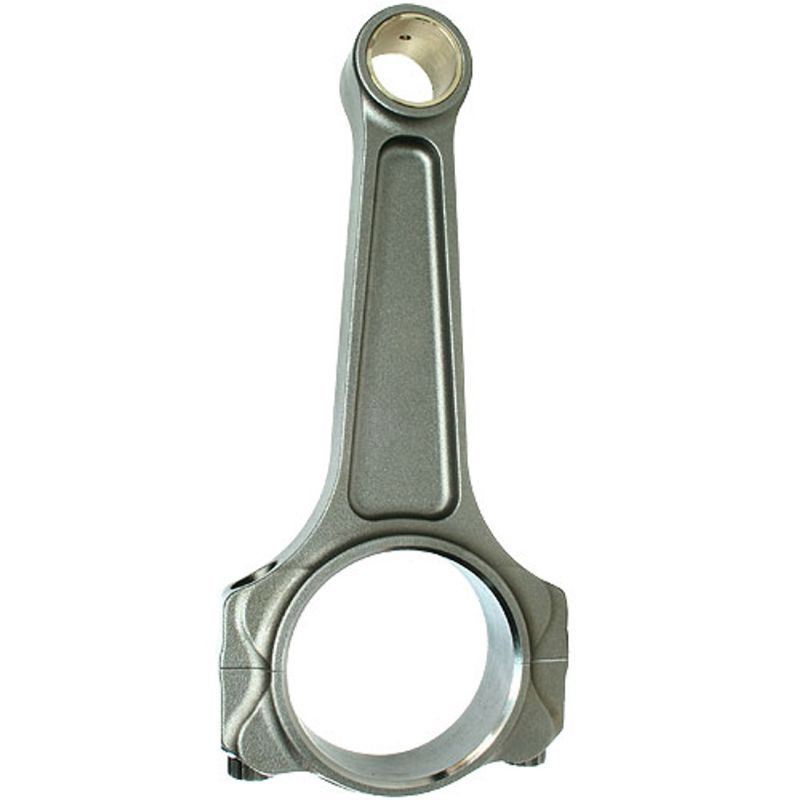
Set of 10 forged 4340 steel connecting rods for the V10 5.2 FSI Lamborghini (Gallardo, Huracán) and Audi R8.
The 5.2 FSI V10 developed by the Audi Group powers the Lamborghini Gallardo (from the LP560-4 in 2008) and then the Huracán, as well as the Audi R8 V10 with which it shares its architecture. With a displacement of 5,204 cc (84.5 mm bore, 92.8 mm stroke), this naturally aspirated 90° ten-cylinder with FSI direct injection and 40 valves uses dry-sump lubrication that allows very high engine speeds.
Depending on the version, this engine delivers between 525 and 620 hp and revs beyond 8,000 rpm: the rotating assembly is constantly under very high stress. As soon as power is increased (adding forced induction, switching to ethanol, raising the rev limit), the factory rods become a weak point. Replacing them with forged connecting rods strengthens the bottom end and secures power gains.
Machined from high-strength 4340 steel, and from 300M alloy for the most extreme version, NSB Concept forged connecting rods are sized to withstand the loads of a built V10. Forging aligns the metal grain along the part: at equal dimensions, a forged rod handles far higher loads than a cast one.
Shot-peened, individually inspected and weight-matched across the ten rods in the set, they preserve the balance of a V10 whose smoothness and top-end pull define its character. They cover the serious uses of a tuned Huracán or R8: circuit racing and track days, hillclimb, time attack, drag and GT competition, and they support Stage 1, Stage 2 and Stage 3 builds, including the most ambitious boosted conversions. The ARP bolts supplied lock the assembly under very heavy load.
| Reference | Brand | Profile | Steel | Bolts | Pin diameter OEM 20 mm | Small-end width | Big-end diameter OEM n.p. | Big-end width | Center distance OEM 154 mm | Weight per rod |
|---|---|---|---|---|---|---|---|---|---|---|
| 14435-10 | Manley | I-HD | Forged 4340 steel | ARP 2000-3/8"-41mm | 20 | 56.8 | 19.4 | 154 | 615 g | |
| 14435R6-10 | Manley | I-HD | Forged 4340 steel | ARP CA625+-3/8"-41mm | 20 | 56.8 | 19.4 | 154 | 615 g | |
| 15435-10 | Manley | I-HD | Forged 300M steel | ARP 2000-3/8"-41mm | 20 | 56.8 | 19.4 | 154 | 615 g |
| Rod | Bolts | Torque | Recommended stretch |
|---|---|---|---|
| Manley (14435-10) | ARP 2000 | 81.3 N·m | 0.147 – 0.157 mm |
| Manley (14435R6-10) | ARP CA625+ | 88.1 N·m | 0.165 – 0.190 mm |
| Manley (15435-10) | ARP 2000 | 81.3 N·m | 0.147 – 0.157 mm |
With twenty bolts to tighten on a V10, it pays to follow the load coming on rather than wait for the click: a dial-reading wrench, or simply a pause halfway with a second look at the gauge, lets you see an abnormal stretch appear before the final figure is reached. A bolt stretching too quickly is caught in time, and you avoid finding the problem at the end of the run. The hardware is offered in ARP 2000 or ARP CA625+ in 3/8" 41 mm; the torque and stretch figures in the table are those specified by its manufacturer and are to be followed scrupulously, measured stretch being the only reference method.
| 4340 steel is a nickel-chromium-molybdenum alloy steel, through-hardened, known for its excellent balance of mechanical strength and toughness. It is the reference material for performance forged rods: it resists fatigue and the repeated shocks of the engine cycle. For the most demanding applications, 300M alloy (a silicon-rich derivative of 4340) offers an even higher yield strength. |
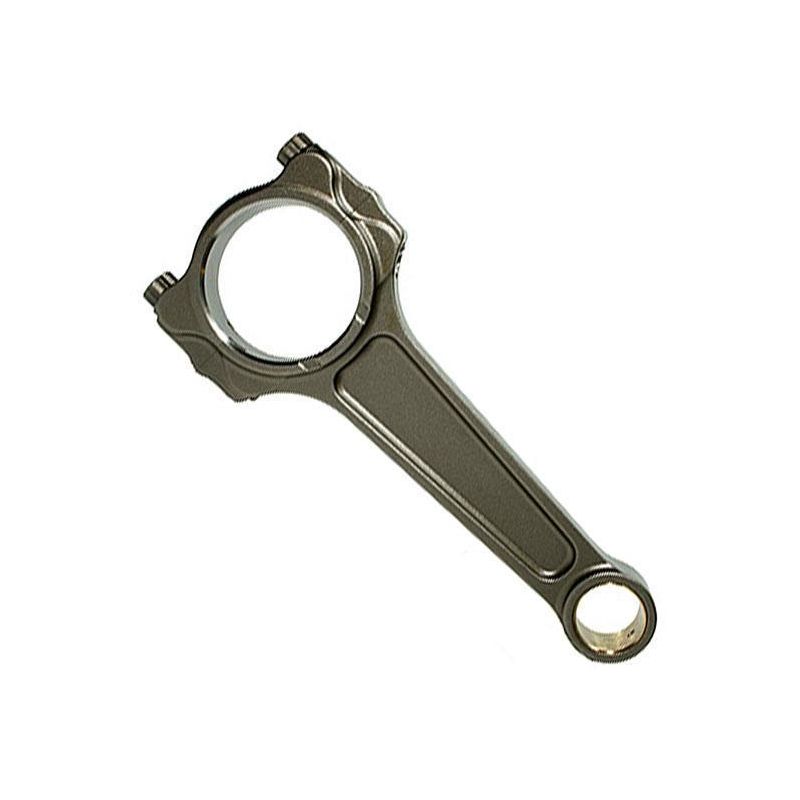
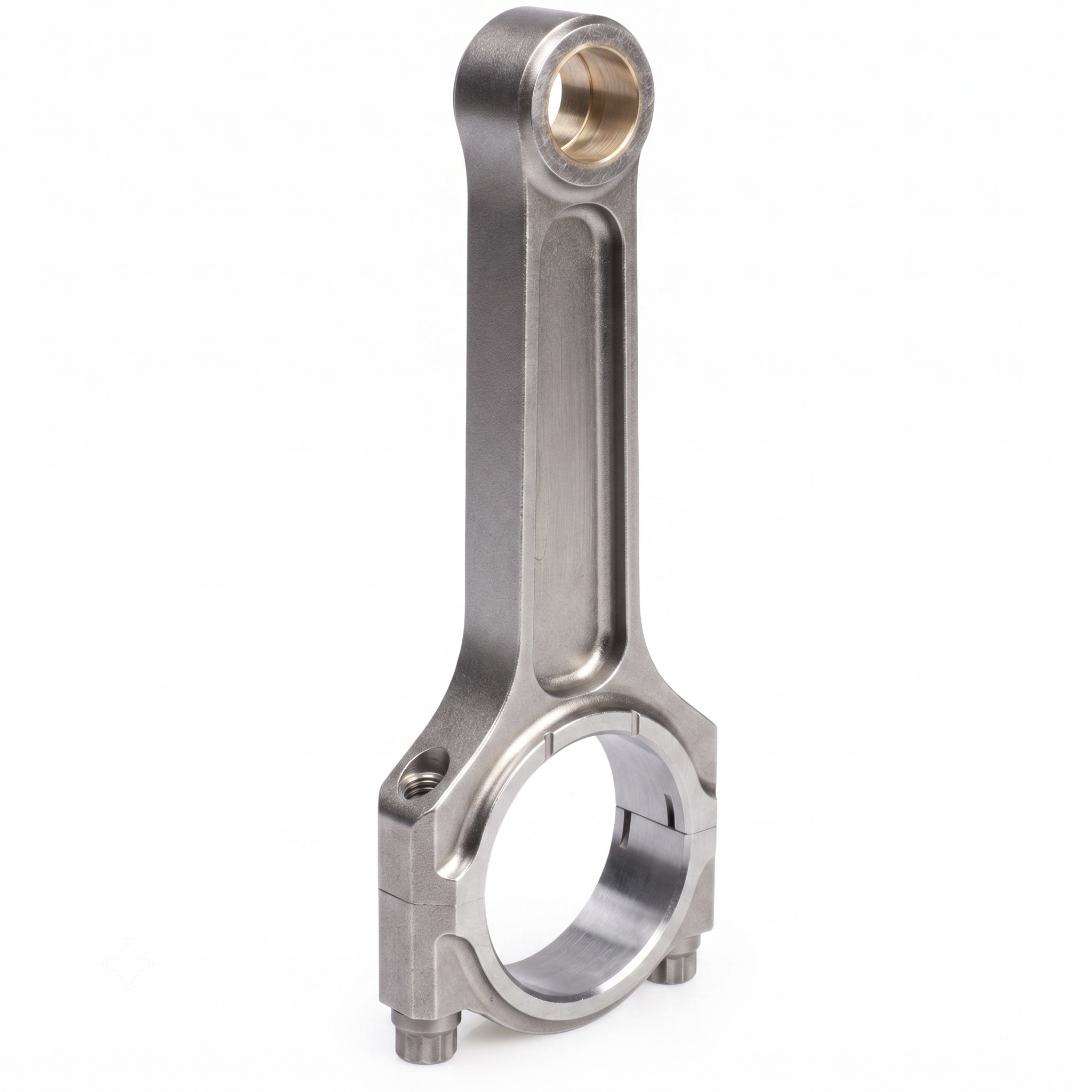 | I-HD profile. A reinforced version of the I-Beam (“Heavy Duty”), recognisable by its thicker central section. Manley markets it under the Pro Series “Turbo Tuff” name. Stiffer than a standard I-Beam, this profile is designed for heavily stressed or high-revving engines, where buckling resistance is key. |
The rod bolt is one of the most heavily loaded parts in the engine: it holds the cap clamped onto the crank pin on every revolution. On a built V10, the choice of ARP bolt grade directly determines bottom-end reliability.
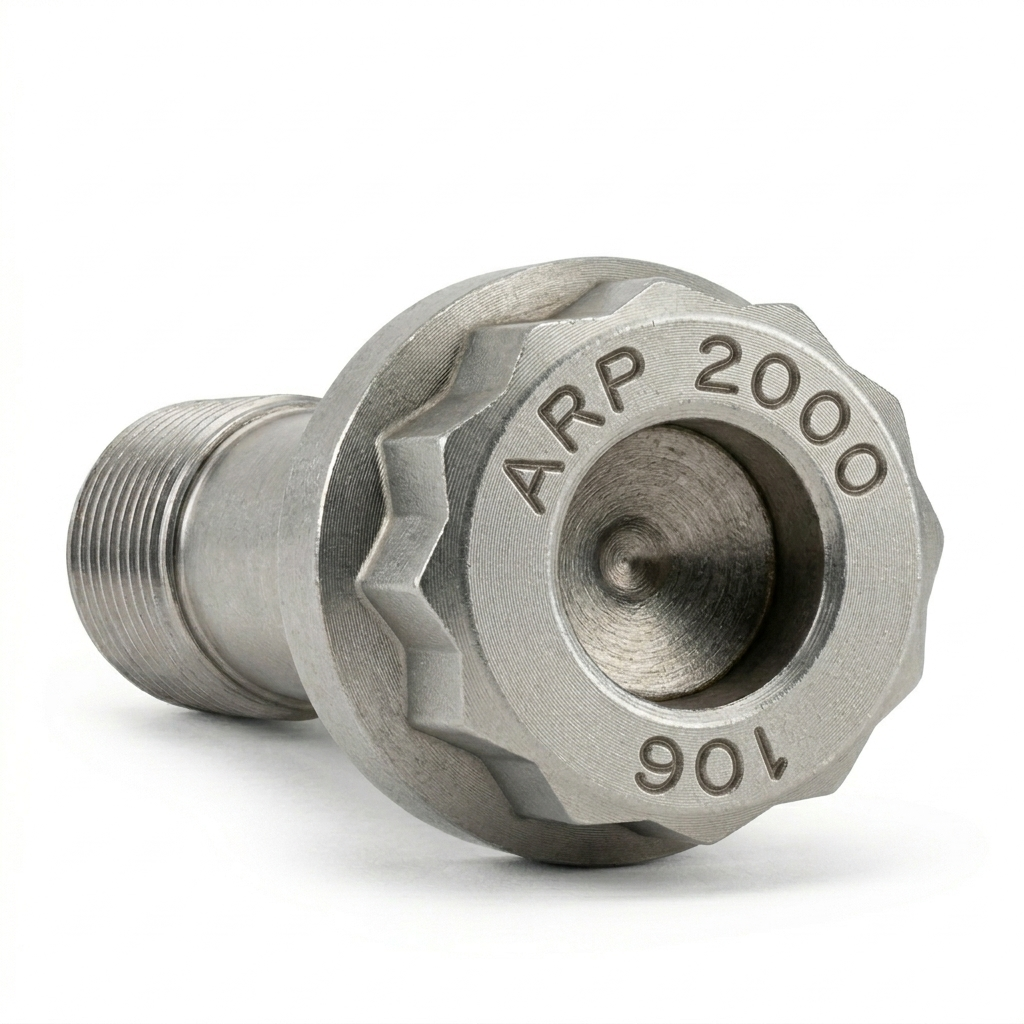 | ARP 2000.: ARP’s high-performance standard, with tensile strength around 220,000 psi (about 1,517 MPa). It covers builds up to 200 hp per cylinder in 3/8" and 8,500 rpm, which takes in the standard V10 FSI as well as most naturally aspirated optimised versions, including regular track use. Strong, versatile and free of special storage requirements, it is the most common grade in circuit racing and track days, hillclimb and drag. |
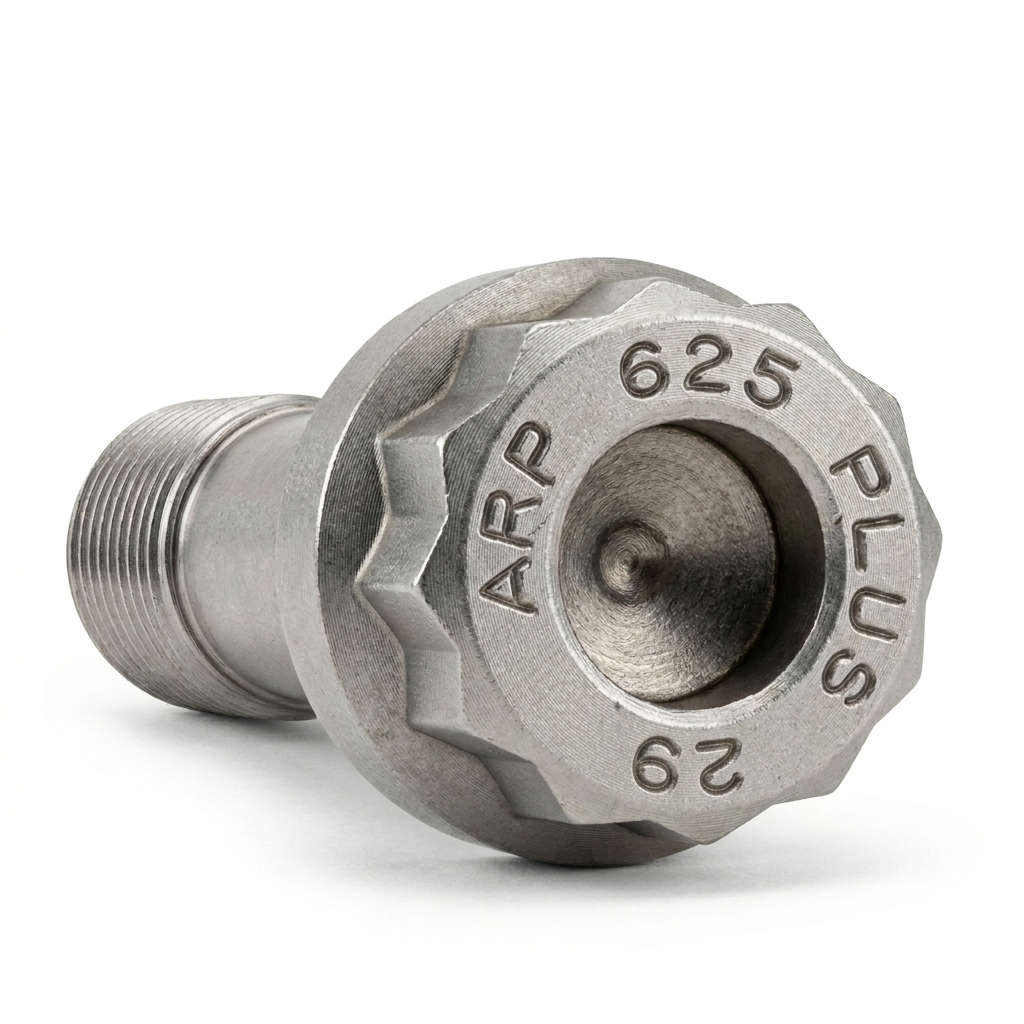 | ARP Custom Age 625+.: ARP’s premium alloy, with tensile strength of 260,000 to 280,000 psi (about 1,793 to 1,931 MPa). It targets the most extreme builds, beyond 250 hp per cylinder in 3/8" and beyond 10,000 rpm, precisely the territory of high-boost V10 FSI engines. It also offers better resistance to atmospheric corrosion and oxidation than ARP 2000 and remains immune to hydrogen embrittlement. |
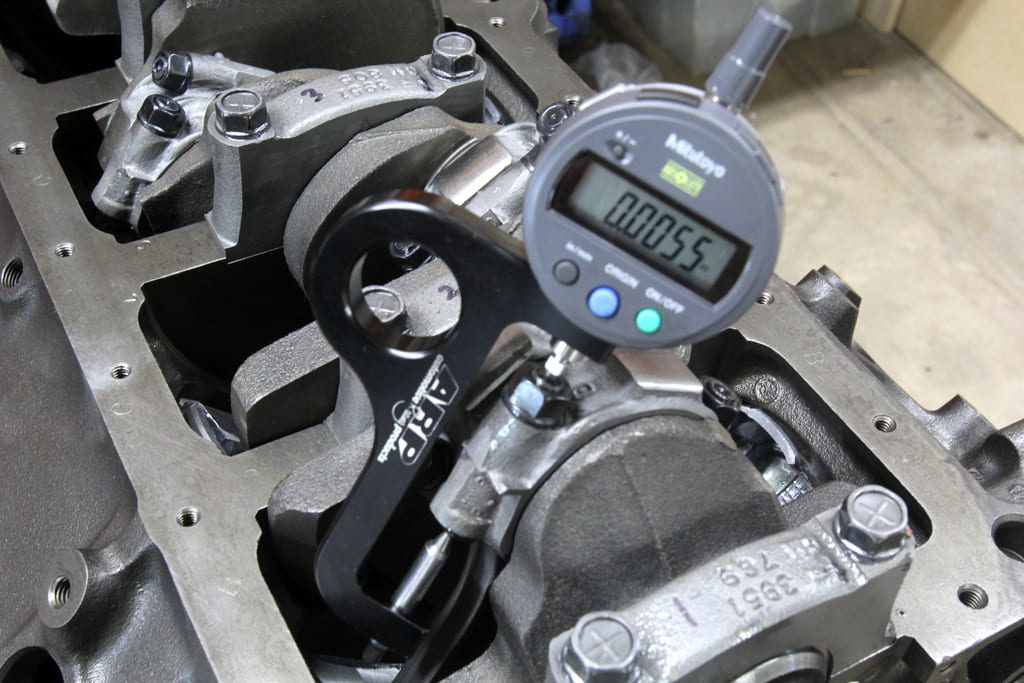
| In addition to torque tightening, measuring bolt stretch with a dedicated gauge ensures precise and consistent bolt tension. It is the method recommended by manufacturers for forged rods: you tighten until reaching the target stretch, a guarantee of a reliable assembly. |
 | Manley Performance. is an American manufacturer of forged connecting rods and a reference in engine building for decades. For the V10 FSI the chosen range is the I-HD profile, whose localised reinforcement absorbs the cylinder pressure of the most extreme builds without needlessly adding reciprocating mass. Every rod is forged, machined and inspected in the United States, weight-matched across the complete set of ten, then supplied with its dedicated ARP bolts, either ARP 2000 or Custom Age 625+. |
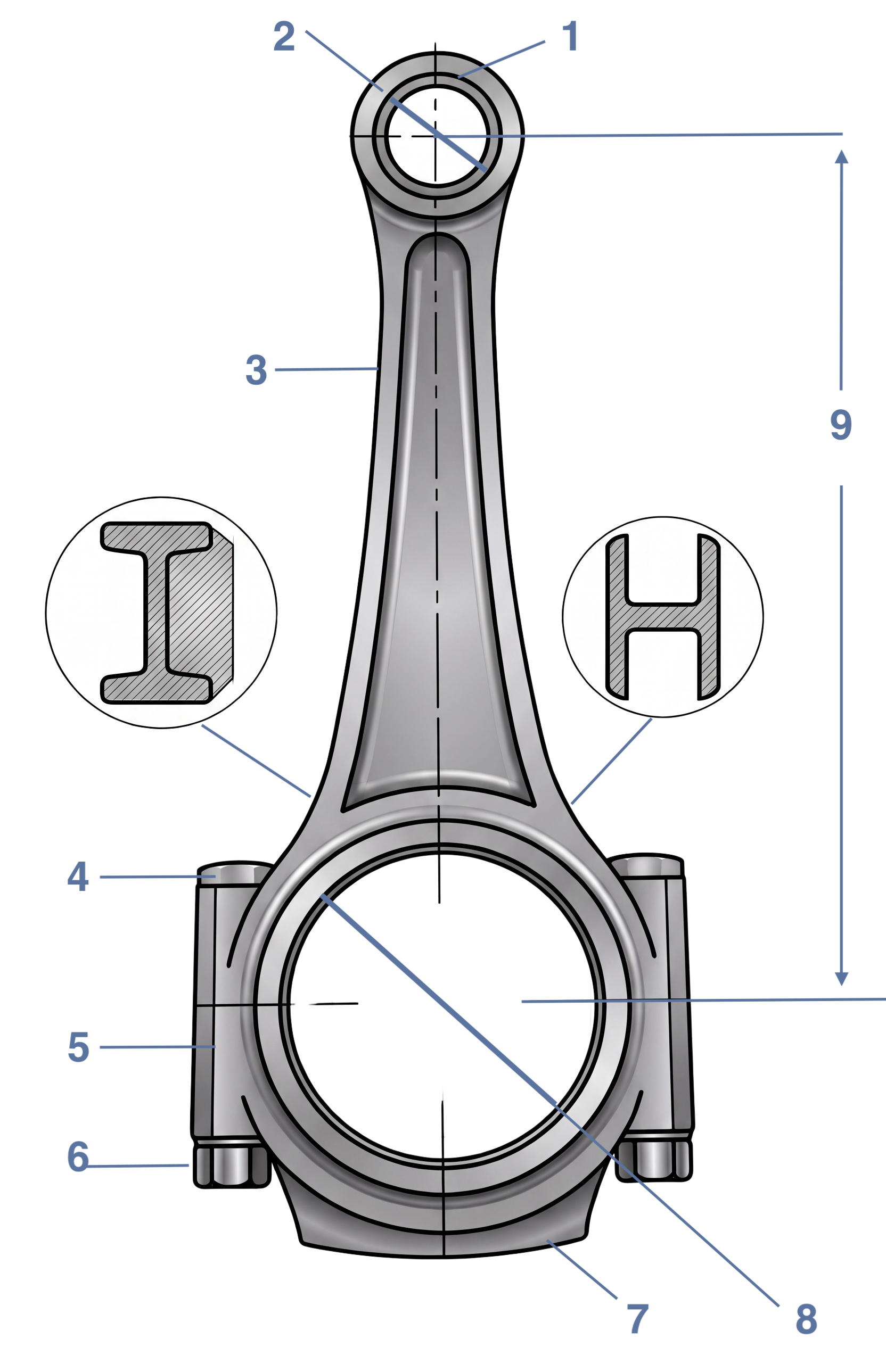 | 1) Small end 2) Small-end diameter 3) Rod beam 4) Rod bolt 5) Big end 6) Rod nut / bolt 7) Rod cap 8) Big-end diameter 9) Center-to-center |
These forged connecting rods are compatible with all vehicles fitted with the 5.2 FSI V10 (shared Lamborghini and Audi architecture), provided suitable forged pistons are used.
| Brand | Model (chassis) | Engine code | Power | Years |
|---|---|---|---|---|
| Lamborghini | Gallardo LP550-2 / LP560-4 / LP570-4 | CEH / CMPA | 550–570 hp | 2008–2013 |
| Lamborghini | Huracán LP580-2 / LP610-4 | CSJB / DKBA / DGFA | 580–610 hp | 2014–present |
| Audi | R8 (Type 42) V10 5.2 FSI | BUJ / CTYA / CMPA / CTPA / CTPB | 525–570 hp | 2009–2015 |
| Audi | R8 (Type 4S) V10 5.2 FSI | CSPB / DKAB / CSPA / DKAA / DKAC / DMWA / DMWC | 540–620 hp | 2015–present |
OEM reference: 07L198401 (genuine Audi/Lamborghini V10 5.2 FSI connecting rod).
When a factory bottom end lets go (broken rod, spun bearing), the bill for a V10 climbs very fast. Rebuilding with forged rods is not a needless expense: it is the assurance of not having to rebuild the engine twice.
For a budget comparable to a factory assembly, forged rods handle far more torque and rpm. It is one of the most cost-effective investments in a serious engine build.
For the same budget: more reliability, more power potential and real long-term peace of mind.