Product successfully added to your shopping cart
Quantity
Total
There are 0 items in your cart. There is 1 item in your cart.
Total products
Total shipping To be determined
Total

2.2L 20v - RS2
Manufacturers
2.2L 20v - RS2
Warning: Last items in stock!
New product
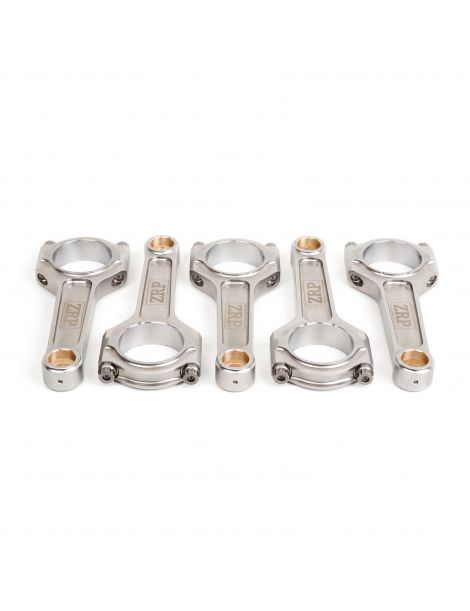
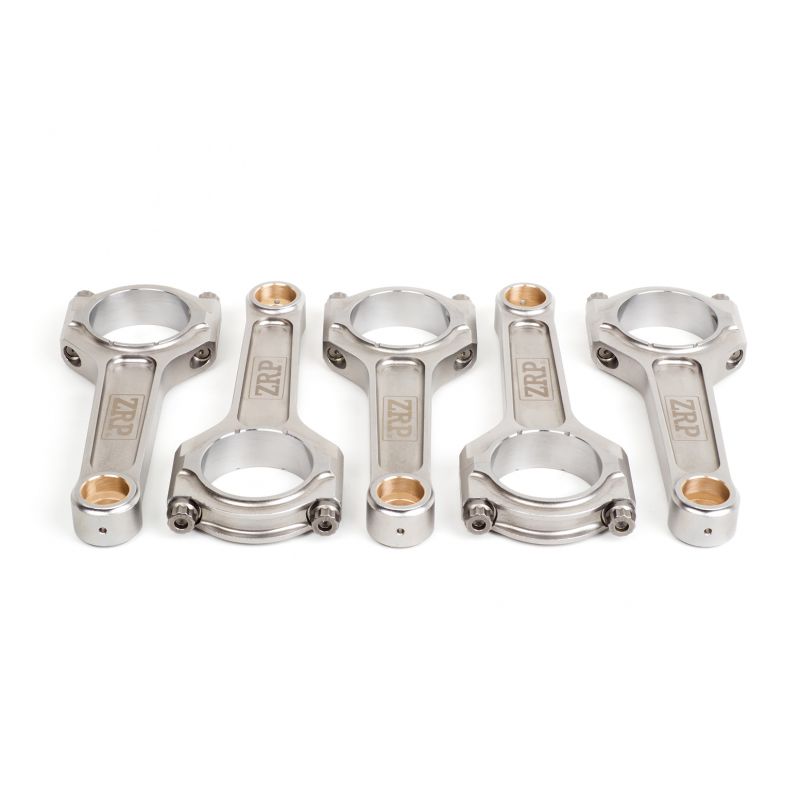
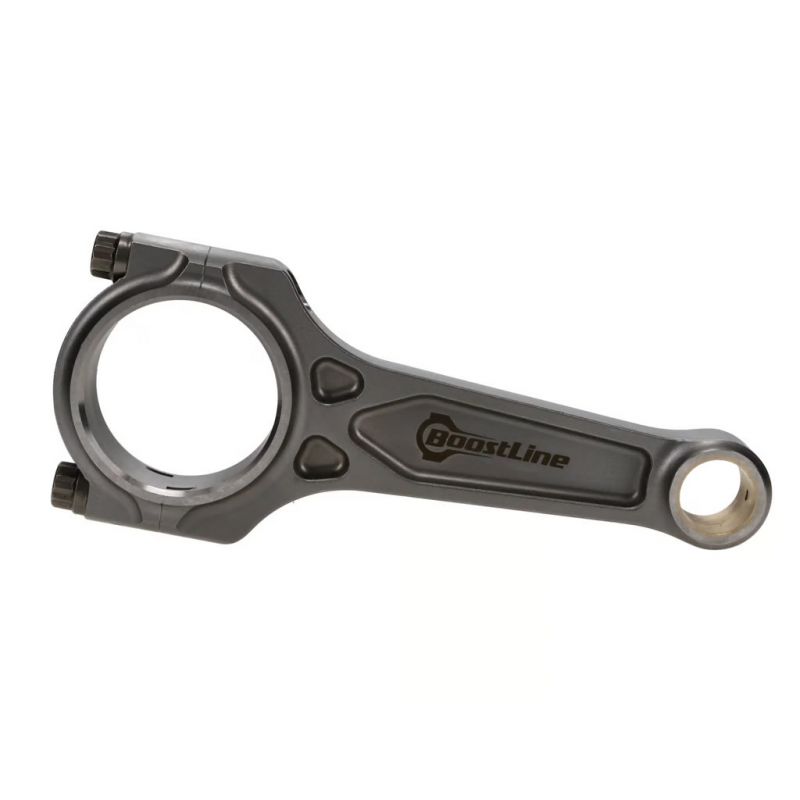
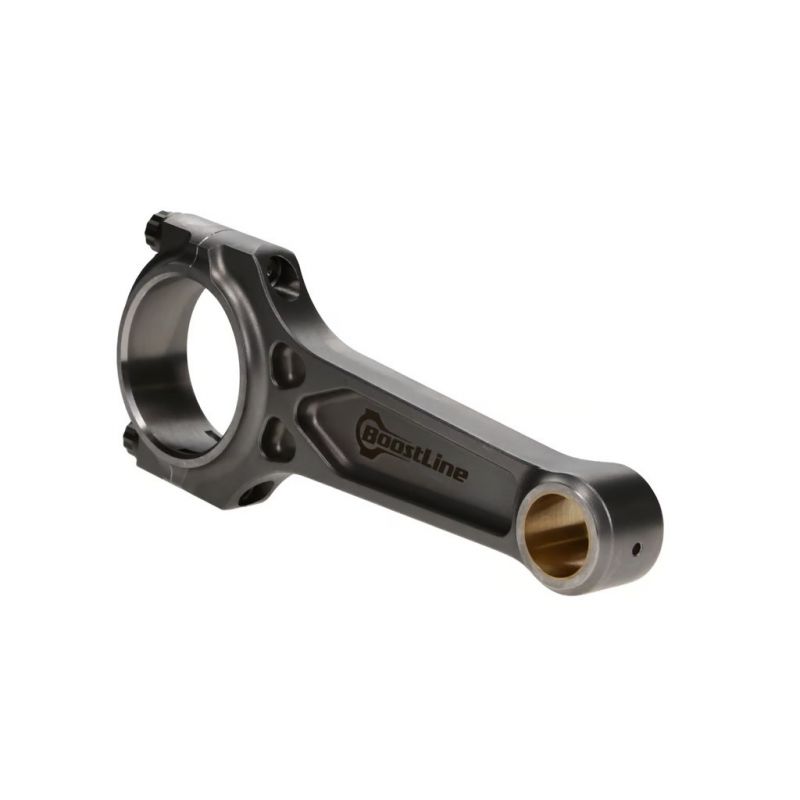
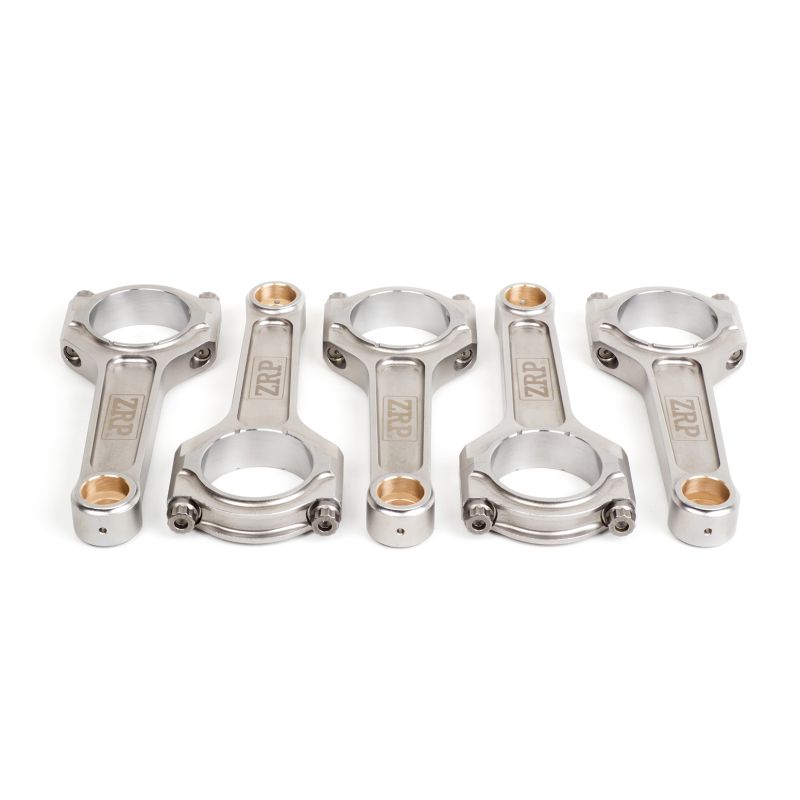
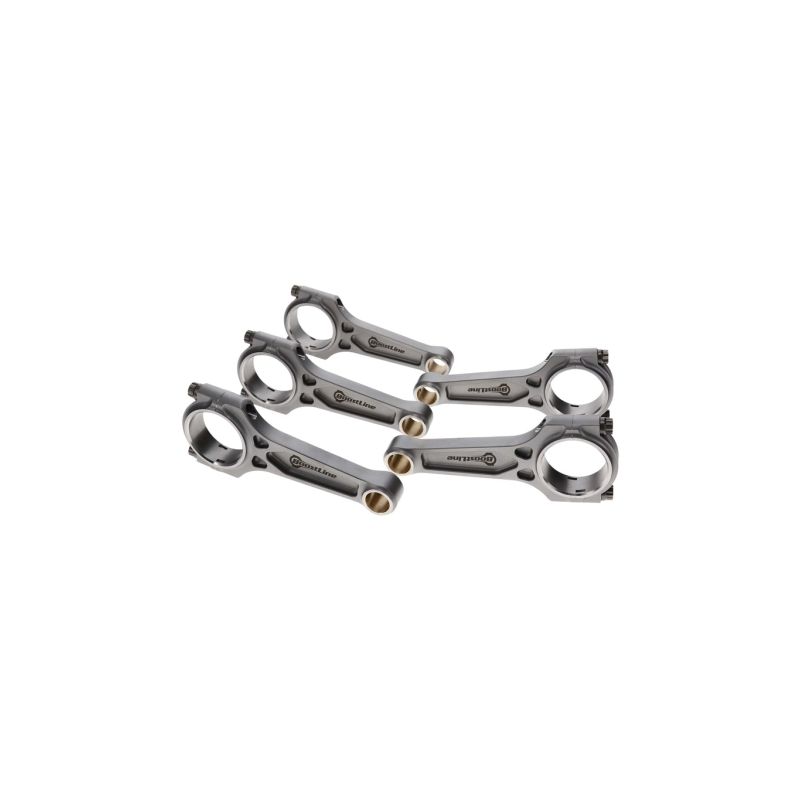
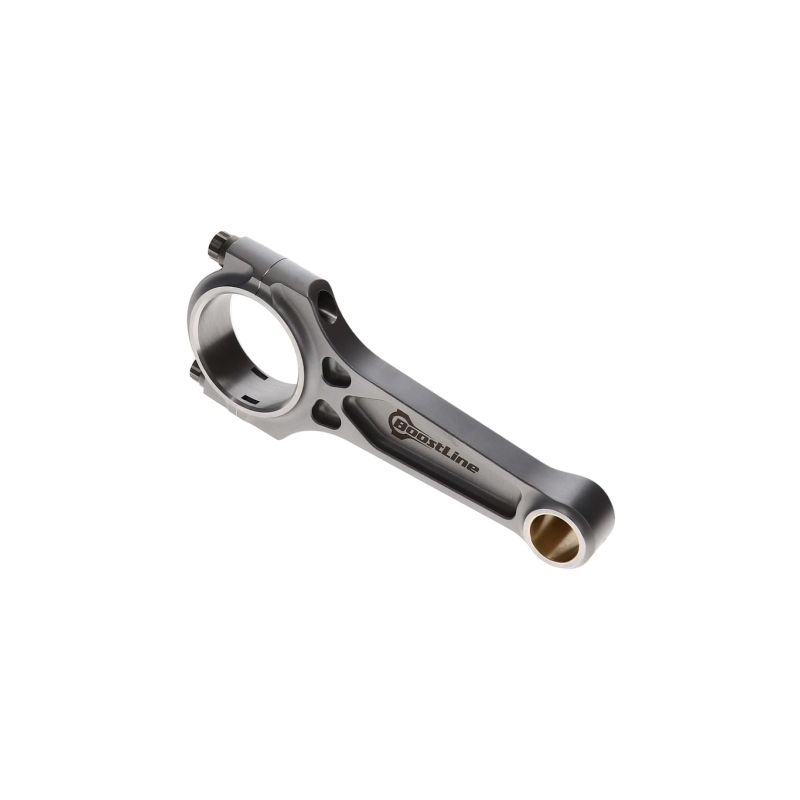
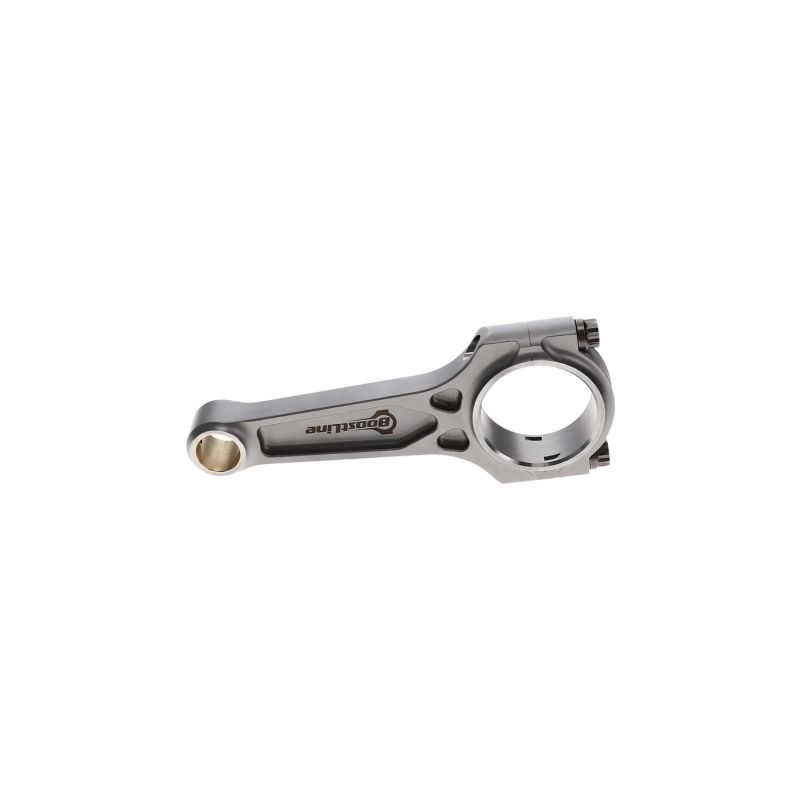
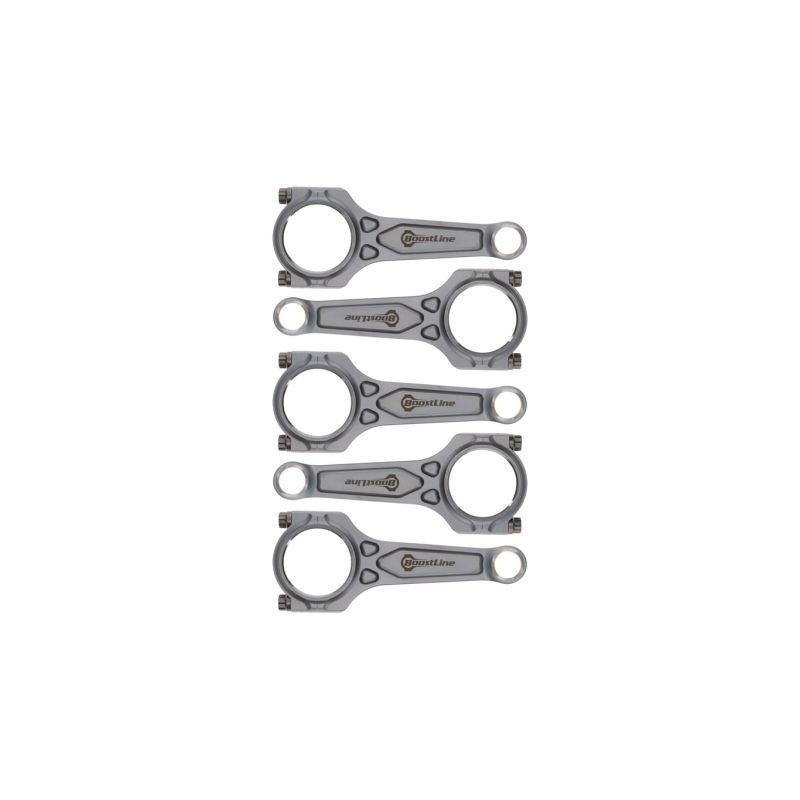
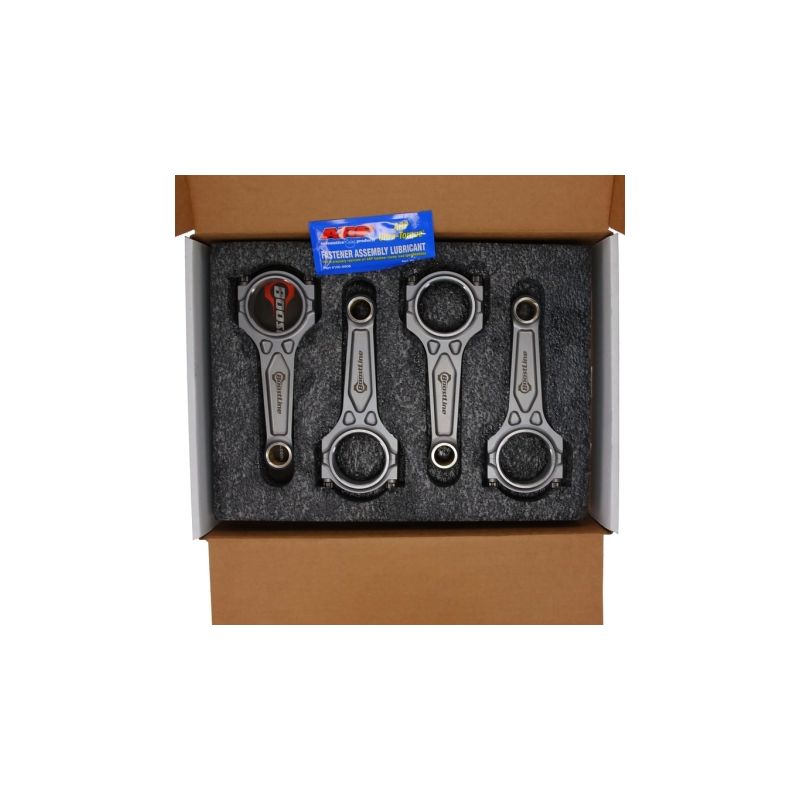
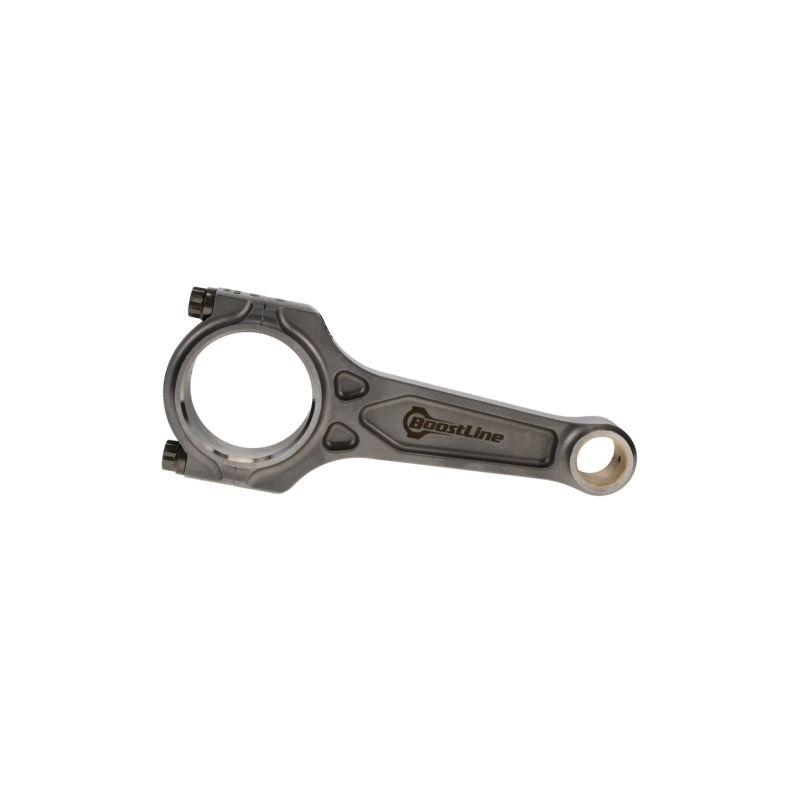
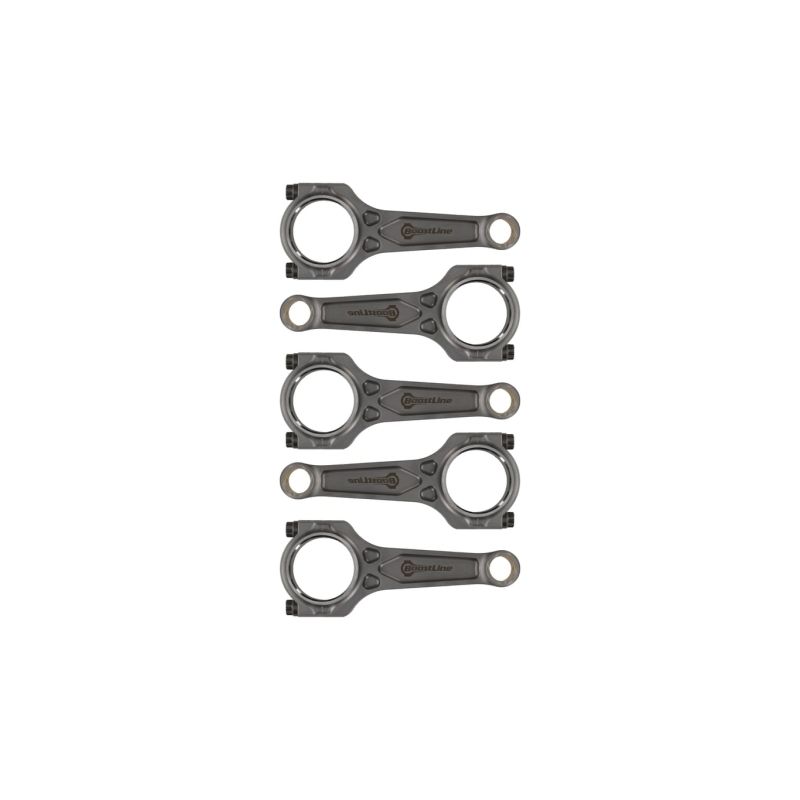
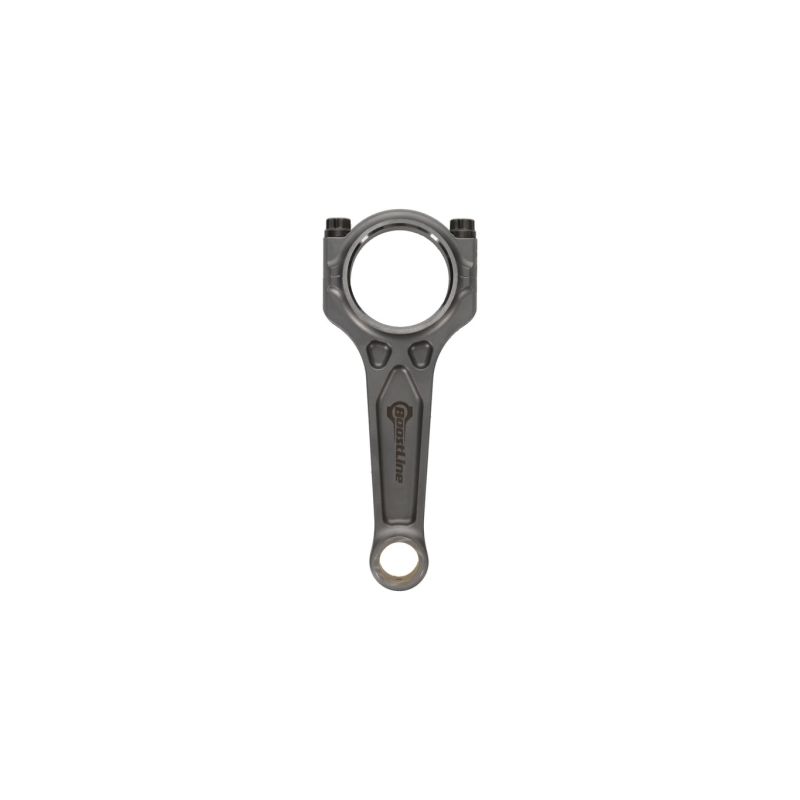
Kit of 5 forged 4340 steel connecting rods for Audi 2.2L 20V AAN-ABY-3B-ADU.
Brands: Boostline, ZRP
Compatibility: Audi S2, S4, RS2, 200 20V Turbo quattro
Engine codes: AAN, ABY, 3B, ADU
Bolts included: ARP 2000, L19 or CA625+
The 2.2-litre 20-valve is the flagship turbocharged inline five-cylinder developed by Audi in the late 1980s, derived from the five-cylinder family launched on the Audi 100 in 1976. Fitted with a DOHC 20-valve head and boosted by a KKK turbocharger, it powered in turn the Audi 200 quattro 20V (code 3B), the Audi 80/Coupé S2 quattro and the Audi 100/A6 S4 quattro (code ABY then AAN), before reaching its peak in the Audi 80 Avant RS2 quattro (code ADU), co-developed with Porsche.
Sold between 1989 and 1997 depending on the version, this turbocharged five-cylinder left a lasting mark on the Audi tuning scene thanks to the strength of its block and its ability to hold boost. On examples pushed to Stage 2 and beyond, the factory bottom end becomes the weak link: replacing the stock rods with forged 4340 steel rods, paired with forged pistons, is the first step to securing the engine for the long run.
Machined from high-strength 4340 steel, reinforced forged rods keep the bottom end reliable as power rises. They become essential when fitting forged pistons, raising the rev limit, increasing boost pressure or gaining displacement, all situations where the factory rod reaches its limits.
Designed to withstand the heavy loads of AAN-ABY-3B-ADU-type turbo five-cylinders, these forged rods cover every discipline (rally, drift, drag, circuit and track days, hillclimb, time attack) and support Stage 2, Stage 3 and Stage 4+ builds, right up to full competition engines.
| Reference | Brand | Profile | Bolts | Pin diameter OEM 20 mm | Small-end width | Big-end diameter OEM n.p. | Big-end width | Center-to-center OEM 144 mm | Weight per rod |
|---|---|---|---|---|---|---|---|---|---|
| VW5670-787 | Boostline | I-3P | ARP 2000-3/8"-38mm | 20 mm | 24,9 mm | 50,6 mm | 24,9 mm | 144 mm | 637 g |
| VW5670-787+ | Boostline | I-3P | ARP CA625+-3/8"-38mm | 20 mm | 24,9 mm | 50,6 mm | 24,9 mm | 144 mm | 637 g |
| R-AUD-004-I | ZRP | I-HD | ARP 2000-3/8"-38mm | 20 mm | 50,6 mm | 24,9 mm | 144 mm | 515 g | |
| R-AUD-004-I-L19 | ZRP | I-HD | ARP L19-3/8"-38mm | 20 mm | 50,6 mm | 24,9 mm | 144 mm | 515 g |
ZRP: Straight, non-tapered pin end.
| Rod | Bolts | Torque | Recommended stretch |
|---|---|---|---|
| Boostline (VW5670-787) | ARP 2000 | 75 N·m | 0,130 – 0,140 mm |
| Boostline (VW5670-787+) | ARP CA625+ | 115 N·m | 0,170 – 0,180 mm |
| ZRP (R-AUD-004-I) | ARP 2000 | 61 N·m | 0,140 – 0,152 mm |
| ZRP (R-AUD-004-I-L19) | ARP L19 | 67,8 N·m | 0,152 – 0,165 mm |
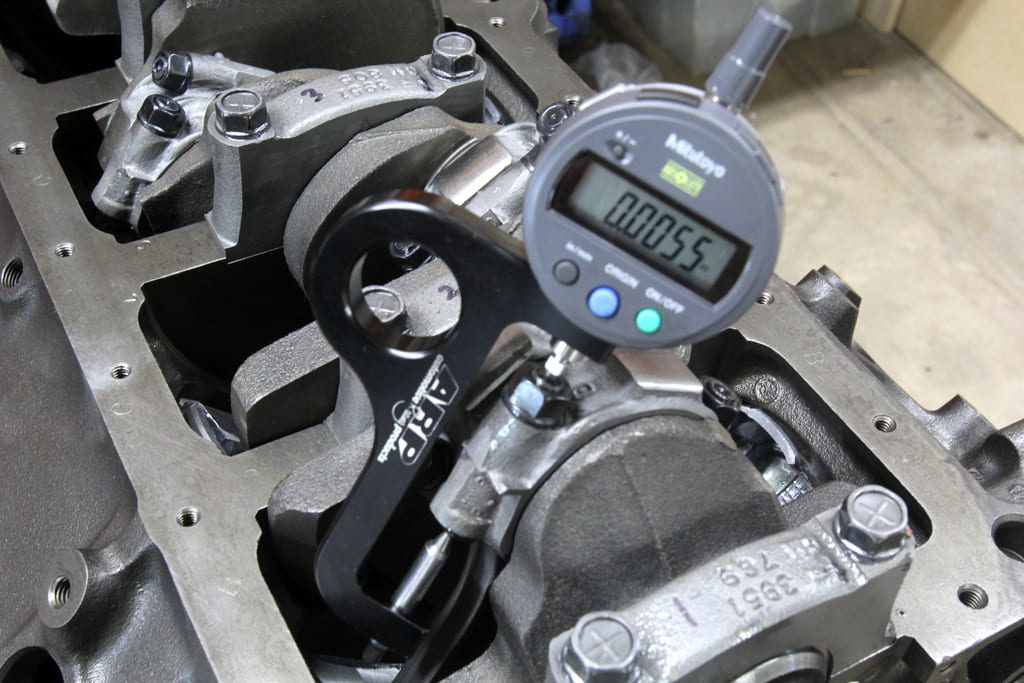
What you tighten is the bolt, not the rod: the value to apply depends neither on the rod profile nor on the maker that forged it, but only on the grade of bolt fitted to it. On these AAN, ABY, 3B and ADU five-cylinders several grades are available, and the table above gives one per line; use the one matching the installed bolt, without letting the look or the part number of the rod guide you. This data comes from the bolt manufacturer and allows no adaptation. Since torque is only a way of approaching the target tension, measuring stretch with a dial gauge remains the reference method for checking the engine’s ten bolts, one by one. Threads cleaned and dried, an even film of ARP assembly lubricant, load raised in stages alternating from one side of the cap to the other. The instruction sheet supplied with the kit settles any doubt.
4340 is a nickel-chromium-molybdenum alloy steel used in aerospace as well as motorsport. Forged and then heat-treated (quenched and tempered), it offers excellent tensile strength, strong fatigue resistance and real ductility. Compared with a factory rod (often sintered metal, optimised for production cost), a forged 4340 rod delivers roughly +19% yield strength, +8% tensile strength and, above all, +19 to +37% fatigue resistance, meaning a service life under cyclic loading several times longer. This is what makes forged 4340 the reference material once boost and rpm climb on a turbocharged five-cylinder. |
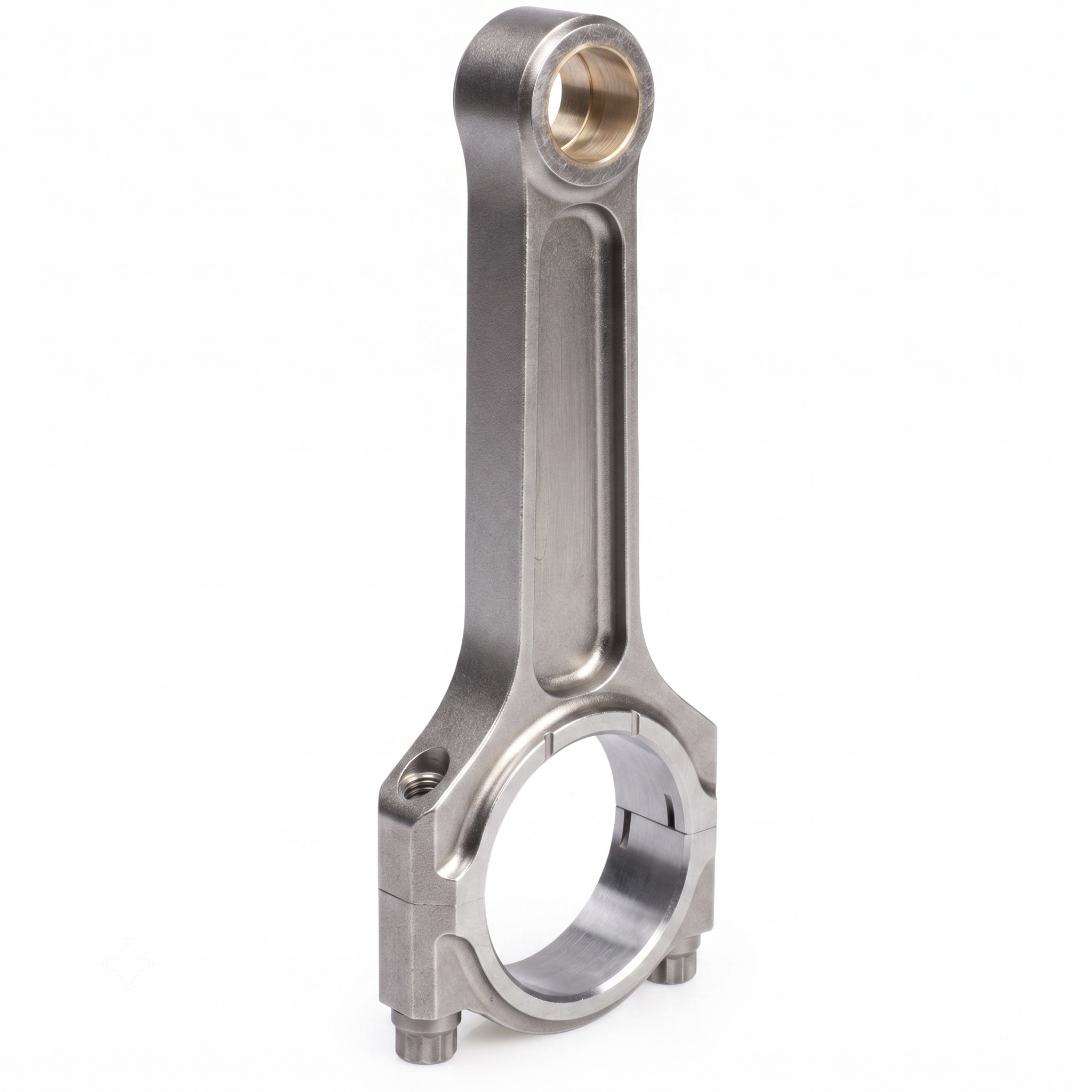 | I-HD profile (Heavy Duty). An I-beam central section keeps the rod light: less reciprocating mass and freer revving. The Heavy Duty version reinforces the small end and big end to handle higher loads, a sound choice on a turbocharged five-cylinder such as the 2.2 20V. |
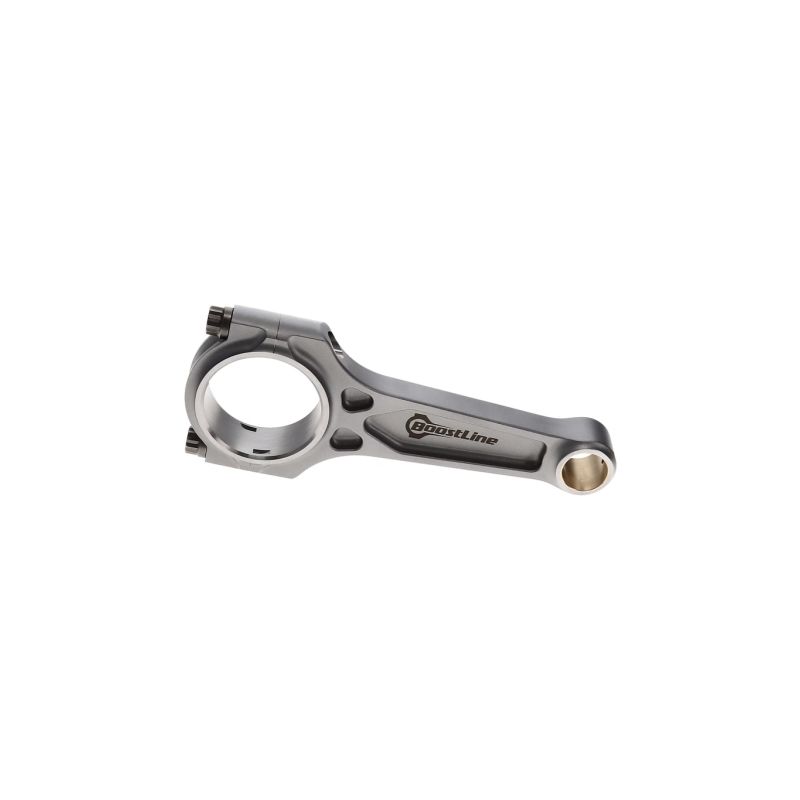
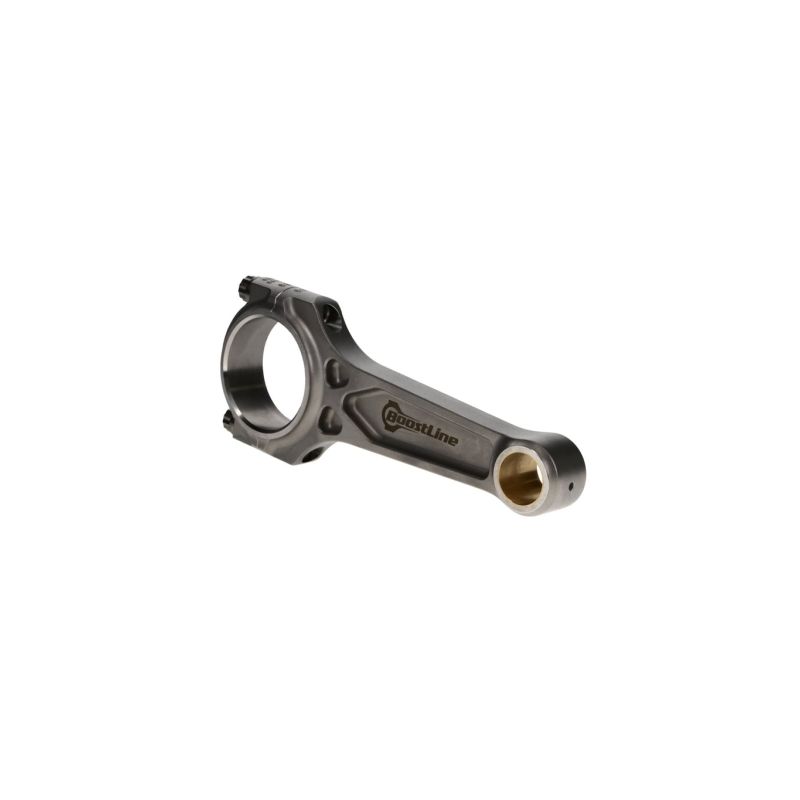
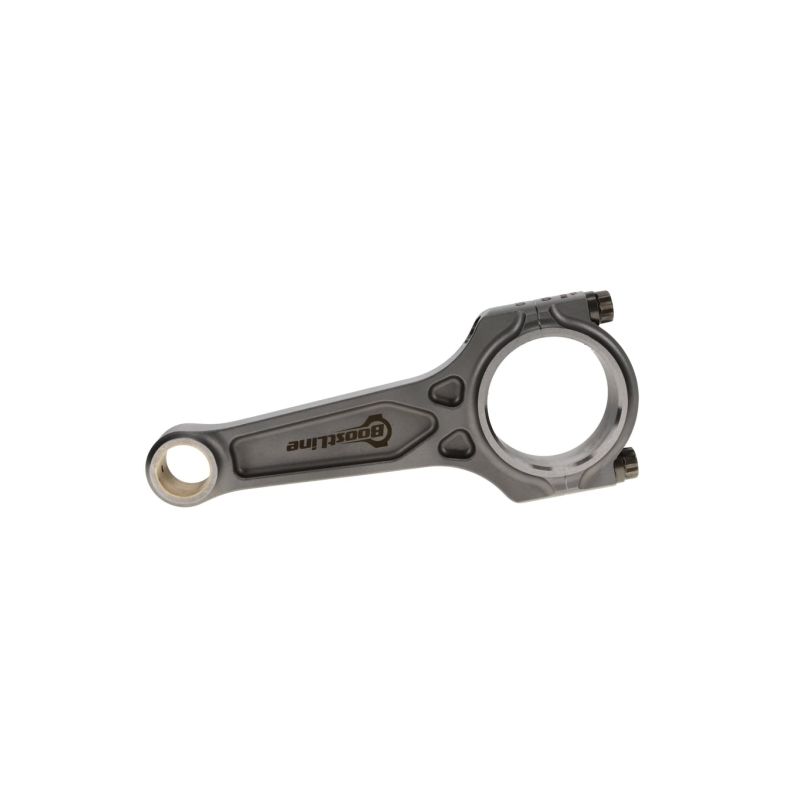
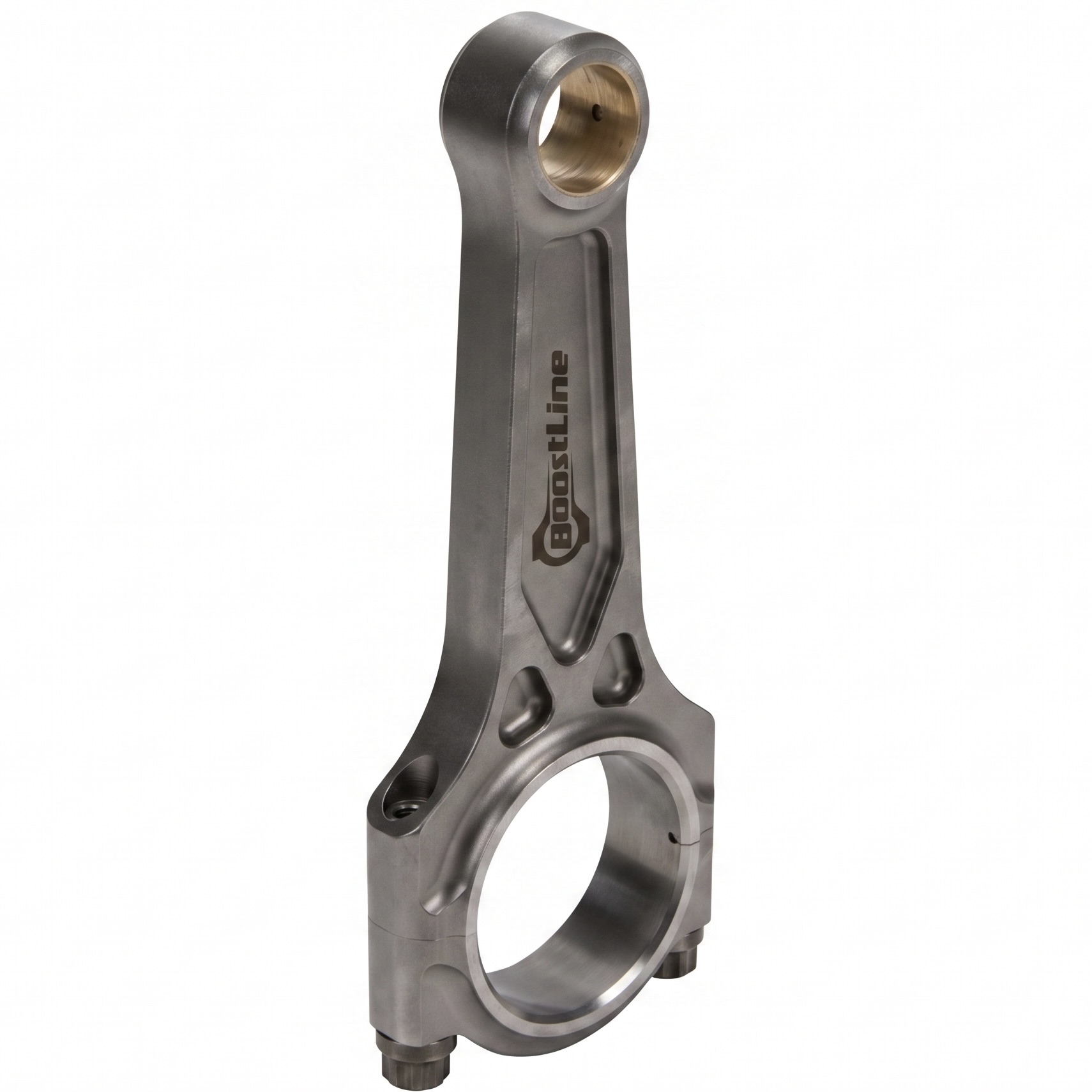 | I-3P profile (Boostline, 3-pocket). A patented design that keeps the lightness of an I-beam rod while adding triangulated reinforcements at the big end: bending resistance far superior to a standard I-beam, without the extra mass of an H-beam. Well suited to forced-induction engines. |
Two parts can share the same geometry and not offer the same safety: on a rod bolt the difference comes from metallurgy. Chosen grade, heat treatment carried through the section, threads rolled after hardening rather than cut, control of the grain flow: each of these steps sets the yield strength, the cyclic fatigue life and the consistency of the preload obtained at assembly. On this 2.2-litre five-cylinder the bolts are offered in 3/8"-38 mm in several grades depending on the rod chosen; it then remains to pick the grade according to target boost pressure and engine speed, and to tighten by measured stretch rather than by torque alone.
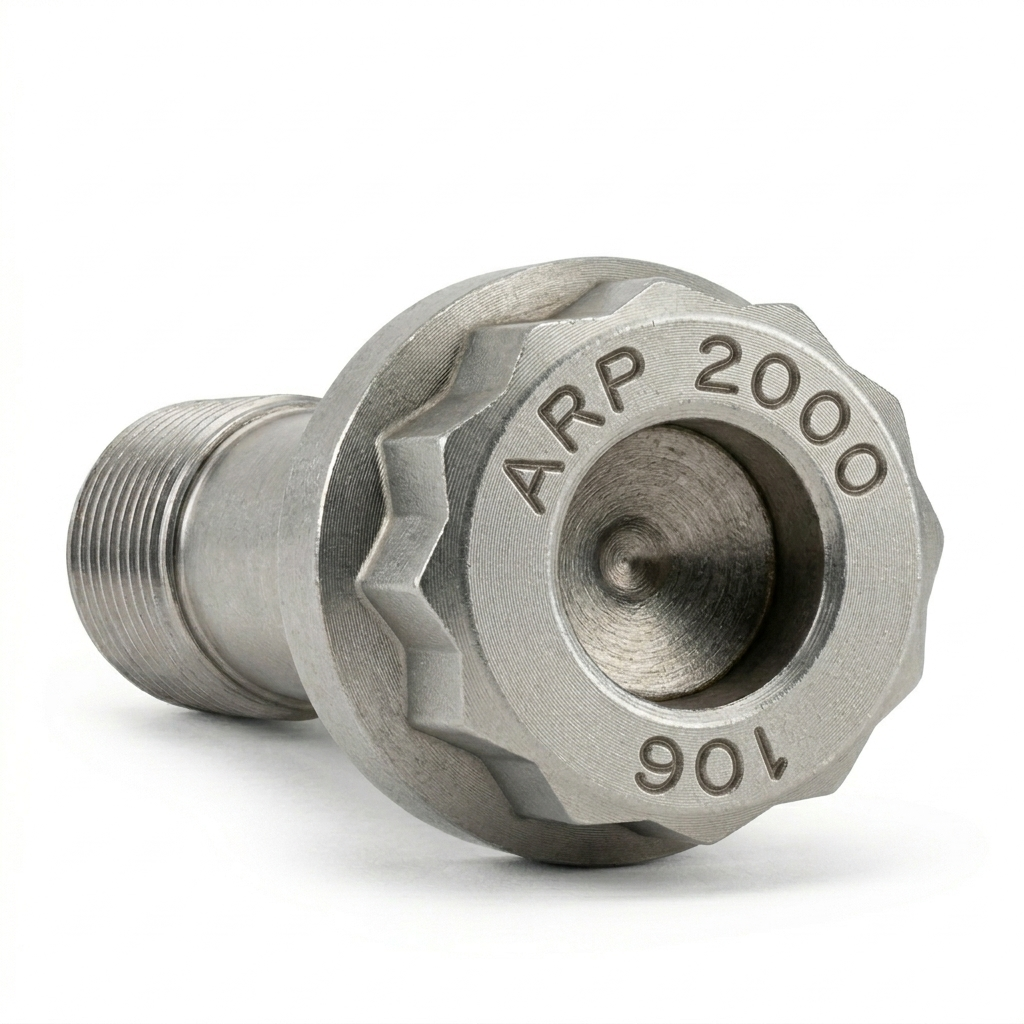 | ARP 2000 is a low-alloy steel, wrought and through-treated, whose tensile strength settles around 220,000 psi, i.e. ~1,517 MPa. Its threads are rolled after heat treatment: the thread root is work-hardened, which clearly improves cyclic fatigue life exactly where most failures start. The grade is rated up to 200 hp per cylinder in 3/8" and up to 8,500 rpm, and remains the most common in circuit racing, trackdays, drift, rally, drag and hillclimb. On this five-cylinder it equips the Boostline I-3P as well as the ZRP I-HD in 3/8"-38 mm, with no storage constraint. |
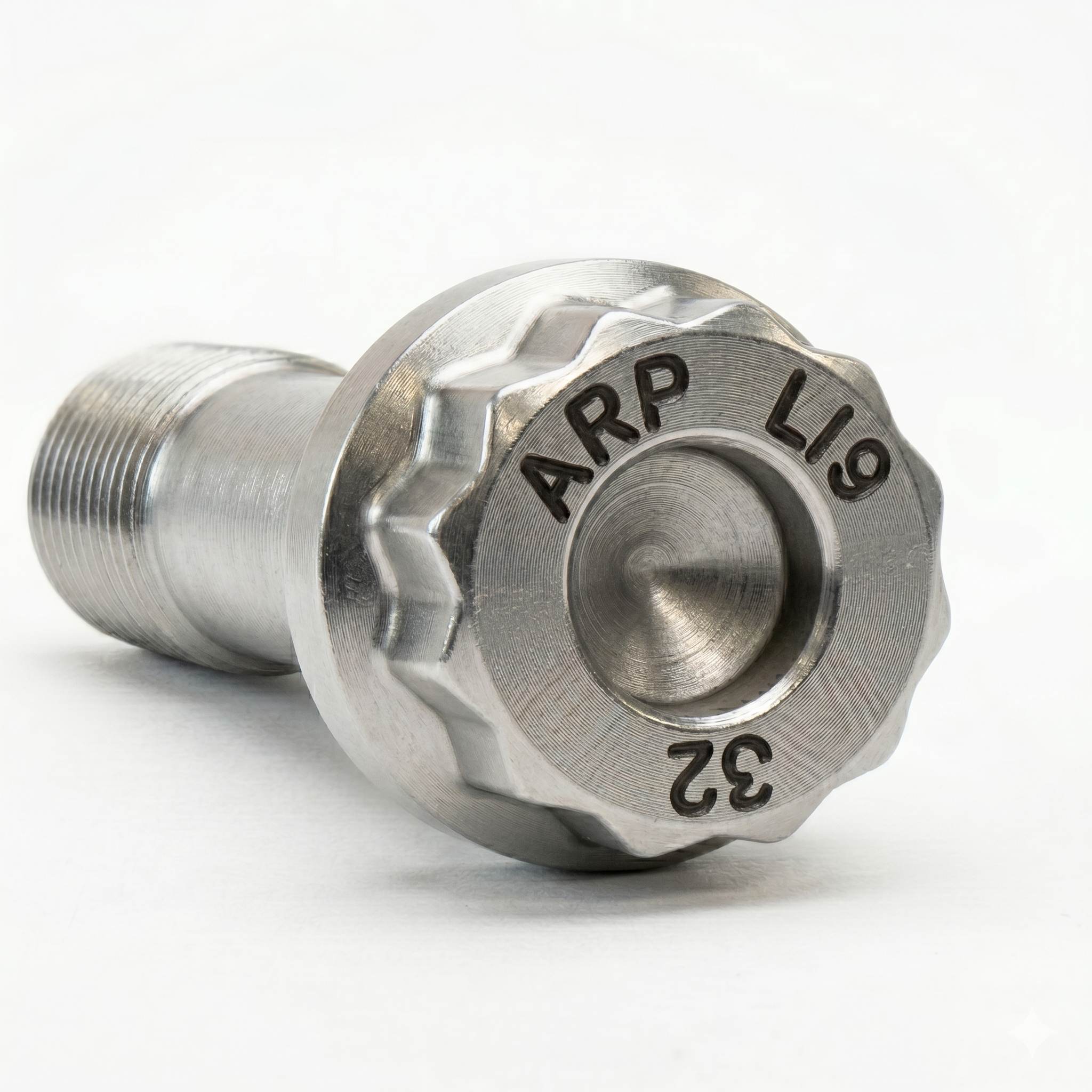 | L19 takes the same metallurgical logic further: richer alloy, tighter heat treatment, tensile strength of about 260,000 psi, i.e. ~1,793 MPa, for 250 hp per cylinder in 3/8" and up to 10,000 rpm. It addresses builds with very high boost pressure, sustained high engine speeds and high cylinder pressure, that is big power in drag, drift, rally and circuit; on this listing it comes on the ZRP I-HD rod in 3/8"-38 mm. Its only weakness is chemical: sensitive to corrosion and to hydrogen embrittlement, it must be stored and fitted oiled, away from moisture. |
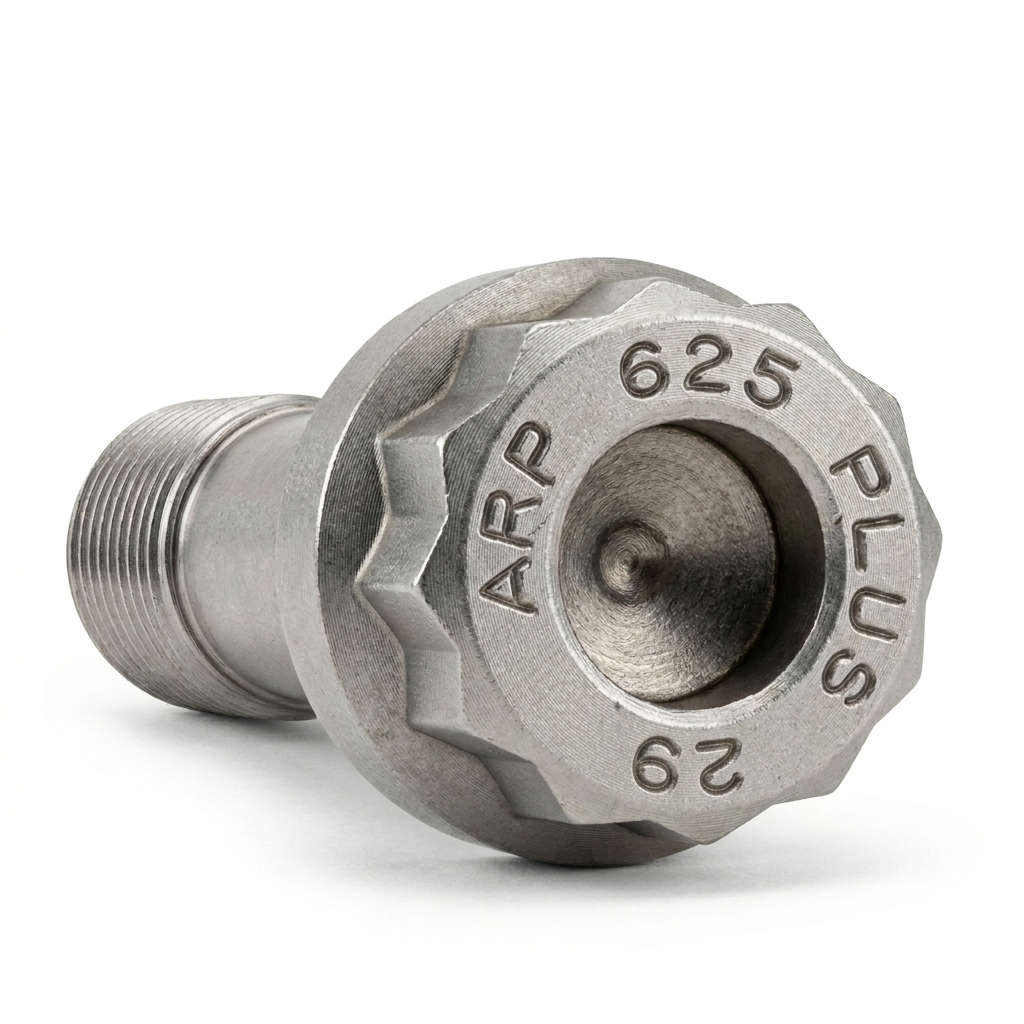 | CA625+ (Custom Age 625+, tensile strength 260,000 to 280,000 psi, i.e. ~1,793 to 1,931 MPa) is ARP’s premium alloy. Extremely high strength, it targets the most extreme builds (more than 250 hp per cylinder in 3/8", beyond 10,000 rpm), while offering better resistance to atmospheric corrosion and oxidation than ARP 2000, and remaining immune to hydrogen embrittlement (without the storage constraints of L19). Ideal for the most demanding rod applications. |
In addition to torque tightening, measuring rod bolt stretch is the most reliable check for achieving optimal preload. The check is done with the bolt fitted: the dial gauge is placed on both ends of the bolt and the actual stretch is read, which must match the recommended value (see the torque & stretch table above). This method removes the friction variability inherent to torque tightening and secures the assembly on heavily stressed engines.
|
 | Boostline (Wiseco group), a forged connecting rod range from the American Wiseco group, a benchmark since 1941. Its patented 3-pocket design combines the rigidity of an H-beam rod with the lightness of an I-beam rod. Forged in 4340 steel and machined in the USA, they are built for forced-induction engines. |
 | ZRP, a Greek brand of high-performance forged connecting rods, designed by Alex Drakos in Athens. Each rod is forged in 4340 steel, precision-machined and balanced to ±1 g to stay reliable at high rpm. Designed and inspected in Greece, they are proven in rally, on track and in drift. |
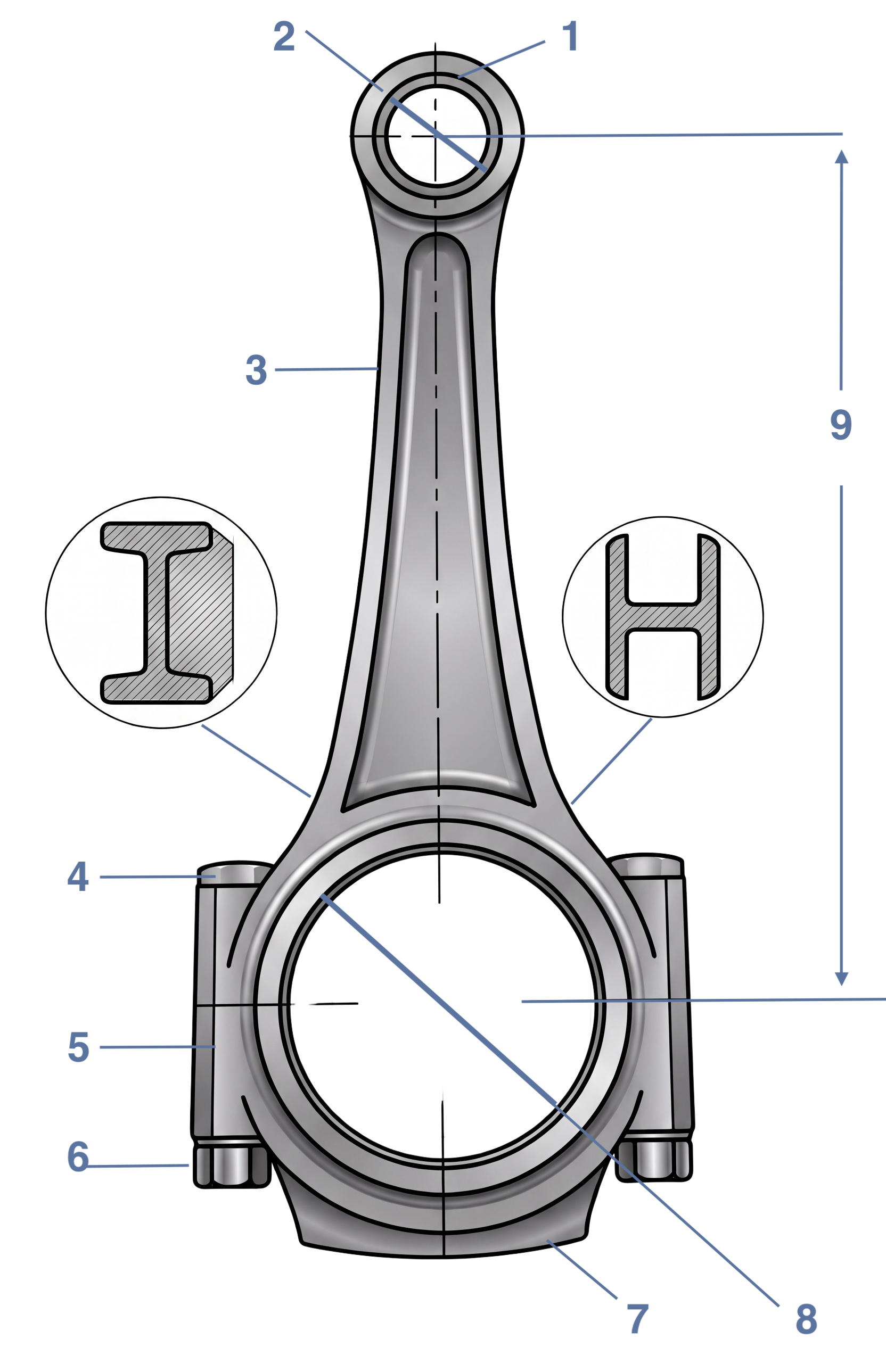 | 1) Small end 2) Small-end diameter 3) Rod beam 4) Rod bolt 5) Big end 6) Rod nut / bolt 7) Rod cap 8) Big-end diameter 9) Center-to-center |
These forged rods are compatible with all vehicles fitted with one of the Audi 2.2L 20V AAN, ABY, 3B or ADU engines:
| Make | Model (chassis) | Engine code | Power | Years |
|---|---|---|---|---|
| AUDI | 100 C4 / 100 C4 Avant (4A2/4A5) Turbo quattro | AAN | 230 hp | 1991–1994 |
| AUDI | A6 C4 / A6 C4 Avant (4A2/4A5) Turbo quattro | AAN | 230 hp | 1994–1997 |
| AUDI | 80 B4 / 80 B4 Avant (8C2/8C5) S2 quattro | ABY | 230 hp | 1992–1995 |
| AUDI | Coupé B3 (89/8B3) S2 quattro | ABY | 230 hp | 1992–1996 |
| AUDI | 200 C3 (44/448) 20V Turbo quattro | 3B | 220 hp | 1989–1990 |
| AUDI | 80 B4 Avant (8C5) RS2 quattro | ADU | 315 hp | 1994–1995 |
When a standard bottom end gives up, with a rod broken, bent or simply marked, going back to the factory configuration means replacing the rods AND the pistons, almost always damaged in the same incident. The bill for a simple return to standard then climbs very fast, without bringing anything more than the factory condition.
For an equivalent or even lower budget, a set of 4340 forged rods combined with forged pistons moves into another class: reliability and safety margin are no longer comparable, and the build keeps real room to raise power. This is the route European engine builders have taken for more than fifteen years on this kind of boosted five-cylinder.
For the same budget: more reliability, more potential, more longevity for the bottom end.