Product successfully added to your shopping cart
Quantity
Total
There are 0 items in your cart. There is 1 item in your cart.
Total products
Total shipping To be determined
Total

2.0L 16v - C20XE
Manufacturers
2.0L 16v - C20XE
Warning: Last items in stock!
New product
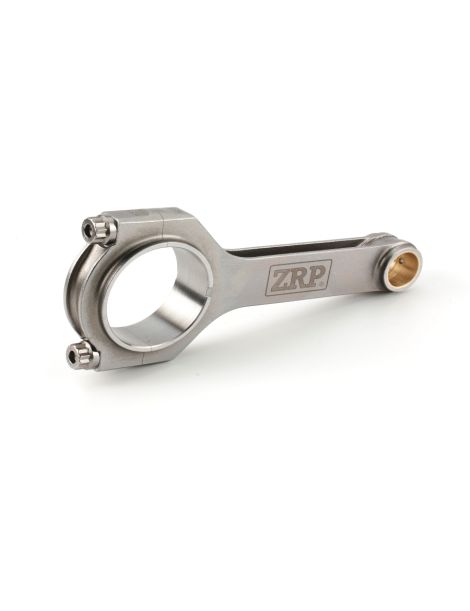
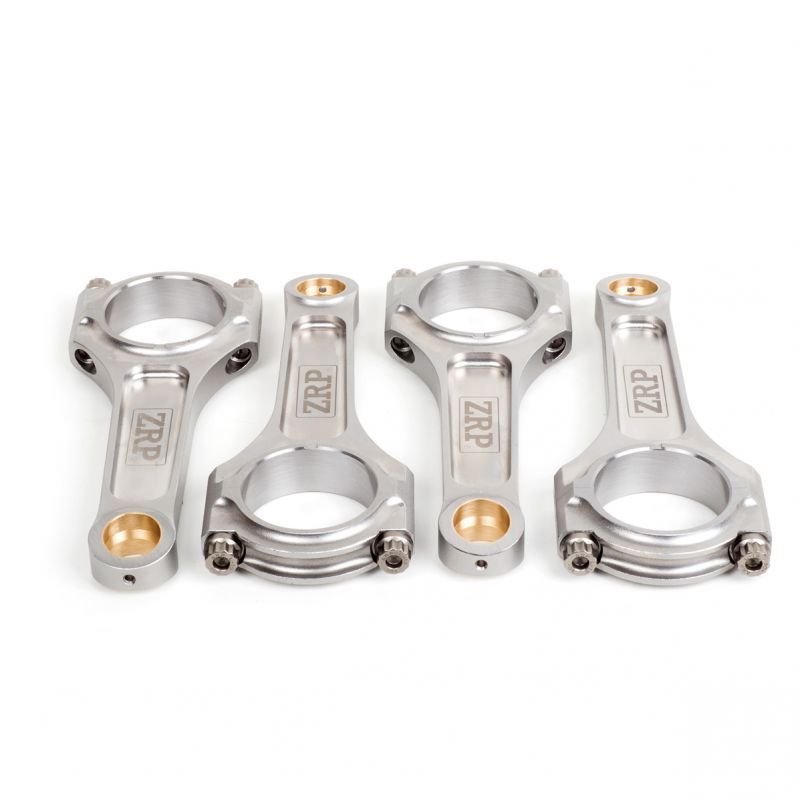
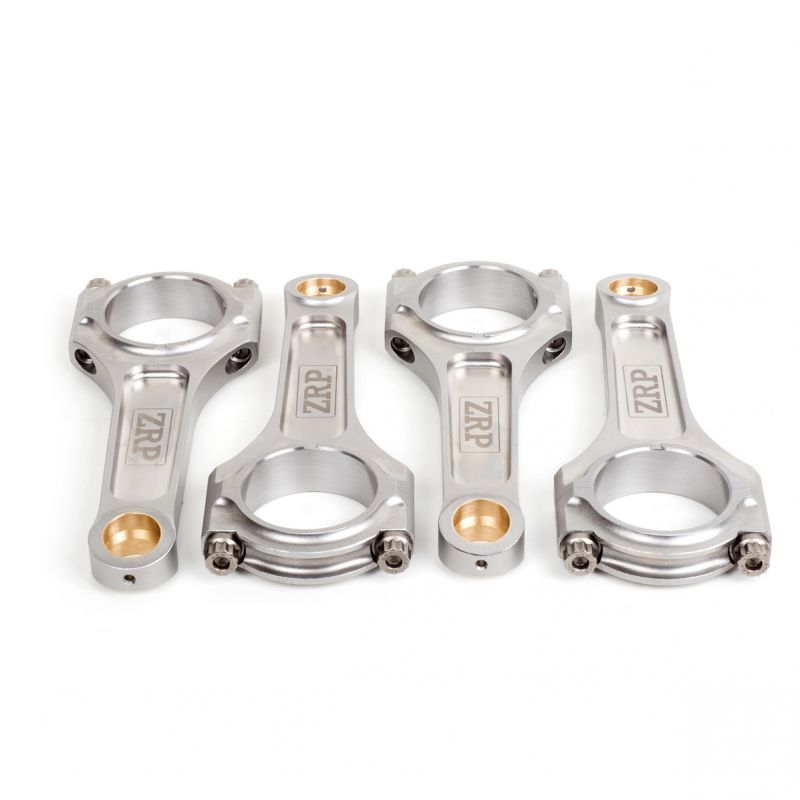
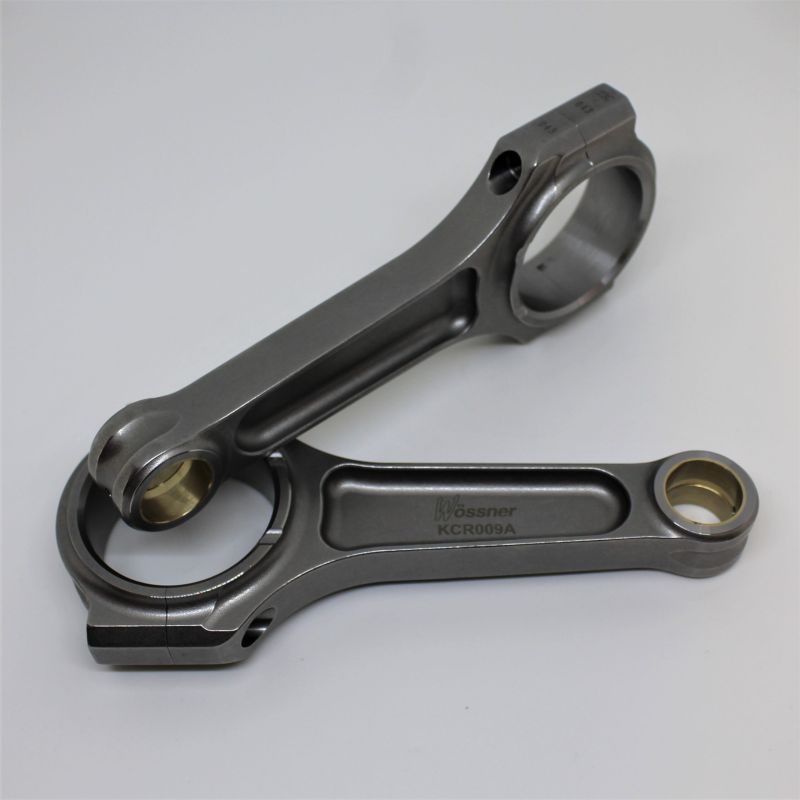
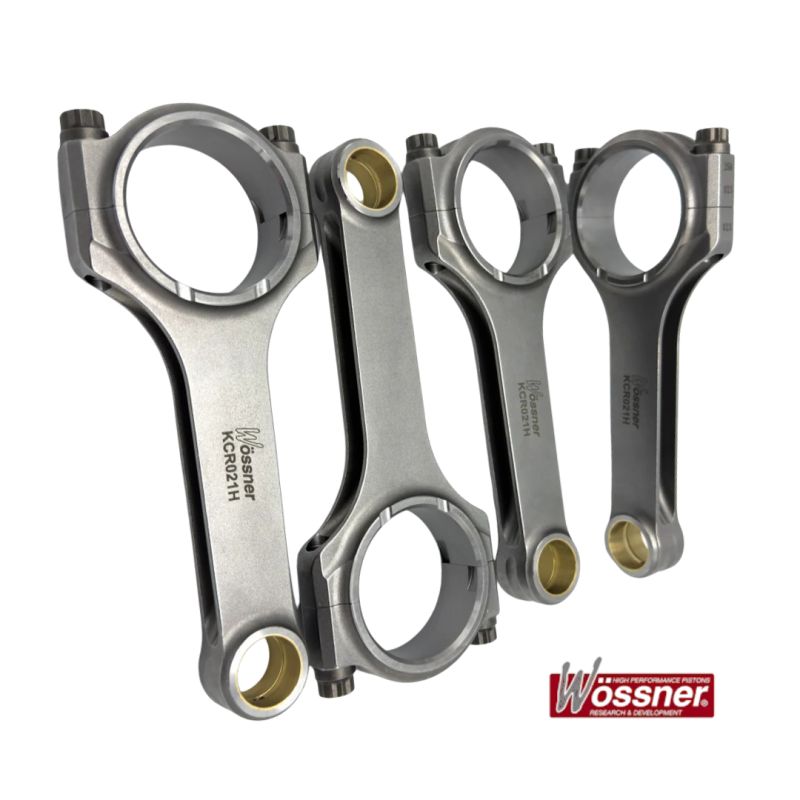
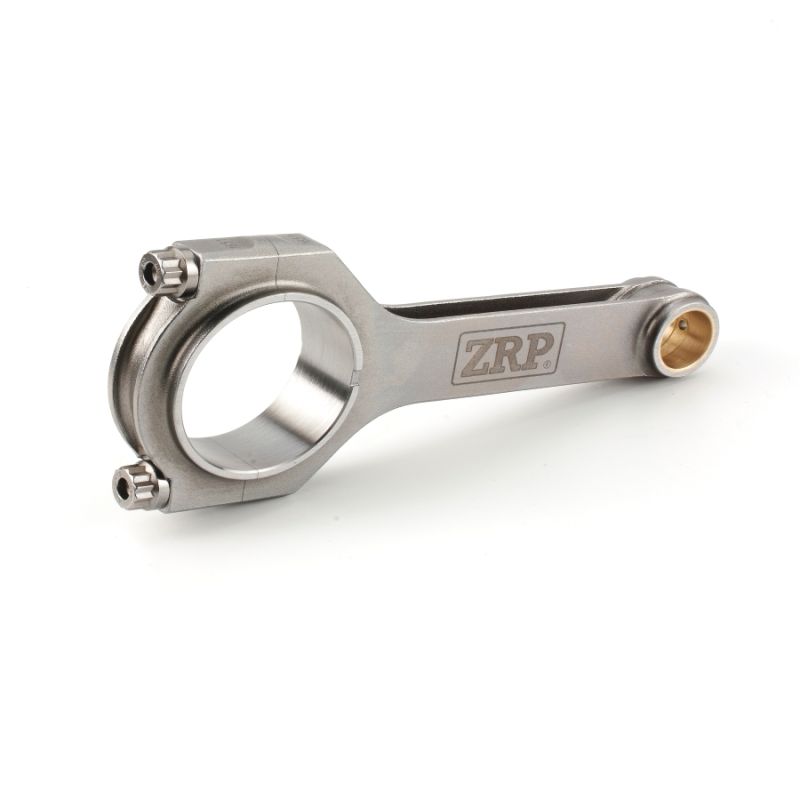
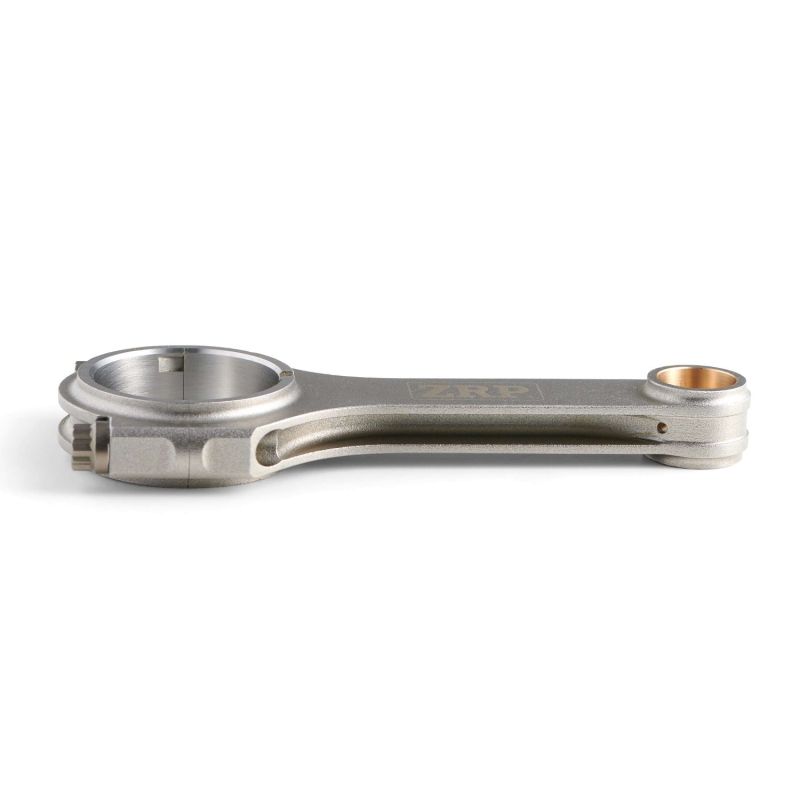
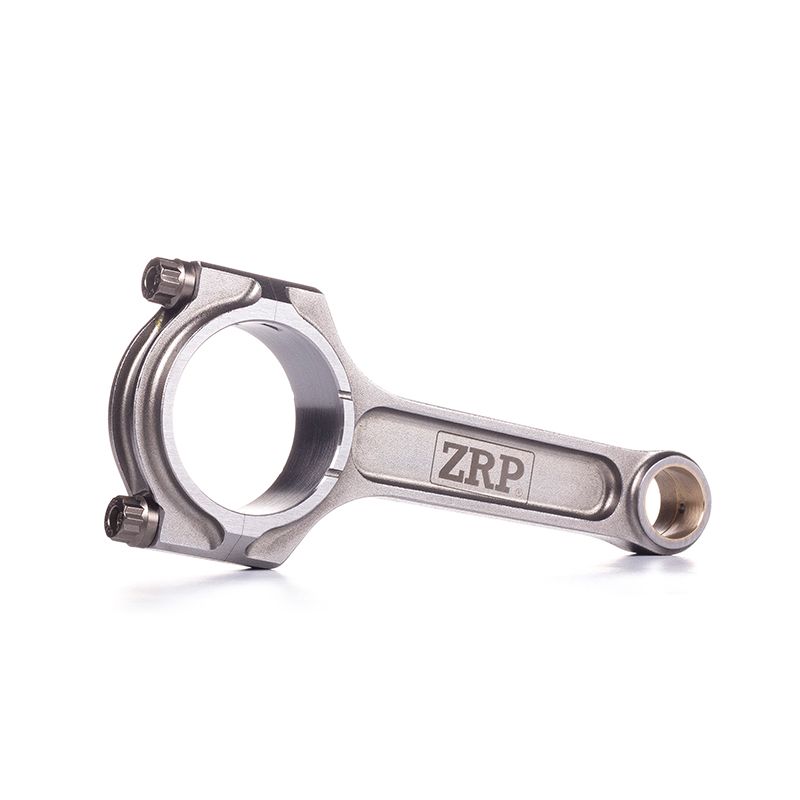
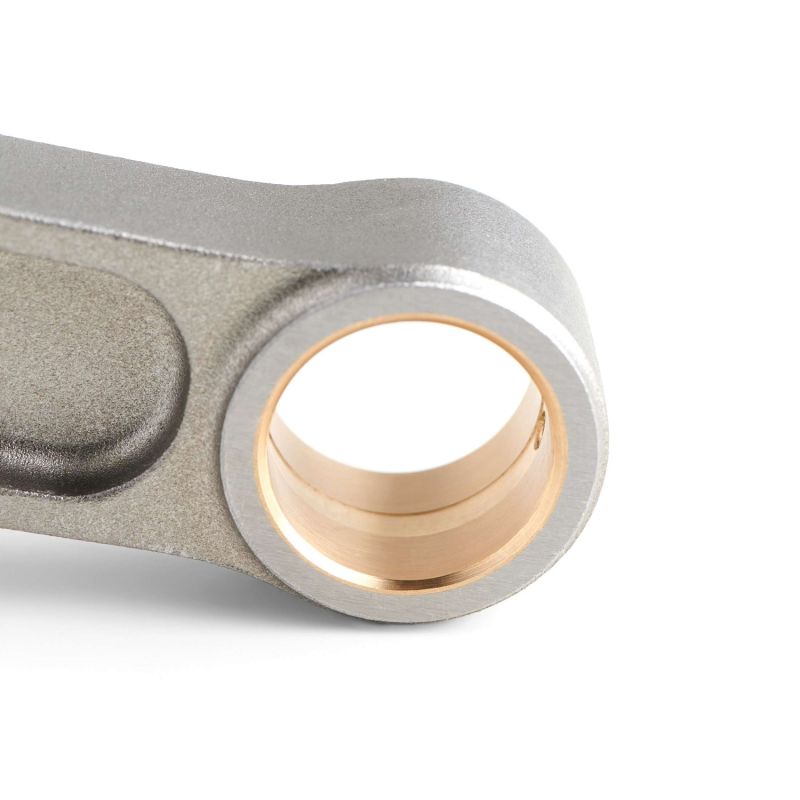
Kit of 4 forged 4340 connecting rods for Opel 2.0 16v C20XE / C20LET / Z20LET.
The Opel and Vauxhall 2.0 16-valve comes from the GM Family II range. This 1,998 cc inline four (86.5 mm bore, 86 mm stroke) started out naturally aspirated with the 150 hp C20XE “Red Top”, before gaining a turbocharger in a whole series of variants: C20LET, Z20LET, Z20LEH, Z20LER and Y20LET. They share the same sturdy bottom end and the same standard rod, which allows a single forged part number for the whole family. Built from 1988 to 2010, these engines powered nearly twenty years of sporting Opels, from the Calibra to the Astra OPC.
On power, the naturally aspirated C20XE is quoted at around 150 hp, while the turbo versions range from 190 to 240 hp depending on the year: 204 hp for the C20LET of the Calibra Turbo 4x4, 190 to 200 hp for the Z20LET of the Astra G OPC, 240 hp for the Z20LEH of the Astra H OPC and the Vauxhall VXR. This 2.0 16v owes its reputation to the strength of its crankshaft and block, which makes it a much sought-after base in rally, on circuit and in drift. As soon as boost pressure rises, it is the standard rod, with its 143 mm centre-to-centre length and its 21 mm pin, that becomes the weak link.
Machined from high-strength 4340 steel after forging, these rods replace the part that limits the 2.0 16v as soon as it leaves its factory configuration. They are called for when fitting forged pistons, raising the maximum rpm, increasing boost pressure or adding displacement, that is in every case where the standard rod of the C20XE or of the Z20LE engines reaches its limit. Designed for built engines, turbocharged as well as supercharged, they serve every discipline: rally, drift, drag racing, circuit and track use, hillclimb, time attack. They support a Stage 2 build as much as a Stage 3 or a Stage 4+, up to a fully rebuilt competition engine, and are offered here in I and H profiles, from Wössner as well as from ZRP.
| Reference | Brand | Profile | Bolts | Pin diameter OEM 21 mm | Small-end width | Big-end diameter OEM n.p. | Big-end width | Center-to-center OEM 143 mm | Weight per rod |
|---|---|---|---|---|---|---|---|---|---|
| KCR009A | Wössner | I | ARP 2000-3/8"-38mm | 21 mm | 22 mm | 52 mm | 26,4 mm | 143 mm | 619 g |
| KCR009H | Wössner | H | ARP 2000-3/8"-38mm | 21 mm | 22 mm | 52 mm | 26,4 mm | 143 mm | 643 g |
| R-OPE-001-H | ZRP | H | ARP 2000-3/8"-38mm | 21 mm | 52 mm | 26,35 mm | 143 mm | 514 g | |
| R-OPE-001-H-L19 | ZRP | H | ARP L19-3/8"-38mm | 21 mm | 52 mm | 26,35 mm | 143 mm | 514 g | |
| R-OPE-001-I | ZRP | I | ARP 2000-3/8"-38mm | 21 mm | 52 mm | 26,35 mm | 143 mm | 532 g | |
| R-OPE-001-I-L19 | ZRP | I | ARP L19-3/8"-38mm | 21 mm | 52 mm | 26,35 mm | 143 mm | 532 g |
| Rod | Bolts | Torque | Recommended stretch |
|---|---|---|---|
| Wössner (KCR009A) | ARP 2000-3/8"-38mm | 74,6 N·m | 0,140 – 0,152 mm |
| Wössner (KCR009H) | ARP 2000-3/8"-38mm | 74,6 N·m | 0,140 – 0,152 mm |
| ZRP (R-OPE-001-H) | ARP 2000-3/8"-38mm | 61 N·m | 0,140 – 0,152 mm |
| ZRP (R-OPE-001-H-L19) | ARP L19-3/8"-38mm | 67,8 N·m | 0,152 – 0,165 mm |
| ZRP (R-OPE-001-I) | ARP 2000-3/8"-38mm | 61 N·m | 0,140 – 0,152 mm |
| ZRP (R-OPE-001-I-L19) | ARP L19-3/8"-38mm | 67,8 N·m | 0,152 – 0,165 mm |
Reassembling a 2.0 16V Opel bottom end is checked by cross-reference: the quoted torque and the expected stretch should be reached together. If the stretch range arrives well before the torque, the bolt or the thread is at fault; if the torque is reached while the gauge barely moves, look again at thread friction or at the lubricant. In both cases, strip it back down rather than force it. The table figures are those specified by the bolt manufacturer, ARP 2000 or ARP L19 in 3/8" 38 mm depending on the variant, and must be followed scrupulously: stretch read on the gauge remains the reference method.
| 4340 is a chrome-nickel-molybdenum alloy steel widely used in aerospace and motorsport. Forged and then heat-treated (quenched and tempered), it combines excellent mechanical strength with good ductility. Compared with a factory rod, usually sintered metal optimised for production cost, a forged 4340 rod gains roughly 19% yield strength, 8% tensile strength and up to 19-37% fatigue resistance, translating into a markedly longer service life under repeated loads. This is why forged 4340 is the reference once revs or the build step up. |
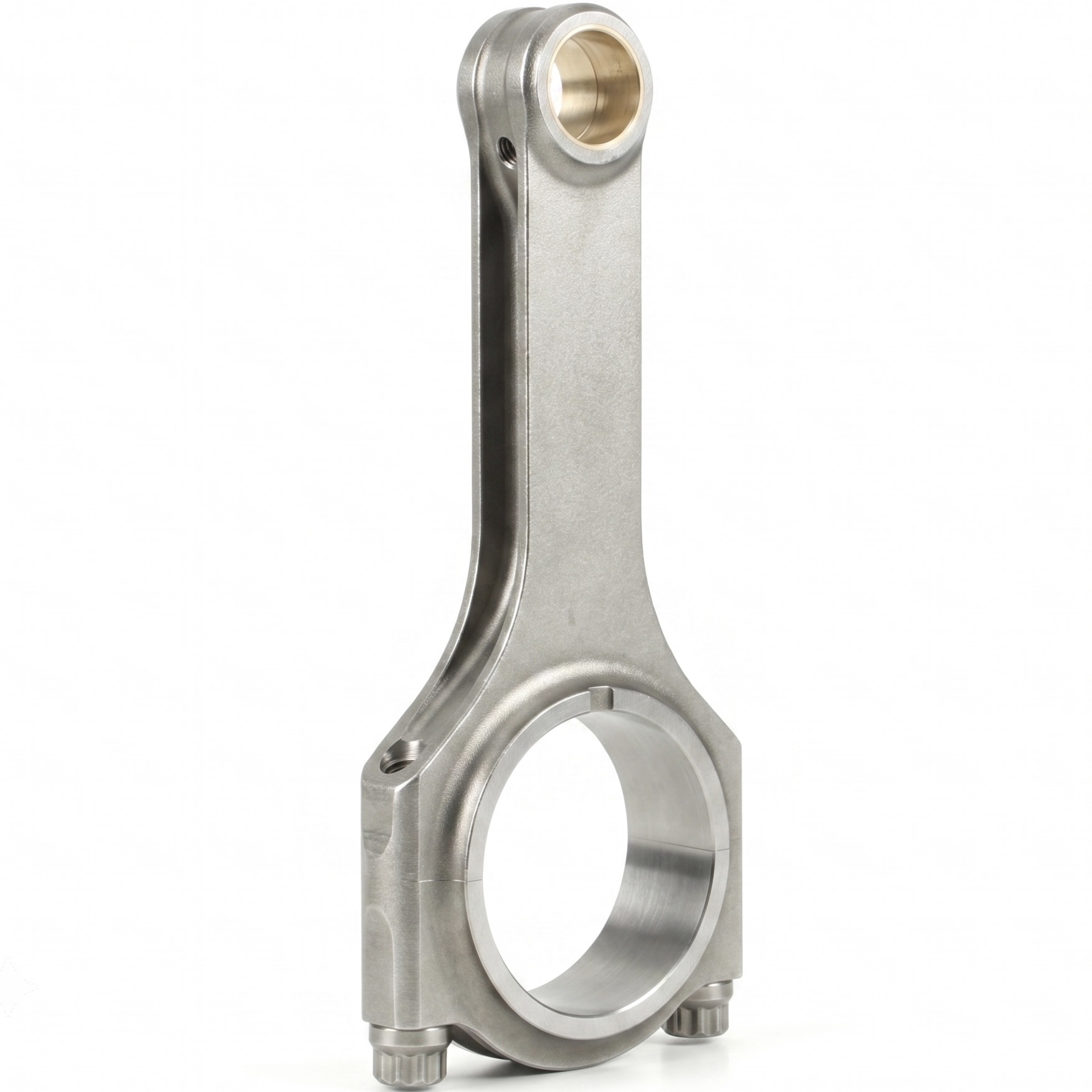 | H-beam profile. Made of two flat flanks joined by a central web, the H-beam offers high rigidity and excellent resistance to compression. It is the preferred choice for high-torque, high-boost engines where sturdiness comes first. |
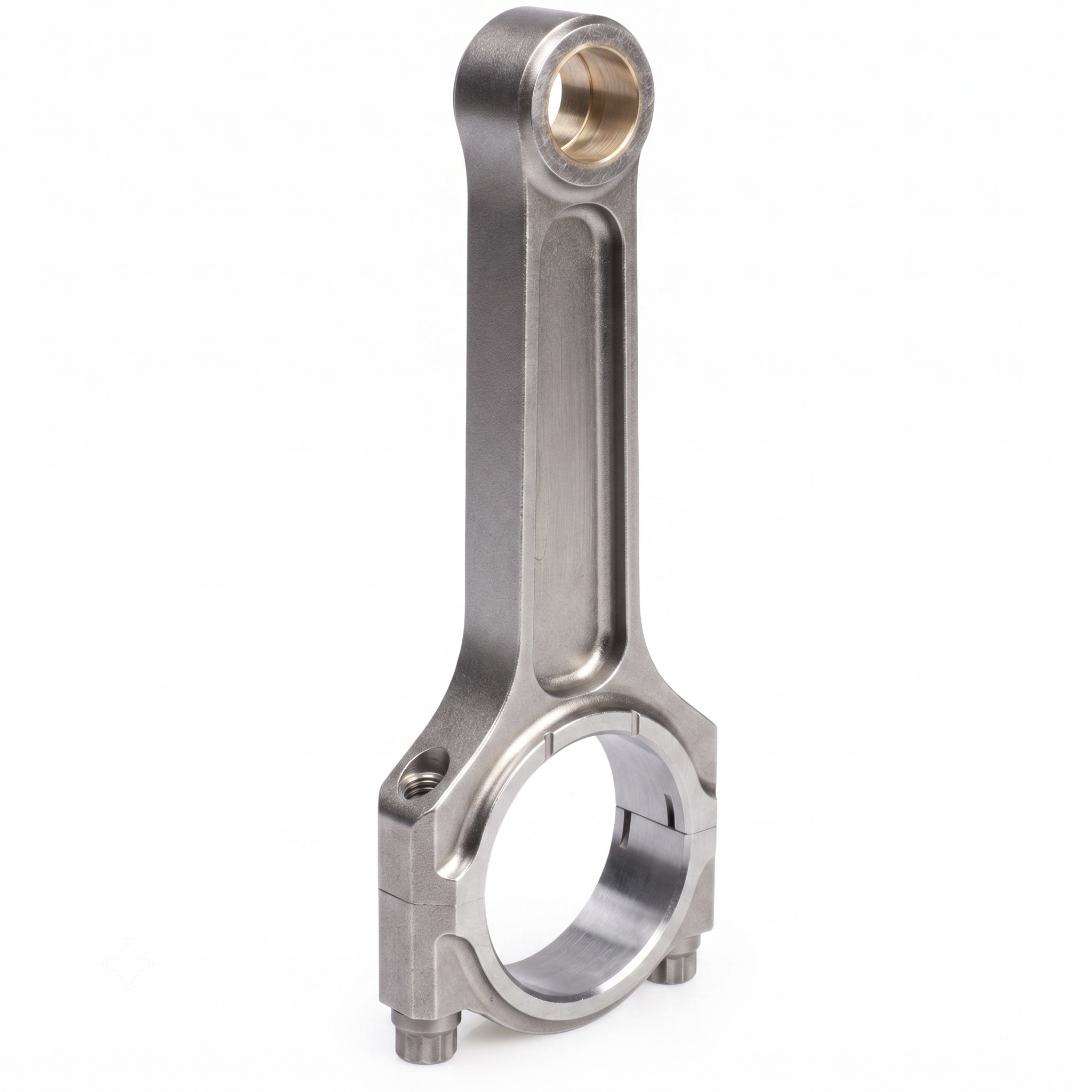 | I-beam profile. Its thinner central section lightens the rod and reduces reciprocating inertia, which favours quick revving and responsiveness. Versatile, it is valued on engines that prioritise efficiency and high rpm. |
On this 2.0 16v family the rod bolt is the real mechanical limit: it sets the rpm and the cylinder pressure the bottom end can take. The grade is chosen according to the discipline practised (torque demanded at low rpm in rally, rpm held for a long time on circuit, the brutality of the peaks in drag racing), then according to the target power per cylinder. The two grades below are offered in 3/8"-38 mm and are fitted to the prescribed torque and stretch.
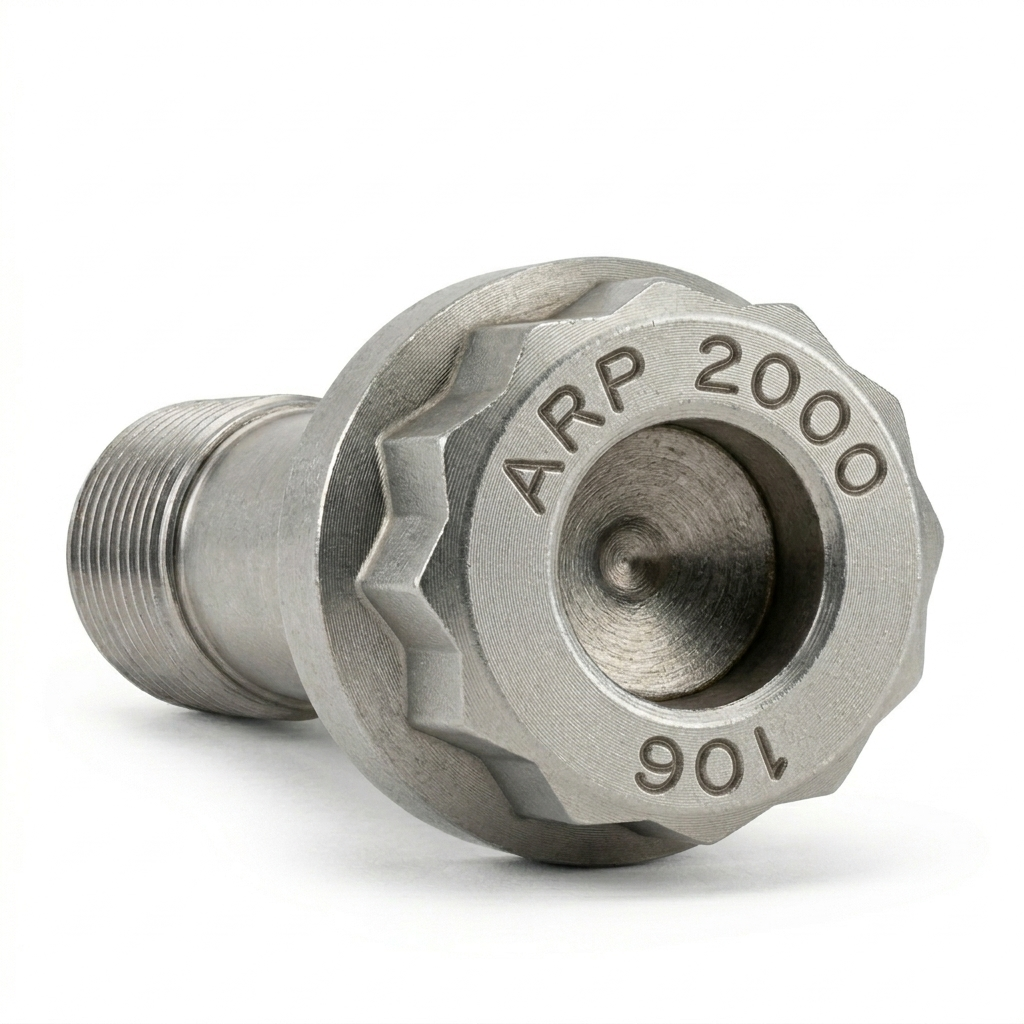 | ARP 2000, credited with a tensile strength of ~220,000 psi (~1,517 MPa), is enough for the vast majority of built 2.0 16v engines: up to 200 hp per cylinder in 3/8" and 8,500 rpm. On a Z20LEH developed for rally or a C20XE for circuit racing, the reserve remains wide. It is the most widespread grade in circuit racing, track days, drift, rally, drag racing and hillclimb, and it imposes no particular storage constraint. |
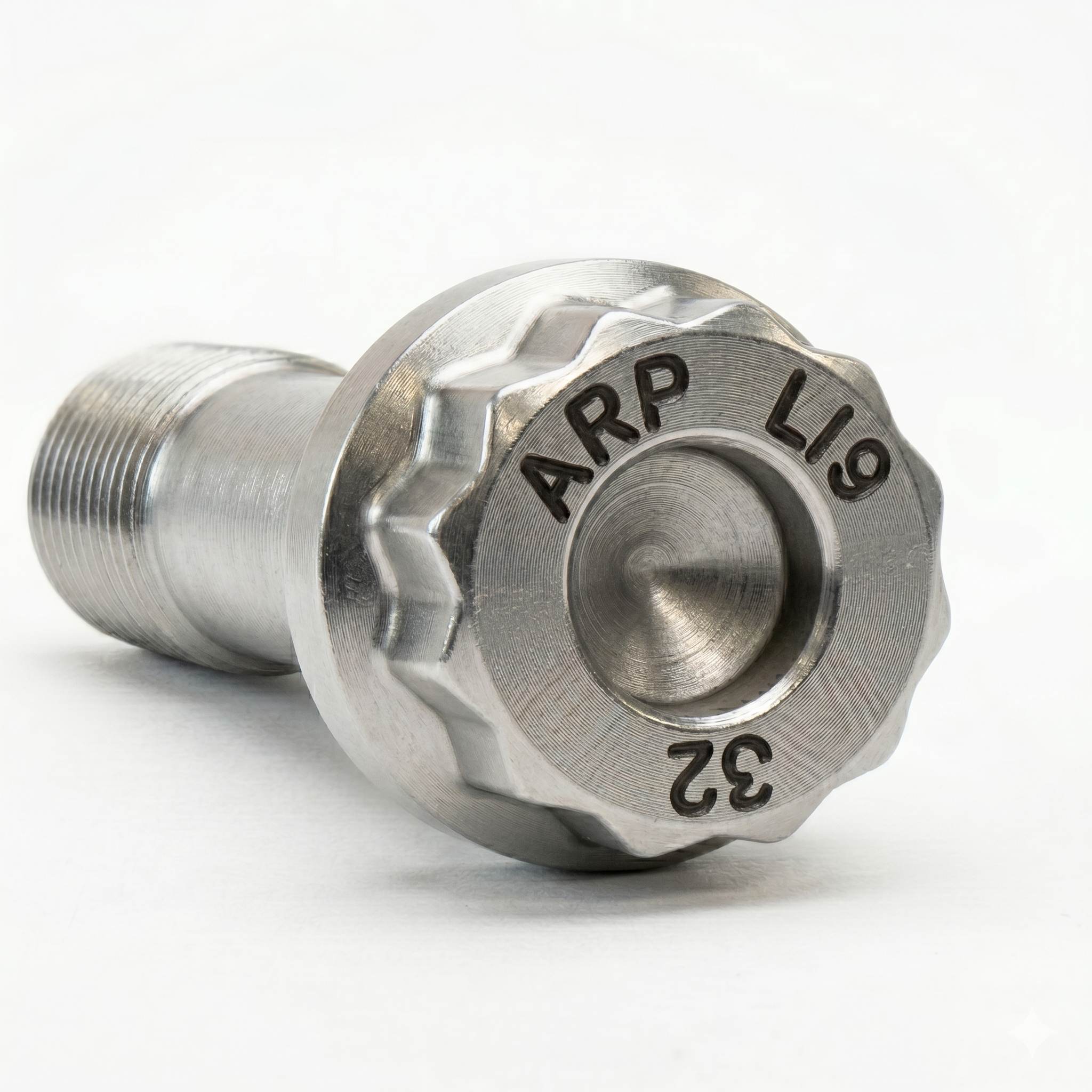 | L19 reaches ~260,000 psi (~1,793 MPa) and allows up to 250 hp per cylinder in 3/8" as well as 10,000 rpm. It is the grade for the most highly developed 2.0 16v engines, those running very high boost pressure, with high cylinder pressure and sustained high rpm: big power levels in drag racing, drift, rally and circuit. Its only requirement is care: sensitive to corrosion and to hydrogen embrittlement, the L19 bolt is stored and fitted oiled, away from moisture. |
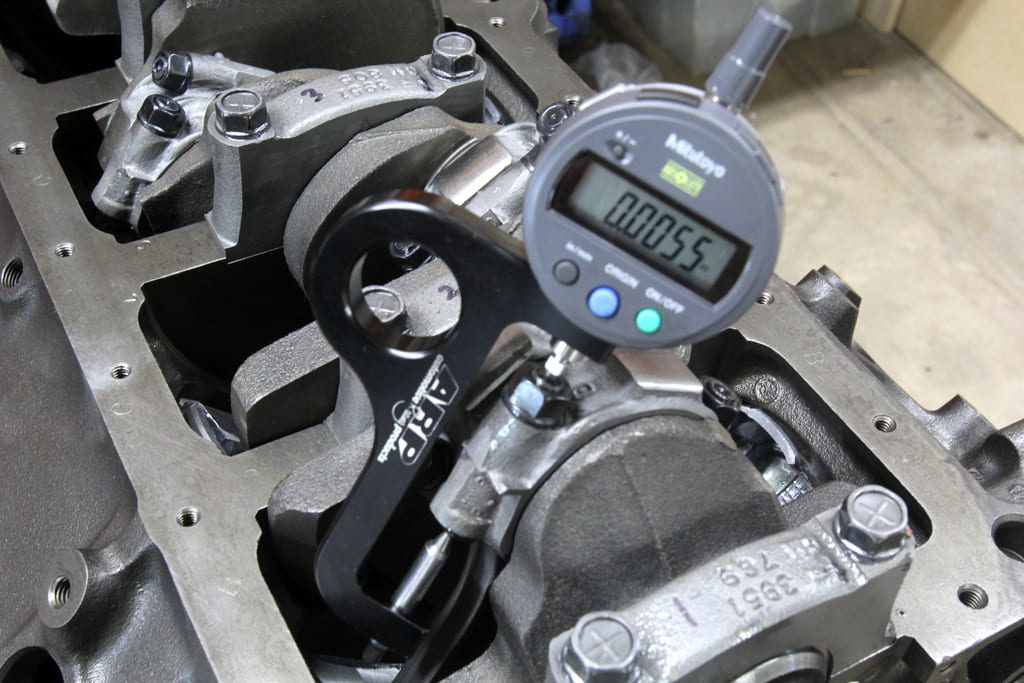
| In addition to torque tightening, measuring rod-bolt stretch remains the most reliable check for achieving optimal preload. With the bolt fitted, a gauge (dial indicator) is placed at both ends and the actual stretch is read, which should match the value in the table above. This method removes the friction variation inherent to torque tightening and makes assembly more reliable on heavily loaded engines. |
 | Wössner is a German forge renowned for its high-performance forged pistons and rods. Its rods are forged from 4340 steel, carefully machined and balanced, then supplied with ARP 2000 bolts (3/8"). The I- and H-beam profiles offered aim for the best compromise between lightness and strength on boosted engines. |
 | ZRP is a Greek brand of high-performance forged connecting rods created by Alex Drakos in Athens. Each rod is forged from 4340 steel, precision-machined and balanced to ±1 g for reliability at high rpm. Offered here in I-beam profile with ARP 2000 or L19 bolts, it is developed and controlled in Greece, proven in rally, on circuit and in drift. |
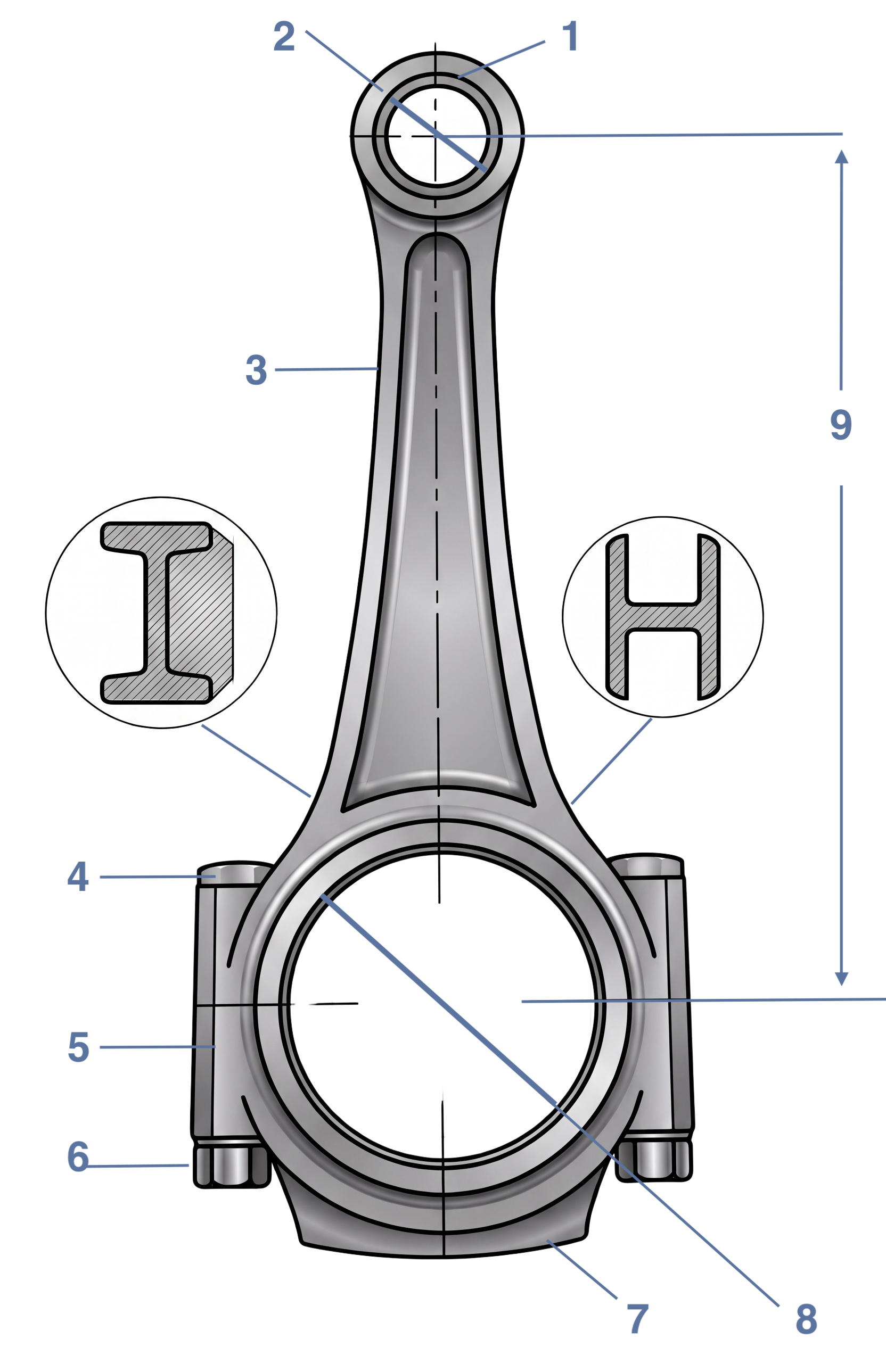 | 1) Small end 2) Small-end diameter 3) Rod beam 4) Rod bolt 5) Big end 6) Rod nut / bolt 7) Rod cap 8) Big-end diameter 9) Center-to-center |
These forged connecting rods fit the following Opel/Vauxhall 2.0 16v engines, both naturally aspirated and turbocharged:
| Make | Model (chassis) | Engine code | Power | Years |
|---|---|---|---|---|
| Opel / Vauxhall | Astra F GSi (T92) | C20XE | 150 hp (110 kW) | 1991–1998 |
| Opel / Vauxhall | Kadett E GSi (T85) | C20XE | 150 hp (110 kW) | 1988–1991 |
| Opel / Vauxhall | Calibra (C89) | C20XE | 150 hp (110 kW) | 1990–1994 |
| Opel / Vauxhall | Vectra A (J89) | C20XE | 150 hp (110 kW) | 1990–1995 |
| Opel / Vauxhall | Calibra Turbo 4x4 (C89) | C20LET | 204 hp (150 kW) | 1992–1997 |
| Opel / Vauxhall | Vectra A Turbo 4x4 (J89) | C20LET | 204 hp (150 kW) | 1994–1995 |
| Opel / Vauxhall | Astra G OPC (T98) | Z20LET | 190–200 hp | 2000–2005 |
| Opel / Vauxhall | Zafira A OPC (T98) | Z20LET | 192–200 hp | 2001–2005 |
| Opel / Vauxhall | Speedster / VX220 (E01) | Z20LET | 200 hp (147 kW) | 2002–2006 |
| Opel / Vauxhall | Astra H OPC / VXR (A04) | Z20LEH | 240 hp (177 kW) | 2005–2010 |
| Opel / Vauxhall | Zafira B OPC (A05) | Z20LEH | 240 hp (177 kW) | 2006–2012 |
| Opel / Vauxhall | Astra H / Zafira B (A04/A05) | Z20LER | 200 hp (147 kW) | 2004–2014 |
OEM reference: 9117765 (set of 4 connecting rods).
When a C20XE or a Z20LET breaks a rod, the repair does not stop at the guilty part: the matching piston is nearly always destroyed and the block has to be checked. Going back to standard parts therefore means buying original rods and pistons, a heavy outlay for an engine that will remain exactly as fragile as before. For a comparable, often lower budget, a set of 4340 forged steel rods fitted with forged pistons brings reliability and a safety margin on another scale, and above all real room to increase power: the same build will be able to take more boost pressure tomorrow. This is the logic European engine builders have applied for more than 15 years on Opel 2.0 16v engines. For the same budget: more reliability, more potential, more service life.