Product successfully added to your shopping cart
Quantity
Total
There are 0 items in your cart. There is 1 item in your cart.
Total products
Total shipping To be determined
Total

3.0L 12V - 930
Manufacturers
3.0L 12V - 930
 View larger
Warning: Last items in stock!
New product
ARP Inconel crankcase studs and through-bolts, for air-cooled Porsche engines of 3.0 to 3.3 L.
ARP lists this part number for air-cooled Porsche engines of 3.0 to 3.3 L. The ARP page for kit 204-5405 gives neither model nor year, so the compatibility table reproduces the ARP application of kit 204-5405 as published, with no engine code or vehicle inferred.
The factory part number of the original crankcase fasteners replaced by kit 204-5405 is not published in our sources and so does not appear on this page. Kit 204-5405 is flat crankcase hardware, with fasteners at crankshaft main bearings 1 and 7 and through-fasteners.
The bottom end here is a crankcase in two halves, joined around the crankshaft by studs and through-bolts. They are what holds the halves against the loads passed on by the connecting rods; a fastener that yields or relaxes lets the crankshaft work in bores that gradually distort.
This kit brings together ARP crankcase studs and through-fasteners for air-cooled engines of 3.0 to 3.3 L. According to the instruction sheet: two 6.835 in studs for main bearing 1 on the left crankcase half, one 4.553 in stud for bearing 7 on the right half and eleven through-bolts, with double-chamfer washers, acorn nuts and a 12-point nut. The kit is made of Inconel 718, a nickel alloy credited by the ARP catalogue with 210,000 to 230,000 psi of tensile strength; the material is unaffected by corrosion and hydrogen embrittlement. The kit replaces the original crankcase fasteners and is tightened according to the enclosed ARP instruction sheet; no strength value is published for this part number.
| Part number | Brand | Grade / material | Nut | Thread |
| ARP-204-5405 | ARP | Inconel 718 | Acorn nut, 12-point nut | M11 x 1.5 |
| Reference | Pass 1 |
| ARP-204-5405 | 34 Nm (25 ft-lb) |
The studs are screwed in by hand, without torque; the ARP instruction sheet allows a thread locker for a permanent installation. The threads of the studs, through-bolts and nuts are lubricated with Permatex 133A paste, the only product the instruction sheet allows: no other lubricant may be used, or seizing will follow.
Tightening is done in a single pass, to the value in the table, following the sequence recommended by the engine manufacturer: the ARP instruction sheet does not detail it and provides for no intermediate pass.
Values taken from the ARP 204-5405 instruction sheet in force at the date of publication; the official instruction sheet prevails should any difference appear. Read the ARP 204-5405 instruction sheet
The torque figures in the table apply with Permatex 133A paste, the only one the instruction sheet provides for, never with engine oil. The sealing O-rings for the through-fasteners are not supplied with the kit: the instruction sheet says to get them from Porsche or from an engine gasket set.
 | Founded in the early 1970s by Gary Holzapfel, who came from the aerospace industry, ARP (Automotive Racing Products) set out to prevent fastener-related engine failures in motorsport. Its thousands of part numbers are designed and manufactured in California, in materials chosen for each use. |
| Criterion | Original fasteners | Reinforced ARP studs |
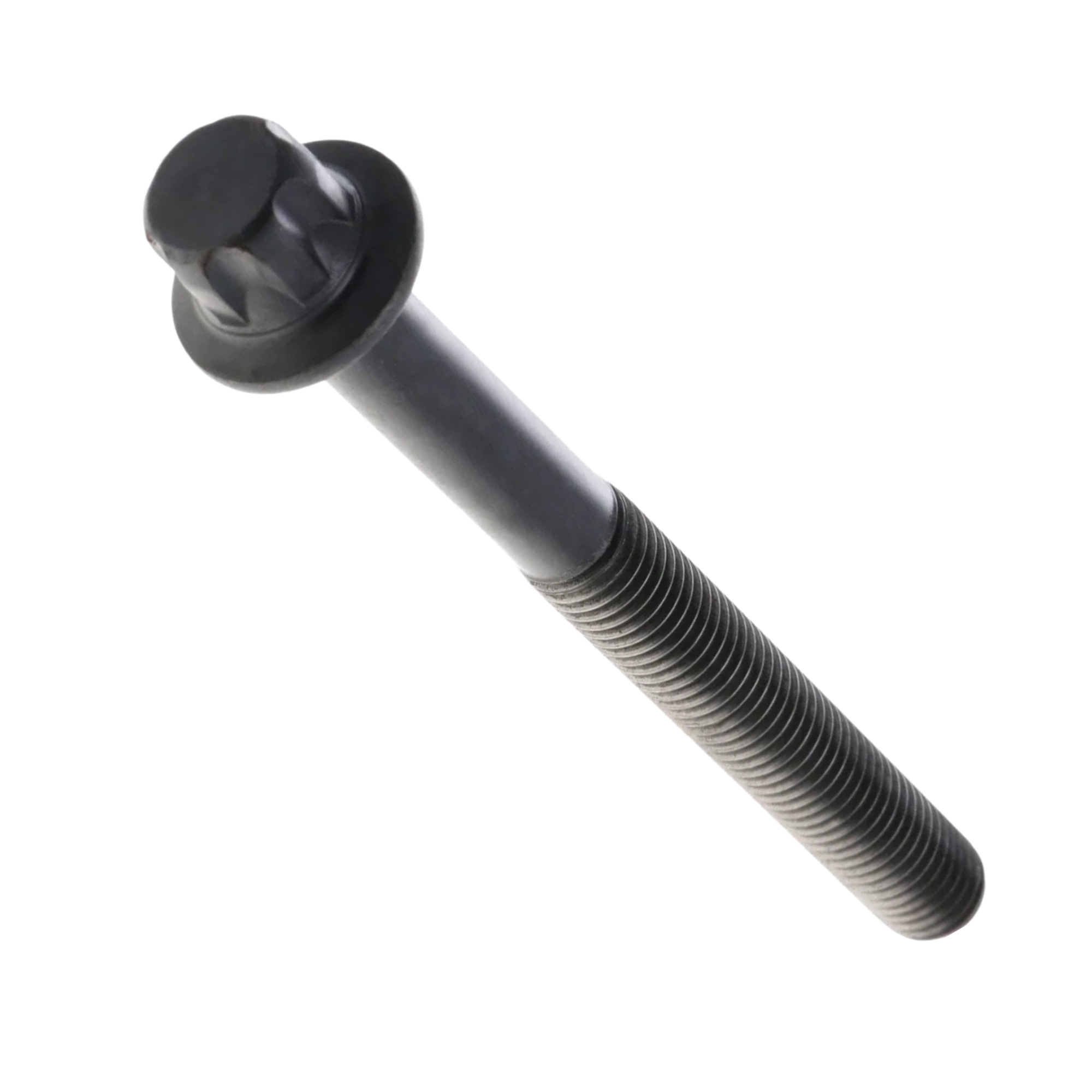 | 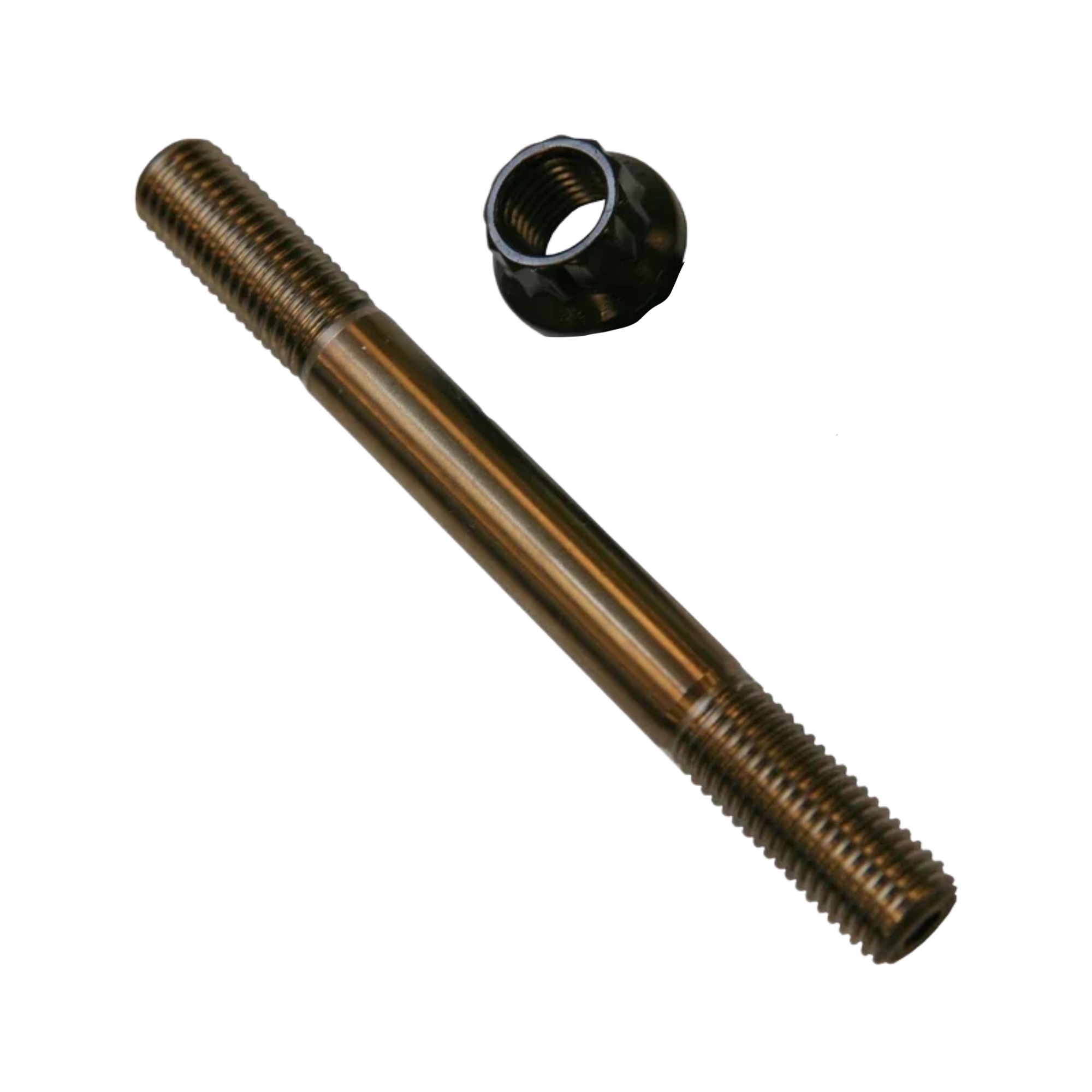 | |
| Material | Depends on the original crankcase fastener of 3.0 to 3.3 L | Inconel 718, tensile strength 210,000 to 230,000 psi (ARP catalogue), kit 204-5405 |
| Thread lubricant | Depends on the original crankcase fastener of 3.0 to 3.3 L | Permatex 133A paste, the only one allowed by the instruction sheet (204-5405) |
| Final tightening | Depends on the original crankcase fastener of 3.0 to 3.3 L | Single pass to the value in the ARP instruction sheet (204-5405) |
| Model | Engine code | Power | Years |
| Porsche 911 / 930, air-cooled 3.0 L engine | |||
| Porsche 911 / 930, air-cooled 3.3 L engine |
On an air-cooled Porsche engine of 3.0 to 3.3 L that is pushed hard, the loads on the crankshaft rise and the crankcase takes them through its fasteners. ARP kit 204-5405, in Inconel, costs little compared with a crankcase to repair and a crankshaft to replace.