Product successfully added to your shopping cart
Quantity
Total
There are 0 items in your cart. There is 1 item in your cart.
Total products
Total shipping To be determined
Total

1.4L 16v - T-Jet
Manufacturers
1.4L 16v - T-Jet
Warning: Last items in stock!
New product
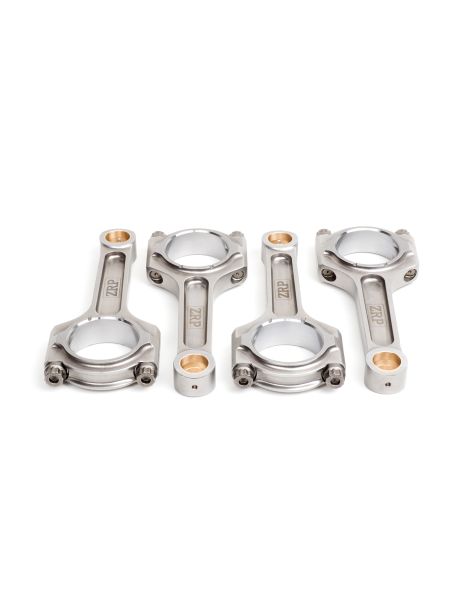
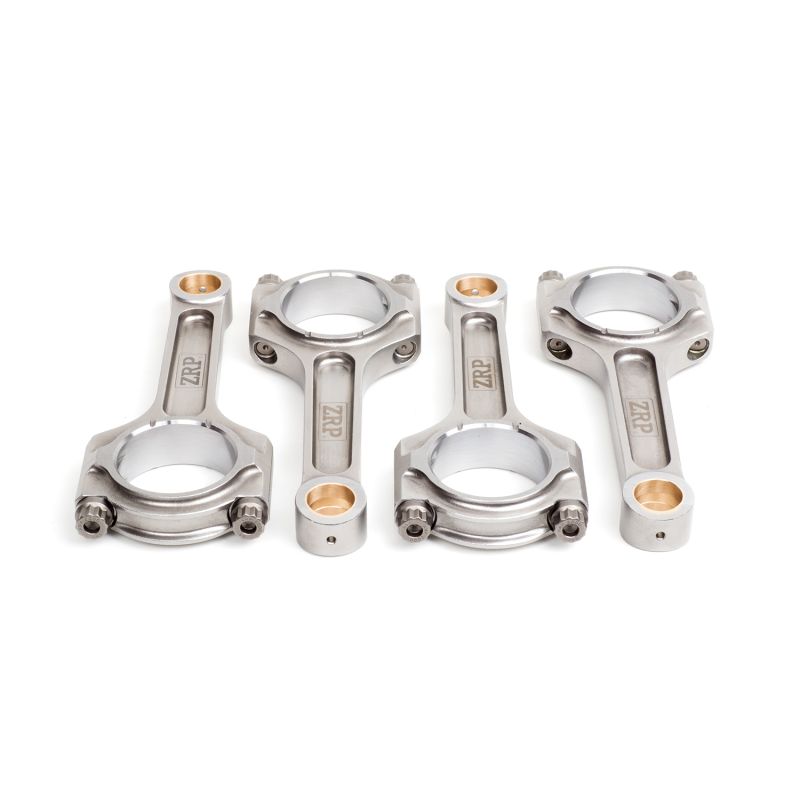
Set of 4 forged 4340 steel connecting rods for the Abarth and Fiat 1.4 16V T-Jet.
The 1.4 T‑Jet (engine code 169A) is a 1,368 cc inline four-cylinder petrol engine from Fiat’s FIRE family. It combines a 72 mm bore with an 84 mm stroke, twin overhead camshafts operating 16 valves and a 9.8:1 compression ratio. Turbocharging with an air-to-air intercooler and multipoint manifold injection give it generous torque from low engine speeds.
First seen on the Fiat Grande Punto Abarth (155 hp) and then on the Abarth 500, 595 and 695, this T‑Jet unit was offered with factory outputs ranging from roughly 135 to 180 hp depending on model year and trim (Turismo, Competizione, 695 versions). Compact and eager, it is a sought-after tuning base: with suitable engine management and a larger turbo it handles power levels well above stock, which quickly puts the standard rotating assembly under strain.
Forged from 4340 chromium-molybdenum steel, these connecting rods feature a compacted internal grain structure and oriented fibre flow that give them fatigue and tensile strength far beyond cast or sintered factory rods. Each piece is then shot-peened and weight-matched, ensuring a balanced rotating assembly from one cylinder to the next.
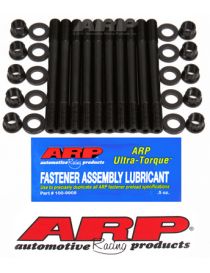
Designed to withstand large increases in boost pressure and engine speed, they are aimed at engines built for drift, drag, circuit racing, rally, hillclimb or time attack. Depending on the state of tune (from a mild Stage 1 up to the most aggressive big-turbo builds), they safely support power levels well beyond stock while preserving the reliability of the bottom end. The ARP hardware supplied with the kit completes the package, guaranteeing precise and repeatable clamping.
| Reference | Brand | Profile | Bolts | Pin diameter | Small-end width | Big-end diameter | Big-end width | Center-to-center | Weight per rod |
|---|---|---|---|---|---|---|---|---|---|
| R-FIA-003-I | ZRP | I | ARP 2000-5/16" | 18 | 45,1 | 21,7 | 129 | 406 g | |
| R-FIA-003-I-L19 | ZRP | I | ARP L19-5/16" | 18 | 45,1 | 21,7 | 129 | 406 g |
| Rod | Bolts | Torque | Recommended stretch |
|---|---|---|---|
| ZRP (R-FIA-003-I) | ARP 2000 (5/16") | 40,7 N·m | 0,140–0,152 mm |
| ZRP (R-FIA-003-I-L19) | ARP L19 (5/16") | 54,2 N·m | 0,127–0,140 mm |
Manufacturers recommend checking bolt stretch (stretch gauge) as the reference method; when in doubt, the instructions supplied with the kit always take precedence. Any torque figures given assume assembly lubricated with ARP grease.
| 4340 is a low-alloy nickel-chromium-molybdenum steel prized for its excellent balance of mechanical strength, toughness and fatigue endurance. Unlike factory rods made by powder metallurgy (sintered metal), which snap cleanly under overload, a forged 4340 rod deforms progressively before failing, leaving a valuable safety margin on a boosted engine. After forging, the part is quenched and tempered, raising its tensile strength to around 1,100 to 1,300 MPa depending on heat treatment. |
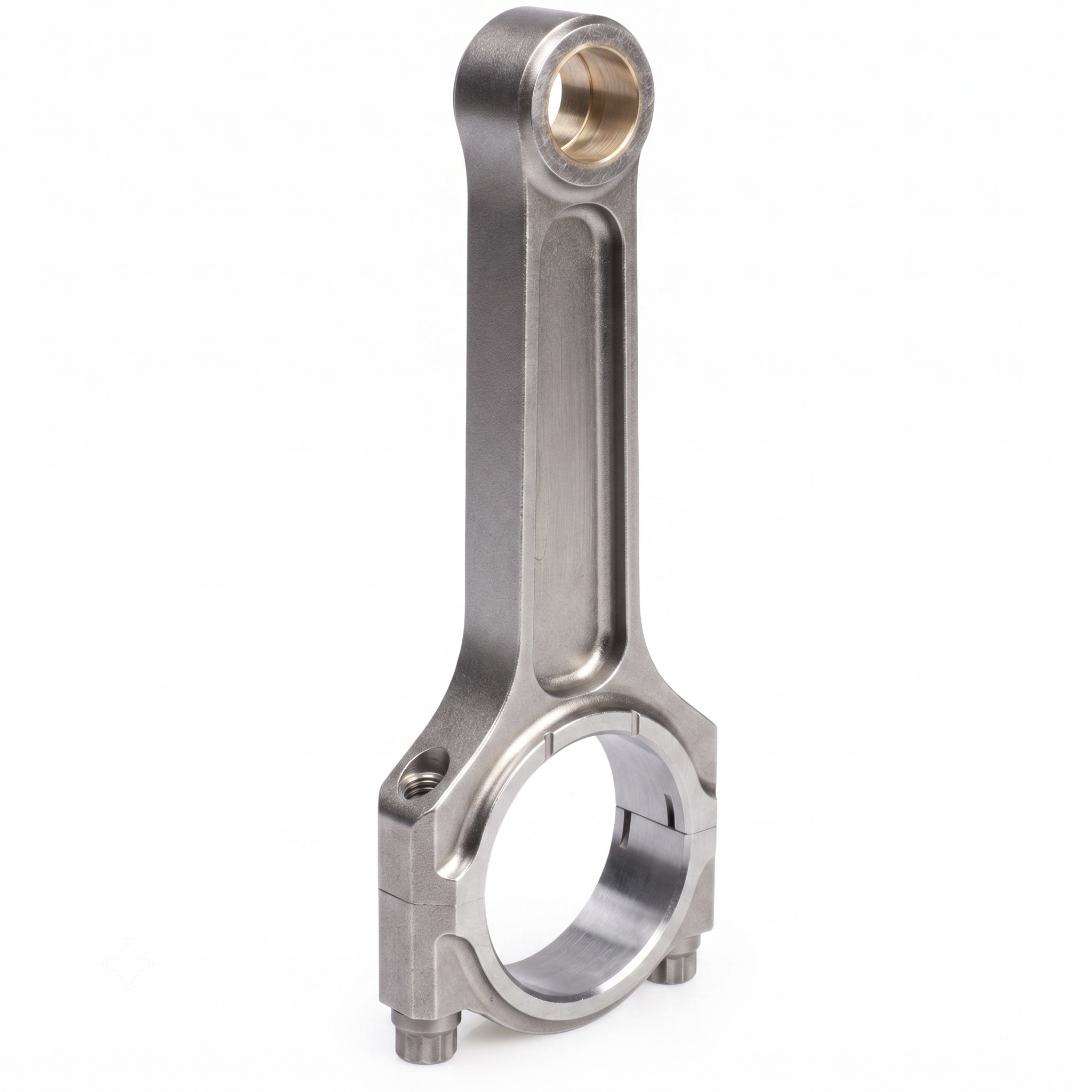 | I-beam profile. Its straight I-shaped central section offers the best stiffness-to-weight ratio for turbo engines that rev quickly. Light and stiff in compression, it limits the inertia of the rotating assembly while withstanding without complaint the high boost pressures of a tuned 1.4 T‑Jet. |
The connecting-rod bolt is one of the most heavily loaded parts of the engine: it must keep the cap firmly clamped despite considerable alternating loads. ARP manufactures its bolts from selected high-strength steels, machined and thread-rolled to deliver clamping strength and repeatability far superior to factory hardware.
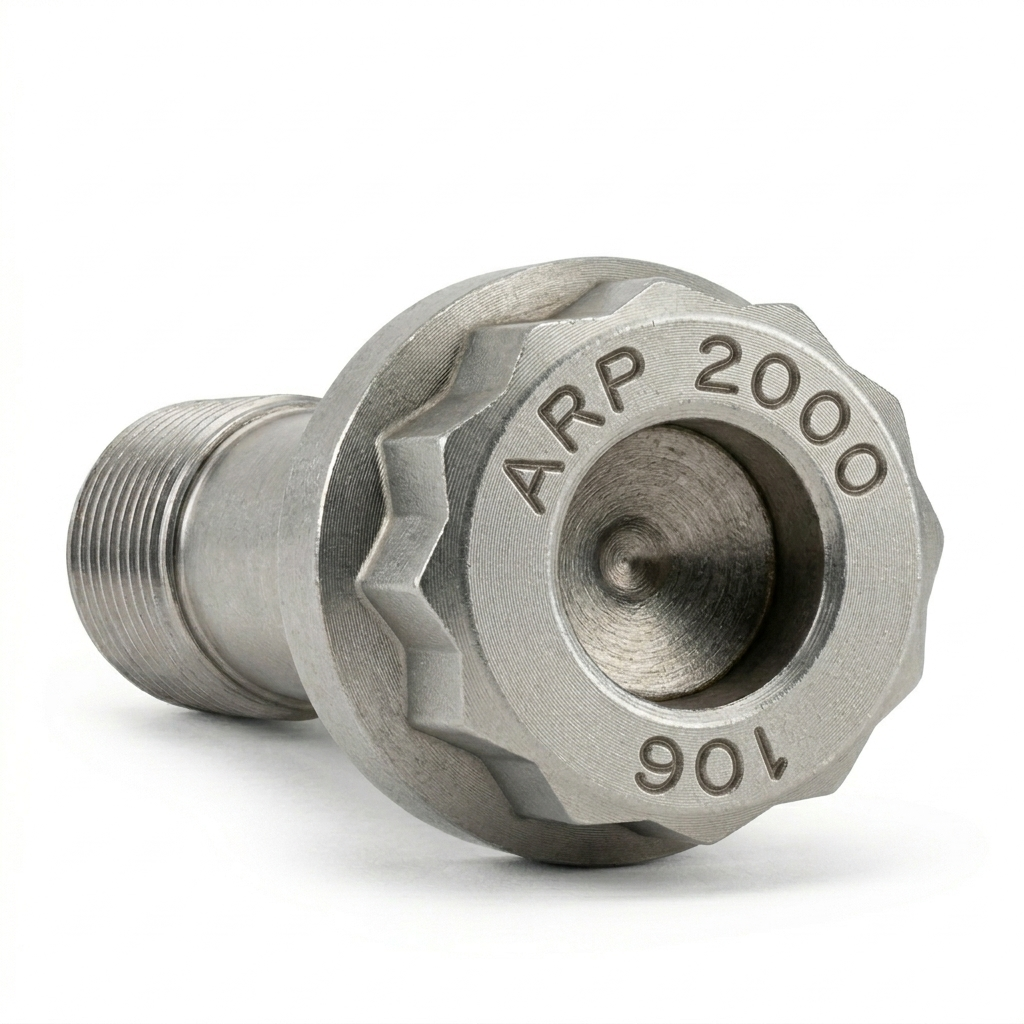 | ARP 2000 (tensile strength around 220,000 psi): ARP’s versatile reference grade, suited to the vast majority of 1.4 T‑Jet turbo builds. It combines excellent mechanical strength with great versatility. |
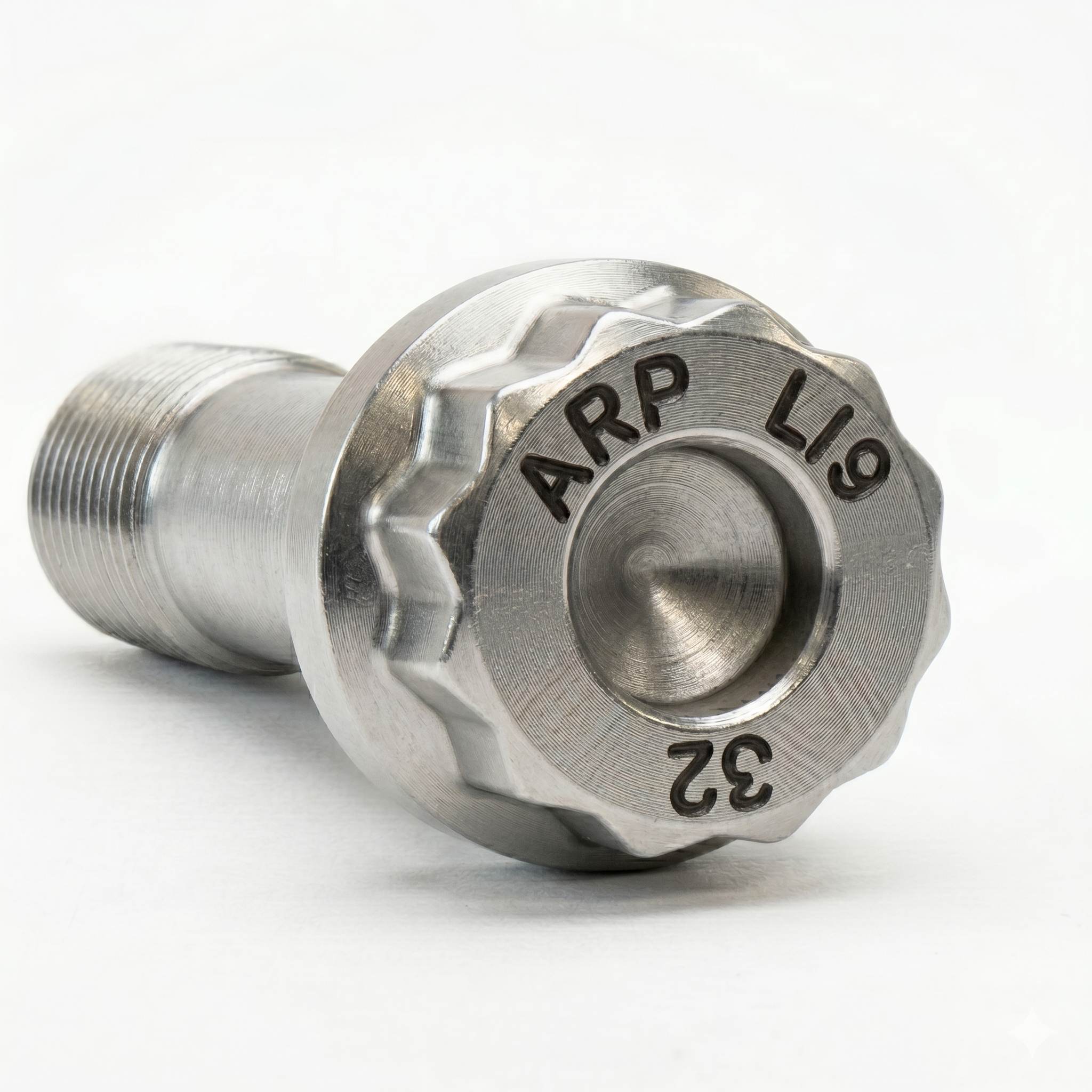 | ARP L19 (tensile strength around 260,000 psi): a very high-strength steel intended for the most demanding builds and high engine speeds. Prone to corrosion, it requires a protective oil film and careful assembly. |
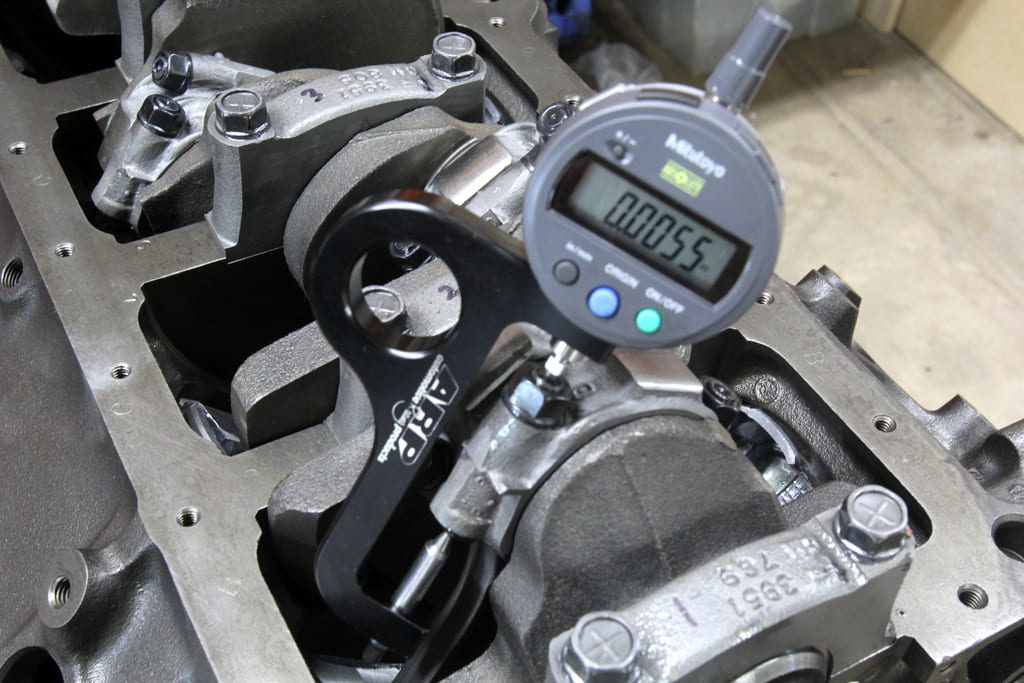
| In addition to torque tightening, measuring bolt stretch is the most reliable way to guarantee correct preload: the actual elongation of each bolt is measured with a dedicated gauge, eliminating thread-friction variations. This is the method ARP recommends for high-performance hardware. |
 | ZRP is a Greek forged connecting-rod brand designed by Alex Drakos (Drakos Engineering, Athens), specialising exclusively in high-performance forged engine parts. Its 4340 steel rods, fitted with a bronze small-end bush and supplied with ARP hardware, are proven in competition (drift, drag, circuit). |
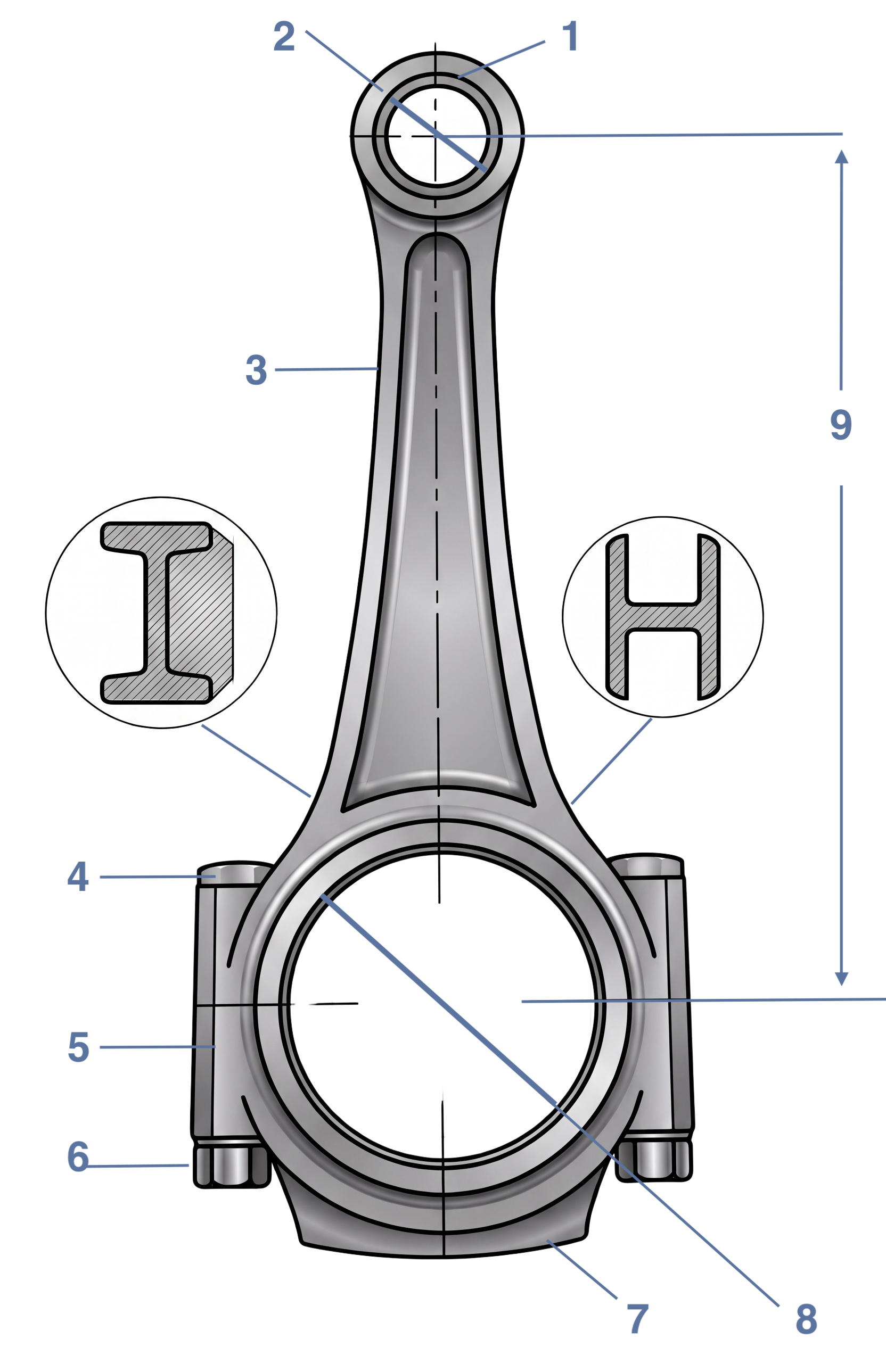 | 1) Small end 2) Small-end diameter 3) Rod beam 4) Rod bolt 5) Big end 6) Rod nut / bolt 7) Rod cap 8) Big-end diameter 9) Center-to-center |
These forged connecting rods are compatible with all vehicles fitted with the Fiat group’s 1.4 16V T‑Jet engine listed below:
| Brand | Model (chassis) | Engine code | Power | Years |
|---|---|---|---|---|
| Abarth | 500 | 169A | 135–140 hp | 2008–2015 |
| Abarth | 595 | 145–180 hp | 2012–2018 | |
| Abarth | 695 | |||
| Abarth | Grande Punto | 155 hp | 2008–2010 |
OEM reference:
When the factory bottom end reaches its limits against a tuning project, rebuilding it with standard parts quickly becomes expensive for a result that will remain fragile. Forged 4340 rods tackle the problem at the root by removing the weak link in the rotating assembly.
For a controlled budget, often comparable to that of a simple set of reinforced rods, you get a base capable of handling power increases over the long term, without having to open the engine again at the first upgrade.
For the same budget: more reliability, more headroom for tuning and lasting value retention. Over time it is the most economical way to make a high-performance 1.4 T‑Jet reliable.