- In stock
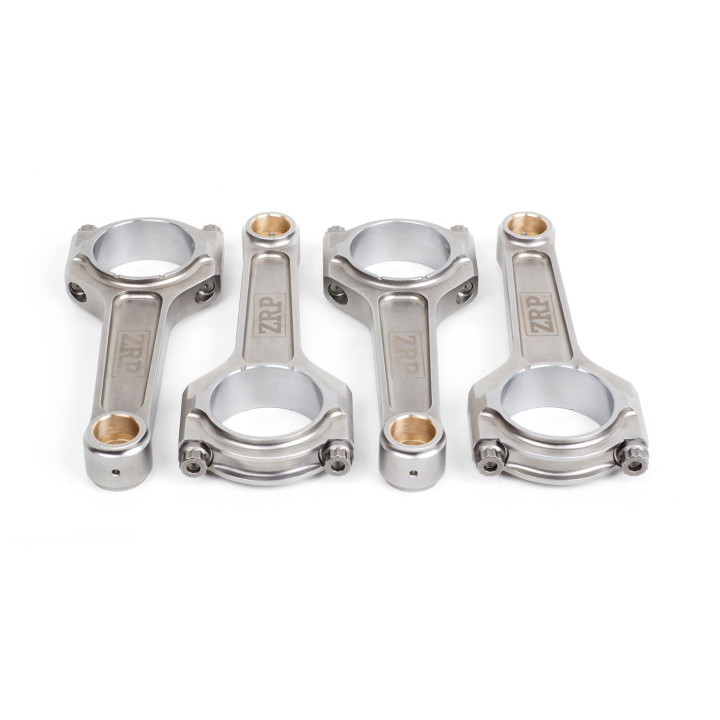
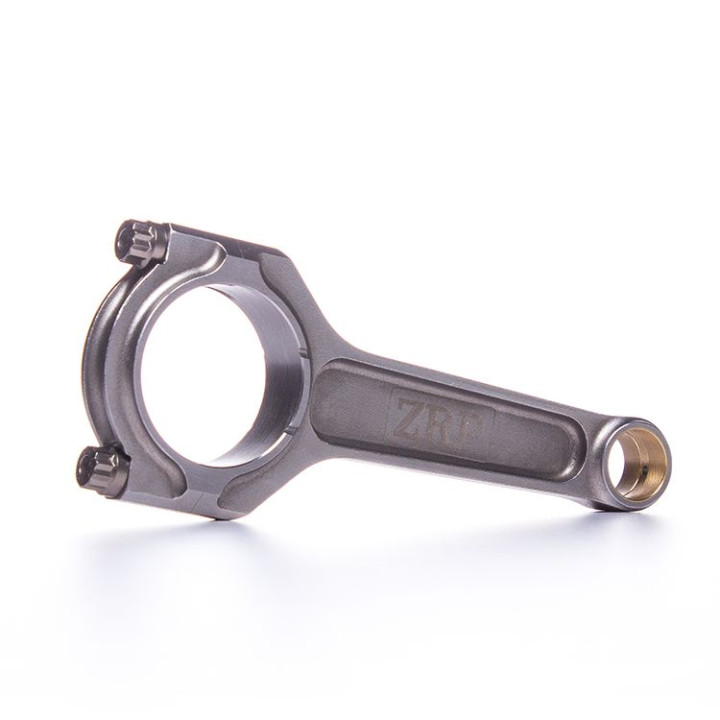
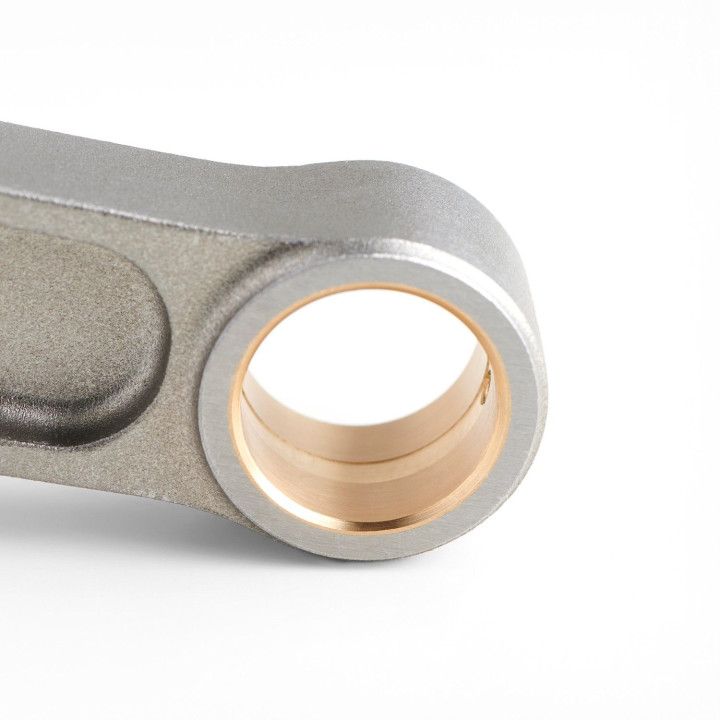


Forged connecting rods Audi Volkswagen - 2.0L 16V TSI - EA888 Gen.1 (21 mm pin) for forged pistons
Set of 4 forged rods in 4340 steel for the Audi Volkswagen 2.0 TSI EA888 Gen.1.
Brands : Boostline, ZRP
Compatibility : Audi A3/TT/Q5, VW Golf/Passat/Scirocco/Tiguan, Seat Leon, Škoda Octavia
Engine codes : CBFA, CCTA, CCZA, CCZB, CDNB, CDNC, CAEA, CAEB
Bolts included: ARP 2000, L19 or CA625+
The 2.0 TSI EA888 Gen.1 engine
The first-generation 2.0 TSI EA888 opens the EA888 family: an inline four-cylinder petrol engine with direct injection and turbocharging, its valvetrain driven by a timing chain. It displaces 1,984 cc (82.5 mm bore, 92.8 mm stroke). Built mainly from 2007 to 2011, it powered a broad range of Volkswagen Group models , Golf V and VI GTI, Tiguan, Scirocco, Passat B6/B7, Audi A3 8P, A4 B8, A5, TT 8J , with outputs spread from 180 to 211 hp depending on the engine code (CCTA, CCZA, CCZB, CBFA, CAEB, CAEA, CDNB, CDNC). This Gen.1 variant is recognised by its 21 mm piston pin paired with a 144 mm rod center-to-center.
A layout favoured by tuners, the 2.0 TSI EA888 welcomes extra power without trouble. Yet as soon as boost pressure, engine speed or torque is pushed hard, the factory rod becomes the weak point of the reciprocating assembly: it is the first to break on the most heavily worked blocks. Fitting forged rods is therefore the decisive step to make an EA888 Gen.1 last when you truly want to unlock its potential.
The forged connecting rods
Our forged rods dedicated to the 2.0 TSI EA888 Gen.1 are cut from wrought 4340 steel, the reference material for the most demanding builds. They answer every discipline , circuit and trackday, drift, rally, drag, time attack, hillclimb , and suit a heavily optimised street 2.0 TSI just as well as a competition block. Whether the goal is Stage 2, a high-power Stage 3 or Stage 4 and beyond, they follow the rise in performance without ever compromising on toughness. Each kit gathers 4 rods weight-selected to ±1 g and strictly keeps the factory 21 mm piston pin and 144 mm center-to-center.
Where the factory-fitted rod stays sized for the cost of very-high-volume manufacturing, the forged 4340 rod frees up a clearly larger mechanical margin: around +19% on yield strength, +8% on tensile strength and +19 to +37% on fatigue life. That reserve lets the boosted EA888 take cylinder-pressure peaks and inertia loads with no crack initiation. Two profiles are offered depending on the goal: the lightened I-HD by ZRP and the reinforced I-3P by Boostline.
OEM reference: 06H198401A (set of 4 rods).
Technical specifications of the EA888 Gen.1 forged rods (21 mm pin, 144 mm center-to-center)
| Reference | Brand | Profile | Rod bolts | Pin bore (mm) | Small-end width (mm) | Big-end bore (mm) | Big-end width (mm) | Center-to-center (mm) | Weight (g) |
|---|---|---|---|---|---|---|---|---|---|
| VW5669-827 | Boostline | I-3P | ARP 2000-3/8"-38mm | 21 | 22 | 50,6 | 21,9 | 144 | 634 |
| VW5669-827+ | Boostline | I-3P | ARP CA625+-3/8"-38mm | 21 | 22 | 50,6 | 21,9 | 144 | 634 |
| R-AUD-009-I | ZRP | I-HD | ARP 2000-3/8"-38mm | 21 | 50,6 | 21,9 | 144 | 488 | |
| R-AUD-009-I-L19 | ZRP | I-HD | ARP L19-3/8"-38mm | 21 | 50,6 | 21,9 | 144 | 488 |
ZRP: Straight, non-tapered pin end.
Tightening torque and stretch
The torque and stretch quoted relate to the ARP bolts supplied with the kit; refer to the technical sheet enclosed. Checking with a stretch gauge remains the most reliable and repeatable method to guarantee preload.
| Reference | Brand | Rod bolts | Torque | Recommended stretch |
|---|---|---|---|---|
| VW5669-827 | Boostline | ARP 2000-3/8"-38mm | 75 N·m | 0.130 to 0.140 mm |
| VW5669-827+ | Boostline | ARP CA625+-3/8"-38mm | 115 N·m | 0.170 to 0.180 mm |
| R-AUD-009-I | ZRP | ARP 2000-3/8"-38mm | 61 N·m | 0.140 to 0.152 mm |
| R-AUD-009-I-L19 | ZRP | ARP L19-3/8"-38mm | 67.8 N·m | 0.152 to 0.165 mm |
Technical guide
Forged 4340 steel: what is it?
| 4340 is a low-alloy steel enriched with nickel, chromium and molybdenum. Forging orients the metal grain along the load paths, closes foundry micro-porosity and provides mechanical strength unrelated to that of a cast or sintered production rod: about +19% yield strength, +8% tensile strength and +19 to +37% fatigue endurance. The target sits around 930 to 1,080 MPa of tensile strength, precisely what an engine gaining torque, revs or boost demands. This material makes up the entirety of our EA888 Gen.1 range. |
The rod profiles offered
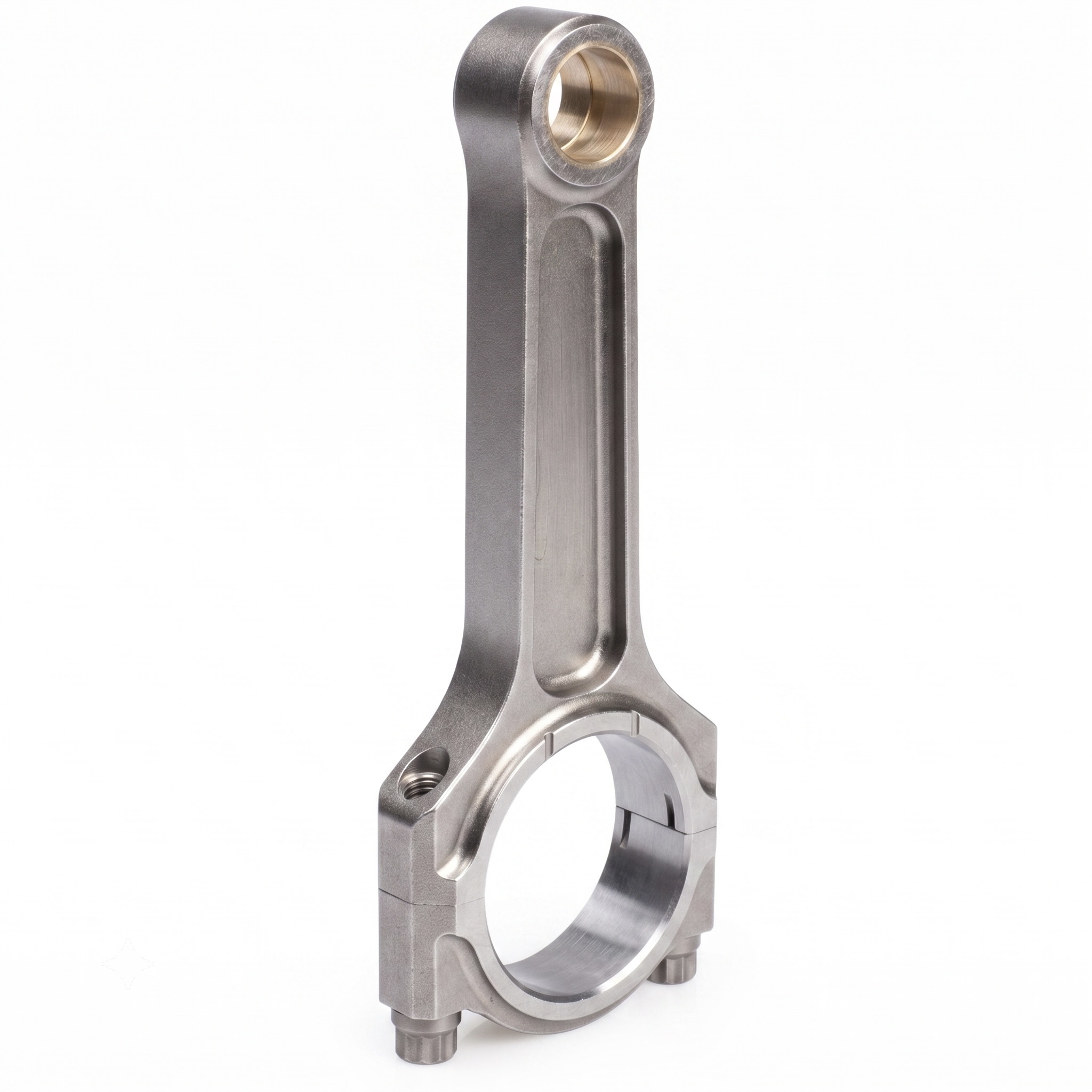 |
I-beam profile. Its thinned central section, bordered by two flanges that form the “I” shape, lets the rod keep high rigidity while limiting its mass. This profile is the preferred choice for modern turbo engines such as the 2.0 TSI EA888 Gen.1, whether the aim is to make the bottom end reliable or to support rising boost pressure. Its I-HD (Heavy Duty) version, with a reinforced and thickened beam, targets extreme loads, with turbo, supercharger or nitrous oxide. |
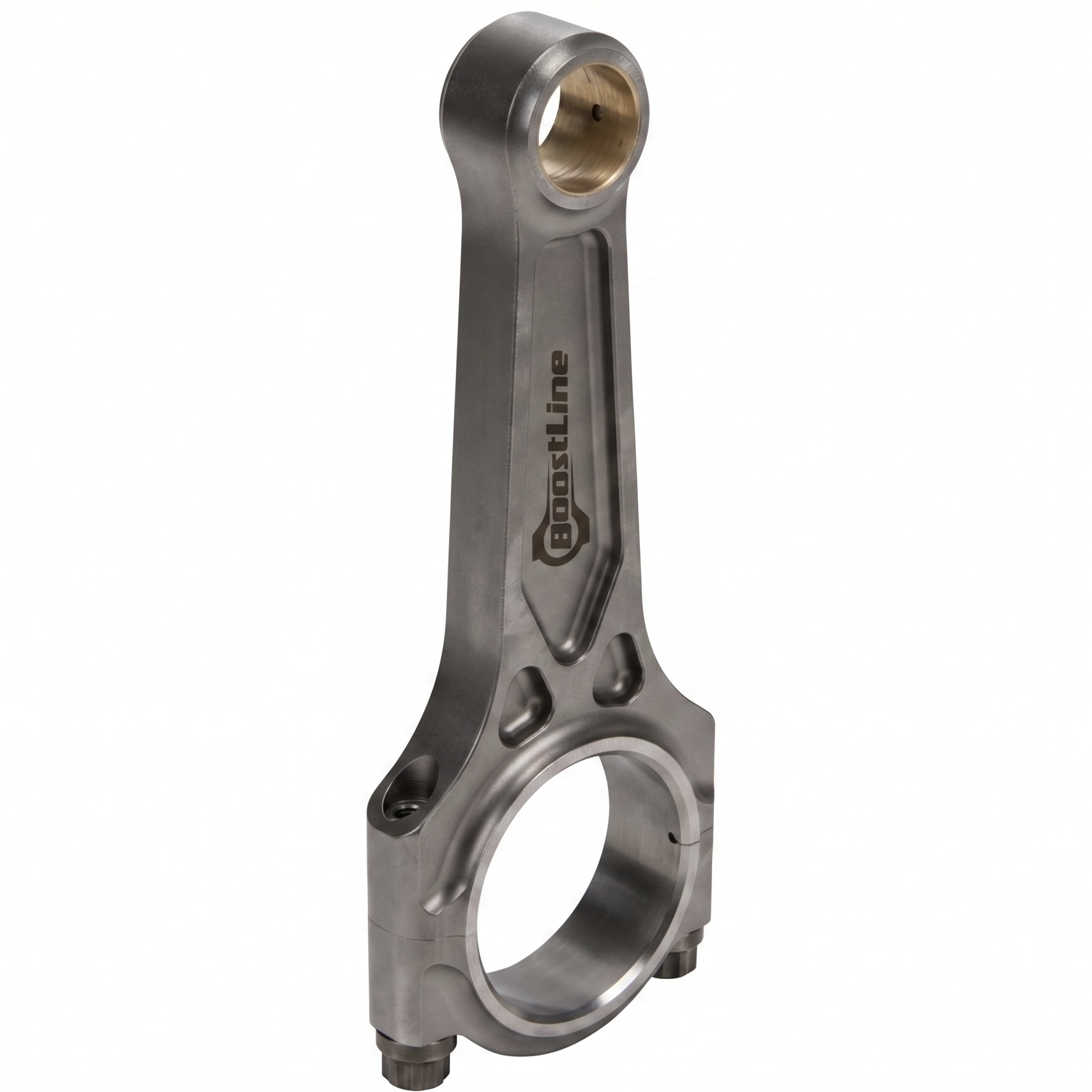 |
I-3P profile (Boostline). This patented three-pocket profile was developed by Boostline to combine the advantages of H-beam and I-beam sections: maximum strength paired with a lighter rotating mass. The manufacturer dedicates it to boosted engines, including at high boost pressures, whether turbocharged, supercharged or running nitrous oxide. |
How to choose your rod bolts? 
Bolts are selected according to the degree of tuning; three ARP grades are offered, all in the 3/8" diameter matching the EA888 Gen.1 center-to-center:
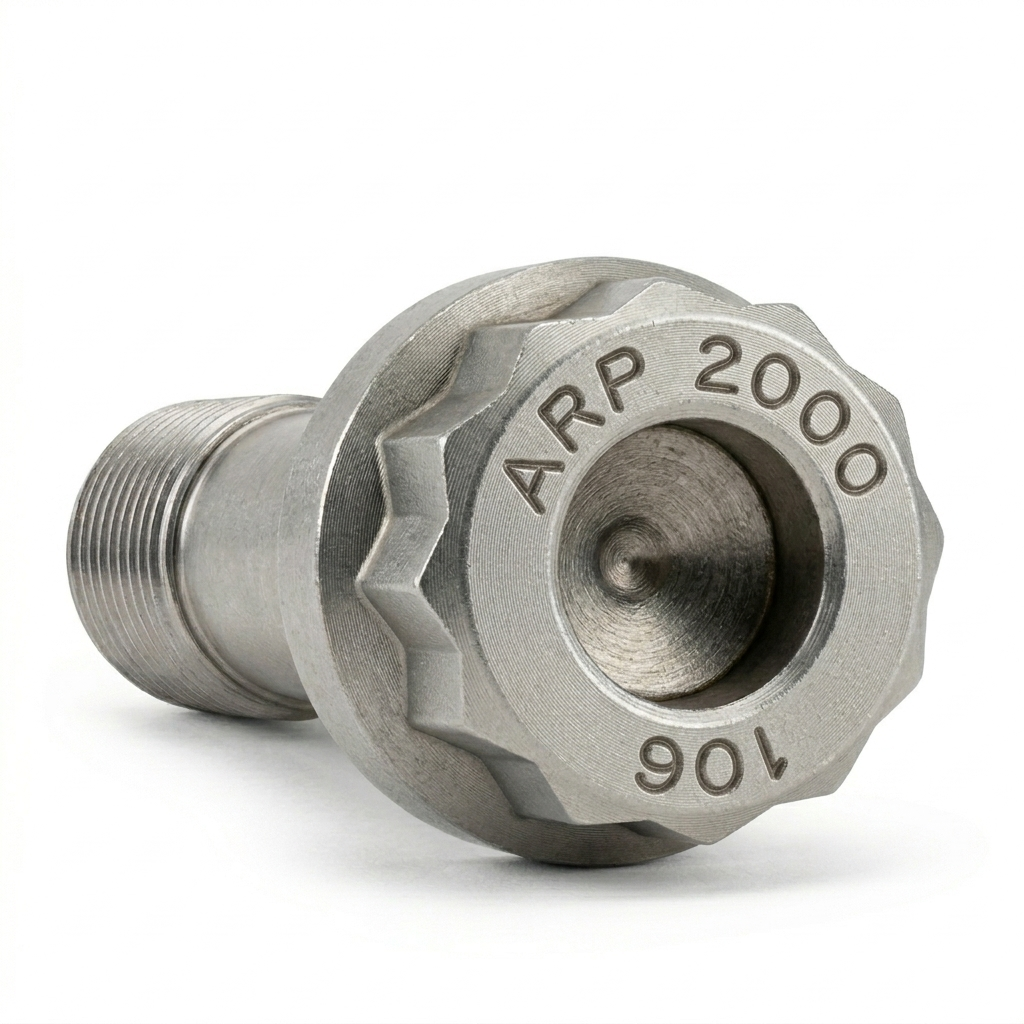 |
ARP 2000: the benchmark all-round alloy, with a tensile strength close to 220,000 psi (1,517 MPa). It is the default option: it answers the vast majority of projects, from a simple boost increase to high power, and makes the bottom end last. It secures power of around 200 hp per cylinder and rpm up to 8,500. |
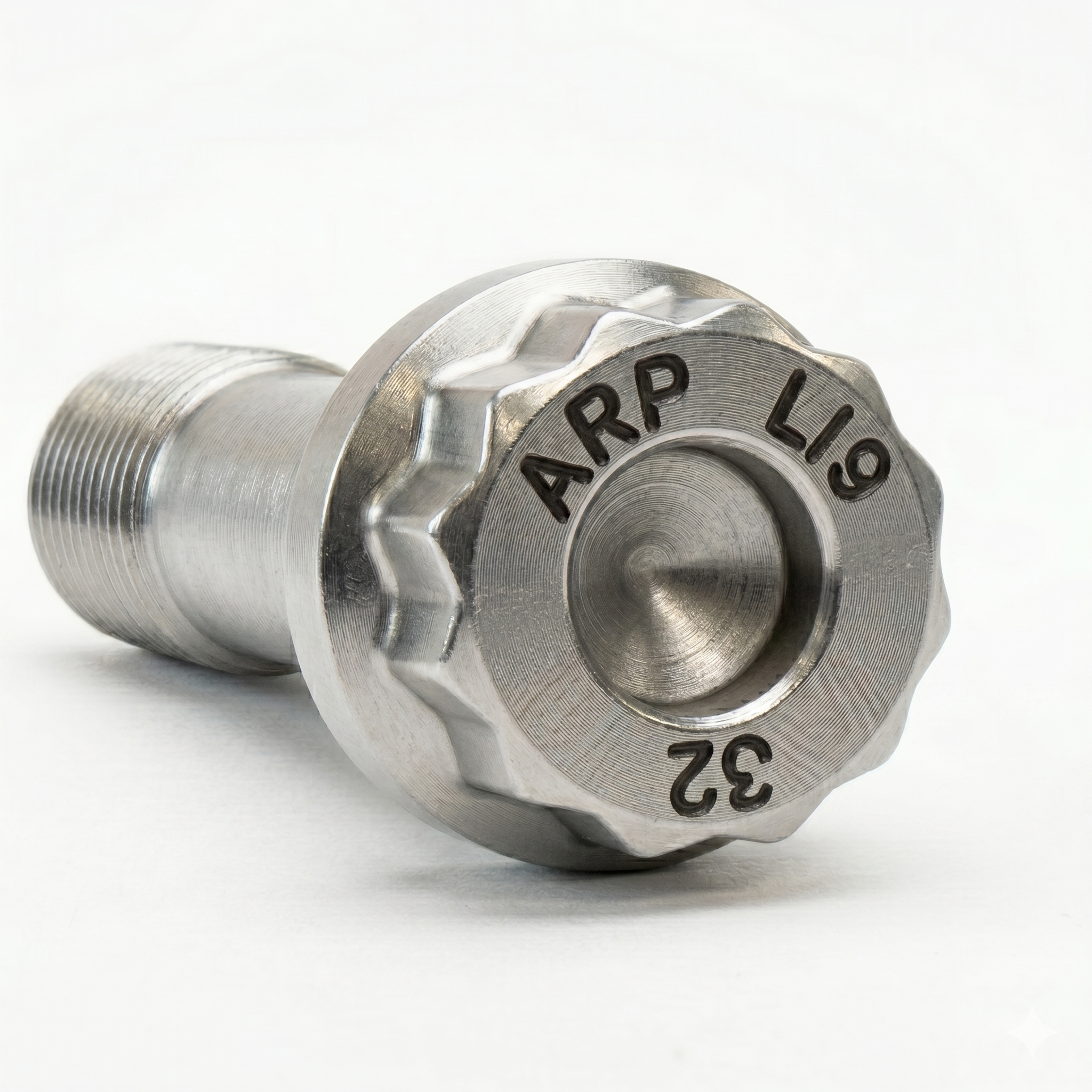 |
ARP L19: a higher-strength alloy, around 260,000 psi (1,793 MPa), intended for heavily worked engines running at high rpm and high cylinder pressure. More exposed to corrosion and hydrogen, it calls for careful storage and stays reserved for pushed builds (ZRP I-HD profile). It targets serious turbo builds, up to nearly 250 hp per cylinder and rpm up to 10,000. |
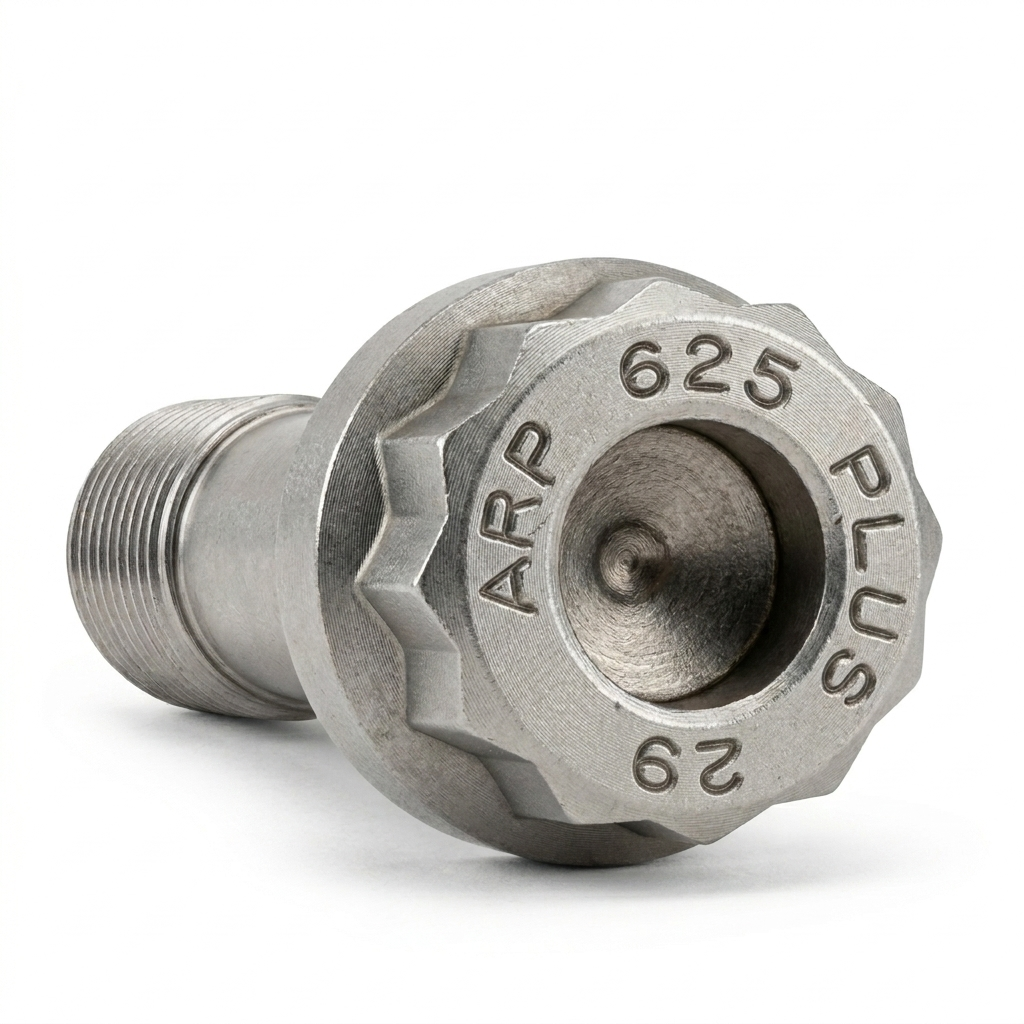 |
ARP Custom Age 625+: the premium alloy, from 260,000 to 280,000 psi (1,793 to 1,931 MPa), combining very high strength with immunity to hydrogen embrittlement and no storage constraint. It is the grade for the most extreme builds (Boostline I-3P profile). Reserved for extreme builds, beyond 250 hp per cylinder and rpm beyond 10,000. |
Measuring bolt stretch
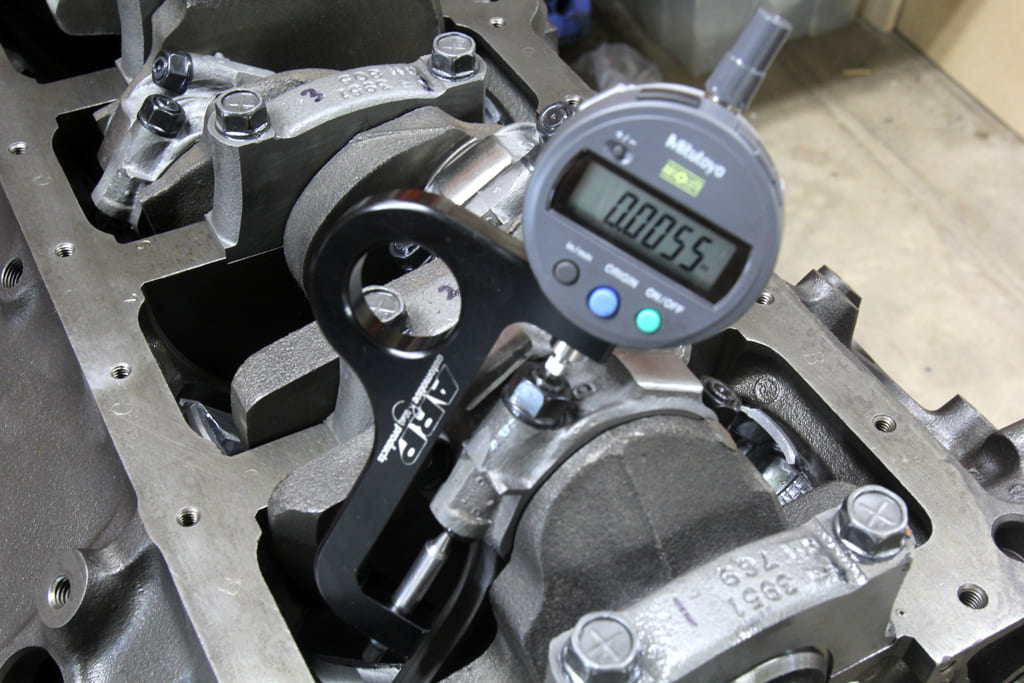
| The safest way to guarantee preload is not to aim for a torque figure but to measure bolt stretch with a dial gauge. Tighten in steps until the recommended stretch is reached , 0.130 to 0.152 mm for ARP 2000 depending on the brand, 0.152 to 0.165 mm for ARP L19 and 0.170 to 0.180 mm for ARP Custom Age 625+ , ensuring an even, repeatable clamp load, cylinder after cylinder. |
The brands offered
 |
Boostline , a forged-rod range developed in the United States by Wiseco. Its three-pocket I-beam body (I-3P) brings reinforced bending stiffness, suited to high-torque, high-power engines. The rods are weighed and matched, supplied with ARP 2000 or ARP Custom Age 625+ bolts, as a complete set of 4. |
 |
ZRP , a specialist in race forged rods founded by Alex Drakos in Athens, Greece. Each rod is machined from forged 4340 steel then weight-matched to ±1 g. For the EA888 Gen.1, ZRP supplies the I-HD profile, with either ARP 2000 or ARP L19 bolts, as a complete set of 4. |
Glossary
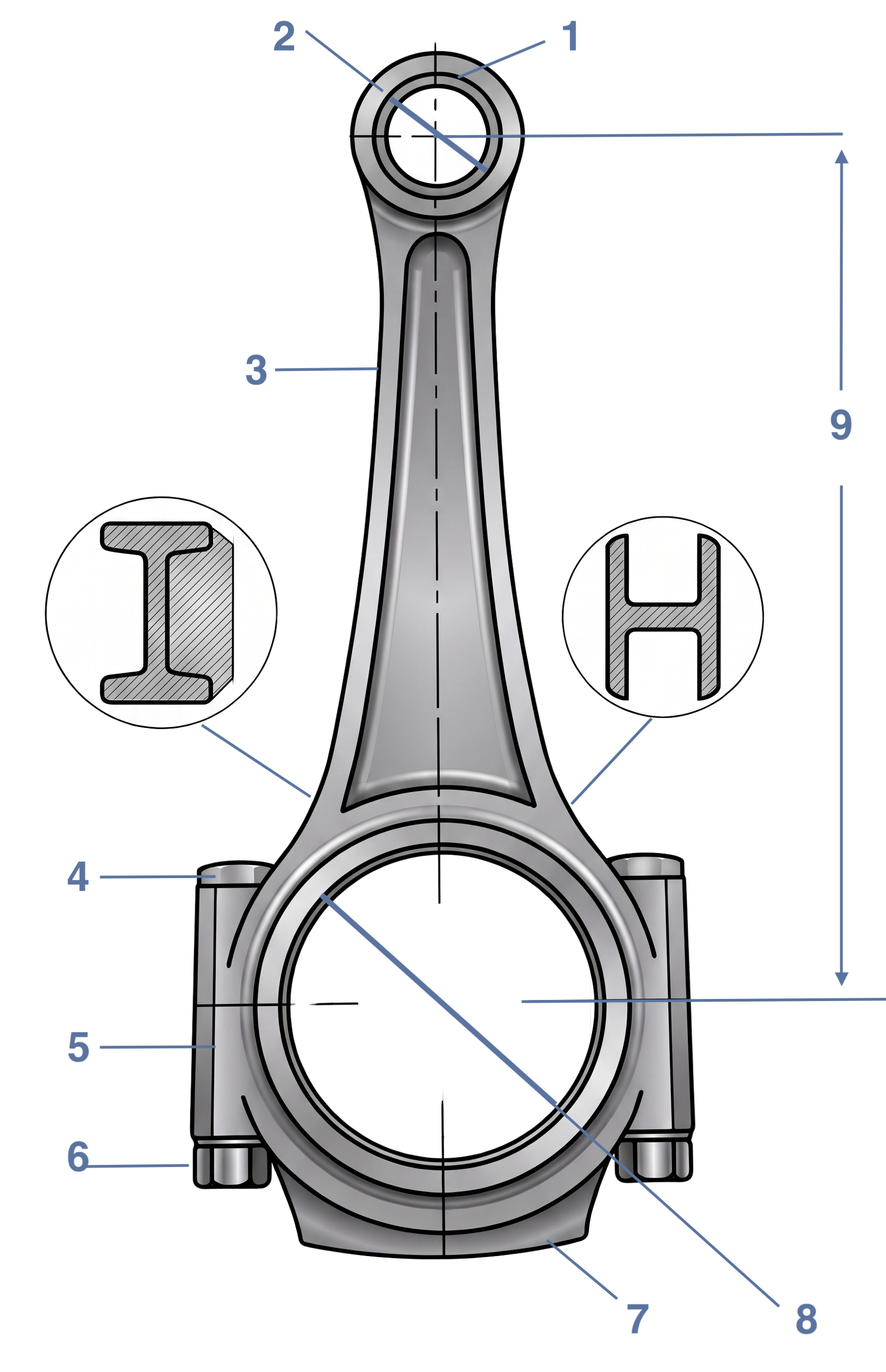 |
1) Small end 2) Small-end diameter 3) Rod beam 4) Rod bolt 5) Big end 6) Rod nut / bolt 7) Rod cap 8) Big-end diameter 9) Center-to-center |
Vehicle compatibility for the 2.0 TSI EA888 Gen.1 engine
The models listed below receive the Audi Volkswagen 2.0L 16V TSI EA888 Gen.1 engine. Check the piston pin diameter and the rod centre-to-centre length before validating your basket. Variant concerned: 21 mm pin.
| Make | Model (chassis) | Engine code | Power | Years |
|---|---|---|---|---|
| Audi | A3 (8P1) 2.0 TFSI | CCZA | 200 hp | 2004–2012 |
| Audi | A3 (8P1) 2.0 TFSI quattro | CBFA / CCTA / CCZA | 200 hp | 2004–2012 |
| Audi | A3 Cabriolet (8P7) 2.0 TFSI | CCZA | 200 hp | 2008–2013 |
| Audi | A3 Sportback (8PA) 2.0 TFSI | CBFA / CCTA / CCZA | 200 hp | 2004–2013 |
| Audi | A3 Sportback (8PA) 2.0 TFSI quattro | CBFA / CCTA / CCZA | 200 hp | 2004–2013 |
| Audi | A4 Allroad B8 (8KH) 2.0 TFSI quattro | CDNC | 211 hp | 2009–2016 |
| Audi | A4 B8 (8K2) 2.0 TFSI | CAEB / CDNC | 211 hp | 2008–2013 |
| Audi | A4 B8 (8K2) 2.0 TFSI | CAEA / CDNB | 180 hp | 2008–2015 |
| Audi | A4 B8 (8K2) 2.0 TFSI quattro | CAEB / CDNC | 211 hp | 2008–2015 |
| Audi | A4 B8 Avant (8K5) 2.0 TFSI | CAEB / CDNC | 211 hp | 2008–2013 |
| Audi | A4 B8 Avant (8K5) 2.0 TFSI | CDNB | 180 hp | 2008–2015 |
| Audi | A4 B8 Avant (8K5) 2.0 TFSI quattro | CAEB / CDNC | 211 hp | 2008–2015 |
| Audi | A5 (8T3) 2.0 TFSI | CDNC | 211 hp | 2008–2013 |
| Audi | A5 (8T3) 2.0 TFSI | CDNB | 180 hp | 2008–2012 |
| Audi | A5 (8T3) 2.0 TFSI quattro | CAEB / CDNC | 211 hp | 2008–2017 |
| Audi | A5 Cabriolet (8F7) 2.0 TFSI | CAEB / CDNC | 211 hp | 2009–2014 |
| Audi | A5 Cabriolet (8F7) 2.0 TFSI | CAEA / CDNB | 180 hp | 2009–2012 |
| Audi | A5 Cabriolet (8F7) 2.0 TFSI quattro | CAEB / CDNC | 211 hp | 2009–2017 |
| Audi | A5 Sportback (8TA) 2.0 TFSI | CDNB | 180 hp | 2009–2014 |
| Audi | A5 Sportback (8TA) 2.0 TFSI | CDNC | 211 hp | 2009–2013 |
| Audi | A5 Sportback (8TA) 2.0 TFSI quattro | CDNC | 211 hp | 2009–2017 |
| Audi | A6 C7 (4G2, 4GC) 2.0 TFSI | CAEB | 211 hp | 2011–2013 |
| Audi | A6 C7 (4G2, 4GC) 2.0 TFSI | CDNB | 180 hp | 2011–2018 |
| Audi | A6 C7 (4G2, 4GC) 2.0 TFSI quattro | CAEB | 211 hp | 2012–2015 |
| Audi | A6 C7 (4G2, 4GC) 2.0 TFSI quattro | CAEB | 223 hp | 2013–2018 |
| Audi | A6 C7 Avant (4G5, 4GD) 2.0 TFSI | CDNB | 180 hp | 2011–2018 |
| Audi | Q3 (8UB, 8UG) 2.0 TFSI | CCTA | 200 hp | 2014–2018 |
| Audi | Q3 (8UB, 8UG) 2.0 TFSI quattro | CCTA | 200 hp | 2014–2018 |
| Audi | Q5 (8RB) 2.0 TFSI quattro | CAEB / CDNC | 211 hp | 2008–2012 |
| Audi | Q5 (8RB) 2.0 TFSI quattro | CDNB | 180 hp | 2009–2017 |
| Audi | TT (8J3) 2.0 TFSI | CCTA | 200 hp | 2006–2010 |
| Audi | TT (8J3) 2.0 TFSI | CCTA | 203 hp | 2008–2010 |
| Audi | TT (8J3) 2.0 TFSI quattro | CCTA / CCZA | 200 hp | 2008–2010 |
| Audi | TT Roadster (8J9) 2.0 TFSI | CCTA | 200 hp | 2007–2010 |
| Audi | TT Roadster (8J9) 2.0 TFSI quattro | CCTA / CCZA | 200 hp | 2008–2010 |
| Audi (FAW) | A6L C7 (4X8, 4XL) 2.0 TFSI | CDNB | 180 hp | 2012–2016 |
| KTM | X-Bow 2.0 (roadster) | CAEB | 240 hp | 2008– |
| SEAT | Alhambra (710, 711) 2.0 TSI | CCZA | 200 hp | 2010–2012 |
| SEAT | Altea XL (5P5, 5P8) 2.0 TFSI | CCZB | 211 hp | 2009–2015 |
| SEAT | Altea XL (5P5, 5P8) 2.0 TFSI 4x4 | CCZB | 211 hp | 2009–2015 |
| SEAT | Leon (1P1) 2.0 TFSI | CCZB | 211 hp | 2009–2012 |
| Škoda | Octavia II (1Z3) 2.0 TFSI | CCZA | 200 hp | 2005–2013 |
| Škoda | Octavia II Combi (1Z5) 2.0 TFSI | CCZA | 200 hp | 2005–2013 |
| Škoda | Superb II (3T4) 2.0 TSI | CCZA | 200 hp | 2010–2015 |
| Škoda | Superb II Combi (3T5) 2.0 TSI | CCZA | 200 hp | 2010–2015 |
| Volkswagen | Beetle (5C1, 5C2) 2.0 TSI | CBFA / CCTA / CCZA | 200 hp | 2011–2016 |
| Volkswagen | Beetle Cabriolet (5C7, 5C8) 2.0 TSI | CBFA / CCTA / CCZA | 200 hp | 2011–2016 |
| Volkswagen | Beetle Cabriolet (5C7, 5C8) 2.0 TSI | CBFA / CCTA | 213 hp | 2013–2016 |
| Volkswagen | CC B7 (358) 2.0 TSI | CBFA / CCTA | 200 hp | 2011–2016 |
| Volkswagen | CC B7 (358) 2.0 TSI | CCZB | 210 hp | 2011–2016 |
| Volkswagen | Eos (1F7, 1F8) 2.0 TSI | CBFA / CCTA / CCZA | 200 hp | 2006–2015 |
| Volkswagen | Eos (1F7, 1F8) 2.0 TSI | CCZB | 210 hp | 2009–2015 |
| Volkswagen | Golf V GTI (1K1) 2.0 TFSI | CBFA / CCTA | 200 hp | 2004–2009 |
| Volkswagen | Golf V Variant (1K5) 2.0 TFSI | CBFA / CCTA | 200 hp | 2007–2009 |
| Volkswagen | Golf VI GTI (5K1) 2.0 TSI | CCZB | 210 hp | 2009–2012 |
| Volkswagen | Golf VI GTI (5K1) 2.0 TSI | CBFA / CCTA | 200 hp | 2009–2013 |
| Volkswagen | Golf VI GTI (5K1) 2.0 TSI | CBFA / CCTA | 203 hp | 2010–2014 |
| Volkswagen | Golf VI Cabriolet GTI (517) 2.0 TSI | CCZB | 211 hp | 2012–2016 |
| Volkswagen | Golf VI Variant (AJ5) 2.0 TSI | CCZA | 200 hp | 2009–2013 |
| Volkswagen | Jetta III (1K2) 2.0 TFSI | CBFA / CCTA | 200 hp | 2005–2010 |
| Volkswagen | Jetta IV (162, 163, AV3, AV2) 2.0 TSI | CBFA / CCTA / CCZA | 200 hp | 2010–2014 |
| Volkswagen | Passat Alltrack B7 Variant (365) 2.0 TSI 4motion | CCZB | 210 hp | 2012–2014 |
| Volkswagen | Passat B6 (3C2) 2.0 TFSI | CBFA / CCTA / CCZA | 200 hp | 2005–2010 |
| Volkswagen | Passat B6 Variant (3C5) 2.0 TFSI | CBFA / CCTA / CCZA | 200 hp | 2005–2010 |
| Volkswagen | Passat B7 (362) 2.0 TSI | CCZB | 210 hp | 2010–2014 |
| Volkswagen | Passat B7 Variant (365) 2.0 TSI | CCZB | 210 hp | 2010–2015 |
| Volkswagen | Passat CC B6 (357) 2.0 TSI | CBFA / CCTA / CCZA | 200 hp | 2008–2012 |
| Volkswagen | Passat CC B6 (357) 2.0 TSI | CCZB | 211 hp | 2010–2012 |
| Volkswagen | Scirocco III (137, 138) 2.0 TSI | CCZB | 210 hp | 2009–2017 |
| Volkswagen | Sharan (7N1, 7N2) 2.0 TSI | CCZA | 200 hp | 2010–2015 |
| Volkswagen | Tiguan (5N) 2.0 TSI | CCTA | 200 hp | 2007–2018 |
| Volkswagen | Tiguan (5N) 2.0 TSI 4motion | CCTA / CCZA | 200 hp | 2007–2018 |
| Volkswagen | Tiguan (5N) 2.0 TSI 4motion | CCZB | 211 hp | 2011–2018 |
Why is it the most economical solution?
On a tuned 2.0 TSI EA888 Gen.1, a factory rod that gives way usually takes the block, crankshaft and pistons with it. Choosing a forged rod set from the outset costs far less than a full rebuild after a failure. You lastingly strengthen the bottom end, preserve the value of your build and drive with peace of mind, in intensive use as much as day to day.
-
Brand
-
ReferenceR-AUD-009-I
13 other products in the same category
Viewed products