- In stock


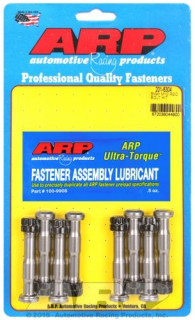
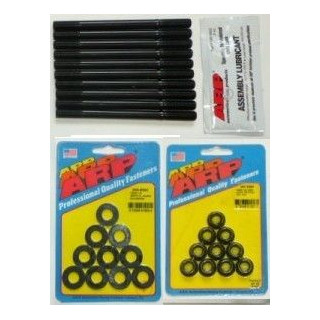
Reinforced ARP cylinder head studs BMW M10
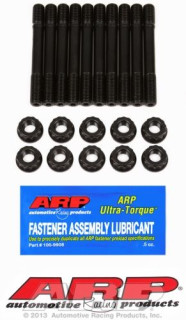
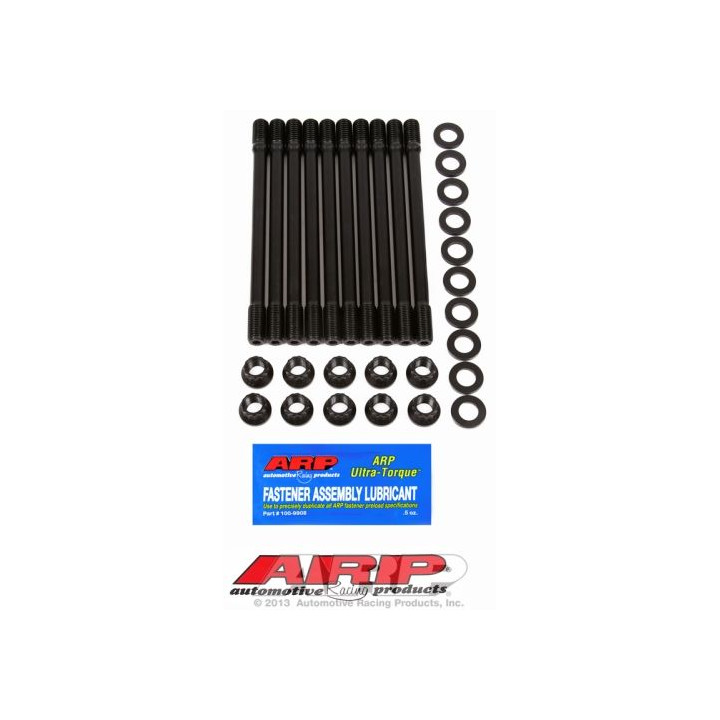
Kit of 10 ARP 8740 cylinder head studs for the BMW M10B20 four-cylinder (2000, 2002, 320 and 520).
- Brand: ARP
- Engines: M10B20
- Thread: M12
- Grade: 8740
The BMW engine concerned
The M10 is BMW's inline four-cylinder petrol engine with eight valves; its M10B20 version is a 2.0-litre unit (1,990 cm³, 89 mm bore, 80 mm stroke). It powers the BMW 2000 and 2002, including the 2002 Turbo, as well as the 320 E21 and the 520 E12.
The original cylinder head relies on 156 mm M12 bolts (part number 11 12 0 621 144), which are replaced after being washed and oiled. The initial torque is 60 Nm; after a 15-minute wait, a 33° angle is applied, then the engine warms up for 25 minutes before a last 25° angle.
Reinforced ARP cylinder head studs
Cylinder head fasteners work constantly: they hold the head tight against the block, crush the gasket to the right value and hold back the push of the gases at every combustion. If they lose even a little tension, the gasket starts to leak.
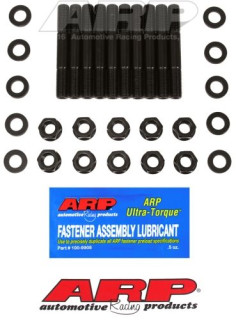
The ARP 201-4601 kit contains 10 studs in 8740 steel, 10 nuts (12-point) and 10 washers, in 12 mm diameter, one for each original bolt. The instruction sheet starts with hand-threading the studs into the block, then fitting the head, then tightening the nuts to torque. ARP makes these fasteners in 8740, a chrome-molybdenum steel whose tensile strength reaches 200,000 psi. To put this figure in context, original engine fasteners generally belong to classes 10.9 and 12.9, whose minimum ranges from 150,800 to 176,900 psi. In M12, the 8740 studs hold up to 600 hp on this four-cylinder engine (calculated estimate).
Technical specifications
| Part number | Brand | Grade / material | Nuts | Thread |
| ARP-201-4601 | ARP | 8740 | 12-point | M12 |
Tightening torque
| Part number | Stage 1 | Stage 2 | Stage 3 |
| ARP-201-4601 | 41 Nm | 81 Nm | 122 Nm |
The studs are screwed into the block by hand, without torque. Their instruction sheet allows thread locker if they are to be fixed permanently, on the sole condition that tightening is finished before it sets.
If a stud opens into a water jacket of the block, the instruction sheet asks for its threads to be coated with ARP Thread Sealer.
Follow the tightening sequence recommended by the manufacturer and bring to torque in three stages; the stated values assume ARP lubricant on the threads and under the nuts.
According to the instruction sheet, ARP lubricant is also applied to the washers, as on the threads.
Values taken from ARP instruction sheet 201-4601, in the revision current on the date of publication. In the event of any discrepancy, the official instruction sheet prevails; it also details the full procedure and the tightening sequence. Read the ARP 201-4601 instruction sheet
Technical guide
All torque values on this page are given with ARP assembly grease on the threads and under the nuts; another lubricant would make them wrong.
| Buy the ARP assembly grease → |
The ARP brand
 |
ARP (Automotive Racing Products) was born in the early 1970s from the initiative of Gary Holzapfel, an engineer from the aerospace industry, determined to eliminate engine failures caused by weak fasteners in motorsport. The company designs and manufactures thousands of parts in California, in several material grades suited to each use. |
Advantages over the original bolts
| Criterion | Original head bolts | Reinforced ARP studs |
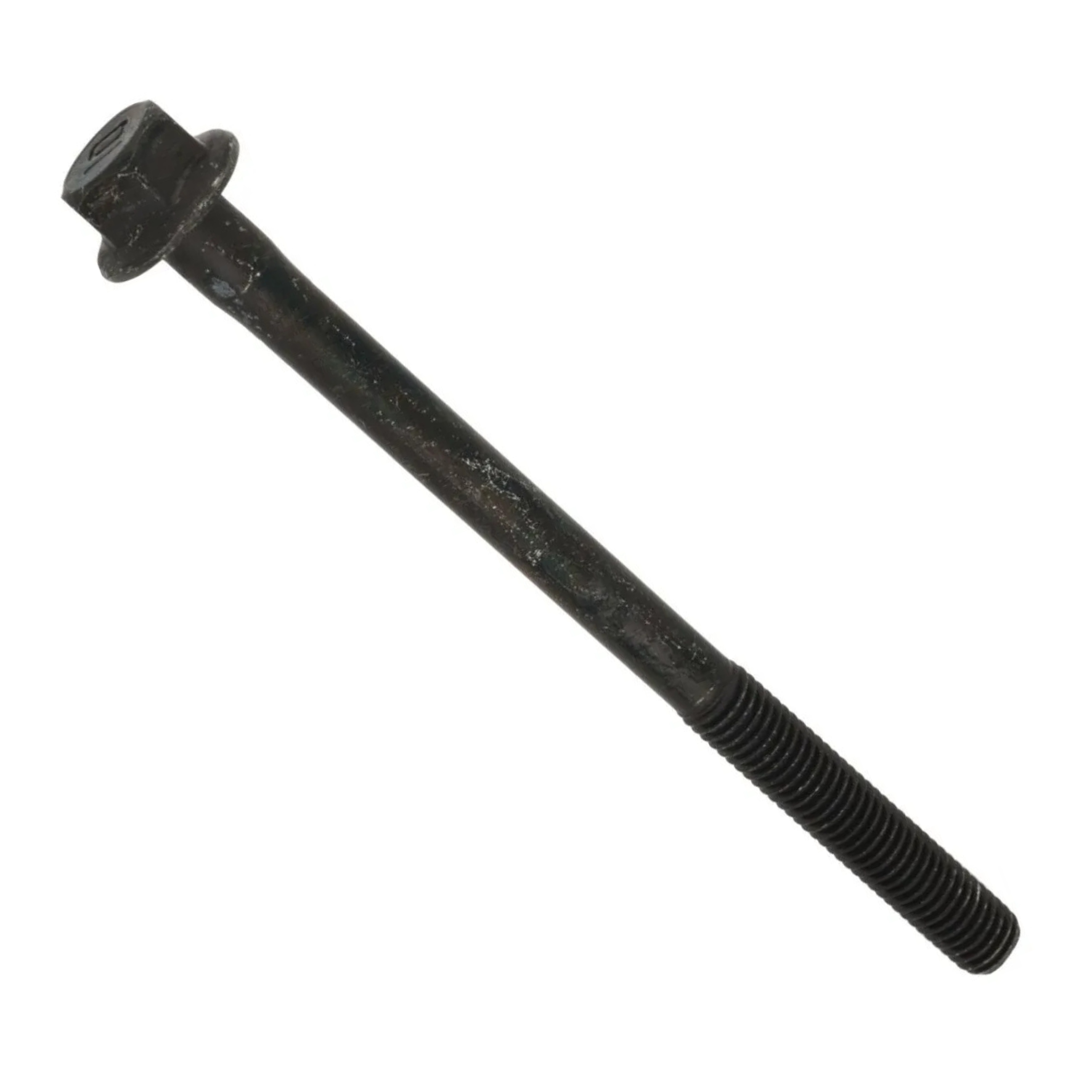 |
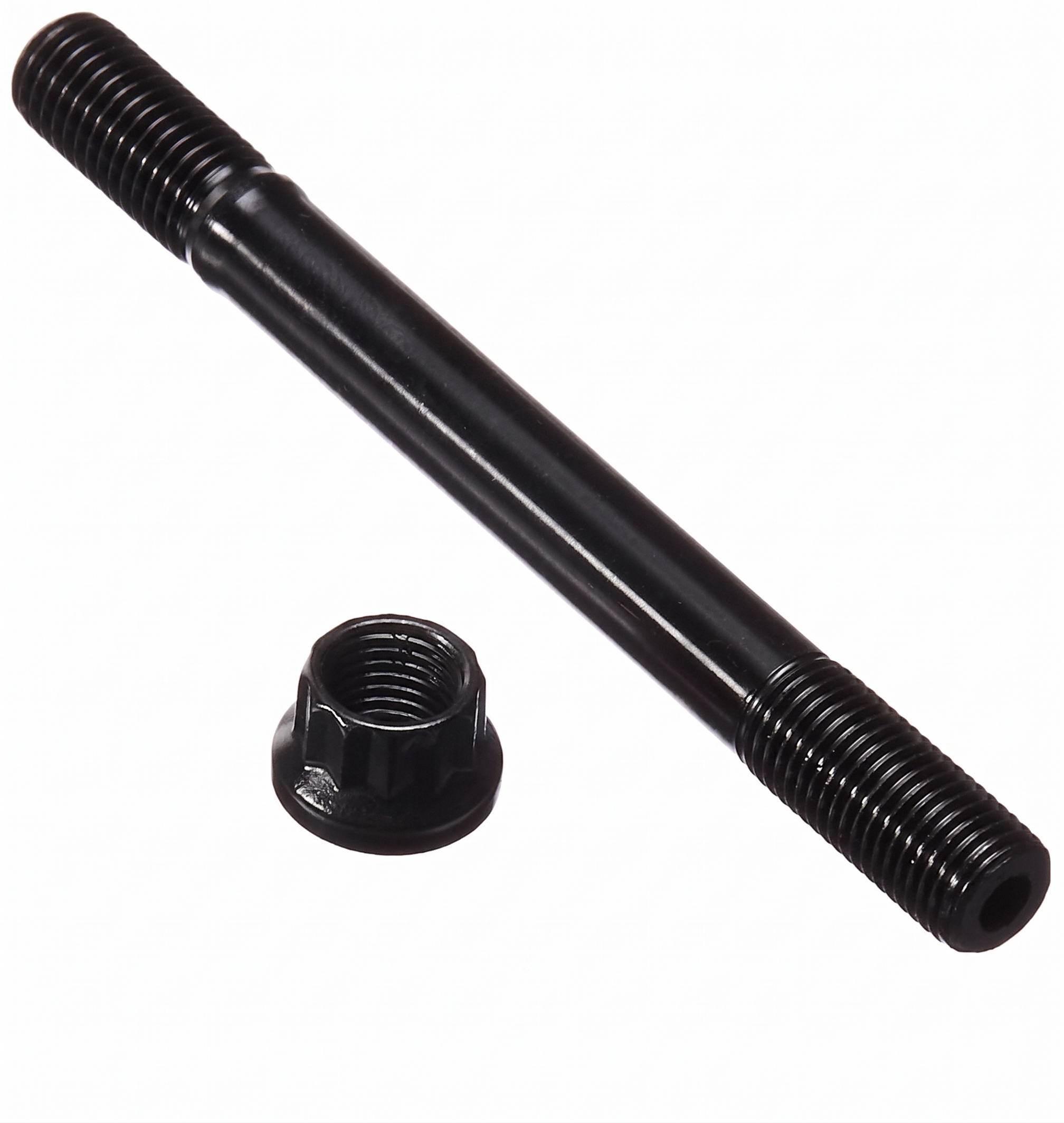 |
|
| Tightening | Torque then angle (60 Nm, 15 min wait, 33°, 25 min warm, 25°) | Torque only, in three equal stages |
| Block threads | Stressed at every tightening | Preserved (studs fitted hand tight) |
When studs become necessary
Standard fasteners remain suitable as long as the engine keeps its original combustion pressure. They reach their limits in the following cases:
- M10B20: forced induction added, or boost pressure increased
- Compression ratio raised for more power
- Reinforced MLS head gasket, which requires a high and even preload
- Cylinder head that has already lifted or gasket that has already leaked
- Racing or track use, with repeated heat-ups and frequent teardowns
Vehicle compatibility
| Model | Engine code | Power | Years |
| 2000 / 2000 Ti / 2000 Tii (115, 116, 118, 121) | M10B20 | 100-137 hp | 1965-1972 |
| 2000 Coupé (120) | M10B20 | 101-135 hp | 1965-1970 |
| 2002 / 2002 Ti / Tii / Turbo (E10) | M10B20 | 100-170 hp | 1967-1975 |
| 2002 Touring (E6) | M10B20 | 100-130 hp | 1971-1975 |
| 2002 Convertible (E10) | M10B20 | 100 hp | 1971-1975 |
| 320 / 320i (E21) | M10B20 | 109-125 hp | 1975-1982 |
| 520 / 520i (E12) | M10B20 | 115-131 hp | 1972-1979 |
OEM reference: 11 12 0 621 144
Why is it the most cost-effective solution?
Tightening to torque then angle stretches the original head bolts for good. Reinforced, the ARP 8740 fasteners cope with a much higher combustion pressure, even with forced induction: the risk of gasket leaks or breakage drops, and with it the risk of a repair costing far more than the kit.
-
Brand
-
ReferenceARP-201-4601
-
EAN130672036007447